• Link to X
  • Link to Facebook
  • Link to Instagram
  • Link to TikTok
  • Link to Youtube
  • About
    • About Us
      • President
      • Board of Directors
      • Board of Advisors
      • Financials
      • Our Methodology
      • Success Tracker
      • Contact
  • Act Now
    • 30 Ways to Help
      • Email Congress
      • Call Congress
      • Volunteer
      • Courses & Certificates
      • Be a Donor
    • Internships
      • In-Office Internships
      • Remote Internships
    • Legislation
      • Politics 101
  • The Blog
  • The Podcast
  • Magazine
  • Donate
  • Click to open the search input field Click to open the search input field Search
  • Menu Menu

Tag Archive for: USAID

Information and news about mobile technology

Posts

Global Poverty, Sanitation, Water Sanitation

Improving Water and Sanitation in Nepal

Water and Sanitation in Nepal

The Federal Democratic Republic of Nepal, or Nepal, is a landlocked South Asian country located mainly in the Himalayas and between China and India. Nepal is the third poorest country in Asia with a GDP per capita of $2,690. Around 21 percent of Nepal’s 29.3 million residents live below the poverty line which is the equivalent of 50 cents per day. Poverty has been a contributing factor to the nation’s long-standing issues securing clean drinking water and proper sanitation. However, Nepal has made tremendous progress increasing its population’s access to improved water sources to 91.6 percent in 2015 compared to 65.9 percent in 1990.

Background

Still, while more people have access to improved drinking water, the quality of the water remains alarming. In 2014, 81.2 percent of household drinking water from improved water sources and 89.6 percent from unimproved water sources tested positive for fecal contamination.

Thirty-seven percent of Nepal’s rural areas practice open defecation. This is a huge decline from 93 percent in 1990. Open defecation perpetuates a cycle of disease, poor sanitation and poverty. Exposure to human waste through open defecation and fecal contamination in drinking water leads to waterborne diseases such as diarrhea, cholera, typhoid and trachoma. Children under 5 are especially susceptible to increased health issues, stunting and even death due to these diseases. Since the end of 2017, 47 of Nepal’s 75 districts have eliminated open defecation which is great progress. Nepal aims to soon be entirely free of open defecation with universal sanitation and improved hygiene.

Sixty-two percent of households in Nepal use an improved sanitation facility compared to only six percent in 1990. This is substantial progress, but there is still more to do to secure improved sanitation in Nepal. Twenty percent of Nepal’s public schools lack improved water and sanitation facilities and 19 percent lack separate toilets for girls and menstrual hygiene management facilities.

Uncontrolled industry discharge, domestic waste and untreated sewage flowing into Nepal’s bodies of water have worsened the water and sanitation crises in Nepal. The 2015 earthquakes also destroyed many of Nepal’s clean water systems and networks.

Nepal’s National Water and Sanitation Goals

The Government of Nepal set the national goal of providing 100 percent of the population with basic water and sanitation services by 2017. Nepal created around 40,000 water schemes to achieve these goals. Its first priority project is the Melamchi Water Supply Project that transfers water from the Indrawati River Basin to the Bagmati River Basin to provide clean drinking water for the people of Kathmandu. The Bagmati Area Physical Infrastructure Project is another big project that aims to clean and save the Bagmati River and its Kathmandu tributaries to become a source of clean water.

Efforts to Improve Water and Sanitation in Nepal

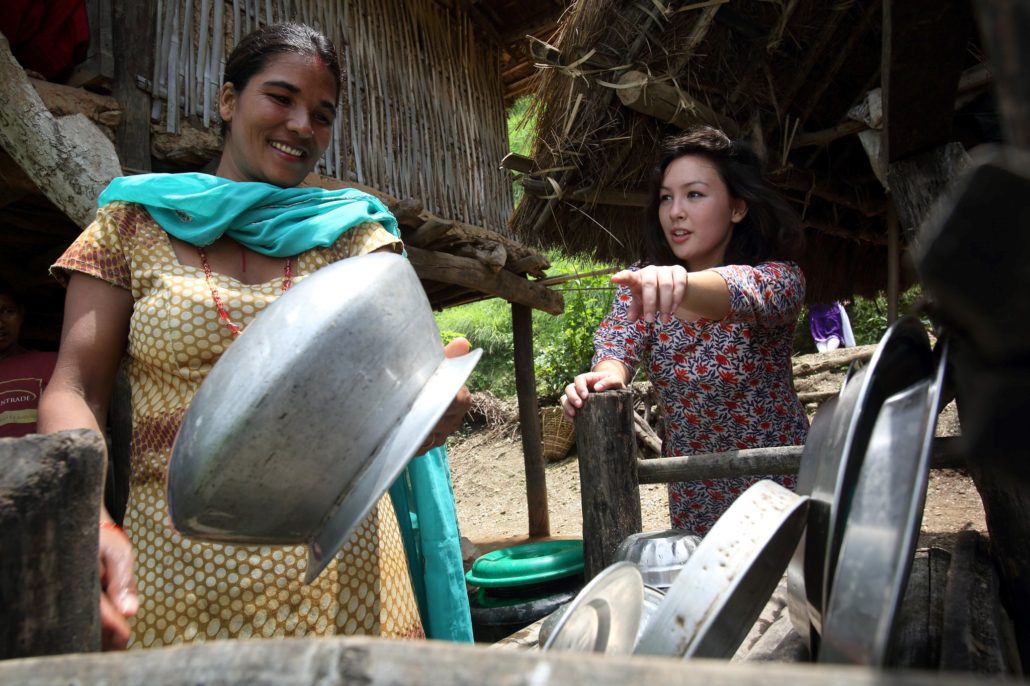
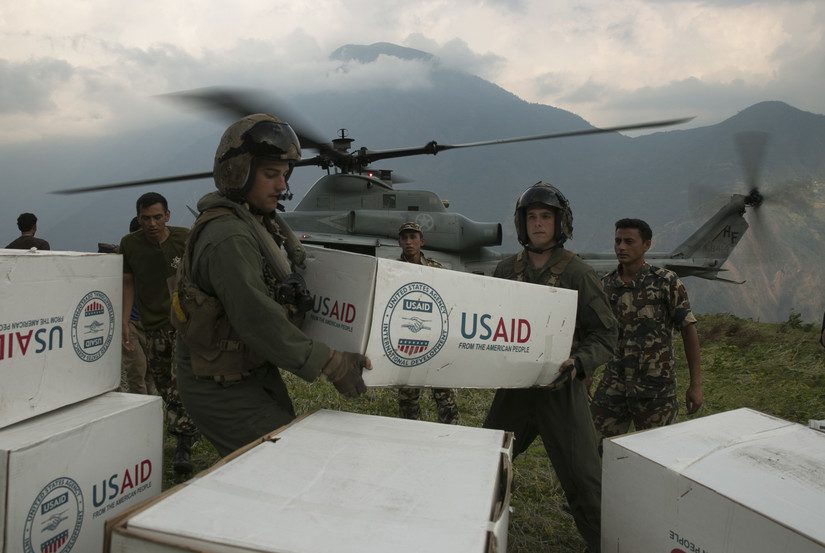
USAID’s Safaa Paani (WASH Recovery) project helps improve sustainable drinking water in the two districts where the 2015 earthquakes disrupted water systems the most—the Sindhupalchowk and Dolakha Districts. From 2015 to 2019, the Safaa Paani project is collaborating with Nepal’s Department of Water Supply and Sewage and other stakeholders to lead the reconstruction of water and sanitation infrastructure in Nepal. Its key outcomes are to renovate or construct water supply systems for 200 communities, map water sources, conduct microbial water quality tests, create water safety plans and create 10 public latrines in public areas.

UNICEF’s WASH intervention programs for Nepal are also multifaceted. These programs work to improve access to safe water at schools and health care facilities, strengthen water safety with regulations and plans, develop strategies to ensure clean water and sanitation to unreached areas and support the government to develop new WASH legislation. They emphasize gender equality by gender-friendly sanitation facilities and by promoting proper menstrual hygiene. UNICEF credits its programs successes to intersectoral collaboration.

The nonprofit Splash supports 101,149 kids daily to receive clean drinking water, sanitation and hygiene programs in Nepal through sites in the city of Kathmandu’s 500 public schools. It focuses on water filtration purification, improving sanitation with safe and secure toilets, hygiene education and behavioral change. Splash helps improve water and sanitation in urban areas of Nepal by leveraging existing markets.

Overall, Nepal and various nonprofits have made rapid strides to improve water and sanitation in Nepal. The country has made progress in increasing the access to clean water and sanitation facilities as well as eliminating open defecation in many areas. This momentum of progress must continue to address Nepal’s remaining water and sanitation issues. The intersectoral collaboration of NGOs, the Nepalis, the Government of Nepal and businesses will continue to address these issues and reach towards improvements in water and sanitation in Nepal.

– Camryn Lemke
Photo: Flickr
August 2, 2019
https://borgenproject.org/wp-content/uploads/borgen-project-logo.svg 0 0 Kim Thelwell https://borgenproject.org/wp-content/uploads/borgen-project-logo.svg Kim Thelwell2019-08-02 17:58:042024-05-29 23:10:33Improving Water and Sanitation in Nepal
Aid, Development, Foreign Aid, Global Poverty, Government, USAID

Understanding US Foreign Aid Spending


Every year Congress must approve the fiscal budget, which includes a request for foreign aid spending from the current Secretary of State. By examining the proposals for foreign aid spending through the United States Agency for International Development (USAID) from 2008 to 2020, it highlights the United States’ international goals and concerns. A common thread amongst all three budgets is a concern of national security and instability within foreign nations.

The 2008 Congressional Budget Justification – Secretary Condoleezza Rice

In the 2008 Congressional Budget Justification, Secretary of State Condoleezza Rice outlined the international concerns of the Bush Administration. As a whole, Secretary Rice requested $36.2 billion in funding from Congress for the 2008 fiscal year, as well as $6 billion in supplemental funding in 2007 for, as she details, additional expenses from the wars in Afghanistan and Iraq.

Secretary Rice stated that the overarching goal of this budget for foreign aid spending is to “mobilize our [the U.S.] democratic principles, our diplomacy, our development assistance and our compassion to win what will be a generational struggle.” As a result of this priority, much of the outlined spending in the report focused on the allocation of funds to programs that support democracy-building programs, peacekeeping, diplomacy and child-health programs. The United States, Secretary Rice details, ought to shift from a historically paternalistic relationship towards other nations in the world and, rather, act in partnership with foreign countries in the hope that it can establish positive and lasting change.

The 2016 Congressional Budget Justification – Secretary John Kerry

In the 2016 Congressional Budget Justification, Secretary of State John Kerry expressed concerns that were similar to those of Secretary Rice under the Bush Administration. In 2016, the international sphere continued to face uncertainty. He places emphasis on this by asking that Congress “begin by understanding what is at stake – by realizing that our overseas actions, the alliances and partnerships that we form, the cooperation we engender, and the investments we make have a direct bearing on the safety of our citizens and the quality of life enjoyed by our people.” The budget that Secretary Kerry requested $50.3 billion from Congress, a marked increase from the proposal of Secretary Rice in 2008.

Despite a change in the party — from Republican to Democrat — the concerns of each administration are the same. In the 2016 proposed budget for foreign aid spending, Secretary Kerry expresses concern on behalf of the Obama Administration for the stability of Afghanistan, Iraq and Pakistan, as well as for the health, education and safety of families around the world. Secretary Kerry asked for the allocation of $7 billion to Overseas Contingency Operations (OCO), which works to establish stable political environments in volatile regions in which the U.S. involves itself. Also included in this budget is $5.6 billion in humanitarian aid for Migration and Refugee Assistance, International Disaster Assistance and food assistance. On a similar note to the 2008 proposal, Secretary Kerry states that “the United States will continue to do its part to ease suffering and prepare the groundwork for recovery.”

The 2020 Congressional Budget Justification – Secretary Michael Pompeo

The 2020 Congressional Budget Justification from Secretary of State Michael Pompeo strikes a different note from the previous two administrations. While a concern towards international security remains, Secretary Pompeo focuses on foreign aid spending with a more exclusionary approach to international relations.

At the start of his proposal, Secretary Pompeo outlines the concerns for international security that lie in the denuclearization of North Korea as well as the “great-power competition against China and Russia.” Secretary Pompeo currently has requested $40 billion in foreign aid spending, a decrease from the amount requested in 2016. He states that the funds will be “to protect our diplomats and our borders, recruit and develop our workforce, and continue to modernize our IT infrastructure.” The funding for democracy strengthening programs as well as health and education in poor nations continues, but a tone of gradual withdrawal from direct involvement in global affairs persists in the language used by Secretary Pompeo throughout the proposal.

Funding to international organizations has faced cuts with a decrease of $141.46 billion to approximately $2.15 billion. Overseas programs have also faced cuts with a decrease of $69.33 billion to approximately $1.52 billion and requested funding for border security is $3.75 billion. To conclude his budget request, Secretary Pompeo states that “we must continue to put U.S. interests first and be a beacon of freedom to the world.”

Throughout all three administrations, a concern for the changing and uncertain status of the international sphere is present. Foreign aid spending peaked under the Obama administration, but both the Bush and Obama administrations focused on direct U.S. involvement in world affairs as a means of spreading peace and democracy, while the Trump administration appears to have turned its focus on protecting the U.S. from threats abroad.

– Anne Pietrow
Photo: Media Defense

August 2, 2019
https://borgenproject.org/wp-content/uploads/borgen-project-logo.svg 0 0 Kim Thelwell https://borgenproject.org/wp-content/uploads/borgen-project-logo.svg Kim Thelwell2019-08-02 15:20:562024-05-29 23:10:49Understanding US Foreign Aid Spending
Global Poverty, Life Expectancy

Life Expectancy in the Democratic Republic of Congo

Life Expectancy in the Democratic Republic of Congo

Major, violent conflict and extreme, rampant poverty have gripped the Democratic Republic of Congo, a large nation in the center of Africa. The Congolese people have faced decades of government and humanitarian failures that have greatly impacted their quality of life. These 10 facts about life expectancy in the Democratic Republic of Congo paints the circumstances the nation faces as well as the human impact of its problems.

10 Facts About Life Expectancy in the Democratic Republic of Congo

  1. The Democratic Republic of Congo has a male life expectancy of 59 years of age and a female life expectancy of 62. The overall average life expectancy in the Congo in 2017 is 60 years of age. This average ranks the Congo far below the worldwide average and illustrates the dire situation in the nation.
  2. The probability of dying under five years of age is 9.1 percent. According to the World Health Organization, 91 out of 1000 births in 2017 died before reaching the age of five years old.
  3. The probability of dying between the ages of 15 and 60 is between 28.1 percent and 23.2 percent. A quarter of the population of the Congo dies before reaching 60 years old. Two hundred and thirty-two females out of 1000 die before 60 while 281 out of 1000 males die.
  4. The ongoing Congolese civil war greatly affects children. One of the most undeniable factors affecting the life expectancy of the Congolese people is the Congo Civil War. While everyone in the nation has suffered due to the conflict, the practice of child soldiers may be a reason for limited life expectancy. According to the Human Rights Watch, the Congo’s military enlisted children “between twelve and twenty years old” in its armed forces. The conditions for these child soldiers “appear to be deplorable” and leave many open to becoming “victims to epidemics.”
  5. The violence in the Congo has been widespread and devastating. The Congolese civil war and subsequent violence had been one of the worst humanitarian crises in world history until very recently. Dubbed “Africa’s World War” by observers, the war has claimed up to six million lives by both violent means and humanitarian failures. The Congolese people are still feeling the impacts of the war today as civil, governmental or health conditions are still unacceptably poor.
  6. The infant mortality rate is abnormally high. Despite the worldwide infant mortality rate decreasing dramatically due to an epic global effort, the infant mortality rate in the Democratic Republic of Congo remains a troubling sight. According to the World Health Organization (WHO), 237,000 infants died in 2015. The neonatal deaths are extremely high in the Congo with 98,000 deaths in 2015.
  7. The maternal mortality rate is also much higher than the worldwide average. Childbirth remains a dangerous endeavor in the Congo with a maternal mortality rate of 693 deaths per 100,000 childbirths. The high maternal and child death rate is due, in large part, to the fact that “an estimated 70 percent of Congolese have little or no access to health care,” according to USAID. The lack of safe, quality health care for those most vulnerable in the Congo puts many mothers and children at risk.
  8. The Congo has a significant problem with many rare and preventable diseases. The overall lack of health care in the Democratic Republic of Congo has left millions vulnerable to many diseases that are not commonplace in the Western world. There were reports of malaria, leprosy and tuberculosis in 2015 with 1.6 million reports of malaria, over four thousand reports of leprosy and a tuberculosis death rate of 70 per 100,000 people.
  9. The situation in the Democratic Republic of Congo is improving. Despite these 10 facts about life expectancy in the Democratic Republic of Congo, there is hope. Thanks to an increase in global attention to the Congo, the environment for the Congolese people is improving. According to USAID, the Congo government has “increased its allocation for health in the overall country budget from 3.4 percent to 8.6 percent.” In addition to USAID providing health care services at “1.793 health facilities [and] serving over 12 million people,” health in the Congo has improved as mortality under five years of age has decreased. The percentage of vaccinated children has increased and the nation has been polio-free for years.
  10. There are many nonprofits and NGOs helping to improve the Congo including the International Rescue Committee. The International Rescue Committee (IRC) has been in the Congo since 1996 “providing emergency assistance and humanitarian aid to those affected by violence.” Even more than twenty years later, the IRC remains in the Congo “providing health care, shelter, water, sanitation and emergency supplies.” Organizations like the IRC have worked tirelessly to improve the Congo, and due to its hard work, it has aided 2.3 million people since it started working in the area.

The situation in the Democratic Republic of Congo has been quite dire. The Congolese people are in desperate need of additional support, aid and attention, but there is still hope. These 10 facts about life expectancy in the Democratic Republic of Congo should draw awareness to the Congo’s situation and possibly inspire action.

– Zachery Abunemeh
Photo: Wikipedia Commons

August 1, 2019
https://borgenproject.org/wp-content/uploads/borgen-project-logo.svg 0 0 Jennifer Philipp https://borgenproject.org/wp-content/uploads/borgen-project-logo.svg Jennifer Philipp2019-08-01 17:44:512020-01-26 19:48:24Life Expectancy in the Democratic Republic of Congo
USAID, Women

Women’s Empowerment in Agriculture in Egypt

Women’s empowerment in agriculture

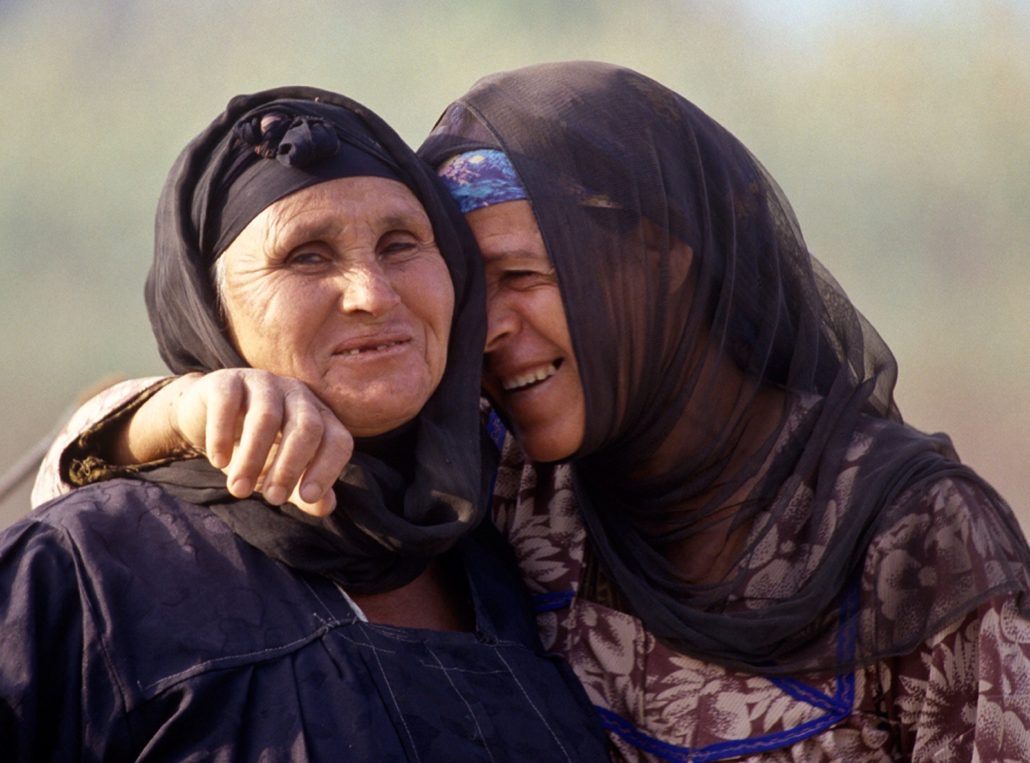
Agriculture in Egypt accounts for about 14.5 percent of GDP and women make up most of the workforce. World Bank data shows that between 2011 and 2014, 43 percent of women were employed in agriculture versus only 24 percent of men. These women often work long hours and in labor-intensive sectors including harvesting and fertilizing land. According to a paper by Korang Ismail Abdel-Gawad, a survey of Upper and Lower Egypt shows that women participation in harvesting was 67 percent in lower-Egypt and 94.3 percent in upper-Egypt.

Despite women’s contribution to the economy through agriculture, they are frequently overlooked in both data and investment. The Principal Bank of Development and Agriculture, a major financial institution responsible for providing agricultural credit in Egypt, neglects to grant many long-term loans to women. Only one in twenty-six long-term borrowers and one-third of short-term borrowers are women. Furthermore, women make up only 5 percent of agricultural landowners.

Women’s empowerment in agriculture is crucial in order to increase growth in agriculture-related GDP. According to the International Monetary Fund, if the female labor force participation rate in Egypt is raised to the male level, coupled with access to employment opportunities, the GDP would increase by approximately 34 percent. This includes gaining access to land, educational or instructional opportunities and gender-based equity programs. Here are a few main projects in Egypt related to women’s empowerment in agriculture:

USAID’s Strengthening Entrepreneurship and Enterprise Development (SEED):

This project was created to strengthen micro, small and medium business owners (MSMEs) to ensure that they have access to the appropriate business development tools. In particular, the project focuses on businesses owned by women and youth with special attention to disadvantaged communities.
Related to this project is the Workforce Improvement and Skills Enhancement (WISE) program that provides employment training and technical-skills training to women and youth.

Food and Agriculture Organization (FAO):

The FAO improves agricultural productivity and food security through sanitary measures and regulations. This organization also supports female empowerment by encouraging of small enterprises and agricultural investment programs.

Women’s Employment Promotion Program:

This program helps to promote workplace safety and increase employment contracts that benefit women through pay equity, benefits and steady hours. In addition, the program provides educational seminars that help increase labor-force participation and prepare youth for employment

These three projects help to promote women in the workforce in order to increase economic returns and foster a safe and productive work environment. A prime focus is women’s empowerment in agriculture since it is such a large source of employment in Egypt. With access to credit, training opportunities and overall support in the agricultural sector, women can continue to have a growing impact on Egypt’s GDP and provide reliable income for their families. Strengthening the agricultural sector by supporting women in the workforce means an overall increase in food exports, and thus a larger contribution to the global economy.

– Tera Hofmann
Photo: Flickr

August 1, 2019
https://borgenproject.org/wp-content/uploads/borgen-project-logo.svg 0 0 Kim Thelwell https://borgenproject.org/wp-content/uploads/borgen-project-logo.svg Kim Thelwell2019-08-01 11:20:362024-06-07 05:07:56Women’s Empowerment in Agriculture in Egypt
Global Poverty, Poverty

Efforts to Fight Corruption in Guatemala


Corruption in Guatemala

The United States has long been a sponsor and provider of aid to Guatemala, along with other non-governmental organizations backed by the U.N. Much of this aid has been to fight corruption—either the investigations of corrupt practices or the establishment of institutions to monitor and prevent corruption, impunity and organized crime.

The Background

As in many Latin American countries, particularly the Northern Triangle region (consisting of Guatemala, El Salvador and Honduras), corruption is ubiquitous from the local to national levels of government. Corrupt government leads to extractive institutions, which in turn leads to poverty, violence and mass emigration; at present, the majority of migrants at the U.S./Mexico border are from Guatemala.

In recognition of this, several political leaders and pundits of both parties have spoken out against proposed cuts to foreign aid, citing the need to stabilize the region by addressing the problem at its source. USAID and State Department programs focused on economic development have been widely successful, resulting in: increased access to nutrition for 230,000 children under the age of five, a 51 percent increase in rural agricultural sales, 20,000 new jobs in the agricultural sector, a 60 percent increase in American agricultural exports to Guatemala and many other improvements besides.

The long history of institutional corruption has not burdened agriculture, which allows for direct economic investment while the country focusses on anti-corruption efforts to dismantle impunity in other sectors—particularly in customs administration. The customs and tax administrations conducted the Linea bribery scandal of 2015, which resulted in the impeachment of President Otto Perez Molina and nearly 600 arrests. Since the Linea scandal, officials in multiple areas have been working with the UNODC (U.N. Office on Drugs and Crime) to combat the corruption that enables the use of Guatemala’s ports as drug trafficking avenues.

The UNODC and IACAC’s Efforts to Fight Corruption

While not as specialized as other anti-corruption programs and NGOs operating within Guatemala, UNODC has been instrumental in Guatemala’s fight against organized crime, with which governmental corruption naturally dovetails. In 2010, the drug trade alone was worth double the country’s GDP. The violence it generated (Guatemala has the 15th-highest murder rate in the world, out of 230 countries) dissuaded tourists and investors, which in turn contributed to the poverty that engenders corruption and organized crime, to begin with. However, with the help of UNODC along with other domestic and international programs, Guatemala has made significant economic progress. Its current GDP is nearly double what it was before the major anti-crime and anti-corruption initiatives began in 2010 and 2011.

International efforts to fight corruption in Guatemala have a long history, which has resulted in significant governmental reforms. The earliest instance of this was the adoption of IACAC, or the Inter-American Convention Against Corruption, which Guatemala ratified in 2001. The country has made substantial institutional reforms to maintain its compliance with IACAC, most notably a commission that allows for the coordination between the executive and judicial bodies, and its independent Association of Journalists. IACAC has also spawned several bilateral agreements with other countries—including the United States—to share evidence and otherwise support anti-corruption legal proceedings.

The reforms prompted by IACAC compliance had few immediate effects—within the first two years after ratification, Guatemala’s Corruption Perception Index (CPI) did not change enough to indicate a conclusive shift. However, the primary effect of IACAC has been to keep institutions updated and to keep corruption in Guatemala in the public eye. With the institutional reforms that IACAC prompted in the early 2000s, there was an existing framework for other anti-corruption initiatives to operate with much greater effectiveness.

The International Commission Against Impunity’s Success

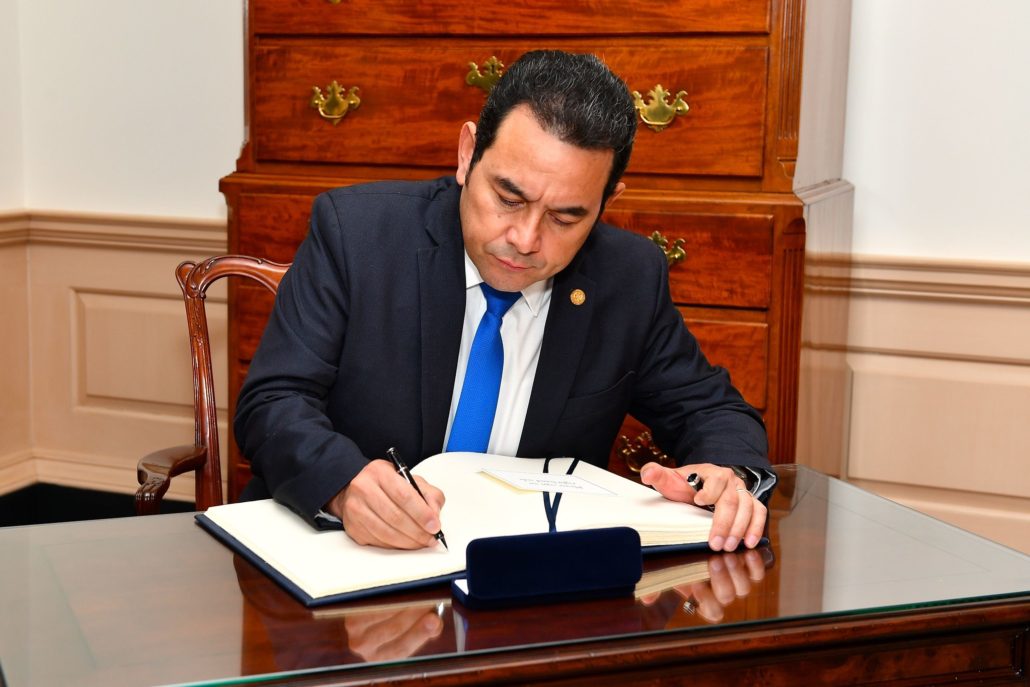
The U.N.-backed International Commission against Impunity (referred to as CICIG by its Spanish initials) is the most successful NGO fighting corruption in Guatemala, which has prosecuted over 100 cases and obtained roughly 300 convictions since its establishment in 2003. Yet despite its impressive record, Guatemala’s current president, Jimmy Morales, attempted to end CICIG’s mandate before its natural expiration in November 2019. Guatemala’s Constitutional Court halted that decision and legal battles are still ongoing. Public support is heavily in favor of CICIG and the Court.

In the meantime, CICIG’s commissioner, Iván Velásquez, has taken the time to respond to the Morales administration’s accusations against CICIG in detail. Velásquez upholds CICIG’s record of convictions and dryly remarks that “[threats and smear campaigns are] foreseeable with respect to an entity whose purpose is to attack structures that co-opt the State to profit and refuse to lose privileges obtained illegally and illegitimately.” The country recently blocked Velásquez from re-entering, along with dozens of other CICIG staff, when Morales announced the premature termination of the commission. The country must continue to restore Guatemalan’s confidence in its elections.

– Robert Sprankle
Photo: Flickr


August 1, 2019
https://borgenproject.org/wp-content/uploads/borgen-project-logo.svg 0 0 Kim Thelwell https://borgenproject.org/wp-content/uploads/borgen-project-logo.svg Kim Thelwell2019-08-01 09:11:022024-05-29 23:10:36Efforts to Fight Corruption in Guatemala
Global Poverty, Health

New HIV Drug Implemented In Kenya

HIV Drug Implemented in Kenya
In 2017, there were approximately 36.9 million people living with HIV/AIDS worldwide. Additionally, 6.1 million of those with HIV were located in western and central Africa. Kenya, a country in eastern Africa, had approximately 1.5 million people living with HIV/AIDs in 2017. That same year, an HIV drug implemented in Kenya started to successfully combat this deadly immune system virus. Unitaid and the Kenyan government simultaneously introduced it to the country.

Dolutegravir and Antiretroviral Therapy

The new HIV/AIDS drug, Dolutegravir or DTG, received approval in 2014 and is the most recent and effective antiretroviral drug used in the treatment against HIV/AIDs. DTG has been the drug of choice in high-income countries for its antiresistance properties, few side effects and easy one pill a day treatment. In 2015, the World Health Organization recommended this drug replace other first-line regimens for adults and adolescents. Recently this drug was not available in low-income countries, like Kenya, because of its high cost.

In 2018, only 62 percent of people with HIV/AIDs had access to antiretroviral therapy, which was an increase from the previous year. This corresponds to the 23.3 million people who were able to receive treatment, however, approximately 14.6 million people could not access treatment. In Kenya, 75 percent of adults with HIV/AIDs received treatment in 2018, which increased from 2016, when only 64 percent of people received treatment. One reason for the increase in HIV/AIDs testing is the partnerships between the government of Kenya and Unitaid that began in 2017 which introduced the generic brand of DTG.

Now, the generic brand of this life-saving drug has been available to people in Kenya since early 2018. This new HIV drug implemented in Kenya has the potential to make life-saving drugs more accessible to those who would normally not be able to afford it. In 2017, a number of nonprofits including the Bill & Melinda Gates Foundation, Unitaid, USAID, PEPFAR and others agreed to a pricing agreement to help make the drug more affordable in developing countries. This pricing agreement would allow public sector purchases at $75 per person, per year.

Side Effects of Other Drugs

Before the introduction of DTG, the first-line drug in Kenya was Efavirenz, an antiretroviral medication with side effects for some users including nausea, dizziness, rash and headaches. When the pricing agreement first emerged, the Kenyan Ministry of Health decided that the first round of DTG it distributed would go to 27,000 people who suffered the negative side effects from efavirenz. Then, the Ministry of Health assigned various other health clinics to receive the drug until it could become available to the entire country.

The number of new HIV/AIDs diagnoses in Kenya has halved over the last decade to approximately 80,000 people a year. The new HIV drug implemented in Kenya will only help decrease the number of people suffering from HIV/AIDs. Comprehensive sex education, HIV/AIDs testing centers and the continuation of drug pricing agreements will help alleviate the prevalence of HIV in developing countries, like Kenya.

– Hayley Jellison
Photo: Flickr

August 1, 2019
https://borgenproject.org/wp-content/uploads/borgen-project-logo.svg 0 0 Kim Thelwell https://borgenproject.org/wp-content/uploads/borgen-project-logo.svg Kim Thelwell2019-08-01 07:20:422024-05-29 23:12:25New HIV Drug Implemented In Kenya
Global Poverty

100 percent Renewable Energy in Djibouti by 2035

Renewable Energy in Djibouti

Djibouti, located in East Africa and bordered by Eritrea, Ethiopia and Somalia, has a population of nearly one million people. In 2013, Djibouti announced Vision 2035, a comprehensive plan to use exclusively renewable energy and achieve universal access to reliable electricity. If successful, Djibouti would become the seventh country in the world and the first African country to achieve 100 percent renewable energy.

Djibouti’s Energy Infrastructure Today

Right now, Djibouti faces several roadblocks in its path toward renewable energy. For example, much of Djibouti’s energy comes from volatile imports. Around 65 percent of Djibouti’s electricity comes from Ethiopia. According to the International Renewable Energy Agency (IRENA), this reliance on imported energy leads to price volatility that can hamstring economic development plans. Much of Djibouti’s remaining energy comes from its own geothermal, solar, wind and biomass sources. However, much of this electricity is unreliable. According to USAID, 100 megawatts of electricity that Djibouti consumes, only 57 megawatts are available to serve the population because of underdeveloped energy infrastructure. In addition, only 60 percent of Djiboutians have access to electricity. There is a large disparity in access between urban and rural areas, with far more city dwellers connected to the grid than those in rural areas. In total, 110,000 households in Djibouti without electricity.

Potential and Progress

Despite these hurdles, Djibouti has a remarkable potential to increase domestic renewable energy production. Djibouti has the natural capacity to produce 300 megawatts of renewable energy annually—triple what it produces today. The country has abundant solar radiation for the creation of solar farms and many opportunities to harvest geothermal energy, such as the rifts of its two largest lakes, Abbe and Assal.

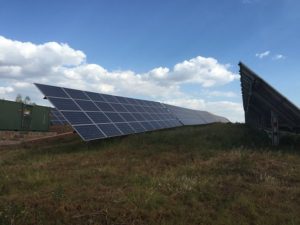
Since the 2013 commencement of Vision 2035, much of this potential has been actualized. The creation of the Djibouti Geothermal Power Generation Project, a power plant in Lake Assal, was announced in 2013. In 2018, construction began after $50 million in funding was secured by the World Bank and other financiers. Moreover, a $390 million solar farm is under construction in southern Djibouti as a result of a public-private partnership between Djibouti’s Ministry of Energy and Natural Resources and Green Enesys, a German renewable energy firm. Djibouti is already beginning to reap the benefits of renewable energy investment projects. The World Bank reports a four percent increase in access to electricity from 2013 to 2017—the largest sustained increase in over two decades.

The Importance of Renewable Energy

There are many important benefits to Vision 2035 if it succeeds. Access to energy is essential to economic growth. The World Bank reports that reliable energy is critical for several aspects of development such as “health, education, food security, gender equality, livelihoods and poverty reduction.” Better electricity is vital for sustained progress in Djibouti.

Additionally, Vision 2035 offers a framework of sustainable development that maintains the integrity of Djibouti’s natural ecosystems. By harnessing energy from renewable sources, Djibouti can reduce poverty without depleting its forests or relying on imported coal or oil. By becoming the first African country to use 100 percent renewable energy, Djibouti has the opportunity to become a leading international voice in sustainable development.

– Abraham Rohrig
Photo: Flickr

July 27, 2019
https://borgenproject.org/wp-content/uploads/borgen-project-logo.svg 0 0 Kim Thelwell https://borgenproject.org/wp-content/uploads/borgen-project-logo.svg Kim Thelwell2019-07-27 05:39:562019-12-17 13:49:08100 percent Renewable Energy in Djibouti by 2035
Global Poverty, Women & Children

Chlorhexidine and Infant Mortality in Nepal

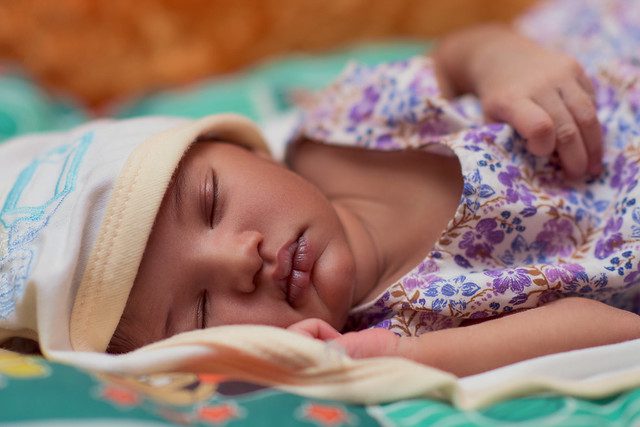
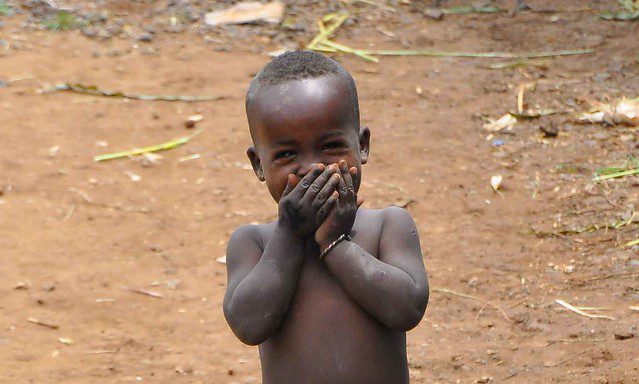
Infant Mortality in NepalOver the past 10 years, infant mortality in Nepal has decreased. The number of infants dying before they reach age one has been reduced by more than 50 percent. In 2006, the United Nations Populations Fund ranked Nepal as the most affected by infant and maternal mortality in South Asia. Not many people know what chlorhexidine does for Nepal. However, chlorhexidine is becoming more common in routine care nationwide. Over 1.3 million newborns throughout Nepal benefit from this product.
How Chlorhexidine Helps Nepal

Chlorhexidine is an antiseptic used in hospitals to disinfect the skin before surgery and to sanitize surgical tools. In countries like Nepal, it is used to prevent deadly infections by protecting the umbilical stumps of newborns. It is safe and affordable. Chlorhexidine comes as either a gel or a liquid. It is easy to manufacture and simple to use. Mothers, birth attendants and others with little training in low-resource settings benefit the most from this antiseptic.

Research and Trials

Between November 2002 and March 2005, Nepal Nutrition Intervention Project, Sarlahi (NNIPS) started a community-based trial. The trial hoped to determine the effects of chlorhexidine on newborns. Nepal Health Research Council and the Committee on Human Research of the Johns Hopkins Bloomberg School of Public Health approved the trial. A local female researcher approached women who were six months into pregnancy for enrollment, to explain the procedures and obtain their oral consent.

Education also became a part of the research testing for those in the chlorhexidine trials. Parents in this group received educational messages about clean cord care.

Results

The NNIPS enrolled 15,123 infants into the trials. Of these infants, 268 resulted in neonatal death. Of the surviving infants, researchers found that there is a 24 percent lower risk of mortality among the chlorhexidine group than those who use dry cord-care (no soap and water, chlorhexidine or any other liquid). Also, infant mortality in Nepal was reduced by 34 percent in those enrolled in the trial within the first 24 hours of their birth.

The trial data also provides evidence that cleansing the umbilical cord with chlorhexidine can lessen the risk of omphalitis and other infections. Omphalitis, a cord infection, was reduced by 75 percent when treated with chlorhexidine. The antiseptic was determined to have an overall positive and significant effect on the public health of the country.

Impact in Nepal

In 2009, after results of the trials released, the USAID supported the Government of Nepal to pilot a chlorhexidine program. Saving Lives at Birth: a Grand Challenge for Development, an NGO, included chlorhexidine into routine care nationwide two years later. The Government of Nepal has advocated and promoted the usage of chlorhexidine by packaging the products as a maternal health product. They are now even educating health care workers on the application of the product.

The country received a USAID Pioneers Prize for lowering the neonatal death rate significantly. In 2007 the mortality rate was 43.4 per 1,000. In 2018, it lowered to 27.32 per 1,000.

Global Impact

What chlorhexidine does for Nepal goes beyond its borders. Nepal has also impacted countries such as Nigeria, Pakistan, the Democratic Republic of the Congo and Bangladesh. These countries are now using chlorhexidine to lower the infant mortality rate and create healthier societies.

In 2013, Nigeria started chlorhexidine pilot programs to also lower its neonatal death rate. The infant mortality rate is determined by newborn deaths per 1,000 people born. Nigeria once had the third-highest number of infant deaths (75.3 per 1,000). However, the infant mortality rate now is ranked as the eighth-highest at about 64.6 deaths per 1,000.

Chlorhexidine is reducing infant mortality in Nepal and other countries.

– Francisco Benitez
Photo: Flickr

July 27, 2019
https://borgenproject.org/wp-content/uploads/borgen-project-logo.svg 0 0 Kim Thelwell https://borgenproject.org/wp-content/uploads/borgen-project-logo.svg Kim Thelwell2019-07-27 05:26:272019-08-01 11:30:31Chlorhexidine and Infant Mortality in Nepal
Global Poverty

Maternal and Child Health Care in Ethiopia

Child Health Care in Ethiopia

Ethiopia is a fascinating case study relating to the mission of downsizing poverty. Although many Ethiopians do struggle, the country has made significant improvements in recent years. For example, 30 percent have fallen below the poverty line as of 2011. The poverty rate decreased from 44 percent in 2000 to 30 percent in 2011. During that time, the percentage of Ethiopians who are uneducated decreased from 70 to 50 percent. Additionally, the average life expectancy rose by 10 years. Maternal and child health care in Ethiopia has been on a similar trend of improvement.

Maternal Care

In 2000, only 22 percent of mothers saw a doctor for an antenatal check-up before having their baby. This rate reportedly increased to 37 percent in 2011. Although this progress is promising, one in 52 women in Ethiopia die due to childbirth-related causes every year. Furthermore, 257,000 children in this country will die before reaching age 5. Fortunately, many organizations remain committed to improving maternal and child health care in Ethiopia through a variety of methods.

Organizations Dedicated to Improving Ethiopia’s Maternal and Child Care

USAID has worked alongside the Bill and Melinda Gates Foundation to bring change to Ethiopia. They have been working to improve coverage of universal family health care plans across the country. These plans include accessible prenatal care for
mothers. They also include increased immunizations and community-based management plans for childhood illnesses.

These two organizations focus on policy and advocacy to achieve their goals. Their success is shown in how poverty has decreased by 45 percent since the Bill and Melinda Gates Foundation first established a grant in Ethiopia in 2002. They cannot take all the credit for this improvement, however, as other organizations have joined them in the fight for better maternal and child health care in Ethiopia.

The World Health Organization (WHO), with the support of the Children’s Investment Fund Foundation and the Ethiopian Federal Ministry of Health, has approached this issue from a different direction. In 2015, the WHO launched a program to monitor and improve the quality of health care in Ethiopian hospitals. In 2015, WHO collected baseline data. This was in addition to training and suggestions for improvement of labor and care in the hospitals.

Improving the Safety of Deliveries

One change implemented by many hospitals was the adaptation of the Safe Childbirth Checklist. The checklist presented 29 essential activities for doctors to perform during childbirth to ensure the safety of the mother and the newborn. The follow-up data collected in 2016 found significant change had been made after the initial visits. This resulted in an improvement in the quality of maternal and child health care in Ethiopia.

This is, as the Gates Foundation puts it, a story of “progress, not victory.” Many Ethiopians continue to struggle, particularly in the realm of maternal and child health. However, the past twenty years of Ethiopia’s history remains hopeful and inspirational, not only for the country’s future but also as an example of the change that is possible. The impact of these organizations on the situation in Ethiopia should serve as a reminder of the potential for positive change.

– Madeline Lyons
Photo: Flickr

July 27, 2019
https://borgenproject.org/wp-content/uploads/borgen-project-logo.svg 0 0 Kim Thelwell https://borgenproject.org/wp-content/uploads/borgen-project-logo.svg Kim Thelwell2019-07-27 05:18:062024-05-29 23:10:00Maternal and Child Health Care in Ethiopia
Global Poverty, War, War and Violence

10 Facts about Health care in Yemen

Health care in Yemen

Yemen is currently in the midst of a violent civil war. The war has had a destabilizing effect on Yemen’s health care system. The Yemeni people face high rates of malnutrition, a cholera epidemic and a lack of access to necessary medical resources. This article provides 10 facts about health care in Yemen, the war’s effect on health care and the role of foreign aid in addressing the country’s health problems.

10 Facts About Health Care in Yemen

  1. Because medical facilities in Yemen lack access to necessary resources like clean water, diseases that are treatable elsewhere become deadly. Approximately 80 percent of Yemeni people are malnourished, forced to drink unclean water and cannot afford health care, making them more susceptible to diphtheria, cholera and other diseases. The current civil war has also been greatly destructive to infrastructure and health care in Yemen.
  2. Bombing frequently damages hospitals in Yemen and it is difficult for hospitals to maintain electricity and running water in the midst of airstrikes. Continuous fighting leaves little time to address structural damage and meet the needs of the Yemeni people. Families are often required to bring the sick and injured to hospitals without the aid of ambulances. All but one of Yemen’s 22 provinces are affected by fighting.
  3. Within less than a year of fighting in Yemen, airstrikes hit 39 hospitals. Troops from both sides of the conflict blocked outside access to the country, preventing the flow of medicine needed to treat diseases, such as cholera. This puts the Yemeni people, especially children, at risk; 144 children die from treatable diseases daily and more than 1 million children are starving or malnourished.
  4. Yemen’s rural populations lack easy access to hospitals and medical care. Rural facilities, such as those in the northern mountains, cannot provide adequate food to patients. The lack of food in many hospitals prevents successful treatment of malnourishment.
  5. The cholera epidemic began in Yemen in 2016, a year after the beginning of the civil war. By 2017, the disease spread rapidly. In 2019, cholera is still a serious problem in the country. It caused 2,500 deaths in Yemen within the first five months of 2019.
  6. Nearly one million cases of cholera were reported by the end of 2017. Yemen’s cholera outbreak is more severe than any other outbreak of the disease since 1949. Poor water filtration and sanitation triggered the outbreak’s severity.
  7. Around 80 percent of Yemen’s population, including 12 million children, require aid. During the first half of 2019, cases of cholera in children rose dramatically. 109,000 cases of cholera in children were reported between January and March of 2019. Nearly 35 percent of these cases were found in children below the age of 5.
  8. Between 2015 and 2018, Doctors Without Borders provided aid to 973,000 emergency room patients in Yemen. Volunteers for Doctors Without Borders treated about 92,000 patients injured by violence related to the war, treated 114,646 cases of cholera and treated 14,370 cases of malnutrition. Doctors Without Borders provides vital support to the health care system in Yemen.
  9. USAID cooperates with UNICEF and WHO to provide health care aid to Yemen, with a special emphasis on the health of mothers, infants and children. In 2017, USAID trained 360 health care workers at 180 facilities to treat child health problems. The facilities also received necessary resources from USAID. They also work with the U.N. Development Program to improve working conditions throughout Yemen, including the health care sector.
  10. During the 2018-19 fiscal year, USAID provided $720,854,296 in aid to Yemen. This aid funded a variety of projects, such as repaired water stations to ensure improved access to clean water. The U.S. also funds WASH, a program intended to improve access to water, sanitation and hygiene. The ultimate goal of WASH is to improve health care in Yemen, especially for the rural poor.

Yemen’s health care system is in dire need of aid. The country’s government, overwhelmed by war, cannot serve the medical needs of its people, especially in light of the ongoing cholera epidemic. The efforts of USAID and other relief organizations can provide the support that Yemen’s health care system needs at this time.

– Emelie Fippin
Photo: Flickr

July 25, 2019
https://borgenproject.org/wp-content/uploads/borgen-project-logo.svg 0 0 Kim Thelwell https://borgenproject.org/wp-content/uploads/borgen-project-logo.svg Kim Thelwell2019-07-25 11:20:002024-05-29 22:58:2810 Facts about Health care in Yemen
Page 58 of 92«‹5657585960›»

Get Smarter

  • Global Poverty 101
  • Global Poverty… The Good News
  • Global Poverty & U.S. Jobs
  • Global Poverty and National Security
  • Innovative Solutions to Poverty
  • Global Poverty & Aid FAQ’s
Search Search

Take Action

  • Call Congress
  • Email Congress
  • Donate
  • 30 Ways to Help
  • Volunteer Ops
  • Internships
  • Courses & Certificates
  • The Podcast
Borgen Project

“The Borgen Project is an incredible nonprofit organization that is addressing poverty and hunger and working towards ending them.”

-The Huffington Post

Inside The Borgen Project

  • Contact
  • About
  • Financials
  • President
  • Board of Directors
  • Board of Advisors

International Links

  • UK Email Parliament
  • UK Donate
  • Canada Email Parliament

Get Smarter

  • Global Poverty 101
  • Global Poverty… The Good News
  • Global Poverty & U.S. Jobs
  • Global Poverty and National Security
  • Innovative Solutions to Poverty
  • Global Poverty & Aid FAQ’s

Ways to Help

  • Call Congress
  • Email Congress
  • Donate
  • 30 Ways to Help
  • Volunteer Ops
  • Internships
  • Courses & Certificates
  • The Podcast
Scroll to top Scroll to top Scroll to top