• Link to X
  • Link to Facebook
  • Link to Instagram
  • Link to TikTok
  • Link to Youtube
  • About
    • About Us
      • President
      • Board of Directors
      • Board of Advisors
      • Financials
      • Our Methodology
      • Success Tracker
      • Contact
  • Act Now
    • 30 Ways to Help
      • Email Congress
      • Call Congress
      • Volunteer
      • Courses & Certificates
      • Be a Donor
    • Internships
      • In-Office Internships
      • Remote Internships
    • Legislation
      • Politics 101
  • The Blog
  • The Podcast
  • Magazine
  • Donate
  • Click to open the search input field Click to open the search input field Search
  • Menu Menu

Tag Archive for: USAID

Information and news about mobile technology

Posts

Global Poverty, USAID, War

Beauty Amid Chaos: USAID is Funding Using Art for Healing in War-torn Iraq

Using Art for Healing
Barely two years after its liberation from ISIS, Iraq is still harboring battle wounds. Everyone lost something, whether it was a home, business, family member or friend. A British Journal of Psychiatry study found that over 45 percent of child soldiers for ISIS in Northern Iraq who are between the ages of eight and 14 suffer from depression, anxiety and PTSD. USAID has been funding art and music projects that bring people together and beautify the country as part of a national healing process.

In recent years, billions of dollars have gone to rebuilding infrastructure and ensuring that Iraquis meet their basic needs. To supplement the reconstruction of cities, some organizations have focused on healing the social rifts that emerged during the occupation.

The Benefits of the Arts

Iraq became liberated in 2017 from a three-year reign of terror under ISIS, and physical reconstruction in the war-torn country has been slow. However, many recognize that repairing buildings and paving streets will not undo all of the damage. The violence has torn the social fabric of Iraq to shreds. Reporter Alice Su from The Atlantic wrote in 2018, “Even if Mosul is rebuilt… lingering distrust and ongoing sectarian and ethnic violence may doom Iraq’s post-ISIS future.” People must heal this pervasive distrust before Iraq can achieve stability.

To encourage reconciliation between Iraq’s Shi’ite majority and the ethnic minorities, USAID offers support for art and music projects that local organizations initiated. Research has indicated the positive qualities of creative engagement to decrease anxiety, stress and mood changes, and this makes art medicinal to damaged societies like those that have recently experienced war.

Art and Music in Iraq

The Karim Wasfi Center for Creativity runs orchestras for Iraqi youth and introduced the first music program for the country’s orphans and displaced.  Its founder, Karim Wasfi, conducted the Peace Through Arts Farabi Orchestra during a USAID-sponsored concert in Mosul last October 2018.  This performance was the first classical music concert to take place in Mosul since the liberation from ISIS.

Another project was with a Yezidi youth group to paint over ISIS propaganda graffiti in the streets of communities near Sinjar. The youth volunteers replaced hateful messages with those promoting peace and education. Not only was this a healing activity for the nearly 200 youth who participated in the painting, but residents will now walk by these uplifting murals on a daily basis.

USAID emphasizes supporting projects that use art and music to promote messages of peace, like the work in Sinjar. Using art for healing in war-torn Iraq is gaining traction with Iraqi locals, as well as in other regions of the Middle East. Syrian Kurdish artist Ferhad Khalil organized an art symposium in Raqqa, Syria, to celebrate liberation from ISIS, and the World Monuments Fund has a school in Jordan to train refugees in conservation stonemasonry.

Art has the power to move people. Harnessing that power, the U.S. is funding more projects that are using art for healing in war-torn Iraq. A violin or a paintbrush may be able to combat terrorism, ethnic hatred and fear in countries facing political strife.

– Olivia Heale
Photo: Flickr
September 7, 2019
https://borgenproject.org/wp-content/uploads/borgen-project-logo.svg 0 0 Kim Thelwell https://borgenproject.org/wp-content/uploads/borgen-project-logo.svg Kim Thelwell2019-09-07 14:09:592024-06-06 00:26:20Beauty Amid Chaos: USAID is Funding Using Art for Healing in War-torn Iraq
Global Poverty, Nonprofit Organizations and NGOs

Repairing Obstetric Fistula in Uganda

Obstetric Fistula in Uganda

Obstetric fistula is an injury that is caused by a prolonged labor. Obstetric relates to childbirth and the postpartum period, and fistula is Latin for hole. The hole occurs between the birth canal and the bladder or rectum. The side effects of the injury commonly result in uncontrollable leakage of urine and feces.

Uganda’s fertility rate is ranked 11th in the world. Although there has been a decrease in the fertility rate, maternal mortality remains high. Much of this is attributed to mothers suffering from obstetric fistula. There are an estimated 140,000 women living with obstetric fistula in Uganda. Ugandan women are at high risk due to limited access to quality maternal care, and transportation costs to the repair facilities also contribute to the prevalence of the pregnancy-related injury.

Hidden Costs of Repair

In 2015, USAID supported a research study to better understand the financial barriers that Ugandan women face when seeking fistula repair surgery. Aside from medical expenses for fistula care, Ugandan women struggle with the cost of food and water during their recovery period at the facilities. In addition, the cost of child care or hiring employees to manage businesses create a larger financial burden. Thus, this injury has a direct impact on women living in poverty.

Most of the mothers both interviewed and in focus groups struggled with loss of income, lack of quality health services and transportation expenses. The non-medical costs of care like transportation, food and lodging become expensive for surgical patients. Ugandan women spend up to $25 on one-way transportation to a fistula repair facility. For these reasons, even free surgery is rarely actually free.

Care for Repair

In 2004, the USAID created the Fistula Care Plus Project, which has supported more than 51,124 fistula repair surgeries around the world. A total of 3,534 of these repair surgeries were for women with obstetric fistula in Uganda. Along with providing care, Fistula Care Plus trained 26 doctors and 761 nurses to perform fistula repair surgery in the country.

The project focuses on expanding efforts for community awareness, family planning services and maternal health care. Fistula Care Plus is working with three private, faith-based hospitals: Hoima Hospital, Kitovu Mission Hospital and Kagando Mission Hospital. It also works with two government-run hospitals: Kamuli Mission Hospital and Jinja Hospital. There are also other projects that work to provide care for Ugandan women.

As an international nonprofit organization, the Uganda Village Project works directly with community based organizations and local government. This project educates the community and maximizes public health. The Uganda Village Project collaborates with Uganda Childbirth Injuries Fund to repair women with the injury.

Through village outreach, health center referrals, radio shows, and word-of-mouth communication, the Project is able to identify women with obstetric fistula in Uganda. After gathering groups of women, the Uganda Village Project transports them to repair camps at the Kamuli Mission Hospital. Once the women arrive, they are repaired by surgeons from the Uganda Childbirth Injuries Fund. These organizations are making an effort to maximize the aid and services that Ugandan women need.

– Francisco Benitez
Photo: Flickr

September 6, 2019
https://borgenproject.org/wp-content/uploads/borgen-project-logo.svg 0 0 Kim Thelwell https://borgenproject.org/wp-content/uploads/borgen-project-logo.svg Kim Thelwell2019-09-06 18:39:322024-05-29 23:10:54Repairing Obstetric Fistula in Uganda
Global Poverty

The Growing Importance of the Tourism Sector in Timor-Leste

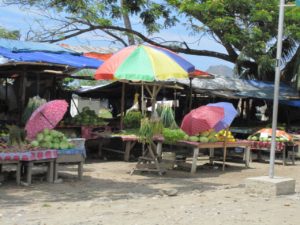
Tourism Sector in Timor-Leste Oil accounts for 90 percent of Timor-Leste’s government revenue, but since 2017 the government has focused on diversifying the economy, attracting investors and developing its rising tourism industry. The small island country gained independence in 1999 and reduced its poverty rate from 50.4 percent in 2007 to 41 percent in 2014. It plans to develop the tourism sector in Timor-Leste in order to attract new visitors, increase revenue

and add jobs. USAID, Chemonics and private investors are seeing economic opportunity in the emerging tourism sector.

Benefits of Tourism Industry Investments

The benefits of developing the tourism sector in Timor-Leste include job creation and increased revenue. Poverty-reduction policies, health care and improved education are possible uses of much-needed revenue to the developing economy. The government’s goal is to attract 200,000 annual international tourists by 2030, which would generate $150 million and add 15,000 local jobs. For reference, total revenue for Timor-Leste was $300 million in 2017. Chemonics is currently working with the government and USAID’s Tourism for All Project to develop Timor-Leste’s tourism industry.

Since the tourism sector in Timor-Leste is new, one task stated by Peter Semone, chief of party for the USAID Tourism for All Project, is to explain the benefits of tourism to Timorese that might object to the rising tourism industry, especially in terms of its environmental impact. Marine tourism, particularly on Atauro Island, is expected to flourish once the tourism industry is further developed. One priority is convincing wary Timorese that the rising tourism industry means increased revenue to the government or directly through selling services and/or products.

Achievements by USAID’s Tourism for All Project

The USAID Tourism for All Project began in January 2018 and is slated to end in January 2021. Its goal is to expand and improve the Timorese tourism industry using a comprehensive and sustainable approach. The project costs $9 million and its focus is directed towards two main areas: ensuring laws, institutions and policies are in place to implement the national tourism policy that began in 2017, providing sustainable private sector tourism investments and participation by Timorese communities and replicating successful models for future use.

There are five major achievements of the USAID Tourism for All Project. One accomplishment of USAID’s coordination with the government of Timor-Leste is the registration for a Mt. Ramelau Tourism Partnership that is currently in progress. Mt. Ramelau is a sacred mountain and major tourist attraction. USAID also facilitated the process of Atauro Island residents creating a vision, mission and tourism action plan for the next three years and began registration for the Tourism Partnership of Atauro. Atauro Island is the most marine biodiverse location in the world. USAID and Timor-Leste anticipates a booming ecotourism industry on the island.

Grants programs were also launched under the project to encourage tourism entrepreneurs to invest in targeted areas. One final achievement is the establishment of a working group involving the Secretary of State for Arts and Culture, UNESCO and local non-governmental organizations for conservation and preservation of tais, a hand-woven textile used to make scarves and bags. Tais was proposed for UNESCO Intangible Cultural Heritage recognition.

Future Economy of Timor-Leste

Semone stated that “tourism is the base to improve the service industry and the culture of service in the country. It is also an excellent factor to foster the development of a private sector of SMEs but also a way to raise environmental consciousness for locals.” With the help of Chemonics, USAID and other organizations, Timor-Leste’s tourism sector shows promise in reaching the goal of attracting 150,000 international tourists and adding 15,000 by 2030.

– Lucas Schmidt
Photo: Flickr

September 5, 2019
https://borgenproject.org/wp-content/uploads/borgen-project-logo.svg 0 0 Kim Thelwell https://borgenproject.org/wp-content/uploads/borgen-project-logo.svg Kim Thelwell2019-09-05 06:41:512024-05-29 23:11:08The Growing Importance of the Tourism Sector in Timor-Leste
Global Poverty, Water, Water Sanitation

Top 10 Facts About Living Conditions in Timor-Leste

Living Conditions in Timor-Leste
Timor-Leste or East Timor, a small island between Indonesia and Australia, has struggled with gaining independence since its colonization in the 16th century. The long-standing political turmoil which placated the country throughout much of its history has impacted its economy. The overarching lack of access to raw materials, such as clean water, also depicts the nation’s struggling economy. Below is a list of 10 facts about living conditions in Timor-Leste.

Top 10 Facts About Living Conditions in Timor-Leste

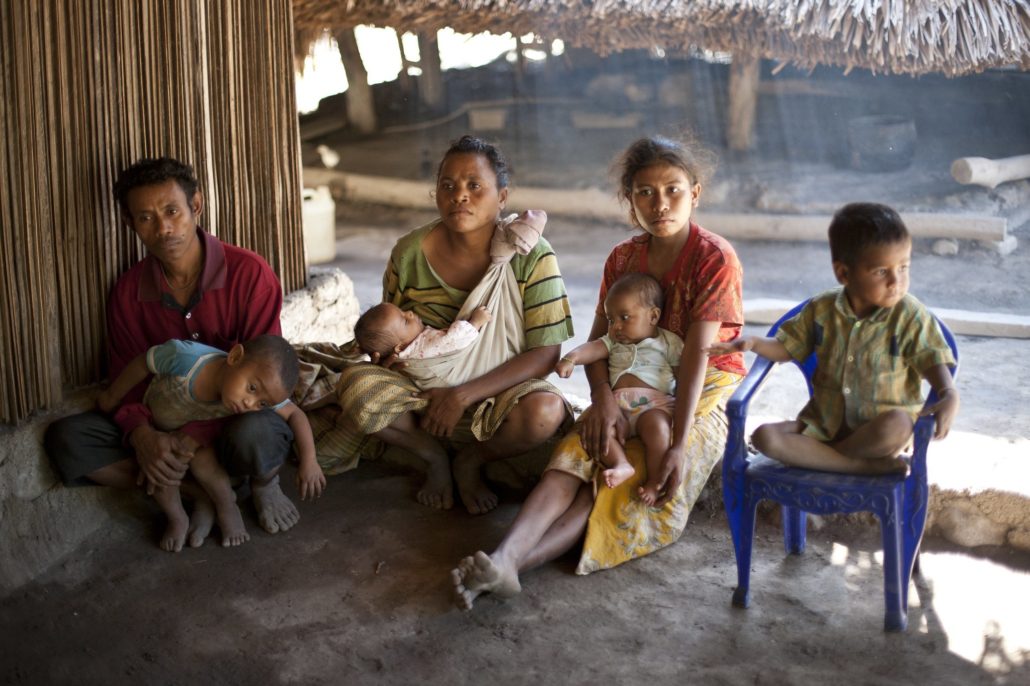
  1. Housing: World Bank estimates from 2016 assumed that Timor-Leste’s economy and its building of national infrastructure would increase steadily over the subsequent three years. It predicted that the growth of the nation would decrease to four percent in 2017, bounce back up to five percent in 2018 and hit six percent in 2019. Unfortunately, the situation concerning Timor-Leste’s housing has remained stagnant. Most people’s houses consist of bamboo, wood and a thatched roof. People that live in urban areas are able to use concrete, which shows a divide in the living conditions in Timor-Leste.
  2. Education: Approximately 20 percent of preschool-aged children in Timor-Leste attend school and nearly 37 percent of young adults living in rural areas are illiterate compared to the six percent in urban areas. Sanitation and access to clean, drinkable water are sorely lacking in schools alone. In 2008, UNICEF began partnering with local agencies to end this issue. It advocated for the establishment of the Basic Law of Education in 2008, the Basic Education Law in 2010 and the National Policy Framework for Preschool Education in 2014 among others.

  3. Agriculture: Agriculture accounts for 80 percent of Timor Leste’s income; its main products include maize, rice and cassava. Very few of the farmers have access to sustainable technologies or practices that are necessary for efficient agricultural production. USAID implemented a plan to address this developmental disparity from 2013 to 2018 through its partnership with Developing Agricultural Communities (DAC). This partnership works with local sectors to teach horticulture technologies and the 349 participating farmers saw great results. Original participants saw their production increase by 183 percent and total revenue by 186 percent, while farmers new to the DAC increased production by 466 to 517 percent.

  4. Access to Food: Due to the heavy reliance on agriculture for survival and income, droughts and shortages of food production can result in high levels of starvation. The 2017 Global Hunger Index classifies Timor-Leste as suffering from high levels of malnutrition. Since 2001, the number of undernourished people has remained stagnant at 300,000. The Sustainable Agriculture Productivity Improvement Project (SAPIP) aims to improve incomes in addition to food and job security to the rural areas of Timor-Leste. It has a six-year-plan agreed upon by the World Bank and government in 2016 and predictions dictate that it should impact 16,500 households and approximately 100,000 people.

  5. Employment: While a majority of the population’s jobs consist of agriculture and farming, there is a huge job market in the science and technology fields. The employment rate is one of the highest that the country has seen in 10 years at 97 percent. This illustrates that while Timor-Leste may be a poor country, it has a lot of untapped potential.

  6. Medicine: Access to doctors and basic medicine has improved over recent years, but many rural communities still seek basic services. New organizations are currently emerging to improve supply chain management of pharmaceutical supplies. There are only 175 doctors that serve the entire population of Timor-Leste. Similar to the United States, citizens have a choice of whether to invest in private or public health care and the government monitors both.

  7. Mosquito-Borne Diseases: Although water surrounds Timor-Leste, the water conditions are poor which make it very easy to contract diseases. The lack of sanitation and regular garbage collection contribute to attracting mosquitoes. Dengue fever and malaria are two of the most common mosquito-borne diseases in Timor-Leste and both have a high mortality rate. Currently, there is no treatment for dengue fever in the area, but there are multiple courses of medical treatment available for malaria.

  8. Water Conditions: Timor-Leste is an island nation, but there is an overall lack of access to clean water that plagues much of the population. Access to clean water and toilets remain a constant issue in Timor-Leste as 353,000 people do not have access to clean water. Subsequently, over half of the population does not have a decent toilet which can lead to major health major issues. In fact, 65 children die each year from dirty water and unsanitary toilets. Women also suffer from managing menstruation, which can greatly inhibit their academic achievements and widen the blatant gender inequality within the country. WaterAid Australia is working tirelessly with the government to make clean water, toilets and good hygiene a part of daily life. The program, which started in 2015, has grown to support WASH delivery service projects in over 180 countries, providing services to approximately 25,000 people.

  9. Plan International: This organization works with various communities across Timor-Leste to provide access to clean water as well as to raise awareness of the importance of handwashing and waste management. Since 2011, it has built 32 village water supply systems which have benefited over 9,000 individuals.

  10. UNFPA Timor-Leste: Maternal health is an issue that has largely slipped through the cracks. In 2010, reports stated that for every 100,000 births in the country, 150 died from complications involving childbirth and pregnancy. Hemorrhaging, anemia, infections/sepsis, labor obstructions and unsafe abortions are the major causes of maternal death. Below are the four pillars that UNFPA works hard to ensure are available to all women:

    1. Modern Contraceptives: Birth control, condoms, etc.

    2. Antenatal care: Routine health screenings of pregnant women without symptoms in order to diagnose diseases or complicating obstetric conditions.

    3. Safe Delivery: A delivery in a medical setting or by a midwife, in which health professionals monitor both the mother and baby.

    4. Emergency Obstetric Care: Basic emergency obstetric and newborn care is critical to reducing maternal and neonatal death.

With the increase of birth rates and access to clean water and food, there is no question that progress is occurring in Timor-Leste. Improvements are slowly diminishing the fatal health issues in the country as these 10 facts about living conditions in Timor-Leste have illustrated.

– Joanna Buoniconti
Photo: Flickr

September 4, 2019
https://borgenproject.org/wp-content/uploads/borgen-project-logo.svg 0 0 Jennifer Philipp https://borgenproject.org/wp-content/uploads/borgen-project-logo.svg Jennifer Philipp2019-09-04 07:30:562024-06-05 02:12:20Top 10 Facts About Living Conditions in Timor-Leste
Food Insecurity, Food Security, Global Poverty, Technology

How Satellites and Food Security Go Hand In Hand

Satellites and Food Security
Nearly 800 million people in the world do not have enough food to eat. It is no secret that more efficient farming and agricultural practices can help yield more crops to feed more people as well as bring in more income to poor farmers. In conjunction with traditional ground-based data collection of farmland, satellite imaging and sensing can help farmers monitor their crops and land condition in real time. Satellite-based technology can map cropland area and crop type, estimate area planted, estimate product yield and even detect early signs of droughts and floods. With this kind of technology, farmers may be better equipped to make informed choices about their land to protect their products. With more informed farmers, better use of resources and ultimately more crops, satellites may be an important part of ensuring global food security.

A New Wave of Tech

Precision farming is the use of technologies to inform farmers about their products. This method is not new, however, the systems in place are changing. Traditional, ground-based tests, such as soil sampling, have long been used to test the arity, salinity, and other conditions of land. These tests help instruct farmers about the optimal mix of fertilizer, pesticide and water that should be used to yield the most crops. While these tests are useful, they are expensive, time-consuming and can only provide data for a small area of land.

Satellites may provide a comprehensive solution. Equipped with imaging and sensing technology, satellites may analyze entire fields at more regular intervals for a more timely and lower-cost option. With land-use mapping and monitoring technologies, satellites cater to a variety of farmers’ needs. Farmers are using satellite technology to:

  • Analyze soil fertility.
  • Map irrigated land.
  • Monitor crop growth.
  • Produce crop yield forecasts.
  • Track crop development.
  • Measure soil moisture content.
  • Test soil chemical composition.

Depending on the program and type of imaging, the costs of satellite data may differ. The Sentinel-2, a land-monitoring system of two satellites that the European Space Agency (ESA) controls, provides vegetation imagery and moisture maps to farmers for $0.20 per acre per two months of service.

Satellites: Prediction, Protection and Prevention

In places like sub-Saharan Africa where agriculture accounts for 64 percent of all employment, satellite-based technology is vital to the survival of farmers. Ninety-five percent of sub-Saharan Africa’s farmable land lacks irrigation systems, thus making the farmland more susceptible to drastic land conditions like droughts and floods. With satellite technology and remote sensing, farmers can shift their focus from reacting to disasters after they occur to planning response before the disasters cause damage. Because low soil moisture content is an indicator of drought, satellites can measure the soil’s moisture content using microwave radiation and send an early warning to farmers in the affected area.

With these early response mechanisms, insured farmers can apply early to their insurers and receive money. Programs like the Ethiopian Productive Safety Net Program provides cash-transfers to poor households using this satellite-based technology.

People have used satellite drought imaging combined with data on local market supply and demand to bring the right amount of food aid to countries in need. Molly Brown, a researcher for NASA, uses satellite images of cropland in Niger, where farmers not only grow food for markets but also eat the crops, to estimate rising market costs. During droughts, these farmers cannot grow enough food to feed themselves and sell locally, thus demand and market prices increase. Since many rural families in Niger live on only around $400 a year, drastic price increases may mean that they cannot get enough to eat.

The goal of Brown’s research is to predict rising market prices before they occur based on satellite images of farmland. It is also to bring in enough food aid when people need it and to stop food aid when it is not necessary. Brown hopes satellites will be an important step toward ensuring food security.

Already at Work

Many organizations, large and small, have already begun harnessing the power of satellite technology and its use in agriculture. NASA has rolled out several satellite-driven initiatives to help combat food security. The Famine Early Warning Systems (FEWS) Network, established in 2000, uses NASA’s Landsat satellite imaging and remote sensing to gather data, forecast weather trends and hazards and create maps for vegetation, rainfall and water use. In order to make satellite imaging and data more accessible to the communities that could best utilize them, NASA established a web-based visualization and monitoring system, for Africa and Central America, called SERVIR, in collaboration with USAID.

Working with more than 200 institutions and training around 1,800 regional support staffers, SERVIR provides previously inaccessible satellite data, imaging and forecasts to local governments and researchers. With this information, SERVIR hopes that developing nations will be able to respond better to natural disasters, improve their food security and manage water and other natural resources.

Even private companies like Planet Labs, are investing in satellite-based technology. Planet uses many smaller, relatively inexpensive satellites for its imaging force. The company has around 140 currently deployed, enough to capture an image of the entire Earth every day. It sells imaging and monitoring data to over 200 customers, many of whom are agricultural companies.

In 2015, at the U.N. Sustainable Development Summit, Planet Labs introduced its Open Regions initiative. By making $60 million worth of its satellite imagery for certain regions available to the global public and directly accessible online, Planet Lab’s imagery brings data vital to the health of crops directly to farmers. With the U.N. deadline to end global hunger and ensure global food security by 2030, it is important for governments and organizations to look for new, sustainable opportunities to increase productivity. By looking beyond conventional, ground-based agricultural solutions and turning to the skies, farmers may find that satellites may be an important part of ensuring global food security.

– Maya Watanabe
Photo: Wikipedia Commons

September 3, 2019
https://borgenproject.org/wp-content/uploads/borgen-project-logo.svg 0 0 Kim Thelwell https://borgenproject.org/wp-content/uploads/borgen-project-logo.svg Kim Thelwell2019-09-03 13:42:452024-12-13 18:01:50How Satellites and Food Security Go Hand In Hand
Global Poverty, Refugees, Refugees and Displaced Persons

How the United States Can Help Refugees

The United States Can Help Refugees
The world has seen an incessant cycle of violent conflict, famine and environmental catastrophes in recent years. These events have caused an increase in refugees and displaced people to a number that human history has not seen before. To date, a record 70 million people worldwide are displaced. A significant question is how the United States can help refugees.

The United States has not only the resources but an obligation to remedy this ever-growing humanitarian crisis. Through humanitarian assistance, the United States has the ability to curb global instability for national security purposes. It is important to first understand how the United States can help refugees before looking at how to improve the current system.

U.S. refugee policy has historically set the standard for the rest of the world. However, modern policy has not evolved to meet the growing crisis at hand. It is crucial to continue the search for an adequate policy to end the push factors causing the refugee crisis and improve the quality of life for displaced people. The United States can accomplish this goal in two ways: by expanding upon existing humanitarian assistance and restructuring the United States’ current humanitarian system.

How the United States Helps Refugees and Displaced People

The United States has implemented a number of programs to improve the lives of refugees around the world. One such program is the Julia Taft fund. This program supports projects aimed at assisting refugees or refugee returnees to become self-sufficient in ways that are beneficial to their host communities. The fund provides financial assistance to local NGOs, community-based and faith-based organizations that seek to ameliorate the lives of refugees by improving economic conditions in their host communities.

With the support of the Julia Taft fund, the U.S. embassy in Chad helped open a salon in collaboration with a local NGO. The salon opened in April 2019, aims to reduce sexual violence against refugee women in urban areas. The 12 women selected for the project participated in an apprenticeship at a local salon and now have the skill set necessary to run their own business. This example demonstrates that the United States can use the fund to increase the self-sufficiency of displaced people while bringing value to the economy of the local host communities.

The implementation of programs, such as the Julia Taft Fund, demonstrates how the United States can help refugees. This fund provides refugees with the tools to be self-sufficient while also benefitting local economies. In order to continue and expand programs such as this, the U.S. must increase funding and the efficiency of its humanitarian aid delivery system. The United States sets the standard for humanitarian assistance to refugees. The United States must modernize this system for the benefit of global stability and national security.

How the United States Can Better Help Refugees and Displaced People

Increasing the capabilities of the United States humanitarian aid delivery system is crucial to managing the growing number of refugee crises. It is important to ask how the United States can help refugees and what the U.S. can do better to address this issue. The U.S. needs to empower its humanitarian organizations with increased funding and a sound organizational structure in order to address the changing needs of displaced people around the world.

In order to achieve a more efficient and influential U.S. humanitarian system, it is important to maintain and gradually increase funding to the State Department and USAID. The Trump administration is proposing cuts to both of these state entities. The proposed cuts would reduce funding by nearly one-third, from $8.7 billion to $6.3 billion. This potential decrease in funding would cripple the United States’ ability to effectively address the causes and mitigate the effects of refugee crises.

A well funded and autonomous USAID would be better equipped to implement humanitarian response programming for displaced people and their host communities. The State Department’s Bureau of Population, Refugees and Migration would simultaneously remain an independent entity focusing on policy and diplomatic responses to refugee crises. This structure would act to create a cohesive diplomatic and humanitarian response to the growing number of crises that impact people around the world.

– Peter Trousdale
Photo: Flickr

September 3, 2019
https://borgenproject.org/wp-content/uploads/borgen-project-logo.svg 0 0 Kim Thelwell https://borgenproject.org/wp-content/uploads/borgen-project-logo.svg Kim Thelwell2019-09-03 11:59:232019-09-03 11:59:23How the United States Can Help Refugees
Global Poverty, Water

The Threat that Water Scarcity Poses to Farmers

Water Scarcity Poses to Farmers
How is it possible to grow more food with less water without hurting small-scale subsistence farmers? This was a joint question in 2013 from the U.S. Agency for International Development (USAID), the Swedish International Development Cooperation Agency (Sida), the Ministry of Foreign Affairs of the Kingdom of the Netherlands, and later on, the Department of Science and Technology of the Government of South Africa. The result was the establishment of Securing Water for Food (SWFF) to address the increasing threat that water scarcity poses to farmers, particularly those in poverty.

Securing Water for Food

Securing Water for Food is beneficial to reducing the threat that water scarcity poses to farmers. The program operates as a grantmaker, meaning that it awards business grants to social entrepreneurs based on the viability of their idea and the ability to positively impact individuals in the agricultural community.

Between smallholder farms, families and other customers, SWFF has benefitted more than 6.25 million individuals. It has done this by teaching efficient methods of irrigation, crop rotation and technology to grow more food while using less water. According to USAID, SWFF has exhibited an extremely high return on investment. Each $1,000 of donor funding spent impacted more than 240 end users, enhanced water management on 685 hectares (~1,273 acres), decreased the consumption of water by more than 1.2 million liters (~317,000 gallons), produced more than 400 tons of produce and created more than $350 in future sales. In total, more than five million acres have benefited from improved methods of agricultural production, water storage and management.

SWFF’s Impact

Local innovators have improved lives across Latin America, Europe, Africa and Asia, and particularly in areas that are at higher risk for droughts and inconsistent precipitation. Advances such as turning organic waste into renewable energy have benefitted farmers in Uganda. Meanwhile, the adoption of sustainable cattle ranching practices in South Africa have impacted local communities and allowed women to obtain jobs as eco-rangers.

 USAID estimates that approximately 70 percent of all water used goes toward agriculture. This is why the main focus of SWFF revolves around producing higher volume crops more efficiently and with less water. Across the program, farmers have experienced a variety of yield increases—some as high as 186 percent. They have also aggregately reduced water consumption by 18.6 billion liters (~4.9 million gallons) in comparison to traditional practices and bettered water storage capacity by 16.9 million liters (~4.9 million gallons).

SWFF assessments place 63 percent of innovation end-users at or near the poverty line. Additionally, 65 percent of the innovations that SWFF gave grants to aim to reduce poverty. Of the beneficiaries surveyed, 95 percent reported greater water efficiency, 90 percent stated improved access to water, 82 percent reported increased income and 72 percent displayed increased agricultural productivity.

All of these statistics illustrate how Securing Water for Food is effectively fighting to reduce poverty. As evidenced, SWFF has produced success for farmers, but it also provides new opportunities for investments and technological innovation, both of which can go towards further reducing poverty in the future. Innovators from SWFF have used their platform to leverage partnerships with outside organizations, which reduces the amount of funding they will require from aid programs in the future.

Innovators gained $350 in sales from every $1,000 of aid, which shows that aid is not static and provides dynamic benefits after the initial disbursement. Securing Water for Food is an effective example of reducing the threat that water scarcity poses to farmers, and it is just one of the many programs that USAID funds with less than one percent of the federal budget.

– Evan Williams
Photo: Flickr

September 3, 2019
https://borgenproject.org/wp-content/uploads/borgen-project-logo.svg 0 0 Jennifer Philipp https://borgenproject.org/wp-content/uploads/borgen-project-logo.svg Jennifer Philipp2019-09-03 01:30:342019-09-07 20:53:18The Threat that Water Scarcity Poses to Farmers
Food Aid, Food Security, Global Poverty, Health, Refugees

3 Organizations Improving Food Security for Refugees

Food security for refugeesAround the world, a record number of people have become forcibly displaced due to violence, natural disasters or a variety of other reasons. According to the U.N. Human Rights Council, 70.8 million people are forcibly displaced, and 25.9 million of those are considered refugees. At the same time, millions of people lacked food security around the world. The Peace Corps defines food security as “when families are able to afford and obtain enough nutritious food.” In 2018, more than 700 million people faced severe food insecurity.
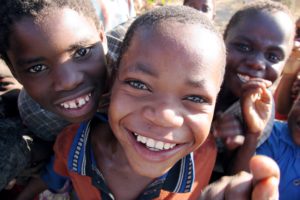
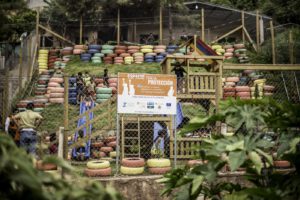
Food security and refugee issues are deeply intertwined, as refugees are particularly vulnerable to becoming food-insecure. Worldwide, millions of refugees face food insecurity. Thankfully, many organizations are using their resources to create innovative solutions to provide healthy food to refugees who are not able to afford or access it. Here are three organizations that are improving food security for refugees:

African Women Rising

The Palabek refugee camp in northern Uganda hosts more than 38,000 refugees who have fled the brutal civil war in South Sudan. Humanitarian organizations have been struggling to find a long-term solution to food insecurity in the camp. While the Ugandan government allocates plots of land for refugees to farm on, these plots of land are usually too small for traditional farming techniques to work. However, the NGO African Women Rising (AWR) thinks it has found an innovative solution to malnutrition among refugees. In 2017, AWR introduced the camp to 30 by 30-meter plots of land known as “permagardens”.

AWR’s permagardens are specially cultivated in a way that allows them to maximize the number of crops, trees and plants that can be grown in them. It can take anywhere from a few months to a year to teach someone permagarden farming techniques. The total cost of developing, training and supporting a permagarden is just $85. The gardens primarily grow various fruits and vegetables, which provide vital micronutrients and vitamins that are not present in their monthly World Food Programme portions. Many other organizations are already starting to replicate the microgarden approach in refugee settings, including the U.N., the Danish Refugee Council and USAID.

Sunrise-USA

Sunrise-USA was founded in 2011 by a group of Syrian-American professionals and claims to be one of the world’s leading humanitarian aid organizations focused on victims of war inside Syria and in refugee camps in neighboring countries. In addition, to providing food security for refugees, Sunrise-USA provides refugees with healthcare, orphan sponsoring services, education, water and sanitation. The organization also helps Syrian refugees, who are mostly Muslim, observe Islamic religious traditions such as Ramadan, Udhiya and Zakat.

Within Syria, Sunrise-USA works to deliver badly needed food baskets to besieged cities. These baskets typically contain chicken, eggs, dates, oils, margarine, tuna cans, sugar and powdered milk, and only cost $45 to produce. While the city of Aleppo was under siege, the organization delivered over 5,000 food baskets, as well as two containers of jackets, sweaters and mattresses. Sunrise-USA’s “Feed Them” campaign has delivered food aid to 30,000 families in need and has provided milk and baby formula to 20,000 vulnerable families with children.

Action Contre La Faim (Action Against Hunger)

Action Contre La Faim (ACF) is a French organization that works in more than 45 countries to treat and prevent malnutrition. For more than 40 years, it has provided various forms of food aid where it is needed most. Its 7,500-member staff currently assists 21 million people worldwide. The organization has responded to various humanitarian crises that have generated large numbers of refugees, including the civil wars that have taken place in South Sudan and Syria, as well as the genocide of the Rohingya people in Myanmar.

In Bangladesh, ACF works to increase food security for refugees who have escaped into the country from Myanmar. Every day, the organization provides 83,000 hot meals and 551,497 liters of water to Rohingya refugees. The organization has also conducted malnutrition screenings for 100,000 Rohingya children and has diagnosed over 11,000 malnourished children. These malnourished children were then referred to ACF’s emergency nutrition programs for treatment through mobile clinics.

As the global refugee crisis continues to intensify, more and more organizations will need to come together to provide both short-term and long-term solutions to food security for refugees. These organizations have shown they are more than willing to rise to this task and have each made a measurable impact on the wellbeing of refugees around the world.

– Andrew Bryant
Photo: Flickr

August 30, 2019
https://borgenproject.org/wp-content/uploads/borgen-project-logo.svg 0 0 Kim Thelwell https://borgenproject.org/wp-content/uploads/borgen-project-logo.svg Kim Thelwell2019-08-30 18:14:032019-10-30 10:10:413 Organizations Improving Food Security for Refugees
Children, Developing Countries, Development, Global Poverty

What is the Malawi Project?

The Malawi Project

Malawi Project, Inc. is a 501(c)(3), Christian, nonprofit, humanitarian organization that focuses primarily on improving the physical and spiritual health of men, women and children in Malawi. Founded in 1999 and headquartered in Indianapolis, Indiana, the Malawi Project has provided aid to Malawi in areas as diverse as education, medicine, famine relief, agriculture and community development. The Borgen Project had the opportunity to speak with Richard Stephens, co-founder of the organization about the Malawi Project’s impact to date.

The Borgen Project: Is the Malawi Project the biggest provider of humanitarian aid to Malawi?

Richard Stephens: First, allow me to give some background about the nation and people of Malawi. According to USAID, More than one-half of the country’s 17 million people live below the poverty line, and more than one-third consume less than the required daily calories, contributing to the stunting of nearly one-half of children under 5 years of age.

The agency notes, “Malawi continues to score poorly on major health indicators for maternal, infant and under-5 mortality. Eighty-five percent of households engage in agricultural activities and most rely almost exclusively on rain-fed subsistence farming that is particularly vulnerable to cyclical droughts.

These challenges are compounded by threats from the highest rates of deforestation and population growth in the region.” Only 50 percent of children complete primary school, and of those, only 60 percent successfully pass the exam to access public secondary school; only 15 percent of girls are enrolled in secondary school.” However, the Malawi Project would not be the largest provider of humanitarian aid to Malawi.

TBP: What is the organization’s biggest accomplishment?

RS: According to Dambisa Moyo, a recognized Zambian economist, in her book “Dead Aid,” developed nations delivered over $1 trillion in aid to Africa over the past 50 years. The result? Moyo notes that from 1970 to 1998 when that aid was at its peak, the unemployment picture went from a low of 11 percent in 1970 to a high of 66 percent in 1998. 

Obviously, something was wrong in the way aid was administered. The Malawi Project is proud of its stance of supplying its aid packages in such a way as to inspire creative thinking among the recipients, development of oversight and management by in-country local management, and the creation of an infrastructure to carry out their own work with little or no outside oversight or management.

The Project supports grassroots development of businesses, churches and community groups that will build up and develop the nation from within. Action for Progress is an example. Made up of business, church and community leaders from all three regions of Malawi, this not-for-project organization is taking the lead in the identification of specific need areas and the successful distribution and follow up reporting on nearly all of the aid currently being delivered to Malawi by the Malawi Project.

In the past 26 years, more than 375 forty-foot shipping containers have delivered over $300 million in aid from the Malawi Project. This aid has been delivered to every region, every religion and every walk of life. Additionally, more than 800 people have traveled to Malawi with Project teams to assist the citizens.

More than $3 million in cash infusion has been delivered in the form of locally purchased food, and through a food processing plant constructed under the sponsorship of [our organization] employing more than 100 people, purchasing raw food materials from over 1,000 Malawi farmers, and feeding over 60,000 people a day — as well as an agricultural village, inspired by the Malawi Project, is training 50 farm families a year in current agricultural practices. Additionally, a five-building, 110-bed medical complex serves the needs of people north of the capital and a 27-building childcare center takes care of more than 160 parentless children. These programs are now working independently of support from the Malawi Project and many others are in the development stage of creating this same independent approach to their future.

TBP: Does the Malawi Project ever collaborate with other humanitarian organizations? If so, could you provide some examples?

RS: Yes, the Malawi Project has teamed up with Feed the Children, Nourish the Children, USAID and the governments of Canada, Sweden, Israel, Holland and Germany to supply food and medical assistance to Malawi. Organizations such as Universal Aid and Compassionate Resources in Canada, World Emergency Relief, Amigo International, Breedlove Foods in the U.S. have supplied food, medical assistance and agricultural assistance through the Malawi Project. Hoffnung fur kinder in Germany, Children’s Hope Fund in Hong Kong and Aid to Africa in Washington D.C. have all given financial assistance. Healing Hands International has supplied technical expertise in areas of food processing and agricultural development. Proctor and Gamble, Adidas and Nike are but a sampling of corporations that have extended assistance through the donations of various products.

TBP: How many Malawians have been helped by the Malawi Project?

RS: “The number would be impossible to estimate, but one can note that medical supplies have gone into every district of the nation, to some 600 medical facilities, and school supplies and textbooks have been delivered to well over 1,000 schools and colleges throughout the nation.”

The scope of the Malawi Project work and the impact it has made in Malawi make it an excellent humanitarian organization. In fact, GreatNonprofits recognized the organization as a top-rated nonprofit in both 2017 and 2018. Yet, Stephens’ answers reveal that there is still great need throughout Malawi. Thus, he and the rest of the Malawi Project have no desire to end their work in this country any time soon.

– Jacob Stubbs
Photo: Wikimedia

August 30, 2019
https://borgenproject.org/wp-content/uploads/borgen-project-logo.svg 0 0 Kim Thelwell https://borgenproject.org/wp-content/uploads/borgen-project-logo.svg Kim Thelwell2019-08-30 01:30:452024-05-29 23:11:11What is the Malawi Project?
Refugees

5 Facts About Organized Crime in the Northern Triangle

Organized Crime in the Northern Triangle
Two previously published articles on The Borgen Project’s website have mentioned the issues of violence, poverty and corruption in the Northern Triangle of Central America (NTCA). This article’s focus is on the organized crime in the northern triangle that engenders the violence and corruption, which includes street gangs, drug cartels and paramilitary organizations. Daily life in the NTCA is rife with immediate danger from many different sources.

5 Facts About Organized Crime in the Northern Triangle

  1. Gangs’ Influence: Gangs are a part of daily life, particularly for urban residents in the cities of the Northern Triangle. Gangs control swaths of city territory and young children must learn the boundaries from an early age—or risk being harassed, kidnapped, or even killed. In the Honduran capital of Tegucigalpa, gang violence is so common that the residents have adapted to it. Fortunately, there are local organizations (along with the help of foreign humanitarian aid) that are working to provide children with safe places where they can play without having to worry about crossing gang borders.
  2. Hard National Borders Exaberates Gang Activity: During the late 1970s and throughout the 1980s, the Northern Triangle became a focus of U.S. Policy—not for aid, but as a theater of operations in the War on Drugs. This led to a tightening of both the U.S. and Mexico’s southern border. Lack of adequate protection in Mexico and the U.S. put Northern Triangle migrants at risk of violence from paramilitaries and cartels, and detention and deportation from local authorities. Detention comes with its own set of health and safety risks, and deportation is tantamount to a death sentence for many migrants that were fleeing violence in the first place.
  3. Majority of Refugees Fleeing the Northern Triangle are Women and Children: Although there are several factors contributing to the surge of refugees coming from the NTCA, the two main ones are systemic poverty and the threat of gang violence. Many citizens of Northern Triangle countries live on less than $1.90 per day, making them extremely vulnerable to extortion from gangs which pose the threat of sexual violence and even death. In some cases, poverty leads to desperation for young men, prompting them to voluntarily join gangs for day-to-day security.
  4. Violence and Organized Crime in the Northern Triangle: In the last two decades of the 20th century, both Guatemala and El Salvador experienced violent civil wars that resulted in a major shakeup of the entire states’ power structures. Honduras itself was not involved in a civil conflict but the southern regions of the country were used as staging areas for the Nicaraguan contras during their rebellion against the Sandinista government in the 1980s. The end of the military conflicts instead led to a surge in criminal violence, with large numbers of armed and unemployed men forming their own paramilitary organizations, or finding work with street gangs and drug cartels.
  5. U.S. Deportations are a Direct Contributor to the Problem: While gang violence (both domestic and foreign) has been a consideration for the U.S. government for some decades now, methods differ on how to address it. U.S. Immigration and Customs Enforcement (ICE) usually deport any immigrant that commits a crime on U.S. soil, even if the deportee was not a member of a gang before deportation. This means they have limited recourse upon return to their home countries for reintegration, and tracking deportees after their return is difficult without information sharing. The lack of shared information is something that entities such as USAID and the State Department are hoping to address, via NGOs and independent commissions.

Organized crime in the Northern Triangle is one of the biggest obstacles to promoting stability and welfare in the region, exacerbated by many political and economic factors—the largest being the influence of international gangs. Corruption also enables many of the organized crime entities to operate with impunity, which in turn forces immigrants northward to flee threats of violence, extortion and forced recruitment. However, other articles have touched upon growing international visibility of the corruption—and efforts to fight it—in the Northern Triangle, and the spotlight on corruption has revealed the full extent of these gangs’ power and influence over the region.

In addition, U.S. Congress has introduced legislation targeted at addressing the root causes of migration from the NTCA which includes the threat of gang violence and organized crime. One such bill, the United States-Northern Triangle Enhanced Engagement Act already passed in the House of Representatives in July 2019. Click here to encourage your Senators to support this bill when it is introduced in the Senate.

– Rob Sprankle
Photo: Flickr

August 30, 2019
https://borgenproject.org/wp-content/uploads/borgen-project-logo.svg 0 0 Kim Thelwell https://borgenproject.org/wp-content/uploads/borgen-project-logo.svg Kim Thelwell2019-08-30 01:30:332019-09-27 09:18:505 Facts About Organized Crime in the Northern Triangle
Page 56 of 92«‹5455565758›»

Get Smarter

  • Global Poverty 101
  • Global Poverty… The Good News
  • Global Poverty & U.S. Jobs
  • Global Poverty and National Security
  • Innovative Solutions to Poverty
  • Global Poverty & Aid FAQ’s
Search Search

Take Action

  • Call Congress
  • Email Congress
  • Donate
  • 30 Ways to Help
  • Volunteer Ops
  • Internships
  • Courses & Certificates
  • The Podcast
Borgen Project

“The Borgen Project is an incredible nonprofit organization that is addressing poverty and hunger and working towards ending them.”

-The Huffington Post

Inside The Borgen Project

  • Contact
  • About
  • Financials
  • President
  • Board of Directors
  • Board of Advisors

International Links

  • UK Email Parliament
  • UK Donate
  • Canada Email Parliament

Get Smarter

  • Global Poverty 101
  • Global Poverty… The Good News
  • Global Poverty & U.S. Jobs
  • Global Poverty and National Security
  • Innovative Solutions to Poverty
  • Global Poverty & Aid FAQ’s

Ways to Help

  • Call Congress
  • Email Congress
  • Donate
  • 30 Ways to Help
  • Volunteer Ops
  • Internships
  • Courses & Certificates
  • The Podcast
Scroll to top Scroll to top Scroll to top