• Link to X
  • Link to Facebook
  • Link to Instagram
  • Link to TikTok
  • Link to Youtube
  • About
    • About Us
      • President
      • Board of Directors
      • Board of Advisors
      • Financials
      • Our Methodology
      • Success Tracker
      • Contact
  • Act Now
    • 30 Ways to Help
      • Email Congress
      • Call Congress
      • Volunteer
      • Courses & Certificates
      • Be a Donor
    • Internships
      • In-Office Internships
      • Remote Internships
    • Legislation
      • Politics 101
  • The Blog
  • The Podcast
  • Magazine
  • Donate
  • Click to open the search input field Click to open the search input field Search
  • Menu Menu

Tag Archive for: USAID

Information and news about mobile technology

Posts

Global Poverty, USAID

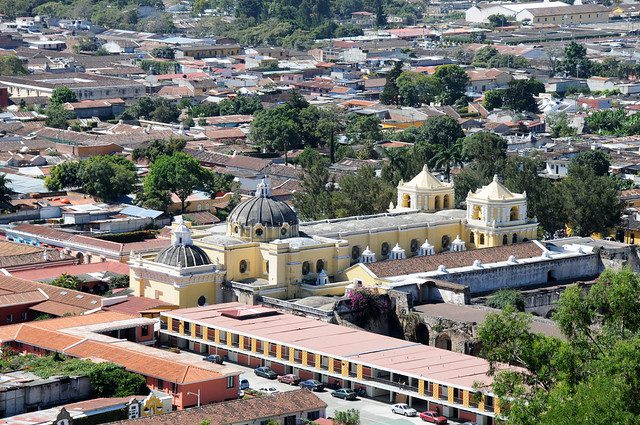
U.S. Aid in Honduras, El Salvador, and Guatemala

In March 2019, President Trump announced wanting to cut U.S. aid in Honduras, El Salvador, and Guatemala. These three countries are known as the Northern Triangle of the U.S. government’s Plan of the Alliance for Prosperity (A4P) Initiative.

This is a U.S. strategy to address the security, governance and economic prosperity of these regions. The effectiveness of the A4P initiative and the numerous benefits it presents to both the Central American region and the United States has led to bipartisan support in the U.S., and to cease the aid to the northern triangle would be counterproductive to both the interests of the United States and Central America as a whole.

Since the 1980s, Central America has seen a decline in armed conflict and has become politically stable. Additionally, in the past decade has become a strong economic partner to the United States. While all of this implies significant progress in the region, the region remains stagnant with high crime rates and nearly half of the population currently lives in poverty.

Honduras: History, Plans, and Benefits

Honduras has received over $3 billion from USAID since 1961. The bulk of this aid impacts sustaining economic growth and establishing economic stability. Some efforts to obtaining these goals are increasing access to health services, expanding exports, improving education infrastructure and strengthening the nation’s democratic systems. In sum, these initiatives address threats to Hondura’s stability.

That being said, included are high crime and violence rates and widespread poverty and food insecurity.  Additionally, there is a presence of government corruption and ineffectiveness. According to the U.S. Department of State, Honduras reliance on foreign assistance, provided by the U.S. is crucial to there development and safety.

El Salvador: History, Plans, and Benefits

Over the past 50 years, USAID assistance in El Salvador has provided economic opportunity. It aids in improving educational and health care systems and supporting disaster relief and economic development.

Specifically, the bulk of assistance in health care is targeting infant and maternal mortality. With the assistance of USAID, the mortality rate in El Salvador has dropped from 191/1000 to 16/1000 between 1960 and  2008. Access to education and literacy rates have steadily increased over the years as well.

Again, with the assistance of USAID, two key organizations for analyzing the major problems facing El Salvador have been developed. These are the Salvadoran Foundation for Economic and Social Development (FUSADES) and the Business Foundation for Educational Development (FEPADE).

Guatemala: History, Plans, and Benefits

Guatemala is experiencing population growth and has become the most populated country in Central America. The Guatemalan government and USAID have been working together to strengthen security for citizens and stimulate economic growth. The efforts of USAID have had a significantly positive impact on addressing some of Guatemala’s security concerns.

For example, there has been an 18 percent decline in robberies, 50 percent decline in the illicit drug trade and a 50 percent decline in blackmail in communities. In order to stimulate economic growth, USAID has focused on agriculture, education, and health. This development has created 8,734 jobs and the country has seen an increase in coffee sales and implemented widespread reading programs.

Importance of Continued Support

The Northern Triangle’s future development and prosperity are heavily reliant on the continued support of the United States. Eliminating U.S. aid in Honduras, El Salvador, and Guatemala would be counterproductive to both the goals of the U.S. and the Northern Triangle. U.S. aid to El Salvador, Honduras and Guatemala will be able to improve the overall quality of life of Central Americans.

– Randall Costa
Photo: Flickr
July 16, 2019
https://borgenproject.org/wp-content/uploads/borgen-project-logo.svg 0 0 Kim Thelwell https://borgenproject.org/wp-content/uploads/borgen-project-logo.svg Kim Thelwell2019-07-16 08:49:582024-05-29 23:00:04U.S. Aid in Honduras, El Salvador, and Guatemala
Food Insecurity, Global Poverty

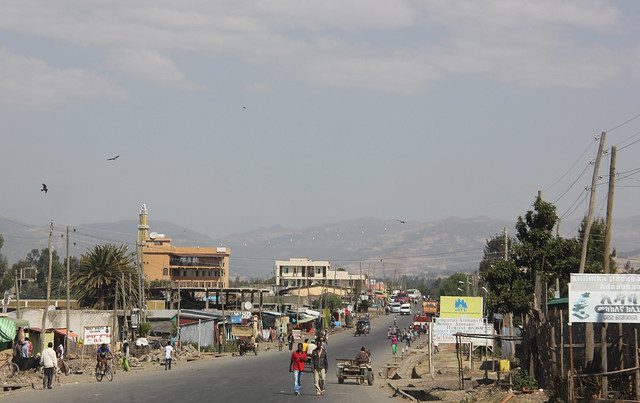
5 Ways the U.S. Helps Food Insecurity in Ethiopia

food insecurity in ethiopia
Despite the fact that Ethiopia has a stronger economy than many other countries in the sub-Saharan region of Africa, it still remains one of the world’s least developed countries. In 2017, Ethiopia ranked 173 out of 189 countries and territories in the United Nations Development Programme (UNDP) Human Development Index (HDI). Food insecurity contributes to a lack of development in Ethiopia.

Drought, Conflict, and IDPs

Drought is one of the principal sources of food insecurity in Ethiopia. Ethiopia is currently suffering from the lingering effects of past droughts. There have been two devastating droughts in Ethiopia since 2015, which has forced many out of their homes in search of food and basic services. Droughts are a primary factor in the creation of internal refugees, or internally displaced person (IDPs) in Ethiopia.

Currently, nearly three million Ethiopians are categorized as IDPs. In addition to drought, the number of IDPs has increased due to a surge in ethnic violence, particularly along the Oromiya-Somali regional border. Nearly 600,000 individuals from the Oromiya and Somali regions have become IDPs.

The combination of drought, displacement, violence and underdevelopment has resulted in widespread food insecurity in Ethiopia. Due to this, roughly 7% of the population relies on food aid. The U.S. Government has been heavily involved in battling food insecurity in Ethiopia. Currently, food insecurity and under-nutrition are two of the greatest economic hindrances in Ethiopia.

Here are five things you need to know about the United States’ involvement in addressing food insecurity in Ethiopia.

5 Ways the U.S. Helps Food Insecurity in Ethiopia

  1. “Feed the Future,” an initiative launched by the Obama Administration in 2010, has been one of the more successful programs in promoting food security in Ethiopia: Feed the Future worked in different areas in Ethiopia from 2013 to 2015 and reduced the prevalence of poverty in those areas by 12 percent. Additionally, in 2017, those who were reached by Feed the Future generated $40 million in agricultural sales and received $5.7 million in new private investment. The economy and food security in Ethiopia are closely intertwined because the nation’s economy is dependent on agriculture. Agriculture-led economic growth, therefore, has been one the primary missions of Feed the Future within Ethiopia.
  2. The US has focused on restoring Ethiopia’s potato and sweet potato supply due to its high source of Vitamin A as a means of reducing food insecurity in Ethiopia: In June 2016, The USAID’s Office of US Foreign Disaster Assistance (OFDA) supported the International Potato Center (CIP) to assist drought-affected farmers in planting potatoes and sweet potatoes. Due to this support, the CIP was able to provide sweet potato seeds to nearly 10,000 farmers and trained more than 11,300 men and women on various ways to incorporate this vitamin-rich vegetable into more of their meals. The USAID/OFDA continues to support programs that promote the development of critical agriculture, such as sweet potatoes, in Ethiopia.
  3. Mobile Health and Nutrition Teams (MHNTs) are working in Ethiopia to help manage issues of malnutrition: The USAID’s OFDA and UNICEF have partnered together to deploy MHNTs in order to provide malnutrition screenings, basic health care services, immunizations and health education. The team also offered patient referrals when necessary. In 2017, 50 MHNTs provided 483,700 individuals in the Afar and Somali regions of Ethiopia with life-saving health and nutritional services.
  4. Humanitarian assistance has been essential in reducing severe acute malnutrition (SAM) in children: Although USAID provides resources to help treat SAM, 38 percent of children under five still have stunted growth due to malnutrition. As of March 2018, 31,066 children were admitted and treated for SAM. Approximately 30 percent of these cases were in the Somali region due to the region’s issue with ethnic violence and drought. Significantly more assistance is needed in the Somali region in order to sufficiently manage malnutrition.
  5. Humanitarian assistance has been one of the primary reasons Ethiopia has not entered into a state of emergency for food insecurity: Although increased rainfall and a reduction in disease outbreak have helped minimize food insecurity in Ethiopia, the country would be much worse off without the help of humanitarian aid. Currently, Ethiopia is in crisis, which is phase three of five on the food insecurity scale. The phases include minimal, stressed, crisis, emergency and famine. Experts from the Famine Early Warning Systems Networks report that “Ethiopia would likely be at least one phase worse without current or programmed humanitarian assistance.”

Looking Forward

The need for humanitarian aid will increase as Ethiopia’s population rapidly grows. Currently, Ethiopia ranks second in Africa for the number of refugees the country hosts. Nearly 100 percent of these refugees originate from South Sudan, Somalia, Eritrea and Sudan. Ethiopia currently hosts over 920,262 registered refugees and asylum seekers as of May 31, 2018.

The number of asylum seekers in Ethiopia will continue to grow because Ethiopia has an open-door asylum policy. As Ethiopia’s population continues to grow due to this policy, food sources will become increasingly strained. The need for humanitarian assistance to promote sustainable agriculture and farming practices, therefore, has become essential for reducing food insecurity in Ethiopia.

– Ariana Howard
Photo: Flickr

July 16, 2019
https://borgenproject.org/wp-content/uploads/borgen-project-logo.svg 0 0 Kim Thelwell https://borgenproject.org/wp-content/uploads/borgen-project-logo.svg Kim Thelwell2019-07-16 01:30:302024-05-29 23:00:515 Ways the U.S. Helps Food Insecurity in Ethiopia
Global Poverty

A Sweet Solution to Poverty in Peru

A Solution to Poverty in Peru
Peru’s location in the dense tropics of the Amazon is contentious. While the environment offers the water and sunshine needed to efficiently grow crops, frequent natural disasters destroy the very lands Peruvian farmers cultivate. The destruction of the cacao bean is a primary concern among rural agriculturists. Voted as the provider of the best dark chocolate in the world in 2017, it is imperative that cacao beans thrive as they provide a solution to poverty in Peru.

Poverty in Peru

The Peruvian government recorded a poverty rate of 21.7 percent in 2017, 1 percent higher than the previous year. This is the first time in sixteen years the poverty rate has risen in Peru, leaving 6.9 million individuals in conditions of economic instability and future uncertainty. Those living in rural areas are most affected because the urban setting acts as an energetic palette for new job opportunities and activism.

Cacao Farming in Peru

The cacao bean offers a solution to poverty in Peru, particularly for the impoverished individuals who have access to vast growing valleys. The South American country is ranked as one of the world’s most biodiverse. This makes for rich soil content that provides a promising potential for high-quality cacao growth. Furthermore, Peru’s climate is one of few that supports the growth of a variety of cacao species. Some common varieties include the Trinitary, Amazon foreign and Creole cacao beans.

Peruvian farmers have taken advantage of these environmental accolades, as it has become one of the world’s prominent cacao producers. Cacao exported from Peruvian growing sites rose a substantial 424 percent from 2001 to 2007. Within these same years, exporting profits rose from $0.2 million to $11 million. This number does not include the Peruvian profit margin of products made from cacao, including cacao butter, liquor, paste, husks, and cocoa powder.

The Peruvian government has recognized the considerable benefits reaped by cacao production. National policy crafted after the 2017 increase in poverty levels illustrate that the government is specifically mindful of cacao production and hopes to bolster its distribution as a solution to poverty in Peru.

One of these policies includes the weeding out of illegal cocaine farms and offering the land to cacao farmers. The U.S has recently demonstrated its support for this strategy. In 2018, the United States Agency for International Development (USAID) joined the Peruvian Commission for Development and Life Without Drugs (DEVIDA) as well as a multitude of private businesses in Peru. The U.S. government has connected these farmers to a new international base through which they can expect a prosperous return on their delicious beans. The renewed farmlands furthermore provide new opportunities for the jobless as countless hands are needed to carefully harvest the cacao bean.

What Does the Future Hold?

As a result of Peru’s and the U.S.’s dual effort to protect and distribute Peruvian cacao beans, USAID has predicted that Peru’s exportation of this bean will more than double by 2021. A new partnership with the U.S. also establishes Peru’s intimate access to the $35 billion American confectionery industry. These statistics will suggest that poverty rates in Peru, specifically in rural areas, will once again begin to sink.

The cacao bean will continue to put smiles on faces across the world. As long as there is a hunger for delightful Peruvian dark chocolate, there will be a job opportunity for an individual living in poverty. The value of the cacao bean can therefore hardly be underestimated, and while economic instability is an arduous and persistent problem, the production of cacao beans provides a sweet solution to poverty in Peru.

– Annie O’Connell
Photo: Flickr

July 14, 2019
https://borgenproject.org/wp-content/uploads/borgen-project-logo.svg 0 0 Kim Thelwell https://borgenproject.org/wp-content/uploads/borgen-project-logo.svg Kim Thelwell2019-07-14 01:30:102024-06-05 02:36:44A Sweet Solution to Poverty in Peru
Food & Hunger, Food Aid, Food Security, Global Poverty

5 Organizations Combating Food Insecurity


Food InsecurityAccording to the U.N., malnutrition has been on the rise in recent years. The latest data states that 821 million people are undernourished. This translates to one in nine people suffering from hunger. These statistics are staggering; fortunately, this problem is currently being addressed by numerous organizations that are combating food insecurity across the globe.
What is Food Insecurity?

The U.N. defines food insecurity as “uncertain access to food at the household or individual level.” In 2017, in the U.S. alone, 40 million people faced food insecurity. This number drastically increases when describing those who are food insecure worldwide. Food insecurity can lead to severe malnourishment. Due to the fact that the price of fresh, healthy food is typically higher than that of processed foods, food insecurity can also lead to obesity. This is how poverty can increase food insecurity

Food insecurity can be the result of multiple factors. Natural disasters and droughts are examples of conditions that contribute to food insecurity. For example, in 2016, 40 million people experienced food insecurity after El Niño. Though these statistics are discouraging, different organizations are addressing this problem. These five organizations combating food insecurity are making a difference in the lives of millions.

Five Organizations Combating Food Insecurity

  1. The United States Agency for International Development (USAID): USAID provides support for 142 countries across the globe. The largest areas of aid provided include emergency relief ($3.9 billion) and the reduction of HIV/AIDS ($3.5 billion). However, the areas of assistance often extend past these categories to include health, agriculture, education and more.
  2. World Food Programme (WFP): The WFP provides aid to 83 countries annually. They also help approximately 86.7 million people each year. This organization centers its efforts on areas of conflict and disasters. It is estimated that WFP provides 15 billion rations each year. One donation of $50 through WFP provides three months of food for a child in need.
  3. Food and Agriculture Organization (FAO): FAO works in 130 nations around the world. It has adopted the slogan #ZeroHunger in unison with numerous organizations globally, which reflects its purpose of ending hunger through the use of agricultural programs. This agency of the U.N. also focuses on sustainability. Additionally, it provides support for countries to protect against the detrimental effects of natural disasters.
  4. The World Bank: Created in 1947, the World Bank has provided funding for 12,000 projects globally to go towards disaster relief and support development. The World Bank’s mission includes reducing extreme poverty by providing financial and technical assistance to developing countries. It has five subsections aimed at accomplishing specific goals. These subsections convene together to promote the common mission. One of the five institutions is the International Finance Corporation, which provides financial services to the countries where the World Bank works.
  5. International Fund for Agricultural Development (IFAD): IFAD is an organization combating food insecurity in rural regions. Another branch of the U.N. established in 1974, IFAD was created to address the food insecurity resulting from poverty. Its focuses include building up agricultural programs and creating a lasting impact on people in rural areas.

These organizations are a few examples of the various organizations combating food insecurity globally. Their efforts provide valuable assistance to reduce the number of people who face food insecurity and hunger around the world. Food insecurity can have detrimental effects on those who experience it. However, it is reassuring to know that there are organizations working to reduce the severity and extent of hunger.

-Carolyn Newsome
Photo: Flickr

July 12, 2019
https://borgenproject.org/wp-content/uploads/borgen-project-logo.svg 0 0 Kim Thelwell https://borgenproject.org/wp-content/uploads/borgen-project-logo.svg Kim Thelwell2019-07-12 01:30:252024-05-29 23:00:235 Organizations Combating Food Insecurity
Global Poverty, Water

Egypt and the United State’s Centers of Excellence

Centers of Excellence
Egypt and the United States have recently become dependent on each other in order to assist in each other’s growth, developments and establishments, showing a strong partnership between the two countries. The United States Agency for International Development (USAID) has collaborated with Egypt to create three academic Centers of Excellence that will focus on research about agriculture, energy and water. In order to begin the process of these academic Centers of Excellence, universities in the United States and Egypt had to form partnerships to focus on each focal point.

Academic Center of Excellence in Agriculture

The United States’ Cornell University and Egypt’s Cairo University are partners for the Academic Center of Excellence in Agriculture (COEA). This is a $30 million dollar, five-year collaborative project that will enhance curricula and research in order to train and equip Egyptian students with the right tools to improve agricultural production in Egypt’s future.

There are three main components of this specific center. The first is the instructional innovation and curriculum development of the academic center. The partnership will establish a new interdisciplinary Master of Science program that will be work-force oriented. This center will also grant opportunities to youth, women and disadvantaged students. The second component is to engage in high quality applied research. The last component includes exchanges, training and scholarship programs.

Academic Center of Excellence in Energy

The next $30 million dollar, five-year collaborative partnership is between the Massachusetts Institute of Technology and Ain Shams University. This will be the Academic Center of Excellence in Energy (COEE). MIT and Ain Shams University will work to build research, education and entrepreneurial capacity to address Egypt’s most pressing energy-related issues.

This academic Center of Excellence has four major components to it. The first is the teaming up of Egyptian faculty and students with interdisciplinary researchers across MIT to develop renewable energy solutions. The next component is to advance and scale up sustainable projects. These universities will also use their partnership to facilitate connections between university researchers and key industrial players in the region to expand Egypt’s solar and wind usage, in addition to other forms of clean energy. Lastly, there will be an emphasis on involving Egyptian women and people with disabilities in the university and providing programs and education for them.

The Center of Excellence in Water

The Center of Excellence in Water (COEW) is a partnership between the American University in Cairo and Alexandria University. The COEW is also a $30 million dollar, five-year collaborative project. These universities are still developing their partnership.

The Centers of Excellence was designed by the USAID and the Ministry of Higher Education and Scientific research with the goal of driving public and private sector innovation, modernization and competitiveness. This $90 million dollar investment will create partnerships between Egyptian public universities and U.S. universities, update university curricula and teaching methods, establish undergraduate and graduate level scholarships and implement exchange programs to foster cross-border learning. This is a breakthrough in education and the professional industry which will work to enhance Egypt as a whole.

– Lari’onna Green
Photo: Flickr

July 1, 2019
https://borgenproject.org/wp-content/uploads/borgen-project-logo.svg 0 0 Kim Thelwell https://borgenproject.org/wp-content/uploads/borgen-project-logo.svg Kim Thelwell2019-07-01 18:36:252024-05-29 22:59:42Egypt and the United State’s Centers of Excellence
Global Poverty, Health

Improving Quality of Life for Disabled Persons in Vietnam

Disabled Persons in VietnamIn Vietnam, 5.8 percent of the population is considered disabled. For a country home to 95 million individuals, this equates to more than 5.2 million people. Often, those with disabilities face circumstances that challenge their quality of life, such as limited access to education, fewer work opportunities and difficulty with transportation and self-care. This article discusses three ways quality of life is improving for disabled persons in Vietnam.

USAID Assistance

Assisting disabled persons in Vietnam has been a top priority of USAID since the 1990s. Since then, the nation has made great progress in establishing equal rights for disabled people, whether their disability is classified as visual, auditory, mobile, speech-based or cognitive. The U.S. government has allocated more than $100 million to the disabled population and 30,000 individuals have received direct hands-on assistance, including vocational training, independent living assistance and job training. Several laws and amendments have been passed, all designed to improve the quality of life among the disabled population, including:

  • 2001: Amendment to the Constitution of Vietnam
  • 2006: Vocational Training Law
  • 2010: National Law on Persons with Disabilities
  • 2012: National Action Plan to Support People with Disabilities

The 2017 USAID report breaks down the types of assistance offered and the impact they have had. Over the course of the year, the organization met a variety of policy milestones, including the development of city construction projects to improve transportation and create sustainable housing for families. More than 9,000 people with disabilities received direct assistance, increasing the number of people with access to services by 29 times. As a prevention tactic, 62,000 children between the ages of one and six were screened for signs of future development of disabilities. In the towns of Binh Phuoc and Tay Ninh, 17 rehabilitation units were set up and provided training for medical professionals.

While the 2018 report has not been released yet, USAID is carrying out a number of additional projects, with completion goals set in 2020. Among those is the Accessibility for Inclusion Project, a mission designed to not only raise awareness regarding basic rights of those with disabilities but to increase access to public buildings, ultimately expanding their social and physical capabilities. By the time the project is completed in 2020, research projects that at least 1,800 people will receive formal training to advocate for physical accessibility, and approximately 50,000 people with disabilities in Vietnam will have improved accessibility rights.

Global Disability Rights Now: The Impact

The Global Disability Rights Now! organization is focused on enforcing 10 specific disability rights in impoverished countries, ultimately putting an end to discrimination based on capability. Some of the principles include creating reasonable accommodations, changing the concept of defining disability and encouraging full participation in society. Global Disability Rights Now! carries out projects in Armenia, Guatemala, Kenya, Vietnam, Mexico and Peru.

One of the most successful projects to improve the lives of disabled persons in Vietnam was the mission to move towards disability inclusion in employment, a program that provided Disability Equality Training (DET) to the non-disabled community. It was designed to raise awareness towards potential barriers in employment that the disabled community in Vietnam face and to provide them with the resources they need to understand how to treat them as equals.

U.S. and Vietnam Partnership

On April 20, 2019, the USAID signed a memorandum of intent that was designed to drastically improve the quality of life for disabled persons in Vietnam. Specifically, the memorandum targeted seven Vietnamese provinces, including Quang Tri, Hue, Quang Nam, Binh Dinh, Dong Nai, Binh Phuoc and Tay Ninh. It is working to provide direct care to disabled individuals, along with expanding rehabilitation centers and developing community-level social services. USAID showed its support for those living with disabilities through celebrating Vietnam’s National Disability Day on April 18, 2019. More than 600 participants attended the “Run For Persons with Disabilities – No Distance, no Limitation” event, both with and without disabilities.

Although living conditions are still not ideal for individuals with disabilities in Vietnam, the programs and advocacy efforts being put in place by USAID are projected to drastically improve their lives. Efforts such as DET and the Accessibility for Inclusion Project are being implemented to equalize the two demographics, and in doing so, the nation expects to see an increase in opportunities and fair treatment among the disabled population in Vietnam by 2020.

– Anna Lagattuta
Photo: Flickr

June 30, 2019
https://borgenproject.org/wp-content/uploads/borgen-project-logo.svg 0 0 Kim Thelwell https://borgenproject.org/wp-content/uploads/borgen-project-logo.svg Kim Thelwell2019-06-30 01:30:082024-05-29 23:00:36Improving Quality of Life for Disabled Persons in Vietnam
Global Poverty, War

VISTAS Workshops Restoring Mental Health in South Sudan

Mental Health in South Sudan

After years of violent conflict and civil war, many South Sudanese are suffering from mental health problems caused by trauma. With little to no government funding and cultural stigma attached to psychological health issues, thousands of people struggle to cope and heal from decades of war. USAID’s program Viable Support to Transition and Stability (VISTAS) is working to bring healing and restoration to the war-torn people by conducting trauma awareness workshops.

A History of Conflict

South Sudan, the youngest nation in the world, declared its independence from Sudan in 2011 after years of civil war and fighting. Only two years after gaining independence, conflict once again erupted in South Sudan, this time between the infant nation’s president and vice president, leading to a civil war that lasted for five years. Around 400,000 South Sudanese people lost their lives during the war, including women and children, while many more suffered unthinkable traumas and hardships. According to UNICEF, three-quarters of South Sudanese children have never known anything but war, and as many as 19,000 of them were kidnapped or recruited to join armed groups. Numerous accounts of South Sudanese women being sexually abused and raped by opposition forces circulated throughout the war.

End of the War Brings New Battles

Although the fighting has officially ceased, South Sudan’s restoration is just beginning. Years of violence and trauma have left their mark on the mental health of many in the nation. Although data is limited, several studies show that the conflict has had a severe effect on the mental health of South Sudanese civilians and soldiers alike. Nearly 41 percent of respondents in a survey conducted by the South Sudan Law Society and the United Nations Development Program (UNDP) showed symptoms of post-traumatic stress disorder (PTSD). The South Sudan Medical Journal reported that PTSD, depression, anxiety and substance abuse are major health issues impacting the country. However, the conflict-riddled nation not only lacks the resources to bring healing and help to those suffering from trauma, but it also struggles to remove cultural stigma and shame from mental health problems.

Mental Health Care Lacking in South Sudan

In 2012, South Sudan’s Deputy Minister of Health, stated, “The situation is very rudimentary in terms of mental health,” and “There are so many people suffering because of post-war trauma.” Today, mental health in South Sudan is still severely under-resourced, with its 2017-18 budget allocating only two percent to the health sector, none of which was appropriated towards mental health care.

In 2019, only three psychiatrists reported practicing in the whole country. Atong Ayuel, one of South Sudan’s three psychiatrists, said that “mental illness is a huge problem in South Sudan,” blaming the problem on both the country’s underfunded health program and that mental health in South Sudan is a culturally taboo subject.

VISTAS Workshops

USAID’s program VISTAS is conducting trauma awareness workshops throughout South Sudan with two primary goals:

  1. Create a space where those suffering from trauma-induced mental health issues can open up about their experiences and begin to address them
  2. Provide communities with practical tools to collectively address mental health issues and promote reconciliation and healing

“We define trauma as a wound. It is when something shocking or abnormal happens in your life, and it overwhelms you and you don’t know how to respond,” said Thor Riek, a 32-year-old South Sudanese man who struggled to cope with trauma from his days as a child soldier. Now as a trainer for VISTAS trauma awareness workshops, Thor not only has gained the tools he needs to respond and recover from past trauma, he now shares these practical tools of healing with other South Sudanese who are also suffering from trauma-induced mental health issues. Thor hopes the workshops will give participants “a narrative that can move them forward from the cycle of violence and begin to walk on the healing journey.”

In 2018, VISTAS workshops engaged 6,452 community members in different types of trauma awareness sessions. As South Sudan works to put years of violence and war behind them, programs like VISTAS’ trauma awareness workshops bring restoration and healing to a once war-torn people, inspiring a hopeful future.

– Sarah Musick
Photo: Flickr

June 28, 2019
https://borgenproject.org/wp-content/uploads/borgen-project-logo.svg 0 0 Kim Thelwell https://borgenproject.org/wp-content/uploads/borgen-project-logo.svg Kim Thelwell2019-06-28 07:50:002024-05-29 23:00:46VISTAS Workshops Restoring Mental Health in South Sudan
Global Poverty

A Look at the Health Care System in Senegal

health care system in Senegal
The health care system in Senegal is focusing its reforms on expanding the range of health services offered. For example, increasing access to traditionally underserved populations and introducing social protection measures.

Health Care Sections and Structure

Both private and public health sectors exist in Senegal. Employees receive coverage from the IPM (Institut de Prévoyance Maladie) Health Fund, a public health care system in Senegal. In fact, employers have the responsibility of providing health care to employees.

However, employees must contribute to the workplace for at least two months before receiving coverage. Some services of these health care systems in Senegal include partial coverage of pharmaceutical and hospital costs, primary care, vaccinations and emergency treatment.

The public health care system in Senegal includes a Social Security department, but the responsibility of health care and employment are not inclusive. Therefore, if an individual is not employed but wants to receive public healthcare services, they have the option to use Welfare services, which covers primary care. On the other hand, private health services are also available for those unemployed, not receiving health care services.

Addressing Access to Health Care Services

While the health care system in Senegal is improving, there is still a lack of effort to address health disparities within the population. As a result, only 32 percent of rural households have access to regular health care.

Many organizations are working to provide aid ensuring wider access to health care in Senegal. For example, Health Systems Strengthening, a program stemming from USAID, is working to establish a performance-based financing project in six regions in Senegal. Additionally, it is working to provide services to three-quarters of the population.

The Role of International Aid

The Centers for Disease Control and Prevention (CDC) is also providing health care services in Senegal. Their initial focus is on providing medical services for HIV/AIDS through the HIV sentinel surveillance program. Widening their goals for the health  care system in Senegal is due to the U.S. President’s Malaria Initiative of 2006 and the U.S. President’s Emergency Plan for AIDS Relief of 2010.

Work in Senegal

In 2015, the Global Health Security Agenda, in partnership with the CDC was able to establish an office in Senegal. Through this, there has been additional development of networks and partnerships. For example, the CDC is now working with the World Health Organization and the Ministry of Health and Social Action.

Furthermore, IntraHealth is an organization working in Senegal for over a decade. Their goal is to help increase services for family planning and education about Malaria. So far, training has been provided for more than 1,000 workers. These workers specialize in family planning services. On a broader scale, 15,000 home visits throughout Senegal have. been conducted; Ultimately, to raise awareness about Malaria.

Overall, groups, such as USAID and the CDC are working with the government to address the health care system in Senegal. In partnership, there are increasing quantities of awareness and involvement.

– Claire Bryan
Photo: Flickr

June 28, 2019
https://borgenproject.org/wp-content/uploads/borgen-project-logo.svg 0 0 Kim Thelwell https://borgenproject.org/wp-content/uploads/borgen-project-logo.svg Kim Thelwell2019-06-28 06:48:292024-05-29 23:00:47A Look at the Health Care System in Senegal
Developing Countries, Global Poverty

10 Facts About Farming in Africa

10 Facts About Farming in AfricaAfrica is home to 54 countries, with 36 percent of people living on less than one dollar a day. Farming is how a large majority of Africans feed their family and generate revenue. Although the sweeping plains of East and South Africa are abundant in natural resources, there are still high levels of poverty among farmers. These 10 facts about farming in Africa will explain why farmers in Africa fall below the international poverty level.
10 Facts About Farming in Africa

  1. The Sahara Desert is growing. A future threat to farmers is the Sahara, the world’s largest hot desert. While most deserts’ boundaries expand and contract seasonally, data collected over the past 100 years shows that the Sahara grew by at least 11 percent and now takes up 3.6 million square miles of Northern Africa. As the places where people farm grow drier, famine and drought become more of a risk.
  2. Sub-Saharan Africa contains 19 of the 25 poorest countries in the world. This includes the Central African Republic, which is nearly self-sufficient in crops but ranks as the poorest country in Africa (681 GDP) due to poor livestock quality. Overall, this “horn” of the African continent contains a population of 626 million people, and 384 million—or 61 percent—of them are farmers.
  3. Roughly 65 percent of Africa’s population relies on subsistence farming. Subsistence farming, or smallholder agriculture, is when one family grows only enough to feed themselves. Without much left for trade, the surplus is usually stored to last the family until the following harvest. While subsistence farming is appealing to rural farmers because it allows families to be self-sufficient, it is heavily susceptible to climate change and works best when there is no drought or flood, which usually isn’t the case.
  4. Farmers suffer from Africa’s loss of share in world trade. Unfortunately, there are higher trade taxes placed on the continent compared to other regions. This is due to roads that lead toward ports rather than other countries, as well as rigorous tariffs and inspection laws between borders. Working to boost intra-African trade, regional economic communities (RECs) face immense challenges and policymakers are focusing on RECs in order to increase regional integration.
  5. Africa’s common cash crops are cocoa, cotton and coffee. Initially, cocoa was as a smallholder crop but has grown in popularity due to global demand. Robusta is a typical coffee bean grown in Africa, commonly used for instant coffee. It faces competition with the higher quality Arabica beans exported from Asia and South America. Overall, the exposure of cash crops to the world market has expanded growth in Africa but also slowly eroded farmer incomes. Cash crop farmers receive very small proportions of the final traded price.
  6. Women make up the largest share of the agricultural labor force in Africa. Although they produce 80 percent of the continent’s food, they are excluded from determining agricultural policies and certain laws deprive them of their land and livelihood. The UN’s Food and Agriculture Organization has estimated that if women were given the same access to productive resources as men, crop yield could be increased 20 to 30 percent—in turn, reducing the number of world hunger up to 17 percent. https://www.farmafrica.org/what-we-do-1/women-in-the-field
  7. Africa has the largest number of child labor, and the agriculture sector accounts for most of it. In sub-Saharan Africa, child labor increased over the 2012 to 2016 period, in contrast to continued progress in the rest of the world. Most child labor is unpaid, going on in family farms and not between employment with a third-party.
  8. Countries with high child labor rates, like Cote D’Ivoire and Ghana, also report high school attendance rates at 90 percent. Families that do subsistence farming anecdotally report high career aspirations for their children. The high child labor rates are not necessarily an alternative to school, but an act performed for the necessary family income that leads to subsistence and high attendance rates. In a sense, child work often contributes to improving the family farm that they may eventually inherit.
  9. Focus on agribusiness can help improve the lives of farmers. The African Center for Economic Transformation (ACET) promotes a focus on the chain of process: land tenure, farming technology, markets and pricing. Agribusiness also involves technology, such as mobile apps used as a means to reach farmers and track data on land conditions. By turning farming into an entrepreneurial endeavor, agribusiness could create the mass number of jobs needed for Africa’s youth.
  10. By increasing local production of chemical fertilizers, the lives of African farmers could improve. Globally, Africa consumes only one percent of fertilizer and produces even less. With high costs and short supply, African farmers pay up to six times the average price for fertilizer. If a farmer is living on one dollar a day, imported fertilizer is unaffordable. Increasing local production of fertilizer would reduce costs and shorten the supply chain to farmers.

Improving the lives of African farmers is possible through education and outside funding. USAID can focus on improving transportation networks for rural areas, as well as expanding the infrastructure of suppliers and markets. Through gender-equalizing laws and lowering tariffs, African farmers can also increase their benefits from their work. These 10 facts about farming in Africa show that African farmers make up a large majority of the world’s poor, and there is much to be done when it comes to improving their future.

– Isadora Savage
Photo: Flickr

June 27, 2019
https://borgenproject.org/wp-content/uploads/borgen-project-logo.svg 0 0 Kim Thelwell https://borgenproject.org/wp-content/uploads/borgen-project-logo.svg Kim Thelwell2019-06-27 12:58:012024-05-29 23:00:4410 Facts About Farming in Africa
Global Poverty, Malnourishment

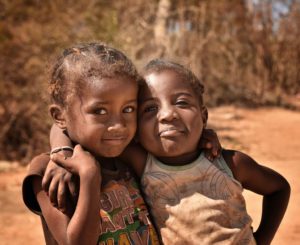
5 Facts About Malnutrition in Madagascar

Malnutrition in Madagascar

Madagascar, a small island off the coast of Africa, is the fourth-most malnourished country in the world. Malnourishment can harm the immune system, bone structure and organs of the body. Below are five facts about malnutrition in Madagascar and solutions to malnourishment.

5 Facts about Malnutrition in Madagascar

  1. Natural disasters cause food insecurity. Madagascar experiences dangerous cyclones, floods and droughts every year. These natural disasters leave poor citizens in crisis (Phase 3) and emergency (Phase 4) phases of food insecurity, according to the Famine Early Warning Systems Network’s Integrated Phase Classification. This means that families struggle to have the minimum amount of food necessary for survival, and they experience high or very high acute malnutrition. USAID’s Office of Food for Peace (FFP) is one organization that provides humanitarian aid to Madagascar. In addition to emergency food resources, FFP also introduces malnutrition recovery techniques and food-for-assets tasks in which a household member receives a supply of food in exchange for help with water management. As of 2019, USAID estimates that the regions of Madagascar that are hardest hit by natural disasters will decrease to the stressed (Phase 2) phase of food insecurity, thanks to humanitarian assistance.
  2. Malnutrition worsens the measles outbreak. As the measles outbreak continues to worsen in Madagascar, children are at the highest risk for disease. Seventy percent of deaths caused by measles complications are of children ages 14 and under, and nearly half of the child-aged population in Madagascar is still susceptible to the highly contagious disease. Direct Relief is working with the Ministry of Public Health to decrease malnutrition in Madagascar and to fight against measles. They have implemented Vitamin A vaccines to treat children with measles, and the vitamin also improves nutrition. Since 2013, Direct Relief has been present in Madagascar to help during epidemics and to support child health.
  3. Stunting is a dangerous effect of malnutrition. Stunting occurs when a child grows up to be too small for his or her age due to a lack of necessary nutrients in infancy. Infancy is a critical stage of development, and if a child is not properly nourished, he or she will face irreversible challenges throughout his or her life. For example, stunted children tend to have difficulty focusing on tasks. If a child is stunted, he or she will earn 26 percent less income than average. This is dangerous for Madagascar because seven percent of gross domestic product is lost due to malnutrition. World Bank initiated a 10-year Improving Nutrition Outcomes Program to decrease malnutrition in Madagascar by providing nutrient interventions in infancy. The goal is to decrease malnutrition by 30 percent.
  4. Anemia is another dangerous side effect of malnutrition. Regions of Madagascar with the highest levels of anemia also have the lowest consumption rates of healthy, iron-rich foods, suggesting a link between anemia and malnutrition. Anemia in children can lead to developmental delays and decreased adult productivity, but anemia in pregnant mothers can lead to early delivery, low birth weight and even infant death. USAID currently treats anemia in Madagascar with iron folic acid (IFA) supplements for women of reproductive age. Since its implementation, anemia in women has decreased from 46 percent to 35.3 percent. In children, anemia has decreased from 68.2 percent to 50.3 percent.
  5. The World Food Programme is working to improve conditions. The World Food Programme (WFP) provides humanitarian aid in Madagascar in many forms to combat malnutrition. So far, they have reached 650,000 of the 850,000 people living with food insecurity. The organization brings nutritional and cash assistance to those living with malnutrition, daily school meals for children and seeds in order for families to plant crops. The WFP may have saved the country from plunging into famine, but more can be done to eradicate malnutrition in Madagascar.

– Katherine Desrosiers
Photo: Flickr

June 27, 2019
https://borgenproject.org/wp-content/uploads/borgen-project-logo.svg 0 0 Kim Thelwell https://borgenproject.org/wp-content/uploads/borgen-project-logo.svg Kim Thelwell2019-06-27 01:30:122024-05-29 23:00:435 Facts About Malnutrition in Madagascar
Page 60 of 92«‹5859606162›»

Get Smarter

  • Global Poverty 101
  • Global Poverty… The Good News
  • Global Poverty & U.S. Jobs
  • Global Poverty and National Security
  • Innovative Solutions to Poverty
  • Global Poverty & Aid FAQ’s
Search Search

Take Action

  • Call Congress
  • Email Congress
  • Donate
  • 30 Ways to Help
  • Volunteer Ops
  • Internships
  • Courses & Certificates
  • The Podcast
Borgen Project

“The Borgen Project is an incredible nonprofit organization that is addressing poverty and hunger and working towards ending them.”

-The Huffington Post

Inside The Borgen Project

  • Contact
  • About
  • Financials
  • President
  • Board of Directors
  • Board of Advisors

International Links

  • UK Email Parliament
  • UK Donate
  • Canada Email Parliament

Get Smarter

  • Global Poverty 101
  • Global Poverty… The Good News
  • Global Poverty & U.S. Jobs
  • Global Poverty and National Security
  • Innovative Solutions to Poverty
  • Global Poverty & Aid FAQ’s

Ways to Help

  • Call Congress
  • Email Congress
  • Donate
  • 30 Ways to Help
  • Volunteer Ops
  • Internships
  • Courses & Certificates
  • The Podcast
Scroll to top Scroll to top Scroll to top