• Link to X
  • Link to Facebook
  • Link to Instagram
  • Link to TikTok
  • Link to Youtube
  • About
    • About Us
      • President
      • Board of Directors
      • Board of Advisors
      • Financials
      • Our Methodology
      • Success Tracker
      • Contact
  • Act Now
    • 30 Ways to Help
      • Email Congress
      • Call Congress
      • Volunteer
      • Courses & Certificates
      • Be a Donor
    • Internships
      • In-Office Internships
      • Remote Internships
    • Legislation
      • Politics 101
  • The Blog
  • The Podcast
  • Magazine
  • Donate
  • Click to open the search input field Click to open the search input field Search
  • Menu Menu

Tag Archive for: USAID

Information and news about mobile technology

Posts

Global Poverty

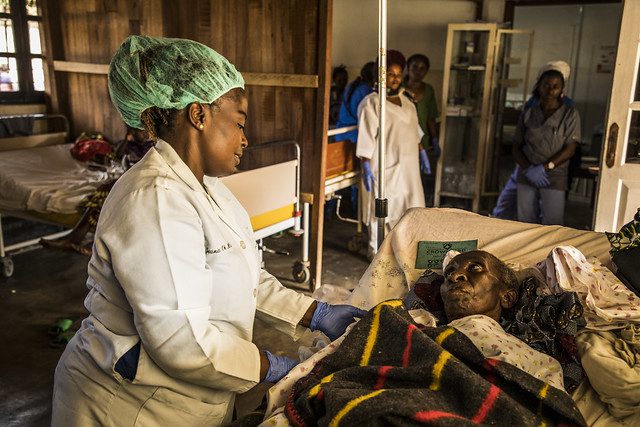
4 Facts About Health Care in the Democratic Republic of the Congo

Health care in the Democratic Republic of the Congo

The Democratic Republic of the Congo (DRC), once lauded for its health care system, is now a country with a lack of resources and access. In the past few decades, the DRC has experienced political unrest, war and military disputes, leaving the country’s health care system in shambles. Now, almost 70 percent of Congolese people have little or no access to basic health care.  Here are the top four facts about health care in the Democratic Republic of the Congo:

Top 4 Facts About Health Care in the Democratic Republic of the Congo

  1. Hospitals- As of 2016, there were 401 hospitals in the DRC.  Despite this, access to medical care remains sparse in rural areas. In fact, it is still difficult for many citizens to obtain necessary medical aid. Additionally, these hospitals often lack proper equipment and staff to meet some of the needs of the patients. Many times, hospitals run out of essential medicines and supplies required for various treatments. Multiple organizations recognize the gravity of this situation and are reaching out to help. This includes a health program from USAID, which provides more than 12 million citizens of the DRC with primary health care services.
  2. Vaccines- In 2018, The Emergency Plan for the Revitalization of Immunization was implemented with the goal of increasing vaccinations for children in the Democratic Republic of the Congo. This plan is also known as the Mashako plan, in honor of the DRC’s former minister of health, Professor Leonard Mashako Mamba. The goal of the Mashako plan is to increase the coverage of children vaccinated by 15 percent by 2020. This means that, under the Mashako plan, 220,000 children who would otherwise be susceptible to life-threatening, preventable diseases will now have access to vaccines.
  3. Health Care Workers- The number of health care workers in the DRC averages out to .09 physicians to 1,000 individuals. This is drastically less than many other countries, such as the United States with almost 3 physicians per 1,000 individuals. Additionally, there are more than 4 physicians to 1,000 individuals in Italy. Furthermore, one-third of health care workers are over 60 years old. These numbers are odd and surprising, considering the country produces up to 9,000 new health care workers each year. Despite this, there is a significant shortage of health care workers in many areas and facilities in the DRC. This is due to a lack of proper record keeping. In recent years, however, the DRC has been working with IntraHealth International to implement iHRIS. This program aims to aid the country in recording and managing data pertaining to the health care workforce. The goal of iHRIS is to help record missing information and better disperse doctors throughout the DRC.
  4. Government Spending- The Government of the DRC (GRDC) has recently given more attention to health care and is making the health of its citizens a higher priority. In 2015, the government increased health care spending to almost 9 percent of the overall budget, in comparison to 3.4 percent in 2011. Also in 2015, and for the very first time, the GRDC reserved funds specifically for drugs and contraceptives, which are crucial for various parts of the population. Despite these improvements, government spending on health care in the DRC continues to be among the lowest in the world.

Over time, recent government changes and shifting priorities are making significant and notable improvements to the health care system in the DRC. These top four facts about health care in the Democratic Republic of the Congo demonstrate that access to health care is critical in both citizens and the country’s future.

– Melissa Quist
Photo: Flickr
August 30, 2019
https://borgenproject.org/wp-content/uploads/borgen-project-logo.svg 0 0 Kim Thelwell https://borgenproject.org/wp-content/uploads/borgen-project-logo.svg Kim Thelwell2019-08-30 01:30:302024-05-29 23:10:114 Facts About Health Care in the Democratic Republic of the Congo
Development, Global Poverty

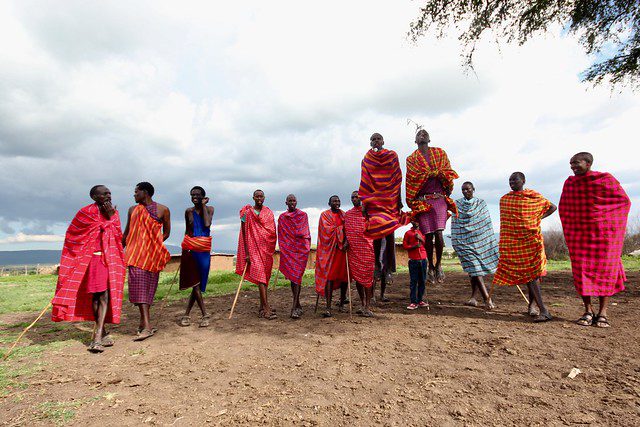
The Impact of Feed the Future in Kenya

Feed the Future in Kenya
As of 2018, the Republic of Kenya had a total population of around 51 million people with a growth rate of 2.6 percent. About 25 percent of the nation’s population lives in urban areas and major cities while the majority of Kenyans live in rural and sub-urban areas. Because of this, one would assume agriculture would provide a steady income for most families, but the agricultural sector in Kenya hosts a variety of challenges.

Kenya’s Employment Challenges

While agriculture does contribute one-third of the nation’s GDP, many issues prevent farmers from turning a decent profit. Aside from the fact that only 9.5 percent of Kenya’s total land area is arable, many Kenyans simply lack the monetary resources to expand their businesses. In fact, Oxford University’s poverty index finds that around 50 percent of Kenyans live below the poverty line.

Rural Kenyans, like citizens of many other African countries, rely on subsistence farming—meaning they farm just to feed themselves and their families. In times of crop failure, even simply feeding one’s household can be a challenge, much less producing viable crops to sell. In spite of this, Kenya’s entrepreneurial middle-class keeps growing, and many nonprofits and aid assistance programs are jumping at the chance to see that that growth continues.

Feed the Future in Kenya

One such organization is USAID’s Feed the Future program; the Feed the Future initiative, as described on their website, “brings together partners from across various sectors and the U.S. Government to use each of our unique skills and insights in a targeted, coordinated way to help countries that are ripe for transformation change the way in the way their food systems work.”

Nkamathi Farm Products

An example of how Feed the Future in Kenya has positively impacted the nation’s population can be found in the success of Nkamanthi Farm Products. The founder of the company, Lydia Kanyika, saw how poverty and low education limited opportunities for young people in her community to find meaningful work. Hoping to create positive change in her world, she applied to and won a Feed the Future business development grant. The grant is awarded to select businesses based on four key elements: their marketing plans, ability to create markets, ability to generate employment opportunities and their ability to increase productivity along the livestock value chain in Northern Kenya.

Kanyika used her grant to expand her small business by upgrading her wooden chicken house to a modernized coop. This simple change has not only allowed her to increase the number of chickens she kept from 300 to 2,500 but also grow her farm’s production by 243 percent. Perhaps most amazing of all is how contagious her success was on her community.

The Ripple Effects

Through the expansion of her company, Kanyika has mentored more than 50 young Kenyans and provided them with employment opportunities that help them support their families. One of her employees, Martin Mwenda, gladly shared his business success with representatives from Feed the Future in Kenya. When he first began earning income from distributing eggs from Kanyika’s chickens, he told the project that he only sold five cartons of eggs each day. As Nkamanthi Farm Products grew, so did his clientele; he now sells 25 cartons daily, which provides him with a steady and consistent revenue.

“I want to expand the egg business,” he told Feed the Future. “I will then use the business to create employment opportunities for fellow youth, especially those who have migrated from rural areas to Isiolo town to make ends meet, like I did.”

The Future of Agriculture

While Kenya’s middle class continues to struggle for more open markets and trade, investment and financial freedoms, aid programs like Feed the Future are slowly but surely helping Kenyans expand their personal businesses, which in turn spreads more employment opportunities across the country.

– Haley Hiday
Photo: Flickr

August 28, 2019
https://borgenproject.org/wp-content/uploads/borgen-project-logo.svg 0 0 Kim Thelwell https://borgenproject.org/wp-content/uploads/borgen-project-logo.svg Kim Thelwell2019-08-28 01:30:452019-10-23 14:14:07The Impact of Feed the Future in Kenya
Global Poverty, Homeless, Refugees, World Hunger

What Else Could the Money for Notre-Dame Repairs Be Used For?

Notre-Dame RepairsThe cathedral of Notre-Dame de Paris is a cultural, religious, and architectural icon that has stood at the center of Paris for nearly a millennium. For many, this cathedral is a sacred place of refuge, an escape from the world or a childhood memory. On April 15, a fire nearly destroyed the cathedral, severely damaging the spire and roof of the building. In the aftermath of this tragedy, news headlines focused on the noteworthy flurry of donations from billionaires and small donors pledged to Notre-Dame repairs.
After reaching nearly $1 billion just days after the fire, several articles marveled at how easy it was to raise these funds when investing the same amount of money and public support for other pressing issues seems so difficult. In a few op-ed pieces, authors even expressed the sadness and disappointment of how vigorous the funding was to repair a church whose religion preaches helping the poor and oppressed. This begs the question of what else could $1 billion be used for? Here are five different ways the funds for the Notre-Dame repairs could have been used.

What $1 Billion in Aid Could Do Around the World

    1. International Aid: In 2017, the United States Agency for International Development (USAID) spent more than $1 billion on agricultural aid worldwide, which includes investment in capital for agricultural and technological development. USAID spent a similar amount on maternal and child health worldwide to treat cases of illness and provide medical technology to assist in childbirth.
    2. World Hunger: Through local partnerships and government leadership, the Feed the Future Inititiaive spent roughly $3.3 billion in agricultural and rural loans between 2011 and 2017 to mobilize farmers and families in developing countries. The average spending per year for this program amounts to about half of what was donated to the Notre-Dame repairs ($0.5 billion), yet the progress made through this initiative has added an estimated value of nearly $42 billion in economic output.
    3. The Refugee Crisis: The Office of the United Nations Higher Commissioner for Refugees (UNHCR) has requested $783 million to aid the South Sudan crisis where there are an estimated 2.4 million refugees. It raised $783 million in just 24 hours after the Notre-Dame fire. The funds UNHCR has requested for the crises in the countries of Burundi, the Democratic Republic of the Congo (DRC) and Afghanistan comes to around $879 million. That money would aid more than a million refugees collectively in the three countries.
    4. Homelessness: In Beijing, China, homelessness is an increasing problem. The Fengtai Shelter, located in Beijing, serves almost 3,000 people annually and receives just $1.2 million each year in aid from the government. With $1 billion, nearly 800 similar homeless shelters could receive $1.2 million in aid.
    5. Climate Change Relief: Alaskan residents have witnessed dramatic changes where whole villages have been sliding into rivers. The United States Army Corps of Engineers (USACE) said relocating one such village, Newtok, would require anywhere between $80 to $130 million. Given this analysis, $1 billion could be used to relocate roughly ten such villages in Alaska, impacting thousands of people who are being displaced by increasing water levels.

Here are just five different ways that $1 billion could be used towards important problems in the world. These examples go to show the magnitude of what can be done with $1 billion to help the poor and oppressed. Although it is hearting to see so many people rally together to help with the Notre-Dame repairs, it would be an amazing leap to see that kid of dedication put towards humanitarian aid efforts.

– Luke Kwong

Photo: Wikimedia Commons

August 22, 2019
https://borgenproject.org/wp-content/uploads/borgen-project-logo.svg 0 0 Kim Thelwell https://borgenproject.org/wp-content/uploads/borgen-project-logo.svg Kim Thelwell2019-08-22 07:30:182024-05-29 23:00:58What Else Could the Money for Notre-Dame Repairs Be Used For?
Aid, Global Poverty, USAID

10 Facts About U.S. Aid to Afghanistan

U.S. Aid to Afghanistan
For the past 18 years, U.S. involvement has been a constant in Afghanistan. Much of that involvement takes the form of financial aid. The economic and development aid offered to Afghanistan by the U.S. since 2001 has had a positive impact, but an emphasis on military aid diminishes that impact greatly. This article provides 10 facts about U.S. aid to Afghanistan.

10 Facts About U.S. Aid to Afghanistan

  1. As of 2016, U.S. aid to Afghanistan amounted to $5.1 billion per year. Of that aid, $3.7 billion went towards security. Afghanistan also received more economic help from the U.S. than any country outside Africa.
  2. Total annual U.S. spending on Afghanistan amounted to about $45 billion as of 2018. Most of that spending was funding to military forces and security objectives. The U.S. spent only $800 million on economic development.
  3. Afghanistan’s GDP has increased from $4.055 billion in 2002 to $19.444 billion in 2017. Primary school enrollment increased from about 22 percent in 2001 to 98 percent in 2004 after only three years of U.S. aid and has not gone below 90 percent since then. In 2002, the average life expectancy in Afghanistan was about 56. It has increased steadily since then and reached about 64 by 2017.
  4. USAID involvement in Afghanistan began in 2002. Humanitarian aid from USAID has had long-term impacts on conditions in the country. USAID faces more challenges with regard to development projects because of ongoing violence. USAID cooperated with the U.N. to transport emergency food supplies to Afghanistan by air.
  5. In 2018, USAID spent over $145 million on initiatives in Afghanistan. The three primary initiatives of 2018 focused on responding to natural disasters and providing food-related aid.
  6. In 2018, U.S. aid to Afghanistan targeted agriculture more directly. USAID repaired 177 kilometers of irrigation systems, positively affecting about 30,000 hectares of land. USAID also distributed vouchers allowing Afghan farmers to purchase more farming equipment and formed the Agriculture Development Fund, which provides credit and assistance for farmers and their families.
  7. USAID also works to improve Afghan infrastructure. USAID increased access to electricity in Afghanistan by 73 percent from 2010 to 2016. Currently, USAID is supporting a project to expand access to electricity to the entirety of southern Afghanistan. The construction of hundreds of schools and hospitals occurred in Afghanistan with U.S. support. In the past decade, over two million Afghans gained access to clean water thanks to USAID cooperation with the Afghan government.
  8. Despite the amount of U.S. aid sent to Afghanistan, poverty persists. The poorest Afghans continue to struggle with illiteracy and unemployment. High amounts of military aid have not affected the high rates of poverty that exist in Afghanistan.
  9. As of 2018, the U.S. was spending more on Afghanistan than ever. But the U.S. only used $780 million of the $45 billion for economic and development purposes. Most of the $45 billion was used for military and security purposes.
  10. Since 2012, the majority of U.S. aid to Afghanistan has been military aid. In 2012 alone, $9.95 billion of the total $12.9 billion in U.S. aid to Afghanistan was military aid. This decision led to criticism from the Human Rights Watch.

Military aid cannot solve poverty in Afghanistan alone. U.S. development and economic aid are vital to Afghanistan at this time. To protect this type of U.S. aid to Afghanistan, U.S. voters can email their representatives in Congress.

– Emelie Fippin
Photo: Flickr


August 21, 2019
https://borgenproject.org/wp-content/uploads/borgen-project-logo.svg 0 0 Kim Thelwell https://borgenproject.org/wp-content/uploads/borgen-project-logo.svg Kim Thelwell2019-08-21 07:30:262024-05-29 22:59:5810 Facts About U.S. Aid to Afghanistan
Global Poverty

Improving Maternal Health in Guinea

Maternal health in Guinea

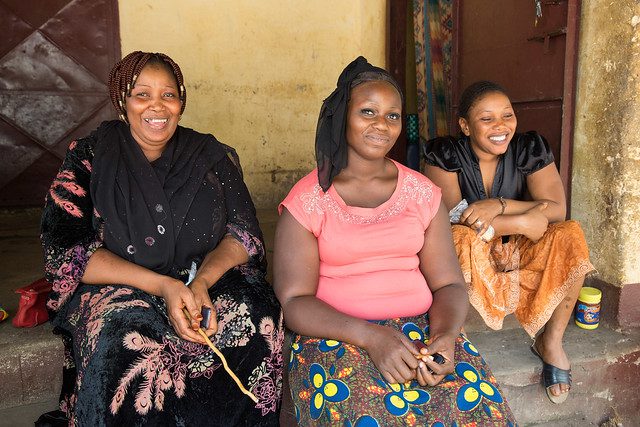
Guinea, officially known as the Republic of Guinea, is a country in West Africa with a significant amount of natural resources, such as bauxite and iron ore as well as gold and diamond mines that could bring the country immense wealth. However, due to its reliance on agriculture and the Ebola outbreak of 2014, the country remains in poverty and has some of the lowest health rates in the world. The philanthropic focus on eradicating Ebola has shifted funds from maternal health to ending the Ebola crisis, endangering the lives of women and children. Improving maternal health in Guinea needs to become a priority.

Maternal Health in Guinea

Of the numerous social problems facing Guinea, maternal health is one of the most detrimental to the country. The neonatal mortality rate in Guinea is 25 deaths per 1,000 live births. The maternal mortality rate is 679 women out of 100,000 live births. This compared to a global neonatal mortality rate of 18 deaths per 1,000 live births depicts a country struggling with maternal health development. Throughout the country, only 36.1 percent of children are vaccinated and approximately 31 babies die each day while 21 babies are stillborn.

One aspect of maternal health that could use improvement is prenatal care and scheduled doctor visits. In rural areas, fewer than 40 percent of women receive prenatal treatment while 71 percent of women in urban areas attend doctor visits before the birth of their child. These low percentages of prenatal care correspond to equally low rates of women who give birth in facilities with trained personnel. The main reason women do not want to give birth in facilities is the mixed-gender wings. Women feel uncomfortable giving birth where men are present.

Global Funding to Reduce Maternal Mortality

To combat these statistics, the government of Guinea and various non-profit organizations are implementing programs to help improve the health and mortality of infants and mothers. In 2018, the World Bank approved $55 million in funding for the two poorest regions of Guinea, Kindia and Kankan. This money will go to improving reproductive, maternal, newborn and child health.

The grant was distributed to two different associations. The International Development Association will receive $45 million to provide low to zero-interest rates for programs that improve economic growth and reduce poverty. The Global Financing Facility will receive $10 million to prioritize underinvested areas of maternal and infant health.

In 2015, the USAID began the Maternal and Child Survival Program in Guinea, which improves the quality and availability of maternal and infant services. The goal of this program is to empower district-level lawmakers to strengthen local centers through a bottom-up approach. Through this initiative, MCSP has established seven healthcare facilities with 42 healthcare providers and 125 healthcare educators.

Focusing on Maternal Health

In 2015, the IDA approved a grant to implement the Primary Health Services Improvement Plan as part of a five-year plan to improve maternal health, child health and nutrition in Guinea. The grant specifically targets health centers by increasing the number of health centers and the availability of equipment and supplies in these centers.

Due to many centers focusing on fighting Ebola, this plan improves the availability of medicines in health centers, restores drug funds within health facilities, supports training in financial drug fund management and covers any financial gap to produce medicines in subsequent years. Additionally, the grant provides three-year training and continuous mentoring for nurse assistants. Furthermore, it recruits unemployed nurse assistants to work at these health centers.

Improvements Made

Since these initiatives began, there has been a significant improvement in developing maternal health in Guinea. The number of births attended by trained health professionals between 2016 and 2018 improved from approximately 27,000 personnel to 44,000. There were also 8 percent more women who received prenatal care by attending at least four doctor visits before the birth of their babies.

Similarly, the Ebola Response Project, although meant to target people affected by the Ebola breakout, has positively affected maternal health development in Guinea by helping fund a new maternity center in Koba. This center helps women attain the privacy they desperately desire by providing two separate wings for men and women. At this center, specifically, a program was initiated to distribute clothes, mosquito nets and soap to expecting mothers to encourage visiting the center.

Maternal health development in Guinea has been steadily improving through programs and governmental plans; however, there is still much work to be done. Although infant and maternal mortality rates are dropping due to an increase in health centers and personnel, a continued increase in funding and a restructuring of fund management is necessary to continue to improve maternal health in Guinea.

– Hayley Jellison
Photo: Flickr

August 20, 2019
https://borgenproject.org/wp-content/uploads/borgen-project-logo.svg 0 0 Kim Thelwell https://borgenproject.org/wp-content/uploads/borgen-project-logo.svg Kim Thelwell2019-08-20 07:30:252019-10-22 14:39:00Improving Maternal Health in Guinea
Development, Global Poverty

The New Frontier: China’s Investment in Africa

china's investment
For those seeking investment, look no further than the continent of Africa. While the continent has had a tumultuous couple of decades, plagued by health crises such as Ebola, and political unrest is it also gushing with economic, diplomatic, and political potential – and China is taking notice.

Government Involvement

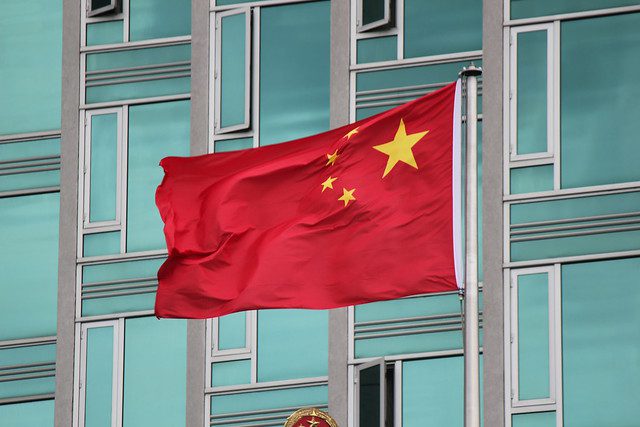
Just last year (August 2018), President Xi of China, speaking at the Forum on China-Africa Cooperation, has pledged to invest a major sum of $60 billion in commercial loans to the African continent. This investment in Africa, as well as a plethora of other nations scattered across the Middle East, Eastern Europe and Asia, are all apart of China’s overall global strategy – what they are calling the Belt Road Initiative (BRI). Under this daring economic, political and diplomatic strategy, China is investing large sums of money to mainly developing nations as a way to not only benefit China’s economic interests but to cement its role in the world as a dominating global superpower.

A Welcoming Environment

Also, when it comes to large Chinese investments, Africa is more than welcoming. In addition to the overall loans that China is dedicating to forming some friendships, these investments, especially in infrastructure, may be a godsend. At the time of this writing, Africa has a $900 billion infrastructure deficit. The much-needed cash flow from China will not only allow many African nations to lay the groundwork for basic infrastructure projects, but it will also afford children the opportunities required to gain an education and for local businesses to trade.

In addition to the major pillars of the BRI, China is also establishing what it is calling a “Maritime Silk Road” – a chain of seaports from the South China Sea to Africa. With the construction of these ports will come: oil refineries, industrial parks, and fiber optic networks, all designed to make a trade with China easier and mutually beneficial – and thus far it seems to be accomplishing China’s goal of breathing new life into its infamous ancient Silk Road.

And while these projects are beneficial to the recipient countries, China does add that part of the developments will be helped by Chinese labor and companies, thus allowing China to take a slice of the economic cake as it were. But while many Chinese companies are profiting off BRI contracts, the projects being funded are benefiting local communities and provide steady work and cash flow to otherwise struggling areas of Africa. Economic benefits aside, this partnership is allowing many African nations to forge diplomatic relations with a world power as well.

Economic and Political Ramifications

China’s investment in Africa does, however, come with a few pitfalls. While Chinese companies become more prominent in Africa, so will “Made in China” products. This will come with some obvious knock-on effects, for example, for the last couple of decades these products have had a devastating effect on what was once a thriving South African textile industry. But, the pendulum does swing the other way as well. Ethiopia has seen positive outcomes from Chinese investments.

Investment in Africa began as an opening of windows of opportunity around the globe for China. The United States has been the worlds primary loan superpower for the last several decades – investing billions of dollars in foreign aid and development projects through USAID and starting working establishment programs in various nations. But with loans from the West coming with strings attached – mainly strict ethical standards – China saw a chance to offer billions in loans with fewer conditions.

Due to China’s willingness to loan large sums of money to nations torn apart by conflict and instability, the global community has raised concerns. These nations will eventually need to pay back these loans, and the worlds less than reliable recipients could threaten global economic stability if they default.

However, China isn’t necessarily concerned if these countries can’t pay them back, in the literal sense. In exchange for the economic clout that comes with Chinese investments, nations such as South Africa’s Djibouti are lending naval ports as a means of reciprocation – forming a “String of Pearls” which gives China a foothold in the naval Indian ocean. But while some of these loans may be risky investments on the continent of Africa, China understands the cost-benefit analysis and is treating Africa as a new frontier.

A Positive Outcome

China’s investment in Africa, while risky, may end up paying off. With Africa’s willingness to accept loans from China, and listening with open ears to China’s overtures for stronger diplomatic relations, Africa is in a good position to begin funding its own economic and development programs. Programs that will address issues of poverty, inequality, and education.

– Connor Dobson
Photo: Flickr

August 17, 2019
https://borgenproject.org/wp-content/uploads/borgen-project-logo.svg 0 0 Kim Thelwell https://borgenproject.org/wp-content/uploads/borgen-project-logo.svg Kim Thelwell2019-08-17 14:38:392019-11-07 15:48:29The New Frontier: China’s Investment in Africa
Global Poverty

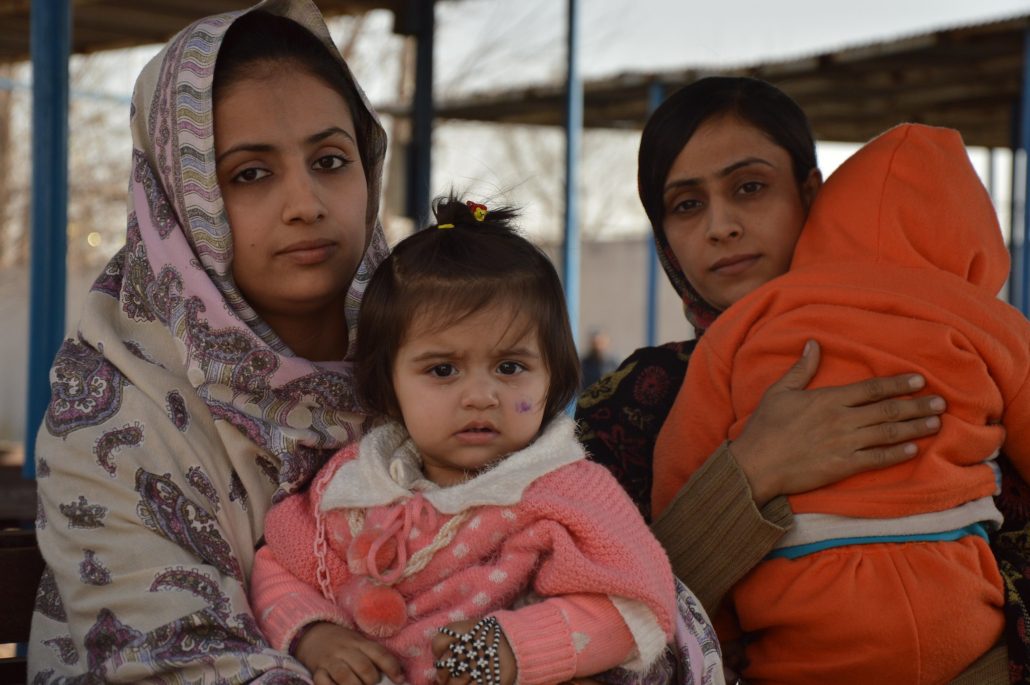
The Humanitarian Crisis in Gaza

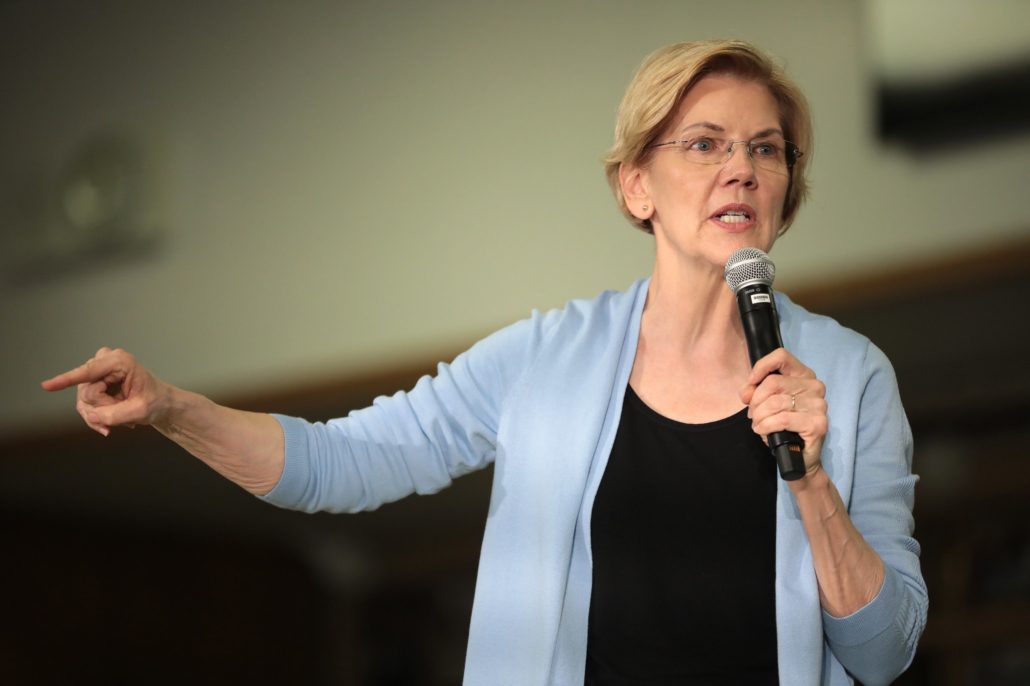
Humanitarian Crisis in GazaIn early July 2019, presidential hopeful Elizabeth Warren told a group of activists that “she would push to end the Israeli government’s occupation of the West Bank and Gaza,” according to Mike Brest of the Washington Examiner. Senator Warren’s comments stray from her record as a vocal Israeli and AIPAC supporter, but her comments are important to the 2020 democratic presidential campaign as she is one of the, if not the first, democratic candidates to mention and wish to assist the Gaza Strip. As the 2020 presidential campaign moves forward, the humanitarian crisis in Gaza deserves more attention.
The Gaza Strip Blockade

Since 2007, Israel and its chief Arab ally, Egypt, have enforced a complete air, land and water blockade of the Gaza Strip in response to the Strip’s controversial election results. In Gaza’s first major elections, Hamas, a U.S. State Department recognized terrorist organization since 1997, won control of the Strip causing Israel to immediately impose sanctions. After Hamas forced its political rivals out, Fatah, Israel and Egypt imposed the blockade of Gaza to prevent further hostile actions from the Gazan government. In the 12 years since its implementation, “more than 1,000 Palestinians have died as a result of the ongoing blockade,” according to Al Jazeera in early 2018.

According to Al Jazeera, “Gazans continue to face a desperate situation because of the blockade with water and electricity shortages as well as a lack of medicines and doctors.” The heinous conditions in Gaza have resulted in the Norwegian Refugee Council (NRC), an accredited independent organization, to declare the Strip “the world’s largest open-air prison” in mid-2018. The NRC also reported that “a 2012 U.N. report predicted [the Gaza Strip] would be unlivable by 2020” for the predicted population of 2.1 million Palestinian. Despite the U.N. report, the conditions have not improved in Gaza as “1.9 million people are confined [by the blockade], 84 percent require humanitarian aid, [and] 41 percent have too little food,” according to the NRC.

The United States and the Gaza Strip

Although the controversial blockade has continued for over a decade, U.S. politicians have rarely discussed the horrific conditions in the Gaza Strip. The U.S. has largely ignored the situation in Gaza, which has allowed it to perpetuate and worsen, but Senator Warren’s recent comments could point towards a possible advancement. The humanitarian crisis in Gaza deserves more attention, and some U.S. politicians could be bringing more light to the crisis.

The 2012 U.N. report on the Gaza Strip made its results very clear by stating that the Strip would be “unlivable by 2020 if nothing was done to ease the blockade.” For the situation in Gaza to improve, Israel and Egypt must end the blockade, or at the very least loosen it. The United States is one of the only nations that holds the power to bring improvement to the region due to its special relationship with Israel and Egypt.

According to USAID, the United States gives almost $370 million in aid to Egypt and nearly $3.2 billion in aid to Israel annually. America’s close and special relationship with both countries give the situation in Gaza hope. The humanitarian crisis in Gaza deserves more attention, and if more U.S. politicians speak against the horrible environment in the Gaza Strip, the additional pressure could potentially ease the blockade and improve the region. The devil is in the details when discussing the Palestinian-Isreali conflict, but improvement is possible if the humanitarian crisis in Gaza receives the attention it deserves.

– Zachery Abunemeh
Photo: Flickr

August 13, 2019
https://borgenproject.org/wp-content/uploads/borgen-project-logo.svg 0 0 Kim Thelwell https://borgenproject.org/wp-content/uploads/borgen-project-logo.svg Kim Thelwell2019-08-13 14:44:172024-06-06 00:26:21The Humanitarian Crisis in Gaza
Children, Education, Global Poverty

8 Facts About Education in the United Republic of Tanzania

eight facts about education in tanzaniaComprised of what once were two separate states, Zanzibar and Tanganyika, Tanzania now sits in East Africa between Kenya and Mozambique after gaining independence from Britain in 1964. With a population of over 55 million people, Tanzania is the biggest and most populous East African nation. The following 8 facts about education in the United Republic of Tanzania will highlight problems students face in the pursuit of education. They will also map out efforts being made to ensure that students are able to access education.
8 Facts about Education in the United Republic of Tanzania

  1. Throughout the 1970s, a focus was placed on education. Universal primary schooling consisting of seven years was instated. Unfortunately, the demand for secondary school outweighs the budget allotment, and as a result, many parents have been forced to help sponsor said education.
  2. While there is little to no disparity between boys and girls enrolling in the mandatory primary schooling, just one-third of girls who enroll in secondary education will complete it. This may be a contribution to why 83.2 percent of males age 15 and over being able to read and write as opposed to the 73.1 percent of females at the same age level. Contributing factors to girls’ having restrictions on their educations include premature marriages, gender-based violence and financial hardships.
  3. Due to low literacy rates, the Tanzanian government has put a focus on adult education in addition to childhood education. Because of the success of these programs, adult literacy rates have improved drastically. While Tanzania‘s literacy rates are still below the world average, in terms of African nations, it ranks above average.
  4. Another hindrance to children’s education in Tanzania is the lack of qualified teachers available to teach. UNICEF reports that for every 131 students, there is one qualified teacher. This leaves many students without access to the education they deserve.
  5. In addition to not having a sufficient number of teachers staffed in schools, many teachers are left without proper tools to teach adequately. Sixty-six percent of teachers say that they are not equipped with proper teaching supplies. Not providing teachers with the necessary tools to teach is a massive contributor to lower literacy rates.
  6. USAID is working to provide various services designed to increase student retention rates. The organization is working closely to address the restrictions that young girls face in order to let them continue their education. USAID is working in partnerships with the National Plan of Action to End Violence against Women and Children.
  7. With USAID’s involvement, an estimated 19,000 young girls will benefit and have increased support for their continued education. It is predicted that nearly 1.5 million students as a whole will see improvements in their reading, writing and math schooling by 2021. Increasing the quality of school materials will lead to massive change throughout the country.
  8. Another organization passionate about affording education to those in need in Tanzania is UNICEF. By 2021, UNICEF, along with the President’s Office Regional Administration and Local Government (PORALG), hopes to increase the availability of safe and inclusive access to basic education. With this plan, the hope is to provide even the most vulnerable young people in Tanzania with proper primary education.

While Tanzania, like many other countries, has room for improvement, these 8 facts about education in the United Republic of Tanzania show that there are strong efforts being made. With effective plans of action in place for the next few years, the future of education in Tanzania looks brighter.

– Emi Cormier
Photo: Flickr

August 6, 2019
https://borgenproject.org/wp-content/uploads/borgen-project-logo.svg 0 0 Kim Thelwell https://borgenproject.org/wp-content/uploads/borgen-project-logo.svg Kim Thelwell2019-08-06 01:30:312024-05-29 22:26:528 Facts About Education in the United Republic of Tanzania
Activism, Advocacy, Development, Global Poverty

The Northern Triangle Enhanced Engagement Act

United States-Northern Triangle Enhanced Engagement Act
On July 15, 2019, the United States House of Representatives unanimously passed the United States-Northern Triangle Enhanced Engagement Act. The bill, announced by New York Representative Eliot L. Engel and Texas Representative Michael McCaul, seeks to provide greater safety and security for the Northern Triangle countries. The highest volume of immigrants from South America come from Honduras, El Salvador and Guatemala. It is the hope of the United States Congress that increasing aid and promoting a stronger economy and sense of security in these nations will address the root causes of the current migration crisis. This bipartisan legislation outlines several ways the United States may assist the Northern Triangle nations.

Details About The Bill

Firstly, the bill details a five-year program which focuses on economic development, the strengthening of democratic institutions and anti-corruption efforts. Because the insecurity of these countries’ economies is driving so many to seek refuge in foreign nations, enhancing market-based internal solutions for Honduras, El Salvador and Guatemala is a priority of this plan. Furthermore, it will implement institutions and programs that will allow these places to remain resilient in the wake of frequent natural disasters.

In order to support the integrity of the democratic institutions of the Northern Triangle, this bill intends to provide support to ensure free, fair elections and the continuation of an independent media. This measure is to prevent the spread of political propaganda and to make the democratic process accessible to all.

This bill includes many measures to support and fund anti-corruption efforts, which is so important when so many migrants from these countries are leaving to escape the prevalent gang violence. It provides support for such efforts as faith-based organizations for at-risk youth. Many young people have no choice but to engage in violent gang activities in order to protect themselves or their families.

Funding From The United States

The United States-Northern Triangle Enhanced Engagement Act is allotting $577 million dollars in monetary aid to these three countries for the 2020 fiscal year but includes strong conditions as to how the countries must use the funding.

The bill also includes measures to protect the safety of not only those native to Guatemala, Honduras and El Salvador but also the many American people who have concerns regarding immigration into the United States. The act calls for visa bans and asset freezes for corrupt individuals in an effort to halt some of the corruption in government and drug trafficking which are making these nations unsafe.

This bipartisan legislation will also provide increased support for development efforts in southern Mexico. The hope is that there will be more peaceful relations between Mexico and the Northern Triangle nations to diminish some of the reasons for the mass exodus from these countries.

Lastly, Congress has mandated that the State Department and USAID provide reports regarding the root causes of migration in the Northern Triangle countries after the implementation of the United States’ aid. The bill mentions some of the root causes including drug trafficking, human trafficking, extortion, corruption, gender-based violence, gang activities and the forcible recruitment of children into gang activities. These reports will allow Congress to determine how aid from the United States and the implementation of social services has altered the social and political climate of the Northern Triangle.

A Promising Victory

With so much ever-heightening concern regarding the immigration crisis, the unanimous, bipartisan passing of the United States-Northern Triangle Enhanced Engagement Act, which the Borgen Project supports, is a victory for the current state of poverty amongst immigrants. If this bill officially becomes law, it is the hope of Congress that the United States’ assistance and aid to the Northern Triangle countries will target the many causes of immigration and allow people to remain in their homes with a sense of security.

– Gina Beviglia
Photo: Flickr

August 5, 2019
https://borgenproject.org/wp-content/uploads/borgen-project-logo.svg 0 0 Kim Thelwell https://borgenproject.org/wp-content/uploads/borgen-project-logo.svg Kim Thelwell2019-08-05 01:30:502024-05-29 23:10:20The Northern Triangle Enhanced Engagement Act
Education, Global Poverty, Health

Three Innovations Helping Nepal Escape Poverty

Nepal escape poverty

It is common for countries around the world to experience rapid growth instead of modest poverty reduction, as income is increasingly concentrated in the hands of the wealthy. Nepal, however, leans toward the opposite. The country has reduced the poverty rate by half in just seven years and witnessed an equally significant decline in income inequality. Yet, Nepal remains one of the poorest and slowest-growing economies in Asia. Nonetheless, a few groundbreaking innovations are helping Nepal escape poverty.

Even without poverty as a factor, Nepal faces challenging obstacles to overcome. Since Nepal is a landlocked country it creates a natural barrier to its development. Nepal’s history of extractive political regimes left Nepal with extremely low levels of physical and human capital and illiteracy rates of 90 percent in 1951. A propensity for natural disasters also contributes to continuous setbacks.

Getting to the root of poverty requires solving many of these additional issues along the way. Poverty isn’t just inadequate access to income. It manifests itself in health services and education, often allowing sexism and racism to flourish. In spite of that, numerous solutions are being drafted every day with the world’s poor in mind. Here are three innovations helping Nepal escape poverty:

Suaahara Nutrition Project

Suaahara translates to “good nutrition,” and is a comprehensive nutrition program that teaches skills for nutrient-rich backyard vegetable farming, raising poultry, improving sanitation and hygiene, and controlling pests through demonstration farms and new mothers’ discussion groups.

Though about two-thirds of Nepalese workers worked in agriculture in recent years, the country’s agricultural sector has suffered dramatic losses since a devastating earthquake in 2015. Against a backdrop of food price volatility, the percent of households relying on food assistance increased from less than one-tenth of a percent before the earthquake to 35 percent after. Suaahara will ensure the health of future generations and guarantee budgets prioritize not just the amount of food people eat, but also the nutritional quality.

The Rani Jamara Kulariya Irrigation Project

Before 2012, Nepal’s rural population was primarily made up of smallholder farmers whose level of income was low by international standards. Farmers often experienced rainfalls and droughts that threatened their crop yields. Before project implementation, the Rani Jamara Kulariya Irrigation Scheme regularly suffered from either a shortage of water or severe flood damage. Furthermore, the government was unable to manage the water equitability which hindered the water distribution. The Rani Jamara Kulariya Irrigation Project put an emphasis on providing more efficient, reliable and flexible water services to farmers and households to mitigate agricultural losses due to water hazards and improve economic gains.

Modernizing the irrigation scheme allowed it to be resilient to water-induced hazards, proven after torrential rain in August of 2017. The project’s inclusive approach increased the number of women working in the Water User Association from 19 percent to 33 percent between 2012 and 2017. Moreover, about 40 percent of the command area saw an increase in irrigated crop yields; 117 kilometers of village roads were upgraded to gravel roads, bridges and culverts, and nearly 16,000 water users have benefitted from this project so far.

Promotion of Early Grade Reading

Nepal has made remarkable progress in expanding learning opportunities for children and adults. Since 1990, primary school enrollment rates have increased from 64 to 96 percent. However, the quality of education remains low and the overall literacy rate is around 65 percent.

A USAID-supported early grade reading assessment in 2014 showed that 19 percent of third-graders could not read a single word of Nepali. Together with the Ministry of Education, USAID plans to help one million young children acquire strong reading skills in grades one to three across 16 districts of Nepal.

Beyond just improving reading and literacy skills, these focused education efforts are strengthening curriculum and training teachers, school committee members, parents and technical support staff across the country. Just a 10 percent increase in basic literacy skills can boost a country’s economic growth by 0.3 percent and create a foundation for future learning.

These kinds of innovations are crucial in helping bend the curve toward increased child survival, lower malnutrition, greater literacy skills, and ultimately, the end of extreme poverty. Solutions like these will help Nepal escape poverty, drive broader development progress and elevate transformative efforts toward change.

– GiGi Hogan
Photo: Flickr


August 4, 2019
https://borgenproject.org/wp-content/uploads/borgen-project-logo.svg 0 0 Kim Thelwell https://borgenproject.org/wp-content/uploads/borgen-project-logo.svg Kim Thelwell2019-08-04 01:30:402020-01-26 19:16:20Three Innovations Helping Nepal Escape Poverty
Page 57 of 92«‹5556575859›»

Get Smarter

  • Global Poverty 101
  • Global Poverty… The Good News
  • Global Poverty & U.S. Jobs
  • Global Poverty and National Security
  • Innovative Solutions to Poverty
  • Global Poverty & Aid FAQ’s
Search Search

Take Action

  • Call Congress
  • Email Congress
  • Donate
  • 30 Ways to Help
  • Volunteer Ops
  • Internships
  • Courses & Certificates
  • The Podcast
Borgen Project

“The Borgen Project is an incredible nonprofit organization that is addressing poverty and hunger and working towards ending them.”

-The Huffington Post

Inside The Borgen Project

  • Contact
  • About
  • Financials
  • President
  • Board of Directors
  • Board of Advisors

International Links

  • UK Email Parliament
  • UK Donate
  • Canada Email Parliament

Get Smarter

  • Global Poverty 101
  • Global Poverty… The Good News
  • Global Poverty & U.S. Jobs
  • Global Poverty and National Security
  • Innovative Solutions to Poverty
  • Global Poverty & Aid FAQ’s

Ways to Help

  • Call Congress
  • Email Congress
  • Donate
  • 30 Ways to Help
  • Volunteer Ops
  • Internships
  • Courses & Certificates
  • The Podcast
Scroll to top Scroll to top Scroll to top