• Link to X
  • Link to Facebook
  • Link to Instagram
  • Link to TikTok
  • Link to Youtube
  • About
    • About Us
      • President
      • Board of Directors
      • Board of Advisors
      • Financials
      • Our Methodology
      • Success Tracker
      • Contact
  • Act Now
    • 30 Ways to Help
      • Email Congress
      • Call Congress
      • Volunteer
      • Courses & Certificates
      • Be a Donor
    • Internships
      • In-Office Internships
      • Remote Internships
    • Legislation
      • Politics 101
  • The Blog
  • The Podcast
  • Magazine
  • Donate
  • Click to open the search input field Click to open the search input field Search
  • Menu Menu

Archive for category: Government

Foreign Aid, Global Poverty, Government

3 MPs Against ODA Cuts

MPs Against ODA CutsFollowing the U.K.’s decision in 2025 to cut the Official Development Assistance (ODA) budget from 0.5% to 0.3% of gross national income, debates around U.K. overseas aid have intensified. Many Members of Parliament (MPs) against ODA cuts argue that this decision will harm the world’s most impoverished communities and undermine long-term poverty reduction. Here are three prominent voices challenging the ODA budget cuts and emphasizing the critical role of aid. 

Sarah Champion

Sarah Champion has emerged as one of the strongest voices among MPs opposing ODA cuts. Champion is using her role as chair of the International Development Committee (IDC) to push back against reductions and show development as the first line of defense. Champion argues that cutting aid weakens global stability and increases poverty. 

She has consistently framed development as a preventative tool, not a luxury. Champion warned that reducing aid to fund defense represents a “false economy” that will make the world less safe. She also highlighted the direct human cost of the ODA budget cuts. 

In parliamentary discussions, she pointed out that millions of children risk losing access to education, especially in low-income countries where U.K. support has historically played a major role. Champion has revealed that certain health-focused ODA programs in countries such as Sierra Leone and Malawi are at risk of being cut altogether. The expected result is that 250,000 people will lose access to modern health services.

Champion’s position centers on a clear principle: investment in education, health and stability reduces poverty at its roots. Without sustaining the ODA, fragile communities face worsening inequality, which ultimately fuels conflict and displacement. Beyond her public statements, Champion has shaped the broader parliamentary critique of aid cuts. 

Reports from the IDC have warned that reducing funding risks worsening outcomes for the world’s most vulnerable and shifting focus away from poverty reduction. Champion has explained that value for money has driven the ODA to lose sight of poverty reduction as its foremost concern, placing millions of lives at risk of losing aid. She has also challenged the government’s definition of value for money, arguing that aid should prioritize improving lives rather than focusing on domestic returns. 

Through her work, Champion reinforces a central message shared by many MPs against ODA cuts: effective aid directly reduces poverty, strengthens institutions and prevents crises before they escalate.

Harriet Baldwin

Harriet Baldwin is among the MPs against ODA cuts. She has also spoken out strongly against the reductions, particularly highlighting their impact on education. Baldwin and others within the Parliamentary Network for Education have called for the government to reverse cuts, arguing that they disproportionately affect schooling in impoverished countries. 

She has drawn attention to several alarming global realities. Hundreds of millions of children remain out of school, while literacy rates in low-income countries remain critically low. Furthermore, drawing on her experience as a former development minister, Baldwin has highlighted U.K.-funded programs that support education and health care in fragile states. 

She argues that these interventions play a vital role in helping communities out of poverty. Baldwin’s arguments focus on long-term poverty reduction through education, helping pave the way for a better life for future generations. She emphasizes education’s role in driving economic growth. Like other MPs opposing the ODA cuts, she warns that these reductions risk trapping future generations in poverty.

Monica Harding

Monica Harding has positioned herself among MPs opposing ODA cuts, arguing that aid cuts threaten both poverty reduction and global stability. She has spoken out against the reductions, calling the government’s approach “strategically illiterate” and an opportunity for other developed countries to step up and replace the U.K. as an aid supplier. 

In parliament, Harding has criticized the scale of the cuts, describing them as a “moral catastrophe.” Furthermore, she warned that they would damage the U.K.’s ability to influence global development and support vulnerable countries. She has consistently linked aid spending to poverty prevention. 

Harding argues that development funding plays a crucial role in preventing conflict and instability. Cutting aid weakens security and creates greater long-term risks. Harding’s contributions to committee discussions have also highlighted the real-world consequences of reducing the ODA budget. 

She has raised concerns that a falling aid budget will limit programs that keep vulnerable countries stable and livable and increase the likelihood of displacement and deepening poverty. Indeed, Harding’s argument has remained clear: sustained investment in development helps communities build resilience and avoid crises. Without that support from the ODA, poverty intensifies and instability spreads, making recovery far more difficult. 

Final Remarks

These three MPs represent a growing and prominent group opposing ODA cuts, arguing that overseas aid remains essential. They do not see the ODA as a charity but as a strategic investment in global stability and poverty reduction. Their message remains that cutting aid may deliver short-term fiscal savings. However, it risks long-term human and economic costs that the U.K. and the world cannot afford. 

– Leah Denning

Leah is based in Bristol, UK and focuses on Good News and Politics for The Borgen Project.

Photo: Pixabay

April 25, 2026
https://borgenproject.org/wp-content/uploads/borgen-project-logo.svg 0 0 Hemant Gupta https://borgenproject.org/wp-content/uploads/borgen-project-logo.svg Hemant Gupta2026-04-25 03:00:182026-04-24 13:14:153 MPs Against ODA Cuts
Government, Poverty Reduction

Bangladesh’s Family Card: A New Approach to Poverty Reduction

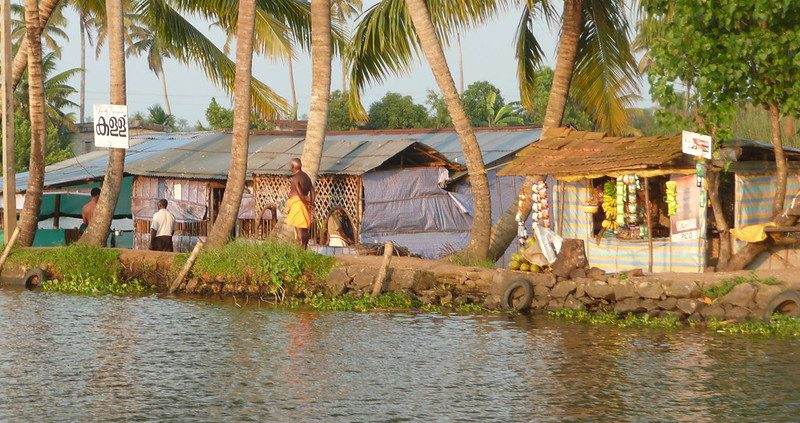
Bangladesh's Family CardBangladesh’s family card program is a new government initiative launched on March 10, 2026, designed to provide direct financial assistance and essential goods to low-income households. Developed by the Ministry of Social Welfare, the program is designed as a digital, database-driven system that identifies and supports vulnerable families through a single platform.

Unlike traditional welfare schemes that often focus on individuals, the government built this program on the principle that families are the core unit of development. This means that assistance is distributed at the household level, reflecting how economic hardship, food insecurity and health challenges are experienced collectively.

A Unified Social Protection System

One of the key features of the family card program is its role in unifying Bangladesh’s social protection system. In the past, welfare support was often delivered through multiple programs across different ministries, leading to duplication, inefficiencies and gaps in coverage. The program addresses this by integrating various forms of assistance, such as cash transfers and subsidized goods, into one system.

This centralized approach allows the government to maintain a single database of beneficiaries, improving coordination and ensuring that support reaches the intended households. The system also uses digital tools, including national ID integration and QR-enabled cards, to verify beneficiaries and track distribution. These features help streamline the delivery process and reduce administrative barriers. 

This makes it easier for families to access support without having to navigate multiple programs. Over time, the government aims to expand this model into a broader “Universal Social ID Card,” which could serve as a foundation for delivering a wide range of public services through a single, integrated platform. 

Who Benefits From the Program?

The family card program is designed to support economically vulnerable households across Bangladesh, particularly those with unstable incomes or limited access to basic resources. These include rural families, day laborers and households affected by rising living costs. Eligibility is determined through a structured selection process that uses a proxy means test (PMT) and door-to-door data collection. 

This approach evaluates factors such as income level, housing conditions and household size to identify those most in need. During the pilot phase, approximately 6,500 families across multiple districts were selected to receive benefits. The government plans to expand the program gradually, with a long-term goal of reaching up to 20 million families nationwide.

This phased rollout allows the program to test its systems and improve implementation while steadily increasing its reach. 

Delivering Direct Support

A defining feature of the family card program is its use of direct digital payments. Each enrolled household receives a monthly transfer, typically between $16.31 and $20.38, delivered through mobile financial services or bank accounts. This method reduces reliance on intermediaries and helps ensure that funds are delivered quickly and securely. 

Beneficiaries are notified digitally and in most cases, funds are deposited directly into their accounts without the need to visit government offices. In addition to financial assistance, the family card also provides access to subsidized essential goods such as rice, oil and lentils. By combining cash transfers with food support, the program helps households manage both income shortages and rising food prices.

The cards themselves feature modern elements such as QR codes and digital identification systems, enabling efficient verification and use across different services.

Potential Impact on Poverty

The family card program has the potential to significantly reduce poverty in Bangladesh by providing regular income support to vulnerable households. Regular cash transfers help families meet basic needs such as food, housing and health care, while also offering greater financial stability. This predictability is particularly important for households with irregular incomes, as it allows them to plan their spending and avoid falling deeper into poverty.

Furthermore, the combination of financial support and subsidized goods addresses both income and consumption challenges. By lowering the cost of essential items and increasing household purchasing power, the program supports household-level economic resilience. As the program expands toward its target of millions of families, it represents a large-scale effort to strengthen Bangladesh’s social safety net and improve living conditions for those most in need.

Looking Ahead

Bangladesh’s family card program reflects a broader shift toward digital governance and integrated social protection. By combining technology, centralized data and direct transfers, the initiative aims to create a more efficient and accessible support system. With plans to expand coverage nationwide and integrate additional services over time, the program could become a cornerstone of the country’s welfare infrastructure. 

Its emphasis on coordination and scalability positions it as a model for how developing countries can modernize social protection systems to better serve vulnerable populations. 

– Annie Hodgkinson

 Annie is based in Liverpool, UK and focuses on Good News for The Borgen Project.

Photo: Flickr
April 21, 2026
https://borgenproject.org/wp-content/uploads/borgen-project-logo.svg 0 0 Hemant Gupta https://borgenproject.org/wp-content/uploads/borgen-project-logo.svg Hemant Gupta2026-04-21 07:30:122026-04-21 01:54:21Bangladesh’s Family Card: A New Approach to Poverty Reduction
Global Poverty, Government, Politics

International Partnerships & Poverty Reduction Policy in Egypt

Poverty Reduction Policy in EgyptInternational diplomacy usually operates behind closed doors. However, it plays an invaluable role in shaping poverty-reduction strategies in nations, including Egypt. International partnerships frequently influence the funding, structure and sustainability of these efforts, while domestic ministries implement social protection programs and economic reforms.

Development initiatives with multilateral institutions and bilateral partners help align reform agendas with poverty reduction objectives, especially during periods of economic transition. The Borgen Project spoke with a senior Egyptian diplomat with direct experience in international development negotiations, who requested anonymity due to the sensitivity of his position. According to the diplomat, poverty reduction in Egypt depends not only on domestic policy choices but also on sustained international engagement.

“Egypt works closely with international partners such as the UNDP, JICA and USAID to support reform programs and strengthen social safety nets aimed at alleviating poverty,” the diplomat told The Borgen Project in an interview.

Diplomacy and Development Financing

International negotiations often determine how development financing supports poverty-focused reforms. Egypt has engaged with institutions such as the World Bank and the International Monetary Fund (IMF) during economic reform periods, particularly when implementing fiscal adjustments and structural reforms. These negotiations generally include commitments to protect vulnerable populations. 

Development financing packages often integrate social protection measures to help low-income households avoid the harsh economic shocks associated with inflation, subsidy reforms or currency adjustments. The diplomat emphasized that development discussions extend beyond budget allocations. “When we negotiate with international institutions, we are not only discussing fiscal targets. We are also discussing how to protect low-income households and ensure reform does not increase vulnerability,” they said. 

According to the World Bank, Egypt has expanded targeted social protection programs in recent years, including conditional cash transfer initiatives and food subsidy reforms designed to shield vulnerable populations during economic transitions.

UNDP and Institutional Reform

The United Nations Development Programme (UNDP) supports Egypt by strengthening governance systems and improving public service delivery. UNDP Egypt specifically focuses on inclusive growth and sustainable development frameworks. By improving administrative systems and strengthening monitoring mechanisms, UNDP-supported reforms enhance the efficiency and reach of social safety nets. 

These improvements ensure that poverty reduction programs better target low-income households. The diplomat explained that institutional reform plays a central role in poverty policy. “Effective poverty reduction depends on strong institutions. Through cooperation with the UNDP, Egypt has worked to modernize administrative systems that support social protection programs,” they said.

Bilateral Cooperation With Japan and the United States

Egypt’s diplomacy also includes partnerships with bilateral development agencies such as the Japan International Cooperation Agency (JICA) and the United States Agency for International Development (USAID). JICA supports Egypt through infrastructure investment, vocational training and economic modernization projects. Workforce development initiatives increase employment opportunities, especially for youth and low-income workers. Such initiatives positively affect poverty reduction outcomes. 

USAID’s Egypt portfolio includes programs focused on economic growth, entrepreneurship, financial inclusion and education. By promoting small business development and strengthening local governance, USAID-supported initiatives aim to improve long-term economic stability. The diplomat described these partnerships as complementary to domestic reforms. 

“Our discussions with partners like Japan and the United States focus on aligning development cooperation with Egypt’s social protection and economic reform priorities,” they said. By mobilizing external expertise and financial resources, diplomatic engagement strengthens Egypt’s capacity to expand social safety nets and economic opportunity programs.

Poverty, Stability and Regional Implications

Poverty reduction and policy within Egypt carry broader regional implications. Economic vulnerability can increase social tensions, migration pressures and instability. International development partners often frame poverty reduction as both a humanitarian objective and a stabilizing strategy.

Research from international institutions indicates that countries experiencing high economic vulnerability face greater risks of social unrest and forced migration. Diplomatic cooperation, therefore, plays a preventative role by supporting reforms that reduce long-term instability. The diplomat noted that poverty policy frequently intersects with regional security considerations. 

They shared that “reducing poverty strengthens resilience at both the national and regional levels. Stable communities are less vulnerable to economic shocks and instability.” By integrating social protection with economic reform, international partnerships aim to balance fiscal sustainability with inclusive development.

Implementation Challenges

Despite progress, translating diplomatic agreements into effective domestic outcomes remains complex. Administrative capacity constraints, regional disparities and economic volatility continue to challenge implementation. International support can strengthen systems, but long-term poverty reduction depends on sustained political commitment and institutional development within Egypt itself.

The diplomat acknowledged these limitations. According to them, “Diplomacy can mobilize resources and technical expertise, but domestic implementation determines long-term impact.” Ensuring that social safety nets reach the most vulnerable households requires continued investment in data systems, targeting mechanisms and public service delivery.</span>

Looking Ahead

International partnerships continue to shape poverty-reduction policy in Egypt by influencing financing decisions, institutional reforms and program design. While domestic policy drives implementation, diplomacy plays a key role in mobilizing resources, aligning priorities and strengthening social safety nets. As Egypt navigates ongoing economic reform and regional uncertainty, sustained diplomatic engagement with multilateral and bilateral partners will remain central to reducing poverty and promoting inclusive growth.

– Hana Abulkheir

Hana is based in London, UK and focuses on Global Health and Politics for The Borgen Project.

Photo: Unsplash

April 21, 2026
https://borgenproject.org/wp-content/uploads/borgen-project-logo.svg 0 0 Hemant Gupta https://borgenproject.org/wp-content/uploads/borgen-project-logo.svg Hemant Gupta2026-04-21 01:30:162026-04-21 01:34:36International Partnerships & Poverty Reduction Policy in Egypt
Global Poverty, Government, Politics

Fragility and Rule of Law in Nigeria

Fragility and Rule of Law in NigeriaFragility in Nigeria is closely linked to persistent weaknesses in the rule of law, shaped by insecurity, institutional capacity gaps and challenges in legal enforcement. The justice and security sectors face structural constraints, including resource shortages, case backlogs, corruption and limited accountability mechanisms. These challenges are compounded by incidents in which state security actors themselves have been implicated in rights violations, further weakening institutional legitimacy. Fiscal pressures and governance bottlenecks have constrained the state’s ability to deliver consistent, equitable justice across regions.

In response, institutional reforms and active interventions are underway with a focus on police professionalization, human-rights-based policing and justice system capacity building. Complementary civil society initiatives work to expand access to justice, reduce pre-trial detention and improve legal awareness among vulnerable populations. Together, these efforts illustrate ongoing attempts to strengthen rule of law and reduce fragility in Nigeria. However, their long-term effectiveness will depend on sustained political commitment, adequate financing and coordinated implementation.

Fragility and Rule of Law in Nigeria

According to independent assessments, Nigeria’s rule of law remains weak by global standards. In the 2025 World Justice Project (WJP) Rule of Law Index, Nigeria ranked 120th out of 143 countries and 23rd out of 34 sub-Saharan African countries. This highlights systemic challenges in accountability, public security and the protection of rights.

The Index evaluates eight key dimensions: Constraints on Government Powers, Order and Security, Open Government, Absence of Corruption, Regulatory Enforcement, Civil Justice, Fundamental Rights and Criminal Justice. Nigeria’s particularly low performance in Order and Security reflects widespread insecurity and limited state control over violence.

These findings align with broader governance indicators. The Mo Ibrahim Index ranks Nigeria 33rd out of 53 African countries, with a score of 45.7. It notes a decline in security and rule-of-law indicators between 2014 and 2023.

Security Crises Undermining Rule of Law

Fragility in Nigeria is most visible in the security sector. Armed groups, including Islamic State West Africa Province (ISWAP) and Boko Haram, alongside criminal networks, continue to operate across regions such as the northwest and north-central. These groups contribute to killings, kidnappings and widespread instability.

In February 2026, an attack in Kwara State reportedly resulted in the deaths of more than 170 villagers during clashes involving militant groups attempting to impose extremist control. The actions of state actors have also raised concerns. In December 2025, Nigerian Army personnel opened fire on protesters in Adamawa State, killing nine women and prompting condemnation over excessive force and lack of accountability.

These incidents demonstrate how both nonstate violence and state impunity erode legal structures and public confidence in governance institutions.

Structural Challenges Within Governance and Justice

Multiple structural weaknesses continue to undermine Nigeria’s rule of law. Corruption and impunity remain significant barriers. The World Justice Project estimates that corruption has cost Nigeria more than $550 billion since independence, weakening both legal enforcement and economic development.

Institutional capacity gaps further complicate enforcement. Security agencies, courts and law enforcement bodies often lack adequate resources, training and accountability systems. The United Nations Development Program (UNDP) notes that high crime levels and limited capacity overburden Nigeria’s justice system.

Civil liberties concerns also persist. Restrictions on dissent and shrinking civic space have been identified as threats to democratic governance and the rule of law. Despite constitutional guarantees of equality before the law and fair hearing, judicial delays and weak enforcement mechanisms continue to undermine legal legitimacy.

Active Solutions and Institutional Reforms

Efforts are underway to strengthen Nigeria’s rule of law through institutional reforms and civil society engagement. The UNDP, through its Global Program for Strengthening the Rule of Law, Human Rights, Justice and Security (2022–2025), has partnered with Nigerian authorities to enhance institutional capacity, promote human-rights-based policing and support legal reforms.

In 2023, the UNDP collaborated with the Police Service Commission to implement a strategic plan (2024–2025). The plan included training approximately 1,200 police trainers in human rights, gender-sensitive policing and intelligence management. Nigeria has also drafted a National Action Plan on Business and Human Rights, integrating rights-based governance into national policy frameworks.

Civil society organizations are also contributing significantly:

  • Citizens’ Gavel uses technology to improve court transparency and connect vulnerable individuals with pro bono legal services, helping reduce delays.
  • Hope Behind Bars Africa provides legal aid to pretrial detainees, supporting prison decongestion and accelerating justice processes.
  • The Policy and Legal Advocacy Center (PLAC) promotes legislative transparency and civic engagement.
  • The Network Against Corruption and Trafficking (NACAT) focuses on anti-corruption and anti-trafficking advocacy.

These initiatives strengthen accountability and expand access to justice across Nigeria.

Policy Implications and Prospects for Stability

Strengthening judicial independence, improving rights-based policing and expanding civic participation are essential for reversing Nigeria’s fragility trends. However, progress will depend on sustained political will, consistent funding and effective coordination across institutions. Without these, structural challenges, particularly insecurity, fiscal constraints and governance inefficiencies, will continue to hinder the full realization of the rule of law.

– Felix Umeobi

Felix is based in Nigeria and focuses on Politics for The Borgen Project.

Photo: Unsplash

April 18, 2026
https://borgenproject.org/wp-content/uploads/borgen-project-logo.svg 0 0 Hemant Gupta https://borgenproject.org/wp-content/uploads/borgen-project-logo.svg Hemant Gupta2026-04-18 07:30:342026-04-17 12:26:54Fragility and Rule of Law in Nigeria
Electricity and Power, Global Poverty, Government

The Emergence of Energy Poverty in Madrid

Poverty in MadridThe capital of Spain, Madrid, is a major metropolitan area with around 6.8 million people. Known for its clean streets, bustling shopping on the Gran Via and vibrant greenery, the city attracts tourists from across the world. However, below its surface are serious problems of poverty, climate change and energy.

As the city experiences more severe weather in summer and winter, families struggle with energy poverty, or the inability to afford basic energy necessities such as heating and cooling. This term does not only mean being unable to afford high energy costs, but also deliberate choices to lower energy usage to save money, known as “hidden energy poverty.”

Energy Poverty in Madrid: An Overview

Poverty itself has moved in concerning directions in the capital. Madrid continues to be a strong economic center, but the government often falls short in providing assistance for those in low-income households. About 1.4 million people live in material deprivation, or a lack of ability to afford basic necessities like food or heating. Though air conditioning is usually viewed as a consumer good, people such as Yamina Saheb, a professor at Sciences Po in Paris, push for it to be considered a human right. Madrid’s case stands in contrast to the rest of Spain, where poverty rates are falling. A rise in general poverty has the natural outcome of increasing energy poverty.

The city’s most impoverished neighborhoods, those with the most energy poverty, did not come to be as they are by chance. Puente de Vallecas, for instance, was for decades a shantytown, a poor, small settlement on the outskirts of Madrid. However, in the 1950s, it was incorporated into the municipality of the capital. Currently, the neighborhood remains one of the poorest, revealing that wealth disparities and energy inequalities arise as a result of complex historical factors.

The Link Between Poverty and Energy

The inability to afford access to energy almost exclusively harms those in poverty. Madrid health professor Julio Diaz Jimenez found in a 2020 paper that heat waves cause mortality in three of the lowest-income districts of the city. In 2024, Save the Children stated that one-third of Spanish children were unable to maintain an adequate temperature at home. These figures serve as warning signs for the region’s future, as struggles with extreme heat will continue to affect those in poverty.

Obstacles to Eliminating Energy Poverty in Madrid

Energy poverty in Madrid is worsened by infrastructure and housing that are unprepared to cope with these climate extremes. Last year, Spain’s energy grid faltered during a time of high energy usage, causing blackouts in regions as far as Portugal and France. Though the blackout is not attributed directly to climate change, it signals that without further updates, Spain and its capital will be unable to support the higher energy usage required to maintain comfortable levels in homes.

Housing also remains in need of renovations. According to Professor Neville Li of Saint Louis University’s Madrid campus, the city’s housing is “designed to trap heat because of the hot summers.” Due to increased weather variability, winters are not only getting warmer but also more extreme. As a result, Madrid often experiences both extremely hot summers and cold winters. With more unpredictable weather, families struggle to maintain an adequate temperature.

Energy Savings

A study by researchers Roberto Barella and Jose Carlos Romero at Comillas Pontifical University in Madrid points to the benefits of shallow home renovations, such as fridge replacement or LED installation. After looking at 10 provinces of Spain, they found that Madrid saved the most from theoretical energy savings, about 8.41%. The study shows how, with only small changes, Madrid households can reduce their energy usage. This would not only save families hundreds of euros per month but also allow them to live in more comfortable conditions.

In addition, the issue of “green gentrification” worsens extreme heat for those who cannot afford cooling. In recent years, the capital has lost tree cover disproportionately in poorer areas. The “urban heat island” effect makes some areas, such as Puente de Vallecas, some of the hottest in the city. Despite being one of the most tree-covered cities in the world, lower-income neighborhoods have borne the brunt of tree loss.

Looking Ahead

According to Li, Spain’s energy is “relatively cheap,” in part due to its significant renewable industry, such as wind and hydroelectric power. This gives the government more room to implement tax cuts that benefit lower-income families. In March 2026, the Spanish government announced cuts, including those tied to energy. These measures protect families as prices across the region spike.

In addition, several groups have emerged to support those suffering from high temperatures and energy insufficiency. Concerned citizens have come together through initiatives such as the Sustainable Vallekas Collective, which raises awareness about unequal temperatures in the neighborhood.

Energy poverty is a serious problem in Madrid, especially as temperatures warm due to the changing climate. However, the government and citizens are taking action to address its consequences. Through home renovations, tree planting, tax cuts and community advocacy, the issue is being addressed step by step.

– Ben Anderson

Ben is based in Madrid, Spain and focuses on Business and Politics for The Borgen Project.

Photo: Pexels

April 18, 2026
https://borgenproject.org/wp-content/uploads/borgen-project-logo.svg 0 0 Precious Sheidu https://borgenproject.org/wp-content/uploads/borgen-project-logo.svg Precious Sheidu2026-04-18 03:00:042026-05-16 10:06:32The Emergence of Energy Poverty in Madrid
Economy, Global Poverty, Government

Sri Lanka’s Debt Crisis Recovery

Sri Lanka’s CrisisSovereign debt, the money a country borrows from international lenders, is an important source of financing for governments to invest in growth and development. Many countries rely on foreign borrowing, but if the debt becomes unsustainable, it can lead to economic crises and increased poverty. In 2023, the United Nations (U.N.) warned that some governments are now spending more on servicing debt than on essential sectors such as health and education.

Global public debt has risen rapidly, with almost 40% of the developing world in serious debt. As a result, many developing countries face a difficult choice between paying their debts and investing in public services such as health care, education and infrastructure. The situation requires greater transparency, stronger tools to ensure debt sustainability and faster debt restructuring agreements between governments, private creditors and international financial institutions.

Sri Lanka’s Debt Crisis

Sri Lanka, a lower-middle-income developing country, experienced a severe economic crisis in 2022 when the government failed to repay its foreign debt for the first time in its history. Before this, Sri Lanka had maintained a perfect record of external debt repayment since gaining independence in 1948. The default triggered the worst economic crisis the country had ever faced. 

Prices increased dramatically and there were shortages of essential goods, including fuel, food and medicine. Fuel shortages meant buses, trains and medical vehicles struggled to operate, while gas and diesel prices rose sharply. Schools had to close and many people had to work from home to conserve fuel. The country also experienced long power cuts and widespread inflation, including food inflation that reached 95%. 

Additionally, taxes on goods were doubled, electricity prices increased and fuel subsidies were removed. As a result, poverty in Sri Lanka doubled, reaching 26% of the population, with millions of people pushed into hardship.

What Caused the Crisis?

One of the key causes of Sri Lanka’s crisis was a shortage of foreign currency. The country imported about $3 billion more goods each year than it exported, which gradually drained its foreign exchange reserves. By the end of 2019, Sri Lanka had about $7.6 billion in foreign reserves, but this rapidly fell to around $250 million, leaving the country unable to repay its sovereign debt. 

Government policy decisions also worsened the situation. In 2019, large tax cuts introduced by the government reduced public revenue by more than $1.4 billion per year. This weakened the country’s finances and made it more difficult to service its debt. 

How the Government Responded

To address Sri Lanka’s crisis, the government proposed using funds from workers’ retirement savings to help repay the country’s debt. The government also sought international support. The International Monetary Fund (IMF) determined that Sri Lanka’s debt was unsustainable and agreed to provide a $3 billion loan while helping design an economic recovery program. 

The government also sought financial assistance from other partners to mitigate the crisis’s impact on citizens, with its major creditors, including China and India, agreeing to extend the repayment timeline. As part of the recovery plan, Sri Lanka also introduced tax increases on products such as fuel and food. Furthermore, it announced plans to raise funds by restructuring state-owned enterprises and privatizing the national airline. 

In 2024, Sri Lanka’s national debt was formally restructured after negotiations with creditors. However, challenges remain. In 2025, a cyclone caused further devastation, prompting people to call for a suspension of the country’s debt repayments. 

What Happens Next?

By 2024, Sri Lanka’s economy had stabilized faster than expected, surpassing the performances of other debt-defaulting countries. Inflation fell to single digits, but stabilization alone is not enough. The country has often failed to introduce deeper structural reforms after past crises. For long-term recovery, it will need strong political commitment to implement policies that encourage sustainable growth.

Many experts argue that Sri Lanka will need debt relief or cancellation to recover fully. People need decent jobs, wages, rights, social protection, inclusion and equality. The outcome will also serve as an important test for international organizations such as the IMF in how they manage sovereign debt crises and it will demonstrate the urgent need to reform how debt crises are managed. 

– Jeanne Pellet

Jeanne is based in London, UK and focuses on Business and Technology for The Borgen Project.

Photo: Unsplash

April 7, 2026
https://borgenproject.org/wp-content/uploads/borgen-project-logo.svg 0 0 Hemant Gupta https://borgenproject.org/wp-content/uploads/borgen-project-logo.svg Hemant Gupta2026-04-07 03:00:232026-04-06 12:31:47Sri Lanka’s Debt Crisis Recovery
Employment, Global Poverty, Government

Proactive Poverty Reduction in China

Poverty Reduction in ChinaChina, a vast and diverse nation of 1.4 billion people, has a significant recent history of poverty alleviation. Between 1981 and 2013, the country lifted about 850 million of its citizens from poverty. However, the sheer size of the population presents ongoing challenges.

With 90% of the country’s poverty concentrated in rural areas, providing effective welfare faces many obstacles. The Chinese government has stepped up to this task, creating a focused policy mechanism. This initiative, officially known as a regular mechanism for dynamic monitoring and targeted support to prevent a relapse into poverty (often abbreviated as SHIELD), embodies a proactive poverty reduction strategy in China.

This method of proactive poverty reduction has proven incredibly effective, offering a global model for safeguarding populations of any size. To achieve this, the SHIELD mechanism breaks down its approach into three core areas: dynamic monitoring, precise identification and targeted support, all funded and staffed by a multi-departmental effort.

Proactive Poverty Reduction in China

  • Dynamic monitoring: With such a large population, one of the scheme’s core focuses is casting a wide net over anyone who might need support. It achieves this through digital analysis, combining data engineering with human-led statistics to identify individuals requiring financial, mental or physical assistance. The system also employs workers in rural and grassroots communities, who actively find people and guide them through the welfare application process. The final method and perhaps the most effective, involves easy-to-operate mobile apps. In Gansu province, for example, the One-Click Poverty Reporting system now accounts for 22% of the people who have successfully accessed welfare.
  • Precise identification: Once identified, the system breaks households and individuals down into risk categories. The first category includes those recently lifted out of poverty who may be vulnerable to falling back. The second covers general households at risk due to living in ecologically unsafe or isolated regions, even if they have never fallen below the poverty line. The third and final category comprises those who have been hit by a crisis of some kind, placing them at high risk of falling beneath the poverty line or already there.
  • Targeted support: While focusing on citizens’ financial status, this Chinese policy includes a wide range of support models designed to help people get back on their feet. These targeted supports are intended to be comprehensive, addressing each citizen’s immediate needs and supporting their reintegration into society. They include microloans, community service jobs such as sanitation work and forest ranger roles, health care access, education subsidies and a basic living allowance for households that are completely unable to support themselves.

Impact and Effort

The SHIELD policy represents a major government priority, backed by substantial investment. The Ministry of Agriculture and Rural Affairs leads the effort, with support from most other government departments, including health and education. Since the transition period began in 2021, cumulative government investment in formerly impoverished areas has reached 850 billion yuan (approximately $127.5 billion).

Given the scale of this multi-departmental collaboration, the policy’s impact is evident. Under this system, authorities have identified seven million people as high-risk and are now providing support to them. SHIELD has also helped secure jobs for 33.05 million people, either through employment opportunities or community service roles. In addition, in isolated rural areas, systems established under SHIELD have increased access to safe drinking water to 94%.

The SHIELD policy represents the culmination of a multi-departmental effort and wise allocation of resources. The policy provides a comprehensive and replicable model of proactive poverty reduction in China, with support tailored to citizens’ needs. As a result, it may serve as a global roadmap for poverty alleviation, a goal the evidence suggests SHIELD is already moving toward.

– Eli Thomson

Eli is based in Preston, UK and focuses on Good News and Politics for The Borgen Project.

Photo: Flickr

April 1, 2026
https://borgenproject.org/wp-content/uploads/borgen-project-logo.svg 0 0 Hemant Gupta https://borgenproject.org/wp-content/uploads/borgen-project-logo.svg Hemant Gupta2026-04-01 07:30:172026-03-31 13:14:05Proactive Poverty Reduction in China
Education, Global Poverty, Government

Eradicating Extreme Poverty in Brazil: Brasil Sem Miséria

Brasil Sem MisériaBrazil is a country situated in South America, consisting of 26 states and is home to the official language, Portuguese. With a population of 211,140,729 as of 2023, according to the World Health Organization (WHO), it occupies nearly half of South America. A governmental social program named Brasil Sem Miséria, created in 2011, aims to lift a large proportion of the country suffering from extreme poverty. Some focuses include providing access to social services for individuals and improving rural production for farmers. The scheme has primarily been targeted in the Northeast region of the country.

Poverty in the Northeast of Brazil

The Northeast of Brazil is the largest region in Latin America suffering from rural poverty. According to the World Bank, 5.4 million of the 45 million people living in the Northeast live on around $1 a day. The area suffers from geographical struggles, such as frequent severe droughts and unequal distribution of land, causing individuals to be reluctant to engage in social programs and government assistance.

It comprises nine states, including Maranhão, Piauí, Ceará, Rio Grande do Norte, Paraíba, Pernambuco, Alagoas, Sergipe and Bahia, as well as Fernando de Noronha. According to ScienceDirect, more than 70% of farmers in the Northeast Region are classed as poor or extremely poor. The agricultural sector is a significant income generator for a large number of people in rural areas. Farmers, especially, are reliant on their income from agricultural work, and climate change and prolonged periods of drought have and continue to result in fluctuating markets due to the unpredictability of price, supply and demand.

Brasil Sem Miséria

Brazil Without Extreme Poverty, also known as Brasil Sem Miséria, consists of various social programs to lift Brazil from extreme poverty. Created in 2011 by President Dilma Rousseff, the program was designed to support a large number of individuals. Some targets include:

  • Targeting children
  • Full-time education
  • Access to jobs
  • Rural food production and farmers

Accomplishments So Far

  • Targeting Children. Children must learn the foundations of human development, relating to their health, intellectual mind and physical well-being, especially for those living in poverty. According to World Without Poverty (WWP), Brasil Sem Miséria provided investment worth R$450 million in 2013 to enable children to stay well-fed and motivated as they grow.
  • Full-Time Education. The program consisted of expanding school days through Brasil Sem Miséria to strengthen learning and reduce inequalities. The policy has been adopted by nearly 30,000 schools. The Ministry of Education (MEC) invested and aimed to increase the number of full-time schools in Brazil from 32,000 to 46,000.
  • Access to Jobs. Free courses were available through the Brasil Sem Miséria job program, called the Plan’s Access to Technical Learning and to Jobs National Program. To date, there are 481 choices of profession, oriented to various sectors, including industry, trade, agriculture and cattle farming. More specific courses include computing, electrician, receptionist, etc.
  • Rural Food Production and Farmers. To maintain Brazil’s rich agricultural economy, Brasil Sem Miséria intended to work with rural families to enhance their production rates so the quality, quantity and value of produce increase, contributing to increasing income for family farmers. The Technical Assistance and Rural Extension (Ater) was hired to support 260,000 families, according to World Without Poverty (WWP).

Looking Ahead

Extreme poverty in the Northeast rural region of Brazil remains and continues to impact a large proportion of the population. However, government social programs, like Brasil Sem Miséria, have and will continue to lift various individuals out of poverty. Young children, farmers and rural families have already experienced progress by stabilizing healthier lives for the future.

– Zara Ashraf

Zara is based in London, UK and focuses on Good News for The Borgen Project.

Photo: Unsplash

March 7, 2026
https://borgenproject.org/wp-content/uploads/borgen-project-logo.svg 0 0 Precious Sheidu https://borgenproject.org/wp-content/uploads/borgen-project-logo.svg Precious Sheidu2026-03-07 07:30:192026-03-07 02:41:42Eradicating Extreme Poverty in Brazil: Brasil Sem Miséria
Global Poverty, Government

Poverty Reduction and EVs in Ethiopia

EVs in EthiopiaOn Jan. 29, 2024, Alemu Sime, Ethiopia’s Minister of Transport and Logistics, announced his government’s new electric vehicle (EV) and internal combustion engine (ICE) vehicle policy. The policy, the first of its kind globally, banned the importation of diesel- and gasoline-powered ICE vehicles while dramatically lowering import tariffs on EVs. Import tariffs for completed EVs were reduced to 15%, to 5% for semi-assembled vehicles and to 0% for vehicles shipped in parts and locally assembled.

Several global players are currently benefiting from the new EV policy. For instance, international EV manufacturers have experienced substantial market growth in sub-Saharan Africa. The Toyota bZ4x EV has become increasingly popular in Ethiopia since 2024, as has the Mercedes-Benz EQ range.

The policy’s impact on the environment cannot be understated. Ethiopia aims to accommodate 60 EV manufacturing plants by 2030 and have 500,000 EVs on the roads by 2032; both aims will lead to a significant and sustainable reduction in the state’s hydrocarbon emissions. The policy, while contributing to environmental protection and the growth of international conglomerates, is also set to aid poverty reduction in Ethiopia through three distinct pathways.

Import Cost Redistribution

The new EV policy will free up significant government resources, which it can invest in vital infrastructure and social services. Before passing the EV bill, the Ethiopian government spent roughly $7.6 billion per year importing fossil fuels, approximately 5% of its GDP. This led to the accrual of billions of dollars in international debt.

Ethiopia defaulted on its sovereign bonds in 2023 and received an International Monetary Fund (IMF) bailout in 2024. Without the enormous financial pressure imposed by the cost of importing fossil fuels, the Ethiopian government will have more capital to invest in education, health care and infrastructure.

Approximately 55% of children in Ethiopia complete primary schooling. Increased investment in education could encourage school attendance by subsidizing stationery, uniforms and school meals. An increase in educational access in Ethiopia would provide a stable basis for economic development in traditionally deprived communities, contributing to the alleviation of poverty.

Job Creation

The new EV policy, through the construction of EV manufacturing plants, is set to create thousands of new jobs. The policy’s staggered import tariff favors the assembly of EVs in Ethiopia over traditional vehicle imports. As a result, many new manufacturing plants are currently being built in Ethiopia. Seventeen are currently operational.</span>

Ethiopia’s labor market is stable; unemployment sits at just 3.9%. However, the growing EV industry will provide opportunities for workers traditionally employed in agriculture to earn higher, less seasonally dependent wages in skilled secondary-sector manufacturing jobs. This will support poverty alleviation through increased wage stability.

Vehicle Distribution

Vehicle ownership in Ethiopia has traditionally been concentrated in Addis Ababa. Cars are a rare luxury in the sub-Saharan country, with just 13 cars per 1,000 people. The increase in local car manufacturing is forecast to lower vehicle prices by offsetting import tariffs and other costs.

Cheaper cars will democratize access, allowing a greater proportion of Ethiopia’s population to commute. These activities will encourage economic development in areas that have traditionally lacked strong transport links, such as deprived rural areas, thereby contributing to poverty reduction. Overall, Ethiopia’s new EV policy is set to help alleviate local poverty.

It will do so by freeing government resources for reinvestment in social infrastructure, providing secondary-sector employment and democratizing vehicle ownership. Large corporations and states, while also benefiting from the policy, are not the only actors set to benefit from EVs in Ethiopia.

– Arthur Horsey

Arthur is based in Hampshire, UK and focuses on Business and Politics for The Borgen Project.

Photo: Flickr

March 6, 2026
https://borgenproject.org/wp-content/uploads/borgen-project-logo.svg 0 0 Hemant Gupta https://borgenproject.org/wp-content/uploads/borgen-project-logo.svg Hemant Gupta2026-03-06 01:30:202026-03-06 07:11:28Poverty Reduction and EVs in Ethiopia
Economy, Global Poverty, Government

Labor Market Reforms & Low-Income Workers in Vietnam

Low-Income Workers in VietnamOver the past two decades, Vietnam has made exceptional progress in reducing poverty. However, low-income workers remain vulnerable to economic shocks and to informal employment. To address these challenges, the government has implemented labor market reforms to improve wages and job security for millions of workers.

There are multiple contributors to poverty in Vietnam, with low wages and informal employment being the primary ones. Instability and limited access to benefits become inevitable for workers without contracts or social insurance, especially during economic downturns. By enhancing labor market policies, the nation aims to stabilize household incomes among low-income workers, particularly in manufacturing, agriculture and the informal sector.

The nation has increased its regional minimum wage as part of broader labor reforms and in 2022, the government approved a 6% increase. This initiative raised the earnings for millions of low-income workers. An increase in minimum wages helps workers cover basic living costs and reduces in-work poverty, especially for communities that depend entirely on wage labor.

Labor Code Reforms Strengthen Worker Protections

Vietnam’s updated Labor Code, which took effect in 2021, expanded worker protections by regulating working hours and improving the procedures against unfair dismissal. The reforms also improved collective bargaining rights and extended coverage to groups previously excluded from formal protections. Collectively, these initiatives are helping reduce labor vulnerability in Vietnam and ultimately improve working environments for low-income workers.

Access to social insurance is crucial for protecting workers from poverty caused by illness, unemployment or old age. Improved access to insurance can reduce financial insecurity and help workers recover more quickly from economic downturns without falling into poverty. That said, Vietnam has expanded social insurance coverage to include more low-income and informal workers, though inevitable gaps remain.

Challenges Remain for Informal Workers

Despite progress, informal employment remains widespread nationwide, especially among rural workers and migrants. Multiple factors continue to restrict the reach of labor reforms, including enforcement gaps and uneven compliance. Addressing these challenges is crucial and will require better and stronger enforcement and continued policy coordination to ensure that the reforms reach the most vulnerable populations.

Labor market reforms have already played an effective role in supporting low-income workers and reducing poverty nationwide. However, continued investment in fair wages, worker protection and the expansion of social insurance could further enhance Vietnam’s economic resilience and promote inclusive growth.

– Hana Abulkheir

Hana is based in London, UK and focuses on Politics for The Borgen Project.

Photo: Unsplash

February 17, 2026
https://borgenproject.org/wp-content/uploads/borgen-project-logo.svg 0 0 Hemant Gupta https://borgenproject.org/wp-content/uploads/borgen-project-logo.svg Hemant Gupta2026-02-17 07:30:392026-02-17 00:05:39Labor Market Reforms & Low-Income Workers in Vietnam
Page 1 of 24123›»

Get Smarter

  • Global Poverty 101
  • Global Poverty… The Good News
  • Global Poverty & U.S. Jobs
  • Global Poverty and National Security
  • Innovative Solutions to Poverty
  • Global Poverty & Aid FAQ’s
Search Search

Take Action

  • Call Congress
  • Email Congress
  • Donate
  • 30 Ways to Help
  • Volunteer Ops
  • Internships
  • Courses & Certificates
  • The Podcast
Borgen Project

“The Borgen Project is an incredible nonprofit organization that is addressing poverty and hunger and working towards ending them.”

-The Huffington Post

Inside The Borgen Project

  • Contact
  • About
  • Financials
  • President
  • Board of Directors
  • Board of Advisors

International Links

  • UK Email Parliament
  • UK Donate
  • Canada Email Parliament

Get Smarter

  • Global Poverty 101
  • Global Poverty… The Good News
  • Global Poverty & U.S. Jobs
  • Global Poverty and National Security
  • Innovative Solutions to Poverty
  • Global Poverty & Aid FAQ’s

Ways to Help

  • Call Congress
  • Email Congress
  • Donate
  • 30 Ways to Help
  • Volunteer Ops
  • Internships
  • Courses & Certificates
  • The Podcast
Scroll to top Scroll to top Scroll to top