• Link to X
  • Link to Facebook
  • Link to Instagram
  • Link to TikTok
  • Link to Youtube
  • About
    • About Us
      • President
      • Board of Directors
      • Board of Advisors
      • Financials
      • Our Methodology
      • Success Tracker
      • Contact
  • Act Now
    • 30 Ways to Help
      • Email Congress
      • Call Congress
      • Volunteer
      • Courses & Certificates
      • Be a Donor
    • Internships
      • In-Office Internships
      • Remote Internships
    • Legislation
      • Politics 101
  • The Blog
  • The Podcast
  • Magazine
  • Donate
  • Click to open the search input field Click to open the search input field Search
  • Menu Menu

Tag Archive for: USAID

Information and news about mobile technology

Posts

Global Poverty, Government, Malaria

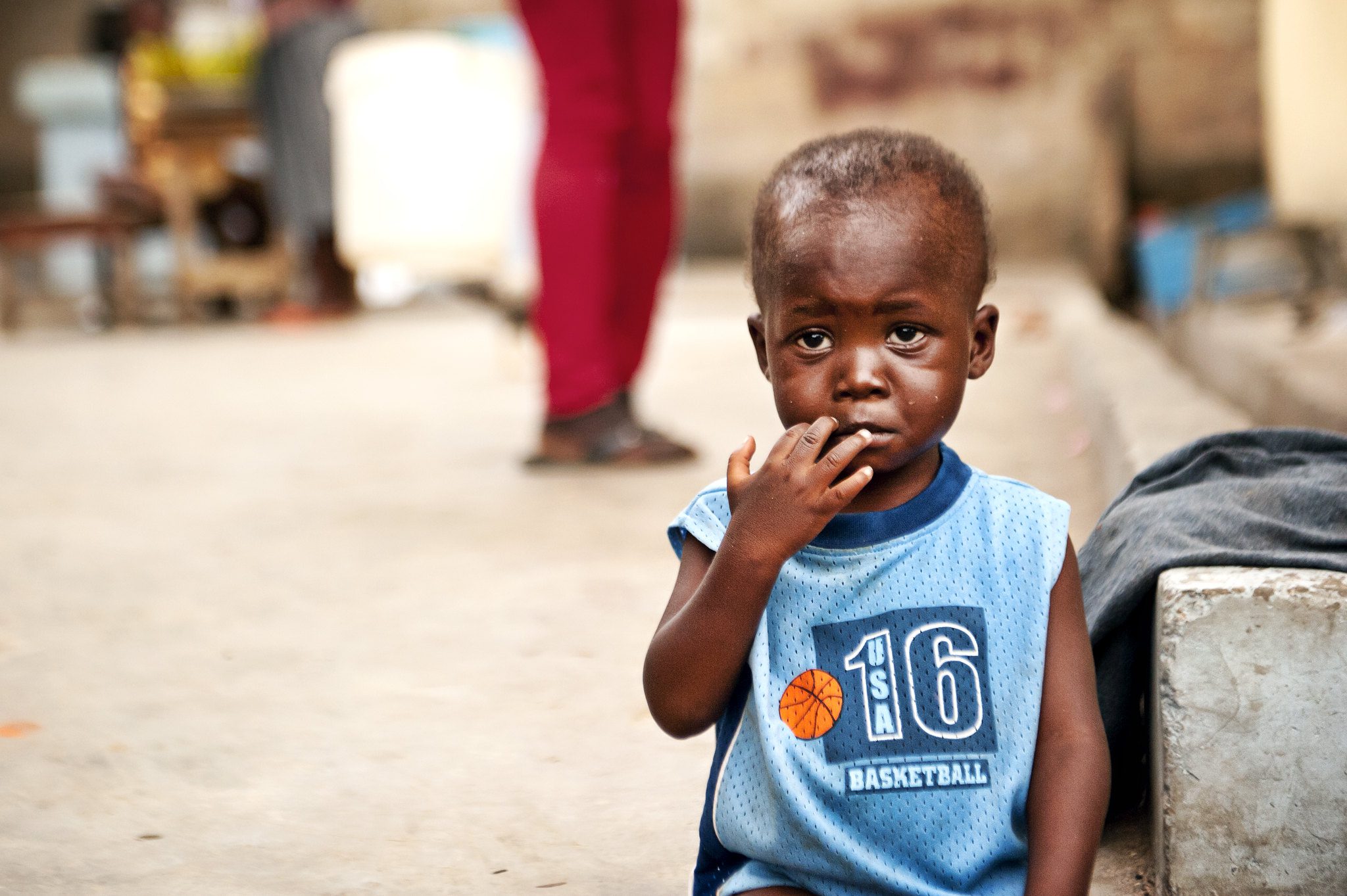
Anemia in Ghana: Women and Children Bear the Brunt

Anemia in Ghana

In Ghana, a country nestled in West Africa, 66 percent of children aged six months to five years have moderate to severe anemia. While other conditions may garner more publicity, anemia in Ghana is widespread and debilitating.

Anemia is a blood disorder with which there is an insufficient amount of red blood cells. Since red blood cells supply the entire body with oxygen, anemia affects multiple organ systems. Background anemia is the most common form of micronutrient deficiency; it affects “over a quarter of the global population.”

Causes of Anemia

Although anemia in Ghana has several causes, a low intake of easily absorbable iron is a known leader. Other nutritional deficiencies, such as a lack of vitamin A, folic acid, vitamin B12 and zinc, also lower iron levels in the body.

In Ghana, the burden of anemia falls more heavily on women than men. Post-pubescent women are at increased risk for the condition due to monthly blood loss of menstruation. USAID studies find that 29 percent of women in Ghana are anemic.

Primary infections such as malaria, HIV/AIDS, tuberculosis, and those from parasites such as helminths can also lead to secondary anemia. According to UNICEF, 3.5 million people contract malaria every year in Ghana, making the country account for 4 percent of the global burden of malaria. Furthermore, UNAIDS reports that 330,000 people were living with HIV/AIDS in Ghana in 2018. The prevalence of these infections has increased the population’s exposure to anemia.

Consequences of Anemia

According to Mayo Clinic, those who are anemic may experience fatigue, shortness of breath, dizziness and chest pain. Left untreated, anemia can cause premature birth in pregnant women, which often leads to infant mortality. Young people who experience anemia can have “irrevocable cognitive and developmental delays and exhibit decreased worker productivity as adults.” Untreated severe anemia can additionally result in an irregular heartbeat, heart failure, and even death.

While the health ramifications due to chronic anemia are devastating, having a largely anemic population also has national economic consequences. For example, chronic fatigue from anemia in Ghana could mean an increase in lost workdays and diminished productivity at work. While these indirect costs can be difficult to quantify, they still deserve attention.

Preventing Anemia

To manage anemia in Ghana, the government is offering nutritional support through supplementation and education about iron-rich foods. However, it must also target the rise and persistence of these infections. A multi-focal approach has been and will continue to be necessary.

While the consumption of fruits and vegetables drastically lowers the risk of contracting anemia, generally, rural populations in Ghana have an increased risk of mild to severe anemia. One study suggests that women in urban areas consume more fruits and vegetables, which contributes to the lower incidence of anemia.

As mortality from malaria for children under five years of age has declined drastically from 14.4 percent in 2000 to 0.6 percent in 2012, so has the incidence of new HIV infections from its peak in the late 1990s. While the reduction in each of these primary infections is enough to celebrate, it also means a diminished risk of secondary anemia.

Ghana is hopeful. In 2014, the country achieved 93 percent iron-folic-acid (IFA) supplementation in pregnant women. This nearly ubiquitous IFA supplementation is a milestone because it will lead to less preterm labor and fewer neonatal disorders.

While this is by no means the end of Ghana’s struggle with anemia, the country has made strides toward combatting primary anemia from nutritional deficiencies and secondary anemia from widespread infections like HIV/AIDS and malaria. The future appears positive for anemia in Ghana.

– Sarah Boyer
Photo: Flickr
July 25, 2019
https://borgenproject.org/wp-content/uploads/borgen-project-logo.svg 0 0 Kim Thelwell https://borgenproject.org/wp-content/uploads/borgen-project-logo.svg Kim Thelwell2019-07-25 08:35:412024-05-29 23:00:33Anemia in Ghana: Women and Children Bear the Brunt
Global Poverty

How US Aid Helps in the Fight Against Tuberculosis in Tajikistan

tuberculosis in TajikistanIn conjunction with the United States Agency for International Development and global nonprofits, Tajikistan has made remarkable steps in countering its tuberculosis epidemic – by way of spreading awareness and the help of external nations. Reducing the burden of tuberculosis in Tajikistan is truly a global effort with many working factors and components, all of which have combined to have a substantial effect on spreading awareness and countering the disease.
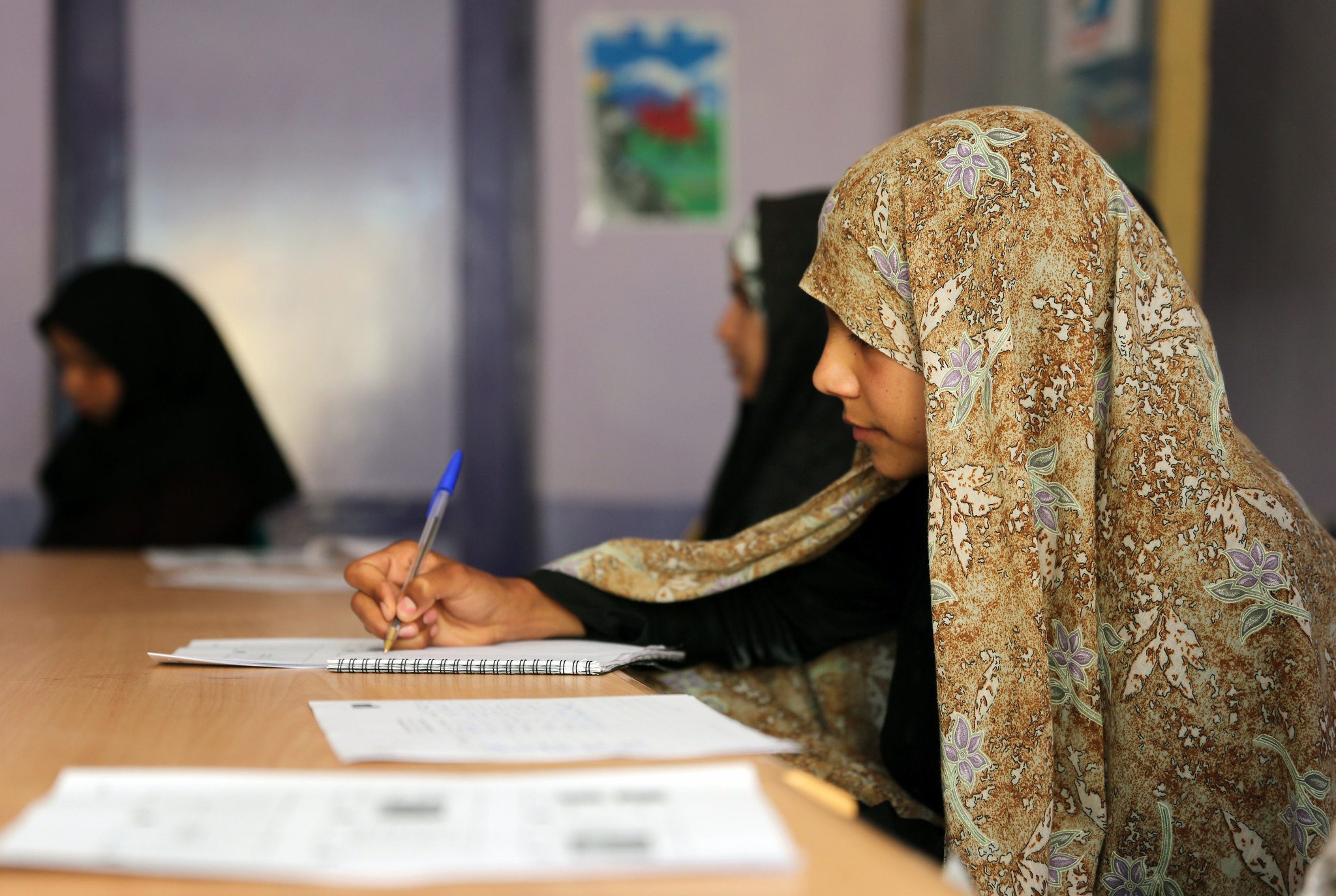
Like many of its Central Asian neighbors, the landlocked mountain nation of Tajikistan struggles in its fight against poverty. As of 2016, just over 30 percent of Tajiks lived below the international poverty line, just scraping by with mass imports of food and resources from Russia, Kazakhstan, China and Iran. There are many contributing factors of this widespread poverty, including rampant corruption, substantial drug trafficking and thousands of displaced persons. Despite this sweeping poverty, however, efforts have been made to improve one substantial area of Tajik life: health and wellness.

Tuberculosis in Tajikistan

According to the World Health Organization (WHO), tuberculosis is one of the top 10 causes of death worldwide, with nearly 1.6 million people dying from the preventable disease in 2017. In the same year, there were 6,279 reported cases of tuberculosis in Tajikistan, though this value does not represent all cases of tuberculosis due to the sheer spread of disease. However, the total incidence of tuberculosis in Tajikistan has also been steadily declining since 2000.

If the proper resources are available, tuberculosis can be easily treated. According to the WHO’s report of tuberculosis in Tajikistan, out of a cohort of 5,324 members, 89 percent were successfully treated for their tuberculosis. The success of treatment drops significantly, however, when concerning those who are HIV-positive and those with multi-drug resistant tuberculosis.

U.S. Involvement in Tajikistan

While a significant portion of this decline in incidence and rise in success of treatment can be attributed to the Tajik people, much of the funding and interventions have been spearheaded by the United States. USAID, a U.S. government agency focused on the development of foreign nations, has been the primary arm of U.S. funding and involvement in reducing the burden of tuberculosis in Tajikistan through increased resources and general awareness. Specifically, the USAID TB Control Program helped support the local Tajik governments with financial resources and infrastructure, creating a five-year National TB Program that includes training for health workers, informing at-risk populations and providing more widespread and affordable diagnosis and treatment options. This National TB Program is supported by $13.2 million in aid.

In addition to providing funding, USAID is also focused on streamlining the processes related to reducing the burden of tuberculosis in Tajikistan. In this landlocked, former-Soviet nation, USAID helped reduce the treatment time for tuberculosis from 24 months to nine months. While this is still a significant amount of time, this improved treatment theoretically allows for those who have been properly diagnosed with tuberculosis to return to work, happy, healthy and hopefully ready to contribute to Tajikistan’s dwindling economy.

Next Steps

While Tajikistan has taken the first, crucial and often most difficult steps in tuberculosis prevention and treatment, the country still has a long road ahead. Continuing to educate populations and streamline treatment and diagnoses must spread to other populations, including migrants (of which, Tajikistan has a significant population), prisoners and children, in order for Tajikistan to have a far brighter future.

– Colin Petersdorf
Photo: Wikimedia Commons

July 22, 2019
https://borgenproject.org/wp-content/uploads/borgen-project-logo.svg 0 0 Kim Thelwell https://borgenproject.org/wp-content/uploads/borgen-project-logo.svg Kim Thelwell2019-07-22 07:07:532024-05-29 23:09:58How US Aid Helps in the Fight Against Tuberculosis in Tajikistan
Global Poverty

A Shift in Girls’ Education in Afghanistan

Girls’ Education in AfghanistanPolitical and economic instability have been facts of life in Afghanistan for decades. However, one of the few institutions that has made a significant recovery is the education system. There are still twice as many boys in school as there are girls. However, since 2008, the overall number of girls in school has gone up significantly.
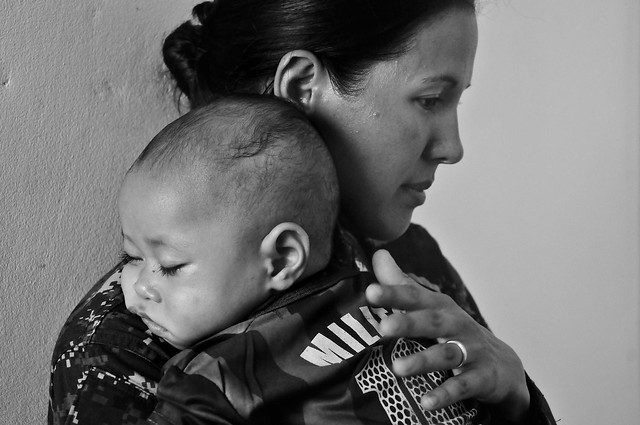
Changing attitudes about girls’ education in Afghanistan have bolstered female enrollment rates. This shift has, in turn, increased support for public education in general and foreign aid—particularly from the U.S. Agency for International Development. USAID statistics offer some encouraging numbers to support this:

  • Of 9 million children enrolled in schools, 3.5 million are girls,
  • USAID has distributed over 170 million textbooks, and
  • USAID has helped train 280,000 new teachers.

The Rustam School

One promising example of this shift forward is the Rustam School, located in the Yakawlang district. The Rustam School possesses a small student body of only a few hundred. Nevertheless, 92 percent of its graduating class moved onto Afghanistan’s public universities in 2017.

Inverting the country’s enrollment statistics, two-thirds of the Rustam School’s students are girls. To note, the Taliban outlawed girls’ education in Afghanistan and pushed many boys into Islamic studies, rather than popular STEM courses. However, students, particularly girls, apply themselves rigorously to their education. They go so far as to learn the Windows operating systems without the aid of a computer.

The Fight for Education

Unlike in the United States, where public K-12 education is universal, the fight for education in Afghanistan has a checkered past. As far back as the 1970s, mujaheddin resistance fighters (rebelling against the USSR’s attempted occupation of Afghanistan) were killing government-paid teachers and closing down their schools.

With over half of the country’s 36 million citizens under the age of 18, the investment and safeguarding of education are more critical than ever. In recognition of this fact, USAID, the Pentagon and the State Department have invested $759 million in primary and secondary education over the last 17 years. These investments have fostered the changing attitudes of both local politicians and regional power-brokers—with the constant exception of the Taliban.

Though the expansion and protection of girls’ education in Afghanistan have had much progress, there is still room for improvement. The majority of Afghan girls are not enrolled in public school. This is explained by two main factors. First, most Afghan girls still marry at a very young age (for a variety of sociocultural factors). Subsequently, this causes a lack of female teachers and all-girls’ schools. Second, Afghanistan faces logistical difficulty when it comes to extending education to rural areas. Long walks to school sometimes have significant geographical barriers along the way that physically prevent students from attending. Also, many rural families are subsistence farmers; it is difficult for students to go to school if they have animals or crops to look after. However, the Rustam School proves that though providing education to rural Afghan children may be difficult, it is not impossible.

The Future of Education

Despite the recent progress and development of education in Afghanistan since the early 2000s, significant hurdles exist for girls’ education. The country’s education system must still be further advanced. However, a local initiative can make do with minimal resources and reach out to rural areas—like the Rustam School. Most importantly, despite its shortcomings, Afghanistan’s primary and secondary education systems offer success stories of what foreign aid can accomplish, especially if maintained over long periods of time.

– Rob Sprankle
Photo: Flickr

July 20, 2019
https://borgenproject.org/wp-content/uploads/borgen-project-logo.svg 0 0 Kim Thelwell https://borgenproject.org/wp-content/uploads/borgen-project-logo.svg Kim Thelwell2019-07-20 02:37:502019-07-20 02:37:50A Shift in Girls’ Education in Afghanistan
Global Poverty

Combating Hunger and Malnutrition in Timor-Leste

Hunger and Malnutrition in Timor-Leste
Hunger and malnutrition in Timor-Leste are largely impacted by 41.8 percent of its population living on less than $1.54 a day, making it one of the poorest nations. Timor-Leste, also known as East Timor, is an island nation in Southeast Asia, between Indonesia and Australia. Additionally, only gaining its independence in 2002, it is one of the youngest nations. Among factors impacting hunger and malnutrition in Timor-Leste also include climate variability.

Rate of Hunger and Malnutrition

In the past decade, Timor-Leste has made substantial progress reducing it’s Global Hunger Index (GHI) from 46.9 percent in 2008 to 34.3 percent in 2017; however, hunger remains classified as a “serious” concern. Timor-Leste’s high levels of food insecurity, poor agricultural yields and low levels of disposable income directly contribute to this serious-level GHI.

Malnutrition and stunting levels in Timor-Leste are one of the highest in the world and have been persistent problems. Malnutrition in Timor-Leste is the leading cause of premature death and disability. Quality nutrition is especially crucial for pregnant women and children, up to the age of 2, ensuring proper growth.

That being said, anemia affects over 40 percent of children and 23 percent of women ages 15 to 49, inclusive of childbearing years. The percent of Timorese children under 5 years old with stunted growth in 2013 was 50.2 percent. This is a slight decrease from 55.7 percent in 2002. This shows some progression, but malnourishment and stunting are still at an alarming rate in Timor-Leste.

Timor-Leste’s National Nutrition Strategy

Timor-Leste’s Ministry of Health established its first National Nutrition Strategy in 2004. It introduces basic nutrition interventions and nation-wide goals. To increase the government’s effectiveness in addressing nutrition, UNICEF is providing technical support to the Ministry of Health, which has created the Timor-Leste National Nutrition Strategy of 2014-2019.

It is Timor-Leste’s largest nutrition policy, and its overall objective is to reduce malnutrition and micronutrient deficiency among children and women. Additionally, Timor-Leste became the first Asian Pacific country to join the U.N.’s Zero Hunger Challenge in 2014 reaffirming their commitment to reach hunger and nutrition goals.

Intervention of USAID

USAID efforts are also working to combat hunger and malnutrition in Timor-Leste with 2 large programs. USAID’s Avansa Agrikultura Project works to increase agricultural productivity especially for vegetables, fruits and legumes. It also focuses on strengthening agricultural markets, food accessibility and sustainability in the midst of climate change.

Their other program, Reinforce Basic Health Services Activity, currently works to support Timor-Leste’s government in strengthening the skills of health workers to provide effective maternal and newborn healthcare.

Additional Interventions in Timor-Leste

Mother support groups are another common method to reduce malnutrition in Timor-Leste. A partnership between the European Union, UNICEF and Timor-Leste’s Ministry of Health established these support groups to empower mothers and families by supporting them to seek care for their children and themselves.

Similarly, the World Food Programme (WFP) has nutrition programs aiming to improve mothers’ health and, in turn, their children’s health. One of their programs, Moderate Acute Malnutrition (MAM) provides malnourished pregnant and nursing women with fortified meals and treatment. The WFP also has informational sessions on nutrition and cooking demonstrations. This aids in families learning more about the importance of and access to nutrition.

With the combination and collaboration of Timor-Leste’s government, national government organization’s (NGO’s), intergovernmental organizations and international aid, hunger and malnutrition in Timor-Leste are being broken down and addressed. These continued and intensified efforts provide hope for zero hunger Timor-Leste in the future.

– Camryn Lemke
Photo: Flickr

July 18, 2019
https://borgenproject.org/wp-content/uploads/borgen-project-logo.svg 0 0 Kim Thelwell https://borgenproject.org/wp-content/uploads/borgen-project-logo.svg Kim Thelwell2019-07-18 14:10:012024-06-05 02:12:20Combating Hunger and Malnutrition in Timor-Leste
Aid, Food Insecurity, Food Security, Global Poverty

10 Facts About Food Insecurity in Central America

Food Insecurity in Central AmericaThe ability to consistently access nourishment is vital for all people. In regions affected by poverty, like Central America, many families lack this ability. These 10 facts will provide a glimpse at food insecurity in Central America, how it affects the lives of the people who live there and what has been done to address it.

10 Facts About Food Insecurity in Central America

  1. More than 10 percent of Guatemalan children are underweight. About 46.5 percent of Guatemalan children suffer from stunted growth caused by malnutrition. Indigenous children are more likely to suffer from stunted growth; 58 percent of Guatemalan indigenous children under 5 suffer from this condition. Indigenous children are also more likely to suffer from anemia and vitamin deficiencies.
  2. Food insecurity fuels migration to the U.S. Severe droughts, crops destroyed by fungus and persistent poverty all play a role in preventing families from thriving in their home country. USAID and U.N. reports find that poverty and food insecurity in Central America motivates migration more than other factors.
  3. From 2015 to 2018, food insecurity in Central America increased annually. Indigenous populations and women were the groups most impacted by chronic hunger. Poor and rural communities were also likely to suffer from hunger and malnutrition.
  4. USAID’s response to food insecurity is focused on agriculture. USAID funds studies that create solutions to agricultural problems. USAID works with many groups, including governments, universities and American farmers, to bring agricultural solutions to regions affected by food insecurity. USAID also implements initiatives like Feed the Future that directly address food insecurity. Guatemala and Honduras are two of the 12 countries that receive specially targeted assistance through Feed the Future.
  5. Between 2013 and 2017, USAID’s initiative Feed the Future provided assistance to 215,000 Guatemalan children. During this period, Guatemalan agricultural production created $47.8 million worth of profits for the Guatemalan economy. Feed the Future worked to improve agriculture in Guatemala by providing resilient seedlings, higher-quality pesticides and training to prevent the spread of disease among crops. Guatemalan agriculture also became more diverse thanks to the introduction of new crops. In cooperation with USDA, Feed the Future helped Guatemalan farmers learn new methods of planting crops and tracking their growth electronically.
  6. In 2014, USAID implemented new programs in Honduras to fulfill the goals of the U.S. Global Food Security Strategy. In cooperation with the Honduran government, USAID works to decrease rates of stunted growth by 20 percent by 2020. USAID is also working to move 10,000 families out of extreme poverty by 2020. To combat food insecurity in Honduras, USAID is promoting crop diversity, improving infrastructure connecting rural areas to urban areas and improving child nutrition.
  7. The Dry Corridor is experiencing drought. The region referred to as the Central American “Dry Corridor” consists of Guatemala, Honduras, El Salvador and Nicaragua. During the summer of 2018, the Dry Corridor was hit by low levels of rainfall and above-average temperatures. The unusually severe drought of 2018 came after a previous two years of drought that lasted from 2014 to 2016, which required food relief for millions of people.
  8. Food insecurity in Central America has been worsened by severe droughts. For the past year, there has been a severe drought in Nicaragua, Honduras, and Guatemala. 290,322 families in the Northern Triangle countries of Honduras, Guatemala and El Salvador were affected by the 2018 drought. $37 million worth of corn was destroyed in El Salvador alone due to lack of rain.
  9. The Central American drought was caused by the effects of the 2015-16 El Niño Event and by the results of global climate change. After the drought, about 3.6 million people required food-related aid. 50-90 percent of the region’s agricultural production was destroyed.
  10. After the 2014-15 droughts and the following spike in food insecurity, the Central American Dry Corridor received an influx of humanitarian aid. Efforts were made to conserve soil, more closely track data about nutrition and hunger and better prepare for future droughts. In the midst of the 2018 drought, data collection was prioritized in order to maintain stable food prices, combat food insecurity within particularly vulnerable populations and relocate rural families away from the regions most severely affected by the drought.

Central America, a region already affected by poverty, reached the brink of crisis after nearly 5 years of severe droughts. By 2018, food insecurity in Central America had spread throughout the countries of the Dry Corridor. But regional governments, with the assistance of relief agencies, implemented agriculture-based solutions to ensure that future droughts would not have the same disastrous consequences. These innovative solutions pave the way for a more secure future in Central America.

– Emelie Fippin
Photo: Flickr

July 18, 2019
https://borgenproject.org/wp-content/uploads/borgen-project-logo.svg 0 0 Kim Thelwell https://borgenproject.org/wp-content/uploads/borgen-project-logo.svg Kim Thelwell2019-07-18 14:04:382024-05-29 23:09:5110 Facts About Food Insecurity in Central America
Global Poverty, USAID

Improving Mental Health in Ukraine

Mental Health in Ukraine
The embattled eastern European country of Ukraine faces increasing levels of poverty as the majority of the population is unable to afford required expenses, 28 years after the country earned its independence. Compared to countries in the European Union, Ukraine’s poverty indicator is 1.6 times higher. Rising rates of unemployment, disconnections, lack of education and conflict impact the state of mental health in Ukraine. At the start of the war in 2014, Ukraine ranked second on the list of the top 10 most depressed countries in the world.

The Current State of Mental Health in Ukraine

Due to the armed conflict plaguing the nation, 32 percent of Ukrainians suffer from post-traumatic stress disorder, 22 percent suffer from depression and 17 percent suffer from anxiety. According to data from the World Health Organization (WHO), there is an average of 9,024 deaths due to suicide per year, ranking Ukraine at 21 for the countries with the highest rates of suicide. Data from the World Bank suggests that nearly one-third of the Ukrainian population experiences at least one mental health disorder during their life, which is higher than the global average. The 1.6 million Ukrainians that the conflict displaced and those still residing in areas of conflict are amongst the most vulnerable populations for mental health disorders.

Seventy-four percent of the population reported they were unable to receive necessary psychiatric care because of the high costs of care and medicine. Stigma, prejudice and fear of societal rejection further complicate the lack of mental health care in Ukraine.

Moving Toward the Future

The Ukrainian health care system currently models the Soviet’s, and despite 28 years of independence, it has seen little change and lags behind the developed world. There has been a call to integrate mental health care with the ongoing health care reform in Ukraine. Currently, the country devotes only 2.5 percent of the budget within the health care sector to mental health. Eighty-nine percent of the allocation goes to psychiatric hospitals. Decentralization of care would protect patient confidentiality, shrinking the widespread stigma. Inappropriate treatment aggravates the problem of mental health, with the inability to diagnose or the offering of a misdiagnosis. In moving forward, financing needs to increase, referral pathways should strengthen and mental health services must integrate into the existing health care platforms.

USAID in Ukraine

The U.S. Agency for International Development (USAID) assists Ukraine in developing its health system with the overall aim of assuring the Ukrainian population receives modern care from knowledgeable, trained medical professionals. USAID and Ukraine’s partnership is to ensure those the conflict impacted in the eastern part of the country benefit from the appropriate psychosocial support and treatment that demonstrates effectiveness.

With help from the USAID and a focus on mental health moving forward, Ukraine looks to improve its care for those suffering from mental health disorders. Despite high levels of poverty and conflict plaguing the nation, there is a promising future for the care of mental health in Ukraine.

– Gwen Schemm
Photo: Flickr

July 18, 2019
https://borgenproject.org/wp-content/uploads/borgen-project-logo.svg 0 0 Kim Thelwell https://borgenproject.org/wp-content/uploads/borgen-project-logo.svg Kim Thelwell2019-07-18 09:11:192024-05-29 23:10:57Improving Mental Health in Ukraine
Global Poverty, USAID

Humanitarian Assistance in Afghanistan

Humanitarian Assistance in Afghanistan
Hardship and struggles have been reoccurring for Afghanistan and its residents for several years. Afghanistan’s civil war broke the country, but it has been attempting to rebuild. Afghans have been working to begin their lives again and be able to provide for their families. Luckily, there is some humanitarian assistance in Afghanistan helping the country get back on its feet.

Issues and Conflicts

At the close of March, the United States announced an additional $61 million in humanitarian assistance in Afghanistan. This assistance will work to provide for communities that have been affected the most, such as displaced persons, returning refugees and Afghan refugees located in the region. Afghans initially fled their country because of the ongoing conflict and the very frequent natural disasters. Natural disasters include landslides, flash-floods and avalanches. Afghanistan has been dealing with these humanitarian issues and natural disasters for at least 17 years. The $61 million in humanitarian aid assistance will fund emergency food assistance, nutrition services, hygiene kits, safe drinking water, access to latrines and protection.

In 2001, the United States Agency for International Development (USAID) began working on the stability operations project, which others know as the nation-building project. No matter the name, the goals were the same. USAID was to bring peace and stability to conflicted areas of the country, repair institutions and infrastructure, establish functioning government services and build the country to endure long-term success. For the first year of the nation-building project, the lack of security, fragility of government institutions and lack of agreement caused progress to be slow and complex. In 2002, progress took a turn for the better. USAID’s humanitarian assistance in Afghanistan included work towards the country’s poor infrastructure, lost generations, refugees, Afghanistan’s limited government and its low literacy rates.

The Progress

USAID’s progress in Afghanistan is what follows:

  1. Afghanistan children are in school today. Millions of children are receiving an education, including girls.
  2. The country has expanded primary health care. This has resulted in reduced maternal and under-five infant mortality rates.
  3. Life expectancy has improved. Life expectancy has risen from 41 years of age to 61 years of age.
  4. USAID is helping the country build new infrastructure including highways, secondary roads, irrigation systems, schools and clinics.
  5. USAID is also helping provide the country with electricity. Initially, only five percent of the country had electricity. Now, 33 percent of the country has electricity.
  6. The country now has a functioning government. Amidst all of the progress USAID and Afghans are making in Afghanistan, USAID launched the first stabilization program in 2002. The point of this program was to “support the U.S. military’s “clear, hold and build” approach to counterinsurgency in areas designated key terrain districts.” What was initially supposed to be long-term programming to aid Afghans and Afghanistan turned into quick-response, quick-impacted programs.

The Programs

USAID’s four implemented programs are as follows:

  1. Stabilization in Key Areas: USAID designed this program to promote good governance and service delivery. The projected outcomes of this program include the construction of infrastructure projects and making sub-national governments more efficient.
  2. Afghanistan Vouchers to Increase Production: This program includes a focus on agriculture in Afghanistan. USAID created the program in order to increase the incomes of Afghan farmers and expand their opportunities. As of 2018, USAID facilitated over $201.4 million in domestic and international sales of agricultural goods, supported over 190,000 households with agricultural interventions, supported more than 2,200 agricultural enterprises, created 3,365 full-time jobs and rehabilitated irrigation canals.
  3. Afghanistan Social Outreach: The country’s social outreach programs work to develop community councils. These councils will consist of 30 to 50 people and be a platform for local needs.
  4. Strategic Provincial Roads: This program focuses on infrastructure, electricity and potable water. As of 2018, USAID partnered with the U.S. Army Corps of Engineers which will provide engineering services for the North East Power Systems and South East Power Systems. Also, 380 kilometers of a 220 kilowatts transmission line is being constructed so electricity can reach southern Afghanistan.

With the additional humanitarian assistance for Afghanistan from USAID, these programs and initiatives will have more support, which will lead to the opportunity to make changes and implementations when, and where, needed.

– Lari’onna Green
Photo: Flickr

July 18, 2019
https://borgenproject.org/wp-content/uploads/borgen-project-logo.svg 0 0 Kim Thelwell https://borgenproject.org/wp-content/uploads/borgen-project-logo.svg Kim Thelwell2019-07-18 09:03:142024-05-29 22:59:57Humanitarian Assistance in Afghanistan
Global Poverty, Sanitation

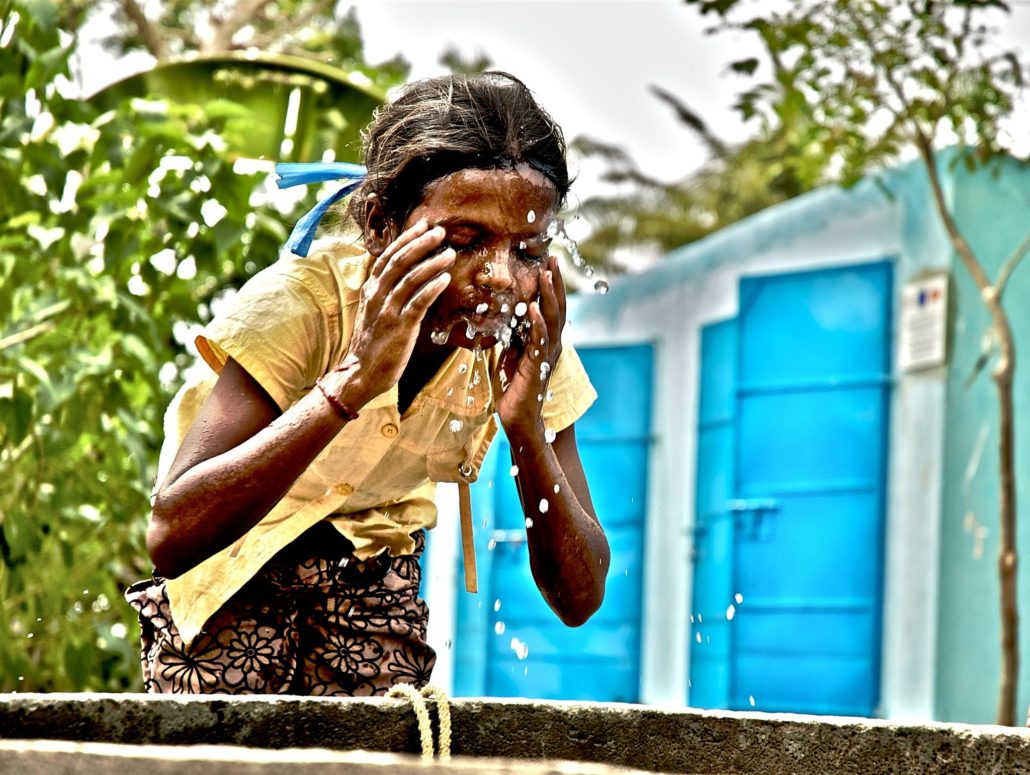
Water, Sanitation and Hygiene in India

Sanitation and Hygiene in India
There is a restricted amount of water, sanitation and hygiene in India on a daily basis. Therefore, the lack of these resources leads to disease and death.

Diseases, Defecation and Lack of Sanitation Facilities

India is one of the world’s most heavily populated countries with more than half residing in suburban neighborhoods. Due to the country’s vast population growth and its limited accessibility to water, people have limited access to sanitation and hygiene in India.

  • Nearly half of Indians defecate into the environment, which pollutes water and leads to the number one cause of diarrhea-associated deaths in children. Yearly, 117,000 children younger than five pass away due to diarrhea as a result of unsanitary environments and contaminated water.
  • Research indicates that a little over half of India’s population washes their hands after defecation. Only 38 percent of people wash their hands before eating and as little as 30 percent wash their hands prior to handling food. Young children are most susceptible to diarrhoeal diseases and respiratory infections; yet, using soap to wash hands can reduce the likelihood of contracting these illnesses.
  • Nearly 600 million people do not use toilets, and as a result, their waste enters the environment which leads to a higher likelihood of water contamination and diarrhea. Children who suffer from diarrhea are more susceptible to malnutrition and other illnesses, such as pneumonia. Malnutrition afflicts nearly 50 percent of children.
  • Nearly 10 percent of countryside households discard waste properly, while people leave more than half of the waste out in the environment or put it into the trash. As little as six percent of children under the age of five use sanitation facilities.
  • For adolescent females, it is necessary to provide the essential facilities, products and education to allow for proper menstrual hygiene. Many girls are likely to not attend school due to the lack of seclusion in the sanitation facilities. Other times, females feel discomfort when there is no facility available at home.

The Water Crisis

Nearly 200,000 Indians pass away each year as a result of insufficient accessibility to consumable water, while 600 million people are water-stressed due to the limited availability of 1,700 cubic meters of water yearly.

Research published in June 2018 predicts that India will undergo an acute lack of availability to water within two decades. The report approximates that the need for water will duplicate the obtainable supply by 2030.

The Government’s Partnerships to End Open Defecation and Increase Sanitation Efforts

In 2014, India’s Prime Minister, Narenda Modi, began advocating to enhance cleanliness efforts by October 2019. Since he announced this objective, there has been significant progress in making clean water and hygiene amenities available.

In 2014, the amount of people living in agricultural areas who defecate openly has decreased from 550 million to 320 million. Overall, clean drinking water and proper sewage disposal have improved from 39 percent in October 2014 to over 90 percent in August 2018.

UNICEF Action endorses the federal and local governments in providing water, sanitation and hygiene in India. UNICEF’s Child’s Environment Programme advocates for the government’s Total Sanitation Campaign, which has the goal to enhance the availability and utilization of sanitation facilities. The National Rural Drinking Water Programme works to implement clean water to each and every family in India; the Child’s Environment program collaborates with Integrated Child Development Services to ensure that proper hygiene facilities are present in schools.

USAID collaborates with India’s government to implement healthful towns by growing access to safe water and cleanliness. Together, USAID and the Government of India assess and distinguish various models to enable consumable water and toilets, which they can put into effect for various localities.

In order to eliminate defecation by 2019, India began the five-year Swachh Bharat (Clean India) Mission to cease open defecation. USAID promotes the commission by educating others about these matters and initiating action from the people and government officials.

The overall goal of USAID is to implement techniques to have safe, clean water access that is inexpensive. The organization also collaborates with civilians to compose sanitation facilities as well as encouraging hand washing along with refraining from defecating in the environment.

In 2017, 300,000 citizens had access to water, sanitation and hygiene in their homes. As a result of the community efforts, 25,000 communities have stopped defecating in the environment, while 175,000 people are able to obtain clean, consumable water.

– Diana Dopheide

Photo: Flickr

July 17, 2019
https://borgenproject.org/wp-content/uploads/borgen-project-logo.svg 0 0 Kim Thelwell https://borgenproject.org/wp-content/uploads/borgen-project-logo.svg Kim Thelwell2019-07-17 08:14:472024-06-05 02:12:21Water, Sanitation and Hygiene in India
Global Poverty, Health

Ways to Improve Health in Zimbabwe

Ways to Improve Health in Zimbabwe

Zimbabwe’s healthcare system is in need of reformation. Since 2000, approximately three million health workers have fled the nation, and the health of the society has suffered since then. Non-governmental organizations around the world are currently working together to improve healthcare in Zimbabwe.

NGOs are working hard to fix the issue of lack of adequate healthcare; here are ways to improve health in Zimbabwe.

Ways to Improve Health in Zimbabwe

  • Investing in disease treatment and prevention: Zimbabwe suffers from a lack of health workers; there are only about 1.23 health workers per 1,000 citizens. Because of this, it is difficult to treat epidemics of communicable diseases like cholera and HIV. A cholera outbreak in 2008 killed 4,000 people due to the small number of available doctors. USAID recognizes this as a problem, and every year, the organization donates nearly $100 million to disease treatment programs in Zimbabwe.  The prevalence of HIV has lowered from 14 percent to 13.3 percent in one year, but more can be done to treat other infectious diseases.
  • Improving clinics: Another way to improve healthcare in Zimbabwe is to invest in the advancement of medical clinics. Most clinics in Zimbabwe are overcrowded and undeveloped, but the United Nations Development Program (UNDP) plans to renovate 52 clinics in the region. The renovations include storage for crucial medications and space for sanitation and hygienic facilities. Additionally, UNDP’s Global Fund implemented a new health information system to hasten responses to outbreaks and epidemics. These positive changes have contributed to steady rates of health workers’ job retention.
  • Aiding expectant mothers: Pregnant women are one group that is most reliant on Zimbabwe’s healthcare system. Since 2014, World Bank’s Global Funding Facility has helped rebuild the deteriorated system. One revamping program, the Urban Voucher Program, provides free maternity care to women living in the bottom 40 percent of average annual income. Before the UVP, women would have to pay a $25 fee to visit a health clinic, and most of them were not able to afford it. After the implementation of the vouchers, family planning and neonatal services have strengthened in low-income communities, significantly reducing the amount of money that families spend on healthcare. While maternal mortality rate was 614 deaths per 100,000 births in 2014, it decreased to 443 deaths per 100,000 births during the first year of the UVP.

More can be done to improve healthcare in Zimbabwe. The success of these NGOs can mobilize others to join in on the efforts against disease and poverty.

– Katherine Desrosiers
Photo: Flickr

July 17, 2019
https://borgenproject.org/wp-content/uploads/borgen-project-logo.svg 0 0 Kim Thelwell https://borgenproject.org/wp-content/uploads/borgen-project-logo.svg Kim Thelwell2019-07-17 07:54:262024-05-29 23:00:44Ways to Improve Health in Zimbabwe
Foreign Aid, Global Poverty

The US Cuts Aid to the Palestinians Amid Opposition from Israel

Aid to the Palestinians
A school abandoned and torn down. A sewage system shut off and covered in asphalt. These are just two of the projects that the U.S. is in the process of shutting down as it cuts almost all foreign aid to the Palestinians. Previously, the U.S. was a top donor to the Palestinians, giving $5 billion since 1993. However, the government announced an intention to cut off aid last year, 2018, in order to put pressure on Palestinian leaders to accept the administration’s peace plan, which it is set to announce after Ramadan ends in early June. USAID has laid off all but 14 of its employees in the Palestinian territories, an 85 percent reduction in staff. Aid that funded anti-terrorism programs has also been cut.

Concerns Over Aid Cuts

Many people in the Israeli government supported these aid programs, both for humanitarian reasons and for the benefits they provided to Israeli national security. Dana Stroul, a senior fellow at the Washington Institute for Near East Policy, and Daniel Shapiro, a former U.S. ambassador to Israel, wrote in an article for NPR that “Israeli authorities understood that a breakdown in security, an economic collapse or a humanitarian crisis in the West Bank would place an enormous burden on Israel…The Israeli national security establishment remains painfully aware that it will face the burden – financial, security, and otherwise – of addressing a full-scale collapse in the West Bank or Gaza if the U.S. steps away or loses all influence and credibility with the Palestinians.”

The Israeli government opposes cutting aid, calling on the U.S. government to amend the law that resulted in the cuts. One Israeli security official said that “[i]f the law doesn’t change and no solution is found…[t]his will harm a top priority Israeli national security interest.”

Others Provide Aid

In the U.S.’s absence, others have stepped up. A week ago, the European Union announced that it would be giving an additional 22 million euro ($24.6 million) in aid to the Palestinians. The new aid package will focus on health care, food security and safety for vulnerable families.

In addition, the government of Qatar pledged to give $480 million in aid to the Palestinians. While the U.S. and Qatar have allied historically, these countries have had a strained relationship recently, with Qatar defying U.S. sanctions to provide aid to Turkey. The Qatari government has frequently come under fire for human rights abuses.

The good news is that there are ways to restore these programs. In addition to following the Israeli government’s recommendation to amend the law cutting aid, Stroul and Shapiro have several more solutions. The U.S. could specifically allocate money to complete currently unfinished aid projects, such as the school and sewage system mentioned above. Congress could also pass current bills aiming to improve aid to the Palestinians. One of these is the Palestinian Partnership Fund Act, which aims to connect Palestinian entrepreneurs with potential business partners in the U.S., Israel and elsewhere in the Middle East.

Moreover, the U.S. is considering renewing aid. Last month, six senators proposed a bill to restore aid to the Palestinians. “[R]efusal to provide humanitarian aid to the Palestinian people is a strategic mistake,” said Sen. Dianne Feinstein (D-CA), one of the bill’s sponsors. “Denying funding for clean water, health care and schools in the West Bank and Gaza won’t make us safer. Instead it only emboldens extremist groups like Hamas and pushes peace further out of reach.”

– Sean Ericson
Photo: Flickr

July 16, 2019
https://borgenproject.org/wp-content/uploads/borgen-project-logo.svg 0 0 Kim Thelwell https://borgenproject.org/wp-content/uploads/borgen-project-logo.svg Kim Thelwell2019-07-16 09:41:022020-01-26 20:06:56The US Cuts Aid to the Palestinians Amid Opposition from Israel
Page 59 of 92«‹5758596061›»

Get Smarter

  • Global Poverty 101
  • Global Poverty… The Good News
  • Global Poverty & U.S. Jobs
  • Global Poverty and National Security
  • Innovative Solutions to Poverty
  • Global Poverty & Aid FAQ’s
Search Search

Take Action

  • Call Congress
  • Email Congress
  • Donate
  • 30 Ways to Help
  • Volunteer Ops
  • Internships
  • Courses & Certificates
  • The Podcast
Borgen Project

“The Borgen Project is an incredible nonprofit organization that is addressing poverty and hunger and working towards ending them.”

-The Huffington Post

Inside The Borgen Project

  • Contact
  • About
  • Financials
  • President
  • Board of Directors
  • Board of Advisors

International Links

  • UK Email Parliament
  • UK Donate
  • Canada Email Parliament

Get Smarter

  • Global Poverty 101
  • Global Poverty… The Good News
  • Global Poverty & U.S. Jobs
  • Global Poverty and National Security
  • Innovative Solutions to Poverty
  • Global Poverty & Aid FAQ’s

Ways to Help

  • Call Congress
  • Email Congress
  • Donate
  • 30 Ways to Help
  • Volunteer Ops
  • Internships
  • Courses & Certificates
  • The Podcast
Scroll to top Scroll to top Scroll to top