• Link to X
  • Link to Facebook
  • Link to Instagram
  • Link to TikTok
  • Link to Youtube
  • About
    • About Us
      • President
      • Board of Directors
      • Board of Advisors
      • Financials
      • Our Methodology
      • Success Tracker
      • Contact
  • Act Now
    • 30 Ways to Help
      • Email Congress
      • Call Congress
      • Volunteer
      • Courses & Certificates
      • Be a Donor
    • Internships
      • In-Office Internships
      • Remote Internships
    • Legislation
      • Politics 101
  • The Blog
  • The Podcast
  • Magazine
  • Donate
  • Click to open the search input field Click to open the search input field Search
  • Menu Menu
Global Poverty

Top 10 Facts About Living Conditions in Benin

PA Top 10 Facts About Living Conditions in Benin
Benin is a relatively small country located in West Africa and is home to approximately 11.7 million people. The climate is hot and many people are impoverished. As of late, organizations have started programs in Benin to reduce poverty and alleviate the problems associated with it. Living conditions in Benin can vary for those living in urban areas versus those living in rural areas, with those in urban areas typically having access to more resources.

Although Benin is working toward development, with increases in business and transportation, the country still faces issues associated with underdevelopment. With increased development, a decrease in poverty is likely to follow. In this article, the top 10 facts about living conditions in Benin are discussed.

Top 10 Facts About Living Conditions in Benin

  1. More than one-third of the population in Benin is impoverished. While equality for women is largely lacking, families in which women are the leaders have lower levels of poverty. According to The World Bank, the levels of poverty are 28 percent for women-led families compared to 38 percent for male-headed families.
  2. Natural resources are not the easiest to find in Benin. However, agriculture plays a large part in the country’s economy. Increased cotton production led to a positive increase in GDP from 4.0 percent in 2016 to 5.6 percent in 2017. Additionally, domestic oil has benefited economic productivity.
  3. From a political standpoint, Benin is doing well. Their democratic elections are peaceable and people are generally pleased with those in power. In the 2016 presidential election, cotton businessman, Patrice Talon, won. His election provides for positive increases with trade between Benin and its foreign partners.
  4. The Global Hunger Index rates Benin at a 24.3, which means that Benin is labeled under the “serious” category for hunger. While that number reflects a large number of people facing malnutrition, the number of people facing food insecurity is decreasing over time. This is hope-inspiring evidence that organizations working to combat hunger such as UNICEF are gradually making progress in Benin.
  5. Sanitation remains an issue in Benin. According to UNICEF, only 20 percent of people have access to basic sanitation services. Open defecation is practiced by half of the population and lack of toilets can cause other health issues. This can be instrumental in the spread of various diseases. Organizations, such as UNICEF, are working to improve sanitation in countries where open defecation is still practiced through expanding access to sanitation services.
  6. Transportation in Benin is developing. Currently, urban roads are primarily paved, unlike rural areas. There is a railroad in Benin connecting domestic cities, but it does not go into any other nations. Cotonou, a largest and economically most important city, has a port and airport, proof of development.
  7. Child marriage is a serious problem for the country. Girls Not Brides reports that 26 percent of girls in Benin are married before their 18th birthday. This issue persists, in part, from gender inequality. The United Nations, UNICEF and the Government of Benin are working to fight this through advocating for policy changes regarding the legal age of marriage.
  8. Nigeria and Benin have a close relationship. The majority of Benin’s exports go to Nigeria. Consequently, the economy in Nigeria can have both positive and negative effects on the country. Lately, increases in Nigeria’s economy have led to subsequent improvements in the economy of Benin. Trade is somewhat limited, partially resulting from lack of credit access to the people. However, in recent years, aspects of business, such as agriculture and exports, have positively grown.
  9. Seven percent of the country’s expenditures go toward public health. Under-five mortality rates are at a continuous decline. With growing emphasis placed on health care, this trend should continue. In addition, private health care is growing. There are some limitations though. For example, private health care is typically only available in urban areas. Within the health sector, UNICEF is diligently working to improve health care for both women and children through shaping policy and providing access to health care services.
  10. Benin initiated free public education for all citizens in 2007. International schools are also options for those who can afford it. Higher education is also a possibility in Benin at the National University of Benin.

Based on these top 10 facts about living conditions in Benin, it is clear that poverty is still abundant in the country. However, in recent years, there have been many efforts to combat underdevelopment and improve living conditions. Organizations, such as UNICEF and USAID, are working to improve the quality of living conditions in the country. UNICEF places an emphasis on helping women and children. USAID has implemented programs to shed light on corruption in Benin. These top 10 facts about living conditions in Benin show that with the joint efforts of these organizations and local communities, the country has a bright future.

– Carolyn Newsome
Photo: Flickr

February 19, 2019
https://borgenproject.org/wp-content/uploads/borgen-project-logo.svg 0 0 Kim Thelwell https://borgenproject.org/wp-content/uploads/borgen-project-logo.svg Kim Thelwell2019-02-19 13:30:112024-05-29 22:58:28Top 10 Facts About Living Conditions in Benin
Education, Global Poverty

Top 10 Facts About Living Conditions in Bhutan

PA Top 10 Facts About Living Conditions in Bhutan
Bhutan is only slightly larger than the state of Maryland, but the predominantly Buddhist nation holds a powerful place both in history and the future. For centuries, the Kingdom of Bhutan remained independent and resisted colonization. Though the country joined the United Nations in 1971 and began facilitating foreign tourism in 1974, Bhutan’s government has remained committed to its legacy of autonomy. In 2008, the country gained fame with its enactment of Gross National Happiness (GNH), a philosophy and an index which monitors collective well-being. These top 10 facts about living conditions in Bhutan show how quickly the country has developed since the first road was paved in 1961, opening the way to modernization.

Top 10 Facts About Living Conditions in Bhutan

  1. Poverty rates are dropping every year. In 2007, 23 percent of the population lived in poverty. In just five years, the number fell by half, and as of 2017, only 8.2 percent of the population lived below the national poverty line. Extreme poverty is nearly nonexistent, affecting less than 2 percent of the population. Despite these achievements, there is a disparity between rural and urban areas. Rural areas have a poverty rate of 11 percent while fewer than 1 percent of urban dwellers live in poverty.
  2. Bhutan’s economy is consistently growing. While agriculture is the main livelihood for 54 percent of Bhutanese people, the economy is also based on forestry, tourism and the sale of hydroelectric power (mostly to India). The GDP has skyrocketed from $0.14 billion in 1980 to $2.51 billion in 2017, and the economy’s average growth between 2006 and 2015 was 7.5 percent.
  3. Unemployment hits youth the hardest. Though the country’s unemployment rate is only 2.1 percent, 13.2 percent of youth (15 to 24 years old) are unemployed. Bhutan’s growing economy is largely driven by the hydropower sector, but the industry does not guarantee enough jobs for the growing population. Institutions like the World Bank recommend that Bhutan invest more in the private sector in order to diversify the economy and combat youth unemployment.
  4. Access to clean water is becoming a basic right. Over 98 percent of the population has access to improved drinking water, a huge success when compared to past decades. Improved water sources, however, do not always equate to safe drinking water. The Royal Center for Disease Control tested more than 5,000 water samples and found that only 44.3 percent were safe to drink. Still, the government remains committed to improving water quality for its citizens, and in 2016, developed the Bhutan Drinking Water Quality Standard.
  5. Public healthcare is free. Healthcare is a basic human right in Bhutan. Life expectancy is now 70 years old, a stark difference compared to the 1960s when life expectancy was 37 years old and only two hospitals existed in the country. Bhutan now has 28 hospitals, 156 basic health clinics and 654 outreach clinics. Nine out of 10 women have their children in hospitals or healthcare facilities, and the child survival rate is 93 percent.
  6. Seventy-six percent of the population is happy. According to the Bhutan Living Standards Report of 2017, more than 40 percent of the population is moderately or very happy. Every five years, 8,000 households are randomly selected to take a 3-hour-long happiness survey, with questions ranging from health, education, psychological well being, community vitality, etc. Participants are compensated for a day’s worth of work, likely increasing happiness.
  7. Education rates are low but rising. Bhutan has developed dramatically in the last decades, and education rates are reflecting this change. As of 2017, 95 percent of the population had completed primary school and 70 percent completed secondary school. Progress was slower because education is not compulsory, but primary and secondary education rates have drastically increased. In 1988, only 25 percent of the population had completed primary school, and still less (5 percent) got a secondary school education.
  8. Bhutan is committed to conservation and sustainability. Bhutan is the only carbon negative country in the world. Its constitution mandates that 60 percent of its land remains forested, an area that absorbs more carbon than the country produces. However, modern times have brought new struggles in regards to conservation. As the economy and population grow, more strain is put on the environment. WWF Bhutan Country Representative Dechen Dorji explains that “We need to balance the need for economic development – like hydropower and tourism – with the need to protect natural resources.”
  9. There are no McDonald’s in Bhutan. Though it sounds funny, this fact is symbolic of Bhutan’s commitment to protecting its cultural heritage and way of life. Bhutan understands that foreign influence is inevitable, but the country seeks to strike a balance between modernization, foreign investment and tradition. Consequently, Bhutan follows a “high value, low impact” tourism policy, which requires tourists to spend between $200 and $250 each day. This controls the influx of tourists and guarantees investment in the country.
  10. Bhutan is the 27th least-corrupt country in the world. According to the Transparency International Corruption Perception Index, out of 168 countries, Bhutan is one of the least corrupt. Bribes are almost nonexistent in the court system, and only 1 percent of companies feel that the courts inhibit business. Furthermore, as citizens of one of the youngest democracies in the world, Bhutanese people are guaranteed freedom of speech and of the press, which allows government corruption to be critiqued and exposed by the media.

Sustainable development and investment in health, education and happiness have set Bhutan up for a bright future. These top 10 facts about living conditions in Bhutan demonstrate the country’s commitment to growth and collective well-being. There is still room for improvement, and by partnering with institutions like the World Bank and allying with local nonprofits like the Bhutan Youth Development Fund, Bhutan is addressing its development goals on all fronts.

– Kate McIntosh
Photo: Flickr

February 19, 2019
https://borgenproject.org/wp-content/uploads/borgen-project-logo.svg 0 0 Kim Thelwell https://borgenproject.org/wp-content/uploads/borgen-project-logo.svg Kim Thelwell2019-02-19 01:30:332024-06-04 01:08:31Top 10 Facts About Living Conditions in Bhutan
Global Poverty

Top 10 Facts About Living Conditions in Denmark

Top 10 Facts About Living Conditions in Denmark
The scientific world has highlighted six lifestyle values that a country needs to be happy: high income, trust, social support, freedom, healthy life expectancy and generosity. Based on these metrics, Denmark has consistently ranked as one of the best places to live in the world. Here are the top 10 facts about living conditions in Denmark.

Top 10 Facts About Living Conditions in Denmark

  1. Denmark’s average household income is $28,950 a year which is slightly below the OECD average. However, 75 percent of the working populations have a paying job, which exceeds the OECD average of 67 percent.
  2. Denmark is a civically engaged country and the government shows concern for citizens’ needs. While 86 percent of the registered population votes, the government extended inclusivity by creating programs like MindLab. MindLab works with the Danish government to receive feedback from citizens on newly adopted procedures to make them convenient and more efficient.
  3. Denmark’s biking culture makes the country an environmentally-friendly place to live. In Copenhagen, Denmark’s largest city, about 35 percent of adults bike to and from work and 55 percent of children bike to and from school. Cycling policies, lanes and bridges have made it one of the most bike-friendly cities in the world.
  4. College-aged students do not have to worry about student loans. College students are provided with a stipend of $900 a month provided that they are currently enrolled in college and that they do not live with their parents. This program provides all students with equal opportunity to study, regardless of their financial background.
  5. Denmark is considered a safe and non-violent country. In a study of 351 participants, about 89 percent said they felt comfortable walking around Denmark during the day. Another 74 percent said they felt safe walking alone during the night.
  6. In the early 2000s, drug-related deaths in Denmark were consistently above 100 per year. In 2012, the number of drug-related deaths finally declined after the legalization of drug consumption rooms (DCRs). DCRs provide users with a safe and hygienic place to inject drugs, as well as counseling and health clinics. The legalization of these facilities has not only decreased the number of drug-related deaths in Denmark but also kept drug use out of Danish homes and neighborhoods.
  7. Health care in Denmark is free for all registered citizens. The national government oversees general plans, and five regions manage and finance the hospitals. Universal access to health care in Denmark is made possible by the national health tax, which claims 8 percent of taxable incomes.
  8. Salaries in Denmark are taxed at over 50 percent, which is more than double the worldwide average of 22.96 percent. Part of these heavy taxes contributes to housing benefits for senior citizens.
  9. Denmark’s welfare system has served as a global example for many years. However, the gap between the richest and poorest Danes has recently grown. A study by Ugebrevet A4 showed that 59 percent of Danes believe that the gap needs to shrink. Some claim that Denmark has deserted its solidarity principles altogether, increasing the number of impoverished Danes.
  10. Since 2005, Denmark has seen improvements in gender equality. After Sweden, the country scores the best out of all European Union countries in the Gender Equality Index. Denmark does especially well in creating equality when caring for children. Parental leave can be evenly split between two partners, regardless of their sex.

The top 10 facts about living conditions in Denmark listed above point to the nation’s strengths. And while no country is perfect, the Danish lifestyle’s prioritization of well being has resulted in Denmark being consistently recognized as one of the top 10 happiest places in the world since the release of the first World Happiness Report in 2012.

– Mary Clare Novak
Photo: Flickr

February 19, 2019
https://borgenproject.org/wp-content/uploads/borgen-project-logo.svg 0 0 Kim Thelwell https://borgenproject.org/wp-content/uploads/borgen-project-logo.svg Kim Thelwell2019-02-19 01:30:092019-12-18 11:56:34Top 10 Facts About Living Conditions in Denmark
Education, Health, Life Expectancy

Top 10 Facts About Life Expectancy in Vietnam

PA Top 10 Facts About Life Expectancy in Vietnam
Although it is true that the life expectancy rates tend to be relatively high in Vietnam, the most common causes of death, although preventable or treatable, have often been somewhat ignored by the country’s health officials and the general public. To get a better understanding of how these health oversights can and are being corrected, the list below states the top 10 facts about life expectancy in Vietnam as well as the efforts being made to enhance rates.

Top 10 Facts about Life Expectancy in Vietnam

  1. Adult Life Expectancy Rates. Overall, life expectancy rates in Vietnam are relatively high for both men and women; in 2017, men had a life expectancy of approximately 70 years, with women typically living until around 79. These numbers are a step up from where life expectancy rates in Vietnam were in 1990. Back then, men were only expected to live until 65 and women until 72. While the current life expectancy rates in Vietnam are impressive, it is still possible to improve them even further by improving the current healthcare system, which as of today, isn’t yet fully equipped to handle the country’s most common causes of death: stroke, heart disease, lung cancer.
  2. Child Mortality. Child mortality rates for children under five-years-old have reached an encouraging low, dropping from 47.4 deaths per 1,000 live births in 1990 to 13 deaths per 1,000 live births in 2017. Children under the age of one were also more likely to survive in 2017, with 10 deaths per 1,000 live births being the modern mortality rate; another exponential shift from the 35 deaths per 1,000 births observed in 1990.
  3. Emerging Economy. The drop in mortality rates and the increase of life expectancy rate in Vietnam may be due in part to the fact that the country is transitioning from an impoverished nation to a lower middle-income nation. The World Bank describes Vietnam as “one of the most dynamic emerging countries in East Asia”, and for good reason. In 2017, Vietnam reached a record-high GDP of $223.86 billion; an incredible jump from its record-low GDP of $6.29 billion in 1989.
  4. Emerging Middle-Class. Vietnam’s middle-class is projected to expand along with the newly emerging market economy. Currently, the middle-class population only makes up 13 percent of the population as most Vietnamese citizens are under 35 years old. Still, as Vietnam ages, the middle-class is expected to grow and eventually encompass 26 percent of the population by 2026.
  5. Childhood Education. In 2011, 66 percent of children in Vietnam had access to full-day preschool education. In 2016, the percentage grew to 84 percent. Programs like Children of Vietnam are hoping to increase that percentage further by providing education to poor and handicapped children. By providing these marginalized children transportation to schools as well as building more schools, Children for Vietnam hopes to break the cycle of poverty by creating opportunities for lower-class children to advance in society.
  6. Hospital Inadequacies. Despite the aforementioned victories in improving life expectancy rates in Vietnam, there is still much work to be done. The Ministry of Health (MOH) estimated that around 40,000 Vietnamese citizens travel abroad annually for health care, spending around $2 billion in the process. This is because most Vietnamese hospitals are outdated, overcrowded and largely understaffed with qualified medical professionals. Public hospitals in Vietnam rely on state budgets to upgrade their services. Although the budget has increased over the years, it is still insufficient.
  7. Automotive Accidents. Automotive accidents remain in the top 10 most common causes of death in Vietnam despite recent legislation that addresses drunk driving and driving without helmets – since many people drive motorcycles to navigate narrow streets. Road accident fatalities have decreased from 12,000 deaths per year prior to 2012 to below 10,000 deaths per year, but the legislation still has a way to go when it comes to road safety. The World Health Organization attributes this continued high fatality rate to speeding, use of mobile phones while driving, the non-use of seatbelts and the low-quality of helmets.
  8. Tobacco. A major cause of stroke and heart disease in Vietnam is the mass consumption of tobacco products. Over 15.6 million Vietnamese adults (over 15 years old) smoke, with 85 percent smoking daily. In an effort to combat this trend, the government has implemented a special consumption tax on tobacco products that is raised by five percent annually. Despite the good intentions behind the tax, it has somewhat backfired. Because of increasing government taxes on goods, smuggling has become a huge problem in the country. The Ho Chi Minh City-based Vietnam Tobacco Association stated that approximately 1 billion packs of smuggled cigarettes are consumed in the country annually. Many tobacco farmers and workers are suffering as a consequence, with 2018 seeing the loss of 1 million jobs in the field.
  9. Project Vietnam Foundation. The Project Vietnam Foundation (PVNF) is a U.S.-based nonprofit that operates in Vietnamese-American communities in the U.S. and on-site in Vietnam. In Vietnam, their primary focus is to provide medical training programs to impoverished rural areas. PVNF has provided reconstructive surgeries for over 2,050 children in need of cleft lip and palate operations, and PVNF’s volunteer mission program has treated over 93,000 patients who may not have otherwise been able to receive treatment.
  10. The Ho Chi Minh Environmental Sanitation Project. The Thi Nghe used to pose a major sanitation and environmental health threat to the city of Ho Chi Minh. With no effective sewage system, the canal was polluted with human waste and garbage, which would often overflow during the raining seasons into the houses and businesses built on top of the canal. In 2002, what was called the Ho Chi Minh Environmental Sanitation Project was implemented with the goal of cleaning the canal and establishing an underground sewage system. The Project finished in 2011, and with its completion came a revitalization of health. Because of the project, 96,000 households benefit from reduced flooding risks, and 1.2 million people (mainly lower-class) now have a centralized wastewater collection. Fish are returning to the canal, which is proof that the water quality is slowly but surely improving. The city is now requesting that phase two of the project begin, with a loan of $450 million from the World Bank and a goal to finish around 2030.

As these top 10 facts about life expectancy in Vietnam show, although progress is being made for healthcare and safety in the country, there is still much work to be done, especially in impoverished rural areas of the country. Educational programs like the Project Vietnam Foundation are truly key in creating sustainable healthcare systems in the nation, so spreading the word about these nonprofits and volunteer opportunities are essential in aiding the further progression of life expectancy of all Vietnamese citizens.

– Haley Hiday
Photo: Flickr

February 18, 2019
https://borgenproject.org/wp-content/uploads/borgen-project-logo.svg 0 0 Kim Thelwell https://borgenproject.org/wp-content/uploads/borgen-project-logo.svg Kim Thelwell2019-02-18 20:03:502019-08-15 10:49:00Top 10 Facts About Life Expectancy in Vietnam
Women and Children

The Progress of Maternal Health Care in Belarus

Maternal Healthcare in Belarus
Fewer than 30 years ago, maternal health care in Belarus was not treated as a top priority in the country and the numbers show it. In 1990, 33 out of every 100,000 live births resulted in the death of the mother. By 2015, that number had decreased to four out of every 100,000.

Reasons for Bad Maternal Health Care in Belarus

The reasons for this precipitous drop are numerous, but some stand out more than others. For a long time, public health in Belarus revolved around containing the fallout from two momentous events. One was the Chernobyl disaster in 1986 that directly affected more than 2.2 million people in Belarus, half a million of whom were children. Charities, nongovernmental organizations and United Nations system organizations focused on providing emergency care to those who had been exposed to dangerous amounts of radiation.

The other event was the breakup of the Soviet Union in 1991. According to the World Health Organization (WHO), health care in Soviet-era Belarus was centered on the Semashko system. In this system, industrial workers, believed to be the source of productivity and prosperity for the Soviet Union, were essentially considered more important than the rest of the population. This resulted in addressing their immediate health needs first while overlooking larger public health concerns and it also meant that health care professionals were not as highly regarded as industrial workers. Low pay and little respect for medical workers perpetuated a cycle of subpar health care in Belarus.

Government Initiatives

Independence from Russia brought economic decline for Belarus in the short-term, but it also created an opportunity to revamp the country’s approach to public health. Maternal health care in Belarus received some overdue attention. Between 2005 and 2010, several health resolutions were initiated under the new Government of the Republic of Belarus, including a greater focus on reducing maternal mortality rates.

One such initiative was to build health facilities in rural areas, so that expectant Belarusian mothers in agricultural townships would have the same access to care as their urban counterparts. Another was to create a multileveled perinatal care system, made possible with the support of the head of state who approved the allocation of funds to improve maternal health care in Belarus. This included employing almost 2,700 obstetrician-gynecologists to treat a population of roughly 4.8 million women of fertile age. This initiative was implemented in 2005.

The Progress of Maternal Health Care in Belarus

A doctor visit at the earliest point in a known pregnancy is optimal for the health of mother and child. To ensure that expectant mothers would adhere to this guideline, a monetary allowance was given to them as an incentive for seeing a doctor within the first 12 weeks of their pregnancy. As a result of this bold initiative, prenatal visits within the first trimester increased by approximately 93.5 percent.

Paid maternity leave in Belarus lasts between 126 and 140 days, depending on the difficulty of the labor. Fathers are encouraged to play an active role in the birthing process, with maternity wards made to accommodate families. Today, maternal health care in Belarus ranks 26th in the world. Belarus is a shining example of how a country can evolve over a matter of mere decades and transcend seemingly insurmountable difficulties.

With a maternal mortality rate among the lowest in the world and a compassionate and comprehensive maternal health care system, Belarus has defied expectations across the board. The aid provided to the country during the low points in Belarusian history following the Chernobyl disaster and the fall of the Soviet Union was an important stepping stone toward a healthier and more independent Belarus. The state of maternal health care in Belarus is a magnificent reflection of that.

– Raquel Ramos

Photo: Google

February 18, 2019
https://borgenproject.org/wp-content/uploads/borgen-project-logo.svg 0 0 Kim Thelwell https://borgenproject.org/wp-content/uploads/borgen-project-logo.svg Kim Thelwell2019-02-18 19:30:272024-05-29 22:58:14The Progress of Maternal Health Care in Belarus
Global Poverty, Life Expectancy

10 Facts About Life Expectancy in Cuba

10 Facts About Life Expectancy in Cuba
Cuba is a large island located in the center of the Caribbean Sea. The country has made a tremendous effort in improving healthcare and, therefore, increasing the average life expectancy for its residents. There is still room for improvement though, as the average life expectancy is less than those in first world countries. The following are 10 facts about the average life expectancy in Cuba that sheds light on the issues and improvements Cuba has made to increase the average lifespan.

10 Facts About Life Expectancy in Cuba

  1. Cuba’s estimated average life expectancy was 78.9 years in 2018 while the U.S. is just above their rank at 80.1. This puts Cuba at number 56 in the world for life expectancy. The U.S.’s rank is 45 in comparison. Cuba’s average life expectancy is excellent compared to most developing countries and has increased substantially in the last 50 years. The average life expectancy in Cuba was 63.8 in 1960.
  2. Smoking is prevalent in Cuba. At least 40 percent of men and 33 percent of women smoke tobacco in Cuba. Reducing this number would increase the average life expectancy as smoking tends to increase respiratory diseases. In one study, 41 percent of all deaths in Cuba in 2002 were from heart disease, stroke and “other unspecified diseases of the heart and veins,” and one such cause is due to frequent cigarette smoking.
  3. The prevalence of abnormally high blood pressure, or hypertension, is estimated to be around 25 percent in Cuba. About 70 percent of people who experience a heart attack have high blood pressure as do about 80 percent who suffer a stroke. The good news is that Cuba has been effective in treating patients with high blood pressure. In 2002, about 39 percent of Cubans aged 35 to 60 with high blood pressure were taking medication that successfully lowered their blood pressure to normal levels. These results are the highest in the world. To compare, the U.S. has a 29 percent rate for successfully treating hypertension patients in that age range.
  4. Since 2012, Cuba has had only one to two cases of pediatric HIV per year. Pediatric HIV is the spread of HIV from the mother to the baby. The World Health Organization recognized Cuba as the first country to eliminate the mother-to-child transmission of HIV and congenital syphilis.
  5. Despite Cuba being a developing country, their health care is exceptional. Cuba has universal healthcare, and infant and maternal mortality rates are less than most developing countries. The infant mortality rate is at four out of 1,000 children and maternal mortality is 39 out of every 100,000 births. There’s still space for improvement, but these numbers often decline as a country develops and improves things such as healthcare technology. This is still an impressive number when considering the infant mortality rate was 32 in 2015.
  6. The 1990s, the U.S. embargo against Cuba led to a reduction of medicine being sent to Cuba, which put lives at risk. In 2000, the Trade Sanction Reform and Export Enhancement Act allowed trade to resume, allowing the needed medications to enter the country. Cuba’s major importer for medications is the U.S. With medicine imported from the U.S. and other countries, Cubans have a higher average life expectancy than the rest of Latin America. Medication shortages let to a 48 percent increase in deaths from tuberculosis from 1992 to 1993.  After the act was passed, deaths from tuberculosis decreased from .7 in 1997 to .2 in 2007 for every 100,000 Cubans.
  7. The United Nations Population Fund began in 1971 and seeks to extend reproductive and healthcare services in Cuba. The UNPF has reached more than 140,000 people. In 2017, the UNPF spent more than $300,000 in integrated sexual and reproductive health services, which included maternal health and HIV.
  8. According to the Cienfuegos survey referenced in the National Center for Biotechnology Information, only 30 percent of the people engaged in vigorous activity, but 93 percent engaged in some kind of moderate physical activity at least three days a week. In one study by the National Center for Biotechnology Information, participants who engaged in regular physical activity at least three times a week reduced their risk of mortality by 30 to 35 percent.
  9. One nongovernment organization called CARE began operating in 1995 during the Special Period in Cuba, an economic crisis caused by the dissolution of the Soviet Union. Most recently, in 2017, Hurricane Irma ravaged Cuba. Care was on site helping to provide clean water and sanitation as well as assistance with shelter for more than 20,000 people. One issue CARE worked on was disaster risk reduction by improving buildings so as to save lives whenever the next hurricane strikes. As an isolated island, Cubans along the coastline have a high chance of their homes being completely destroyed from deadly hurricanes, such as Hurricane Gustav in 2008.
  10. Cuba boasts the highest ratio of doctors-to-patients in the world. In 2006, for every 10,000 people, there were 59 doctors. By 2010, Cuba still held the number one spot, far above the U.S. and Great Britan. Cuba also sends its doctors to more than 40 countries across the world to assist in health care programs.

These 10 facts about life expectancy in Cuba explain why the average lifespan is currently at 78.9. The average life expectancy, although excellent compared to other developing countries, can still be improved by continuing their focus on high-quality healthcare. Another way to increase the average life span is by reducing the amount of Cubans that smoke tobacco.

– Lucas Schmidt
Photo: Flickr
February 18, 2019
https://borgenproject.org/wp-content/uploads/borgen-project-logo.svg 0 0 Kim Thelwell https://borgenproject.org/wp-content/uploads/borgen-project-logo.svg Kim Thelwell2019-02-18 19:27:592024-05-29 22:58:2110 Facts About Life Expectancy in Cuba
Global Poverty

Top 10 Facts About Living Conditions in Jamaica

PA 10 Facts About Living Conditions in Jamaica
The home of Bob Marley and reggae music hosts many tourists each year in its breezy Caribbean, yet not all are aware of the living conditions of Jamaican people beyond the tourist resort walls. Growth and progress are reflected through the development and strides various organizations provide in cooperation with the locals to transform this island nation. In the text below, some facts to know about how each advancement rejuvenates living conditions in Jamaica are presented.

Top 10 Facts About Living Conditions in Jamaica

  1. There are 2.89 million people recorded living in Jamaica with around 25 percent of people living in Kingston, the island nation’s capital. This affects living conditions in Jamaica in a big way due to the congestion in the capital.
  2. The World Bank reports that Jamaica’s poverty rate declined from 21.1 percent in 2015 to 17.1 percent in 2016 and is projected to continue to decline up until 2020. Jamaica’s government created a reform program that gained national and international support. Through such support, in 2013 the World Bank provided more than $500 million for development policy and investment financing for private sector growth, transformation and building resilience for the climate and social status.
  3. Due to Jamaica’s freedom of the press, their broadcast media are typically commercial and can carry diverse comment. This provides Jamaicans with a variety of news to reach their locals. Reporters Without Borders rank this island nation in the top 10 nations regarding the World Press Freedom Index.
  4. Jamaica has been a nation with free health care since April 2008. Since then, patients at public hospitals and health centers have benefited from several health services free of cost regardless of their living conditions in Jamaica. Records show that more than 422,000 persons have benefited from the services at public health facilities such as appointments and hospital stay.
  5. Total employment throughout Jamaica increased and unemployment fell from 12.2 percent in April 2017 to 9.7 percent in April 2018. The government had a role in this success. The Ministry of Finance reported that they put an emphasis on the training required for skilled labor so that they could increase the level of high-paying jobs and employment. Further, youth unemployment also fell by 3.2 percent, hitting its lowest rate since 2007.
  6. As of January 2019, employees in Kingston make an average salary of $19,864 per year. The living conditions in Jamaica are affordable whether people rent or purchase a home with a one-bedroom rental going for $360 per month and purchasing a home is on average less than $75,000. Most Jamaicans do not spend a lot of utilities because the cost of kitchen appliances on the island is expensive. Groceries are inexpensive in the area and dining out to eat is on average $40.
  7. The curriculums for primary and secondary education in Jamaica mimic the curriculums in the U.K. Secondary school consists of two stages. The first stage consists of grades from seven to nine, and the second stage of grades 10 and 11. NAFSA reports that upon completion of grade 11, students take the Caribbean Secondary Education Certificate (CSEC), with subjects administered by the Caribbean Examinations Councils (CXC).
  8. The World Bank reported imported fossil fuels provided 90 percent of Jamaica’s energy needs in the past. Currently, the International Finance Corporation (IFC) supports BMR Energy, creator of BMR Jamaica Wind Project. It is the largest private-sector renewable energy project in Jamaica. Since BMR Energy reported taking ownership and operation of the 36-megawatt wind farm, Jamaica set goals to generate 30 percent of its energy from local renewable sources to reduce greenhouse gases by 2030.
  9. The government issued several states of emergencies throughout 2018 that led the military and police to now engage in joint security operations. These include checkpoints and curfews to extinguish the violence and restore order. To record, World Nomads reported that the island is littered with gang violence and drug exportation that affect citizens because it interrupts commerce and daily life routines.
  10. According to the latest WHO data published in 2018, life expectancy in Jamaica is 73.6 years for males and 78.5 years for females. That said, the total life expectancy is 76 years, which ranks Jamaica on 59th place on World Life Expectancy. In addition, the possibility of child deaths under the age of five in 2017 was typically 15 to every 1,000 newborn babies.

The improvement of living conditions in Jamaica is developing daily. Even though health care is free in Jamaica, there is still work to be done to make the health centers more accessible. Nevertheless, the employment rate in Jamaica is on the climb for both youth and adults. The literacy rate among the youth in primary and secondary education is a prevalent component to the jobs they seek after they graduate. Since transitioning to renewable energy, the island nation is on its way to further improve the living conditions for its citizens.

– Carolina Chaves

Photo: Flickr

February 18, 2019
https://borgenproject.org/wp-content/uploads/borgen-project-logo.svg 0 0 Kim Thelwell https://borgenproject.org/wp-content/uploads/borgen-project-logo.svg Kim Thelwell2019-02-18 13:30:232024-12-13 18:01:44Top 10 Facts About Living Conditions in Jamaica
Advocacy, Children, Developing Countries, Development, Education, Refugees, Refugees and Displaced Persons

Ways the World Can Foster Special Education in Refugee Camps

Special Education in refugee camps
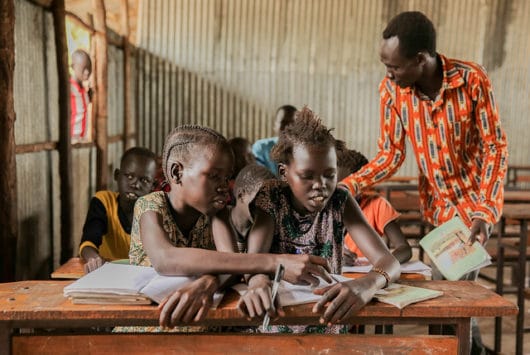
Lack of education is a contributing factor to the cycle of poverty. The 1989 ‘Convention on the Rights of the Child’ and the 1951 ‘Refugee Convention’ emphasizes the fact that access to education is a basic human right. However, approximately half of the world’s refugee children are out of schools. Access to schooling becomes increasingly difficult when countries enter conflicts and develop refugee camps.

The United Nations passed the ‘Convention on the Rights of Persons with Disabilities’ in 2006. The declaration clearly stated disabled peoples’ right to an education. This right is only accessible in 28 percent out of 193 states, and although there are many initiatives to support special education in refugee camps, further support is needed to help refugees with disabilities obtain and maintain the education they need.

Classification of Disabilities

Disability can be categorized into two branches: mental disability and physical disability. A mental disability is any mental disorder that affects the everyday life of an individual, and examples include post-traumatic stress disorder (PTSD), depression, intellectual disabilities and schizophrenia. A physical disability is an impairment of the body and/or a person’s motor abilities. These are either acquired at birth or as a result of a traumatic experience and include cerebral palsy, spina bifida, muscular dystrophy and amputations.

Obstacles Faced by Refugee Children

Special education in refugee camps is not an easy task to accomplish, and there are many obstacles that refugee children with disabilities must face in order to receive an education. The first obstacle is very simple to notice — the challenge of getting to school. In many large refugee camps, there are typically no more than a few schools that children can go to and children usually walk to school. For people with physical disabilities, transportation can pose a great problem, especially as most infrastructure is not built to accommodate disabilities. For example, an 8-year-old girl named Hayam lives in the Za’atari refugee camp in Jordan and suffers from muscular dystrophy. Hayam had to take a quarter-mile walk to her school every day, and her illness made this very difficult.

Another obstacle for people with disabilities is the misunderstanding of physical and mental disabilities in many communities. In many cases, people are taught to fear and look down on people who have disabilities. There are situations in which parents of able-bodied children do not want to have students with disabilities in the same classroom as their child for fear that their child’s education will be harmed.

Furthermore, integration into schools for refugee students can be a difficult task due to political, cultural, religious or linguistic differences. It can be extremely hard for schools to deal with these differences and misconceptions if they lack necessary resources, and such status is incredibly harmful to refugee children with disabilities as it can make it very difficult for them to receive schooling. Refugees are also likely to have PTSD and other related mental disorders due to witnessed trauma, and such effects can harshly affect education if there are no treatments for mental disorders that make it difficult for children to pay attention in class or attend school at all.

Organizational Support

UNICEF and Mercy Corps helped 100 students in the Za’atari refugee camps in Jordan. The two organizations have given wheelchairs to students who have physical disabilities and cannot walk. In another part of the world, the Karen Women Organization (KWO) works in Burma to support special education in refugee camps and rights for the disabled. Not only does KWO aim to ensure increased levels of education, but the organization also aims to support and expand care to children who have disabilities and educate the community.

In 2003, the KWO started the Special Education (SE) Project that runs in every Karen refugee camp. SE Project gives instruction to teachers in the schools and families at home to fully maximize the disabled child’s well-being and reach their goal of integration into society. KWO also helps to combat the misconceptions by creating various activities and workshops for those who are able-bodied and those who are not.

A nongovernmental organization helping refugees receive mental healthcare is the International Medical Corps (IMC). The IMC knows that mental illness is a huge limiting factor for education and they work to make sure there are ways that refugee children can acquire treatment. The group works with local partners in refugee camps to create spaces to talk and provide activities for children and adolescents to develop healthy habits and create relationships. IMC connects children to local youth support and sets up sustainable mental healthcare.

An Unalienable Right

Education is an unalienable right of every person, and special education in refugee camps is crucial for enabling the most endangered people to achieve this right. It is critically important that various organizations and governments continue to build systems that support the abilities of all, especially those most vulnerable.

– Isabella Niemeyer

Photo: Flickr

February 18, 2019
https://borgenproject.org/wp-content/uploads/borgen-project-logo.svg 0 0 Kim Thelwell https://borgenproject.org/wp-content/uploads/borgen-project-logo.svg Kim Thelwell2019-02-18 01:30:072024-05-29 22:58:02Ways the World Can Foster Special Education in Refugee Camps
Water Quality

Organizations Fighting Against Water Crises

Organizations Focused on the Water Crisis
Most of us can get a glass of water with the turn of a faucet. We even have the choice of which type of water we want to drink. But in many areas of the world clean water is completely inaccessible. Currently, 844 million people do not have access to clean water. Their lives revolve around trying to find or afford it and this cycle sends them into poverty for generations. Women and children face the greatest hardships from the global water crisis. They spend an estimated 200 million hours carrying water for their families.

These conditions are amplified by the fact that only 2.5 percent of water is drinkable and less than 1 percent is easily accessed through lakes and streams. The lack of safe drinking water contributes to 80 percent of disease in impoverished countries. The following organizations are focused on working so that the water crisis stops affecting those who need help the most.

Organizations Fighting Against Water Crises

  1. WaterCan is a Canadian charity working to increase clean water access, sanitation and hygiene education in impoverished areas. It was established in 1987 in order to break the cycle of poverty and sickness that affects areas without clean water access. The charity does not have a specific method of implementation but instead creates a unique solution for each area. It receives funding from the Canadian International Development Agency and individual donations.
  2. Drop In the Bucket is a grassroots organization formed in 2006. A small group of friends decided to fundraise to build a well in sub-Saharan Africa, and 12 years later, they have raised enough money for more than 350 wells. Drop In the Bucket not only installs wells in impoverished villages, but it also implements finance plans to maintain the wells it builds.
  3. WaterisLife. This organization has pledged to give safe drinking water to one billion people by New Year’s Eve of 2020. It focuses on educating the people it helps on the importance of clean water, sanitation and basic hygiene. It has also partnered with Innovative H2O to implement the SunSpring clean water system, a water treatment system that is completely self-sustainable, self-cleaning and can filter over 5,000 gallons of water every day for more than ten years.
  4. Blood: Water was formed in 2004 by the band Jars of Clay and activist Jena Lee. Its mission is to address the water crisis in Eastern Africa by focusing on individuals who were affected by HIV/AIDS. It works through the grapevine of communities to spread knowledge and awareness about hygiene and sanitation procedures, as well as all of the nearby locations with clean water. By increasing their awareness and education Blood: Water hopes to improve the longevity of people suffering from the autoimmune disorder and reduce the stress of access to drinkable water.
  5. This Shirt Helps. This organization was founded in 2011 on the idea that what matters most is what you do to help others. For every shirt sold buyer provides one month of education, one year of clean water, one animal saved or three trees planted for an area in need.
  6. Four men work to make the world a better place with Thirst Relief International. This organization is saving the planet from the water crisis by tailoring to the needs of impoverished areas with limited access to clean water. The methods they use to increase access to clean water are well drilling, well repairment, using BioSand filters and implementing the water, sanitation, and hygiene (WASH) program.
  7. The Blue Planet Network works to end the global safe drinking water crisis. Instead of directly implementing a program to build wells or educational resources, it functions as a networking service. The Blue Planet Network connects those in need with various partner organizations that go into areas of need and create direct clean water solutions.
  8. WaterAid is education based. The organization works with local partners to deliver clean water and decent toilets, promote good hygiene and campaign to change normal for everyone. Its goal for 2019 is to bring water into 29 schools in Colombia and Nicaragua.
  9. Run for Water also focuses on small regions that need clean water the most. This organization organizes runs in cities across the United States to raise funds for the sanitation systems in schools for a specific area. Access to clean drinking water will allow communities to function effectively and improve their overall health. The improved health of the children will allow them to gain a more comprehensive education, extend their quality of life, and contribute to the economy effectively one day.
  10. It requires one liter of water and one liter of oil to produce a single plastic bottle. The Dopper Foundation believes this is a waste of water and a threat to the Earth. The Dopper water bottle is reusable and has a warranty that allows broken and damaged parts to be sent back into the company and recycled. Five percent of every Dopper purchase goes to the Dopper Foundation that works to create safe access to drinking water in impoverished countries. In this way, Dopper bottles help the Earth and those in need.

Water is necessary for human life. These 10 organizations presented above go above and beyond to help ensure that this necessity is met without risk to the health of developing countries. From merchandise that donates money toward improved drinking water access to organizations that focus on specific cities and schools, each charity makes a huge impact on the lives of many people. Reducing world poverty is a step-by-step process and access to safe water and adequate sanitation facilities are only the beginning.

– Emily Triolet

Photo: Flickr

February 17, 2019
https://borgenproject.org/wp-content/uploads/borgen-project-logo.svg 0 0 Kim Thelwell https://borgenproject.org/wp-content/uploads/borgen-project-logo.svg Kim Thelwell2019-02-17 19:30:362024-05-29 22:58:11Organizations Fighting Against Water Crises
Global Poverty

Five Solutions for Reducing HIV in South Africa

Five solutions for reducing HIV in South Africa
South Africa has the largest HIV epidemic in the world with a prevalence of 18.8 percent of the country’s population aged from 15 to 49. Consequently, South Africa has some of the most comprehensive treatment and support systems for this issue. In addition to dedicated civil society organizations, the government has a guiding framework for reducing HIV in South Africa. One of such initiatives is the National Strategic Plan (NSP) for HIV, TB (tuberculosis) and STIs (sexually transmitted infections) 2017-2022 that aims to overcome barriers and set goals that could ultimately help influence global HIV infection management. In this article, five solutions for reducing HIV in South Africa that this country is implementing are presented.

Five Solutions for Reducing HIV in South Africa

  1. Address inclusivity. Reducing the HIV epidemic in South Africa requires caring for the most vulnerable populations in society: sex workers, men who have sex with men, transgender women and people who inject drugs. Discrimination, intolerance and neglect culminate in intense stigma consequently keeping these cohorts out of the research and clinics where valuable testing and treatment are available. In addition, up until recently, nationally available programs like the National Sex Worker HIV Plan and the South African National AIDS Council’s LGBTQ HIV Framework were unavailable. The creation of specialized programs to address the unique needs of a chronically abused population is a valuable first step towards reducing HIV in South Africa.
  2. Support women. Women and girls comprise more than half of the 36.7 million people living with HIV around the world. This statistic is even worse in South Africa where HIV prevalence is nearly four times greater for women and girls than that of men of the same age. These staggering high numbers are the result of poverty, systemic gender-based violence and intergenerational marriage. In addition to the programs identified above, nationally deployed resources like the She Conquers campaign provide multiple societal interventions like reducing teenage pregnancy and gender-based violence as well as providing educational support and business opportunities.
  3. Prioritize prophylactics. A little over three years ago, South Africa became the first country in Africa south of the Sahara to completely approve pre-exposure prophylaxis (PrEP), which stands for the use of antiretroviral drugs to protect HIV-negative people from infection. This initiative is a primary tenet in the NSP‘s first goal to acceleration HIV prevention, especially for the most vulnerable population. The goal is to increase PrEP treatments to nearly 100,000 participants in the coming years. In addition, campaigns to distribute condoms, educate the population and even encourage male circumcision are operating to reduce initial transmission by providing means to encourage safe sex thus keeping the entire population safer from infection.
  4. Deliver ART. South Africa has the largest antiretroviral treatment (ART) program in the world and UNAIDS estimates that 61 percent of South Africans living with HIV are receiving treatment in 2017. This figure has more than doubled since 2010. This success is largely due to the latest “test and treat” strategy that makes anyone who has tested HIV positive immediately eligible for ART treatment. Moreover, this strategy incentivizes the population to get tested which is a major barrier to reducing HIV in South Africa. Additional work is needed to encourage South Africans, specifically men, to get tested, as men tend to get tested and start treatment much later and at a more progressed stage of infection thus reducing effectiveness and placing the population, especially women, at risk. It is important to note that South Africa has made tremendous strides in reducing mother-to-child transmission (MTCT) largely because of the ubiquity and delivery of ART therapies. As a result, MTCT rates have been reduced by more than half between 2011 and 2016, achieving the national target for 2015 of a transmission rate below 2 percent.
  5. Treat Tuberculosis (TB). Tuberculosis is the leading cause of death in South Africa. HIV severely suppresses the immune system leaving victims vulnerable to all infections, however, TB is particularly difficult and without treatment, fatal. It is estimated that two-thirds of HIV-positive South Africans have TB. In response, South Africa’s NSP incorporated TB reduction strategies and sets forth priorities for reducing TB mortality.

These five solutions for reducing HIV in South Africa have been a successful start for the country as they tackle the world’s largest HIV epidemic. The government has developed a comprehensive, multi-dimensional plan that shows a lot of promise, however, following through remains questionable. National organizations like the Treatment Action Campaign question the government’s ability to remain engaged and accountable.

Addressing HIV requires relentless attention and civil society participation, especially since UNAIDS’ ambitious 90-90-90 (90 percent of all people know their HIV status, 90 percent HIV-positive patients will receive ART therapy and 90 percent of ART therapy patients will have viral suppression) goal to suppress and eliminate HIV and AIDS, all by 2020, is right around the corner.

– Sarah Fodero

Photo: Flickr

February 17, 2019
https://borgenproject.org/wp-content/uploads/borgen-project-logo.svg 0 0 Kim Thelwell https://borgenproject.org/wp-content/uploads/borgen-project-logo.svg Kim Thelwell2019-02-17 19:30:122024-05-29 22:58:19Five Solutions for Reducing HIV in South Africa
Page 1382 of 2463«‹13801381138213831384›»

Get Smarter

  • Global Poverty 101
  • Global Poverty… The Good News
  • Global Poverty & U.S. Jobs
  • Global Poverty and National Security
  • Innovative Solutions to Poverty
  • Global Poverty & Aid FAQ’s
Search Search

Take Action

  • Call Congress
  • Email Congress
  • Donate
  • 30 Ways to Help
  • Volunteer Ops
  • Internships
  • Courses & Certificates
  • The Podcast
Borgen Project

“The Borgen Project is an incredible nonprofit organization that is addressing poverty and hunger and working towards ending them.”

-The Huffington Post

Inside The Borgen Project

  • Contact
  • About
  • Financials
  • President
  • Board of Directors
  • Board of Advisors

International Links

  • UK Email Parliament
  • UK Donate
  • Canada Email Parliament

Get Smarter

  • Global Poverty 101
  • Global Poverty… The Good News
  • Global Poverty & U.S. Jobs
  • Global Poverty and National Security
  • Innovative Solutions to Poverty
  • Global Poverty & Aid FAQ’s

Ways to Help

  • Call Congress
  • Email Congress
  • Donate
  • 30 Ways to Help
  • Volunteer Ops
  • Internships
  • Courses & Certificates
  • The Podcast
Scroll to top Scroll to top Scroll to top