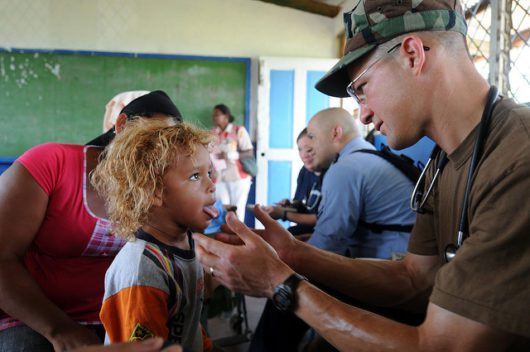
With its majestic beaches and year-round tropical climate, the Dominican Republic is certainly a top tourist destination in the Caribbean. However, the hot and humid tropical weather combined with limited access to clean water and sanitation services, constitute an ideal ecosystem for the spread of vector-borne diseases.
These are diseases that are transmitted through living organisms known as vectors. According to the World Health Organization, vectors such as mosquitoes, ticks, flies, among others, transmit infectious diseases between humans or from animals to humans.
The top vector-borne diseases in the Dominican Republic are Malaria, Dengue, Chikungunya and Zika.
In recent years, increased concern about these outbreaks has given rise to an intense national public health response to educate the population about preventative measures. Global initiatives have also been launched to eradicate these diseases as they continue to affect the population.
Top Vector-Borne Diseases in the Dominican Republic
Malaria. In 2018, there were 462 reported cases of Malaria in the Dominican Republic, representing a 22 percent increase compared to 2017. This virus is transmitted by the bites of female Anopheles mosquitoes. Main symptoms include fever, headache and chills. Although curable, it becomes life-threatening if treatment is not received as soon as the symptoms appear.
Global initiatives, such as the one launched in 2018 by the Bill & Melinda Gates Foundation together with the Inter-American Development Bank and the Carlos Slim Foundation, seek to end malaria in Central America and the Dominican Republic by 2022. This initiative will direct funds to close the technical and financial gaps preventing the implementation of Malaria elimination plans, ensuring that malaria remains a top health and development priority.
Dengue. There were three major dengue outbreaks in the Dominican Republic in 1998, 2000 and 2002. In 2018, there were 1,251 reported cases of Dengue, representing a 2 percent decrease compared to 2017. It is transmitted by the bites of female Aedes aegypti and Aedes albopictus mosquitoes. Symptoms include high fevers, shaking chills and flu-like illness.
The Dominican Red Cross together with the Ministry of Public Health, the Ministry of Education, the Prison System Directorate-General and Dominican universities, have been conducting concrete actions to aid dengue-affected individuals in the Dominican Republic. These actions include the deployment of volunteers who assist in the elimination of mosquito breeding sites, distribution of educational materials, larviciding, garbage removal and the cleaning of gutters. These efforts have contributed to a reduction in the risk of contracting Zika, Dengue and Chikungunya in 318 communities nationwide.
Chikungunya. There was a massive Chikungunya outbreak in the Dominican Republic in 2014, with 429,421 confirmed cases reported, which represented 65 percent of all reported cases from the Americas. Chikungunya is transmitted from human to human by the bites of infected female Aedes aegypti mosquitoes. Symptoms include high fever, joint pain, muscle pain, nausea and fatigue. As of 2018, the virus has been largely contained.
Zika. In 2016, a major Zika outbreak impacted the Dominican Republic, with 5,245 confirmed cases up to 2017. Transmitted by the bite of infected Aedes genus mosquitoes, symptoms include fever, rash, conjunctivitis as well as muscle and joint pain. It can cause microcephaly and other congenital abnormalities during pregnancy, as well as the Guillain-Barré syndrome in adults.
In 2018, with funding from the USAID, the Centers for Disease Control and Prevention (CDC) conducted Zika-related activities in the Dominican Republic, which include emergency response needs assessment, laboratory strengthening, vector control, surveillance capacity building, testing of mobile survey application, and a field epidemiology training program.
As the World Health Organization explains, a crucial element in preventing the outbreak of these vector-borne diseases is behavioral change. Educating the population about preventative measures to decrease the spread of these diseases will empower them to protect themselves.
The government continues to educate citizens about the importance of eliminating breeding sites around homes, schools and work sites. Additionally, the use of physical barriers and insecticide is recommended.
– Claudia Ratti
Photo: Google

10 Facts About Life Expectancy in Yemen
Historically, Yemen has been one of the poorest of the Arab countries. Since the civil war that broke out in 2015, the U.N. has found some alarming statistics on the state of the nation. In 2018, the number of Yemeni living in poverty is at a high of 79 percent, a 30 percent increase since 2017. The country is also experiencing other hardships as a result of the war. This includes concerns such as food insecurity, sanitation, healthcare access, nutritional needs, education, lack of access to clean water, a wavering economy and the displacement of people. Here are 10 facts about life expectancy in Yemen, both the causes and solutions to demonstrate the progress everyone has made.
10 Facts About Life Expectancy in Yemen
The problems that the Yemeni face are essentially all related, making them difficult to resolve. The conflict, for instance, has led to a decrease in funds and focus on vital public services, leading to the failure of sanitation and healthcare. However, international organizations like the UNHCR and ICRC are all stepping up to provide aid to thousands of families. Even individuals on a grassroots level are doing what they can to improve the situation. The 10 facts about the life expectancy in Yemen demonstrate the severity of the issue but also the ability for people all across the world to come together in efforts to help others.
Photo: Flickr
Ten Facts About Life Expectancy in Tanzania
Tanzania is home to Africa’s highest peak and borders the continent’s deepest lake, but among these geographical wonders lives East Africa’s largest population struggling to reach adulthood. According to the United Nations, Tanzania has the world’s largest youth population in modern history that, if cultivated with proper programmatic support, could result in unprecedented societal growth and progress as the population ages.
However, surviving childhood and staying healthy are major threats to an aging Tanzanian population where life expectancy is low. Lack of quality health care and poor sanitation contribute to high infant mortality and lives lost to preventable diseases. International aid is bolstering local and government-sponsored programs to address some of the most critical issues contributing to life expectancy in Tanzania, but more support is needed. In the article below, these and other issues are discussed in a form of 10 facts about life expectancy in Tanzania.
Ten Facts About Life Expectancy in Tanzania
The above presented 10 facts about life expectancy in Tanzania speak about the positive outcomes international and government solutions have on Tanzania’s population, but also highlight areas for further growth. Malaria is one of the leading deterrents for economic development and foreign investment in the country, and Tanzania did not meet the 2015 Millennium Development Goal targets for childhood or maternal mortality. With the proper support, Tanzania is on track to excel. The country’s future looks brighter (and older) than it did a mere decade ago.
Improvement of Life Expectancy in Russia
The life expectancy in Russia has risen to an average of 72 years. This is a great rise compared to the average of 57 years in 1994. The leading causes of death in Russia are heart disease, stroke, cancer, HIV/AIDS, and alcoholism.
The Drop in Life Expectancy in Russia During the 1990s
Russia’s life expectancy had unexpectedly dropped in the 1990s after the fall of the Soviet Union. However, the government turned it around at a quick rate and brought life expectancy back up. A study into life expectancy in the ’90s reports that the main causes for the drop were poor healthcare, economic and social instability and depression that developed in citizens during that period.
In 1992, the poverty rate was 34 percent. With the drastic change of political atmosphere and depression, alcoholism and suicide rates also rose in the 1990s post-Soviet Russia. At the same time, wages fell for most of the ’90s and only began to climb again after the turn of the century.
With the turn-around of the economy, a new government leader and various other improvements, the life expectancy increased. Some people attribute this change to the leadership of Vladimir Putin, but it mostly comes from an overall change in the governmental rule.
The Future Goal
The government, including Putin, does intend to increase the life expectancy further. The goal is to close the gap between men and women’s life expectancy rates. In Russia, men live almost more than a decade less than women. This is the highest degree of difference between genders in the world.
Women on an average live to the age of 80 while men barely hit 70. The lower rate for men comes from their high rate of alcoholism. Thirty-five percent of men in Russia drink more than 3 liters of vodka a week. Vodka is the cheapest alcohol in Russia and most readily available, as it is frequently produced in poor villages.
Because the demand for vodka is so prevalent, it is a booming industry that provides jobs and keeps some families out of extreme poverty. Unfortunately, this cycle benefits the people who get money but hurts the people who die because of their addictions. Due to this, it is hard to imagine the cycle will break anytime soon, especially since attempts to reform alcohol consumption in Russia has failed numerous times.
Current Focus: To Reduce Alcohol Intake in Russia
It is harder to deplete suicide rates, HIV/AIDS and cancer rates than it is to create a society that limits its alcohol intake. Alcoholism is supported as a way to cope with extreme poverty and harsh living conditions in Russia.
On the other hand, alcohol has been used as a means of political oppression in the country. As quoted by the Russian historian Zhores Medvedev in 1996: “This ‘opium for the masses’ [vodka] perhaps explains how Russian state property could be redistributed and state enterprises transferred into private ownership so rapidly without invoking any serious social unrest.”
When the outlook on alcoholism in Russia changes, then the life expectancy for men will increase. Though Vodka is not the most severe leading cause of death in Russia, it goes hand in hand with poverty and government action. Life expectancy in Russia has shown some improvement in recent years. However, it is important not to overlook those points that still need improvement.
– Miranda Garbaciak
Photo: Flickr
Top 10 Facts About Life Expectancy in Uzbekistan
Top 10 Facts About Life Expectancy in Uzbekistan
The Uzbekistan government is working toward reinforcing the country’s preparedness for climate issues. It is doing this with the support of The Green Climate Fund (GCF). GCF, which is a United Nations Development Programme (UNDP) project, is focused on accessing funds for climate financing and increasing private engagement. These recent strides demonstrate that Uzbekistan is well on its way to improving the stations of its individual citizens and the health of the nation as a whole.
– Raquel Ramos
Photo: Flickr
Top Vector-Borne Diseases in the Dominican Republic
With its majestic beaches and year-round tropical climate, the Dominican Republic is certainly a top tourist destination in the Caribbean. However, the hot and humid tropical weather combined with limited access to clean water and sanitation services, constitute an ideal ecosystem for the spread of vector-borne diseases.
These are diseases that are transmitted through living organisms known as vectors. According to the World Health Organization, vectors such as mosquitoes, ticks, flies, among others, transmit infectious diseases between humans or from animals to humans.
The top vector-borne diseases in the Dominican Republic are Malaria, Dengue, Chikungunya and Zika.
In recent years, increased concern about these outbreaks has given rise to an intense national public health response to educate the population about preventative measures. Global initiatives have also been launched to eradicate these diseases as they continue to affect the population.
Top Vector-Borne Diseases in the Dominican Republic
Malaria. In 2018, there were 462 reported cases of Malaria in the Dominican Republic, representing a 22 percent increase compared to 2017. This virus is transmitted by the bites of female Anopheles mosquitoes. Main symptoms include fever, headache and chills. Although curable, it becomes life-threatening if treatment is not received as soon as the symptoms appear.
Global initiatives, such as the one launched in 2018 by the Bill & Melinda Gates Foundation together with the Inter-American Development Bank and the Carlos Slim Foundation, seek to end malaria in Central America and the Dominican Republic by 2022. This initiative will direct funds to close the technical and financial gaps preventing the implementation of Malaria elimination plans, ensuring that malaria remains a top health and development priority.
Dengue. There were three major dengue outbreaks in the Dominican Republic in 1998, 2000 and 2002. In 2018, there were 1,251 reported cases of Dengue, representing a 2 percent decrease compared to 2017. It is transmitted by the bites of female Aedes aegypti and Aedes albopictus mosquitoes. Symptoms include high fevers, shaking chills and flu-like illness.
The Dominican Red Cross together with the Ministry of Public Health, the Ministry of Education, the Prison System Directorate-General and Dominican universities, have been conducting concrete actions to aid dengue-affected individuals in the Dominican Republic. These actions include the deployment of volunteers who assist in the elimination of mosquito breeding sites, distribution of educational materials, larviciding, garbage removal and the cleaning of gutters. These efforts have contributed to a reduction in the risk of contracting Zika, Dengue and Chikungunya in 318 communities nationwide.
Chikungunya. There was a massive Chikungunya outbreak in the Dominican Republic in 2014, with 429,421 confirmed cases reported, which represented 65 percent of all reported cases from the Americas. Chikungunya is transmitted from human to human by the bites of infected female Aedes aegypti mosquitoes. Symptoms include high fever, joint pain, muscle pain, nausea and fatigue. As of 2018, the virus has been largely contained.
Zika. In 2016, a major Zika outbreak impacted the Dominican Republic, with 5,245 confirmed cases up to 2017. Transmitted by the bite of infected Aedes genus mosquitoes, symptoms include fever, rash, conjunctivitis as well as muscle and joint pain. It can cause microcephaly and other congenital abnormalities during pregnancy, as well as the Guillain-Barré syndrome in adults.
In 2018, with funding from the USAID, the Centers for Disease Control and Prevention (CDC) conducted Zika-related activities in the Dominican Republic, which include emergency response needs assessment, laboratory strengthening, vector control, surveillance capacity building, testing of mobile survey application, and a field epidemiology training program.
As the World Health Organization explains, a crucial element in preventing the outbreak of these vector-borne diseases is behavioral change. Educating the population about preventative measures to decrease the spread of these diseases will empower them to protect themselves.
The government continues to educate citizens about the importance of eliminating breeding sites around homes, schools and work sites. Additionally, the use of physical barriers and insecticide is recommended.
– Claudia Ratti
Photo: Google
The Truth About Water Security in Gaza
The Gaza Strip is a Palestinian territory, located on the Mediterranean Sea, that borders with Egypt and Israel. However, it is separated from the West Bank, with Israel severely limiting movement of Gazans wishing to transit between the two territories. Additionally, since Hamas, a Palestinian Sunni-Islamist fundamentalist organization, got elected to power in 2007, the help from the Western nations to Gaza has been limited.
This has hampered Gaza’s infrastructure, including a resource vital for all life on Earth, water. Pollution and groundwater depletion are the major concerns, with some sources estimating that 95 percent of groundwater sources are contaminated in the area. Water security in Gaza depends mainly on improving infrastructures, such as sewage treatment and groundwater withdrawal practices.
A Brief History of Gaza
Following the partition of Israel into Jewish and Palestinian territories in 1948, Egypt occupied Gaza. The territory remained under the Egypt control until Israel seized it in the Six Day War of 1967. Israel withdrew in 2005 and only two years later, the Palestinian Authority was ousted in elections in favor of Hamas, considered to be a terrorist organization by most of the world. Israel’s response was a complete blockade of Gaza, limiting the abilities of goods and services to enter the territory.
With the blockade came severe restriction of movement for Gazans, at both the Israeli and Egyptian borders. Beginning with the second Intifada, the Palestinian uprising against Israeli occupation, Israel drastically reduced the number of Palestinian crossings at the Erez border, the only land crossing for the movement of the people, generally limited to humanitarian aid and medical treatment. Statistics outline the decline in crossings. Before the outbreak of the intifada in 2000, an average of 780,000 Palestinians entered Israel through Erez monthly. That number is now around 12,000. Such restrictive border controls have implications for water security in Gaza as well.
Water Security in Gaza
Water accessibility and quality in Gaza are quite poor. Compounding to the problem of poor facilities, Gaza’s location in a water-stressed, drought-prone region affects water security in Gaza. Israel handles droughts through innovate methods such as drip irrigation and desalination plants. The Israeli government can afford to finance these projects because they are a highly prosperous nation. However, these methods are a luxury in Gaza.
Gaza’s main source of drinking water for decades, an underground aquifer, is depleted, with rapid population growth outpacing supply. Consequentially, seawater from the Mediterranean is seeping in, making the aquifer largely unusable. Gaza imports desalinated water from Israel, but the tense situation on the border has resulted in an increase of just five million more cubic meters of water in 20 years, a meager amount for a population of over two million people.
International Response
The international community has a strategic interest in water security in Gaza. The present, squalid conditions in Gaza create an environment ripe for extremism and resentment towards its more affluent neighbor. Recently, Israel has approved a shipment of building materials to enter Gaza in order to construct a large desalination plant. A notable nonprofit organization called Interpal is providing Gazans with immediate solutions, such as water filtration systems. However, effective water quality reform will require infrastructure reform, as well as coordination with Israel to ensure lasting water supply in the region.
Water security in Gaza affects at least two million people living in the region but should concern the international community as well. Desperate conditions create desperate civilians, and given the history of conflict in the region, solving this problem is paramount. A water-secure Gaza improves Israel’s long term security and improves the security of the Middle East, which has positive implications for everyone.
– Joseph Banish
Photo: Flickr
Top 10 Facts About Living Conditions in Tunisia
Top 10 Facts About Living Conditions in Tunisia
- More work still needs to be done in increasing employment rates for youth and women in the country. Youth employment is one of the main issues that Tunisia faces. One solution is to enhance the capacity for job creation in the formal private sector. The unemployment rate of youth aged from 15 to 30 is higher than 30 percent. The unemployment rate for women is even more than this percentage in some areas. The percentage of the labor force with a college degree increased from 10 percent to 16 percent from 2000 to 2010, and this percentage keeps increasing. One issue facing those who are educated is that their quality of education does not meet the skills required for certain jobs.
- Some more progress can be made in Tunisia in decreasing the unemployment rate. In Tunisia, the unemployment rate increased from 15.40 percent in the second quarter of 2018 to 15.50 percent in the third quarter of 2018. The overall unemployment rate in Tunisia was 15.36 percent on average from 2005 to 2018. The largest percentage of the unemployment rate was 18.90 percent in the fourth quarter of 2011 and the lowest was 12.80 percent in the fourth quarter of 2007.
- Some progress has been made in increasing country’s GDP that has helped to ameliorate living conditions in Tunisia. From 2000 to 2014, Tunisia’s GDP increased from $21.47 billion to $47.59 billion. However, in the last few years, GDP decreased, and was at $40.25 billion in 2017.
- Significant strides have been made in decreasing poverty and extreme poverty. From 1995 to 2010, Tunisia has drastically reduced poverty from one million to 0.2 million people. From 2000 to 2015, poverty has decreased from 25 percent to 15 percent, respectively. In addition, extreme poverty has decreased to 3 percent in 2015 from 7.5 percent in 2000.
- Economic policies were implemented to decrease poverty in the country and they are the main reason why there was a decrease in poverty during periods where there was no economic growth.
- More work still needs to be done in making housing more affordable. Some issues households in Tunisia face is inflation and the small number of microfinance for housing, hindering the access to finance. The primary ways the government helps households finance affordable housing is through financial subsidies.
- The Ministry of Health governs the public health care system in Tunisia, bolstered by numerous public institutions. There are three levels of care in Tunisia: primary, made up of 81 clinics and 2,091 basic health centers, secondary, made up of 109 district hospitals, and tertiary, made up of 33 regional hospitals and 24 modern specialized centers and teaching hospitals. The public sector is the main health care provider in Tunisia, providing for 87 percent of hospital bed capacity, totaling to 31,936 beds.
- There have been substantial developments in Tunisia in moving towards universal health care coverage, which is in part demonstrated by the work of the National Health Insurance Fund. The annual health care spending in 2013 totaled to 7.1 percent of the country’s GDP. Thirty-seven percent of the cost was spent by Tunisian households, 35 percent was spent by the National Health Insurance Fund and 28 percent was spent by the government.
- The Tunisian government places a strong emphasis on education. There are three levels of education in Tunisia that are basic education, secondary education and higher education. The government sees the value in education for growing its human resources and has made primary education mandatory and at free of costs.
- Due to the decreasing quality of education and high unemployment rates of young graduates, the government is striving to overhaul its education system. After the 2011 revolution that marked the beginning of the Arab Spring, the Government of Tunisia has been endeavoring to make reforms in a Strategic Plan for the Education Sector 2016-2020. The objectives of the five-year plan are strengthening quality standards through teacher training, bolstering curriculum and infrastructure and improving the framework for private sector partnerships.
There has been significant progress in ameliorating the living conditions in Tunisia. While still more strides can and must be made in decreasing employment rates and making housing more affordable, the country has increased its GDP substantially, decreased poverty and extreme poverty as well. With more effort, a bright future is on the horizon for further improving living conditions in Tunisia.– Daniel McAndrew-Greiner
Photo: Flickr
Top 10 Facts About Girls’ Education in Mozambique
The Southeast African country of Mozambique has made great progress in education in terms of enrollment and access. However, retention rates the quality of education are still inadequate and are still a huge issue for the country. The top 10 facts about girls’ education in Mozambique presented in the text below will cover the successes and shortcomings of the school system in the country and the effects it has on girls and gender equality.
Top 10 Facts About Girls’ Education in Mozambique
These top 10 facts about girls’ education in Mozambique show that great strides in education and gender equality have been made in the country, but more work needs to be done. Teen pregnancies and marriages pose a major threat to girls’ education, keeping them in the cycle of poverty and oppression. Improvements to education allow them to break free of that cycle and pursue better lives for them and for their communities.
– Massarath Fatima
Photo: Flickr
Stressed and Depressed: Mental Health in South Korea
In South Korea, there is no such thing as a mental health problem. The national attitude concerning mental illness is not looked at as something that could and should be openly discussed. South Korea has always been advanced in its work ethic and technology breakthroughs. South Koreans are known to put in very long hours at the office as well as being very competitive, not to mention the amount of pressure put on students to do well in school.
However, the whole situation in the country, including educational and working pressure, has influenced the people and mental health in South Korea. According to the OECD data, South Korea has the second largest suicide rate in the world. According to government statistics, one in four South Koreans struggles with a mental health disorder at least once throughout their life. Sadly, the statistics also show that only one in 10 people will go seek some kind of professional help.
Old World Values
South Korean values traditionally center around Buddhism. These values accentuate modesty and family in the first place. Personal concerns are not the top priority to the family unit. “Talking openly about emotional problems is still taboo,” said Dr. Kim Hyong-soo, a psychologist and professor at Chosun University in Kwangju. South Koreans are stressed, depressed and are avoiding therapy at alarming rates. The South Korean thought process dates back to the old days where it was expected from a person to just grin and bear with the problems. This approach is active even today as South Koreans fear they will be stigmatized if they ask for help. Dr. Kim believes that eighty to 90 percent of the suicides in South Korea happens due to depression.
Bringing Awareness to the Problem
The South Korean government introduced the National Youth Healing Center under the Ministry of Gender Equality and Family in 2012. The program finds willing participants who suffer from mental health issues and have them participate in four-month treatment programs. The South Korean government also announced that $48.2 billion will be allocated for suicide prevention and mental health. This number is an increase of 7.7 percent from earlier years.
The Youth Health Programme works with the Korean Association for Suicide Protection. This particular nongovernmental organization encourages the education of “gatekeepers”, people who are meant to help identify citizens at-risk within their community. The Youth Health Programme helps to encourage safe talk that is also a training program that includes four stages: talk, ask, listen and keep safe. This program was aimed at younger people who could hopefully use these techniques to speak with their friends openly if they see that they are struggling.
Child Fund Korea
In 2017, Child Fund Korea sponsored 760,805 children. Child Fund Korea is the leading organization in South Korea for helping children in need. Its main goal is to provide each child with a healthy living environment, whether that is physically or mentally. Child Fund Korea understands that by starting young they may be able to help change the thought process on mental health in South Korea and persuade people to ask for help when in need.
Today, more and more South Koreans are realizing they need to figure out a way to deter stress from their life. As a result, South Korea holds the highest rates of cancer survivals while also having the ninth lowest obesity rate in the world. Yet, South Koreans are still stressing themselves to death. Thankfully, the South Korean government is understanding the need to educate its citizens in personal self-care. The government target is to reduce the suicide rate in the next five years from the current 26.5 per 100,000 people to 17, which is the current suicide rate in Japan. Success can only start when the stigma of mental health in South Korea and stress is recognized. Only then, the country and its people can move forward in full capacity.
– Jennifer O’Brien
Photo: Flickr
Recognizing and Preventing Lyme Disease
Lyme Disease is common in the United States since the ticks that spread it are indigenous to the Midwest and East Coast. Humans are actually incidental hosts for ticks, meaning that there is limited communicability from humans to other species, but the impact that Lyme Disease has on the populations that it affects is tremendous. In order to combat this issue, it is important to look at how Lyme disease affects humans, how people can protect themselves with prevention measures and how to better understand the nature of Lyme Disease and its symptoms.
How Lyme Disease Works
Different ticks transmit different diseases. Lyme disease, also known as (Borrelia burgdorferi), is a bacterial infection carried by the deer tick, also known as the Ixodes tick. Humans get infected after an Ixodes tick has been latched onto them for at least 36 to 48 hours because it takes time for the tick to propagate enough bacteria for it to spread to salivary glands and infect the blood.
There are three major stages to Lyme Disease.
Preventing Lyme Disease
According to the CDC, the best way to prevent Lyme disease is to protect yourself. First, it is important to be aware of where ticks are found, and second, use tick repellant frequently around areas of the body where clothing might not be sufficient to prevent bites or where the skin is exposed and ticks can directly access the skin. The CDC recommends tick checks, especially on children, in arms pits, in and around the ears, around the waist and inside the belly button, the back of the knees, all around the head and in the groin area. Making these checks part of the regular routine after outdoors activities is the best way to prevent long-term exposure to ticks.
If a tick is found on the body, then it’s important to be able to quickly and effectively remove it with a tweezer. If the tick is attached on the skin for fewer than 24 hours, than the chance of getting Lyme disease is much lower. It is also important to protect household pets from Lyme Disease, mainly by using tick pesticides around areas where the pets often go, like the lawn, and by discouraging close contact with deer.
Photo: Google