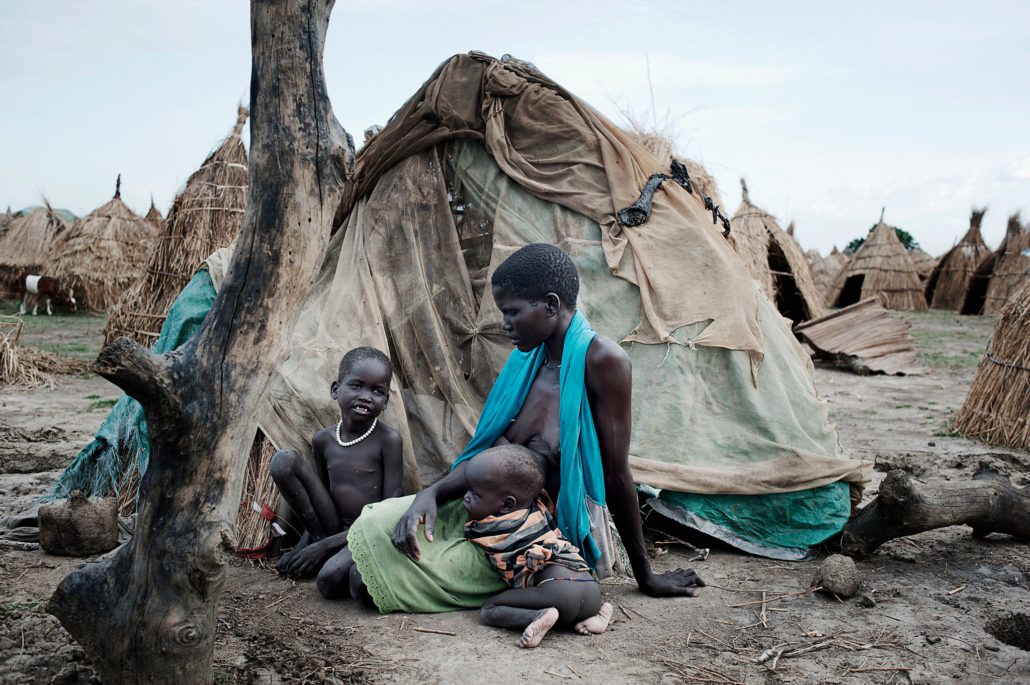
Sudan Refugee Crisis Response Amid Famine and War Sudan has been facing large-scale displacement since its civil war began in 2023. The conflict between the Sudanese Armed Forces (SAF) and the Rapid Support Forces (RSF) has forced millions of Sudanese to leave their country. The current displacement total is estimated at 11 million people, and the death toll is estimated at about 400,000. Sudanese displacement numbers currently surpass those of other global conflicts. For example, the conflict in Ukraine, now in its fourth year, has displaced around 6 million people. In addition to millions of Sudanese losing their homes, this displacement is causing widespread famine, poverty, lack of access to medical care and telecommunications blackouts. These issues highlight why the Sudan refugee crisis response needs attention.

Even with the high displacement numbers, there is no current sign of a peace deal that would end the conflict. Displaced Sudanese are fleeing to overwhelmed refugee camps in nearby countries such as Chad, Ethiopia and South Sudan. Organizations and governments are working to accelerate the Sudan refugee crisis response to meet growing demand.

Intervention by Nonprofit Organizations

Because of the conditions in Sudan, a number of nonprofit groups such as the United Nations Crisis Relief, Doctors Without Borders and Save the Children are in the area providing resources. Because of the growing famine, groups are prioritizing food access. For example, Save the Children is providing food, water, shelter and medical services that reach 224,000 Sudanese. While this is already a large number, many more are in need of services.  

Proposed Response Efforts

Sudan has experienced conflict in recent decades, including the Darfur War in 2003. Adding resources to the area is considered a strong investment because this is not the first period of displacement that Sudanese people have experienced. Building significant infrastructure in the region would help sustain responses to future crises. From there, governments and nonprofit groups could focus on long-term stability rather than immediate nutrition and medical needs.

The United Nations High Commissioner for Refugees (UNHCR) has developed a strategy it believes will best support the Sudan refugee crisis response. According to the UNHCR, there needs to be a focus on keeping borders open across seven countries to support asylum seekers. The U.N. and various nongovernmental organizations (NGOs) will then implement resources for displaced populations. This will include increased food access, medical care, expanded agriculture, general education and vocational education programs. To establish these programs without straining neighboring countries, the UNHCR has stated that a large investment must be made.

A Way Forward

The largest obstacle is the proposed budget for relief. The UNHCR estimates a need of $907 million to make this plan work. Because the number of displaced people is so large and issues like famine require quick action, significant resources are necessary. The most urgent needs, such as addressing famine, will be addressed with available and incoming resources, while funds can be raised for additional programs.

– Nicole Miller

Nicole is based in Pittsburgh, PA, USA and focuses on Global Health and Politics for The Borgen Project.

Photo: Flickr
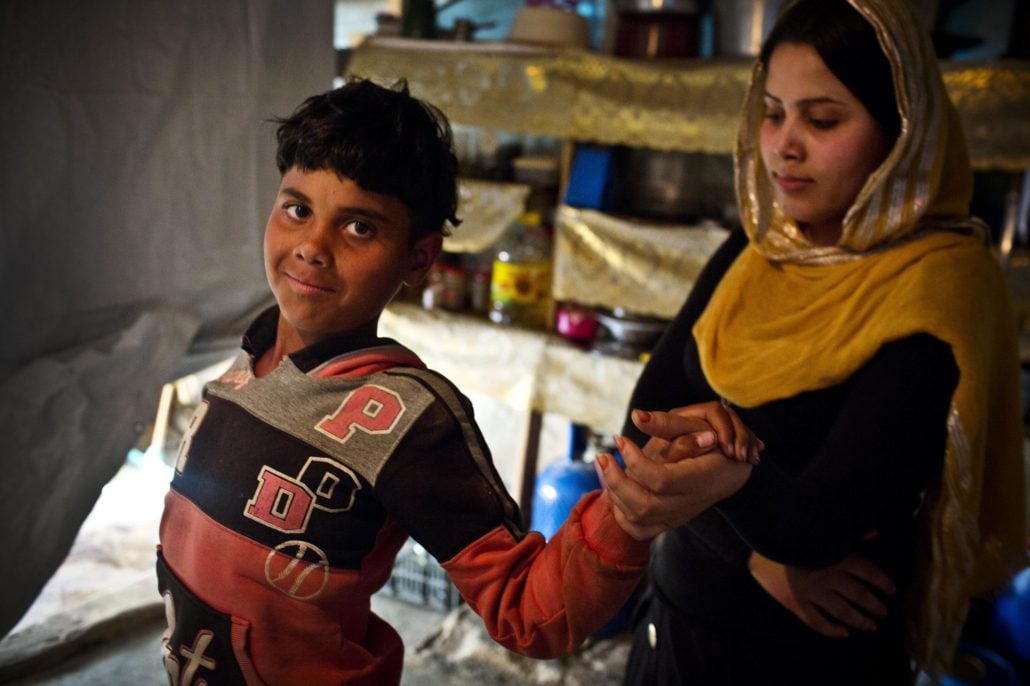
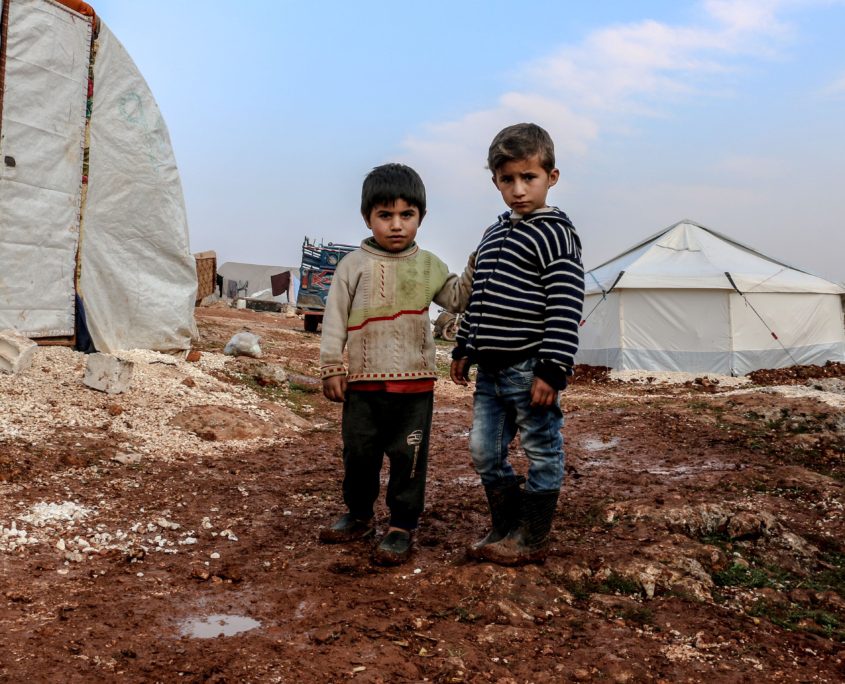
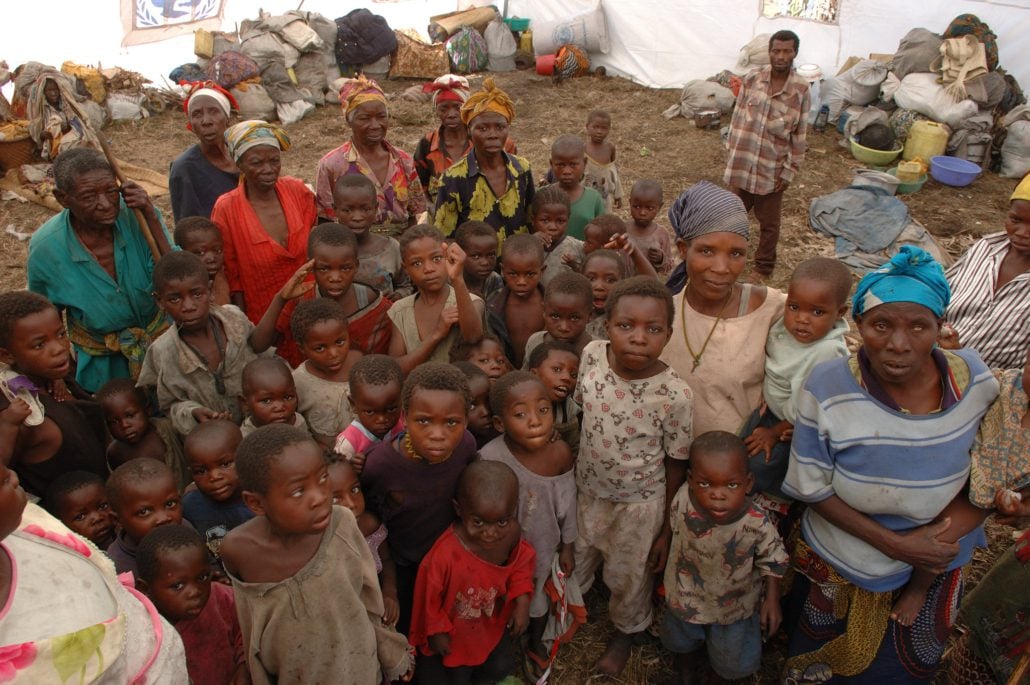
Job Training for Refugees in TurkeyTurkey hosts one of the largest refugee populations in the world, with more than 3 million registered Syrian refugees, according to the U.N. Refugee Agency. Economic pressures have made access to stable employment difficult for many displaced individuals and vulnerable citizens alike. In response, job training for refugees in Turkey has become a strategy to strengthen livelihoods while promoting shared economic participation.

Many refugees in Turkey face significant barriers when they try to enter the formal labor market, including limited access to certified vocational training, challenges with skills recognition and work permit requirements. The International Labor Organization (ILO) reports that regulatory and structural obstacles push many refugees into informal employment, increasing their vulnerability and limiting long-term stability. At the same time, rising inflation and labor market instability have placed growing economic pressure on Turkish citizens, particularly workers in lower-income sectors. In response, policymakers and development organizations design programs that align vocational training with employer demand and encourage businesses to hire workers formally.

Aligning Skills With Industry Demand

From November 2022 to January 2025, the United Nations Development Programme (UNDP) implemented a workforce initiative focused on Turkey’s textile sector. The project aimed to expand employment pathways for Syrian refugees and members of host communities through targeted vocational training.

The initiative, titled “Decent and Sustainable Job Opportunities for Refugees and Host Communities in the Turkish Textile Sector,” aligned training directly with labor market needs. Turkey’s textile industry remains one of the country’s major export sectors and a significant source of employment across manufacturing and supply chains. The Government of the Republic of Korea funded the project with $178,620. In 2023 alone, the program directed $131,522 toward training and implementation activities.

Rather than offering generalized training, the program developed sector-specific curricula in collaboration with textile industry partners to address identified labor market needs. It provided on-the-job training at employer premises, strengthening participants’ practical skills and increasing their chances of securing formal, sustainable employment. By working closely with private-sector actors, the project connected skills development directly to hiring pathways.

Promoting Shared Economic Participation

The project targeted both Syrian refugees and vulnerable Turkish citizens, aiming to strengthen social cohesion by expanding access to vocational training and formal employment pathways.

Access to formal employment plays a key role in economic stability. Formal jobs often provide regulated wages, safer working conditions and access to social protection systems. For displaced individuals, stable employment can reduce reliance on informal labor markets, which frequently offer inconsistent income and limited worker protections.

In addition to UNDP’s textile sector initiative, the International Labor Organization (ILO) has implemented broader employment and vocational training programs to improve refugees’ access to formal labor markets in Turkey. The ILO works with government institutions, employers and worker organizations to expand skills development, promote formal hiring and strengthen labor market governance.

Economic Integration and Long-Term Impact

The World Bank emphasizes that integrating refugees into labor markets can contribute to long-term economic growth when programs align skills development with employer demand. Workforce initiatives that connect vocational education to employer needs can reduce reliance on short-term assistance while strengthening national economies.

Beyond employment-focused initiatives, international agencies have also invested in strengthening the textile sector itself. The United Nations Environment Programme’s InTex Programme trained 230 industry representatives and supported 32 small and medium-sized enterprises in adopting eco-innovation and circular production practices in its first phase. By building technical capacity within the textile value chain, such programs demonstrate how skills development can improve both environmental sustainability and economic competitiveness in refugee-hosting countries.

Employment programs are increasingly recognized as a key component of refugee response strategies. International development agencies note that long-term displacement requires economic solutions that move beyond short-term humanitarian assistance. When refugees gain access to skills training and formal employment, they contribute to local consumption, industrial productivity and broader economic activity. Host countries may also benefit from addressing labor shortages in specific sectors.

Concluding Thoughts

The UNDP textile sector project concluded in January 2025 after completing its planned activities. By combining targeted skills training, industry partnerships and inclusive enrollment, the initiative demonstrated how job training for refugees in Turkey can contribute to poverty reduction, economic resilience and shared prosperity in refugee-hosting countries.

– Isil Ertas Senturk

Isil is based in Oakville, Ontario, Canada and focuses on Good News for The Borgen Project.

Photo: Flickr

Myanmar Refugees Access to EmploymentThailand has enacted a policy granting Myanmar refugees living in border camps access to employment. Reuters reports that this policy shift will grant 80,000 refugees the right to work; many of them have been living at these border camps for 40 years. According to UNHCR, around 47% of refugees were born in these shelters.

Background

A violent military regime drove the refugees out of Myanmar. Since then, they have been living in nine camps spread across the Thai border and have been completely dependent upon foreign aid. A diminishing foreign aid budget, particularly from the United States, has contributed to this decision.

According to Léon De Riedtmatten, executive director of the Border Consortium (TBC), the United States was one of the largest donors to the refugee camps. The TBC is one of the largest suppliers of food to the camps. The current administration has significantly reduced the overseas budget this year, which has, in turn, forced the TBC to provide aid only to the most vulnerable. According to De Riedmatten, Thai officials knew that no other government would be willing to support as much as the United States would.

As a result, Thai officials approved employment access for Myanmar refugees to reduce labor shortages and protect human rights. Cambodian workers leaving the labor force following an armed conflict at the border also influenced this policy change.

Economic Impacts

Tammi Sharpe, a UNHCR representative, has emphasized this development as a turning point. According to Sharpe, “With this policy shift, Thailand transforms hosting refugees into an engine of growth – for refugees, for host communities and for the nation as a whole.” She further confirms that providing employment access to Myanmar refugees benefits both Thailand and the refugees themselves.

Refugees will have the opportunity to provide for themselves and their families while also stimulating the Thai economy. Job growth is expected to increase as thousands of Myanmar refugees join the workforce and, in turn, the national GDP is also projected to rise. This marks a positive step toward poverty reduction.

As more refugees gain employment, dependence on aid is expected to decrease, while social mobility improves. Sharpe explained that the UNHCR has partnered with the World Bank to analyze economic data tracking how refugees are entering and participating in the formal job market. Humanitarian organizations also hope to expand employment access for refugees living outside the camps.

Conclusion

Granting Myanmar refugees access to employment marks a turning point in their relationship with Thailand. It will serve as a mutually beneficial process; Myanmar refugees will receive the means to support themselves and increase their standard of living, while the Thai economy will experience a boost in job growth and GNP. Poverty will diminish directly for the refugees and indirectly over time for people living in Thailand via systemic change. Overall, this policy change provides a hopeful trajectory for the country’s economic future.

– Sasha Banaei

Sasha is based in San Diego, CA, USA and focuses on Business and Good News for The Borgen Project.

Photo: Flickr

Migration to LebanonLebanon has a long history as a migrant-sending country, with large Lebanese diaspora communities established worldwide. However, the country’s ability to host newcomers has been weakened by a deep and prolonged economic and social collapse. Today, migration to and movement within and from Lebanon cannot be understood without accounting for poverty. Poverty has skyrocketed among Lebanese households, with an estimated 44% of the population being affected in 2024, tripling in the last decade.

Who Is Migrating to and Within Lebanon?

  • Refugees: Migration to Lebanon, since 2011, has been dominated by people fleeing the Syrian civil war. The proximity of Lebanon to Syria makes it a primary destination for migration. At their peak, the number of Syrians in Lebanon reached more than one million, which is equivalent to a very large share of Lebanon’s total population. This means Lebanon has the highest per capita concentration of refugees globally 
  • Migrant workers: Lebanon is also a destination for migrant laborers, particularly domestic workers, live-in helpers and other low-wage laborers from countries like Ethiopia, Bangladesh, Sudan and many others. These individuals typically move for economic reasons, as jobs abroad may offer higher wages than at home, even though conditions in Lebanon are precarious and the country’s own economic collapse has made many migrant workers extremely vulnerable. A 2024 report estimates that more than 11,000 refugees and asylum seekers in Lebanon are of non-Lebanese nationalities, including Iraqi, Sudanese and Ethiopian.
  • Lebanese returnees: Many Lebanese returnees are members of the diaspora, people who emigrated during and after the civil war (1975-1990) and later in subsequent waves of economic and political crisis. A 2019 study tracing the return of 200 Lebanese returnees found that most people had previously lived in Saudi Arabia, France, Sierra Leone, the Ivory Coast, Canada, Togo, the USA, Dubai, Kuwait, Australia and Venezuela. The study found that significant reasons for returning include family life, family reunification, to invest in Lebanon, better job opportunities, improved lifestyle and due to children.

Life in Lebanon for Migrants

Refugees typically rely on informal work, casual labor and even child labor due to the scarcity of formal work. Because of poverty, survival work dominates rather than stable jobs. Sectors of work can include agriculture (especially in Bekaa and Akkar), day labor, construction, small trade and domestic work. This is often under precarious terms, as there are weak legal protections.

Due to domestic workers being excluded from Lebanese Labor Laws, in many cases, migrant workers suffer abuses such as withheld pay, excessive working hours, confiscated passports, restriction of movements and lack of rest days. The deep economic crisis in Lebanon means public services like health, education and utilities are under severe strain, with refugees bearing a disproportionate burden. Up to nine in 10 Syrian refugees require humanitarian assistance to meet basic needs.

Refugees are often in competition with the host community for scarce public resources, which raises risks of social tension and divisions in communities.

The Good News

Despite the severe poverty facing both citizens and migrants in Lebanon, many projects are working to support communities and improve access to essential services. Numerous charities are raising funds for these efforts; for example, an initiative to build an orphanage and medical center in northern Lebanon has raised more than $100,000. This would provide a lifeline for children, offering a chance to heal, grow and prosper within the safety of a facility that cares.

The U.N. Refugee Agency also works tirelessly in Lebanon to provide shelter, legal aid, protection and cash assistance to people in need. This organization provides both temporary, life-saving support and sustainable, long-term solutions. It also facilitates activities that promote peacebuilding and social stability. In addition, it teaches basic literacy and numeracy skills to refugee children and helps older students access higher education opportunities.

– Abigail Gadsden

Abigail is based in Kent, UK and focuses on Good News and Celebs for The Borgen Project.

Photo: Flickr

Mindfulness Practices to Support Refugees in Conflict and PovertyAs of late 2024, there are more than 40 million refugees worldwide. Many live in high-poverty, conflict-affected environments where well-being is undermined by high rates of trauma, depression, anxiety and stress. These challenges are worsened by limited access to food, housing and economic resources. Structured mindfulness-based interventions (MBIs) and mindfulness practices—such as meditation, yoga, art therapy, walking and sitting—are cost-effective ways to improve well-being and reduce trauma’s long-term effects. Global nongovernmental organizations (NGOs) and mental health organizations are implementing these approaches to support the health of displaced populations.

Refugee Mental Health Challenges

Several factors undermine refugees’ mental health:

  • Poverty
  • Discrimination
  • Family separation
  • Unsafe environments
  • Loss of social networks
  • Limited resources

According to the World Health Organization (WHO), one in five individuals affected by conflict will experience depression, anxiety, post-traumatic stress disorder (PTSD), bipolar disorder or schizophrenia. Refugee aid bases are often congested, which can increase stress for individuals who do not receive clear information on where to access essential resources. Services are further strained by staff shortages, insufficient medication and inadequate training for emergency responders.

Mindfulness Practices to Support Refugees

Mindfulness practices—including meditation, breathing exercises, art therapy, yoga and mindful walking—support refugees by regulating emotions, reducing stress and building resilience. Trauma-sensitive mindfulness (TSM) allows refugees to observe difficult emotions without becoming overwhelmed.

  • Breathing practices provide immediate tools for grounding during anxiety.
  • Art therapy offers a nonverbal outlet for refugees facing language barriers.
  • Yoga and mindful walking reconnect body and mind to restore safety and presence.
  • Meditation, which focuses attention on a single object such as the breath, helps complete the stress cycle and release stored trauma.

Together, these low-cost, culturally adapted practices offer accessible healing for displaced communities.

Evidence of Impact

Mindfulness practices foster self-compassion and build long-term resilience, which are vital for refugees who often live with chronic insecurity and displacement. Programs run by NGOs and community organizations show measurable benefits:

  • Mindfulness Across Borders supports Syrian and Afghan women and children in the Idomeni camp in northern Greece.
  • Meditation Without Borders runs meditation programs in Rwanda in partnership with local women’s organizations.
  • Reaching Across Borders delivers community-based services in the Bekaa Valley, Lebanon.
  • The Observing Minds Lab adapts trauma recovery programs for refugees in Europe, the Middle East, Africa and North America.

These initiatives demonstrate that mindfulness reduces post-traumatic stress disorder (PTSD), depression and anxiety while improving overall well-being. Aid workers trained in mindfulness also report less burnout and greater capacity to support traumatized populations.

Looking Ahead

Refugees face immense mental health burdens, but mindfulness practices and interventions offer scalable, evidence-based tools to reduce trauma and improve well-being. Stronger funding and policy support can expand these programs, helping build resilience and stability for millions of displaced people around the world.

– Miranda Yacynych

Miranda is based in Pittsburgh, PA, USA and focuses on Good News and Global Health for The Borgen Project.

Photo: Flickr

Health Care to RefugeesJordan is one of the world’s largest refugee-hosting countries relative to population. It shelters more than 3 million migrants and refugees, including more than 1.3 million Syrians, along with Iraqis, Palestinians, Yemenis and others. This influx has placed considerable strain on Jordan’s national health system, which must balance the needs of citizens with those of displaced populations. The challenge has grown increasingly political, raising questions of equity, inclusion and national identity.

Policy Evolution and the 2019 Reform

Jordan’s refugee health policy has evolved through a complex interplay of humanitarian priorities and national politics. Since 2012, the country’s Ministry of Health has collaborated with international partners, including UNHCR, WHO, UNICEF and bilateral donors, to integrate refugees into existing public health services, rather than establishing parallel systems. This model sought to ensure sustainability while maintaining the state’s control over its health infrastructure.

In April 2019, Jordan introduced a major policy change: Syrian refugees registered with UNHCR were permitted to access public health care at the “noninsured Jordanian rate,” effectively restoring access to government facilities after a period of reduced subsidies. This measure reflected an attempt to balance national cost constraints with humanitarian obligations and international diplomacy.

According to analyses by researchers, this decision was influenced by shifts in both domestic politics and global funding flows. Initial momentum for refugee inclusion, strong during the early years of the Syrian crisis, began to decline as fiscal pressures intensified and political attention shifted. Jordan’s leadership weighed the costs of long-term refugee care against concerns about public resentment and donor fatigue.

Donor Politics and the Multi-Donor Trust Fund

To sustain health-service delivery for refugees and vulnerable Jordanians, the government established the Jordan Response Plan (JRP) framework and a Health Sector Working Group. These bodies coordinate with the Jordan Health Fund for Refugees (JHFR), a multi-donor trust fund managed by the World Bank and the Ministry of Planning and International Cooperation. This mechanism pools donor contributions from the European Union (EU), Canada, Germany and other countries to support public health facilities that treat refugees.

The fund represents a hybrid model where humanitarian assistance and national systems converge, blurring traditional lines between emergency relief and development aid. Such arrangements also reveal how refugee health policy in border-host states is inherently political. International partners influence policy through funding priorities, while Jordan’s government uses refugee-health initiatives to strengthen diplomatic ties and demonstrate regional stability. Researchers argue that this dynamic reflects “policy integration by necessity,” a balancing act between sovereignty and donor expectations.

Equity and Inclusion in Practice

Despite the use of inclusive policy language, access remains uneven. Studies of Syrian and Palestinian refugees in Jordan show that health care equity depends heavily on legal status, registration and location. Refugees registered with UNHCR generally qualify for subsidized public health services. However, unregistered or urban refugees often face high out-of-pocket costs.

Research also finds that gender, chronic illness and camp residency shape who can obtain care. For example, while camp-based refugees may receive consistent primary care from NGOs, urban refugees struggle with costs for hospital care and medicines. The WHO’s 2023 review noted that health service utilization among refugees is constrained by both financial and administrative barriers, even where policies formally allow for inclusion.

This disparity underscores how refugee health is as much a political question of belonging as a technical challenge. When governments define access tiers by citizenship or registration, they reaffirm boundaries of national identity, determining who is seen as part of the social contract and who remains outside it.

Health Care as Diplomacy and Strategy

Jordan’s refugee health policy has also become a form of regional diplomacy. By maintaining access for Syrians and cooperating closely with international agencies, Jordan projects stability and reliability to donors and neighboring states. The World Bank and WHO both highlight Jordan as a leading example of a country “integrating refugees into national systems” within the Eastern Mediterranean Region.

This approach aligns humanitarian and strategic interests: providing health care prevents disease outbreaks, reduces social tensions and supports regional security. It also strengthens Jordan’s leverage in international negotiations, where hosting millions of refugees positions the country as a key partner for the West.

Lessons for Other Border-Host States

Jordan’s effort illustrates that refugee health policy is not solely a humanitarian issue but a political ecosystem involving ministries, donors and citizens. Effective inclusion relies on sound fiscal planning, effective diplomatic management and public trust. When handled strategically, as in Jordan’s integration model, health care for refugees can enhance both human security and state resilience.

For other border-hosting nations, the Jordanian case offers three takeaways:

  1. Integrate refugee care into existing national systems rather than creating separate structures.
  2. Align donor funding mechanisms with government priorities to ensure sustainability.
  3. Recognize that equitable access to health care reinforces social cohesion and prevents instability.

Providing health care to refugees, therefore, is not only a moral responsibility but also a strategic investment in regional peace and long-term system resilience.

– Clara Garza

Clara is based in Los Angeles, CA, USA and focuses on Global Health and Politics for The Borgen Project.

Photo: Flickr

Lifting Hands InternationalAfghanistan, a country located between Central and South Asia and with a population of 42.65 million, has faced more than 40 years of conflict and instability. This has led to a refugee and displacement crisis with many Afghans in desperate need of humanitarian support. However, whilst the refugee crisis is incredibly concerning, many organisations such as Lifting Hands International are actively aiding refugees from Afghanistan.

Afghanistan Refugee Crisis

Afghanistan has a long history of conflict; however, that is not the only cause of the refugee crisis, but just one contributing factor. UNHCR states that other causes of the prolonged crisis are ‘natural disasters, chronic poverty, food insecurity, COVID-19 pandemic, and most recently a changeover in government authorities’. The complex and intertwined causes of the displacement of Afghans can, therefore, account for the scale of the crisis. The U.N. reported that 10.3 million Afghans are still facing displacement both within their country and globally, with 5.8 million Afghans displaced around the world.

Iran and Pakistan

The Islamic Republic of Iran and Pakistan are the two countries with the largest number of Afghan refugees, with Iran hosting 3.5 million and Pakistan hosting 1.6 million, according to UNHCR. However, whilst these countries have accommodated displaced Afghans over the decades-long period of violence and instability, the recent efforts by the UNHCR in Iran and Pakistan, aiming to aid refugees from Afghanistan by enabling them to return home voluntarily, saw the number of Afghan refugees decrease by 10% at the end of last year.

However, as the World Bank reported in April this year, despite Afghanistan’s economy increasing by 2.5% in 2024, the return of refugees has increased the strain on an already fragile economy. Afghanistan’s high unemployment rates have led to increased food insecurity, with 14.8 million people suffering food shortages. Therefore, whilst aiding refugees from Afghanistan in returning home is important work, it is also key to continue to focus on supporting refugees in their host country as not to contribute to instability in Afghanistan.

Lifting Hands International

Lifting Hands International is a charity that has been providing aid to refugees around the world since 2016. After the Taliban took over Afghanistan in 2021, the U.S. government launched the program, Operation Allies Welcome, to resettle Afghan refugees in the U.S. However, the housing items needed for Afghans to transition into residential housing, if not donated, comes out of their small stipend. Therefore, Lifting Hands International partnered with the International Rescue Committee (IRC) to support their resettlement, providing groceries, school supplies, beds, and handmade quilts.

Furthermore, in addition to aiding refugees from Afghanistan in the U.S., Lifting Hands International also provides vital support to those suffering displacement within Afghanistan who often have to travel long distances to get water and suffer severe food insecurity as well. Lifting Hands International tackles this crisis by distributing essential aid supplies to the internally displaced, with a total of 9,045,218 aid items distributed across all of their programs.

Looking Forward

Whilst the refugee crisis is incredibly concerning, the many initiatives and charities dedicated to aiding refugees from Afghanistan are doing incredible work at eradicating the suffering of those displaced both within the country and globally. Continued advocacy and support for these charities is, therefore, essential in tackling the crisis.

– Victoria Adrados

Victoria is based in London, UK and focuses on Technology and Solutions for The Borgen Project.

Photo: Flickr

Refugee Education in JordanHundreds of thousands of refugee children in Jordan remain cut off from their right to education, not because they lack the will to learn but because layers of bureaucratic red tape block them. Human Rights Watch reports that schools often ask families to present documents that many refugees cannot obtain, such as valid legal residency papers or certified school transcripts from the countries they fled. For those who escaped war or persecution with little more than the clothes on their backs, these requirements become impossible to meet. Hidden administrative fees and long processing delays further complicate the process, leaving even the most determined parents struggling to get their children into classrooms.

Jordan’s Struggles with Access to Education

Nearly one in three Syrians registered with the United Nations (U.N.) refugee agency in Jordan—about 226,000 of 660,000—are children between the ages of 5 and 17. In 2017, more than 80,000 of them did not receive any form of formal education. These obstacles keep countless children, particularly those from Syria and Sudan, out of classrooms and expose them to greater risks of child labor or early marriage.

A mother of an 8-year-old Syrian refugee student, Muhannad, shared her story: “I had a lot of difficulties with Muhannad, especially when he was diagnosed with autism. He didn’t like going to school, and the fact that teachers weren’t trained to deal with his case made it more difficult.”

Many families fled from Syria without official documentation or necessary civil documents, making enrolment for education nearly impossible. Additionally, the Jordanian Interior Ministry requires Syrian refugees to obtain a “Service Card,” which is often tied to a specific district. This creates an issue for families who have to move around to find work. 

Furthermore, Jordanian education authorities prohibit the enrollment of children who have been out of school for three years or more. This rule makes it extremely difficult for children affected by conflict and unable to secure the required documents to access basic education.

The culmination of these factors, along with asynchronous societal changes, has caused societal and economic shifts in Jordan to outpace the education system’s ability to adapt. Furthermore, significant policy and data gaps persist, particularly regarding unregistered refugees, creating a lack of comprehensive understanding of their educational needs.

Jordan’s Innovative Double-Shift School Model

Despite hosting one of the world’s largest Syrian refugee populations, the government, backed by international partners, has introduced “Double Shift” schools. Introduced in the 1960s, this pragmatic educational system addresses overcrowding within the education sector, simplifies registration procedures and significantly expands access to public education. This approach reflects the 2015 U.N.-sponsored Refugee Response and Resilience Plan (3RP), which promotes inclusive education by offering access to a wider curriculum, additional resources, teacher training and national accreditation of established education systems, improving educational experiences for Syrian refugees.

The Double Shift system not only eases access to education for both Syrian refugees and Jordanian children but also provides hundreds of thousands of students with a sense of normalcy by utilizing existing infrastructure and requiring minimal new financial resources.

The Double Shift Model: Implementation

The Double-Shift School Model is the most notable strategy for keeping refugee education in Jordan accessible. Under this system, the regular school day is divided into two separate sessions: Jordanian nationals typically attend classes in the morning, while Syrian refugee students take their lessons in the afternoon. By running two full school days back-to-back in the same buildings, the Ministry of Education makes far better use of existing facilities, significantly reducing the need for costly new construction or additional school sites.

This arrangement not only allows tens of thousands of refugee children to receive a formal education that might otherwise be out of reach but also helps relieve overcrowding, maintain smaller class sizes and keep local communities more cohesive. International partners such as the United Nations International Children’s Emergency Fund (UNICEF) have provided teacher training, materials and funding to sustain the model, demonstrating how targeted collaboration can turn a severe capacity crisis into an opportunity for inclusive education.

The Future of Refugee Education in Jordan

Greater funding for the U.N. Refugee Agency (UNHCR), Education Cannot Wait and similar programs, combined with sustained diplomatic engagement, could encourage governments to remove paperwork barriers and adopt inclusive education policies. These efforts can improve infrastructure, enhance teacher training and strengthen the Ministry of Education’s capacity for data-driven planning and crisis-responsive systems.

Jordan has made significant strides in providing wider access not only to its citizens but also to the influx of Syrian refugees by implementing the “Double Shift” programs and “cash for education” systems. Organizations such as UNICEF provide cash-based assistance to families, helping them cover the costs of transportation, uniforms and school supplies, thereby encouraging and incentivizing children to stay in school.

– Carise Wallbank

Carise is based in the United Kingdom and focuses on Global Health for The Borgen Project.

Photo: Flickr

Shirika PlanKenya is currently hosting more than 850,000 refugees and asylum seekers. Many are fleeing conflict, repression and climate-related disasters in Somalia, South Sudan and the Democratic Republic of the Congo. Those living in these camps rely heavily on humanitarian funding.

Kenya’s encampment policy requires refugees to live in two major camps, Dadaab and Kakuma, located in remote, arid regions of the country where agriculture is unfeasible. As a result of the U.S.’s humanitarian aid cuts, Kenya’s refugee camps were plunged into crisis.

Due to U.S. cuts, only 181 million out of 300 million people worldwide in need received aid in 2024. The impact of these cuts is especially evident in Kenyan refugee camps. Despite the ongoing refugee crisis, its government is rethinking its approach by implementing the Shirika Plan: a pioneering approach focusing on individual freedom and self-sufficiency instead of relying on foreign aid.

The Impact of Humanitarian Aid Cuts

The U.S. cuts to humanitarian aid under the Trump administration are having dire implications for those living in refugee camps. These cuts directly harm livelihoods and undermine refugee-led organizations that promote self-reliance.

The impact of these cuts was documented in a 2022 University of Oxford study in Kakuma that examined the effect of aid on the ground. Halfway through the study, the World Food Programme (WFP) was forced to cut assistance to the camp by 20%. This left people with a daily wage of $13.

Caloric intake in the camp dropped by 7%, with people eating a less diverse and lower-quality diet due to these cuts. One Somali refugee told the team of researchers, “After the aid reduction, the lives of refugees became hard. That was the money sustaining them… Hunger is visible.”

The situation has since worsened; in June 2025, the ration was cut again to the equivalent of $5 per month. In addition, frequent delays in distribution only exacerbate the Kenyan refugee crisis, leaving families with less than their basic nutritional needs. Because of this, Kenya has had to adopt a new approach to the refugee crisis.

The Shirika Plan

Born of the Refugee Act No.10 of 2021, which emphasised governmental commitment to refugee welfare and finding sustainable solutions, the Shirika Plan signalled a significant shift in refugee policy. A multiyear initiative that aims to transform camps into integrated settlements, this plan promotes the socioeconomic inclusion of around 83,000 refugees in northern Kenya.

Local initiatives such as the Kalobeyei Integrated Socioeconomic Development Plan (KISEDP) and the Garissa Integrated Socioeconomic Development Plan (GISEDP) aim to integrate refugees into Kenya’s development agenda. These programs produce what has been dubbed a “triple benefit”: enhancing self-reliance, reducing aid dependency and strengthening host communities’ economies. The Shirika Plan also begins to address the problem of waning humanitarian aid while promoting dignity among refugees.

However, as a relatively new initiative, the benefits need time to take shape. Kenya must adopt a comprehensive refugee management policy to achieve seamless coordination across Kenyan ministries, departments and humanitarian agencies in rolling out the plan.

The Next Steps

Born out of necessity, the Shirika Plan represents a shift in political outlook and a move toward sustainable, long-term solutions. Although still in its infancy, this pioneering approach breaks away from decades of refugee policy that confined displaced people to remote settlements and reliance on international aid.

– Libby Foxwell

Libby is based in Sherborne, Dorset, UK and focuses on Politics for The Borgen Project.

Photo: Flickr

Uganda's RefugeesHosting the most asylum-seekers in Africa and the fifth most in the world, Uganda offers refugees a safe and welcoming place. The country employs an open-door policy to help anyone in need. Currently, more than 1.7 million refugees live in Uganda, most from neighboring countries facing humanitarian crises. Many have come from the Democratic Republic of Congo, South Sudan and Somalia—countries battling war or terrorism. About 54% of Uganda’s refugees are children and 26% are women, many of whom have lost their families and endured severe sexual and physical violence. For many, Uganda is the first safe place they have experienced.

Uganda’s commitment to hosting refugees goes beyond providing shelter. The government, along with international organizations, has implemented initiatives to help refugees rebuild their lives. These efforts reflect the country’s broader approach to refugee welfare, turning policy into tangible support for millions of displaced people.

Support Available to Uganda’s Refugees

  • Land. Uganda offers refugees small plots of land to grow and cultivate food. About 78% of rural refugees own agricultural land. This not only helps refugees support themselves and their families but also boosts Uganda’s economy and is a key reason the country can house so many.
  • Education. All child refugees receive a free education. There are also initiatives beyond basic schooling, including programs for adults. The U.N. High Commissioner for Refugees (UNHCR) has worked in the country to help prevent gender-based violence (GBV). A total of 135,080 men, women and children took part in a program that increased awareness of GBV, particularly male accountability. In addition, 27% of child refugees aged 5 to 17 received support for psychosocial development and 20,000 parents and caregivers received positive parenting training to strengthen child well-being and safety.
  • Green Initiative. By December 2024, 68,062 refugee and host community households in Uganda had received energy-efficient cookstoves, covering 44.5% of refugee households since 2020 and reaching 75.6% of the 2024 response plan target. Refugees also produced 45.1 tons of briquettes, most of which were sold for income. The cookstoves improved daily life as well, providing a cleaner option that helps prevent respiratory issues.
  • Health Care. As well as receiving free basic health care, Ugandan refugees are vaccinated to prevent potential pandemics. The Global Alliance for Vaccines and Immunization (GAVI) and the United Nations Children’s Fund (UNICEF) supplied 98.1% of refugees in Uganda with the measles vaccination. Although reports of outbreaks appeared in various refugee settlements, all were resolved with zero casualties.

The Future of Uganda’s Refugees

Uganda’s struggle with economic hardship raises questions about the future of refugees in the country. The number of struggling neighboring countries has led to a large influx of refugees, adding further stress on resources.

Although refugees feel safe, their quality of life remains imperfect. Schools and health facilities are overcrowded, reducing the quality of care and education for both refugees and hosts. In addition, 48% of asylum-seekers live in poverty and many blame Uganda’s self-reliance strategies and livelihood training. After receiving land, many refugees are responsible for their own survival, yet the training beforehand is not comprehensive. Beyond farming, job opportunities for refugees are limited, particularly since Uganda was already facing high unemployment before the influx of asylum seekers.

Multiple organizations are working to alleviate the pressure on resources. The U.N. High Commissioner for Refugees (UNHCR) is active in the country, partnering with local and global nongovernmental organizations (NGOs) to provide various types of aid. UNICEF and GAVI address health concerns, including vaccination programs. In addition, the United Nations World Food Programme (WFP) supports 660,000 refugees in Uganda and recently received €5 million from the European Union (EU) to continue its mission. RISE is also working to improve education and aims to reach 85,372 children and 12,264 teachers.

Looking Ahead

Overall, to continue supporting vulnerable refugees, Uganda needs support and funding from global organizations. Better training for asylum seekers before they receive land, as well as access to more public facilities for the entire population, is also needed. This could be challenging, as countries around the world are reducing foreign aid and organizations are already struggling with funding. WFP, for example, had to halt food assistance to nearly one million refugees, while others received reduced rations. Uganda’s generosity has set a global example and the future of its refugees depends on continued international support.

– Lysia Wright

Lysia is based in Derby, UK and focuses on Global Health and Politics for The Borgen Project.

Photo: Flickr