• Link to X
  • Link to Facebook
  • Link to Instagram
  • Link to TikTok
  • Link to Youtube
  • About
    • About Us
      • President
      • Board of Directors
      • Board of Advisors
      • Financials
      • Our Methodology
      • Success Tracker
      • Contact
  • Act Now
    • 30 Ways to Help
      • Email Congress
      • Call Congress
      • Volunteer
      • Courses & Certificates
      • Be a Donor
    • Internships
      • In-Office Internships
      • Remote Internships
    • Legislation
      • Politics 101
  • The Blog
  • The Podcast
  • Magazine
  • Donate
  • Click to open the search input field Click to open the search input field Search
  • Menu Menu

Archive for category: Developing Countries

Information and stories about developing countries.

Developing Countries, Global Poverty

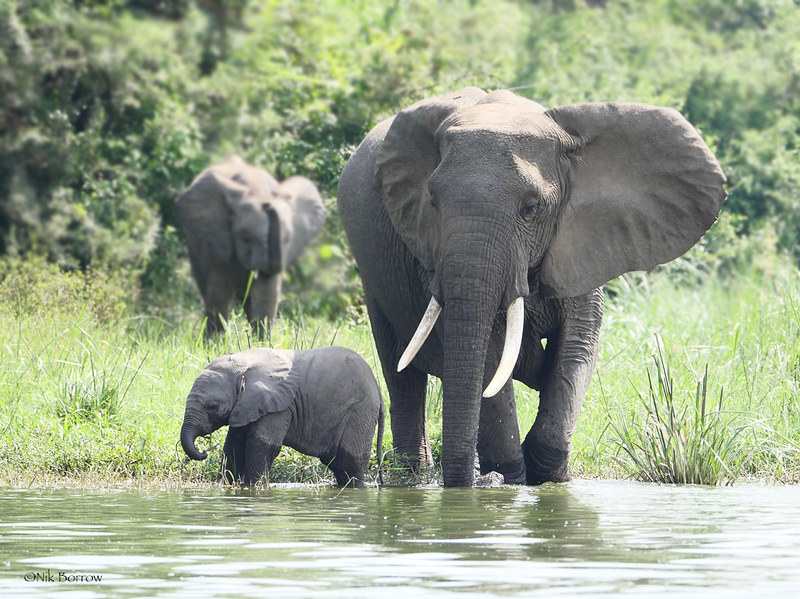
Impact of Extreme Poverty on Elephants and Rhinos

Extreme Poverty on Elephants and Rhinos
Usually, where there is poverty, there is crime involving drugs, guns, human trafficking or poaching. Illegal poaching is a multimillion-dollar industry that might involve the selling of elephant tusks or ivory and rhino horns on the black market. Poachers sell these items all around the world, and mostly in Asian markets. Extreme poverty in Africa has caused the killing of thousands of elephants and rhinos for their tusks and horns because it provides income for those who need it. Gangs and criminal organizations take advantage of those deep in poverty by giving them money to decimate the elephant and rhino populations. The impact of extreme poverty on elephants and rhinos has been devasting.

Elephant Poaching and Poverty

The Borgen project interviewed Barnaby Philips of the Elephant Protection Initiative to find out details about the elephants in Africa. According to Philips, the estimate of elephants in Africa currently sits at 400,000 and this number is rapidly dropping.

“In Africa, it is often said that 55 elephants are poached per day or some 20,000 per year,” said Philips.

Poachers kill elephants in Eastern and Southern Africa and two of the main countries involved with illegal poaching and the ivory trade are Tanzania and Kenya. The GDP per capita of Tanzania is 936.33, and in Kenya, it is 1,202.10, which places them as two of the poorest countries in the world. The Borgen Project’s interview with Amy Baird of Big Life Foundation. determined that those living in these conditions are willing to turn to poaching as a means of gaining income.

Amy Baird also stated that “Most of the traffickers and poachers we apprehend in the Greater Amboseli (National Park) ecosystem are male, their ages vary. We would guess that most have limited levels of education and come from poor backgrounds. After all, who would be willing to risk such high stakes except for the poorest and most desperate?”

The risk for these poachers is exceptionally high, but the average payout for them is always meager. The average price for 1 kilo of raw ivory in Africa can vary between $170 to $1,960, but the poachers receive very little of this amount.

“Ivory poaching, in particular, is highly tied to organized crime. The ones actually bearing the brunt of the punishment are not the ones making money off of the crime. They’re just cogs in a bigger wheel,” said Baird.

Efforts to stop the ivory trade have increased in recent years. The recent ban on the ivory trade in China has reduced the price of ivory on the black market. This ban will help deter poachers in the future along with new stricter laws such as Kenya’s Wildlife Conservation and Management Act that impose higher monetary fines and stiffer jail sentences to those committing wildlife crimes.

Rhino Poaching in Africa

The poaching and illegal trade of ivory closely link with the illegal trade of rhino horns. Usually, when there are laws about one, it has the same impact on the other. Rhinos are slightly different from elephants in the sense that there are so few left that they require a more aggressive approach to their conservation.

There are two species of rhino in Africa, the white and black rhino. Combined there are only 24,724 of these rhinos left in Africa, the majority of which are the white rhino. In 2018, poaching killed 892 rhinos in Africa.

Dr. Susie Ellis, the Executive Director of the International Rhino Foundation, describes how poachers sell rhino horns on the black market for a number of things. People might use the horns to make ceremonial cups, as well as hairpins, paperweights, buttons and belt buckles. What people most frequently purchase these horns for is their use in the traditional medicine systems of many Asian countries, to cure a number of sicknesses. These ailments include headaches and cures for hangovers.

“In Vietnam, Rhino horn is seen as a gift item. It is a symbol of prestige in eastern Asian society. Businessmen will give it as a gift to close out a business deal,” said Ellis.

The rhino habitat spreads all over Southern Africa where conditions for the people there are extremely poor. Mozambique, for example, has one of the lowest GDP per capita at just $539.20. Rhino poachers themselves vary in demographics, but they seem to be young men in their late teens and early 20s who are deep in poverty. The middlemen, those that hire the poachers, make far more than those poaching.

“Most of these poachers are in a high level of poverty and are approached with a lucrative deal that is very tempting to them,” said Ellis.

Similar to the elephants, these poachers receive very little of the amount that the rhino horns sell for. Government organizations around the world are assisting the locals living within the rhino’s habitats in order to better educate and even employ some to reduce illegal poaching. Local communities will be in charge of monitoring rhinos. It is the local population’s responsibility to see and photograph every rhino once per month. The European Union funds programs that transport rhinos into safer areas where people can closely monitor them. If there are extra funds leftover from these programs, they go to local schools in order to educate about conservation.

The Future

Despite the overwhelming odds, there are positive signs for the future of rhinos in Africa. For example, the number of white rhinos in South Africa has been on the rise, numbering from under 100 in the early 1900s to almost 20,000 today.

Through conservation, education and funding, it is possible to end illegal poaching, trading of ivory and rhino horn and help the local population of Africa. Extreme poverty has gripped the nations where elephants and rhinos live and they suffer as a result of the conditions that these people live in. Desperation drives some of these poachers to hunt and kill these animals. Many are taking steps to create a positive outlook, but more is necessary if future generations want to enjoy these animals.

– Samuel Bostwick
Photo: Flickr


October 15, 2019
https://borgenproject.org/wp-content/uploads/borgen-project-logo.svg 0 0 Kim Thelwell https://borgenproject.org/wp-content/uploads/borgen-project-logo.svg Kim Thelwell2019-10-15 04:30:372020-01-03 15:09:16Impact of Extreme Poverty on Elephants and Rhinos
Developing Countries, Development, Global Poverty

The Gambia’s Solar Park for Sustainable Energy

Gambia’s Solar Park
In 2019, the Gambian government announced that it would construct a solar park, the first 150 MWH utility-scale park in the nation. Apart from the government’s greater initiative to improve the Gambia’s energy reliability and affordability, the government plans to launch the solar park in two phases: an 80 MWH unit set for 2021 and a 70 MWH unit set for 2025.

The Background

Prior to national elections in 2016, the Gambian government struggled with a decreasing GDP, poor macroeconomic performance and high liabilities from the National Water and Electricity Company (NAWEC) and other state-owned enterprises. As cited in a 2018 World Bank report, the governing bodies of SOE’s such as NAWEC were highly inefficient and caused internal dysfunction under President Yahya Jammeh’s leadership. The government’s inconsistent budget support to NAWEC resulted in a “fiscal drain on public resources” and inadequate energy supply.

Therefore, as apart of the region’s master plan to increase energy availability to the public, the current Gambian administration will conduct a study measuring the feasibility of implementing a 150 MWH solar park. The park will connect to a substation in Soma, The Gambia, which is a grid infrastructure that should increase electricity access in the nation by 60 percent. The feasibility study will have three primary objectives:

  1. To select the land for the solar park.
  2. To finalize solar power station details.
  3. To evaluate the feasibility of creating a National Dispatch Center.

The Process

In selecting land for The Gambia’s solar park, consultants will choose a land size of around 250 Hectares within a 20 km perimeter from the Soma substation. They will conduct studies that measure the potential constraint to connect the substation to the park. Once consultants choose an ideal site, they will proceed to finalize aspects of the power station. The power station will produce shifts in solar energy for two to three hours toward the peak of each evening. Through a detailed study, consultants will need to confirm the phases required for the installation of the park and proceed to undertake a diagnosis for the creation of a dispatch center. Through a diagnosis, consultants will be able to construct an “evaluation of required investments in capacity building (research, training), and modernization of the network (hardware equipment, software, smart grid technology, etc.).”

The government plans to construct the park not only to provide further electricity to The Gambia’s citizens but to also reduce the electricity costs for SOEs and the government. The government plans to remove the system of auction organized with public-private partnerships (private banks, etc.) as a means to reduce the cost of electricity for SOEs and citizens.

As the first of its kind, The Gambia’s solar park will increase Gambians’ access to electricity by 25 percent. The park will serve as one of the administration’s first steps in transforming the nation into a hub for sustainable energy.

– Niyat Ogbazghi
Photo: Flickr

October 15, 2019
https://borgenproject.org/wp-content/uploads/borgen-project-logo.svg 0 0 Kim Thelwell https://borgenproject.org/wp-content/uploads/borgen-project-logo.svg Kim Thelwell2019-10-15 01:30:582019-12-16 14:43:34The Gambia’s Solar Park for Sustainable Energy
Developing Countries, Development, Global Poverty, Health

Addressing Homelessness in Argentina

Homelessness in Argentina

With political uncertainty and inflation rising, homelessness in Argentina is growing. In Buenos Aires alone, 6.5 percent of the population is homeless. This translates to approximately 198,000 people. This problem is not specific to the nation’s capital either. In fact, a report from the National Statistics and Census of the Republic of Argentina estimates that up to 5 million people are homeless (approximately 10 percent of the overall population).

According to the Social Debt Observatory of Pontificia Universidad Católica, while the national poverty rate was 29 percent in 2015, the current poverty rate is 35 percent. Rising homelessness is only the most visible manifestation of Argentina’s current economic crisis.

Economic Downturn

Recently, inflation reached 54 percent, while the peso fell by 30 percent. This depreciation follows Argentina’s recent primary election, which showed support for opposition to the current president, Mauricio Macri. Fearing these results indicate future political upheaval, international investors retreated from the market and caused the peso’s sudden drop in value.

On top of the decreased spending power of Argentines, the government recently discontinued subsidies for utilities and public transportation. Rising prices hurt average Argentine households.

Within the past year, the price of natural gas rose by 77.6 percent. Electricity and water suffered similar price jumps, rising by 46 percent and 26 percent respectively.

As Matias Barroetaveña, the director of the Center of Metropolitan Studies reports, seven out of 10 families consider basic utilities to be a strain on their finances. With the cost of living inflating, it is not surprising that homelessness in Argentina continues to rise as well.

The Reality

Homeless families and individuals end up living primarily in makeshift shelters around urban areas: in plazas and parks, as well as outside shopping malls and bus stations. There aren’t enough shelters around Buenos Aires to handle the homeless population; all of the current shelters are at capacity. Additionally, shelters divide everyone by gender, so families often forego them in favor of staying together.

Free meals from soup kitchens and similar organizations are staples for many as well. The National Institute of Statistics and Census (INDEC) projects that food prices will increase by 80 percent by December. INDEC also expects the situation will worsen, so that one out of every 10 Argentines will experience extreme poverty or homelessness by the end of the year.

Helping the Homeless

Project 7 (Proyecto 7 in Spanish) helps homeless individuals in Buenos Aires and works to raise awareness about homelessness. In addition to distributing donated clothing and supplies, Project 7 works on various initiatives to give voice to homeless people. Through initiatives, such as “La Voz de la Calle” (The Voice of the Street), Project 7 offers alternate ways to think about and discuss homelessness in Argentina.

According to Horacio Ávila, co-founder of Project 7, one of the most difficult aspects of homelessness is the psychological toll. As he puts it, “when people live on the streets, they feel like they’re a waste of space like they deserve to be there. Your opinion of yourself is so low.” Project 7 not only improves the living conditions of the homeless but also supports legislation addressing the homelessness problem on a national level.

– Morgan Harden
Photo: Wikimedia

October 12, 2019
https://borgenproject.org/wp-content/uploads/borgen-project-logo.svg 0 0 Jennifer Philipp https://borgenproject.org/wp-content/uploads/borgen-project-logo.svg Jennifer Philipp2019-10-12 07:36:112024-05-29 23:13:12Addressing Homelessness in Argentina
Developing Countries, Development, Global Poverty, Health, Life Expectancy

7 Facts About Life Expectancy in Sri Lanka

Life Expectancy in Sri LankaSri Lanka is a country that used to be torn by civil war. Now, thanks to peace and foreign investment, the country is making major strides towards improving the lives of its citizens. Below are seven facts about how life expectancy in Sri Lanka is improving.

7 Facts about Life Expectancy in Sri Lanka

  1. Life expectancy in Sri Lanka is currently 77.1 years. The life expectancy for males is 73.7 and is 80.8 for females. This is an increase of more than seven years from 20 years ago.
  2. The country’s three-decade civil war resulted in thousands of deaths including more than 7,000 in the final months. However, since the war ended in 2009, the country has been able to stabilize and improve economic conditions.
  3. Since 2006 the percent of people living in poverty has decreased from 15.3 percent to 4 percent. This decrease in poverty has been in large part due to the improving economy in Sri Lanka which registered an average economic growth rate of 5.8 percent from 2010 to 2017. The correlation between poverty and life expectancy is clear. When one is out of poverty and has more resources, they are able to live longer lives.
  4. Children are being immunized against disease at a 99 percent rate. Children have access to immunizations leading to a lower rate of children dying of preventable diseases. They can live longer and happier lives without worrying about diseases such as measles, hepatitis and DPT.
  5. Sri Lanka is focused on educating its youth, by seeking foreign investment. For instance, in 2017, the country secured a $100 million loan from the World Bank in order to enhance the quality of degree programs and boost STEM enrollment and research opportunities at the university level. The country’s investments are paying off as Sri Lanka has the highest reported youth literacy rate in South Asia at 98.77 percent versus India (89.66) and Bangladesh (83.2 percent).
  6. The under-5 mortality rate is less than 10 percent. The under-5 mortality rate broke below 10 percent in 2014 and has been declining since 2005. In fact, the under-5 mortality rate stood at more than 20 percent less than two decades ago. CARE and the Red Cross are two organizations that have been especially focused on improved health care services since the 1950s.
  7. The U.N. projects that the life expectancy rate will exceed 80 years within the next 20 years. However, as the Minister of External Affairs noted at a U.N. conference in 2014, “with…increased life expectancy, we are facing new challenges, namely the incidence of NCDs, a growing aging population by 2030, addressing issues facing young people and containing the spread of HIV/AIDS.”

Sri Lanka is a great example of a country that shows what can happen with peace and investment. Their economy is growing and with it, the people’s lives are improving not only in quality but also in length.

– Josh Fritzjunker and Kim Thelwell
Photo: Flickr

October 12, 2019
https://borgenproject.org/wp-content/uploads/borgen-project-logo.svg 0 0 Jennifer Philipp https://borgenproject.org/wp-content/uploads/borgen-project-logo.svg Jennifer Philipp2019-10-12 07:21:492024-05-29 22:29:577 Facts About Life Expectancy in Sri Lanka
Activism, Developing Countries, Development, Global Poverty

10 Facts about the Protests in Honduras

Protests in Honduras
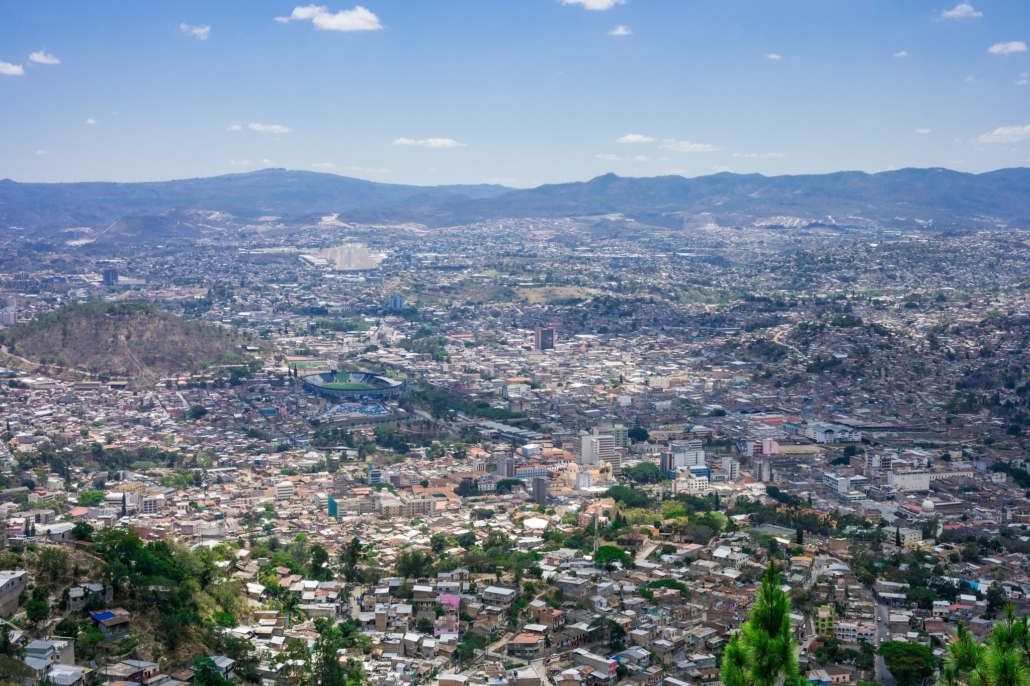
People have accused Juan Orlando Hernández, current president of Honduras, of corruption, electoral fraud and drug trafficking since his reelection in 2017. With his sudden change of the Honduran constitution that allowed him to run for two terms instead of just one, the people of Honduras have felt his corruption and repression. The lack of involvement from the government to end organized crime and gang violence and provide aid to those suffering from the poverty that affects 60 percent of the country’s population has caused hundreds of protests across the country.  Although finding asylum in the United States is the reason so many Hondurans are migrating north, others are using their right to protest as their biggest weapon towards finally receiving the justice and aid that they deserve. Here are 10 facts about the protests in Honduras.

10 Facts About the Protests in Honduras

  1. The protests in Honduras first began through trade unions that represented doctors, nurses and teachers. The Hernandez Administration and Congress were working on an initiative to restructure the country’s health care and education systems which would have resulted in mass layoffs and privatization. These first protests led to them dropping the initiative, however. This positive result made many people believe that they could also make their voices heard. Soon protests made up of university students, the poor, ministers and their churches, civil rights defenders, land rights activists, other unions and even some branches of the police began to take place in the streets of Honduras and these have not stopped.
  2. Despite the many different groups of people in the streets, one common demand that all protesters share is the removal of President Hernandez from office. Cid Gallup’s recent survey showed that the president’s approval rating dropped from 61 to 36 percent since 2017. It also found that more than 80 percent of interviewees did not trust the country’s main judicial and political institutions. Many Hondurans believe that President Hernandez has been receiving money from drug cartels to not only fund his campaigns but to let drugs go through Honduras. The people see him as the main source of the corruption found in their country and believe his removal would allow them to begin to rebuild its democratic government once again.
  3. According to the human rights organization, CONADEH, violent protests that were post-election in mid-January 2018 led to the killing of 31 people, the wounding of 232 people and the detainment of 1,805 people. The United Nations and the Inter-American Commission on Human Rights expressed concern about the excessive use of force that the Military Police of Public Order, released by President Hernandez, have been using on the crowds of protestors. Many of them are throwing tear gas at the crowds, homes and shopping centers which not only harms the protesters but children and senior citizens in the area. The police have also gone as far as shooting into crowds with live ammunition. This type of repression that the president issued is not only putting the people of Honduras in danger but also their right to protest peacefully.
  4. The Military Police of Public Order is a force of around 5,000 troops who are under the control of the president. It comprises of soldiers who patrol neighborhoods as policemen and are the first to arrive at protests to break them up. Honduran human rights organizations have been calling for the dismantlement of this force since its introduction into the country’s streets due to the lack of training that the soldiers are receiving. According to the Latin America Working Group, training periods for these soldiers only last a couple of months. Unlike the Military Police of Public Order, some members of the police department and the COBRA Special Forces have refused to take action to repress their fellow citizens.
  5. An Amnesty International report in 2018 stated that Hondurans who authorities arrest during protests are oftentimes denied their right to due process and held in inhumane conditions. Authorities have prolonged pre-trial detention for many prisoners in attempts to suppress the formations of more protests. Authorities also seek after the leaders and activists of these protests to discourage and instill fear in fellow protesters. Authorities hold many of these prisoners in terrible conditions for months and even after their release, they still face criminal charges. Although the government is attempting to generate fear through prison time, many Hondurans refuse to be silent and continue to protest in places like the United States’ Embassy in Tegucigalpa.
  6. In an attempt to discredit the protesters, Security Minister Julian Pacheco Tinoco and other government officials have claimed that the people participating in the protests are drug traffickers and gang members. No government institution has followed these allegations taking measures to protect Honduran citizens from the Military Police of Public Order’s repressive actions during protests. The government human rights office, CONADEH, did report on the killings and called on authorities to avoid the use of lethal arms against protesters. It even went as far as asking the Public Ministry to investigate cases of abuse but its calls for justice did not receive any attention from the Public Ministry or the government. No investigations launched on the abusive measures that the Military Police of Public Order partook in.
  7. Despite the violence, deaths and abuse of power from the President’s Military Police, Hondurans continue to protest and limit their silence. From March to June 2019, at least 346 protests have occurred throughout the country. Protests can range from 40 to 50 people to a couple hundred and even thousands. The want for change in their country is greater than the fear the Miltary Police is administering. As the protests grow in numbers and people, the thirst for change also grows within the country’s people.
  8. Social media has become a huge tool for the protests in Honduras. Due to the large and fast reach of the internet, young protesters are able to call on fellow Hondurans and create spontaneous protests at any time of the day. Because people often believe that the government manipulates Honduras’ media due to the harassment of dozens of reporters, social media and personal networks are helping protesters create a community online. They not only set up protests but also use their platforms to share reliable news articles with one another.
  9. These protests have also inspired smaller groups of people such as the LGBTQ+ community. In May 2019, an LGBTQ+ march occurred in Tegucigalpa and 350 members walked through the streets asking to end the violence against the LGBTQ+ community. Since 2009, more than 300 gay and transgender people have been murdered in Honduras. Activists within the group, such as the coordinator of Lesbian Network CATTRACHAS, are also asking the Supreme Court to establish a process by which transgender people can change their name and gender on official documents while also asking for same-sex marriage to be legal. The fact that these people, who usually are victims of violence, are not afraid to protest shows how courageous they are and how determined they are to rebuild their country.
  10. Women are also making their voices heard in their fight for human rights despite the violent turns a protest in Honduras can take. According to the National Observer, there is one woman murdered every 16 hours in Honduras. In the first six months of 2017, there were 99 murders of women in the country. The women of Honduras ask for a country that provides security to them. More and more women are holding rallies and forming marches. Women’s groups in the country are even creating legislation that will protect them in the hope that Congress will pass them. This is yet another way that protests are having an impact on Honduras.

These 10 facts about protests in Honduras show that it is necessary to have a democratic institution to protect and serve the people. President Hernandez is continuously using his power to repress his people in the hopes of silencing them and their protests. But the people of Honduras have not let themselves be discouraged and are gaining the will to continue to fight. Protests are the biggest tool for Honduran citizens to call for change and gain the attention of the government and the rest of the world. As protests in Honduras continue, Hondurans hope to rebuild the democratic government that they deserve.

– Jannette Aguirre
Photo: Flickr

October 10, 2019
https://borgenproject.org/wp-content/uploads/borgen-project-logo.svg 0 0 Kim Thelwell https://borgenproject.org/wp-content/uploads/borgen-project-logo.svg Kim Thelwell2019-10-10 20:26:552019-12-17 14:54:3610 Facts about the Protests in Honduras
Children, Developing Countries, Global Poverty, Health

Oral Health Literacy in Belarus

Oral Health Literacy

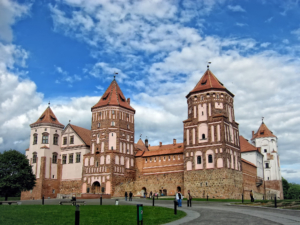
Belarus, since 1991 an independent state in northeast Europe, remains somewhat isolated from the European mainstream as one of several successor states to the Soviet Union. Though the country hosts 4.08 physicians per 1,000 people, a figure comparable to many developed nations, there remain areas of the healthcare system that require improvement, and one such area is the dental health sector. For a dental health sector to treat the maximum number of citizens effectively, the population must attain a minimally competent level of oral health literacy. Several oral health literacy studies have diagnosed the quality of dental hygiene knowledge and provide strategies for improving oral literacy in the general population. Though data has been sparse since these studies, they suggest a continuing improvement in dental health and therefore in oral health literacy within the populace.

Oral Health Literacy in Post-Soviet Belarus

In 1996, several years after the dissolution of the USSR, oral health survey data established that tooth decay and periodontal disease affected approximately 85 percent of children and 100 percent of adults. Since then, these findings incentivized research into the development of successful and economical disease prevention strategies. Chief among these is ensuring oral health literacy.

A 2004 epidemiological study sought to uncover the link between urban or rural status and level of education on oral health literacy. The scope of the study encompassed randomly selected subjects from all six regions of Belarus, entailing administration of dental health examinations on six and 12 year-old children, questionnaires directed to mothers and primary school teachers and subsequent processing and interpretation of the data collected.

Of the children surveyed, 93 percent of tested six year-olds and 85 percent of tested 1- year-olds showed signs of tooth decay, with both 12- and six-year-old urban students less likely to have experienced tooth decay than their rural counterparts, although the contrast was more dramatic for 12-year-old test subjects. The questionnaires directed to mothers established that urban mothers were more likely than rural mothers to exhibit oral health literacy, and this knowledge disparity was likewise reflected in better oral hygiene habits in urban families. However, primary school teacher respondents provided generally accurate answers to the questionnaire, with no major knowledge disparity on based on the urban-rural divide.

This study concludes that a strong correlation existed between the knowledge and habits of parents and the dental health of their children. Both six- and 12-year-olds exhibited rates of tooth decay surpassing the 2000 goal set by World Health Organization for Europe, attributable to a myriad of factors encompassing diet, lifestyle change, inadequate parental involvement and mere lack of knowledge. Though primary school institutions should continue to play a pivotal role in dental hygiene education, parents must increase and improve their own role, facilitated through strategies promoting better access to updated dental health information.

Progress in Pediatric Oral Health Literacy since 2009

In order to determine whether progress has been made in oral literacy since these studies, one must consider the most recently released dental health statistics. Perhaps the most striking available data is that of pediatric dental patients’ DMFT index measurements. Dental epidemiologists record the degree to which a patient’s teeth suffer decay, are missing or filled, using a measurement called the DMFT index, which assigns values from zero to 28 or 32. On this scale, a lower score indicates less tooth damage.

In 2009, the Belarusian government determined that the mean DMFT of the country’s 12 year-olds rested at 2.1, while another study the same year found that 30.6 percent of children of the same age rested at zero in the DMFT index. Though the results of this DMFT study are now a decade old, they constitute a significant improvement over the prior decade, in which (as of 1998) only ten percent of 12 year-olds were cavity-free with a mean DMFT of 3.8.

NGO Involvement and a Trajectory for Improvement

Global Dental Ambassadors, an NGO comprised of dental health professionals committed to the exchange of data and improvement of oral health literacy, annually holds academic exchanges throughout the world. From 19 September to 21 September 2019, this organization held an international academic exchange summit at Belarusian State Medical University involving professionals from the United States and Belarus, with 523 second and third year students of the Belarusian State Medical University witnessing the proceedings. Conventions of this sort hold great promise for ensuring that the dental sector in Belarus remains fully literate on the latest developments within the profession.

Established in 2006 by Chernobyl Children International co-founder Mary Sugrue and dentist Marcas Mac Domhnaill, the Chernobyl Children International Dental Programme focuses primarily on improving the hygiene standard and general oral literacy of Belarusian pediatric dentistry. As Mary Sugrue attests, pediatric tooth extraction procedures did not involve the use of anaesthetic when the organization began working in Belarus. Since then, the organization has done much to decrease the infection rate through educating dentists and patients alike, including children.

Substantial progress has been made in the cause of Belarusian oral health literacy over the past several decades. The most recent data and international NGO involvement gives reason for optimism and incentivizes further investment in improving oral health literacy in Belarus.

– Philip Daniel Glass
Photo: Flickr

October 10, 2019
https://borgenproject.org/wp-content/uploads/borgen-project-logo.svg 0 0 Kim Thelwell https://borgenproject.org/wp-content/uploads/borgen-project-logo.svg Kim Thelwell2019-10-10 14:33:122024-05-29 23:10:11Oral Health Literacy in Belarus
Developing Countries, Development, Global Poverty

Humanitarian Potential of Cryptocurrency in Bulgaria

Cryptocurrency in Bulgaria

In the years following the fall of the Eastern Bloc, Bulgaria still struggles in comparison with the rest of Europe. As of 2016, the government of Bulgaria reported that an estimated 23.4 percent of its population lived below the poverty line, while as of 2017 the unemployed constituted around 6.2 percent of the population. Bulgaria also happens to have the lowest annual salary, minimum wage and average pension amount in Europe, while also suffering high rates of outmigration, governmental corruption and overall mortality. Though these problems may appear overwhelming, the use of cryptocurrency in Bulgaria provides a means by which steps may be taken to mitigate these issues.

Fundamentals of Cryptocurrency

As a medium of exchange, cryptocurrency by its very nature expedites humanitarian aid to distressed regions. This is because it sidesteps the need for a financial institution as an intermediary between grantor and recipient, thus providing a means of direct payment for potentially large amounts. The realities of governmental and organizational corruption and incompetence that hinder international aid may be entirely evaded, resulting in more effective and efficient aid conveyance even to the most turbulent locations.

Furthermore, an estimated 40 percent of adults, mostly residing in the developing world, face impediments to the formation of a financial identity that may appear nearly insurmountable. However, cryptocurrency provides an alternative means by which people without easy access to financial institutions or who lack sufficient capital to open a bank account may establish a financial identity and improve their chances of escaping poverty. Moreover, despite the market volatility of cryptocurrency in Bulgaria and throughout the world, it provides a fairly stable alternative compared to entrusting one’s assets in banks and other financial institutions. Savings stored as cryptocurrency are less likely to be subject to the vicissitudes of inflation, corrupt governments and asset appropriation.

How an NGO Uses Cryptocurrency in Bulgaria

The BitHope Foundation, an NGO established by Vladislav Dramaliev, provides a global crowdfunding platform for humanitarian initiatives. As the first charitable platform of its kind established on the basis of cryptocurrency in Bulgaria, it seeks to facilitate NGOs and individuals alike in their fundraising efforts. This organization hopes to incentivize businesses that accept cryptocurrency to invest in these causes, which will further bolster the public impression and acceptance of cryptocurrency as a legitimate medium of exchange.

Many crowdfunding campaigns hosted through the BitHope Foundation’s website are considered to be humanitarian successes in Bulgaria. For instance, the “Support Burgas Municipality After the Floods” campaign raised €1,749 in cryptocurrency or approximately $1,925, in response to floods that damaged parts of Burgas municipality, a region of Bulgaria on the Black Sea coast. These charitable contributions went toward the purchase of household needs including refrigerators and microwave ovens for those affected by the floods.

Specific Campaigns by BitHope

  • “Every Child Deserves A Holiday” aimed to raise charitable funds for families living below the poverty line, raising €588 or approximately $647, in cryptocurrency.
  • The “Support Positive and Character Education” campaign, which raised the equivalent of €786 (approximately $865), sought funding for programs designed to inspire children and parents to persist with schooling regardless of what predicaments may arise.
  • The “Sports Charity League” campaign enabled the funding of sports competitions for children and adolescents, after raising a cryptocurrency total of €1,522 or $1,674.
  • The 2017 funding campaign “Preeclampsia? I want to know” raised €1,132 ($1,373) for the acquisition of biomedical tests for use in screening pregnant women without charge for the potentially serious medical condition preeclampsia.
  • Also in 2017, a campaign called “Hope for Mental Health” accrued €358 ($434) in funds to assist mentally disabled children and adults in obtaining health care.

BitHope in the Present

These successes emerged in spite of numerous impediments standing in the way of using cryptocurrency in Bulgaria. Besides a global decline in the total market cap of cryptocurrency from $604 billion to $131 billion in 2018, the Bulgarian government persists throughout 2019 in its refusal to allow cryptocurrency-based organizations to open a bank account for the storage of cryptocurrency. Although this complicates the withdrawal of funds, the cryptocurrency conversion process, accounting, tax payments and payments to internet service providers, such difficulties have made the BitHope Foundation more resilient in its fight to address humanitarian issues in Bulgaria.

– Philip Daniel Glass
Photo: Flickr

October 10, 2019
https://borgenproject.org/wp-content/uploads/borgen-project-logo.svg 0 0 Kim Thelwell https://borgenproject.org/wp-content/uploads/borgen-project-logo.svg Kim Thelwell2019-10-10 11:05:532024-05-29 23:13:09Humanitarian Potential of Cryptocurrency in Bulgaria
Developing Countries, Development, Global Poverty, Health, Life Expectancy

9 Facts about Life Expectancy in Kiribati

Life Expectancy in Kiribati

Kiribati is a small, low-lying island nation straddling the equator in the Pacific Ocean. The nation is comprised of three archipelagoes, scattered in an area roughly the size of India. Often overlooked globally, the Kiribati people have faced a number of challenges especially since gaining independence in 1979. This struggle is illuminated by these nine facts about life expectancy in Kiribati.

9 Facts about Life Expectancy in Kiribati

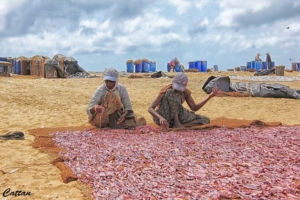
  1. Kiribati ranks 174th in the world in terms of life expectancy, with the average life lasting only 66.9 years. The country ranks last in life expectancy out of the 20 nations located in the Oceania region of the Pacific.
  2. The lives of Kiribati women last approximately 5.2 years longer than their male counterparts, with female life expectancy standing at 69.5 years and the male life expectancy at 64.3 years.
  3. The entire nation’s population is the same as the population of about 4 percent of the borough of Brooklyn, with roughly 110,000 citizens. Even with such a small population, Kiribati faces serious issues relating to overcrowding. The Western Gilbert Islands (one of the three archipelagoes comprising Kiribati) boasts some of the highest population densities on earth, rivaling cities like Tokyo and Hong Kong. This overcrowding causes great amounts of pollution, worsening the quality and length of life for the Kiribati people.
  4. Due to underdeveloped sanitation and water filtration systems, only about 66 percent of those living in Kiribati have access to clean water. Waterborne diseases are at record levels throughout the country. Poor sanitation has led to an increase in cases of diarrhea, dysentery, conjunctivitis, rotavirus and fungal infections.
  5. Around 61.5 percent of Kiribati citizens smoke tobacco products on a regular basis. There are more smokers per capita in Kiribati than in any other country in the South Pacific. Due to this and other lifestyle diseases, such as diabetes, there has been a drastic spike in lower limb amputations on the islands, doubling from 2011 to 2014.
  6. Suicide is on the rise. The number of self-harm related deaths increased by 14.4 percent from 2007 to 2017.  Climate change is suspected to play a large role in the growth of this troublesome statistic. With sea levels rising, the people of Kiribati deal with the daily fear that, even if only a small storm were to hit the island, the entire nation could be submerged into the Pacific. Such a foreboding possibility weighs heavily on the Kiribati people.
  7. Sexual violence is at a high in Kiribati, especially in regards to sexual violence between spouses. According to a 2010 study, approximately 68 percent of women between the ages of 15 and 49 reported experiencing physical or sexual abuse, or a combination of the two, from an intimate partner. Sexual violence towards children and adolescents is also expected to be prevalent, however, statistics are lacking in regards to children under 15.
  8. Kiribati is a young country, with a median age of 25. In most countries with relatively young median ages, women have a large number of children. This is not the case in Kiribati, where the average woman has 2.34 children. This can be viewed as a positive for the nation’s future, for when women have fewer children, the life expectancy typically experiences an increase.
  9. The Health Ministry Strategic Plan (HMSP) plans to raise both the quality and quantity of health care facilities in the country. The Ministry’s goal is to maintain a minimum of 40 trained health care professionals for every 10,000 people and to have at least 80 percent of medicines and commodities that have been deemed essential, available at all times.

– Austin Brown
Photo: Flickr

October 10, 2019
https://borgenproject.org/wp-content/uploads/borgen-project-logo.svg 0 0 Kim Thelwell https://borgenproject.org/wp-content/uploads/borgen-project-logo.svg Kim Thelwell2019-10-10 10:32:542024-05-29 22:27:359 Facts about Life Expectancy in Kiribati
Developing Countries, Development, Global Poverty, Health

Top 6 Facts About Smoking in Developing Countries

Smoking in Developing Countries
Smoking rates among adults and children in developing countries have been increasing for years. In developed nations, such as the United States, people have implemented certain policies in order to increase taxes and therefore reduce tobacco consumption, successfully. Such policies have not yet enacted in areas of extreme poverty around the world. In fact, tobacco companies have responded by flooding low-income areas with reduced-priced cigarettes, tons of advertisements and an excessive number of liquor stores and smoke shops. It is time to have a conversation about smoking rates in developing countries and whether or not tobacco control policies are the best approach long-term, worldwide. Here are the top 6 facts about smoking in developing countries.

Top 6 Facts About Smoking in Developing Countries

  1. Smoking affects populations living in extreme poverty differently than it does those in wealthy areas. Stress is a harmful symptom of poverty and contributes to smoking rates in low-income areas. Oftentimes living in poverty also means living in an overcrowded, polluted area with high crime and violence rates and a serious lack of government or social support. Stress and smoking are rampant in these areas for a reason. It is also important to note that smoking wards off hunger signals to the brain which makes it useful for individuals to maintain their mental health of sorts if food is not an option.
  2. Smoking rates are much higher among men than women across the globe. While the relative statistics vary from country to country, smoking rates among women are very low in most parts of Africa and Asia but there is hardly any disparity in smoking rates between men and women in wealthy countries such as Denmark and Sweden. The pattern of high smoking rates among men remains prevalent worldwide. One can equally attribute this to two factors that go hand-in-hand: the oppression of women and the stress that men receive to provide with their families.
  3. The increase in smoking rates in developing countries also means an outstanding number of diseases and death. The good news is that countries have succeeded in reducing consumption by raising taxes on the product. Price, specifically in the form of higher taxes, seems to be one of the only successful options in terms of cessation. Legislation banning smoking in certain public spaces is one example of an effort that places a bandaid on the problem instead of addressing the root cause. There is no data that shows a direct correlation between non-smoking areas and quitting rates among tobacco users.
  4. The World Health Organization (WHO) reports an estimated 6 million deaths per year which one can attribute to smoking tobacco products. It also estimates that there will be about another 1 billion deaths by the end of this century. Eighty percent of these deaths land in low-income countries. The problem at hand is determining how this part of the cycle of poverty can change when it has been operating in favor of the upper class for so long.
  5. Within developing countries, tobacco ranks ninth as a risk factor for mortality in those with high mortality and only ranks third in those with low mortality. This means that there are still countries where other risk factors for disease and death are still more prominent than tobacco use, but that does not mean that tobacco is not a serious health concern all over the world. Of these developing countries, tobacco accounts for up to 16 percent of the burden of disease (measured in years).
  6. China has a higher smoking rate than the other four countries ranked highest for tobacco use combined. The government sells tobacco and accounts for nearly 10 percent of central government revenue. In China, over 50 percent of the men smoke, whereas this is only true for 2 percent of women. China’s latest Five-Year Plan (2011 – 2015) called for more smoke-free public spaces in an attempt to increase life expectancy. A pack of Marlboro cigarettes in Beijing goes for 22元, which is equivalent to $3. This is far cheaper than what developed countries charge with taxes. This continual enablement is a prime example of why smoking rates in developing countries are such a problem. While many people mistake China for a developed nation because it has the world’s second-largest economy and third-largest military, it is still a developing country.

In countries like China where smoking rates are booming and death tolls sailing, tobacco control policies may not be the best solution. While raising taxes to reduce consumption may seem like a simple concept, when applied to real communities, a huge percentage of people living in poverty with this addiction will either be spending more money on tobacco products or suffering from withdrawals. While it might be easy for many people to ignore the suffering of the other, in this case, a lower-class cigarette smoker, one cannot forget how the cycle of poverty and addiction and oppression has influenced their path in life.

– Helen Schwie
Photo: Flickr

October 10, 2019
https://borgenproject.org/wp-content/uploads/borgen-project-logo.svg 0 0 Kim Thelwell https://borgenproject.org/wp-content/uploads/borgen-project-logo.svg Kim Thelwell2019-10-10 01:30:152024-05-29 23:13:05Top 6 Facts About Smoking in Developing Countries
Developing Countries, Global Poverty, Health

7 Facts About Cervical Cancer in Thailand

Cervical Cancer in Thailand
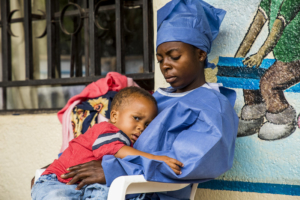
Cervical cancer is one of the greatest threats to women’s lives globally. With an estimated 570,000 new cases in 2018, it ranks as the fourth most frequent cancer in women. In the South-East Asia region, it is the third most common type of cancer. Last year, there were an estimated 158,000 new cases and 95,766 cervical cancer-related deaths in the region alone. The World Health Organisation (WHO) has urged the countries in this region to speed up their efforts to eliminate cervical cancer by 2030. Thailand, one of the countries in the South-East Asia region, has made great strides towards eliminating the disease in the past two decades. Here are seven facts about cervical cancer in Thailand.

7 Facts About Cervical Cancer

  1. Twenty years ago, cervical cancer was the most common cancer for women in Thailand. Currently, it is the second most frequent cancer among women in Thailand behind only breast cancer. It is estimated that every year 8,622 women are diagnosed with cervical cancer in Thailand and that 5,015 die from the disease.
  2. According to amfAR, the human papillomavirus (HPV) causes nearly all cervical cancer cases. This makes HPV the leading cause of cervical cancer among women in Thailand. Other factors that could cause cervical cancer are smoking, HIV and hormonal contraceptive use.
  3. In the last decade, cervical cancer in Thailand has seen the largest decline in incidence compared to the other four leading causes of cancer deaths for women. One can largely attribute this to the Safety, Acceptability, Feasibility and program implementation Effort (SAFE) which Thailand adopted in 2000.
  4. The SAFE approach is a single-visit method in which patients receive screening for cervical cancer and obtain treatment if necessary. This makes it cheaper than other screening methods since it does not require advanced equipment. The ease of implementation has seen 32 Thai provinces take up the SAFE approach.
  5. One reason the SAFE method yielded such great results was that nurses in the country were tasked with doing cryotherapy. This was important because, at the time, the ratio of doctors to patients was low at about one doctor per 60,000 people. As of 2018, that ratio had improved to one doctor per 2,000 people.
  6. In June 2018, the U.N. awarded Thailand with the UN Public Service Award for its initiative to provide cervical cancer treatment to women in rural areas.
  7. Another measure taken to prevent cervical cancer in Thailand is the provision of the HPV vaccine to girls aged between 10 and 13 years. Thailand is one of four countries in the South-East Asia region to have introduced the HPV vaccine nationally.

It is quite possible that Thailand will meet the WHO’s request to eliminate cervical cancer by 2030. The country is a good example to other low and middle-income countries on how they can deal with the disease.

– Sophia Wanyonyi
Photo: Pixabay

October 9, 2019
https://borgenproject.org/wp-content/uploads/borgen-project-logo.svg 0 0 Kim Thelwell https://borgenproject.org/wp-content/uploads/borgen-project-logo.svg Kim Thelwell2019-10-09 01:30:552024-12-13 18:01:577 Facts About Cervical Cancer in Thailand
Page 96 of 157«‹9495969798›»

Get Smarter

  • Global Poverty 101
  • Global Poverty… The Good News
  • Global Poverty & U.S. Jobs
  • Global Poverty and National Security
  • Innovative Solutions to Poverty
  • Global Poverty & Aid FAQ’s
Search Search

Take Action

  • Call Congress
  • Email Congress
  • Donate
  • 30 Ways to Help
  • Volunteer Ops
  • Internships
  • Courses & Certificates
  • The Podcast
Borgen Project

“The Borgen Project is an incredible nonprofit organization that is addressing poverty and hunger and working towards ending them.”

-The Huffington Post

Inside The Borgen Project

  • Contact
  • About
  • Financials
  • President
  • Board of Directors
  • Board of Advisors

International Links

  • UK Email Parliament
  • UK Donate
  • Canada Email Parliament

Get Smarter

  • Global Poverty 101
  • Global Poverty… The Good News
  • Global Poverty & U.S. Jobs
  • Global Poverty and National Security
  • Innovative Solutions to Poverty
  • Global Poverty & Aid FAQ’s

Ways to Help

  • Call Congress
  • Email Congress
  • Donate
  • 30 Ways to Help
  • Volunteer Ops
  • Internships
  • Courses & Certificates
  • The Podcast
Scroll to top Scroll to top Scroll to top