• Link to X
  • Link to Facebook
  • Link to Instagram
  • Link to TikTok
  • Link to Youtube
  • About
    • About Us
      • President
      • Board of Directors
      • Board of Advisors
      • Financials
      • Our Methodology
      • Success Tracker
      • Contact
  • Act Now
    • 30 Ways to Help
      • Email Congress
      • Call Congress
      • Volunteer
      • Courses & Certificates
      • Be a Donor
    • Internships
      • In-Office Internships
      • Remote Internships
    • Legislation
      • Politics 101
  • The Blog
  • The Podcast
  • Magazine
  • Donate
  • Click to open the search input field Click to open the search input field Search
  • Menu Menu

Archive for category: Developing Countries

Information and stories about developing countries.

Advocacy, Developing Countries, Global Poverty

10 Facts About Corruption in Libya

Corruption in Libya

For decades, Libya has endured countless accounts of corruption committed by the government, the militia and major oil corporations. The corruption in Libya derives from what political scientists call a “resource curse,” a term used to describe a nation that tends to have less economic growth and a weaker democracy due to its abundance of natural resources. Oil production has made the nation susceptible to corruption, leading the country into a civil war due to persistent violence and political unrest. Here are ten facts about corruption in Libya.

10 Facts about Corruption in Libya

  1. In 2018, Libya ranked as 170 least corrupt out of 175 countries, according to the Corruption Perceptions Index reported by Transparency International. In the same year, Libya also scored a low 17 out of 100 in the Corruption Perception Index. The corruption primarily derives from the government, the public sector and private businesses.
  2. Corruption in Libya began during Muammar Gaddafi’s rule from 1969 to 2011. Gaddafi’s regime received billions of dollars in bribes from wealthy corporations to make illegal deals in the energy sector. A total of $65 billion of Libya’s wealth fund, the Libyan Investment Authority (LIA), was held in private accounts instead of going toward public expenditures. While Gaddafi’s regime was profiting off of Libya’s national assets, more than 40 percent of the Libyan population lived below the poverty line.
  3. Eighty percent of Libya’s GDP and 99 percent of government revenue comes from oil production. In 2018, foreign exports of oil in Libya brought in revenues totaling $24.5 billion. The central bank in Tripoli controls these funds and is responsible for disbursing them throughout the country, but at the time there were no laws in Libya that demand the transparency of the bank to disclose the use of state funds with their constituents.
  4. Libya has anti-corruption laws; however, lax enforcement permits widespread corruption practices such as embezzlement and bribery among the public procurement sector. According to Libya’s Criminal Code, the Law on Economic Crimes and the Law on Abuse of Position or Occupation, “the abuse by a public official of his or her position or functions to obtain a benefit for himself or herself or for others” is established as an offense. Despite anti-corruption laws, the weakness of Libya’s institutional framework has given leeway to Libyan officials to misappropriate funds. Head of Organisation for Development of Administrative Centres (ODAC) Ali Ibrahim Dabaiba misappropriated nearly $7 billion in national assets and laundered them into personal bank accounts abroad. These funds were designated to go toward Libya’s public infrastructure, but Dabaiba instead put the money toward his interests, such as purchasing luxury hotels in Scotland.
  5. Corruption in Libya remains rampant even after the revolution and the assassination of Gaddafi in 2011. After the first civil war, violence and political instability persisted throughout Libya, and government ministers and the military have conflicted control of the country. General Khalifa Haftar is the leader of the militant offensive, and he promises to combat Islamist militias. However, through mobilizing the military to fight armed groups throughout the country and seize control of major cities, violence became even more prevalent and a second civil war was initiated in 2014. Haftar’s group, the Libyan National Army (LNA), has attacked several sites in the city of Tripoli. His military force has killed a total of 443 people, injuring more than 2,000, and displacing nearly 60,000 civilians in pursuit of gaining control over the territory.
  6. Corruption in law enforcement is also prevalent in Libya. Several reports show police officers engaging in malpractice including bribery, embezzlement, nepotism and extortion. According to a survey conducted by the Departments of Research and Studies of Organization for Transparency Libya, respondents ranked the police highest in spreading corruption. Some cases of police corruption that researchers discovered include police officers stopping drivers, seizing their drivers’ licenses and extorting drivers in exchange for their licenses.
  7. Activists and media workers across the nation of Libya are being silenced. In 2017, 11 out of 18 political, civil, and human rights activists and personalities, polled by the Human Rights Watch in Tripoli and Zawiyah, claimed to have been threatened by state militia, government, and armed groups, three have been attacked or harassed, and nine claims to fear for their lives after receiving threats. In 2016, the Libyan Center for Freedom of the Press (LCFP) reported that 107 media workers were attacked by armed groups including two journalists who were killed.
  8. Transparency International is one of the major organizations combating corruption in Libya. They aim to stop corruption in governments, businesses, and civil societies through the “creation of international anti-corruption conventions and the prosecution of corrupt leaders and seizures of their illicitly gained riches.” They have pushed legislation that has made bribing foreign officials illegal by enforcing the Organisation for Economic Co-operation and Development (OECD) Anti-Bribery Convention, which requires members to outlaw bribery of officials. For instance, In 2017, an investigation in France on Société Générale bank was opened because of its payment of $58.5 million to a Panama-registered company as part of a scheme to secure its business in Libya. A settlement was reached, and Société Générale committed to pay a total of €500 million to close this procedure.
  9. Civil Initiatives Libya (CIL) is a project that aims to empower and support civil society organizations (CSO). CIL is funded by the European Union and implemented by ACTED in 15 different municipalities in Libya. This initiative is imperative to solving corruption because CSOs are able to promote civic engagement and local governance, which can increase the fairness of the Libyan government. CIL centers provide facilities, technical assistance and funding to over 700 CSOs across Libya. In 2012, over 1,400 NGO representatives benefited from CIL’s facilities and training services. The project also involves hosting CSO events, workshops and training that revolves around women and youth empowerment. CIL has expanded the capacity of many CSOs and has made them strong and politically visible enough to be able to lobby the government and acquire funding from the national budget.
  10. Global Witness is a nonprofit that works to protect human rights by exposing corruption in nations that have an abundance of natural resources, including Libya. Their work involves holding hard-hitting investigations on corruption scandals in pursuit of holding corrupt leaders accountable. Their strategies include secret filming, satellite imagery and drone footage, data analysis of companies, and using anonymous sources. Through their resources, Global Witness is able to release detailed investigations on corruption all over the world and advocate for those who are victims of corruption by launching campaigns that bring awareness to global injustices. In 2002, Global Witness, Transparency International and many other NGOs co-launched the Publish What You Pay campaign, which mandates oil, gas and mining companies around the world to disclose their net taxes, fees, royalties and other payments. This campaign led to the creation of the Extractive Industries Transparency Initiative (EITI). Since its launch, the EITI has put $2.4 trillion of oil, gas and mining revenues in the public domain.

These 10 facts about corruption in Libya illustrate the prevalence of abuse and fraudulence in Libya. However, even though corruption still permeates Libya’s institutions, efforts from around the world continue to prevent any further corruption by holding public officials accountable for their crimes.

If support from nonprofits, civil societies and advocates persists, Libya may be able to mobilize their local governments to sustain a better democracy and resist violent and corrupt regimes.

– Louise Macaraniag
Photo: Dhaka Tribune

October 4, 2019
https://borgenproject.org/wp-content/uploads/borgen-project-logo.svg 0 0 Kim Thelwell https://borgenproject.org/wp-content/uploads/borgen-project-logo.svg Kim Thelwell2019-10-04 09:10:462024-05-29 23:12:5410 Facts About Corruption in Libya
Developing Countries, Development, Food & Hunger, Global Poverty, Health

Combating Rice Farmer Poverty

rice farmer povertyRice is a universal food staple, featured in dishes from across the globe, feeding the rich and poor alike. It has the second-largest cereal market in the world, only second to corn. Over 470 million tons of rice were harvested in 2017, and that number continues to grow, with a harvest of 495.9 million tons predicted for the 2019 season.
Despite the massive rice market, many rice farmers live in poverty. Nine hundred million of the world’s poor depend on rice either as a consumer or producer, with 400 million directly engaged with growing rice. The majority of these farmers are based in Asia, the heart of the global rice market.

Technological Improvements Reduce Rice Farmer Poverty

The rice crop is notoriously demanding on the environment, requiring an immense volume of water, especially when grown at high intensity. Rice farming consumes over half the freshwater in Asia. Much of the focus on improving rice production lies in reducing the amount of water used. Organizations, such as the CGIAR Research Program, have advocated the use of alternate planting systems, such as the Alternate Wetting and Drying system (AWD), which can reduce water consumption by up to 30 percent.

Greater water efficiency means greater productivity for farmers. Production costs are lower, so farmers profit more from their harvest and can afford to sell their crop for less, allowing those in deep poverty to afford rice. AWD has been shown to increase farmer income by 38 percent in Bangladesh, 32 percent in the Philippines, and 17 percent in Vietnam.

Not Just Rice

Even in areas with a booming rice market, rice farmer poverty continues. The Greater Mekong Subregion (GMS) spans six Asian countries, including China and Vietnam, and accounts for 44 percent of global rice exports. The six countries, save China, of these nations are net producers—they produce and export more rice than the nation can consume. Despite this, poverty stands at 19 percent across the GMS, and 15 percent of the population is malnourished.

There has been much improvement. GMS-member Cambodia, for example, has undergone a 35 percent decrease in poverty since 2004. However, much of it is unstable. Past expansions in the GMS rice-production have relied on favorable weather conditions, massive increases in farmland, and far-reaching use of fertilizer. These conditions are not favorable for agricultural or economic growth, with increases in land production outpacing that of productivity, 8.7 percent to 3.4 percent between 2004 and 2012.

The GMS and other rice-producing regions are now changing policy to focus on diversifying crops. The International Rice Research Institute (IRRI) encourages farmers to convert rice-rice and rice-wheat plants to rice-maize plants, which will allow farmers to optimize their resources, widen their range of income inputs, and reduce the risk of crop disease. Studies have shown that planting disease-vulnerable rice crop and disease-resistant crop together results in 89 percent greater yield.

This measure may also be needed in the more distant future. Though rice will always be a world staple, Asian consumers may begin to purchase more vegetables and meat as they grow wealthier, decreasing the world demand for rice.

Genetic Modifications

With rice featuring so heavily in the global diet, rice developers have prioritized the quality of rice grown, both in resilience, and health benefits. The Research Program on Rice and IRRI both work to improve the quality of rice seeds provided to rice farmers. In Africa, AfricaRice has lifted 8 million out of poverty with their improved seed quality.

By using a greater variety of improved seeds, farmers of 16 sub-Saharan countries were able to vastly improve their yields. Forty-five percent of farmers saw themselves lifted out of food insecurity following the 2008 food crisis.

Improvements in agriculture and the betterment of rice farmer poverty go hand in hand, and as one improves, the other will, as well. There’s been significant progress already, with the rice market acting as an escape from food insecurity for millions. There is still much work to be done, but organizations like the IRRI make steady progress to a healthier, wealthier world.

– Katie Hwang
Photo: Flickr

October 3, 2019
https://borgenproject.org/wp-content/uploads/borgen-project-logo.svg 0 0 Jennifer Philipp https://borgenproject.org/wp-content/uploads/borgen-project-logo.svg Jennifer Philipp2019-10-03 17:46:252024-05-29 23:12:39Combating Rice Farmer Poverty
Developing Countries, Development, Global Poverty, Health, Life Expectancy, United Nations

10 Facts about Life Expectancy in Niger

Life Expectancy in Niger

Life expectancy rates measure the overall mortality of a country in a given year, a statistic affected by countries’ poverty rates. There is a correlation between poor health and poverty that implies those in better socioeconomic classes will live longer, healthier lives than those in lower classes. With a poverty rate of approximately 44.1 percent in 2017, Niger, a landlocked country in Africa also has one of the lowest life expectancy rates in the world. Below are 10 facts about life expectancy in Niger, which explain the challenges the government faces to improve quality of life and the efforts being taken to prevent premature deaths.

10 Facts about Life Expectancy in Niger

  1. In 2016, the global life expectancy rate was 72.0 years old and on average, women were expected to live to 74.2 years old while the rate for men was slightly lower at 69.8 years old. A 2018 estimate by the CIA estimates the average life expectancy rate in Niger was 56.3 years old. The rate for women was 57.7 years while men on average lived until 55.0 years old.
  2. One of the biggest factors affecting Niger’s stagnant poverty rates is their increasingly growing population rate. With a 3.16 percent growth rate, Niger has the seventh fastest-growing population in the world. The people of Niger lack adequate resources to feed and shelter the constantly increasing population only exacerbating the mortality rate.
  3. In 2017, the UN ranked Niger as the second least developed country in the world due to their reliance on agriculture. The majority of the population, 87 percent, depends on agriculture including subsidized farming and domestic livestock as their primary means of income. Nearly half of the population of Niger falls below the poverty line a consequence of the limited job opportunities and lack of industry.
  4. In 2017, Niger ranked 189th out of 189 countries on the United Nations Human Development Index (HDI), a scale that ranks countries based on three factors: health, knowledge and quality of life. The health factor is determined by the life expectancy at birth while knowledge is determined by the average rate of schooling for citizens and quality of life is measured by the gross national income. Although this index does not account for poverty levels, socioeconomic inequality or human security, Niger’s low ranking depicts a country struggling with healthcare, education and economic prosperity.
  5. The top three leading causes of death in Niger in 2017 were malaria, diarrheal diseases and lower respiratory infections. Comparatively, in the United States, the leading causes of death are heart disease, cancer and accidents. The leading causes of death in the United States are noncontagious and in the case of accidentals, unavoidable. However, both malaria and diarrheal diseases are treatable and communicable conditions that could be prevented with proper healthcare.
  6. Located between three deserts, Niger is one of the hottest countries in the world with a very dry climate. This extreme climate creates inconsistent rainfall patterns, which leads to long periods of drought and widespread famine. Groundwater, the only option for clean water, is often contaminated in wells or kilometers away. As a result, only 56 percent of the population has access to drinking water while 13 percent of the population uses proper sanitation practices.
  7. The people of Niger lack education about proper health practices with 71 percent of people practicing open defecation while 17 million people do not have a proper toilet. The lack of proper disposal for fecal matter affects access to clean drinking water by contaminating hand-dug wells meant to provide clean water to entire villages. This improper sanitation, contaminated water and insufficient hygiene contribute to diarrhea-associated deaths in Niger.
  8. In partnership with European Civil Protection and Humanitarian Aid Operations (ECHO), UNICEF Niger successfully advocated for the expansion of the national seasonal malaria chemoprevention campaign and the inclusion of malnutrition screening in the country. In 2016, the malaria chemoprevention campaign helped 2.23 million children between three and 59 months suffering from malaria. Also, the incorporation of malnutrition screening contributed to an 11 percent decrease in the number of children with severe acute malnutrition in 2016.
  9. Doctors Without Borders has recognized the need for malaria and malnutrition care in Niger, especially during peak drought seasons. In 2018, Doctors Without Borders treated 173,200 patients for malaria, placed 42,300 people into feeding treatment centers and admitted 86,300 people to hospitals for malaria and malnutrition treatment.
  10. A UNICEF funded branch of the water, sanitation and hygiene (WASH) program is active in Niger and fighting to increase access to clean water and sanitation facilities to combat open defecation and poor hygiene. Currently, UNICEF is modeling a WASH-approach in 14 municipalities within three regions of Niger with the intent of opening new facilities, strengthening water pipe systems and managing water supply networks.

These 10 facts about life expectancy in Niger depict a country attempting to improve the quality of life for its people despite social and environmental challenges. Slowly, with help from humanitarian organizations and nonprofits, the life expectancy in Niger will continue to improve.

– Hayley Jellison
Photo: Flickr


October 3, 2019
https://borgenproject.org/wp-content/uploads/borgen-project-logo.svg 0 0 Kim Thelwell https://borgenproject.org/wp-content/uploads/borgen-project-logo.svg Kim Thelwell2019-10-03 12:54:592024-05-25 00:38:4010 Facts about Life Expectancy in Niger
Advocacy, Developing Countries, Development, Global Poverty, Poverty, Poverty Reduction

ADB Helps Pakistan to Fight Poverty

ADB Helps Pakistan to Fight Poverty

The Asian Development Bank (ADB) helps Pakistan to fight poverty by pledging  $10 billion to Pakistan over the next 5 years for the purpose of infrastructure development, with the goal of improving important economic sectors that could revitalize regional trade. Two central areas of investment for the ADB will be water resource development and transportation infrastructure. Transportation infrastructure is an especially important focus area, as it undergirds the possibility of developing trade in other sectors of Pakistan’s economy. Water resource development will be crucial in continuing to sustain the agriculture sector and in ensuring that citizens have access to water. Here are some ways ADB helps Pakistan to fight poverty by addressing some major issues.

Trade and Transportation

While trade and poverty may appear to be separate, the economic growth prospects offered by expanding trade programs often spill over to effect poverty reduction. The positive gains in GDP growth result in increased capital coming into a country, which creates more opportunities for employment and access to markets. Since 2001, consistent yearly GDP growth in Pakistan, ranging from 1.7 percent to 7.5 percent has come alongside a 24.7 percent reduction in the number of Pakistanis living in extreme (less than $1.90 a day) poverty.

However, the poor transit system could have negative effects on the future of economic growth in Pakistan. Most of the nation’s railway system is over 100 years old and was built during the British colonial period. This has severely hampered the possibility of ramping up trade and industrial production, as only 4 percent of commerce can be shipped via rail. This has had a while GDP growth has been consistent, the share of growth caused by trade has declined, as the service industry, at 58.6 percent of GDP and agriculture sector at 24 percent both outpace the contributions of industrial production, which has declined from 22 percent of GDP to 19.3 percent. Moreover, the ADB estimates that 2 percent of GDP is lost annually due to poor transportation infrastructure.

In response to this, the ADB has announced plans to invest in providing more locomotives, increasing the overall prospects for shipping capabilities by rail, and has also invested in updating railway lines, as well as improving north-south highways for travel via motor vehicles.

Water Resource Development

Water resource development is another way ADB helps Pakistan fight poverty. This is not to suggest that agriculture is unimportant, as in some cases, agricultural development is integral to the maintenance of local economic growth, offering a means of mitigating the worst impacts of poverty. This is especially true of Balochistan, a province that faces severe water scarcity, impacting both the living standards of the population and the local economy. Agricultural production requires massive levels of water to operate successfully, and with 60 percent of the population employed in agriculture, the impact of water scarcity on poverty is compounded by pressing economic concerns.

As a result of water scarcity in Quetta, the provincial headquarters of Balochistan, many tube-wells were installed in order to redirect water from rural areas to provide water to the urban areas. This program has produced a massive strain on the population of Balochistan, eliminating access for water for both drinking and for use in agricultural production, with poor water resource management producing a scenario in which one portion of the population is only able to access the water by depriving another.

However, the ADB is seeking to combat this water scarcity by protecting watersheds and building 276 kilometers of new irrigation channels, to support agricultural production. Watersheds will prevent soil erosion, and increase water storage capabilities in the region, while irrigation channels will assist in combating the scarcity brought on by tube-wells. Beyond its use for irrigation, these programs will also be important for developing methods of helping increase access to water in the region, which some estimate could have a profound impact on increasing women’s access to water.

Conclusion

Water scarcity and poor transportation infrastructure have hindered effective economic development in Pakistan, limiting the prospects for sustainable economic growth and poverty reduction. The influx of capital offered by expanding networks for regional trade promises to offer new avenues for employment and sustainable income for Pakistanis living in poverty. Water resource management will provide new avenues for managing agricultural development, ensuring stable irrigation routes and providing overall water security.

– Alexander Sherman
Photo: Flickr

October 1, 2019
https://borgenproject.org/wp-content/uploads/borgen-project-logo.svg 0 0 Kim Thelwell https://borgenproject.org/wp-content/uploads/borgen-project-logo.svg Kim Thelwell2019-10-01 12:22:432024-05-29 23:12:40ADB Helps Pakistan to Fight Poverty
Developing Countries, Development, Global Poverty, Health, Life Expectancy

7 Facts About Life Expectancy in Jordan

life expectancy in Jordan

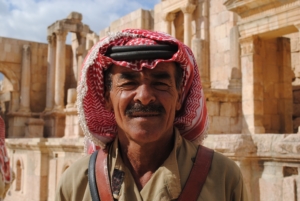
Jordan is an Arab country in West Asia with a population of more than 10 million people and a life expectancy of 74 years. Although some in Jordan face health and economic struggles, efforts are in place to raise the average life expectancy rate. Here are seven facts about life expectancy in Jordan.

7 Facts about Life Expectancy in Jordan

  1. As of 2017, road injuries ranked number nine of 10 factors causing the most deaths in Jordan. In 2007, road injuries ranked much higher at sixth, as there were 110,630 road accidents and 992 fatalities. That statistic increased from 1987’s 15,884 accidents. In response to these 2007 numbers, the Jordanian government applied new traffic laws in 2008 and increased police activity, which, ultimately, boosted life expectancy.
  2. Air pollution is in the top 10 risk factors of death and disability combined in Jordan. In urban areas, 50-90 percent of Jordan’s air pollution comes from road traffic, and based on a report in 2000, air pollution causes around 600 premature deaths each year. The main factor of poor air quality is lead-based gasoline used in cars, emitting lead pollution. In 2006, the government introduced two types of unleaded petrol for cars. However, air pollution was still a leading cause of death in 2017.
  3. Noncommunicable diseases are on the rise in Jordan. Even though these diseases cannot be transmitted to others, they remain some of the most common causes of death. From 2007 to 2017, Ischemic heart disease continued to be the number one cause of death for Jordanians and diabetes moved up from fifth to fourth. As of 2017, strokes ranked second.
  4. Chronic illnesses are some of the most common diseases in Jordan. Approximately one-third of Jordanians over 25 have a chronic illness or suffer from more than one. Reported chronic illnesses are largely caused by the practice of smoking tobacco. Out of the entire population, 38.2 percent use tobacco, including 65.5 percent of males over 15. If the amount of smokers does not decrease in the future, it will negatively impact the mortality rates and overall life expectancy in Jordan.
  5. Jordanian’s access to healthcare and insurance is increasing every year. From 2000 to 2016, on average, the percent of those insured increased by an average of 1.2 percent. Overall, 70 percent of Jordanians are insured. All children under six and citizens older than 60 are eligible for insurance with Jordan’s public healthcare sector as well. Primary healthcare clinics are available in both urban and rural areas, and those with insurance receive free medication.
  6. The Jordanian government developed a national electronic medical library (ELM). The ELM gives students and healthcare workers free access to medical resources to encourage and increase the number of people pursuing a career in medicine. The government hopes that the ELM will help increase the availability of healthcare and allow the medical industry in Jordan to flourish in the future.
  7. Mercy Corps has been supporting Jordanians since 2003. The organization has 250 workers in the country. Mercy Corps not only provides basic needs but also long-term solutions, such as working to reduce tensions between leaders in communities. Mercy Corps has helped more than 3,000 vulnerable households with costs to meet urgent needs and in 2017 alone, more than one million Jordanians benefitted from their work.

Although certain health and economic issues are prominent, Jordan is making improvements to its quality of living. The government is taking the initiative to move the country forward, economically and medically, which can only mean an increase in life expectancy in Jordan in the future.

– Jordan Miller
Photo: Unsplash


October 1, 2019
https://borgenproject.org/wp-content/uploads/borgen-project-logo.svg 0 0 Jennifer Philipp https://borgenproject.org/wp-content/uploads/borgen-project-logo.svg Jennifer Philipp2019-10-01 08:17:232019-12-17 15:07:597 Facts About Life Expectancy in Jordan
Developing Countries, Development, Global Poverty, Poverty, Poverty Reduction

How Plastic Bank is Tackling Global Poverty

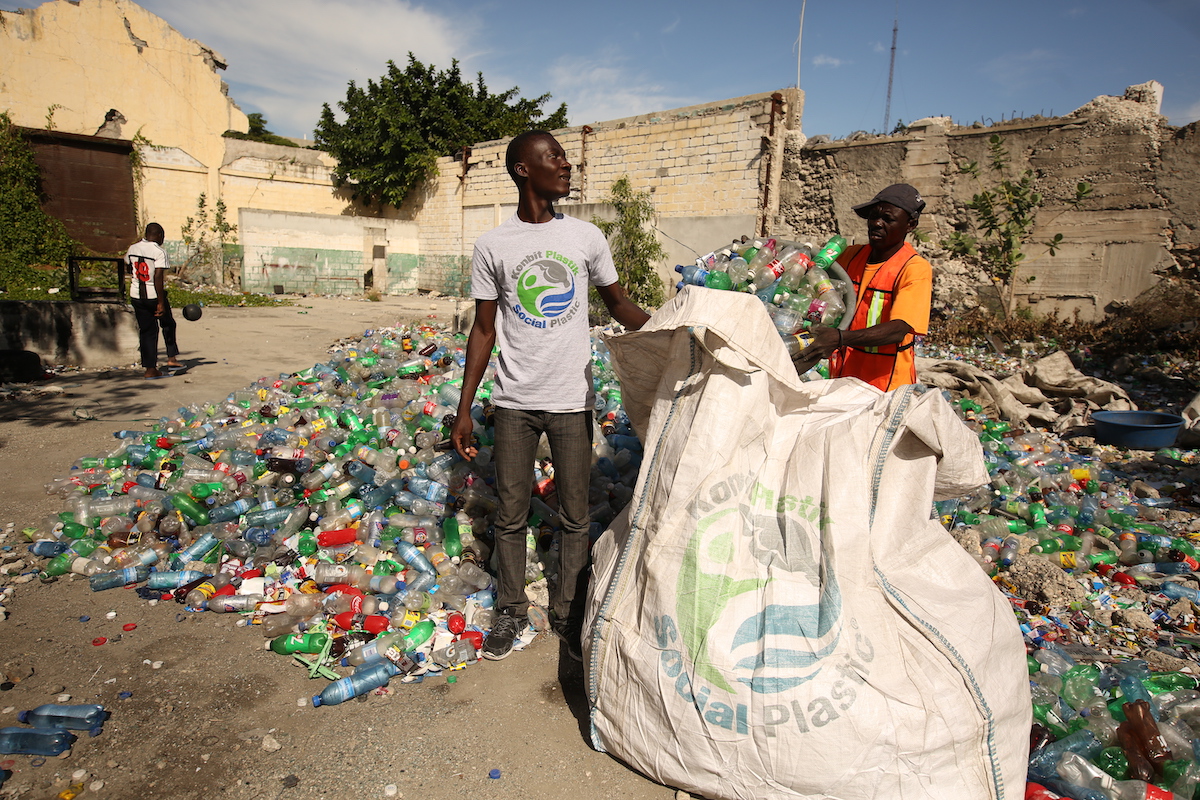
Plastic BankThere are more microplastics in the ocean than there are stars in the Milky Way galaxy and the majority of this plastic waste comes from areas of extreme poverty, where recycling is simply not an option. Because a garbage truck’s worth of plastic is dumped into the ocean every minute, David Katz and Shaun Frankson were compelled to create the organization known as Plastic Bank. During a TED talk, Katz explains that the solution to this problem is to “turn off the tap,” since ridding the oceans of plastic waste may be futile. Thus, the organization was launched with two goals in mind: stopping the flow of plastic waste into the ocean, while simultaneously alleviating global poverty.

What is the Plastic Bank?

The Vancouver-based Plastic Bank, launched in 2013, is predicated around the idea of turning plastic waste into digital currency in impoverished communities. This gives plastic too much value to be simply dumped into the ocean. The organization touts the mantra, “Plastic is a resource — not waste.”

At numerous locally-run Plastic Bank locations, individuals turn in plastic they have collected from within their communities. In Haiti, more than 40 recycling centers have been established and plastic collectors earn as high as $5 per day in a country where the average citizen lives on $2 a day, according to the World Bank. Since 2015, the first Plastic Bank center opened in Haiti has collected an amount of plastic equivalent to more than 100 million plastic bottles.

The plastic is weighed and assigned a value, which is then deposited into an online account that can be accessed via a smartphone application. According to Frankson, 50 percent of people in Haiti have a smartphone that can run the app and those who do not can use plastic to buy a phone. The app uses blockchain technology on IBM’s LinuxONE servers, meaning that all transactions are tracked and free of any danger involved in a cash-based system, such as robbery or forgery. At Plastic Bank stores, individuals can use their credits to buy necessities such as water, food, sustainable cooking fuel, high-efficiency stoves and even medical insurance, school tuition, solar-powered smartphone charging and Wi-Fi access.

Another innovation is the app’s banking features. Utilizing the same blockchain technology to create a secure “hyper ledger,” users can build credit over time and eventually earn low-interest loans. Before this feature, this was a very uncommon opportunity in countries like Haiti since many citizens do not qualify for bank accounts.

The Advent of Social Plastic

Once the plastic is collected at recycling centers, it is cleaned, crushed into pellets and sold as what the organization calls Social Plastic, or a form of plastic that is more socially responsible. Social Plastic is purchased by companies and multinational corporations such as German Henkel, Shell, IBM and Marks & Spencer and is used directly in the manufacturing of their goods. According to Katz, Social Plastic is a “globally recognized currency“ that “alleviates poverty and cleans the environment at the same time.”

The Future of Plastic Bank

Currently, Plastic Bank is expanding operations to over two dozen countries and developing the app further, including IBM visual recognition technology to help users identify the value of certain plastics, like a barcode scanner in a store. Plastic Bank expects to entice major corporations such as Coca-Cola, PepsiCo and Colgate-Palmolive to join the initiative. Plastic Bank currently operates in the Philippines, Haiti and Indonesia and is projected to have 530 locations by the end of 2019.

– Adam Bentz
Photo: Flickr

October 1, 2019
https://borgenproject.org/wp-content/uploads/borgen-project-logo.svg 0 0 Jennifer Philipp https://borgenproject.org/wp-content/uploads/borgen-project-logo.svg Jennifer Philipp2019-10-01 01:30:562019-10-10 10:13:42How Plastic Bank is Tackling Global Poverty
Children, Developing Countries, Development, Global Poverty, Life Expectancy

Top 10 Facts About Life Expectancy in Montenegro

Life Expectancy in Montenegro

Montenegro is a Balkan country that obtained independence from Yugoslavia on June 3, 2006. The data regarding life expectancy in Montenegro attests to its modernization and the continuing integration of the country into the global market system. With the fall of communism and the dissolution of Yugoslavia, improvements in life expectancy outcomes have accompanied the increased prevalence of ills more characteristic of developed countries. Below are the top 10 facts concerning life expectancy in Montenegro.

Top 10 Facts About Life Expectancy in Montenegro

  1. Overall life expectancy has improved slightly. As of 2016, life expectancy in Montenegro reached 76.6 years, an increase from 75.28 in 2010. Women on average live 79.2 years, while men on average live 73.9 years.
  2. Some age groups have undergone mortality rate declines, while others have experienced increases. Males under 1-year-old experienced the largest decline in mortality in 2010, down 65 percent from 1990. In contrast, the most significantly increased mortality rate between 1990 and 2010 shows up among females between ages 35 and 39, constituting an 8 percent increase.
  3. The infant mortality rate has declined significantly since 1969. Infant mortality in Montenegro has been subject to a regular and substantial rate of decrease from 1969 to the present. While in 1969 there were 43.3 deaths per 1,000 live births, this rate has declined to merely 2.55 deaths per 1,000 live births as of 2018.
  4. Efforts are being made to target the leading causes of death and their risk factors. As of 2010, ischemic heart disease, cerebrovascular disease and cardiomyopathy constituted the leading causes of death in Montenegro.
    • Between 1990 and 2010, lower respiratory infections declined by 7 percent.
    • High blood pressure remains the principal risk factor for premature death, followed by dietary habits and tobacco consumption.
    • Montenegro’s Law on Food Safety of 21 December 2007 places restrictions on the marketing of such unhealthy foods as play a role in poor health outcomes.
    • The Law on Protection of Consumers of 16 May 2007 prohibits food advertisements that target minors or use minors in promoting products.
  5. In Montenegro, suicides outnumber homicides. The suicide rate remained consistent from the years 2013 to 2015, experiencing only a slight decrease between 2011 and 2012. With 11.07 suicides per 100,000 people in 2015, Montenegro exceeded the global suicide rate average of 9.55 suicides per 100,000 people. When distinguishing by sex, the suicide rate for males numbered 15.03 per 100,000 and for females numbered 7.19 per 100,000, with 4.1 suicides for every homicide. Prior to independence from Serbia, a government initiative successfully reduced the annual suicide rate of the Yugoslav Army (Serb and Montenegrin soldiers) from 13 per 100,000 between 1999 and 2003 down to 5 per 100,000 in 2004. This program, involving the efforts of physicians and psychologists as well as officers, entailed informing soldiers about substance abuse and suicide risk factors, as well as the dismissal of recruits with severe psychological problems.
  6. Obesity is a significant issue. Moderate obesity may reduce one’s life expectancy by three years, while severe obesity may reduce one’s life expectancy by 10 years. Statistics demonstrate that as of 2008, 55.6 percent of the adult Montenegrin population were overweight while 22.5 percent were obese. Men are more likely to be overweight (62 percent) or obese (23.3 percent) than women (49.9 percent and 21.7 percent respectively). In 2015, the European Association for the Study of Obesity (EASO) issued the 2015 Milan Declaration, of which the Montenegrin chapter of the EASO was a signatory. This declaration proposes treating obesity as a crisis requiring the development of educational, research and clinical care strategies for its reduction at the national level.
  7. HIV is rare in Montenegro. The HIV epidemic has had little impact on Montenegro compared to other countries as only 0.01 percent of the population is infected with the virus as of 2011. Data collected in that year established 128 total HIV cases, 62 total AIDS cases and 32 AIDS-related deaths. Of these, 2011 saw nine new HIV cases, three new AIDS cases, and only one AIDS-linked death. Eight out of nine diagnoses in 2011 were male. No mother-to-infant transmission cases were reported in 2011.
  8. Most Montenegrins have access to an improved water source. Access to potable water sources plays a major role in increasing life expectancy, particularly in reducing the incidence of potentially fatal water-borne diseases. By 2015, 99.7 percent of the Montenegrin population could access an improved water source.
  9. Health care staffing suffers a deficit. Health care comprises 6.8 percent of Montenegro’s GDP, totaling $177 in expenditures per capita. However, as Montenegrin health care services usage exceeds the European average, Montenegro faces an understaffing crisis. This chronic understaffing poses a continued risk of increased patient mortality in medical treatment centers.
  10. Life expectancy in Montenegro may respond to the country’s continuing urbanization. Studies show that residents of urban centers may have longer life expectancies than those in more rural, less developed or remote regions. The rural population of Montenegro declined to 35.78 percent by 2016 compared to 81.21 percent in 1960.

Although centuries of isolation and scarcity have left their legacy, these facts about life expectancy in Montenegro indicate that the country continues along the path of modernization. Overall, these top 10 facts about life expectancy in Montenegro give good cause for optimism regarding the country’s future.

– Philip Daniel Glass
Photo: Flickr

September 30, 2019
https://borgenproject.org/wp-content/uploads/borgen-project-logo.svg 0 0 Kim Thelwell https://borgenproject.org/wp-content/uploads/borgen-project-logo.svg Kim Thelwell2019-09-30 14:23:432024-05-29 23:12:58Top 10 Facts About Life Expectancy in Montenegro
Developing Countries, Development, Global Poverty

Infrastructure: Fighting Poverty in Haiti

Fighting Poverty in Haiti
Haiti is a country among the most struggle-filled in terms of development in its personal history. With a long history of changing its rule, sociopolitical instability and copious natural disasters, Haiti faces one of the tallest uphill battles of any country. The country is one of the United States’ top trading partners and there has been a solid, though rocky, history between the two nations. The following will describe some of the struggles the country faces in developing its infrastructure, as well as a quick look at how the United States and other nonprofit groups are fighting poverty in Hati.

The Challenges of Infrastructure

Developing infrastructure and fighting poverty in Haiti is no small task, but Haiti has a history and a geographical position that makes it even more challenging than many other developing nations. Economically, Haiti has faced a depreciation of value in its currency and a heavy reliance on foreign aid that composes 20% of its overall annual budget. It also has faced a long history of dictatorships or otherwise corrupt government officials, which creates difficulty in achieving political stability even today. The most damaging factors to Haiti’s infrastructure, however, come from the natural world.

Haiti faces more natural disasters than any other Caribbean nation. Positioned on a fault line and directly in the path of most hurricane formations through the Gulf of Mexico, the nation suffers earthquakes, extreme flooding and wind damage. Though these are difficult enough to face on their own, a lack of city planning or rapid response to infrastructure damage leaves Haiti recovering for a lengthy time period after such disasters. In 2010, there was a 7.0 magnitude earthquake that displaced many Haitians from their homes; from 2015 to 2017, there was a massive drought leading to losses of 70% of crops; and in 2016, Hurricane Matthew caused significant damage to infrastructure and housing. Haiti faces a number of rapid-fire disasters and it does not have the economic resources nor the political responsibility required to recover.

There are other infrastructural systems that face significant issues in Haiti. Aside from damage to roads and buildings, there are many cities in Haiti without a central sewage system. Port-au-Prince is among the largest cities in the world without such a system, causing more than 3 million people to use outhouses. The lack of improved sanitation systems leads to water contamination and outbreaks of diseases such as dengue, malaria and cholera. Internet access and electricity are also improving, but at a very slow rate – only about 12% of Haitians have access to the internet and roughly 44% have access to electricity.

Solutions

In order to assist with developing infrastructure and fighting poverty in Haiti, organizations like the World Bank and USAID, and nonprofits such as HERO and Hope for Haiti, are coming together to provide assistance to Haitians both directly and through funding. The World Bank’s International Development Association (IDA) rehabilitated over 100 kilometers of roadway, set up a debris processing facility and provided recovery kits to 50,000 people following the 2010 earthquake – all the while employing Haitians for such recovery projects and providing them a source of income.

The nonprofits HERO and Hope for Haiti are also helping with developing infrastructure and fighting poverty in Haiti. HERO provides 24/7 medical emergency response, as well as other important health services, in Haiti. This means that when such disasters occur, there will still be emergency relief aid. Hope for Haiti is also assisting with education and water-based infrastructure – providing education for more than 7,000 students, and 1.7 million gallons of clean water annually to families in need. The assistance of these organizations is integral, and with their help alongside national organizations and a potential increase in aid from the United States, Haiti can overcome its struggles with infrastructure.

– Jade Follette
Photo: Defense.gov

September 30, 2019
https://borgenproject.org/wp-content/uploads/borgen-project-logo.svg 0 0 Kim Thelwell https://borgenproject.org/wp-content/uploads/borgen-project-logo.svg Kim Thelwell2019-09-30 12:37:412022-04-22 08:43:33Infrastructure: Fighting Poverty in Haiti
Developing Countries, Education, Global Poverty, Health, NGOs

Top 5 Causes of Global Poverty

5 Causes of Poverty
Of the population of the world, over 3 billion people live on less than $2.50 a day. This is a staggering number that begs the question, why? What are the causes of global poverty? There is a multitude of reasons as to why poverty devastates countries, but here are the top five causes of global poverty.

5 Causes of Global Poverty

  1. War: A country that goes to war can impact poverty greatly. There are several factors to consider when looking at how war contributes to poverty. There is the destruction of the infrastructure wherever the conflict rages. Fierce fighting can destroy power facilities, buildings and roads and usually take years to rebuild. The disruption of trade can have a devastating impact on the goods that people rely on. The halt to production in factories, growing of crops and work in mines can bring a country’s economy to almost a complete stop. The human cost is the most devastating out of every impact that war can bring. Not only is there the number of dead to consider, but also the number of people fleeing the conflict zones. Large numbers of a country’s workforce are fleeing the conflict zones looking for peace in a different country. Today, 71 million people have been displaced because of war and violence in countries all over the world. Since the creation of organizations such as the United Nations, countries are more willing to talk to each other and keep the peace rather than fight.
  2. Little to No Education: Often, when a country is in poverty, there is very little to no education available for its citizens.  Nearly 1 billion people came into the 21st century not knowing how to write their names or read a book. When a nation lacks in education, they become an untrained workforce for an impoverished nation. Families in these countries often cannot afford to send their children to school, and frequently require them to work to support their families. By the year 2000, it was possible to send every child in the world to school and in order to do that, the world would have only had to spend less than 1 percent of what it does on weapons. However, this obviously did not happen. Even though 1 billion people or 18 percent of the population could not read or write at the start of the century, this statistic is still an improvement from 1980 when the world illiteracy rate was 30 percent.
  3. Corruption: One can blame poverty in a country on the leaders as well as any outside factors. A country with corrupt leadership can have a devastating impact on the well being of its people. Corruption can divert much-needed resources and funds away from those that need them. Every country may have some level of corruption, however, the most poverty-stricken countries often show the most corruption. According to Transparency International’s Corruption Index, out of the 177 nations it ranked, 118 had a score of 50 or less. A score of 100 means that the country is free of corruption. Meanwhile, the least developed nations in the world have a score of 28. Fortunately, many countries are creating offices to hold their leaders accountable. Cuba, for example, has started the Ministry for Auditing and Control that aims to fight corruption within the country.
  4. Inflation: Countries’ economies can fluctuate from extreme highs to lows. Venezuela is a current example of a country going through this type of hardship. The South American country was able to prosper from an economic boom from its oil industry. When that began to regress, the country’s economy began to take a turn for the worse. Inflation ruined the country, making goods almost impossible to afford. There was also a lack of necessary supplies such as food and medicine. The current poverty rate in Venezuela sits at 90 percent out of a population of 32 million. Because of the economic hardship, 4 million people have left Venezuela as refugees. Despite Venezuela’s struggles, there are examples of countries that have faced terrible economic times and turned things around. Norway had one of the worst economies at the turn of the 20th century, but through foreign aid and resources, it is now one of the richest nations in the world.
  5. Natural Disasters: A natural disaster can have an overwhelming impact on a country’s livelihood and the well-being of its people. There is very little that anyone can do to stop natural disasters from happening. Earthquakes, tsunamis, hurricanes, landslides, volcanic eruptions and tornadoes can destroy areas and leave whole regions to pick up the pieces. Countries that are already in poverty struggle to recover and frequently sink deeper into poverty. According to the World Bank, over 26 million people enter poverty each year because of natural disasters. By the end of 2018, the world lost $225 billion as a result of natural disasters globally. As technology improves, countries become better prepared for natural disasters and have more warning.

No matter what the causes of global poverty are, there is always a solution to fix them. Whether it is through international aid or a change in legislation around the world, people can eliminate those causes, or at the very least, limit the devastation of poverty.

– Sam Bostwick
Photo: Pixabay

September 30, 2019
https://borgenproject.org/wp-content/uploads/borgen-project-logo.svg 0 0 Jennifer Philipp https://borgenproject.org/wp-content/uploads/borgen-project-logo.svg Jennifer Philipp2019-09-30 11:32:262024-06-06 00:26:27Top 5 Causes of Global Poverty
Developing Countries, Development, Global Poverty, Health

Medical Reform in Ukraine Brings Hope

Medical Reform in Ukraine
Ukraine is one of the most poverty-stricken countries in the world. In fact, people often consider it to be the poorest country of all. Recently, a new medical reform has emerged that promises a brighter future for Ukraine. It will not solve the entire problem of poverty in Ukraine, but it will make health care easier to afford, and therefore, be a step towards better conditions for its citizens.

Medical Reform

The main objectives of the medical reform are to focus on patient-first goals including incorporating new electronic medical services for recordkeeping and prescription services, opening the Affordable Medicines program and implementing government-guaranteed packages of health care services so that the National Health Service of Ukraine acts as a third party focusing on the patient and more. All of these new programs and changes will provide a way for the people of Ukraine to address their medical needs and receive care that is affordable for them.

For example, over 6.6 million Ukrainians have already used the Affordable Medicines program. They received the drugs they needed from the program and the drugs were “based on 28 million prescriptions worth UAH (Ukrainian Hryvnia) 1.3 Billion.” Now, about 7,937 drug stores are part of the program. The Affordable Medicines program has achieved giving the citizens of Ukraine access to medications that are usually difficult to obtain, primarily due to cost factors. The medical reform in Ukraine emerged precisely for these purposes. It strives to give better health care to the citizens of this country on a person by person basis.

High-Quality Medical Services

The most recent medical reform in Ukraine occurred in 2019. It involved giving people access to high-quality medical services, such as ultrasound exams and biopsies. These services are new additions to the medical reform. It also expanded the Affordable Drugs program so that it will provide free medicines for cardiovascular diseases, bronchial asthma and type II diabetes.

The Ministry of Health of Ukraine calculated that more than 24 million Ukrainians were able to start receiving high-quality medical services since they signed declarations with their doctors. Ukraine is working more and more towards making expensive medicines and treatments more accessible for its citizens. With this newest reform, more people are able to get the types of treatment they need that were previously inaccessible or unavailable, thereby getting them closer to curing their ailments. The steps the country is taking are slow to accomplish, but it is building a system for better overall health care in Ukraine.

Electronic Document Management

Another important aspect that is Ukraine’s health care system is implementing is electronic document management. Nowadays, technology is prevalent and sometimes the only way to access information directly. The newly developed electronic document management in Ukraine gives people easy access to necessities such as medicine. The documents that the electronic system handles include medical cards, sick leave certificates, drug orders, appointments with doctors and patient record-keeping by doctors. Incorporating these types of documents into the medical electronic managing system makes a patient’s medical records and history easier to keep track of and easier to treat in an orderly fashion.

While the poverty conditions in Ukraine are still a major problem, the country is taking steps to make it more manageable and move towards improving the quality of life for its citizens. This is especially true with the medical reform in Ukraine. Affordable, timely, and accessible medical care will improve the health and lives of people in need.

– Haley Saffren
Photo: Flickr

September 30, 2019
https://borgenproject.org/wp-content/uploads/borgen-project-logo.svg 0 0 Kim Thelwell https://borgenproject.org/wp-content/uploads/borgen-project-logo.svg Kim Thelwell2019-09-30 10:16:042020-01-25 16:05:34Medical Reform in Ukraine Brings Hope
Page 98 of 157«‹96979899100›»

Get Smarter

  • Global Poverty 101
  • Global Poverty… The Good News
  • Global Poverty & U.S. Jobs
  • Global Poverty and National Security
  • Innovative Solutions to Poverty
  • Global Poverty & Aid FAQ’s
Search Search

Take Action

  • Call Congress
  • Email Congress
  • Donate
  • 30 Ways to Help
  • Volunteer Ops
  • Internships
  • Courses & Certificates
  • The Podcast
Borgen Project

“The Borgen Project is an incredible nonprofit organization that is addressing poverty and hunger and working towards ending them.”

-The Huffington Post

Inside The Borgen Project

  • Contact
  • About
  • Financials
  • President
  • Board of Directors
  • Board of Advisors

International Links

  • UK Email Parliament
  • UK Donate
  • Canada Email Parliament

Get Smarter

  • Global Poverty 101
  • Global Poverty… The Good News
  • Global Poverty & U.S. Jobs
  • Global Poverty and National Security
  • Innovative Solutions to Poverty
  • Global Poverty & Aid FAQ’s

Ways to Help

  • Call Congress
  • Email Congress
  • Donate
  • 30 Ways to Help
  • Volunteer Ops
  • Internships
  • Courses & Certificates
  • The Podcast
Scroll to top Scroll to top Scroll to top