• Link to X
  • Link to Facebook
  • Link to Instagram
  • Link to TikTok
  • Link to Youtube
  • About
    • About Us
      • President
      • Board of Directors
      • Board of Advisors
      • Financials
      • Our Methodology
      • Success Tracker
      • Contact
  • Act Now
    • 30 Ways to Help
      • Email Congress
      • Call Congress
      • Volunteer
      • Courses & Certificates
      • Be a Donor
    • Internships
      • In-Office Internships
      • Remote Internships
    • Legislation
      • Politics 101
  • The Blog
  • The Podcast
  • Magazine
  • Donate
  • Click to open the search input field Click to open the search input field Search
  • Menu Menu

Archive for category: Developing Countries

Information and stories about developing countries.

Developing Countries, Development, Education, Global Poverty, Health, Technology

5 Reasons for The Rapid Pace Development of India

Development of India

Thirty years ago, India was considered by many to be the poster child for global poverty, with what the CIA World Factbook described as “environmental degradation, extensive poverty and widespread corruption.” However, in the decades since, India has grown tremendously, threatening to eclipse existing global superpowers, in fact, the country is projected to become the world’s third-largest economy by 2025. Here are five reasons for the rapid pace of development in India:

5 Reasons for the Rapid Pace Development of India

  1. Risk Management in Farming – Farmers are the backbone of a thriving society. However, the field of agriculture is full of risks, as bad crops, bad weather and other unexpected circumstances can lead to ruin for a would-be farmer, particularly in a country like India, which experiences ongoing monsoons that can completely ruin a farmer’s crops. This is why India has begun to implement risk management programs that insure farmers’ crops against monsoons and other disasters, a practice common in developed countries. When the Indian government implemented the PMFBY risk management scheme in 2016, the country saw the market premiums for agricultural goods increase by 300 percent.
  2. Quickly Growing Cities – A large part of India’s development has taken place in its cities. Two-thirds of the economic growth of the country comes from its cities, which are projected to have economies the size of small countries by 2030. This is largely due to the large influx of new citizens to the cities, which is projected to add 300 million residents by 2050. This comes at the cost of tremendous overcrowding in the cities, but India is working to develop new methods of urban sustainability that will keep the growth provided by its massive cities going.
  3. Investing in Renewable Energy – When India began to take off as a world power, the country was able to quickly develop its energy systems due to a rapid and early adoption of renewable energy sources such as solar and wind energy. This is because, due to the lack of preexisting infrastructure and the country’s sunny climate, it is cheaper for the Indian energy industry to harness solar energy than to harness energy from coal and gas. Today, solar energy alone makes up 30 percent of the energy produced in India and has the capacity to produce 30 GW of power in 2019. This access to cheap and reliable energy has helped India’s development by allowing the country to power its cities and even export energy to other countries. With that said, many households in India still lack access to electricity, which has caused many in the country to criticize the government’s export policies.
  4. Increased Focus on Breastfeeding – Although this point may seem oddly specific, it is vital to India’s development. The ability of children to breastfeed has been shown to improve their overall nutrition and reduce child mortality. Over the last 10 years, the percentage of babies who are breastfed in India has increased from 46.4 to 54.9 percent. This is partly due to a government program called Mother’s Absolute Affection, which works to make mothers and health care providers more aware of the benefits of breastfeeding and the nutritional needs of a developing baby.
  5. Thriving Tech Industry – In recent years, India has become almost ubiquitously known for being one of the largest tech powerhouses in the world. Most of this growth has been concentrated in start-up companies, turning India into a gigantic Silicon Valley. Of note, Bangalore, India’s biggest tech city, is considered by experts to be the second-fastest growing startup city in the world (behind Berlin) and the country has been rated the world’s top exporter of IT services.

Overall, India is one of the world’s fastest-growing countries and it is because of smart government policies, targeted economic development and stronger social services that help ensure that people aren’t left behind.

– Kelton Holsen
Photo: Flickr


October 25, 2019
https://borgenproject.org/wp-content/uploads/borgen-project-logo.svg 0 0 Jennifer Philipp https://borgenproject.org/wp-content/uploads/borgen-project-logo.svg Jennifer Philipp2019-10-25 13:14:402024-05-25 00:21:585 Reasons for The Rapid Pace Development of India
Advocacy, Developing Countries, Economy, Global Poverty, Poverty, Poverty Reduction

How China’s Protests Affect its Poverty and Economy

China's Protests Affect its Poverty and Economy
As protests in Hong Kong have continued to escalate between protesters and China’s ruling Communist Party, each side appears to become increasingly distant from the other. The term One China is not new, but what is new is the number of protests that have occurred and the amount of support that it is receiving from citizens. The protests in Hong Kong began to occur in April 2019 following an extradition bill that would have allowed the extradition of the citizens of Hong Kong to the mainland. Here is how China’s protests affect its poverty and economy.

Tourism and the Economy

In Hong Kong’s top tourist area Tsim Sha Tsui, many shop workers tend empty shops waiting for consumers. This district holds an assortment of luxury hotels, restaurants and boutiques that attract tourists. In recent months, however, it has seen an inverse of traffic as shoppers occupy it less and protesters occupy it more. At the beginning of 2019, businesses started to struggle from the strained U.S. and Beijing trade war. In the months following, the economic state worsened and the protesting has lasted for months to date.

Similar to the tourism business, other industries across the region have felt comparable effects from the protests as well. A large number of startup companies are beginning to consider other areas like Singapore for future operations. Some economists believe that China may be one step closer to a recession as GDP has decreased. Select industries are seeing a decline rate in the double-digits from previous years.

Immigration

As the economy of China has been on the decline for months, immigrants from the mainland have moved to Hong Kong at high rates for the past 10 years. Estimates determine that between 60 to 70 percent of China’s population came from the mainland. In 2017, approximately 40 percent of immigrants from the mainland to Hong Kong were living under the poverty line.

Success So Far

Chinese leaders have held a goal to eliminate national poverty for several years now. Even with the protest and political tension that the region is facing, it still seeks to eradicate poverty. In the last seven years, nearly a billion citizens have risen from their impoverished status. In 2018, official counts determined that there were only 16 million people living below the poverty line. If the country continues at the rate it has been going, there will be just a few million people still in poverty by the end of 2019.

Distractions or Support

People have made numerous cases against the middle class, the largest class in the country. Some believe that this initiative has drowned out other issues that impact the nation. Topics such as extreme poverty and class status are beyond the realm of politics and legislation that people typically see. Another claim is that the economic frustrations of China’s citizens are pushing the protest to expand. What initially was about an extradition bill also serves as an opportunity for protesters to speak out about their concerns.

In the last decade, China has reduced the number of people living in poverty substantially, however, it has been occurring at a decreasing rate. In recent months, the discussion of China relates to the increasing rate of protests in Hong Kong. Many people have taken notice of how China’s protests affect its poverty and economy. The nation’s finances have been a point of interest as numbers fail to match those of previous years.

– Kimberly Debnam
Photo: Flickr

October 25, 2019
https://borgenproject.org/wp-content/uploads/borgen-project-logo.svg 0 0 Lynsey Alexander https://borgenproject.org/wp-content/uploads/borgen-project-logo.svg Lynsey Alexander2019-10-25 11:30:382020-01-18 14:42:56How China’s Protests Affect its Poverty and Economy
Developing Countries, Development, Education, Global Poverty, Health

5 Companies that Use a Buy One Give One System

Companies that use a buy one give one system

The buy one give one model is being implemented by a variety of businesses as a way to give back to those in need. The model works under the idea that for one item sold, another item is donated to a person or community in need. Here are five companies that use a buy one give one system.

5 Companies that Use a Buy One Give One System

  • Baby Teresa – Sammie Appleyard and Kirsty Dunphey founded the Baby Teresa project in 2009, naming their company after Mother Teresa. For every sale that is made on a baby romper, hat, bib, etc., another is given to a baby in need. The two women recognized that clothing a baby can be the difference between life and death — especially in areas where poverty is high and access to necessities like baby clothes is limited. When purchasing, customers have a choice of where to send the donated item. As of 2019, Baby Teresa has impacted families in Ecuador, Vanuatu, Cambodia, Vietnam, Uganda and more.
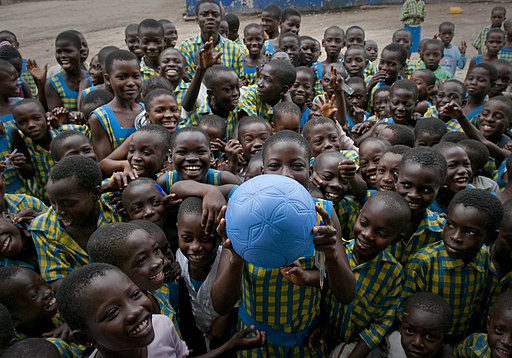
  • One World Futbol Project – The One World Futbol Project has a mission of bringing the “transformative power of play to youth living in disadvantaged communities worldwide” through its indestructible soccer ball. The ball was originally created by Tim Jahnigen after he saw a video of Darfur refugees playing soccer with a handmade ball. The idea was that the ball would be a solution for children who wanted to play but did not have the materials. Thanks to funding from international superstar, Sting, the company launched and has impacted more than 60 million lives. For every ball purchased, another is donated to a poverty-stricken community, war zone or refugee camp.
  • Figs – Figs is a company that specializes in selling medical scrubs. The founders of Figs recognized that many medical professionals in poverty-stricken areas lack access to basic medical supplies including scrubs. While owning a pair of scrubs helps medical professionals to look the part, they also contribute to clean work environments. To date, Figs has donated thousands of scrubs to medical professionals in need in more than 30 different countries through this charitable model.
  • SoapBox – SoapBox is a company that sells personal care products including body wash, hand soap, liquid soap, shampoo and conditioner. David Simnick launched SoapBox in 2010 with a mission to persuade people to change the world through everyday purchases. For every product bought, a bar of soap and hygiene lessons are donated to a community in need. More than 3 million lives in Cambodia, Haiti, India and other countries have been impacted by purchases made to SoapBox.
  • Out of Print – Since 2010, Out of Print has been selling t-shirts and apparel printed with covers of classic literature covers and quotes. With every item purchased, Out of Print donates one book to Books for Africa, helping to support literacy programs around the world. To date, the company has donated more than 3 million books to communities in need.

– Juliette Lopez
Photo: Flickr

October 25, 2019
https://borgenproject.org/wp-content/uploads/borgen-project-logo.svg 0 0 Lynsey Alexander https://borgenproject.org/wp-content/uploads/borgen-project-logo.svg Lynsey Alexander2019-10-25 09:15:302024-05-29 23:13:175 Companies that Use a Buy One Give One System
Developing Countries, Development, Global Poverty, Health

Efforts to Improve Life Expectancy in Papua New Guinea

Life expectancy in Papua New Guinea

Papua New Guinea (PNG) is a country known for its natural beauty, from Mount Wilhelm, the highest mountain in the country, to the cuscus, a marsupial that roams its rainforests. When it comes to its people, the government has made strides to improve life expectancy with life expectancy at birth totaling 64 years as of 2017 compared to only 39 years in 1960. Still, life expectancy in Papua New Guinea falls far below the global average of 72 years.

Here is a look at the factors that influence life expectancy in the country as well as efforts to further improve longevity in PNG.

Country Cooperation Strategy

The World Health Organization (WHO) launched the Country Cooperation Strategy (CCS) in 2016 to improve health facilities and access to health care in a country that is mainly rural. The CCS aims to tackle many issues that are standing in the way of attaining sustainable health outcomes for PNG citizens:

  • User fees: User fees refer to the cost of medical services, drugs and entrance fees when seeing a health care provider. In countries where the majority of the population lives in poverty, user fees serve as barriers to health care services for those who may need it the most. One of the goals of the CCS is to eliminate these fees so that that the poor will have equal access to services that are essential for good health.
  • Vaccinations: Better access to vaccinations is another way the CCS plans to ensure that the life expectancy in Papua New Guinea increases. To that end, the country’s National Department of Health, in coordination with the WHO and UNICEF started a three-week campaign in June 2019 with the goal of vaccinating 1 million children against measles-rubella and polio. As Prime Minister Marape stressed in an address to parents at the launch: “We must make Papua New Guinea polio-free again.”
  • Newborn and Maternal Health: PNG has one of the highest mortality rates in the world. The main cause of mortality in mothers is exposure to infections and high blood pressure, which can interfere with kidney and liver function and also cause anemia. Infant mortality is mainly caused by infection and asphyxia. By providing more supervision during deliveries and by promoting community-based support through non-governmental organizations, the CCS plans to change this. Care for mothers and newborns will be addressed in the CCS with a focus on support for mothers before, during and after birth.
  • Health Care Providers: A lack of health care providers is a large problem affecting life expectancy in Papua New Guinea because there are not enough doctors to care for the sick people in the country. In 2009, there were only 330 doctors nationwide for a country of 8 million. The CCS plans to work with the government to increase access to education and create better facilities for learning for those who wish to pursue careers in the medical field, therefore increasing the number of doctors.

Other Factors Affecting Life Expectancy in PNG

  • Natural Disasters: PNG is in an area that is susceptible to natural disasters and the CCS plans on implementing new strategies for dealing with these kinds of events when they occur. After a 7.5 magnitude earthquake in PNG in 2018, the death toll was estimated to be 145 and about 270,000 people needed aid. Be it a volcanic eruption, earthquake or drought, the CCS wants to make sure that the people of PNG are ready for these disasters when they inevitably occur. More surveillance of these natural occurrences and emergency planning is necessary to make sure the country is secure in case of a natural disaster.

  • Tuberculosis: Protection against epidemics is another issue affecting the life expectancy in Papua New Guinea, malaria and tuberculosis (TB) being two of the most pressing. In 2017, there were 27,935 cases of tuberculosis. The WHO plans to investigate the causes of outbreaks by identifying TB early on and reducing the transmission of the disease. The WHO also plans to strengthen training programs that deal with treating conditions like these.

– Joslin Hughson and Kim Thelwell
Photo: Pixabay

October 24, 2019
https://borgenproject.org/wp-content/uploads/borgen-project-logo.svg 0 0 Jennifer Philipp https://borgenproject.org/wp-content/uploads/borgen-project-logo.svg Jennifer Philipp2019-10-24 11:42:592020-01-18 14:59:16Efforts to Improve Life Expectancy in Papua New Guinea
Developing Countries, Development, Economy, Global Poverty

How the World Bank is Driving Human Capital Development in Somalia

Somalia is one of the 10 poorest countries in the world. UNICEF estimates that 43 percent of the Somali population live on less than a dollar a day, while around half of the labor force is unemployed. Social unrest caused by a long civil war, coupled with weak institutions have contributed to devastatingly high levels of poverty in the region. One especially prominent effect of this has been the incredibly weak education system in Somalia. Only half of the Somali population is literate and in 2016, only 32 percent of Somali children were enrolled in school. This has undermined much of the government’s attempts to build successful anti-poverty initiatives, as economic development requires substantial improvements in the human capital development of Somalia.

Partnership with the World Bank

Somalia had previously been unable to attain a partnership with the World Bank, due to high levels of debt carrying over from previous World Bank loans. However, the ambitious economic reforms of the new Somali government which was established in 2012, offer hope for improvement, culminating in the new Country Partnership Framework established by the World Bank in 2018. The World Bank has dedicated its resources to aiding the Somali government in developing stronger institutions and economic growth, in line with the government’s National Development plan. As a result of the new partnership, the World Bank now accounts for 15 percent of total financing (around $28.5 million) for Technical and Vocational Education and Training programs in Somalia.

Human Capital Investments

These investments play a significant role in human capital development, as they offer an opportunity for Somalia to diversify its economy and offer the potential for granting individuals access to sustainable long-term income. This is especially true of the role that education plays, as creating a more educated population can be vital to ensuring continued economic growth, reducing the overall reliance on foreign aid. Improvements in human capital have the potential for massive returns. The World Bank estimates that human capital growth can produce a 10 to 30 percent increase in per-capita GDP, providing economic resilience, as well as developing the tools necessary to help lift a country out of poverty. 

Such programs can play a vital role in improving employer confidence and organizing effective human capital advances. While many other reforms may contribute to economic growth, it is important to note that since the World Bank began the partnership in 2018, the country’s GDP has grown by 0.7 percent.

Overall, by securing this partnership with the World Bank, Somalia is working toward major educational reforms to boost human capital development for this and future generations.

– Alexander Sherman
Photo: Flickr

October 24, 2019
https://borgenproject.org/wp-content/uploads/borgen-project-logo.svg 0 0 Lynsey Alexander https://borgenproject.org/wp-content/uploads/borgen-project-logo.svg Lynsey Alexander2019-10-24 08:39:082024-05-29 23:13:14How the World Bank is Driving Human Capital Development in Somalia
Developing Countries, Development, Global Poverty, Health

Importance of a Sustainable Livestock

Building Sustainability through LivestockAround the world, billions are lost to see how vital livestock is to a sustainable lifestyle. For many in the developed world, the meat we buy at the grocery store every week and the process it has to go through may seem a bit amorphous and, some would argue, potentially problematic from an ethical perspective. The importance of sustainable livestock is crucial, not only to those of us lucky enough to be able to simply pick up a wide range of meats at a variety of places, but it can be the marker of success for local farmers and businesses in the developing world.

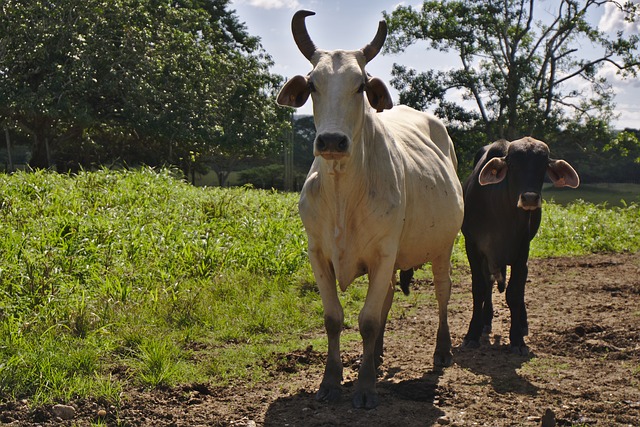
For those around the world that tend to livestock, they rely on it as a primary food source as well as for economic means. As a source of protein and nutrients, livestock is irreplaceable. Poor and developing countries find it difficult to access nutritionally balanced foods. Therefore, access to livestock such as cows and goats can provide much-needed food and economic relief when it comes to supporting yourself, your family and local businesses with products such as eggs, milk and other dairy products.

The acquisition is especially important in areas that are suffering severely from malnutrition. This is not lost on organizations such as, Oxfam and Heifer International that offer a charitable donation in the form of giving a family the much needed, “gift of sustainability,” as Oxfam calls it, such as a goat. Also, the economic and health benefits of owning livestock are not lost on many nations either. For example, Rwanda has initiated a government assistance program called One Cow per Poor Family (also known as Girinka).

A new study has expressed that this program shows great promise in limiting food insecurity. With Agriculture supporting 80 percent of the Rwandan population, owning livestock can also help with limiting the negative effects of soil infertility. However, in the absence of government assistance programs such as these, many poor families will be left with few options, should their crops fail or if other sources of income are dried up. And while there is no shortage of options when it comes to donating to help with food sustainability in underdeveloped nations, livestock sustainability sadly and continually falls to the waste side.

“The contribution of livestock to the wider rural economy remains under-appreciated by all players in development, except farmers,” says The Guardian in their article, “It’s time to recognize the important role livestock play in tackling poverty.” And with under-appreciation or lack of knowledge typically comes under-development and lack of funding. Additionally, livestock can take on many roles as it helps to keep families from slipping further into economic depression. For example, if the crops that the livestock are helping cultivate suddenly take a devastating turn, as they will often do, families will also have the option of selling the livestock itself to stay afloat.

Livestock also can give women in local communities the chance to not only make a profit but also help build economic sustainability for themselves as well. In a world where half the farmers are female, many women have taken the helm when it comes to raising and cultivating livestock. This work, which can be incredibly profitable, will not only give women a source of income and potential economic independence, but studies have shown that with these newfound funds, women will invest a majority of it back into the household. Those are expanded investments in school, food, healthcare, etc.

With the help of livestock, communities that are being ravaged by poverty have a chance to not only pull themselves out of it, but they provide an opportunity to build a sustainable future for themselves and their community. As long as livestock is brought to the forefront of discussions about poverty and development, then global sustainability can see greater positive results.

– Connor Dobson
Photo: Flickr


October 24, 2019
https://borgenproject.org/wp-content/uploads/borgen-project-logo.svg 0 0 Kim Thelwell https://borgenproject.org/wp-content/uploads/borgen-project-logo.svg Kim Thelwell2019-10-24 06:29:162020-01-18 15:03:18Importance of a Sustainable Livestock
Developing Countries, Global Poverty

Top 5 Facts About Clean Energy in Ethiopia

With the goal of becoming a middle-income country by 2025, Ethiopia is making major strides in promoting clean energy and sustainability. As part of its Growth and Transformation Plan (GTP), the Ethiopian government is working on a variety of clean energy projects and initiatives to build and expand its clean energy production. Ethiopia‘s main source of clean energy is hydropower, but the country is also working to expand its thermal, solar and wind energy. Here are the top five facts about clean energy in Ethiopia.

Top Five Facts About Clean Energy in Ethiopia

  1. A Geothermal Energy Plan: Power developer Reykjavik Geothermal developed plans for a $4.4 billion project that will bring geothermal energy to Ethiopia. Starting in September 2019, the power developer is exploration drilling for two geothermal energy plants in the cities of Tulu Moye and Corbetti. Both plants would provide 500 megawatts (MW) of geothermal energy after completion, amounting to a combined 1000 MW of geothermal energy.
  2. Eliminating its Energy Deficit: The Ethiopian government is working with Scaling Solar to build solar energy plants and infrastructure. Scaling Solar is a World Bank-sponsored program that provides financial aid for emerging countries to invest in solar energy. By partnering with Scaling Solar, the plan is to build photovoltaic plants that would produce 500 MW of solar energy, which would be enough to completely eliminate the country’s energy deficit.
  3. A Climate-Resilient Green Economy Strategy: The Ethiopian government developed a strategy for building a green economy that fosters growth and sustainable development. Known as the climate-resilient green economy, or CRGE, the initiative includes expanding energy production from clean renewable sources, protecting forests and developing modern and efficient infrastructure in transportation, buildings and the industrial sector. CRGE is also working to improve farming practices and food security while reducing emissions. A green economy and better water and air quality will improve food security, public health and foster rural economic development.
  4. Hydropower Production: According to the International Hydropower Association (IHA), Ethiopia is the first producer of hydropower in Africa, having an installed hydropower capacity of 3,822 MW. In addition, Ethiopia is currently developing projects that will further increase its hydropower production. This includes the Grand Ethiopian Renaissance Dam, or GERD, which will generate a whopping 6,450 MW of hydropower energy once completed, nearly double the country’s current capacity.
  5. Wind Energy: The Ethiopian government is making strides in expanding wind energy. In 2013, Ethiopia opened one of Africa’s largest wind farms, the 120 MW Ashedoga plant, and continued the trend with the 153 MW producing Adama II in 2015. Currently, the Ethiopian government is working on a $300 million dollar project that involves building at least five more wind power plants. These plants would significantly increase Ethiopia’s output of wind power from 324 MW to 5,200 MW.

By focusing on clean energy generation projects, Ethiopia is working toward improving access to reliable sources of energy. Overall, only 40 percent of Ethiopians currently have access to electricity. 85 perfect of Ethiopians have access to electricity in urban areas but only 29 percent have access in rural areas. These top five facts about clean energy in Ethiopia demonstrate the country’s perseverance in fostering clean energy and expanding access to electricity. Access to clean energy will also foster economic growth, which is vital to Ethiopia achieving its goal of becoming a middle-income country by 2025.

– Nicholas Bykov
Photo: Flickr

October 23, 2019
https://borgenproject.org/wp-content/uploads/borgen-project-logo.svg 0 0 Kim Thelwell https://borgenproject.org/wp-content/uploads/borgen-project-logo.svg Kim Thelwell2019-10-23 16:41:402019-12-17 14:33:25Top 5 Facts About Clean Energy in Ethiopia
Developing Countries, Development, Global Poverty

Models for Eldercare in Sub-Saharan Africa

Eldercare in Sub-Saharan AfricaThe world is experiencing rapid demographic aging. In sub-Saharan Africa, a population of 165 million people above the age of 65 is expected by the year 2050, a number more than three times greater than today’s demographics in the region. The care needs of the elderly are much greater in developing countries than in developed countries. However, the WHO works to create sustainable, organized, affordable and accessible long-term care infrastructure that will protect the rights and dignity of vulnerable elderly people. Implementation of universal health coverage, which will make quality eldercare feasible, is its biggest priority in this regard.

The most successful models for eldercare in sub-Saharan Africa are collaborative and meet the rights, needs and preferences of individuals while encouraging their purposeful participation in society and their independence to the greatest extent possible. Oftentimes, this effective care allows for the elderly to remain in the home of a relative but with in-home care visits and access to a variety of supportive programs that meet their basic needs and also combat loneliness and isolation. A few innovative programs in sub-Saharan Africa meet the long-term care needs of the elderly. The study of these models facilitates their recreation for greater numbers of elderly citizens.

Examples of Successful Models for Eldercare in sub-Saharan Africa

  • Ghana: Care for the Aged Foundation provides organized, in-home care visits and assistance with personal care errands. Volunteer workers receive free health care in exchange for their service. Trust has grown in the community for this type of care and there is a long waitlist to participate.
  • Kenya: Private Nursing Agency [name protected per WHO policy] is a private company also providing individualized, in-home care from professionals. This efficient model is growing in popularity, but it is inaccessabile for those without insurance due to the cost.
  • South Africa: Rand Aid is a nonprofit organization with a retirement village model. Residents have security, a high quality of life and care as needed. The returned equity for their spot in the village (as with a condo as opposed to non-returned rent or nursing home expenses) draws people in. Care focuses on freedom of choice and autonomy, translating to the best quality of life.
  • Tanzania: HelpAge International works to improve access to in-home health care services to combat symptoms of poverty and alleviate long-term illnesses. HelpAge implements the Better Health for Older People in Africa program funded through U.K. aid. The program is widespread, individualized and collaborative with families. The program assists physical, emotional, spiritual, social and even the economic wellbeing of the clients.

These programs have the following characteristics in common:

  1. Involvement of family members in plan implementation
  2. Taking into consideration the preferences of the elderly person in care
  3. Adequate training of the caregivers
  4. Integration of comprehensive healthcare services
  5. Equitable access
  6. Quality of conditions for care providers
  7. Financial sustainability of programs

Filial Piety in sub-Saharan Africa

Currently, in sub-Saharan Africa, tradition and societal norms, as well as the lack of large-scale organized infrastructure, dictates that children of the elderly carry out the majority of eldercare in their homes, known as filial piety. The overwhelming burden of long-term care falls on girls and women. Most elderly requiring long-term care (those who no longer live independently) receive that care in an unregulated manner. This strain can prolong the cycle of poverty for far too many households.

In addition, the quality of care can be highly inconsistent leaving room for neglect and lack of basic needs being met. Girls and women who care for the elderly may miss out on education or employment opportunities because of this expectation. Furthermore, their own physical and mental health may suffer.

Continued research will increase understanding of the dynamics of eldercare globally. A Health and Retirement Study in the U.S. has expanded to several international sister studies and the World Health Organization is conducting a longitudinal study collecting data on adult health and aging.

What Can Be Done?

In order to meet the needs of the elderly in sub-Saharan Africa and establish integrated long-term care systems in the decades to come, several steps are needed according to the WHO:

  1. A comprehensive understanding of how people age and what their needs are.
  2. Analysis of deficits in current care models as well as the burdens placed on others.
  3. Close mapping of successful models and how to replicate them.
  4. Sharing of information and best practices cross-culturally and cross-nationally.
  5. Nurturing cultural acceptance of effective models that may differ from current practices.
  6. Coordinating and establishing national efforts, including funding; build infrastructure. Training and monitoring of caregivers are essential to this structure.

– Susan Niz
Photo: Wikimedia

October 23, 2019
https://borgenproject.org/wp-content/uploads/borgen-project-logo.svg 0 0 Jennifer Philipp https://borgenproject.org/wp-content/uploads/borgen-project-logo.svg Jennifer Philipp2019-10-23 14:15:032024-05-29 23:13:13Models for Eldercare in Sub-Saharan Africa
Developing Countries, Development, Education, Global Poverty

Internet Access in Afghanistan Key to Development

Internet Access in Afghanistan

One of the biggest issues facing developing countries is stunted infrastructure. Many developing countries lack the funds and institutions necessary to efficiently carry out mass infrastructure revamps that would connect all parts of these countries and enable more people to get safer, better-paying jobs. Of course, for developing countries like Afghanistan, this type of development also includes internet access as well. Internet access is so critical for long-term growth that the United Nations even listed it as a key outcome under its Sustainable Development Goals (SDGs).

Importance of Internet Access to Development

A lack of internet access can be stifling for economic growth in any country. Many international businesses are unwilling or hesitant to invest in countries that have no broadband connection. In this era, the internet is the medium through which many interactions essential for economic progress take place, such as:

  • Potential higher-paying employers can contact and hire employees.
  • Students can take classes, study, and turn in assignments.
  • Workers can unionize.
  • Citizens can keep educated about international events and help keep their representatives accountable.

However, this staple of modern development is widely not available to those who live in impoverished countries. Lack of internet access is especially a problem in the Middle East, as not only does terrain stifle modern development, but extremist groups like the Taliban oppose it as well. Afghanistan is one of these countries, as only about 17.6 percent of the population has access to the internet. The broadband that the population has access to costs about $80 per month for 1 Megabit per second (Mbps), making broadband access unaffordable for much of the population that has a Gross Net Income (GNI) per capita of $570.

Progress: Internet Access in Afghanistan

The good news is that there have been significant improvements within the past 10 years in Afghanistan’s internet infrastructure. In 2013, only 5.9 percent of the population had internet access, this means Afghanistani people have seen triple inaccessibility in just six years. Afghanistan now has a rather intensive fiber optics network laid down in 25 of its provinces with assistance from its neighboring countries, mainly Pakistan, as well as some international organizations like the International Telecommunication Union (ITU).

Due to these coordinated efforts, there are more than 8.7 million people using the internet in Afghanistan today. This number is expected to increase with de-escalation of the conflict in the region and further diplomatic talks with Afghanistan’s hegemonic neighbor China with plans to coordinate infrastructure development.

Internet access in Afghanistan still has a long way to go before it is considered comparable to any developed country, due in part to political, economic, social and even geographic reasons. Even so, the Chairman of Afghan Telecom Gul Aryobee remains optimistic about the prospect of further development in the Information Technology sector since the country has already seen such rapid improvements in less than a decade. He recognizes all the challenges that the internet in Afghanistan faces, but he remains strong in his conviction to meet the SDGs set by the United Nations and fully believes Afghanistan has the potential to develop exponentially with the continued assistance of other countries and international organizations.

– Graham Gordon
Photo: Flickr


October 23, 2019
https://borgenproject.org/wp-content/uploads/borgen-project-logo.svg 0 0 Kim Thelwell https://borgenproject.org/wp-content/uploads/borgen-project-logo.svg Kim Thelwell2019-10-23 11:22:092024-06-04 01:08:36Internet Access in Afghanistan Key to Development
Developing Countries, Global Poverty

Roads in Zimbabwe: Development Can Reduce Poverty

roads in Zimbabwe

In developing countries like Zimbabwe where more than 67 percent of the population lives in rural areas, adequate roadways are essential for communities in the countryside to have access to education, jobs and health care. However, even those city roads in Zimbabwe that are paved, are filled with potholes while others have totally washed away. Rural areas have largely remained unlinked by asphalt roads, and the Zimbabwean government has historically lacked the necessary funds to launch an infrastructure overhaul that would not only maintain urban roads but also expand the transportation network to rural areas as well.

Road Improvements

However, improvements for roads in Zimbabwe are now underway. Extensive infrastructure developments have begun as of February 2019 to create more adequate highways to facilitate increases in traffic and create a safer environment for drivers. These developments will help ensure the quicker movement of goods and people across the region and are expected to help spur further economic development in the country. Regional connectivity will also improve, as the project has been planned in conjunction with Mozambique and South Africa. Zimbabwean President Emmerson Mnangagwa has already opened the newly-refurbished Tanganda-Ngundu Highway that connects the eastern part of Zimbabwe to South Africa.

The revamping of these roads is in line with Vision 2030 — a development initiative launched by the Zimbabwean government to upgrade the country to an upper-middle-class economy by 2030. The project has already created a spike in employment due to the rapid infrastructure overhaul construction operations, reflected in the Zimbabwe National Road Administration (ZINARA) minister’s statement calling everyone who wants money to come help build the roads, “Those who are ready to work on the roads come and get your money.”

While the renovation of highways and other essential roads in Zimbabwe is of utmost importance, rural communities are seeing significantly less attention. But that does not mean they are forgotten. In January 2019, the Zimbabwean government expressed interest with local officials of Kanyemba to expand updated roads to the rural province. Kanyemba is a largely underdeveloped province in northern Zimbabwe, and under the new infrastructure developments, the province officially received township status.

Looking Forward

With the expected economic growth after the road infrastructure improvements have been completed, rural areas are likely to develop as well. Once the government has more capital to put into its infrastructure services, it will be able to implement more extensive road network programs to reach beyond its main cities and highways to regions like Kanyemba. Zimbabwe’s future development, once rural roads are improved and/or created, will likely bring adequate jobs, health care and education to the more remote corners of the country. If all these expectations come to light, Zimbabwe has a great chance at realizing its goal of becoming an upper-middle-income country by 2030 in accordance with Vision 2030.

– Graham Gordon
Photo: Flickr

October 23, 2019
https://borgenproject.org/wp-content/uploads/borgen-project-logo.svg 0 0 Kim Thelwell https://borgenproject.org/wp-content/uploads/borgen-project-logo.svg Kim Thelwell2019-10-23 08:44:322019-12-17 13:39:14Roads in Zimbabwe: Development Can Reduce Poverty
Page 94 of 157«‹9293949596›»

Get Smarter

  • Global Poverty 101
  • Global Poverty… The Good News
  • Global Poverty & U.S. Jobs
  • Global Poverty and National Security
  • Innovative Solutions to Poverty
  • Global Poverty & Aid FAQ’s
Search Search

Take Action

  • Call Congress
  • Email Congress
  • Donate
  • 30 Ways to Help
  • Volunteer Ops
  • Internships
  • Courses & Certificates
  • The Podcast
Borgen Project

“The Borgen Project is an incredible nonprofit organization that is addressing poverty and hunger and working towards ending them.”

-The Huffington Post

Inside The Borgen Project

  • Contact
  • About
  • Financials
  • President
  • Board of Directors
  • Board of Advisors

International Links

  • UK Email Parliament
  • UK Donate
  • Canada Email Parliament

Get Smarter

  • Global Poverty 101
  • Global Poverty… The Good News
  • Global Poverty & U.S. Jobs
  • Global Poverty and National Security
  • Innovative Solutions to Poverty
  • Global Poverty & Aid FAQ’s

Ways to Help

  • Call Congress
  • Email Congress
  • Donate
  • 30 Ways to Help
  • Volunteer Ops
  • Internships
  • Courses & Certificates
  • The Podcast
Scroll to top Scroll to top Scroll to top