• Link to X
  • Link to Facebook
  • Link to Instagram
  • Link to TikTok
  • Link to Youtube
  • About
    • About Us
      • President
      • Board of Directors
      • Board of Advisors
      • Financials
      • Our Methodology
      • Success Tracker
      • Contact
  • Act Now
    • 30 Ways to Help
      • Email Congress
      • Call Congress
      • Volunteer
      • Courses & Certificates
      • Be a Donor
    • Internships
      • In-Office Internships
      • Remote Internships
    • Legislation
      • Politics 101
  • The Blog
  • The Podcast
  • Magazine
  • Donate
  • Click to open the search input field Click to open the search input field Search
  • Menu Menu

Archive for category: Life Expectancy

Children, Developing Countries, Development, Global Poverty, Life Expectancy

Top 10 Facts About Life Expectancy in Montenegro

Life Expectancy in Montenegro

Montenegro is a Balkan country that obtained independence from Yugoslavia on June 3, 2006. The data regarding life expectancy in Montenegro attests to its modernization and the continuing integration of the country into the global market system. With the fall of communism and the dissolution of Yugoslavia, improvements in life expectancy outcomes have accompanied the increased prevalence of ills more characteristic of developed countries. Below are the top 10 facts concerning life expectancy in Montenegro.

Top 10 Facts About Life Expectancy in Montenegro

  1. Overall life expectancy has improved slightly. As of 2016, life expectancy in Montenegro reached 76.6 years, an increase from 75.28 in 2010. Women on average live 79.2 years, while men on average live 73.9 years.
  2. Some age groups have undergone mortality rate declines, while others have experienced increases. Males under 1-year-old experienced the largest decline in mortality in 2010, down 65 percent from 1990. In contrast, the most significantly increased mortality rate between 1990 and 2010 shows up among females between ages 35 and 39, constituting an 8 percent increase.
  3. The infant mortality rate has declined significantly since 1969. Infant mortality in Montenegro has been subject to a regular and substantial rate of decrease from 1969 to the present. While in 1969 there were 43.3 deaths per 1,000 live births, this rate has declined to merely 2.55 deaths per 1,000 live births as of 2018.
  4. Efforts are being made to target the leading causes of death and their risk factors. As of 2010, ischemic heart disease, cerebrovascular disease and cardiomyopathy constituted the leading causes of death in Montenegro.
    • Between 1990 and 2010, lower respiratory infections declined by 7 percent.
    • High blood pressure remains the principal risk factor for premature death, followed by dietary habits and tobacco consumption.
    • Montenegro’s Law on Food Safety of 21 December 2007 places restrictions on the marketing of such unhealthy foods as play a role in poor health outcomes.
    • The Law on Protection of Consumers of 16 May 2007 prohibits food advertisements that target minors or use minors in promoting products.
  5. In Montenegro, suicides outnumber homicides. The suicide rate remained consistent from the years 2013 to 2015, experiencing only a slight decrease between 2011 and 2012. With 11.07 suicides per 100,000 people in 2015, Montenegro exceeded the global suicide rate average of 9.55 suicides per 100,000 people. When distinguishing by sex, the suicide rate for males numbered 15.03 per 100,000 and for females numbered 7.19 per 100,000, with 4.1 suicides for every homicide. Prior to independence from Serbia, a government initiative successfully reduced the annual suicide rate of the Yugoslav Army (Serb and Montenegrin soldiers) from 13 per 100,000 between 1999 and 2003 down to 5 per 100,000 in 2004. This program, involving the efforts of physicians and psychologists as well as officers, entailed informing soldiers about substance abuse and suicide risk factors, as well as the dismissal of recruits with severe psychological problems.
  6. Obesity is a significant issue. Moderate obesity may reduce one’s life expectancy by three years, while severe obesity may reduce one’s life expectancy by 10 years. Statistics demonstrate that as of 2008, 55.6 percent of the adult Montenegrin population were overweight while 22.5 percent were obese. Men are more likely to be overweight (62 percent) or obese (23.3 percent) than women (49.9 percent and 21.7 percent respectively). In 2015, the European Association for the Study of Obesity (EASO) issued the 2015 Milan Declaration, of which the Montenegrin chapter of the EASO was a signatory. This declaration proposes treating obesity as a crisis requiring the development of educational, research and clinical care strategies for its reduction at the national level.
  7. HIV is rare in Montenegro. The HIV epidemic has had little impact on Montenegro compared to other countries as only 0.01 percent of the population is infected with the virus as of 2011. Data collected in that year established 128 total HIV cases, 62 total AIDS cases and 32 AIDS-related deaths. Of these, 2011 saw nine new HIV cases, three new AIDS cases, and only one AIDS-linked death. Eight out of nine diagnoses in 2011 were male. No mother-to-infant transmission cases were reported in 2011.
  8. Most Montenegrins have access to an improved water source. Access to potable water sources plays a major role in increasing life expectancy, particularly in reducing the incidence of potentially fatal water-borne diseases. By 2015, 99.7 percent of the Montenegrin population could access an improved water source.
  9. Health care staffing suffers a deficit. Health care comprises 6.8 percent of Montenegro’s GDP, totaling $177 in expenditures per capita. However, as Montenegrin health care services usage exceeds the European average, Montenegro faces an understaffing crisis. This chronic understaffing poses a continued risk of increased patient mortality in medical treatment centers.
  10. Life expectancy in Montenegro may respond to the country’s continuing urbanization. Studies show that residents of urban centers may have longer life expectancies than those in more rural, less developed or remote regions. The rural population of Montenegro declined to 35.78 percent by 2016 compared to 81.21 percent in 1960.

Although centuries of isolation and scarcity have left their legacy, these facts about life expectancy in Montenegro indicate that the country continues along the path of modernization. Overall, these top 10 facts about life expectancy in Montenegro give good cause for optimism regarding the country’s future.

– Philip Daniel Glass
Photo: Flickr
September 30, 2019
https://borgenproject.org/wp-content/uploads/borgen-project-logo.svg 0 0 Kim Thelwell https://borgenproject.org/wp-content/uploads/borgen-project-logo.svg Kim Thelwell2019-09-30 14:23:432024-05-29 23:12:58Top 10 Facts About Life Expectancy in Montenegro
Aid, Global Health, Global Poverty, Life Expectancy, Poverty Reduction

Poverty in Haiti: One Island, Two Worlds

Poverty in Haiti
On the Caribbean island of Hispaniola lies two countries: Haiti and the Dominican Republic (DR). Despite being on the same island, poverty in Haiti far exceeds that of its neighbor.

The Statistics

The United Nations evaluated Haiti and the DR for human development considering three factors: “a long and healthy life, access to knowledge and a decent standard of living.” The DR ranked 94th out of 182 countries, indicative of its high human development. Haiti ranks much lower at 168th. The average life expectancy in the DR is 74 years, in contrast to Haiti’s average of 63. The DR’s expected years of schooling are approximately 14 years, while Haiti’s is about nine years.

The difference in development is evident in each countries’ economy as well. In the DR, rates of poverty decreased from 21.7% to 19.9% from 2015 to 2016. Within five years, the DR’s average rate of GDP growth was 5.8% per year. This economic boost has translated into a decrease in poverty and income inequality. In contrast to the DR’s economic success, the Haitian economy is suffering, leading to the majority of its population (58.5%) being in poverty in Haiti. In Haiti, GDP has decayed at a rate of 0.2%. Rapid inflation also plagues Haiti, indicating its struggling economy.

Differing Geography

There are several reasons behind these stark contrasts in development. The geography of the island is one explanation. The mountains dividing the island are able to prevent rainfall from coming to Haiti. Northeast trade winds blow towards the DR, promoting rainfall on its side. Additionally, deforestation is a serious issue on the Haitian side of the island, creating environmental and agricultural roadblocks.

These geographical features make it troublesome for Haitians to grow crops, which takes a toll on their primarily agricultural economy. This lack of cultivation decreases opportunities for farms in Haiti. Deforestation also diminishes the scenic beauty in the country, while the DR uses its natural scenes to promote tourism and bolster its economy.

Looking to History

Deforestation in Haiti began with Spanish colonization. When the Spanish colony gave a part of Hispaniola to France in 1697, the French began to import an excessive amount of slaves into the land. Although the Spanish also used slaves, France used nearly 10 times as much. The French over-cultivated the same cash crops, coffee and sugar in the same soil, which led to the environmental devastation of the country today. Haiti was the first independent black state, which came at a large cost as well. Its extreme amount of debt to the French government deteriorated its economy, as well as disputes about how to construct its new autonomous government. Although U.S. occupation and political instability riddled both the DR and Haiti, Haiti has received continuous exploitation and its leaders have had little regard for economic development.

Although there have been many countries that have provided international aid and relief, notably the U.S., the country has not been able to solve much. This is mostly due to the country not having the necessary investment in its aid. In fact, Haiti has even pursued policies that actively diminish its economy.

Organizations in Haiti

Although many countries have not aided Haiti with its recovery from exploitation, several non-governmental organizations have pursued several projects to tackle poverty in Haiti. After Haiti’s disastrous 2010 earthquake, Global Communities implemented several initiatives to remove rubble. The organization has now removed over one million cubic meters of rubble, providing 20,000 locals with short-term jobs. Global Communities also created the Lavi Miyo Nan Katye pa’m Nan (LAMIKA) program, which translates to “a better life in the neighborhood.” It focuses on Carrefour-Feuilles, a poverty-ridden neighborhood greatly affected by the earthquake in Port-au-Prince. It is reconstructing 1,500 meters of roads, almost 2,000 meters of pedestrian footpaths and nine schools. It has also worked to improve the water and sanitation systems of the country.

The Pan American Development Foundation (PADF) has also conducted several projects to alleviate poverty in Haiti. To improve the economy, PADF implemented the LEAD program, which the United States Agency for International Development (USAID) funded. LEAD connects investors from the U.S. and Canada to Haitian businesses, helping them develop into larger enterprises. Collaborating with American Red Cross and USAID, PADF encourages “resilient urban development” in the area of Canaan under the program name, Ann Boust Canaan. The program has introduced vocational schools to better train residents for jobs. Additionally, it has created 1,500 new jobs and linked citizens to businesses to better access their finances.

To expand the limited medical treatment in Haiti, Doctors Without Borders manages three hospitals in Port-Au-Prince. There is a prevalence of burn victims that require medical care in this region, so, in 2017, the organization administered 1,300 emergency room visits and aided approximately 700 patients. Victims of sexual and gender-based abuse obtained care, with 769 patients receiving treatment in 2017. Doctors Without Borders educates hospital staff and has begun building a new hospital in Haiti as well.

What Individuals Can Do

For those who would like to be more involved in the process of reducing poverty in Haiti, they can make donations to programs through the organization Hope for Haiti. The program allows donors to choose where they would like their donation to go, such as health care, education and environmental development. Another more active approach is volunteering for Haitian organizations. The organization MedShare sends medical supplies to Haitian hospitals and clinics and requires volunteers to package the items in the U.S. before shipping.

Haiti has undergone exploitation throughout its history. The DR has experienced exploitation, but to a lesser extent, which its better economic and environmental conditions today show. Since countries have not aided Haiti sufficiently, there are several non-governmental organizations that have helped in recovery from its instability. Individuals can also help by volunteering their time or supplies to Haitians in need. Being born on different sides of the same island should not determine drastically different life outcomes.

– Diana Piper
Photo: Flickr

September 30, 2019
https://borgenproject.org/wp-content/uploads/borgen-project-logo.svg 0 0 Kim Thelwell https://borgenproject.org/wp-content/uploads/borgen-project-logo.svg Kim Thelwell2019-09-30 10:11:202024-05-29 23:11:05Poverty in Haiti: One Island, Two Worlds
Children, Developing Countries, Development, Education, Global Poverty, Health, Life Expectancy

10 Facts About Life Expectancy in Gabon

10 Facts About Life Expectancy in Gabon

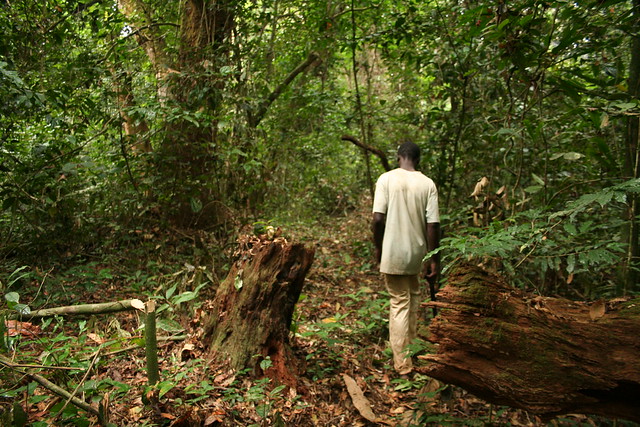
Gabon, located on the west coast of Africa, is surrounded by Atlantic Ocean, Equatorial Guinea, Cameroon and The Democratic Republic of the Congo. Forest covers 85 percent of the country, and the population is sparse and estimated to be 2.17 million. Keep reading to learn the top 10 facts about the life expectancy in Gabon.

10 Facts About Life Expectancy in Gabon

  1. The average life expectancy in Gabon is 66.4 years. Males have a life expectancy of 65 years compared to 68 years for females as per the 2016 data from WHO. This is the highest life expectancy value for Gabon compared to 61 years in 1990.
  2. Gabon’s total expenditure on health care is 3.44 percent of its gross domestic product. From the total expenditure on health, 31.62 percent comes from private resources. The government spends 7.38 percent of its total budget on health. This is higher than the average of 4.2 percent expenditure on health in Central Africa and an average of 3.9 percent for low-and-middle-income countries.
  3. Gabon has a low density of physicians. The country has 26 physicians and 290 nurses for every 100,000 people. The WHO notes that a physician density of less than 2.3 per 1,000 population is inadequate for an efficient primary health care system.
  4. Maternal mortality and infant mortality rates have seen a downward trend since the 1990s. The maternal mortality rate is 291 per 100,000 live births compared to 422 per 100,000 live births in 1990. The infant mortality rate is 21.5 per 1,000 live births. Eighty-nine percent of births are attended by skilled personal. The rate of under-5 deaths is 48.5 per 1,000 live births. On average, women have 3.8 children during their reproductive years.
  5. HIV/AIDS is no longer the number one cause of death in Gabon. Deaths from HIV/AIDS have declined by 77 percent since 2007. Similarly, deaths from tuberculosis and diarrhea have reduced by almost 23 percent and 22 percent respectively over the 10-year period ending in 2017. The current number one killer in Gabon is ischemic heart diseases followed by lower respiratory infection and malaria.
  6. Malnutrition is considered the most important driver of death and disability in Gabon. Dietary iron deficiency is the most important cause of disability and has retained the top spot for more than 10 years. Sixty percent of pregnant mothers and 62.50 percent of under-5 children are anemic, severely affecting the health and life expectancy of these groups.
  7. Rolled out in 2008, Gabon’s Universal health insurance extends coverage to the poorest, students, elderly, public and private sector workers. Gabon uses the Redevance Obligatoire à l’assurance Maladie (ROAM) to fund health care insurance. This is a 10 percent levy on mobile phone companies’ turnover, excluding tax and a 1.5 percent levy on money transfers outside the country. Still, the out of pocket cost for health care accounts for up to 21 percent of the total cost.
  8. As of 2015, 41.9 percent of the population has access to improved quality of drinking water. Gabon is ranked as 150 out of 189 countries in sanitation. People practicing open defecation increased from 1.7 percent in 2000 to 3.03 percent in 2015. The World Wildlife Fund (WWF) is advocating and investing to promote clean water in Gabon.
  9. Immunization coverage is between 70-79 percent for children in Gabon per UNICEF data. Available statistics for BCG and DTP vaccine shows that 87 percent of children have been vaccinated.
  10. The literacy rate in Gabon is 82.28 percent for the population aged 15 years and above. This is below the global average of 86 percent. The literacy rate for men (84 percent) is slightly higher than women (79 percent).

– Navjot Buttar
Photo: Flickr

September 29, 2019
https://borgenproject.org/wp-content/uploads/borgen-project-logo.svg 0 0 Jennifer Philipp https://borgenproject.org/wp-content/uploads/borgen-project-logo.svg Jennifer Philipp2019-09-29 08:21:112024-05-29 23:12:5810 Facts About Life Expectancy in Gabon
Global Poverty, Life Expectancy

10 Facts About Life Expectancy in Tajikistan

10 Facts About Life Expectancy in Tajikistan
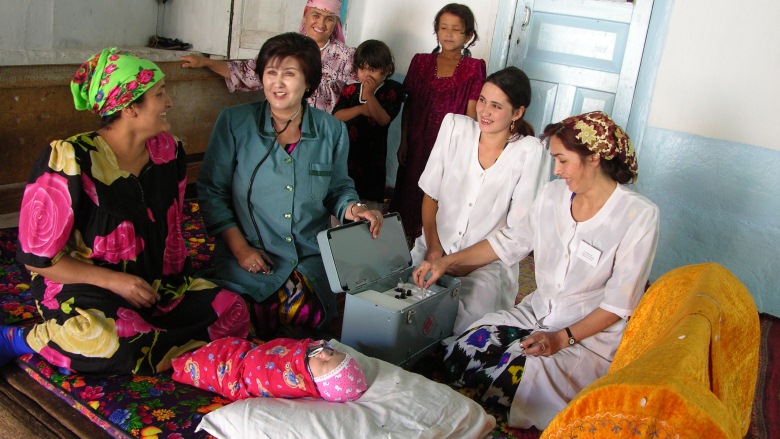
Tajikistan is located in central Asia, with Kyrgyzstan, China, Afghanistan and Uzbekistan bordering. Though the smallest in land size, Tajikistan does have a higher elevation average with a more mountainous landscape which should place it at a disadvantage with the spread of health care. Here are 10 facts about life expectancy in Tajikistan.

10 Facts About Life Expectancy in Tajikistan

  1. According to data from the United Nations, Tajikistan ranks 134th in life expectancy for both sexes and second in relation to its neighboring countries. Life expectancy in Tajikistan follows the global trend of rising and currently has a male life expectancy of 68.6 placing it at rank 126 for male life expectancy. Tajikistan has a female life expectancy of 73.1 years placing it at 134th for female life expectancy.

  2. During the past 60 years, the only time life expectancy in Tajikistan has dropped was during its five-year civil war through May 1992 and June 1997. The civil war resulted in between 65,000 and 150,000 deaths, which accounted for about 1 percent of Tajikistan’s population at the time. Additionally, severe food shortages, as well as refugees and internally displaced people negatively affected Tajikistan’s standard of living.

  3. Since 2005, Tajikistan’s maternal mortality rate decreased from 95/100,000 to 32/100,000 in 2008. Afterward, the rate decreased to 25.2/100,000 in 2016. Throughout this time USAID and the United Nation Population Fund (UNFP) were working with Tajikistan’s Ministry of Health to strengthen its health care programs through improved health care education and financial support. This support came through the USAID’s Maternal and Child Health Project which focused on improving health, nutrition and hygiene for the women and children at the community level, as well as the UNFP training of doctors and midwives on effective perinatal care.

  4. Tajikistan has 170 physicians and 444 nurses per 100,000, which is comparatively less than the EU average of 347 and 850, respectively. The Swiss Agency for Development and Cooperation (SADC) is currently working to help improve the condition of health care education by promoting medical education. Currently its efforts are supporting roughly 900 undergraduate medical students, several hundred nurses and over 100 postgraduate residents per year.

  5. Since 2009, USAID has helped to create or fix 76 water systems allowing 242,000 or more people to access safe drinking water. Tajikistan also has an estimated 354,000 cubic meters per year, which is four times the average water flow than the entire region of Central Asia. This is important as roughly 3.7 percent of deaths are related to water-borne diseases such as bacterial diarrhea, hepatitis A and typhoid.

  6. Non-governmental organizations are working to fill the gaps in their health care systems relating to the prevention of human immunodeficiency virus (HIV) and the acquired immunodeficiency syndrome (AIDS). These gaps exist due to Tajikistan’s limited manpower and financial resources.

  7. At 99.8 percent Tajikistan has a high literacy rate compared to countries of similar economic standing. The high literacy rate should help facilitate the spread of health care information.

  8. Since 1994, Tajikistan has had legislation to protect patient rights and give patient choice, complaint and reimbursement procedures. Tajikistan’s constitution even includes this legislation in Article 38 which promises that each person has the right to basic health care and any other sort that future laws deem necessary.

  9.  According to the World Health Organization (WHO), Tajikistan ties for the 76th rank in road fatalities at 18.8 deaths per 100,000 people. For comparison, the U.K. has 3.1 deaths for every 100,000 people related to road fatalities. Though road safety contributes to a large number of deaths in Tajikistan, the road affects access to health care as well. As mentioned previously, the mountainous landscape proves to be a major obstacle in improving access to health care.

  10. The 10th fact about life expectancy in Tajikistan is that even though these problems and solutions are occurring, 45 percent of women from the ages 15 to 49 agree that the largest issue is getting the necessary money to afford health care treatment.

Life expectancy in Tajikistan is steadily improving with help from NGOs and further promoted health care education. While proper laws are in place to allow the population to seek out proper/adequate health care, financial limits burden those in poorer parts of the country and force them to seek the cheapest alternative.

With data being collected on Tajikistan’s health care system, an interest in increasing clean water access and an ample desire to better its system, Tajikistan is on the road to progress. There are several ways to contribute to helping improve the life expectancy in Tajikistan through supporting NGO’s efforts to provide children and families with clothes, food and shelter and to improve education standards and accessibility.

– Richard Zamora
Photo: World Bank

September 29, 2019
https://borgenproject.org/wp-content/uploads/borgen-project-logo.svg 0 0 Jennifer Philipp https://borgenproject.org/wp-content/uploads/borgen-project-logo.svg Jennifer Philipp2019-09-29 07:30:172024-05-29 23:12:5510 Facts About Life Expectancy in Tajikistan
Global Poverty, Life Expectancy, Water Sanitation

10 Facts About Life Expectancy in Djibouti

10 Facts about Life Expectancy in Djibouti
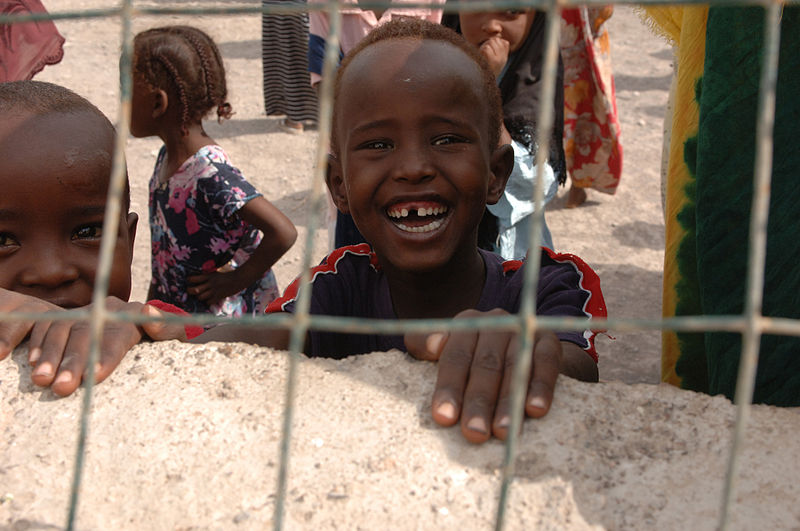
The life expectancy of a country deeply intertwines with various factors, such as economic status, living conditions and nutrition.  People living within these countries often find themselves short on food, stable living conditions and consistent employment which may lead to a higher mortality rate.  These 10 facts about life expectancy in Djibouti will show the myriad of factors playing into Djibouti’s low life expectancy, and how NGOs and Djibouti’s government are making a difference in the region.

10 Facts About Life Expectancy in Djibouti

  1. Djibouti’s life expectancy is 66.81 years as of 2019. Djibouti’s death rate is 7.5 deaths per 1,000 people while its birth rate is 23.3 births per 1,000. While Djibouti’s life expectancy is dramatically lower than the global average of 72 years, 66.81 years is a 0.4 percent improvement from 2018.
  2. Djibouti’s life expectancy ranks 191 out of 223 countries, putting it on the lower end of worldwide life expectancies. Diabetes may cause many deaths and general disabilities in Djibouti, which causes the most death and disability of any disease.  This goes hand in hand with malnutrition, which also causes the most death and disability in Djibouti combined.
  3. Djibouti receives 90 percent of its food as imports, which is because of the arid conditions in the region that makes successful agriculture difficult. This, in turn, causes food insecurity to be a major problem, as 62 percent of the rural population has inadequate access to nutritious food.  However, malnutrition rates have dropped from 18 percent in 2015 to 7.5 percent in 2016.
  4. Sixty-two percent of rural Djiboutians have insufficient access to healthy food.  In order to counteract this, the World Food Programme and the Government of Djibouti teamed up to create the Humanitarian Logistics Hub, a facility built to house large quantities of food and goods for the Horn of Africa region.  The Humanitarian Logistics Hub can store 25,000 metric tons of food, making access to nutritious food easier for the Horn of Africa region.
  5. The International Fund for Agricultural Development (IFAD) has been a force for good in Djibouti. IFAD has spearheaded multiple projects devoted to the betterment of Djibouti. One of these projects is the Programme for the Mobilisation of Surface Water and Sustainable Land Management which began in 2007.  This project intended to develop the Djibouti Ministry of Agriculture and local communities’ abilities to manage natural resources in a more effective manner and give practiced guidelines that would help spread clean surface water to local communities as well as guidelines for sustainable land management. IFAD considered this project a success and ended in 2013.
  6. Djibouti’s GDP (which is $5,307 per capita) should increase by 7 percent in 2019 with much of the economic growth coming from transportation and logistics due to the Port of Djibouti’s importance in the region. None of the countries with a GDP per capita around $50,000 have a life expectancy below 74 years. Conversely, no country with a GDP per capita around $500 has a life expectancy above 64 years.
  7. Djibouti’s drinking water sources are among the most modernized and widespread of all the nations in the Horn of Africa with 97.4 percent of the urban population having access to improved water sources (i.e protected springs, rainwater collection, tap water, etc.) Only 64.7 percent of the rural population has access to these water sources, though, which is due to the droughts that have plagued the country since 2009. This has effectively eliminated surface water in some rural areas. There is hope, however, as the IFAD’s ongoing project, the Soil and Water Management Programme is working towards ensuring that rural households gain access to sustainable sources of water. It intends to add to the network of hydraulic structures that the previous program implemented.
  8. Only 51.8 percent of Djiboutians have access to electricity. Much of the urban population (67.4 percent) has access to electricity and a paltry two percent of rural areas have access to electricity. However, Djibouti does have options in the form of renewable energy, primary in the form of wind, geothermal and solar.  Djibouti’s rural areas having inadequate access to electricity is because of the uneven distribution of energy resources.  The country can rectify this with power grid integration, however.
  9. Most people living in Djibouti are between the ages of 0-14 (30.71 percent) and 25-54 (39.63 percent) with less than 5 percent making it to the 55-64 age range. As of 2017, Djibouti’s most frequent cause of death is HIV/AIDS followed by heart disease and lower respiratory infections.  As of 2016, Djibouti has a Healthcare Access and Quality Index (HAQ) of 35.0 which is a massive increase from the 24.3 HAQ in 2000.
  10. Only 47.4 percent of the population has access to improved sanitation facilities while 52.6 percent of the Djiboutian population have unimproved sanitation facilities. Waterborne illnesses like hepatitis A, hepatitis E and typhoid fever thrive in areas of low sanitation, as they often spread when fecal matter and waste come into contact with drinking water. To combat this, USAID has enacted the Water, Sanitation and Health (WASH) project that aims to educate the Djiboutian public on important hygiene practices, along with modernizing boreholes and ring-wells in more rural areas to prevent water contamination.

These 10 facts about life expectancy in Djibouti show that while Djibouti has many issues contributing towards its abnormally low life expectancy, none of these issues are insurmountable.  What Djibouti lacks in resources it more than makes up for with its favorable geographic location that makes it a hub of local and international maritime trade.

An in-depth look at these 10 facts about life expectancy in Djibouti makes it plain as day that Djibouti can and will overcome the factors hindering the population’s low life expectancy.  Djibouti’s GDP increases every day thanks to its bustling port that provides jobs and goods; the Humanitarian Logistics Hub is a step in the right direction for Djiboutian nutrition and its water sources are second to none. Djibouti has shown that with a little help from NGOs and government agencies like the IFAD and USAID, it can become a thriving maritime hub where no man, woman or child goes hungry, thirsty or destitute.

– Ryan Holman
Photo: Wikipedia Commons

September 29, 2019
https://borgenproject.org/wp-content/uploads/borgen-project-logo.svg 0 0 Jennifer Philipp https://borgenproject.org/wp-content/uploads/borgen-project-logo.svg Jennifer Philipp2019-09-29 01:30:252024-05-27 23:54:0810 Facts About Life Expectancy in Djibouti
Global Poverty, Life Expectancy

10 Facts About Life Expectancy in Iran

10 Facts about Life Expectancy in Iran
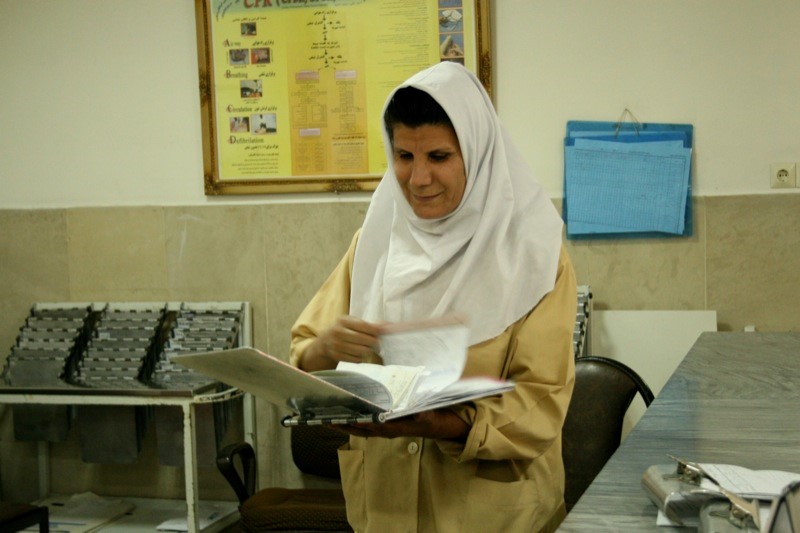
Since the 1979 Iranian Revolution, the government of the Islamic Republic of Iran (IRI) has prioritized the need to improve Iran’s health care system. Indeed, Article 29 of the IRI’s Constitution establishes every Iranian citizen’s right to high-quality health. The Ministry of Health and Medical Education is responsible for providing the health care necessary to achieve this goal. Here are 10 facts about life expectancy in Iran and the state of the country’s health care system.

10 Facts About Life Expectancy in Iran

  1. Starting in the early 1980s, Iran successfully launched a reformed primary health care system or PHC. Because of Iran’s PHC programs, life expectancy in Iran has steadily risen from 55.7 years in 1976 to 75.5 years in 2015. Since the implementation of the PHC system, Iran has also experienced increased economic growth and literacy, and an improvement in safe water access and sanitation. The Community of Health Workers suggests that all of this may have contributed to Iran’s increased life expectancy.

  2. The aim of PHC was to provide all Iranians with health care by 2000. Especially in the beginning, PHC prioritized reducing health inequality between urban and rural populations by focusing attention on and resources to rural areas. Central to PHC was the establishment of health houses in rural areas. Behvarzes, local community members who had personal ties and commitments to the community, would run these houses.

  3. As of 2009, more than 90 percent of Iranians have some type of health insurance according to data cited by the Japan Medical Association Journal. Both the public and private sectors play a pivotal role in Iran’s health care system, which is a nation-wide network that includes local primary care centers in Iran’s provinces, secondary care hospitals in the provincial capitals and tertiary hospitals located in big cities. The public sector provides most of the primary care and some of the secondary and tertiary health services. Some public services, like prenatal care and vaccinations, are free. The private sector focuses on secondary and tertiary services. Additionally, NGOs play an active role in Iran’s health system, specifically concerning issues like children with cancer, breast cancer, diabetes and thalassemia.

  4. In addition to higher life expectancy, Iran has seen better health outcomes on several fronts. For one, the incidences of malaria-related deaths have decreased significantly from 15,378 cases in 2002 to 777 cases in 2015; 28 of these cases resulted in death. The reduction in malaria-related deaths is the result of interventions, such as the introduction of tap water and electricity into villages.

  5. To completely eradicate malaria, health officials should concentrate resources to prevent and treat the disease in the specific provinces where the disease is most prevalent. Policymakers should monitor borders to prevent the spread of malaria into Iran from outside the country. They should strengthen cooperation between institutions and improve the health systems’ ability to quickly identify epidemics.

  6. Between 1995 and 2011, Iran’s neonatal (NMR), infant (IMR) and under-5-year (U5MR) mortality rates in rural parts of the country decreased substantially. In particular, Iran’s NMR and IMR saw a statistically-significant decline as a result of a family physician program and rural insurance program. Implemented in 2005, Iran intended these programs to reform PHC, which did not cover access to specialists or private-sector physicians for rural populations. The family physician program and rural insurance program provided preventive and outpatient care to rural communities and made health care access more equitable between urban and rural areas. By providing greater access to important health services, these reforms improved many health indicators, such as child mortality. From 1995 to 2011, Iran’s NMR dropped from 17.84 to 10.56; the IMR decreased from 31.95 to 15.31; and Iran’s U5MR declined from 40.17  to 18.67.

  7. One of Iran’s significant health achievements is a dramatic increase in child immunization; indeed, providing vaccinations was one of the main activities of the community health workers under PHC. From 1990 to 2006, the percentage of one-year-olds immunized with three doses of DPT rose from 91 to 99 percent. Over that same period, one-year-olds immunized with three doses of the hepatitis B vaccine increased from 62 to 99 percent; similarly, one-year-olds immunized with MCV rose from 85 to 99 percent. This increase in immunization among children correlates with a sharp decline in Iran’s infant mortality rate.

  8. Cardiovascular diseases are the most common causes of mortality in Iran and connect to more than 45 percent of deaths. The second most common cause of death in Iran is accidents at 18 percent. Cancer follows at 14 percent and then neonatal and respiratory diseases, each of which accounts for about 6 percent of deaths in the country. Many NGOs, like the Union for International Cancer Control (UICC), are cooperating with the Iranian Ministry of Health to combat these frequent causes of mortality. For instance, at the beginning of 2019, the country launched a national campaign to fight cancer. This campaign seeks to bring hope to cancer patients and to raise awareness about the fact that cancer is treatable and often preventable. Officials note that behavioral and dietary risks can cause cancer.

  9. While Iran’s health care system has improved significantly, it still has room for growth. For instance, greater than half of the under-5 deaths in Iran are the result of preventable or easily-treatable diseases and illnesses, such as malnutrition, which affects some 45 percent of children under the 5-years-old in Iran. One NGO that is helping food-insecure refugees in Iran is the World Food Programme (WFP), which has had a presence in Iran since 1987. In January 2018, WFP implemented the Iran Country Strategic Plan (2018-2020), which provides a combination of cash and monthly distributions of wheat flour to refugees in need, especially the most vulnerable women-headed households. In January 2019 alone, WFP helped 29,736 people in Iran.

  10. Another NGO providing health services to Iranians in need is Médecins Sans Frontières (MSF), which translates to Doctors Without Borders. MSF provides marginalized groups in south Tehran, such as drug users, sex workers, street children and the ghorbat ethnic minority, with free health care. MSF runs a clinic in the Darvazeh Ghar district, where they provide services including medical and mental health consultations, testing and treatment for sexually transmitted infections, ante- and postnatal care and family planning. In 2018, MSF provided 29,900 outpatient consultations.

As these 10 facts about life expectancy in Iran show, the health of the Iranian people and health care system of Iran have improved significantly in the past few decades, due largely to the reforms of PHC and the family physician program and rural insurance program. If the Iranian government continues its investment in these programs, there is a good reason to believe life expectancy in Iran will continue to rise in the coming years.

– Sarah Frazer
Photo: Flickr

September 28, 2019
https://borgenproject.org/wp-content/uploads/borgen-project-logo.svg 0 0 Jennifer Philipp https://borgenproject.org/wp-content/uploads/borgen-project-logo.svg Jennifer Philipp2019-09-28 07:30:202019-12-16 10:26:3810 Facts About Life Expectancy in Iran
Education, Global Poverty, Life Expectancy

10 Facts About Life Expectancy in Kosovo

Life Expectancy in Kosovo
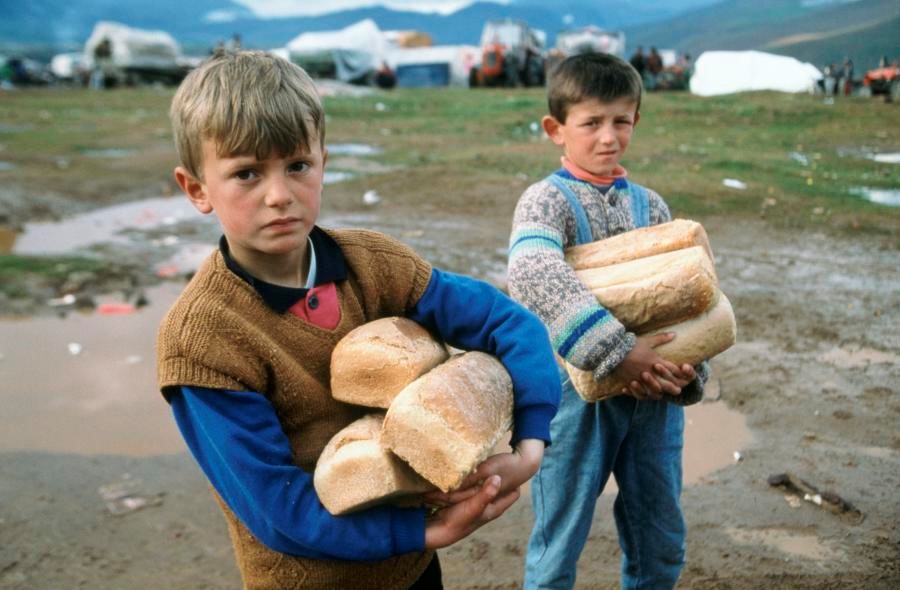
Kosovo is a newly and controversially independent Baltic state with its fair share of hardships. After only recently deescalating its conflict with Serbia, the war-torn country must continue to find how to establish itself in the world. These 10 facts about life expectancy in Kosovo highlight Kosovo’s unstable internal conditions as well as the efforts that the country is putting forth to improve them.

10 Facts About Life Expectancy in Kosovo

  1. In 2002, the average life expectancy in Kosovo was 68 years. It has steadily improved since then with the average life expectancy in Kosovo now being 72 years according to the World Bank. Improvements in many sectors, such as increased health care accessibility, education reforms and de-escalation of the conflict in the region may be a cause of this. Compared to the average life expectancy of the European Union (E.U.) nations (81 years), Kosovo has a long way to go. However, many project the yearly improvement over the past two decades to continue.
  2. According to the Kosovo Agency of Statistics, in 2017, 18 percent of the population lived below the poverty line. High poverty levels likely stem from a prevalence of unemployment (31 percent in 2017) as well as exceedingly low wages (500 euros monthly). This makes Kosovo the third poorest country in Europe. However, increased foreign investment and urban development have caused major improvements from figures just five years prior that show the poverty level at 23.5 percent, reflected by a higher unemployment rate of 35 percent.

  3. There is a vast disparity in health care access between minority populations and the general populous of Kosovo. Children living in rural areas are less likely to have access to good health care, and this is even worse for ethnic minorities. According to the United Nations International Children’s Emergency Fund (UNICEF), more than 60 percent of Roma, Ashkali and Egyptian children live in absolute poverty and over 30 percent live in extreme poverty (compared to the average statistics of 48.6 percent and 18.9 percent, respectively). A statistic that reflects this disparity is the infant mortality rate (IMR). The average IMR for the whole of Kosovo is 12 deaths per 1,000 live births. When looking at the IMR for minorities, that number jumps to 41 deaths per 1,000 live births.

  4. Kosovo has a Gross Domestic Product (GDP) of $7.129 billion and spends 1.1 percent of it on health and social work, as well as 0.9 percent on public administration. While the amount the country spends on public health services is very low, Kosovars have seen improvements in basic health. The government has recently subsidized health care accessibility programs such as the Law on Health Insurance (2014) and the National Health Sector Strategy (2017-2021). The former gave all Kosovo citizens the right and obligation to have a basic, mandatory health insurance package that covers emergencies, pregnancies and childbirth and other health care essentials. The latter is a strategy the Ministry of Health adopted that focuses on better management of health care funds as well as improving the accessibility of basic health care to minorities and other marginalized communities. Ultimately, however, the outcomes of the new policies have been difficult to measure due to lacking administrative records and unclear implementation policies.

  5. The leading causes of death in Kosovo are circulatory system diseases, making up 62.7 percent of all deaths in 2015. Other prevalent causes of death are tumor diseases (14.7 percent) and respiratory diseases (5.4 percent). Kosovo also has one of the highest tuberculosis rates in Europe, according to the World Health Organization. Many of these diseases are due to the overwhelming amount of tobacco products consumed in Southeastern European countries, causing 80-90 percent of all lung cancer cases and increasing the risk of cardiovascular diseases and tuberculosis.

  6. Starting in 1998, Serbia cast out over 800,000 people from Kosovo during the Kosovo Conflict. Thousands of people still live in refugee camps since they have no way to reclaim their homes. Other organizations or individuals have bought the properties, and Kosovo courts make it very difficult to evict the illegal tenants and allow refugees to return to their homes. However, efforts from UN Habitat, a branch of the United Nations that deals with sustainable human settlements and shelters, have recently pushed for reform in Kosovo’s court system to more adequately handle the illegal seizures of property. The Kosovo Municipal Spatial Planning Support Programme, which UN Habitat developed, has built capacities for sustainable and affordable development of urban areas and has established institutions like the Housing and Property Directorate and the Kosovo Cadastre Agency.

  7. The homicide rate in Kosovo is measured at about 2.1 intentional homicides per every 100,000 people in 2016. This is impressively low, considering the global average is 6.2 homicides per 100,000 people and the U.S. average is 4.9 per 100,000.

  8. The Programme for International Student Assessment (PISA) looks at three categories for fifteen-year-old students: math, reading and sciences. The test thereby evaluates teaching methods and education infrastructure and shows the government whether the improvement is necessary or not. In 2015, the PISA ranked Kosovo as one of the last three countries in all of the evaluated categories. The ranking is devastating, yet the Minister of Education Arsim Bajrami embraced the results with a promise of improvement. He stated, “[The decision to participate in the PISA] was a courageous act as well as a commitment to increase the quality of education in our country.” Since then, with the help of foreign aid, the government has worked to improve the technical training of teachers and the ability of Kosovo’s youngest generation to be financially viable.

  9. Kosovo air quality has been steadily decreasing over the past decade. In December 2018, Kosovo’s capital of Prishtina had an air quality measured as hazardous. Increased investment in coal and biofuel power plants have caused a sharp increase in air pollution. The Balkan Green Foundation and the Institute for Development Policy (INDEP) launched campaigns to raise awareness on the effects of excessive air pollution caused by fossil fuel. They have been pushing for transparency with energy expenditure and power plant output, but the government has been less than receptive. However, the green movement in Kosovo has gained traction very quickly within the past six months. There are now large pushes for the Kosovo government to be more accurate with air pollution reports as well as transportation reform to ensure car emissions are not unnecessarily high.

  10. The people of Kosovo consider corruption to be the most important problem facing them, after unemployment, according to the UNODC Corruption Report on Kosovo. Systemic bribery is endangering Kosovars by obstructing their access to law enforcement as well as health care. Thirty percent of all bribes went to police officers to overlook petty crimes, 26 percent went to nurses and a massive 42 percent of bribes went to doctors to either expedite or receive better treatment. The U.K.’s ambassador to Kosovo Ruairi O’Connell has pushed very strongly for a crackdown on governmental and private corruption, “The moment has come to remove officials whose integrity is contested. Politicians should not meddle in the work of police, courts, and prosecutor’s office.”As of yet, corruption continues to be widespread, and public opinion as well as the justice ministers in the Kosovo government call for immediate reform.

These 10 facts about life expectancy in Kosovo reflect that the condition is gloomy, but improving. Corruption is still endemic and ethnic disparities are prevalent, but outside influencers, like the U.N. and non-governmental organizations like INDEP are helping the government improve. If the government carries out infrastructure, education and health care developments successfully, the country would see improvements across the board and become a more competitive piece of the world with a much higher life expectancy.

– Graham Gordon
Photo: Flickr

September 28, 2019
https://borgenproject.org/wp-content/uploads/borgen-project-logo.svg 0 0 Jennifer Philipp https://borgenproject.org/wp-content/uploads/borgen-project-logo.svg Jennifer Philipp2019-09-28 01:30:582024-06-07 05:07:5810 Facts About Life Expectancy in Kosovo
Children, Developing Countries, Global Poverty, Life Expectancy

7 Facts about Life Expectancy in Côte d’Ivoire

10 Facts about Life Expectancy in Côte d'Ivoire
Côte d’Ivoire, or the Ivory Coast, is a West African country with one of the fastest-growing economies in the continent. However, its life expectancy at birth is one of the lowest in the world. Here are seven facts about life expectancy in Côte d’Ivoire.

7 Facts About life Expectancy in Côte d’Ivoire.

  1. According to the CIA World Factbook, Côte d’Ivoire’s life expectancy at birth is 60.1 years. Out of the 223 countries measured, Côte d’Ivoire ranks 209. This is 30 spots lower than its GDP per capita ranking.
  2. One of the main causes of Côte d’Ivoire’s low life expectancy is its alarmingly high infant-mortality rate. An estimated one out of every 16 babies born in Côte d’Ivoire dies, making it the number one cause of death in Côte d’Ivoire. This is the 14th highest rate in the world, but over the last 20 years, there has been a considerable improvement. According to Niale Kaba, Côte d’Ivoire’s planning and development minister, the country’s infant mortality rate has fallen from “112 for every 1,000 births in 1998 to 60 per 1,000 in 2016.”
  3. Côte d’Ivoire’s life expectancy is also being suppressed by its high birth rate and lack of quality health care for both newborns and mothers. The average age of a mother’s first birth in the Ivory Coast is roughly 19 years old and each woman will bear almost four children, on average. However, only 59 percent of births are overseen by a skilled birth attendant. The young age of mothers and the lack of health professionals guiding them through their pregnancies contribute to the Ivory Coast’s ranking of 12th highest maternal mortality rate in the world.
  4. A considerable lack of accessible sanitation facilities and clean water makes much of the Ivory Coast’s population susceptible to disease. Around half of the schools in Côte d’Ivoire do not have toilets or water, forcing students to walk up to a kilometer just for clean water. Additionally, 60 percent of families do not have the means to regularly wash their hands with soap and water. These dangerous conditions increase the likelihood of death from preventable diarrheal diseases, which are the sixth deadliest condition in Côte d’Ivoire.
  5. Alarmingly, 24,000 people die from HIV/AIDS in Côte d’Ivoire each year, the 10th highest rate in the world. While it no longer causes the most deaths in the Ivory Coast, every day five teenagers are infected with HIV/AIDS. Modern scientific treatments like antiretroviral therapy have been remarkably successful at combating this crisis, but less than 30 percent of HIV-positive children in Côte d’Ivoire are receiving the medication they need to survive. The lack of health care for these children is one of the main drags on the country’s life expectancy, with more than 50 percent of HIV-positive children not on medication dying before the age of 2.
  6. Education is one of the main drivers of increased life expectancy. Unfortunately, only 65 percent of Ivorian children are completing primary school. Additionally, less than half of the country is literate mostly due to prohibitive fees associated with schooling which excludes poor families. This lack of education severely limits the economic opportunities for the entire country. Experts agree that improving education in Côte d’Ivoire would increase the number of skilled laborers and lead to higher wages, a better quality of life and improved life expectancy. The International Cocoa Initiative has worked with over 600 communities to help get more children out of the fields and into school. They have seen a remarkable 20 percent increase in school participation rates, showing that there is hope for the future generations of Ivorians.
  7. UNICEF has been crucial in helping the people of Côte d’Ivoire, funding numerous programs that have produced a substantial quality of life improvements. Whether it be offering HIV/AIDS testing, providing community wells or helping children escape dangerous working conditions, UNICEF is making a difference throughout the Ivory Coast. Groups like Action Against Hunger have followed in UNICEF’s footsteps, partnering with Côte d’Ivoire’s government to help run 12 community health establishments and providing 29,900 families with access to clean water.

While these seven facts about life expectancy in Côte d’Ivoire can be hard to grapple with, there is evidence that conditions are getting better. Improving access to education, medicine, healthcare and many other necessities will undoubtedly help pull millions of Ivorians out of poverty. With help from the international community, 20 years from now an article titled 10 facts about life expectancy in Côte d’Ivoire might not look so glum.

– Myles McBride Roach
Photo: Flickr
September 27, 2019
https://borgenproject.org/wp-content/uploads/borgen-project-logo.svg 0 0 Kim Thelwell https://borgenproject.org/wp-content/uploads/borgen-project-logo.svg Kim Thelwell2019-09-27 15:26:052024-05-29 23:12:227 Facts about Life Expectancy in Côte d’Ivoire
Disease, Global Poverty, Life Expectancy

10 Facts About Life Expectancy in Oman

10 Facts About Life Expectancy in Oman
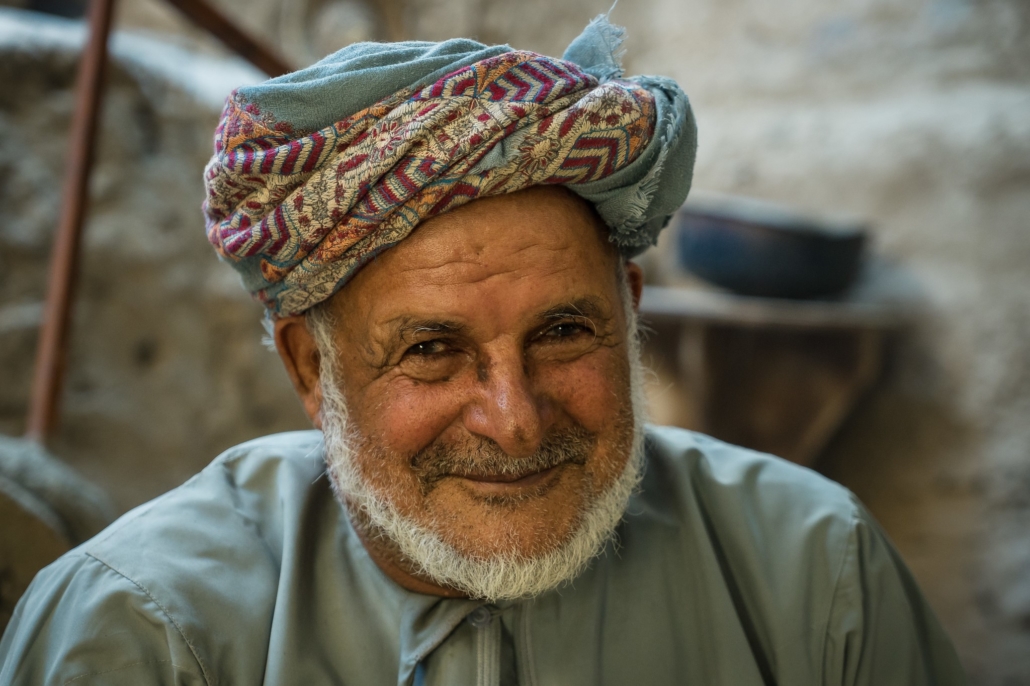
Oman is a country located in the southeastern Arabian Peninsula, bordering Saudi Arabia, Yemen and the United Arab Emirates. The majority of the country’s population is located on the coast of the Gulf of Oman and the Arabian Sea. Wealthy in oil and progressive in culture, Oman is experiencing high levels of immigration and some expect its population to double by 2050. These 10 facts about life expectancy in Oman contribute heavily to this.

10 Facts About Life Expectancy in Oman

  1. Oman, with a population of 4.6 million (as of the last census in 2017), ranks 97th in the world in life expectancy with the average life lasting 75.9 years. The country ranks eighth in life expectancy out of the 19 Middle Eastern countries and fifth out of the seven countries on the Arabian Peninsula.
  2. Women outlive men by approximately 4.1 years on average with the female life expectancy at 78 years and the male life expectancy at 73.9 years. These averages are by no means abnormal on a global scale and are due to men being more prone to heart disease and accidents on the roadways.
  3. The life expectancy in Oman has more than doubled since 1950 when the average Omani life lasted just over 33 years. This is a 233 percent increase. The U.N. projects that the average Omani life expectancy will reach 80 years in the early 2030s. This is in large part due to the country’s advancing health care system. Qaboos bin Said Al Said, the Sultan of Oman since 1971, has stated multiple times that health care is a basic human right. He established the Ministry of Health (MoH) by a royal decree. The MoH guarantees that Omani citizens receive basic health care, free of charge.
  4. As of 2016, Oman had 69 hospitals and over 6,400 beds within them. That calculates out to slightly more than 15 beds per 1,000 people. This serves as a sign of substantial progress, given that when Qaboos bin Said Al Said came to power in 1970, only two hospitals were in operation.
  5. The World Health Organization (WHO) is working in collaboration with the MoH, and in 2014, the organization announced a long-term plan entitled Health Vision 2050. This plan calls for larger investments in the health care field. The WHO is assisting in the development and sustainment of health-related technologies. The organization also commits to teaching more proper methods of personal and professional care. The MoH currently covers more than 80 percent of the costs associated with these health care expenditures, which is roughly 11 percent of the Omani government’s entire yearly budget.
  6. Ischemic heart disease, road injuries, stroke, diabetes and lower respiratory infections are the leading causes of death in Oman. Communicable diseases have seen a sharp decline in frequency and severity in Oman due to the steadily increasing quality of life. Now, lifestyle diseases, such as diabetes, obesity and hypertension are on the rise.
  7. Obesity has become substantially more prevalent within the past decade. As of 2017, approximately 27 percent of Omani adults are obese. Oman is now the 36th most obese country in the world. The MoH is attempting to address this by educating the populous on the importance of having a healthy diet and exercising regularly.
  8. Typically, as birth rates decrease, life expectancy increases. Omani women are having far fewer children than their parents before them. The average Omani woman living in 1982 had 8.35 children. As of 2016, this number has fallen to a mere 2.67 children per woman, and many expect it to continue to decrease.
  9. As the Omani family is getting smaller, individuals are receiving more attention. Literacy rates are rising quickly, and as of 2017, 97 percent of Omani citizens are functionally literate. This is drastically higher than the surrounding countries, with the average literacy rate of the Middle East and Northern Africa at 80 percent.
  10. Oman is a young country with a median age of 25.8. Roughly 30 percent of the population falls between the ages of zero and 14.

These 10 facts about life expectancy in Oman highlight just some of the extraordinary strides the country has made since its renaissance in the early 1970s. Although its health care system still faces issues, the way the country has tenaciously planned to advance itself is admirable and people should view it as a model for what thorough and proper planning can accomplish.

– Austin Brown
Photo: Flickr

September 26, 2019
https://borgenproject.org/wp-content/uploads/borgen-project-logo.svg 0 0 Kim Thelwell https://borgenproject.org/wp-content/uploads/borgen-project-logo.svg Kim Thelwell2019-09-26 07:30:132024-05-28 00:00:1010 Facts About Life Expectancy in Oman
Global Poverty, Health, Life Expectancy

8 Facts About Life Expectancy in Malawi

Facts About Life Expectancy in Malawi

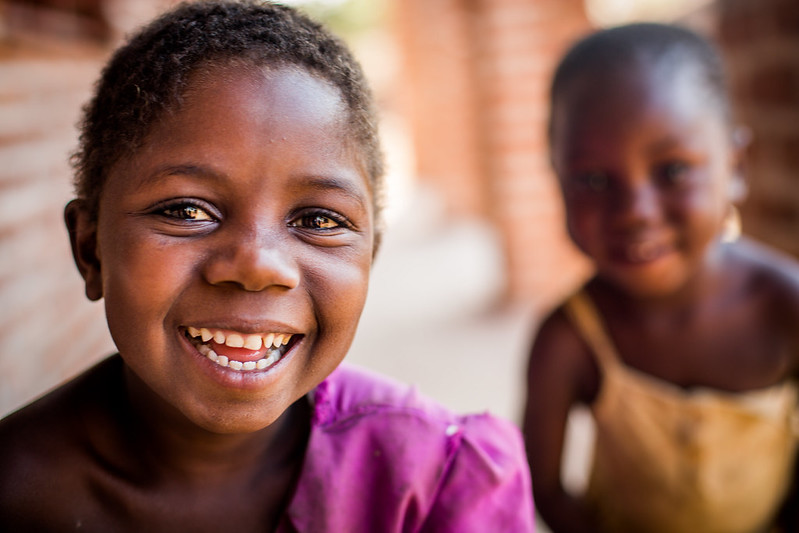
The landlocked country of Malawi has a life expectancy rate of 60.2 years for males and 64.3 years for females. While this is much lower than the global average of 69.8 years for males and 74.2 years for females, it represents an improvement from previous years. These eight facts about life expectancy in Malawi will help shed light on the reasons for the low rate as well as what the country has done, and can still do, to improve it:

8 Facts About Life Expectancy in Malawi

  1. HIV/AIDS: As of 2017, an estimated 1 million people in Malawi were living with HIV/AIDS which places the country at 10th in the world in terms of the number of people living with HIV/AIDS. In addition, there were also 13,000 deaths from the virus in the same year. Still, the government has made major strides to curb the epidemic in the last 10 years. Part of its strategy includes providing free condoms as well as educating young people. As of 2018, 78 percent of all people living with HIV in Malawi are on medication. There was also a decline in the number of new infections from 55,000 in 2010 to 38,000 in 2018.
  2. Maternal Health: In 2015, maternal mortality stood at 634 deaths for every 100,000 live births. This is considerably higher than the global average of 216 deaths per 100,000 live births. However, it represents a significant improvement as the government along with support from USAID has been able to reduce maternal mortality by 53 percent between 1990 and 2013. Today, more expectant mothers in both rural and urban areas are now receiving prenatal care as well as skilled birth assistance.
  3. Child Health: Great improvements have also been made in terms of child health, as most children under 5 in both rural and urban areas are vaccinated. This has helped reduce deaths from communicable childhood diseases such as measles, tetanus and pneumonia. The Ministry of Health has also implemented strategies like deworming and has also distributed vitamin A supplements to deal with other major causes of childhood death.
  4. Fertility Rate: In the 1980s Malawian women had about seven children per woman. Today, that number is at 5.5 children per woman. The high fertility rate affects life expectancy in Malawi as it puts pressure on the government to provide adequate social amenities in order to improve people’s lives.
  5. Population Growth: According to a 2018 census, Malawi’s population is 17.6 million people. By 2020 this is projected to hit 20.2 million, before doubling by 2050. This rapid population growth puts a lot of pressure on the country’s land, water and forest resources and threatens life expectancy as most Malawians derive their income from agriculture. The Third Malawi Growth and Development Strategy (MGDS III) sets out a number of policies including promoting family planning and sexual and reproductive health rights as a means to slow population growth, and better managing migration and urbanization.
  6. Infectious Diseases: Malawians are at very high risk of contracting infectious diseases. Food and waterborne diseases include diarrheal diseases and typhoid fever. In order to deal with diarrheal deaths, Malawians are in need of nutritious food as well as an unpolluted environment. Other diseases include malaria, dengue fever and rabies from animal contact. The country has been dealing with malaria by subsidizing mosquito nets. Additionally, Malawi is one of the three African countries taking part in a malaria vaccine pilot. The pilot aims to reach 360,000 children each year across Kenya, Ghana and Malawi.
  7. Water and Sanitation: One in three Malawians do not have access to clean water while 9.6 million people do not have a decent toilet. This affects the life expectancy in Malawi as it leads to an increase in diarrheal diseases. With the support of UNICEF and organizations such as Water Aid, the government of Malawi has made significant progress in reducing the number of people who lack access to safe water. Additionally, the rate of open defecation has declined from 29 percent in 1990 to four percent in 2015.
  8. Education: Malawi introduced free primary education in 1994 which put a strain on the education system. This is because the infrastructure, number of teachers and number of teaching and learning materials were inadequate when compared to the number of students who enrolled. It resulted in poor performance by the students, especially in terms of literacy.  The government of Malawi has been making an effort to improve the education sector by allocating more than 20 percent of the national budget to education.  It has also partnered with bodies such as USAID and UNICEF to improve literacy levels as well as student enrollment and completion rates. An educated and skilled population will help increase Malawi’s economic growth. Educational reforms will help reduce the unemployment rate which is currently more than 20 percent.

Malawi is considered one of the poorest countries in the world, and a lot still needs to be done to improve the lives of its people. It is however clear that the government is working with the support of nonprofit organizations around the world to make life better for its people.

– Sophia Wanyonyi
Photo: Flickr

September 26, 2019
https://borgenproject.org/wp-content/uploads/borgen-project-logo.svg 0 0 Kim Thelwell https://borgenproject.org/wp-content/uploads/borgen-project-logo.svg Kim Thelwell2019-09-26 01:30:392024-06-11 03:08:238 Facts About Life Expectancy in Malawi
Page 7 of 15«‹56789›»

Get Smarter

  • Global Poverty 101
  • Global Poverty… The Good News
  • Global Poverty & U.S. Jobs
  • Global Poverty and National Security
  • Innovative Solutions to Poverty
  • Global Poverty & Aid FAQ’s
Search Search

Take Action

  • Call Congress
  • Email Congress
  • Donate
  • 30 Ways to Help
  • Volunteer Ops
  • Internships
  • Courses & Certificates
  • The Podcast
Borgen Project

“The Borgen Project is an incredible nonprofit organization that is addressing poverty and hunger and working towards ending them.”

-The Huffington Post

Inside The Borgen Project

  • Contact
  • About
  • Financials
  • President
  • Board of Directors
  • Board of Advisors

International Links

  • UK Email Parliament
  • UK Donate
  • Canada Email Parliament

Get Smarter

  • Global Poverty 101
  • Global Poverty… The Good News
  • Global Poverty & U.S. Jobs
  • Global Poverty and National Security
  • Innovative Solutions to Poverty
  • Global Poverty & Aid FAQ’s

Ways to Help

  • Call Congress
  • Email Congress
  • Donate
  • 30 Ways to Help
  • Volunteer Ops
  • Internships
  • Courses & Certificates
  • The Podcast
Scroll to top Scroll to top Scroll to top