• Link to X
  • Link to Facebook
  • Link to Instagram
  • Link to TikTok
  • Link to Youtube
  • About
    • About Us
      • President
      • Board of Directors
      • Board of Advisors
      • Financials
      • Our Methodology
      • Success Tracker
      • Contact
  • Act Now
    • 30 Ways to Help
      • Email Congress
      • Call Congress
      • Volunteer
      • Courses & Certificates
      • Be a Donor
    • Internships
      • In-Office Internships
      • Remote Internships
    • Legislation
      • Politics 101
  • The Blog
  • The Podcast
  • Magazine
  • Donate
  • Click to open the search input field Click to open the search input field Search
  • Menu Menu

Archive for category: Life Expectancy

Global Poverty, Life Expectancy

Top 10 Facts About Life Expectancy in Turkmenistan

Life Expectancy in Turkmenistan
Turkmenistan, a country rich with gas and export struggles, corruption and poverty. The country is located in Central Asia and shares its borders with Uzbekistan, Kazakhstan, Iran and Afghanistan and has been independent since 1991. Meanwhile, the life expectancy in Turkmenistan has been on a steady rise within the last decade. Here are the top 10 facts about life expectancy in Turkmenistan.

10 Facts About Life Expectancy in Turkmenistan

  1. The life expectancy in Turkmenistan is around 68 years. According to the BBC, the average lifespan for women is 71 and 64 years for men. The country’s life expectancy ranks four years lower than neighboring Uzbekistan and Tajikistan, while it ranks five years lower than the world average life expectancy.
  2. Turkmenistan suffers from a high mortality rate which affects overall life expectancy. The World Health Organization states in its “Highlights on Health in Turkmenistan” report written in 2005, that “As could be expected, excess mortality is due to communicable, respiratory and digestive diseases.” The two highest causes of death are infectious and parasitic diseases.
  3. Water resources are rather scarce because desert covers a lot of Turkmenistan. In fact, it is one of the most water-deficient countries in the world. The government tried to create projects, such as the creation of parks, to make cities appear greener. The plan backfired because these plants required a large amount of water. Seventy-one percent of the population has access to drinking water, while 29 percent of the population still lacks clean water.
  4. Turkmenistan has 22 physicians per 1,000 people within a given population. The former president, Gurbanguly Berdymukhammedov, tried to make changes to the health care system and citizen’s lifestyles and has been encouraging spending on public health and healthier lifestyles. A lack of doctors takes its toll on rural communities, while limited access to sanitary water increases the chances of becoming sick. While urban areas have modernized hospitals, care can be expensive. Meanwhile, rural communities suffer from old equipment and shortages in medicine which could affect life expectancy statistics as well.
  5. Turkmenistan is a healthy nation. The government focuses on nutrition through private agriculture and food production. It tries to create healthy lunches in schools by banning unhealthy foods and drinks. Some noncommunicable diseases affecting the population comes from malnutrition, such as raised blood pressure, blood glucose and blood cholesterol. These can be life-threatening diseases.
  6. Housing in Turkmenistan differs from other countries in their structures. People often live in yurts due to weather conditions or economic reasons. The yurts surround cities and traditional families heavily populate them. Houses do exist but the monthly rates tend to be higher than the people’s wages. Yurts are a more affordable form of shelter considering the increase of food and gas prices.
  7. The infant mortality rate in Turkmenistan is 33 deaths per 1,000 births, which ranks the country number 55 in the world. The maternal mortality rate is 42 deaths per 100,000 births, which places Turkmenistan at 104 in the world.
  8. The literacy rate in Turkmenistan is 99.7 percent for people ages 15 and older. Most students spend up to 11 years in school. The government is trying to reform the educational system to be more effective for students. Its main goal is to get everyone into the local workforce and have it perform internationally as well. Children receive a basic education that fits the needs of the government or specific jobs that they can work internationally. It does not necessarily include a well-rounded course curriculum.
  9. Turkmenistan has a high poverty and corruption rate. The given wages are not nearly enough to cover common products. The further away from the center of Ashgabat that people live, the fewer resources they have available to them. Those who live in urban cities have more access to natural resources. Those living in rural communities have less, especially when it comes to natural gas.
  10. The crime rate in Turkmenistan’s cities is low compared to the surrounding countries. Towards the border, the crime rate grows due to terrorism and the drug trade. The cities set a curfew for 11 p.m. to lower crime at night.

Though these 10 facts about life expectancy in Turkmenistan put things into a grim perspective, the government is doing what it can to change the future. If the government successfully reforms Turkmenistan’s education system, allowing for a workforce that can compete internationally, people could raise their living standards, and potentially, the country’s life expectancy as well.

– Christina Atler
Photo: Flickr
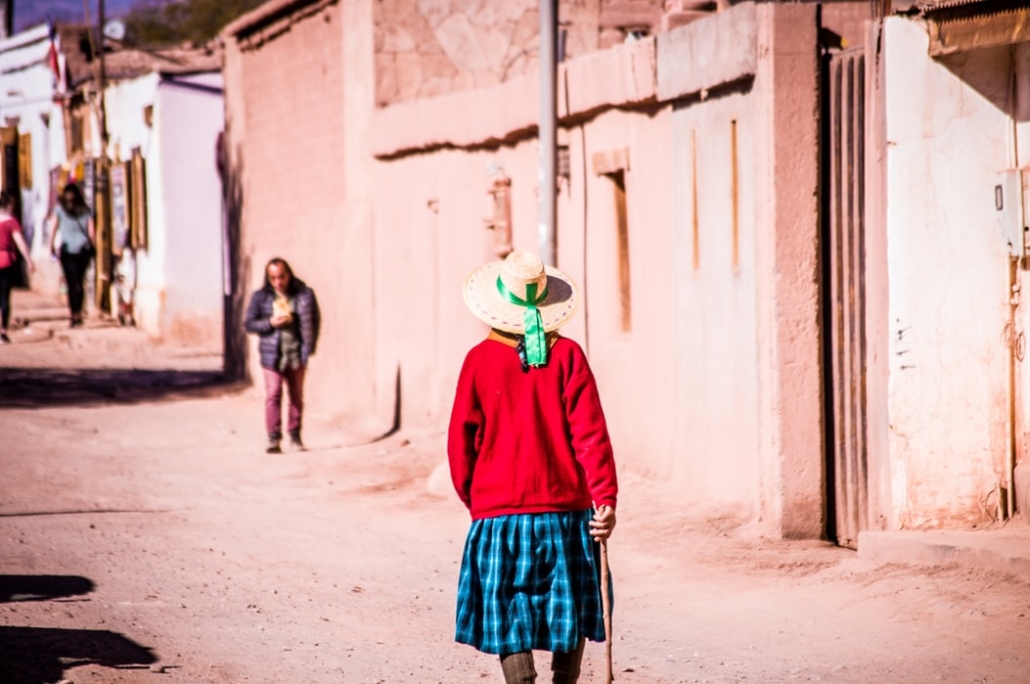
September 4, 2019
https://borgenproject.org/wp-content/uploads/borgen-project-logo.svg 0 0 Jennifer Philipp https://borgenproject.org/wp-content/uploads/borgen-project-logo.svg Jennifer Philipp2019-09-04 01:30:132024-05-29 23:12:20Top 10 Facts About Life Expectancy in Turkmenistan
Children, Development, Education, Food & Hunger, Global Health, Global Poverty, Health, Life Expectancy

10 Facts About Life Expectancy in Chile

Life Expectancy in Chile
Located on the southwest edge of South America, Chile‘s international poverty rate is 1.3 percent. This number is fairly low compared to other nations, but Chilean poverty is on the rise as the nation’s international poverty rate increased from 0.9 percent in 2015. Today, 234,083 Chilean people remain impoverished and currently survive on less than $1.90 a day. Despite this descent in economic prosperity, poverty has not negatively affected the country’s life expectancy as it is has risen from 73.6 in 1990 to 79.1 in 2018. Here are 10 facts about life expectancy in Chile.

10 Facts About Life Expectancy in Chile

  1. Female Life Expectancy: While the overall average life expectancy in Chile evens out at 79.1 years, according to the Central Intelligence Agency (CIA), women tend to live longer. Women have an average lifespan of 82.2 years while most men live to the age of 76. Despite this gap in longevity, Chilean citizens generally live long lives as the country ranks 51st among 222 other global nations.
  2. Living Conditions: Overcrowding has long been an issue in Chile. Not only does it reflect the economic fragility of the region but it also harms the physical and mental health of citizens subjected to it. When the Chilean government implemented the Social Housing Recovery of 2014, the health of the country’s citizens increased and their life expectancy increased as a result. Today, the average Chilean home houses 1.2 people per room, which is better than the Organisation for Economic Co-operation and Development’s (OECD) average of 1.8. Thanks to the Social Housing Recovery initiative, Chileans not only experience a higher standard of living, but they also received their right to better health and longer lives.
  3. Obesity: Obesity is one of Chile’s leading health issues. According to the CIA, nearly one-third of all Chilean adults suffer from obesity. Chile’s obesity rates ranked number 32 globally with 34.4 percent of adults and 44.5 percent of children suffering from the condition. Because of obesity, a large number of the nation’s citizens have an increased risk of other diseases including cardiovascular diseases, cancer and diabetes, some of the nation’s leading causes of death.
  4. Public Health Interventions: The Bono Auge Programme of 2010 created a universal health care program for Chile’s people. By providing a private health care voucher when public sector care is unavailable, more Chilean citizens are able to receive health care. Following its implementation, the program reduced the patient waiting list by 113,556 in 2010 to 50,780 the following year. The program also prioritizes those with high mortality pathological conditions and sets a two-day time limit on their waiting period for care. Patients who do not see a health care provider in this time frame receive a voucher so that another provider will see them. Equal health care increases the life expectancy of the Chilean people, as faster care and treatment not only saves lives but also extends them.
  5. Cancer: According to the OECD, Chile’s cancer mortality rate is high in comparison with its level of occurrence. Of the 35 percent of cases diagnosed, 23.8 percent end in death. This number makes up 24 percent of Chile’s national mortality rate and shortens the expected life span of its people. While the country has ways to treat the disease, much of this treatment is unequal and not enough. While it has created good screening procedures for cervical and breast cancers, it lacks large quantities of the equipment necessary to perform the job. Consequently, it is unable to reach a large number of people, and many people’s cancers go undetected. Unequal and limited proper testing hold Chile’s life expectancy back, as many of the country’s people die of cancers they are not aware they even have.
  6. Child Mortality: Ranked 163 in comparison with other countries, Chile’s infant mortality rate is fairly low. With an average of 6.4 deaths per 1,000 births and an under-5 mortality rate of 7.4 out of 1,000 during 2017, the country’s numbers prove themselves unalarming. Also, Chile’s infant mortality rate is on the decline, as the country’s under-5 mortality has dropped from 33.10 in 1980 to 7.4 in 2017.
  7. Air Pollution: Chile’s high concentration of air pollutant particles has a negative effect on the nation’s life expectancy. With 16.03 micrograms per cubic meter polluting Chilean air, the country fails to meet the 10 microgram standard that the World Health Organization set. The issue with polluted air is that it increases the risk for other diseases, such as lung cancer, which can eventually lead to death. Also, many expect that polluted air will be the leading cause of environmental premature death by 2050, meaning that without intervention, the country’s air quality will not only shorten the lives of people in the present, but it will also hurt the citizens of Chile’s future.
  8. Access to Health Care: While Chile has made strides towards equalizing its health care, care inequality is still a large issue. Socioeconomic status is the main determinant of the amount and quality of health care Chilean citizens receive. Chile’s indigenous citizens are statistically more impoverished, as they have a 35.6 percent poverty rate in comparison to their non-indigenous counterparts whose poverty rate rests at 22.7 percent. With a lower economic status, indigenous individuals have a higher risk of death, especially within their first year of life. In Mapuche, Chile, the children indigenous to Araucania have a 250 percent higher risk of death in their first year than those non-indigenous to the region. Without proper and equal access to health care, Chile’s impoverished people have a lower life expectancy merely because of economic status.
  9. Tobacco Consumption: According to the Pan American Health Organization, 20.2 percent of Chilean adolescents aged 19 to 25 participate in tobacco use. This number rises to 49.1 percent when assessing those citizens aged 26 to 34. This popularity in tobacco use not only increases the country’s risk of death from lung-related diseases, but it accounts for a large chunk of its lung cancer diagnoses. Chile is doing work to combat the issue, as it has implemented many anti-smoking policies, such as prohibiting smoking in public. As a result of these legislations, the prevalence of the nation’s total tobacco use has decreased from 42.6 percent in 2006 to 34.7 percent in 2014.
  10. Maternal Mortality: As of 2014, parasites and infections are the largest contributors to maternal deaths in Chile, as they make up to 25 percent of the total causes. While the maternal mortality rate has decreased, as deaths per 100,000 live births have dropped from 39.9 in 1990 to 22.2 in 2015. Improving Chilean poverty and prioritizing Chilean health care would improve the maternal death rate even more, as parasitic and infectious diseases are more prevalent among poverty-stricken regions.

These 10 facts about life expectancy in Chile show that by working towards ending Chilean poverty, the country’s total life expectancy will rise as a result. With poverty increasing the risk of many factors that contribute to Chilean mortality, such as decreased access to health care, reduced health literacy, higher risk of disease and higher prevalence of destructive behavior, a fight against poverty is a fight for all Chilean life.

– Candace Fernandez
Photo: Flickr

September 3, 2019
https://borgenproject.org/wp-content/uploads/borgen-project-logo.svg 0 0 Kim Thelwell https://borgenproject.org/wp-content/uploads/borgen-project-logo.svg Kim Thelwell2019-09-03 15:39:552024-05-29 23:12:2710 Facts About Life Expectancy in Chile
Disease, Education, Global Poverty, Life Expectancy

10 Facts About Life Expectancy in Germany

10 Facts About Life Expectancy in Germany
Germany is a developed country that offers decent living conditions for its citizens. The average life expectancy is 81 years, which aligns with Europe’s average life expectancy. While there are numerous factors that play a role in determining life expectancy, Germany makes a tremendous effort to manipulate these factors and extend the average. Here are 10 facts about life expectancy in Germany.

10 Facts About Life Expectancy in Germany

  1. Education and Skills: When examining the 10 facts about life expectancy in Germany, it is important to consider schooling. To benefit its citizens, Germany features a highly respected dual-apprenticeship system in its high schools. Students receive both general and occupation-specific education, indirectly improving job quality and earning potential. Eighty-seven percent of German adults between the ages of 25 and 64 have completed upper-secondary education, which is well above the Organization for Economic Cooperation and Development’s (OECD) determined 78 percent average.
  2. Jobs and Earnings: Job security and salaries often determine the living conditions of families, making it an important factor in determining life expectancy. Seventy-five percent of Germans between the ages of 15 and 64 have a paid job. Only 1.6 percent of Germany’s labor force do not have employment, which is less than the OECD’s average of 1.8 percent. The government recognizes the importance of income and takes a stand by protecting its labor force. In 2015, Germany established a statutory minimum wage. Collective bargaining has diminished, allowing financial-security for low-income workers.
  3. Environment: The German government has made a public effort to make public transportation more efficient by investing in cleaner trains and hybrid buses in order to reduce emissions. The government has also acted to modify heating units such as wood-burning stoves. In 2010, Germany mandated the refitting of these units with particulate filters by 2024 if emissions do not reduce by then.
  4. Social Connection: While it seems odd to include social connections in a list of 10 facts about life expectancy in Germany, people’s social network plays a large role in guiding their life. In Germany, the FAMILIENwerkSTADT project aids migrant families by easing them through the process of assimilation. In this program, childcare facilities focus on providing children with better access to education. Immigrant families are less isolated through such programs. Ninety percent of Germans are confident that they know someone outside of immediate family that they can count on in bad times, similar to the OECD average of 89 percent.
  5. Health Status: Germany has a life expectancy of 81 percent, slightly above the OECD average of 80 percent. The government is able to provide equal health care for all of its citizens by recognizing those with disabilities. Any workers with health issues have the right to receive aid from their employers such as a modified workplace, special help and part-time opportunities. Germany has spent a GDP of nearly 0.3 percent on disabled people, which is much higher than in other OECD countries.
  6. Work-Life Balance: The government encourages flexible schedules because of the importance of family commitments. In 2015, Germany instituted the Erfolgsfaktor Familie (Family as a Success Factor) to achieve work-life balance. This program advocated for flexi-time for all employees as well as more affordable childcare. Later that same year, Germany established a parental reform in which parents receive money for taking more time off. Currently, full-time Germans are able to spend 65 percent of their day (15.6 hours) for personal care, compared to the OECD average of 15 percent.
  7. Civic Engagement: When people are more satisfied, their life expectancy increases. The German government has a “strong youth policy infrastructure,” in which it gives younger generations higher importance. This means to allow people to feel involved in their community and be much happier. In recent German elections, estimates determined voter turnout as 76 percent, which was much higher than the OECD average of 68 percent.
  8. Housing: Clean and safe living conditions determine whether people can have healthy lives. German households have an average of 1.8 people per room, which is in line with the OECD standard. The government launched a program to expand housing in 1993 and it modified 1.1 million units. In fact, 99.8 percent of every household unit in Germany has access to a private indoor flushing toilet.
  9. Personal Security: Another factor that determines life expectancy is personal security. While organized crime was a major hazard in the streets of Germany, the police have conducted a major crackdown on Middle Eastern crime families. Before the police crackdown occurred, “The streets are [were] actually regarded as a separate territory. Outsiders are [were] physically assaulted, robbed and harassed.” The homicide rate in Germany is at 0.5, whereas the average of the OECD 3.7.
  10. Cardiovascular Disease: As the leading cause of death in Germany, cardiovascular disease takes a large toll on the population. In fact, cardiovascular disease caused 92 percent of deaths in 2018 for people 65 and older. In order to draw attention to current research, the government gave the German Heart Center of the State of Bavaria membership in the German Center for Cardiovascular Research. The German Heart Center of the State of Bavaria is the leading center in Germany for therapeutic interventions and treatments. By giving the Center membership in the German Center for Cardiovascular Research, it will receive more funding and opportunities to continue its research.

These 10 facts about life expectancy in Germany go well beyond a person’s living conditions, health, happiness or education. In fact, the German government has demonstrated its role in ensuring that people are living their lives to the fullest.

– Haarika Gurivireddygari
Photo: Flickr

September 2, 2019
https://borgenproject.org/wp-content/uploads/borgen-project-logo.svg 0 0 Jennifer Philipp https://borgenproject.org/wp-content/uploads/borgen-project-logo.svg Jennifer Philipp2019-09-02 01:30:162024-05-29 23:12:1910 Facts About Life Expectancy in Germany
Disease, Global Poverty, Life Expectancy

10 Facts About Life Expectancy in Argentina

10 Facts About Life Expectancy in Argentina
Between 2010 and 2014, mortality from HIV/AIDS rose from 3.2 deaths per 100,000 people to 3.4 deaths per 100,000. Some people in Argentina also face water scarcity, a lack of basic services and supplies, low wages and limited access to food markets. These 10 facts about life expectancy in Argentina display the quality of life and health of Argentinians.

10 Facts About Life Expectancy in Argentina

  1. Over the years, life expectancy has increased for Argentina‘s citizens, reaching 76.7 years in 2017 while it was just over 65 in 1960.
  2. Due to Argentina’s increased focus on allocating resources frugally, creating a relatively high inpatient service availability and undergoing rapid socioeconomic development, Argentina’s improving health care system has worked to optimize available medical resources. These resources help sustain and slowly increase the average life expectancy in Argentina to 77 years, four more than the global average.
  3. Access to affordable clean drinking water in Argentina has dramatically improved over the last two decades while millions still encounter drinking water contaminants dangerous to public health. According to a book by Eileen Stillwaggon, Argentina has “Twenty thousand child deaths a year from avoidable causes, such as summer diarrhea…” The spread of disease with relative ease creates grim conditions for Argentina’s working and lower class, who have comparatively inadequate health care. Currently, 84 percent of residents have access to water from a public grid, while 58 percent have access to sanitation services. According to the World Health Organization, approximately half the population has no proper waste disposal service. The socio-economic conditions of the indigenous population in Argentina suggests a fundamental flaw in their health and safety infrastructure, that ultimately allows for the easy spread of disease.
  4. Despite the appearance of affluence and impressive medical infrastructure, the economic disparity between the rich and poor creates disproportionate aid distribution. This disparity explains the unusually high life expectancy, where the rich often live longer and healthier lives near the developed parts of the country. The 40 percent of those impoverished in Argentina have “no unemployment compensation, health coverage or pensions” living in slum conditions due to Argentina’s splintered health care system. As a result, certain areas are more prepared to fight disease outbreaks.
  5. With arduous living and drinking conditions, and most of the poor being children, infant and maternal mortality rates are surprisingly lower than in other countries with a smaller GDP. According to the World Health Organization, maternal mortality declined from 331 deaths to 298, a decline from 4.4 to 3.9 maternal deaths per 10,000 births in certain regions. The maternal mortality rate increased above the global average in other areas.
  6. Chagas disease has infected more than five percent of people in Argentina. With a crippling medical infrastructure, these health hazards fester and allow the spread of disease, where the impoverished live off garbage from dumps with mixtures of industrial and medical waste due to improper disposal.
  7. The percentage of people below the poverty line has decreased by five percent since 2016. COFESA, the federal health council, is working with the national authorities in Argentina to create and implement an effective universal health care system to reintegrate impoverished people back into the workforce. Its primary focusses are specific health problems and the lack of access to medical care in various regions.
  8. Argentina has eliminated many preventable diseases such as measles and rubella. Most universal vaccinations have been very successful with outbreaks of hepatitis A and B on the decline. A study in 2012 confirmed that the rate of measles outbreak has remained steady for almost a decade. Argentina spends seven percent of its GDP on health care initiatives, one of the highest in South America.
  9. Despite 37 percent of Argentina’s population being classified as overweight and 20 percent obese, food protection agencies have developed better public health initiatives to educate people about the dangers of overconsumption. The overall decreased consumption of salt demonstrates the success of these government programs aimed at fixing the conditions of marginalized rural and urban communities and increasing public health along with improved life expectancy.
  10. Infection by Trypanosoma cruzi (Chagas disease) affected 2.5 percent of pregnant women and 5.7 percent of children during pregnancy and leading up to delivery. Infections in pregnant women are of paramount importance due to the relative ease of passing diseases onto offspring.

Argentina, Bolivia, Brazil and Paraguay created a joint initiative to study the socio-economic conditions of the more rural regions to discover why diseases plague certain parts of their countries and not others. With an increasing life expectancy, Argentina’s has one of the largest labor forces in the world. Universal access to health care is Argentina’s end goal and some of the information in these 10 facts about life expectancy in Argentina demonstrate that things are looking positive for the future.

– Adam Townsend
Photo: Flickr

September 1, 2019
https://borgenproject.org/wp-content/uploads/borgen-project-logo.svg 0 0 Jennifer Philipp https://borgenproject.org/wp-content/uploads/borgen-project-logo.svg Jennifer Philipp2019-09-01 01:30:522024-06-11 23:17:1610 Facts About Life Expectancy in Argentina
Global Poverty, Life Expectancy, Technology

10 Facts About Life Expectancy in Estonia

Life Expectancy in Estonia
Estonia, a beautiful, Baltic country with a historically turbulent background, is a striking model of a nation that refuses to let adversities stand in the way of its mission for improvement. Despite Estonia’s many challenges over the last two decades, it continues to prove that positive change is possible, no matter how small. These 10 facts about life expectancy in Estonia demonstrate the most notable progress the country has made in pursuit of a longer and higher quality of life for its people. 

10 Facts About Life Expectancy in Estonia

  1. As of 2018, the life expectancy for Estonian women was 82 years, while it was 72.3 years for men, adding roughly three years to the lifespans of both genders since 2008. While these numbers are still slightly below the EU average for 2018 (84 years for women and 79 for men), Estonia has made quite a dent in its life expectancy gap over the last decade.
  2. Preventable diseases largely affect low life expectancy in Estonia. Cardiovascular disease is responsible for killing three in five women and nearly half of all Estonian men. Various types of cancer account for the deaths of 22 percent of women and 27 percent of men, making it the leading cause of death in Estonia.
  3. In the last decade, Estonia’s Parliament introduced initiatives to address the number of deaths resulting from risky behaviors like alcohol abuse, injectable drug use and smoking. Initiatives involved a national Drug Prevention Policy and public awareness campaigns on the harmful effects of alcohol use and smoking. Daily smoking is down to 17.2 percent in 2018 compared to 30 percent in 2001. People who used injectables for at least three years decreased from 21 percent in 2005 to eight percent in 2011. Alcohol abuse is still alarmingly high, though, and accounted for 21.4 percent of all casualties in 2015 despite awareness campaigns and restrictions on alcohol sale and increased excise taxes.
  4. The Estonian Government approved a National Health Plan for 2014 through 2020 to improve the quality and accessibility of health care institutions. To ensure all socioeconomic groups had access to the same quality of care, Estonia opened a national health insurance fund for patient reimbursements, required doctors and pharmacists to prescribe the most affordable medication available and launched an online platform to ensure that the health care system remained as transparent as possible.
  5. Estonia launched an e-prescription service alongside its National Health Plan. By 2011, the medical field issued 84 percent of all prescriptions digitally with a 90 percent satisfaction rate. This digital shift also benefited pharmacies, cutting staff costs related to incorrect prescriptions by 90 percent and putting considerable savings back into the national health fund in order to further improve life expectancy in Estonia.
  6. Around 44,000 people or 3.4 percent of the Estonian population lived in absolute poverty as of 2017. Low income and poorly educated populations in Estonia were 50 percent more likely to develop respiratory diseases and 40 percent more likely to develop hypertension than those operating at the highest levels of income. But, social transfers in the form of benefits and pensions saved 22.8 percent of the population from slipping into poverty in the first place.
  7. Estonian’s who go on to earn a university degree may live 14 years longer than those who only attain lower secondary educations. In 2014, 90 percent of Estonian adults between the ages of 25 and 64 had achieved upper secondary or tertiary forms of education. This number is comparatively much higher than the OECD average of 75 percent.
  8. Economic growth in Estonia is directly related to the country’s astonishing technological advancement since 1991. This advancement has played a major role in creating jobs in Estonia. According to The World Bank, over 14,000 new tech companies registered in Estonia in 2011, a 40 percent increase since 2008. High-tech companies also account for 15 percent of the country’s GDP.
  9. In an effort to combat high unemployment among Estonian youth, the country established ENTRUM (Youth Entrepreneurship Development Programme). The program aims to encourage creativity, problem-solving skills and knowledge of risk management. Between 2010 and 2012, over 1,000 teens participated in the program. Former participants went on to create 59 new businesses, the most successful employing upwards of 60 people.
  10. Estonia boasts a massive network of over 33,000 registered nonprofit organizations acting as service providers for citizens. These organizations employ 28,000 Estonian, making the nonprofit sector responsible for the paid employment of four to five percent of the national workforce. 

Despite its turbulent past, Estonia has proven over the last two decades that it is capable of great improvement. These improvements come in the form of technological advancement, transparent and efficient health care and government initiatives focused on accessing all citizens and ensuring they receive the care they need. 

– Ashlyn Jensen
Photo: Flickr

August 31, 2019
https://borgenproject.org/wp-content/uploads/borgen-project-logo.svg 0 0 Jennifer Philipp https://borgenproject.org/wp-content/uploads/borgen-project-logo.svg Jennifer Philipp2019-08-31 07:30:572024-06-04 01:17:5410 Facts About Life Expectancy in Estonia
Global Poverty, Health, Life Expectancy

10 Facts About Life Expectancy in Iceland

10 Facts About Life Expectancy in Iceland
Iceland, one of the healthiest European countries, lies between the Greenland Sea and the North Atlantic Ocean. Icelanders tend to outlive people from other richer, warmer and more educated countries. Below are 10 facts about life expectancy in Iceland that determine what factors may help Icelanders live longer lives.

10 Facts About Life Expectancy in Iceland

  1. On average, males and females in Iceland have a life expectancy at birth of 81 and 84 years respectively. Life expectancy increased from a combined national average of 78.8 years in 1994 to a combined national average of 82.4 years in 2016.
  2. Iceland has one of the lowest mortality rates in Europe. The average mortality rate is 6.5 per 1,000 inhabitants and the infant mortality rate is 2.7 per 1,000 live births, both below the European average of 10.2 and four. Not only do children under the age of five have better survival rates, but they also have a better chance of growing into healthier adults.
  3. Compared to the OECD average of 3.4 and three per 1,000 population, Iceland has a higher number of doctors and nurses with 3.8 doctors and 15.5 nurses per 1,000. A higher proportion of medical practitioners is a reflection of Iceland’s well-performing health care system.
  4. The health expenditure in Iceland picked up in 2012 after a dip following the 2008 financial crisis. The expenditure of $4,376 per capita is higher than the OECD average of $3,854 and accounts for 8.7 percent of its GDP. It has universal health care, 85 percent Icelanders pay through taxes. Private insurance is almost absent. This shows that health care is affordable and accessible in Iceland.
  5. The diet of the Icelandic people contains more fish and less meat. Fish is more beneficial for heart health due to the presence of omega-3 fatty acids. Healthier diet choices could be one factor that helps Icelandic people live longer.
  6. Research shows that the environment is a major determinant of health, and therefore, longevity. Iceland boasts clean air and water. Its dependence on geothermal resources for energy instead of fossil fuels ensures an unpolluted environment. Further, natural hot springs occur all across the country. The cleaner and colder environment protects people from many communicable and infectious diseases which may help them live longer and healthier lives.
  7. Iceland is the eighth-most urban country in the world. Ninety-four percent of its population lives in urban areas and cities with access to basic amenities like electricity, clean drinking water and sanitation. Life expectancy for a country increases with an increase in urbanization.
  8. Good genetics may have played a role in higher life expectancy of Icelanders. Studies showed that those above 90 years of age share more similar genes compared to control groups. One possible explanation could be the harsh environmental conditions that Icelanders faced historically, which filtered their genes so that they would pass on the ones that helped them survive.
  9. Despite the harsh weather conditions, Icelanders have higher physical activity when compared to other European nations. Almost 60 percent of the Icelandic people perform some form of exercise for at least 150 minutes per week. Icelandic people like to participate in outdoor activities such as hiking, swimming and skiing.
  10. Iceland has the lowest proportion of substance abusers among all European countries. It reduced its percentage of drug users from 42 percent in 1998 to five percent in 2016. By imposing curfews and keeping teens busy in sports and activities, Iceland was able to divert them from drugs towards healthy habits. This is an important factor when considering the life expectancy of a nation. People do not tend to die from drug-overdose and they also live healthier and economically stable lives.

Icelanders show that lifestyle can have a major effect on how long people live. Both the Icelandic people and their government made efforts to improve their health statistics by reducing the consumption of fossil fuels and drugs and increasing physical activity. These top 10 facts about life expectancy in Iceland are full of lessons that people of other nations can learn and apply as successful health interventions.

– Navjot Buttar
Photo: Flickr


August 30, 2019
https://borgenproject.org/wp-content/uploads/borgen-project-logo.svg 0 0 Kim Thelwell https://borgenproject.org/wp-content/uploads/borgen-project-logo.svg Kim Thelwell2019-08-30 07:30:572019-12-17 14:58:0010 Facts About Life Expectancy in Iceland
Global Poverty, Life Expectancy

10 Facts about Life Expectancy in Romania

10 Facts about Life Expectancy in Romania
Among European Union members, Romania ranks as one of the lowest in terms of life expectancy. Life expectancy can be a complicated issue. It is impacted by many other factors, such as poverty, housing and health care. These 10 facts about life expectancy in Romania will reveal which issues have shaped the current problems in Romania, as well as what can be done to solve them.

10 Facts About Life Expectancy in Romania

  1. Life expectancy for young people in Romania is the lowest in the European Union. In countries such as Spain, Italy, France, Switzerland and the U.K., the life expectancy of a young person today is around 85 years. According to the CIA, Romania has a life expectancy of just 75.6 years, giving Romania one of the lowest overall life expectancies in the European Union.
  2. Life expectancy in Romania has had its ups and downs since 1990. Prior to the 1990s, very little research was done on life expectancy in Romania. In the period from 1990-1996, Romania actually experienced a decline in life expectancy of 1.71 years for men and 0.54 years for women. Romania’s life expectancy recovered when this trend reversed in the period from 1996-1998, with an increase in life expectancy of 1.12 years for men and 0.89 years for women. Life expectancy in Romania has been gradually trending upwards since.
  3. Romania is one of the poorest countries in Europe. As of 2018, Romania is among the 10 poorest countries in Europe. The EU has an average GDP per capita of more than $38,000. Meanwhile, Romania’s per capita GDP is only $9,520. Poverty, for obvious reasons, is often inversely correlated with life expectancy.
  4. Heart disease is the leading cause of death in Romania. By 2004, the leading cause of death in Romania was cardiovascular diseases which were responsible for 62 percent of all deaths. Romania’s past increases in life expectancy are due partially to a reduction in the rates of heart disease in the late 1990s. This reduction is likely due to a change in diet and reduced obesity rates.
  5. Living conditions in Romania have been steadily improving since the fall of communism. In the past 20 years, the average household income in Romania has increased by more than $2,500, and the unemployment rate has been cut in half. The number of Romanian citizens reported to be living in bad health is now lower than the average for Europe. By 2017, Romanian households had improved access to modern tools and appliances which play a role in increasing living standards. By 2017, 33.7 percent of households owned a personal car, and more than half own computers. Almost every household had a cooking stove, and 56 percent owned a modern refrigerator.
  6. Rural areas have substandard living conditions. In Romania, life expectancy varies significantly between different regions. As is often the case, there is a rural-urban divide. Life expectancies are higher in cities than in the countryside. Urban areas often have access to higher quality medical care, whereas rural regions often have sub-par medicine. Rural areas also have a lower standard of workplace safety. A survey published in 2009 reveals that 64 percent of all workplace accidents take place in rural zones of the country.
  7. Urban regions have higher life expectancies. Bucharest has the highest life expectancy in Romania. The average life expectancy in Romania’s capital is 77.8 years, 2.4 years above the national average. The counties with the next three highest life expectancies are Valcea (77.5 years), Cluj (76.7 years) and Brasov (76.6 years). Each of these counties represents populations that live in urban metropolitan areas.
  8. The Romanian health care system is ranked the worst in Europe. For two consecutive years, Romania’s health care system has been rated the lowest in the European Union in the European Health Consumer Index (EHCI) at 34th. Countries are ranked by quality of care, accessibility and wait times. The study also concluded that Romania’s system was discriminatory towards minority groups such as the Roma, who experience poorer health outcomes on average.
  9. Life expectancy is much worse for minority groups. One of Romania’s largest minority groups is the Romani, or Roma, who represent 3.08 percent of Romania’s population. The Romani people face deep-seated oppression and discrimination which contributes to them being disproportionately impoverished. Among Romani women, maternal mortality rates are 15 times greater than among the rest of the population. An estimated 30 percent of the Romani live in slum-like conditions. The overall life expectancy for the Roma is estimated to be anywhere from five years to 20 years shorter than that of the general population. If life expectancies in Romania are to be improved, then discrimination must cease. The government must make a serious effort to lift disadvantaged minority groups out of dilapidated living conditions.
  10. NGOs have and will continue to play a crucial role in improving life expectancy in Romania. Nonprofits have been very important in improving the lives of Romanians. Groups like CARE and Hearts Across Romania have focused on aiding children, many of whom are abandoned due to poverty. Love Light Romania seeks to combat poverty by promoting access to educational opportunities. Habitat for Humanity has sought to build housing in Romania, to supplement the nation’s insufficient public housing program.

From these 10 facts about life expectancy in Romania, it can be determined that the situation is a mixed bag for Romania. On one hand, life expectancy has shown significant improvement since the fall of communism. On the other, it is clear that Romania still has quite a few social issues that must be corrected if it is to rise to the level of the rest of Europe. Issues such as insufficient health care and discrimination against Roma people still persist, however through government initiatives and continual efforts by nonprofits, these issues can be solved.

– Karl Haider
Photo: Unsplash

August 27, 2019
https://borgenproject.org/wp-content/uploads/borgen-project-logo.svg 0 0 Kim Thelwell https://borgenproject.org/wp-content/uploads/borgen-project-logo.svg Kim Thelwell2019-08-27 14:40:582024-05-29 23:10:5210 Facts about Life Expectancy in Romania
Global Poverty, Hunger, Life Expectancy

10 Facts About Hunger in Algeria

10 Facts About Hunger in AlgeriaLocated in Western Sahara, Algeria is one of the largest countries in the world. Home to around 45 million people in 2022, the French-speaking nation continues to grow in population. The Algerian economy centers around oil exports and that oil has allowed the Algerian economy to become one of the biggest in Africa. Despite this, many Algerians struggle to put food on the table and the main problem lies with the poorest people in the country. The unemployed and Sahrawi refugees struggle to maintain a healthy diet due to a lack of affordable and nutritious food. Here are 10 facts about hunger in Algeria.

10 Facts About Hunger in Algeria

  1. Only 17% of Algerian land is used for agriculture. The Sahara desert covers a large amount of Algeria. As a result, Algeria is unable to produce enough food for its people which forces it to import a lot of its food.
  2. Food products and vegetables made up 16.5% of Algerian imports in 2017. At first glance, 16.5% may not seem like a large number, however, Algerian vegetables and food products make up only 1% of its exports. When a country imports more food than it can produce, prices tend to be higher for its people. This may be the reverse for meat, however. In March 2024, Algeria imported “massive amounts of beef and lamb” before Ramadan, to counter the inflated costs of local meat. 
  3. There are 173,600 Sahrawi refugees in Algeria and almost 90% are food insecure or at risk of food insecurity.  The refugees are Western Saharans that the Western Saharan War in 1975 displaced. For almost 45 years, the refugees have been living in harsh desert environments with limited access to economic opportunity.
  4. Fifty-four percent of Sahrawi women of childbearing age and more than half of children under 5 are anemic. Anemia in pregnant women can cause complications with the fetus and mother. Similarly, anemia in young children can cause serious health problems and hurt their growth.
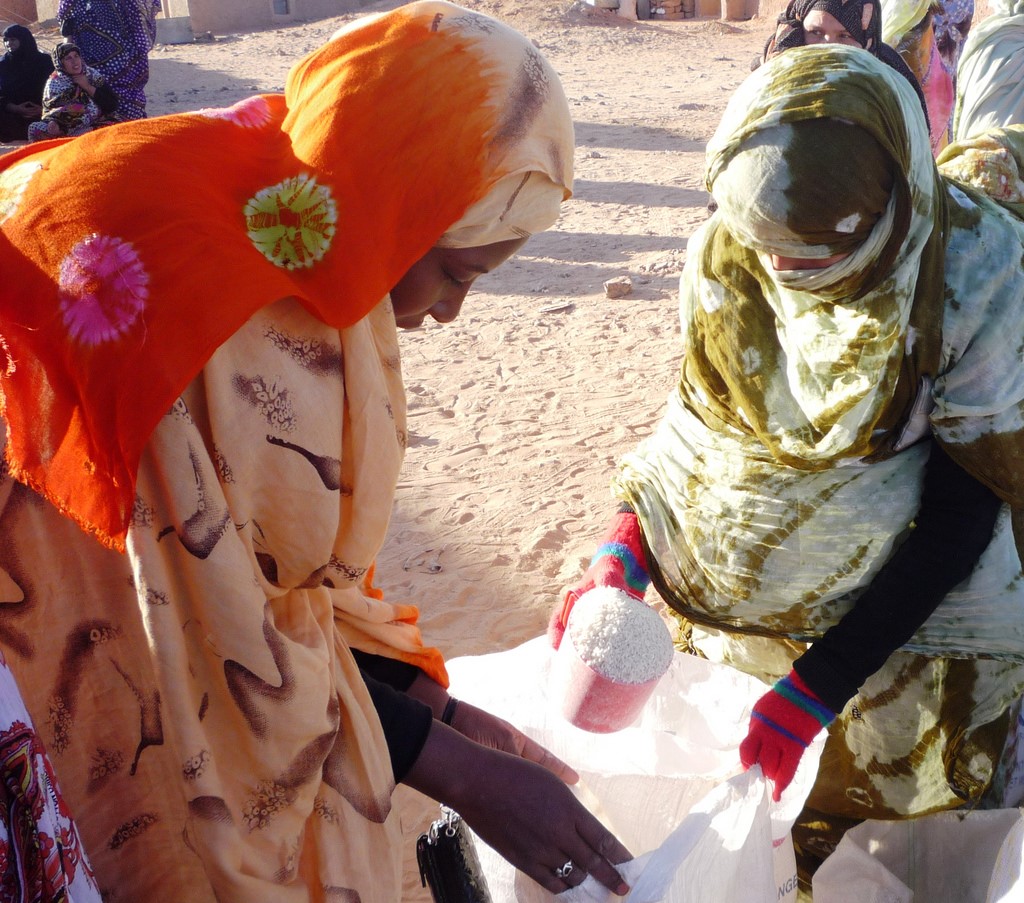
  5. The World Food Program provides 134,000 food rations to refugees each month. The WFP also created nutrition centers to fight anemia and stunting in children. It also distributes thousands of school meals to refugee children to keep them in school.
  6. Algeria ranks 33rd out of 125 countries on the Global Hunger Index. With a score of only 6.8, Algeria boasts a low level of hunger. Over the past few years, Algeria moved up two spots in the rankings.
  7. Between 2000 and 2019, the prevalence of stunting in children under 5 years old has been reduced by almost 60%, to 9.8%.  
  8. The proportion of undernourished in Algeria, which was 8% in 2001, decreased to 3% by 2021.  
  9. Algeria’s infant mortality rate dropped from 36 (per 1,000) in 2000 to 19 in 2022, thanks to better support for infants and easier access to nutritious foods.
  10. Between 2000 and 2021, Algeria’s life expectancy grew from 72 to 76. This is three years higher than the rest of North Africa. 

These 10 facts about hunger in Algeria illustrate that hunger is a problem that the country may overlook. At first glance, the country may appear to be doing well, however, the most impoverished Algerians suffer greatly from food insecurity. Thankfully, the country is making progress in combating this difficult problem, which means there is hope that Algeria will one day eliminate hunger.

– Gaurav Shetty
Photo: Flickr
Updated: July 12, 2024

August 26, 2019
https://borgenproject.org/wp-content/uploads/borgen-project-logo.svg 0 0 Kim Thelwell https://borgenproject.org/wp-content/uploads/borgen-project-logo.svg Kim Thelwell2019-08-26 07:30:542024-07-17 08:02:4310 Facts About Hunger in Algeria
Disease, Food Security, Global Poverty, Life Expectancy

10 Facts About Life Expectancy in Namibia

Life Expectancy in Namibia
Namibia has continued to make large strides in many aspects of life, including life expectancy. Having suffered a history of colonization and oppression, Namibia struggled for years with political, social and cultural issues. However, as the country has begun to strengthen and mingle on a global level, it has and is continuing to make exceptional progress. These 10 facts about life expectancy in Namibia will bring attention to the country’s progress and highlight the necessary changes.

10 Facts About Life Expectancy in Namibia

  1. Life Expectancy in Namibia is Improving: The CIA World Fact Book rates the average life expectancy for Namibians at 64.4 years, ranking the country 189th worldwide. This is a giant increase from the previous life expectancy rate of 53.5 years in 2005.
  2. Infant Mortality in Namibia is Improving: Coinciding with the steadily increasing life expectancy is the steadily decreasing infant mortality rate. According to the World Bank with data going back to 1967, the infant mortality rate has halved, going from a staggering 62.6 deaths per 1,000 births down to 31.8 deaths per 1,000 births. This is in line with countries that share a similar history to Namibia, like South Africa, which has an infant mortality rate of 28.8 deaths per 1,000 births. Both of these countries still trail behind other nations within the continent, like Egypt, which has an infant mortality rate of 18.8 deaths per 1,000 births.
  3. The Namibian Economy is Improving: There is a strong correlation between Namibia’s continually improving social and medical situation and its continued economic prosperity. According to the World Bank, the country’s GDP has more than quadrupled from the 1980s to today jumping from $2.4 billion in 1980 to an impressive $14.5 billion in 2018. Namibia continues to improve economically and was the top emerging market economy in Africa in 2013. It is also important to note that there have been continued efforts to distribute the wealth that the country is coming into. In 1990, after Namibia had gained its independence, it had the highest levels of income inequality in Africa. After policy changes, however, income inequality has significantly decreased.
  4. Social Justice Has Helped Namibia Prosper: Similar to South Africa, Namibia has a long and unfortunate history of apartheid. Apartheid prevented black Namibians from having any political rights and restricted social and economic freedom. It was not until the 1990s that Namibia gained its independence. Namibia’s large population’s roadblocks resulted in the before mentioned wealth inequality. However, once everyone received an equal footing and the Namibian Government looked at the entire population rather than a small few, the poverty rate decreased from 53 percent to 23 percent.
  5. Health Care in Namibia is Not Consistent: As Namibia has continued to improve, so has its health care. There are currently both public and private health care options with 85 percent of the population having the former. There is, however, a severe discrepancy in the service provided between private and public health care. Public hospitals are understaffed and offer limited services. The government has expressed its awareness of these issues and commitment to solving them. Its commitment is outlined in the National Health Policy Framework 2010–2020 and it is implementing efforts to grow the government budget line for health.
  6. Namibians Suffer From Preventable Diseases: Similar to many African countries, the impoverished sectors of Namibia are suffering from preventable diseases, but that is not to say that there have not been major improvements. The country has eliminated neonatal tetanus and the African Regional Certification Commission recognizes it as polio-free. This is due to the Government’s intense focus on fixing these issues. The Namibian Government has even decreased the number of malaria cases by 97 percent in just a decade.
  7. HIV is on the Decline in Namibia: One of many countries suffering from an HIV epidemic, Namibia is thankfully showing improvement. A report published by the Namibia Statistics Agency showed that the new infection rate had decreased from 14 per 1,000 adults to four per 1,000 adults. The same report stated that “as with the fight against extreme poverty, it is possible that a continuation in this effort can lead to zero new infections in the country by 2030.”
  8. Climate Has an Impact on Namibia: According to the World Health Organization, climate change and environmental safety are two major issues facing Namibia. Droughts, floods and disease outbreaks highlight the need for better planning and coordination as well as the importance of attending to environmental health as a preventative method when considering social, economic and cultural progress. Groups all over Namibia dedicate themselves to different issues within the larger context. Two of those groups are Namibia Nature Foundation, which is committed to conservation, and the Africa Drought Conference, which is part of the Government’s efforts to address the drought issue.
  9. Namibia is Rapidly Urbanizing: Urbanization has long been a sign of prosperity, but mass urbanization presents challenges. In Namibia, there are constantly high unemployment rates stemming in part from rapid urbanization. A staggering 34 percent of the total labor force, which mostly affects youth and women, do not have employment. This has been contributing to a growing number of poor who lack access to food and other social services.
  10. Namibia Has a Food Problem: Although Namibia is an upper-middle-income country, it still faces many problems including poverty and malnutrition. Namibia only produces about 40 percent of food consumed and is very reliant on imports. The limiting of access to food leads to price fluctuations harming up to 28 percent of Namibian families. The Food and Nutrition Technical Assistance III Project (FANTA) is just one of the many groups trying to improve the quality and access to nutrition. It also has an increased focus on sustainability.

Some have labeled Namibia one of the most promising countries in Africa because of its increasing social, cultural and economic status. One, however, cannot ignore that there is still a lot of room for progress, especially when looking at the less privileged groups in the country. These 10 facts about life expectancy in Namibia highlight all the good that has taken place and should pose some insight into the future.

– Samira Darwich
Photo: Flickr


August 26, 2019
https://borgenproject.org/wp-content/uploads/borgen-project-logo.svg 0 0 Kim Thelwell https://borgenproject.org/wp-content/uploads/borgen-project-logo.svg Kim Thelwell2019-08-26 06:34:572024-05-29 23:10:5110 Facts About Life Expectancy in Namibia
Global Poverty, Life Expectancy

10 Facts About Life Expectancy in Malaysia

10 Facts About Life Expectancy in Malaysia
A former British colony, Malaysia achieved independence in 1957. Since gaining its freedom, Malaysia has seen steady growth, reducing its poverty rate, increasing literacy rates and providing affordable health care services. Life expectancy in Malaysia is at an all-time high. However, the promising statistics surrounding Malaysia’s booming economy provide a narrow window into poverty, mortality and other crises within the still-growing nation. These 10 facts about life expectancy in Malaysia give a closer look at the quality of life in the country.

10 Facts About Life Expectancy in Malaysia

  1. The life expectancy in Malaysia is around 75 years. While the life expectancy in Malaysia has increased from 50 years in the 1960s, it has remained stagnant at 75 years for over a decade.
  2. The primary cause of stagnated life expectancy in Malaysia is non-communicable diseases (NCDs). NCDs like high blood pressure, diabetes and many cancers are going unchecked because of a lack of awareness and education. Health Minister Dzulkefly Ahmad has said that 50 percent of the patients attended for treatable NCDs like high blood pressure and diabetes in Malaysia were unaware that they were living with the diseases at all.
  3. Population aging has been a serious concern in Malaysia since the early 1990s. The population of people aged 60 and over in Malaysia more than doubled in a 19-year span. This age group also happens to be part of the population that NCDs most affect. The massive increase affects the social and economic progress of Malaysia and puts an immense strain on its health care system.
  4. Those who live in poverty have a higher mortality risk than those living above poverty lines. Although life expectancy in Malaysia is 75 years, more than half of older Malaysians live in poverty. Reported household incomes for this group are less than $5,222 per year and 22 percent reported an even lower income.
  5. Malaysia has made a powerful effort to make public health a priority by focusing on giving the best care to the elderly. Whether it was the National Policy for the Elderly in 1995, the National Health Policy for Older Persons in 2008 or the National Policy for Older Persons and Plan of Action for Older Persons in 2011, health care for the elderly has been a major undertaking by both the Ministry of Health and the Ministry of Women, Family & Community Development. Programs like the National Policy for Older Persons and Plan of Action for Older Persons seeks to accomplish improvements to life expectancy in Malaysia and mortality rates by developing social programs and legislation that improve health, wellbeing, safety and security.
  6. Part of the nationwide strategy has been to set up numerous nongovernmental organizations, like the MyKasih Foundation in 2009. The MyKasih Foundation centers its efforts on multiple facets of poverty reduction, like financial literacy programs, skills training and children’s education programs. MyKasih Foundation has provided cashless aid to 260,000 underprivileged families and students that equals $240 million RM (Malaysian Ringgit). Comparatively, that is over $57 million USD.
  7. The poverty rate in Malaysia has improved from 60 percent in the 1950s to three or four percent today. However, poverty has become a rotating door in Malaysia; many people who manage to claw their way out of poverty with the help of social programs end up back under the poverty line eventually. According to economist Fatimah Kari, the poverty cycle is due to generalized, one-size-fits-all programs that do not address the various needs that different regions have.
  8. Food poverty is a rising problem for rural and urban Malaysian citizens. This has led to many Malaysians not attaining sufficient nutrients, which may affect the performances of children in school and result in higher drop-out rates. If these children do not get an education, they also miss out on essential social programs that could help get them out of poverty. The good news is there are a plethora of Malaysian nonprofit organizations, like the MyKasih Foundation, that are affecting change. However, many of them lack the financial support to effectively extend their reach.
  9. Poverty affects life expectancy in Malaysia. A 2016 study about the distribution of mortality indicators by socioeconomic quintiles showed that disadvantaged districts in Malaysia had higher mortality outcomes than other more privileged districts. The poorer districts had fewer opportunities or necessary facilities to obtain a better quality of life. On the other hand, the study showed that rich districts have the essential infrastructure, health care and social services to mitigate the burden of disease.
  10. Economic development may not have equal distribution. Two landmasses make up Malaysia; the Malay Peninsula and the island of Borneo, Borneo being the poorer of the two. Since Malaysia’s independence and substantial growth, research exhibits income disparities between and within ethnic groups in these areas. Malays and indigenous natives carry the burden of that disparity because Malays made up 50 percent of the population as of 2010. Although the Chinese and Indian ethnic groups make up a significantly smaller portion of the population, both are more advantaged than the Malays and their socioeconomic statuses impact levels of mortality.

The 10 facts about life expectancy in Malaysia prove a disheartening truth but are also a reason for immense hope. The disadvantaged in Malaysia suffer greatly because of a lack of health awareness, insufficient health care resources and income disparity. However, the revitalization of Malaysia after its independence displays how a nation can survive and flourish when given the help and change in governance it needs. The economy of Malaysia continues to ascend and with more work, so too should life expectancy.

– Anthony Negron
Photo: Flickr

August 25, 2019
https://borgenproject.org/wp-content/uploads/borgen-project-logo.svg 0 0 Jennifer Philipp https://borgenproject.org/wp-content/uploads/borgen-project-logo.svg Jennifer Philipp2019-08-25 07:30:322019-12-16 11:53:2410 Facts About Life Expectancy in Malaysia
Page 9 of 15«‹7891011›»

Get Smarter

  • Global Poverty 101
  • Global Poverty… The Good News
  • Global Poverty & U.S. Jobs
  • Global Poverty and National Security
  • Innovative Solutions to Poverty
  • Global Poverty & Aid FAQ’s
Search Search

Take Action

  • Call Congress
  • Email Congress
  • Donate
  • 30 Ways to Help
  • Volunteer Ops
  • Internships
  • Courses & Certificates
  • The Podcast
Borgen Project

“The Borgen Project is an incredible nonprofit organization that is addressing poverty and hunger and working towards ending them.”

-The Huffington Post

Inside The Borgen Project

  • Contact
  • About
  • Financials
  • President
  • Board of Directors
  • Board of Advisors

International Links

  • UK Email Parliament
  • UK Donate
  • Canada Email Parliament

Get Smarter

  • Global Poverty 101
  • Global Poverty… The Good News
  • Global Poverty & U.S. Jobs
  • Global Poverty and National Security
  • Innovative Solutions to Poverty
  • Global Poverty & Aid FAQ’s

Ways to Help

  • Call Congress
  • Email Congress
  • Donate
  • 30 Ways to Help
  • Volunteer Ops
  • Internships
  • Courses & Certificates
  • The Podcast
Scroll to top Scroll to top Scroll to top