• Link to X
  • Link to Facebook
  • Link to Instagram
  • Link to TikTok
  • Link to Youtube
  • About
    • About Us
      • President
      • Board of Directors
      • Board of Advisors
      • Financials
      • Our Methodology
      • Success Tracker
      • Contact
  • Act Now
    • 30 Ways to Help
      • Email Congress
      • Call Congress
      • Volunteer
      • Courses & Certificates
      • Be a Donor
    • Internships
      • In-Office Internships
      • Remote Internships
    • Legislation
      • Politics 101
  • The Blog
  • The Podcast
  • Magazine
  • Donate
  • Click to open the search input field Click to open the search input field Search
  • Menu Menu

Archive for category: Life Expectancy

Disease, Global Poverty, Life Expectancy

10 Facts About Life Expectancy in Panama

10 Facts About Life Expectancy in Panama
Situated as the southernmost country in Central America between the Atlantic and Pacific Oceans, Panama has a population of nearly four million people across 29,000 square miles and a terrain which includes rainforests, mountains, beaches, wetlands and pasture land. The capital, Panama City, has a population of under half a million. Panama’s strongest industries include import/export, banking and tourism. It has enjoyed economic stability and growth, which can translate to good health and long life expectancy when residents can access education, health care, water and sanitation resources equitably. Here are the 10 facts about life expectancy in Panama.

10 Facts About Life Expectancy in Panama

  1. The first of the 10 facts about life expectancy in Panama is that currently, the average life expectancy of a man in Panama is 76.1 and 81.9 for a woman. This averages to 78.9 for the entire population. Panama ranks 58th worldwide for life expectancy.
  2. In Panama, the leading causes of death are chronic, noncommunicable conditions such as circulatory diseases (diabetes and heart disease). Diet, high blood pressure or smoking can cause these. Panama has taken action by implementing the World Health Organization’s Framework Convention on Tobacco Control and passing legislation guaranteeing smoke-free environments. The United Nations suggests dietary guidelines for healthy eating and recently added recommendations for children under 2 years of age.
  3. Traffic accidents in Panama are on the rise. The World Health Organization reports a road traffic death rate of 14.3 per 100,000 in 2016, while that number was only 10 per 100,000 in 2013 with 386 actual deaths. While the law in Panama requires seatbelt use, hazardous conditions due to lack of road maintenance, poor signage and overly congested highways are causes of this increase in accidents. Investment in roads and highway infrastructure could lower the number of deaths.
  4. The WHO reports that homicides in Panama are decreasing. In 2010, there were 23.4 homicides per year per 100,000 and in 2015 that number went down to 18.7. More than six times as many men suffer homicide in Panama than women (32.3 men per 100,000 compared to 4.9 women per 100,000). Young people between ages 15 and 29 are the most frequent targets of homicide (40.5 per 100,000). Strong laws are in place to combat violence in relation to firearms and alcohol and the WHO reports effective enforcement of laws against intimate partner violence and elder abuse. Panama could make improvements in the areas of enforcement of sexual violence and child maltreatment laws.
  5. Because of Panama’s tropical climate and wet, forested areas, mosquito-transmitted illnesses such as malaria, dengue and yellow fever pose a risk for Panamanians. Death is more likely in vulnerable people, such as infants. When new outbreaks arise, such as with the Zika virus, the WHO monitors transmission and infections closely in case they become widespread or pose a risk to travelers in the region. People can transmit the Zika virus sexually and it can also pass from mother to fetus. Microcephaly, a severe birth defect linked to Zika, poses a risk to the fetus of pregnant women, though death is rare. The WHO reports one death of a premature infant. Another disease that has limited impact in Panama is the hantavirus (linked to contact with rodents). The WHO reports approximately 100 cases with only four total deaths occurring. There is no treatment or vaccine for the hantavirus. Recommendations state to control the rodent population to prevent it.
  6. Panama saw 1,968 new cases of tuberculosis in 2017 (co-occurring with HIV in 90 percent of patients). TB and HIV are amongst the leading causes of premature death in Panama. People with HIV have more compromised immune systems, leaving them more vulnerable to contracting TB. Panama spends $1.9 million each year treating and combating TB and HIV. Relapse of patients and drug-resistance pose particular challenges. Tuberculosis affects twice as many males as women, and the greatest incidence is among people ages 25-34 years.
  7. Mortality in young children has steadily declined in recent years. Deaths of children under 5 in 1990 were 27.2 per 1,000 live births, and in 2017, 17.2.  Deaths of children under 1 per year in 1990 were 20.9 per 1,000 live births, and in 2017, 13.4. Between 2007 and 2017, neonatal disorders dropped from number one to number three as a cause of premature death, and congenital defects dropped from number four to number six. These statistics are a result of a dramatic improvement in maternal and infant care for non-indigenous rural Panamanian women through a program called Health Protection for Vulnerable Populations, instituted in collaboration with the World Bank and the Minister of Health.
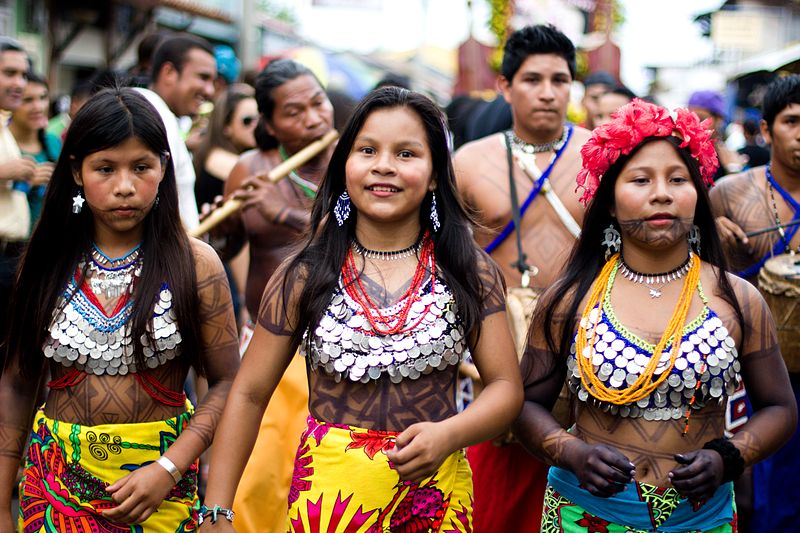
  8. The education of girls in Panama is important to life expectancy and maternal health. UNICEF reports that girls with no education receive 30 percent less antenatal care compared with those who have received a secondary education. The antenatal care is beneficial to learn about life-threatening risks in childbirth such as eclampsia, as well as immunization against tetanus and HIV testing and medication to prevent perinatal transmission of HIV. UNICEF calls for increased equity in antenatal and postnatal care particularly for indigenous women and infants in Panama.
  9. The upcoming Burunga Wastewater Management Project will address the serious health risks posed by untreated wastewater. The World Bank cites the lack of Water Supply and Sanitation (WSS) as a major risk to public health. Currently, people dump untreated water into several rivers in the areas of Arraijan and La Chorrera. Despite economic growth in Panama, impoverished people will continue to be vulnerable to reduced life expectancy because of waterborne illnesses such as giardiasis and cholera, especially without updates to infrastructure in rural areas with attention to access to clean water and sanitation.
  10. In 2018, The World Bank approved an $80 million project in Panama called the Comprehensive National Plan for the Indigenous Peoples of Panama. This project has the aim of improving health, education, water and sanitation for indigenous people who are more vulnerable to natural disasters, for example. Built into the plan is a goal to develop the cultural relevance of programs. In order for life expectancy measures to continue to improve, Panama must equitably address the needs of indigenous as well as rural groups.

These 10 facts about life expectancy in Panama show that the country faces ongoing challenges in health care, but measures of life expectancy are hopeful and improving. With follow through on projects to assist the indigenous and rural people, and ongoing investment in infrastructure, Panama should continue to rise in the ranks amongst the world’s flourishing, healthy and stable nations.

– Susan Niz
Photo: Wikipedia Commons

September 25, 2019
https://borgenproject.org/wp-content/uploads/borgen-project-logo.svg 0 0 Jennifer Philipp https://borgenproject.org/wp-content/uploads/borgen-project-logo.svg Jennifer Philipp2019-09-25 20:27:292024-05-29 23:12:5210 Facts About Life Expectancy in Panama
Global Poverty, Government, Life Expectancy

10 Facts about Life Expectancy in Jamaica

10 facts about life expectancy in Jamaica
The island country of Jamaica, in the Caribbean Sea, is making improvements in its public health care systems to increase life expectancy. Once ran by an unstable and politically corrupt government, Jamaica handed the keys to Sir Patrick Allen in 2016. Under a new regime, the government promises to take public health care more seriously. “The government is committed to working assiduously during the first year of administration to tackle these issues,” said Allen in an interview.

The administration is shifting its focus to partnership and community mobilization to protect the health of Jamaicans. The country has implemented a new 10-year plan focusing on expanding health care access through infrastructure development. The new motto of building a partnership for prosperity has influenced positive change, but many Jamaicans still struggle or are unable to attain proper health care. The expenses have put many families in a state of poverty. Rural areas will have unequal access to incoming health care benefits. Keep reading to learn the top 10 facts about life expectancy in Jamaica.

Top 10 Facts About Life Expectancy in Jamaica

  1. According to the CIA World Factbook, Jamaicans’ life expectancy rate from birth is currently 74.5 years, ranking the country 123rd in the world. Males live an average of 72.7 years while females live an average of 76.5 years. Overall, life expectancy has risen since the turn of the century. In 1960, the life expectancy rate from birth was only 64 years which means there was a 10-year increase as of 2019.
  2. Improvements in public health care and life expectancy have led to a decrease in infant mortality rates. In the year 2000, 14.6 infants died per 1,000 births. In 2019, 11.6 infants have died per 1,000 births. The decline is about three children in the last 19 years and is still decreasing.
  3. Enhancements in clean drinking water have also led to increased life expectancy in Jamaica. According to the Central Intelligence Agency, access to sanitary water has improved 97.5 percent for urban populations and 89.4 percent for rural populations. This leaves just 2.5 percent of the urban and 10.6 percent of the rural populations needing improvements in water.
  4. The HIV and AIDS epidemic has also seen a decrease in cases, leading to improved life expectancy. The virus has affected the entire Caribbean for many years, but health improvements lowered the number of cases each year. As of 2017, only 1.8 percent of the island of Jamaica has contracted the HIV virus with 1,500 deaths. This is a decrease from 56 percent in 2004.
  5. In 2016, Jamaica became the latest Caribbean country to have the Zika virus. Mosquito bites transmit the virus and it can pass from person to person through sex, blood transfusions or pregnancies. The government has lowered the number of cases as of 2019 but is also putting together a precautionary plan for citizens and travelers including what kind of repellents to use, places to avoid and how to protect children.
  6. Prosperity through partnership, mobilization and urbanization is the goal of the 2016 Jamaica government. Within two years, the government has brought urbanization to 55.7 percent, averaging a 0.82 percent rate of change each year. This is an encouraging number, but one that Sir Patrick Allen will look to increase in order to urbanize at a more rapid pace.
  7. Environmental issues within the country have halted some improvements. Hurricanes frequently hit the island, especially between July and December. Heavy rates of deforestation, water pollution by industrial waste, oil spills, land erosion, damage to coral reefs and air pollution are all pressing issues that influence mortality. The government has prioritized these issues through plans to expand partnerships with richer countries, hoping they will provide relief to damaged parts of Jamaica.
  8. Education has increased rapidly in Jamaica, providing children the opportunity to grow into productive members of society, which increases their life expectancy. More children are starting school between the ages of two and three. The country provides preschool, primary school and high school, and offers further educational choices. With improvements in education, the literacy rate of Jamaica has climbed to an astonishing 89 percent overall.
  9. The World Food Program has been working diligently in Jamaica to improve nourishment. Thanks to its efforts, obesity in the country dropped to under 20 percent in 2018. This is a significant improvement from the 5 percent decrease in 2016. Only 2.2 percent of children under the age of 5 are underweight.
  10. Sanitation facilities have seen a rapid improvement. In 79.9 percent of urban areas and 84.1 percent of rural areas, the country has made sanitation improvements to schools, hospitals, houses, parks and local bathrooms. A total of 18.2 percent of the area still needs improvement in those areas to aid life expectancy.

The upcoming years will continue to be of high importance for the new government, but Jamaica has much to celebrate. These 10 facts about life expectancy in Jamaica show that the country has made improvements to increase life expectancy. It still requires more work, especially as it continues to implement its 10-year program.

– Aaron Templin
Photo: Pixabay

September 25, 2019
https://borgenproject.org/wp-content/uploads/borgen-project-logo.svg 0 0 Kim Thelwell https://borgenproject.org/wp-content/uploads/borgen-project-logo.svg Kim Thelwell2019-09-25 15:22:002024-05-29 23:11:0010 Facts about Life Expectancy in Jamaica
Disease, Global Poverty, Life Expectancy

10 Facts About Life Expectancy in Togo

10 Facts About Life Expectancy in Togo
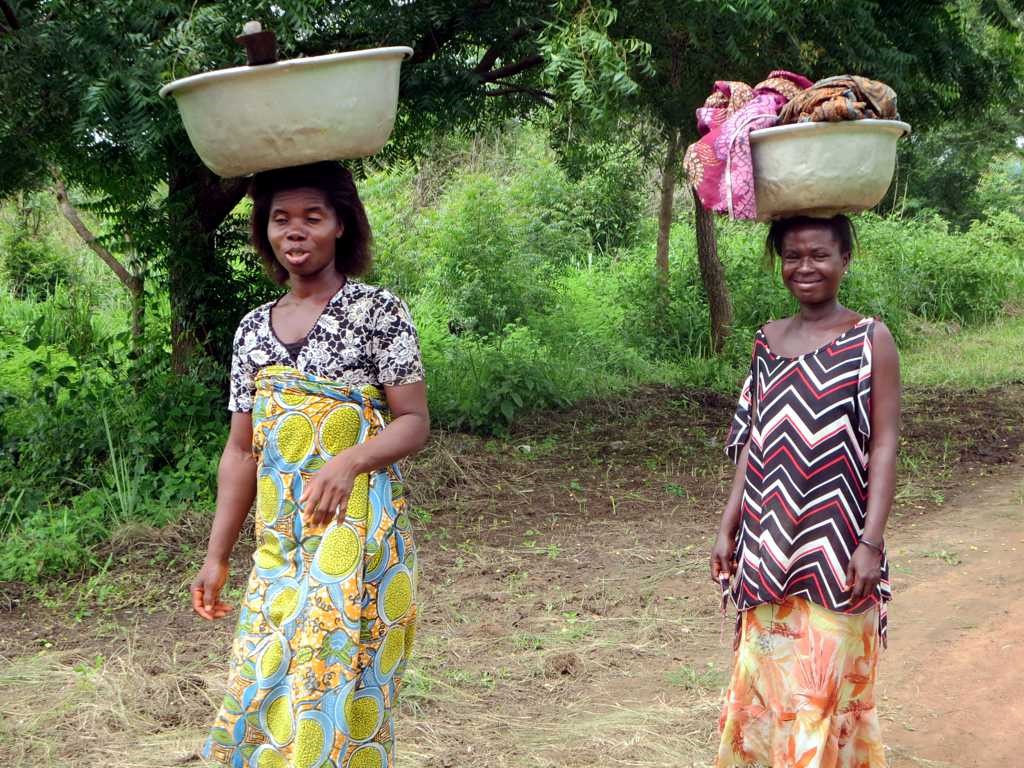
Although global aid has decreased, Togo has managed to increase its health expenditure as a share of GDP to 6.6 percent in 2016, a jump of about 8 percent from the previous year where this amount was actually negative. Due to the scarcity of hospitals and health centers, Togo’s 2018 population of approximately 8.2 million faces numerous obstacles from birth onwards in the battle to survive. Of every 1,000 Togolese infants, 49 will die before they are 1 year old and approximately 69.8 before they reach the age of 5. In addition to infant deaths, the maternal mortality ratio is 396 per 100,000 live births as of 2017. Overall life expectancy in Togo is 69 for females and 63 for males, the 178th worst globally. These 10 facts about life expectancy in Togo demonstrate the changes over time. 

10 Facts About Life Expectancy in Togo

  1. Crime: In Togo, the homicide rate was nine cases per 100,000 people in 2015. Compared to the United States, it has 4.1 more cases per 100,000 people. Violent crimes, theft and pick-pocketing are common in marketplaces or along the beach of Lome. There is an abundance of scam artists that fake online friendships to steal or stage accidents to jack cars and there has even been a threat of kidnapping recently. The ECOWAS Regional Action Plan renewed for 2016-2020 to address crime and drug trafficking in West Africa.

  2. Sanitation: Most drinking water sources in the urban parts of Togo have improved with only 8.6 percent of urban populations not having access to reliably safe drinking water. In rural areas, however, 55.8 percent of the water sources have remained unimproved. Sanitation facility access has not improved much, either, with 75.3 percent of urban Togo and 97.1 percent of rural Togo having unimproved sanitation facilities. Public toilets are often unavailable as well, and when they are available, they generally range from sit-down and squat toilets to holes in the ground.

  3. Disease: As of 2017, Togo’s most prevalent diseases are malaria, neonatal disorders, HIV/AIDS, lower respiratory infection, ischemic heart disease, diarrheal diseases and tuberculosis. HIV/AIDS afflicted approximately 110,000 Togolese or 2.3 percent as of 2017, ranking the country 22nd worst globally. An estimated 4,700 deaths were from HIV/AIDS in 2017, the 43rd worst ranking in the world. It is also common for infants to suffer from diarrhea, one of the main contributors to the infant mortality rate in Togo.

  4. Malnutrition: Malnutrition rates exceed 10 percent in three out of five regions in Togo, with 16 percent of children under 5 underweight. Many parents have been relying on feeding their children a simple paste that is filled with vitamins and minerals, called Plumpy’Nut, and has improved the situation of many Togolese children. An agricultural improvement is the development of a drought-resistant, high-yield rice, Nerica, specifically for Africa. For Western Africa, rice is a staple, but to meet nutritional demand, the region needs to import 3.5 million tons of rice per year, which costs nearly $1 billion.

  5. Overcrowding: The best example of Togo’s overcrowding problem is its 12 prisons. Though there is a set capacity for these prisons, they end up holding more than twice their capacity. As a result of these cramped conditions, hygiene, food and medical care are poor, and disease and death run rampant. Prisoners reportedly sleep like “sardines in a tin,” and even sleep in shifts, with some waiting for their turn against a wall.

  6. Immunization: Immunization coverage among Togolese children is severely incomplete. A study found that 36.2 percent of children did not receive all vaccines that the Expanded Program on Immunization (EPI) recommends. Togo has a multi-year plan (2016-2020), a national system to monitor adverse events following immunization, and a standing technical advisory group on immunization.

  7. Maternal/Neonatal/Child Health: Only 61.4 percent of Togolese births have skilled health personnel in attendance, and as a result, the maternal mortality rate in Togo is 396 deaths/100,000 live births as of 2017. Mothers already have to travel long distances to reach health facilities, and when said places do not have the necessary expertise or medication, they become discouraged from attending any appointments before birth. When these women do not attend regular checkups, health professionals cannot detect problems early on or provide mothers with rudimentary health care.

  8. Health Systems: Togo only has 746 health centers, which is approximately 11 health centers per 100,000 people, and only six regional hospitals, which is 0.09 per 100,000 people. There are only 0.05 physicians per 1,000 people as of 2015. This scarcity of health facilities results in overcrowding of existing ones and it stretches health professionals thin. With so few people operating each facility, Togo cannot meet average health standards and thus cannot help people efficiently. Life expectancy could improve in this respect by creating more health centers.

  9. Substance Abuse: Togo is a transit point of Nigerian heroin and cocaine traffickers. There were 2,000 drug users in 2001 (12 deaths), 3,000 in 2006 (68 deaths) and 3,575 in 2007 (100 deaths). Togolese drug use has only increased over time, stretching to 5.5 percent of students. The students consider drugs to be fortifying and have developed a dependency on drugs just for studying.

  10. Road Safety: People do not stress road safety in Togo. Many Togolese drivers do not obey traffic laws mostly due to traffic signals not functioning properly, and a lack of reinforcement. Sometimes they run red lights and stop signs or drive in the wrong direction on one-way streets. Not only do these driving standards threaten pedestrians and drivers alike, but they also set the stage for fake accidents.

These 10 facts about life expectancy in Togo show that even the smallest of changes could evolve into much more for the Togolese. The ECOWAS is working diligently to improve the lives of those in West Africa by limiting crime and drug trafficking and abuse. Togolese life expectancy has even increased because of other countries’ efforts.

– Nyssa Jordan
Photo: Flickr

September 25, 2019
https://borgenproject.org/wp-content/uploads/borgen-project-logo.svg 0 0 Jennifer Philipp https://borgenproject.org/wp-content/uploads/borgen-project-logo.svg Jennifer Philipp2019-09-25 15:05:552024-05-29 23:12:5110 Facts About Life Expectancy in Togo
Global Poverty, Life Expectancy

10 Facts About Life Expectancy in Puerto Rico

Life expectancy in Puerto Rico
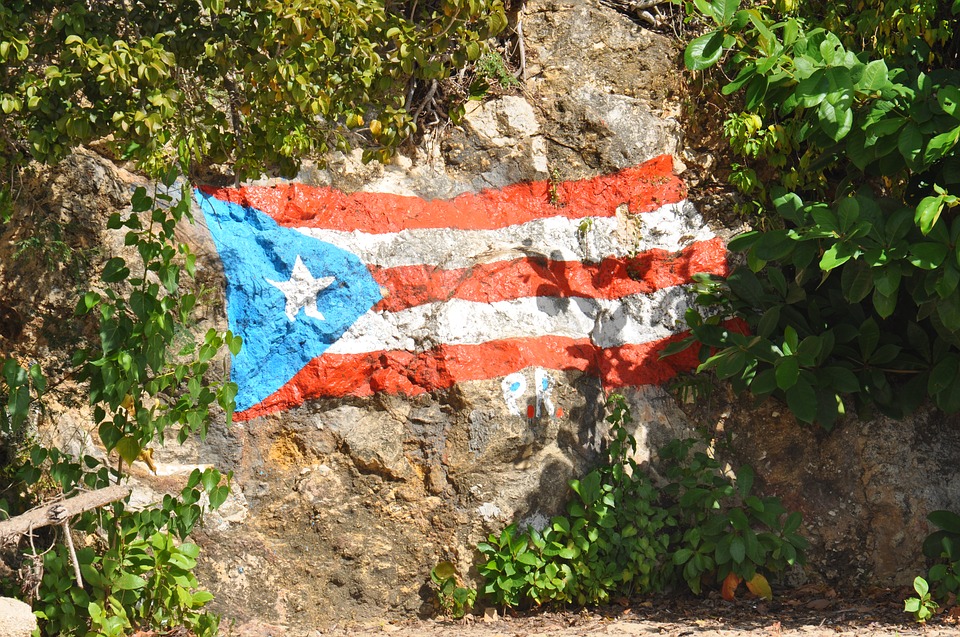
The island of Puerto Rico is a country located in the Caribbean Islands. After the devastating effects of Hurricane Maria in 2017, Puerto Rico and various organizations are making efforts to ensure life expectancy for those victimized. Below are 10 facts about life expectancy in Puerto Rico and how people are seeking to improve it despite obstacles.

10 Facts About Life Expectancy in Puerto Rico

  1. The World Bank Group documents the statistics for life expectancy in Puerto Rico as approximately 79.974 years as of 2017. This is in contrast to 68.72 years in 1960.
  2. The World Bank determines the population of Puerto Rico to be approximately 3.2 million people as of 2018. WorldBank.org also documents the population of Puerto Rico as declining since its peak in the years 2000-2006 with a population in the 3.8 million range. Pew Research indicates that Puerto Rico’s current decline in population is due to the effects of Hurricanes Maria and Irma which led to the significant loss of 123,000 citizens leaving the country between 2017 and 2018.
  3. Statistics show that women are more likely to live longer than men in Puerto Rico. According to the CIA World Factbook, men generally live 78 years in Puerto Rico and women live about 85 years.
  4. The median age of Puerto Rico has increased over the past decade. The World Bank indicates that the median age for males is approximately 40 and for females 44, making it about 42 years averaged together. Pew Research also documents that 81 percent of the population is over 18. This indicates that living past childhood in Puerto Rico can increase one’s life expectancy when a person is in a more independent stage of life.
  5. The Puerto Rican Integrity in Medicare Act, H.R. 6809 (PRIMA) highlights the country’s desire for proper Medicaid coverage. This act of reform emerged in October 2018 with the intentions of helping stabilize medicare coverage for those in Puerto Rico, a needed reform because Medicaid spending for the island is just 26 percent of the mainland average. The effects of Hurricane Maria has also made the need for affordable Medicare coverage dire. The PRIMA Act would require Medicare Advantage plans to spend at least 50 percent of funds on provider payments, giving an incentive for physicians to work on the island. The PRIMA Act would overall benefit Puerto Rico’s Medicare Advantage plan and increase life expectancy for the country’s most vulnerable citizens. Puerto Rican Representative Jennifer Gonzalez-Colon also sponsors this act.
  6. Infant mortality rates have gone down in Puerto Rico according to Index Mundi and the CIA World Factbook. In the year 2000, there were approximately 10 deaths for every 1,000 live births, whereas, in 2017, the number of approximated infant deaths was lowered to six per 1,000 by 2018. This could be due to the number of births decreased from 24,000 births in 2018 to 46,000 births in 2008. As the population has been decreasing, the chances for infant mortality rates have as well.
  7. Life expectancy for senior citizens in Puerto Rico has risen, as those 65 and older make up 21 percent of the population in 2018 versus 14 percent in 2018. This could be indicative of older citizens staying in the country as younger people are moving away due to the significant migration loss in Puerto Rico from 2017 to 2018. The Puerto Rican AARP system has also seen an increase in senior citizens in the country becoming valuable consumers as they become a more significant part of the population.
  8. The Taller Salud Incorporation is an organization particularly interested in helping the female population in the Puerto Rican town of Lozia, a municipality with a fatality rate of 43 women in 2017. Through its self-advocacy programs, Taller Salud is an advocate for peace and equality for both sexes. The organization’s anti-violence campaigns have resulted in a 90 percent decrease in violence in Lozia in 2018. Life expectancy for these women also increased as Taller Salud uses its funds to provide them with initial medical screenings, along with STI screenings and workshops on reproductive health.
  9. To combat natural disasters, the Puerto Rico Rises Corporation seeks to increase the chances of protecting Puerto Rican citizens in the future by producing and distributing Solar Shelter Kits (SSKs). These kits include water filtration structures and a solar generator in cases of power outages. The SSK’s overall goal is to provide relief for Puerto Ricans during storms while also using a low carbon footprint.
  10. As a highlight of general improvement in Puerto Rico, the Federal Emergency Management Agency (FEMA) has done much. Beginning in December 2018, the organization made recovery projects to benefit Puerto Rico following Hurricane Maria. These improvements include an advanced warning system, enhanced emergency planning, new water testing facilities, stable power grids and rebuilt schools.

This varied information about the lives of Puerto Rican citizens indicates that life expectancy in Puerto Rico is fairly average. These 10 facts about life expectancy in Puerto Rico also indicate that despite the country’s recent hardships, its people are vigilant.

– Natalie Casaburi
Photo: Pixabay

September 25, 2019
https://borgenproject.org/wp-content/uploads/borgen-project-logo.svg 0 0 Jennifer Philipp https://borgenproject.org/wp-content/uploads/borgen-project-logo.svg Jennifer Philipp2019-09-25 10:10:242024-05-29 23:12:4810 Facts About Life Expectancy in Puerto Rico
Global Poverty, Life Expectancy, Malaria

10 Facts About Life Expectancy in Mali

10 Facts About Life Expectancy in Mali
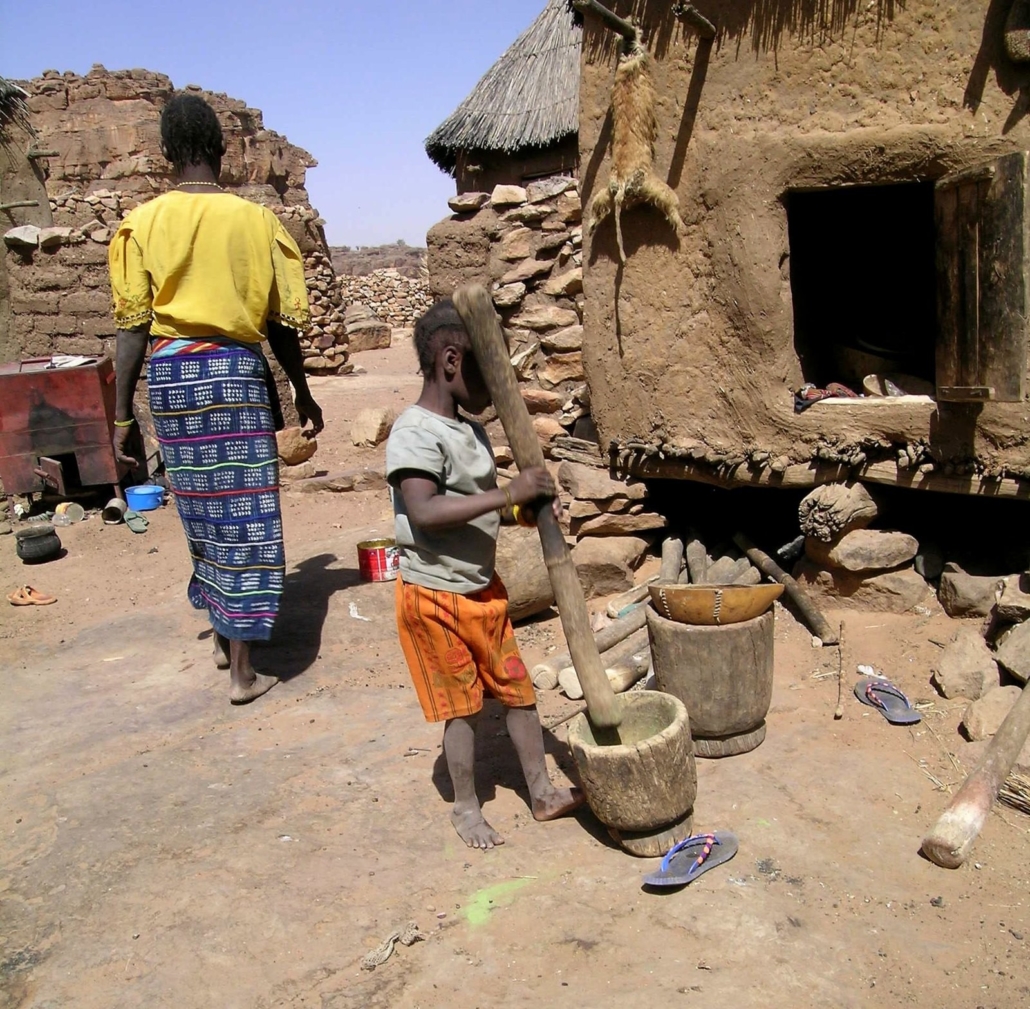
In 2020, the country of Mali will celebrate its 60th anniversary of independence from French colonial rule. However, since 1960, Mali has had a tumultuous history filled with numerous civil wars, coups and failed revolutions. Despite these setbacks, Mali is making strides to improve the quality of life for its citizens. Here are 10 facts about life expectancy in Mali.

10 Facts About Life Expectancy in Mali

  1. According to the CIA World Factbook, the life expectancy of a citizen of Mali is 60.8 years on average or 58.6 years for males and 63 years for females. This puts Mali at a rank of 206 out of 223 countries for life expectancy. These 10 facts about life expectancy in Mali will explain why.
  2. Mali reported 43 births per 1,000 people in 2018, the third-largest figure in the world. Many expect the country’s population to double by 2035. This has led to overcrowding in the capital city of Bamako. In response, the World Bank has begun to invest in the infrastructure of Malian cities via performance-based grants for communities.
  3. Despite this massive population growth, Mali suffers from extreme infant and child mortality, which adversely affects life expectancy in Mali. In 2015, 114 out of 1,000 Malian children died by the age of 5. Recently, organizations like WHO and UNICEF have begun to sponsor community case management initiatives that focus on improving health conditions in impoverished areas. Areas where these initiatives occurred, such as Bamako’s Yirimadio district, have been able to reduce child mortality rates to up to 28 deaths per 1,000, about a quarter of the national rate.
  4. In Mali, the maternal mortality rate is very high. The U.N. estimates that there are 630 maternal deaths per 100,000 live births. This is partly because only one in four births in Mali have someone with proper birthing training, but deep-rooted societal attitudes that restrict women’s rights may also be a cause. According to the Center for Reproductive Rights, an organization fighting against maternal mortality in Mali, child marriage and female genital mutilation are both common in Mali, which both cause higher risks to the mother during birth. The organization has called upon the Malian government to “meet its national and international commitments and take the necessary steps to reduce maternal mortality.”
  5. The leading cause of death in Mali is malaria, which accounts for 24 percent of deaths in the country. To address this, the Malian government has partnered with global organizations such as the CDC to distribute anti-malarial medications during the country’s late autumn rainy season, in which most cases of malaria appear. This partnership was established in 1995 as part of the CDC’s global initiative to stop diseases in other countries before they can reach the U.S.
  6. Illnesses that often stem from a lack of access to clean water, such as meningitis and diarrheal diseases, cause a significant number of deaths in Mali. Twenty-three percent of the population of Mali overall and 35.9 percent of the rural population lacks access to clean drinking water, and 78.5 percent of rural Malians lack access to proper sanitation. This leads to the spread of the diseases mentioned above. An organization called Charity Water has invested over $9 million to give rural Malians access to clean water and sanitation by building wells and pipe systems, allowing Malians to tap into the country’s rich aquifers for clean drinking water.
  7. Malnutrition causes 5 percent of deaths in Mali. According to the World Food Program, 44.9 percent of the country live in poverty, which is a significant cause of food insecurity. To combat this, programs like the World Food Program have been working on distributing nutritious meals to Malian families, as well as setting up long-term programs to create infrastructures such as roads and dams.
  8. HIV and AIDS cause 3 percent of deaths in Mali. Although HIV infections in the country have risen by 11 percent since 2010, deaths from the disease have gone down by 11 percent in the same period. Efforts by the CDC and other organizations have focused on treating HIV to prevent victims of the disease from going on to develop AIDS, as well as improving blood safety measures.
  9. Mali suffers from a significant shortage of physicians, with 0.14 physicians and 0.1 hospital beds per 1,000 people, compared to 2.59 physicians and 2.9 beds in the U.S. Despite that, the country has recently taken significant steps forward on providing universal health coverage via a $120 million initiative from the government, which will focus on training more doctors, broadening access to contraceptives and improving care for the elderly.
  10. Eighty percent of Mali relies on agriculture for a living. Although Malian farmers have been fighting soil degradation and lack of access to modern equipment, initiatives like Feed the Future have been working to improve conditions for Malian farmers. As a result, Mali poured $47.34 million into its agriculture industry in 2017.

As these 10 facts about life expectancy in Mali show, life expectancy in Mali is significantly lower than in other parts of the world, but the country is making strides forward to combat illness and poverty. With help from the global community, Mali is moving forwards towards a brighter future.

– Kelton Holsen
Photo: Flickr

September 24, 2019
https://borgenproject.org/wp-content/uploads/borgen-project-logo.svg 0 0 Jennifer Philipp https://borgenproject.org/wp-content/uploads/borgen-project-logo.svg Jennifer Philipp2019-09-24 13:28:522024-05-29 23:12:5010 Facts About Life Expectancy in Mali
Health, Life Expectancy

10 Facts About Life Expectancy in the Czech Republic

1- facts about life expectancy in the czech republic
The Czech Republic, also known as Czechia, is home to more than 10 million people who thrive on the country’s successful market economy and readily available health insurance, which has benefited both their income and life expectancy. Here are 10 facts about life expectancy in the Czech Republic.

10 Facts About Life Expectancy in the Czech Republic

  1. Since 1960, the overall life expectancy for Czechs has steadily increased, starting at roughly 70 years in 1960 and reaching 79 years by 2017. Statistics from 2017 showed the highest life expectancy rate in Czechia thus far. The annual rate for life expectancy first increased in 1968, reaching 0.93 percent by 1998. The numbers then decreased to 0.57 percent in 2017, and appear to have remained constant since.
  2. The average life expectancy differs between men and women in the Czech Republic. As of 2018, the average male lives 76 years, while the average female lives to the age of 82.
  3. This increase in life expectancy is mainly due to modern medicine, healthier lifestyles and a cleaner environment. In fact, most elderly men and women in Czechia now only suffer health troubles toward their last few months of life.
  4. The Czech Republic’s market economy has one of the highest GDP growth rates in the European Union, as well as an impressively low unemployment rate of 2.9 percent in 2017. This statistic has led to an increase in salaries, allowing more people to afford better health care services and living environments.
  5. The death rate, maternal mortality rate and infant mortality rate are all fairly low in Czechia, allowing for steady growth in population and life expectancy. These rates are due to the improved health care system that the country introduced in the early 1990s, which completely reconstructed clinics and created a new health insurance policy that encompasses multiple standards and categories of health care.
  6. Since 2014, the Czech government has introduced political reforms in an attempt to attract investment, lower corruption and improve social welfare, which in turn may benefit living conditions for the populace. The National Strategy to Combat Corruption weeded out several corrupt officials in the government and law enforcement. In addition, bribery has gone down in the market, as the state no longer controls consumer goods and services. Since people have more control over their economy, the health care the government provides is more affordable.
  7. In 2007, Czech Radio addressed life expectancy, claiming that living in Prague, the nation’s capital, would increase one’s lifetime by five years.
  8. Czechia’s senior citizens receive quality care with various organizations and activities to provide for them. One such organization is Senior Praha, which presents the elderly with equipment and operation of home health care, social and health care, medical equipment and health and beauty spas, among many other things.
  9. The Czech Republic has kept its citizens healthy with its improved health care system. Statistically, 99 percent of the total population has received improvements in sanitation facilities, and there have been less than 100 deaths from HIV/AIDS.
  10. In 2009, the most common and frequent cause of death was circulatory system disease, with the second most frequent being malignant neoplasms. Now, the Czech Republic has a significantly high vaccination coverage—more than 97 percent in all pertinent immunization categories—and a system that provides health insurance to the vast majority of the population.

In short, these 10 facts about life expectancy in the Czech Republic are a testament to the country’s successful health care reforms and improvements. The country’s success in business and marketing has also benefited the affordability of its health insurance. If the Czech Republic continues at this rate, its people may see another rise in their overall life expectancy.

– Yael Litenatsky
Photo: Flickr

September 24, 2019
https://borgenproject.org/wp-content/uploads/borgen-project-logo.svg 0 0 Kim Thelwell https://borgenproject.org/wp-content/uploads/borgen-project-logo.svg Kim Thelwell2019-09-24 09:55:142024-05-29 23:12:2310 Facts About Life Expectancy in the Czech Republic
Global Poverty, Life Expectancy

10 Facts About Life Expectancy in Azerbaijan

10 Facts About Life Expectancy in Azerbaijan
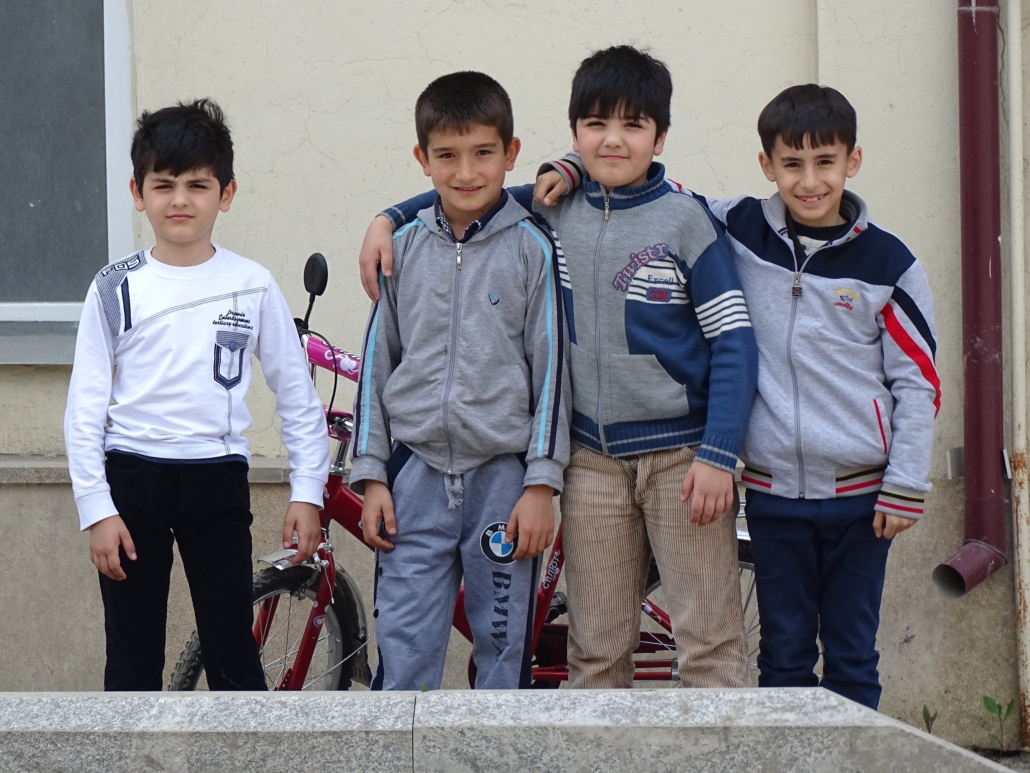
Azerbaijan, a Eurasian country of 9.2 million people, has a total life expectancy between 69 and 75. Despite being an oil-rich nation on the rise, Azerbaijan continues to struggle with poverty within its borders. Political corruption and the lack of free speech among its media have also been concerns. Here are 10 facts about life expectancy in Azerbaijan.

10 Facts About Life Expectancy in Azerbaijan

  1. In 2018, Azerbaijan’s average life expectancy was 70 for men and 76 for women, a significant increase from 60 and 66 in 1990. The male population has a higher mortality rate than the female population. While 8 percent of women die before the age of 60, 17 percent of men will die before then from causes including cancer, parasitic disease and circulatory and digestive diseases. Azerbaijan introduced plans to develop its domestic pharmaceutical sector in 2017, which will allow the country to be less reliant on exported goods and increase local health care reforms. Easier access to medicine locally would allow for longer life expectancy and access to care for diseases.
  2. Azerbaijan introduced a program in 2014 to provide additional training to medical professionals and increase medical staff, thus increasing the quality of service and raising awareness for health. This program, the State Program to Improve Health of Mothers and Children, contributed to the rise of life expectancy and the country currently uses it. Training doctors with increased medical services quality is an important step to improve health care in Azerbaijan.
  3. Azerbaijan‘s median ages are 30 for men, 33 for women and 31 overall as of 2018, with 6 percent of its population within retirement age (65 and older). Only about 13 people for each 1,000 reach the age of 80 or beyond in Azerbaijan. Currently, many citizens over the age of 65 are working due to the government’s lack of insurance implementation for accidents and low pension rates. Azerbaijan has introduced customary health insurance in 2016 via a pilot program within select regions. The State Agency for Mandatory Health Insurance monitors it which emerged in the same year. Many expect the program to reach other regions of the country throughout the coming years. The Azerbaijani government has also recently passed an amendment that would increase pensions by 48 percent for an estimated 36,000 people and increase customary insurance policy enforcement in an attempt to alleviate concerns for both the retirees and the injured.
  4. The rate of death in Azerbaijan as of 2018 is seven out of 1,000 people and the primary causes of death are diseases within the circulatory system (such as heart failure). There are about three doctors for about every 1,000 people in Azerbaijan as of 2014, which is not quite enough to serve those in need. The Azerbaijani government has taken steps to rectify this, including requiring all hospitals to implement a mandatory health insurance system to increase productivity and help patients in a timely manner. This is part of the customary health insurance program that Azerbaijan is currently rolling out in select parts of the country. As health care programs improve, the care people will need should be available as the insurance policy continues to move across Azerbaijan.
  5. The State Housing Construction Agency began a subsidized affordable housing system in 2017 which allows citizens to select apartments with a mortgage from a government-approved bank. The investment will allow individuals to own a place in healthier environments and better maintain housing care. Affordable housing is beneficial for people to save money as well.
  6. According to the Azerbaijan National Nutrition Survey from 2013, 22 percent of children between 6 to 23 months have adequate nutrition in their diet despite the fact that 93 percent of households currently have access to safe drinking water. The government revised food standards in 2016 that requires all providers to properly label their products to help parents pick the right item for their child’s nutrition needs. Azerbaijan intends the new labeling to increase nutrition in what it expects to be a healthier generation of children.
  7. Azerbaijan has begun to build new rehab centers for drug users and increase the quality of drug combating classes in August 2019 due to a rise of drug users since 2010. The country has been a notable transit for drug trafficking for many years, making drugs a possible risk to people’s life expectancy. Access to rehabilitation centers will allow citizens to overcome drug addiction that has been a growing concern over the years.
  8. The poverty rate dropped from 40 percent in 2000 to 8 percent the following year after heavily investing in health care and education as well as increased pensions and salaries across the nation. These investments allowed citizens to remained healthy and children to be able to learn on a much grander scale. Increased salaries and pensions also allow for greater personal spending and investments to bolster the national economy.
  9. The Azerbaijan 2020 project puts a strong emphasis on increasing the investment of health care to improve technology and services for diseases, surgery and childcare. This initiative is a part of a major plan to push Azerbaijan forward and increase the life expectancy. Sustainable health care is a priority to maintain current rates.
  10. Education will also receive investment in the Azerbaijan 2020 initiative by investing in and building technology. The increased focus on education allows children to gain access to a better understanding of their surroundings. The technology will also expand the teacher’s ability to pass down knowledge to their students.

Despite the current concerns of corruption within the government, these 10 facts about life expectancy in Azerbaijan show that it has taken steps to improve the life expectancy of the population. Programs designed to invest in the medical and education fields should grow the country further. Continued improvements over the course of these programs are crucial to Azerbaijan’s development as a nation.

– Henry Elliott
Photo: Flickr

September 24, 2019
https://borgenproject.org/wp-content/uploads/borgen-project-logo.svg 0 0 Jennifer Philipp https://borgenproject.org/wp-content/uploads/borgen-project-logo.svg Jennifer Philipp2019-09-24 08:29:522024-05-29 23:12:4710 Facts About Life Expectancy in Azerbaijan
Disease, Global Poverty, Life Expectancy

10 Facts About Life Expectancy in Guyana

10 Facts About Life Expectancy in Guyana
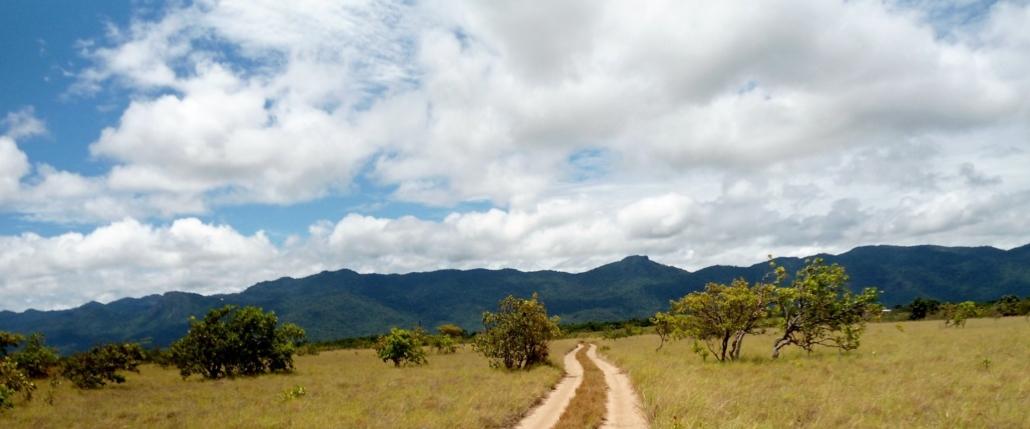
Guyana is a country in northeastern South America that Brazil, Venezuela and Suriname border. In 1966, the country gained independence from its English colonizers. Since the liberation of Guyana, the country has found itself in political unrest that has resulted in an inability to thrive economically. As the country has grown and developed as an independent entity since 1966, it has seen a drastic improvement in life expectancy through government initiatives and treatment development. The 10 facts about the current life expectancy in Guyana will display that.

Though Guyana boasts rich gold, sugar, bauxite, shrimp, timber and rice industries – with great potential for expansion – the country still finds itself struggling to come out of poverty and attract foreign industry. However, in May 2019, the Guyanese government paired up with the U.N. Environment to tackle establishing the Green State Development Plan. The plan would work to develop sustainable economic growth in the country while still protecting its vast natural resources. The project would also work to diversify the Guyanese economy and steer them away from their current resource-reliant industry. Guyana would slowly transition into being a low-carbon developer bolstering a diverse economy, draw foreign investment, lower emigration rates and produce an ever-bettering quality of life for its people. Here are the 10 facts about life expectancy in Guyana.

10 Facts About Life Expectancy in Guyana

  1. Between 1997 and 2017 there has been a 13.47 percent increase in Guyana’s population. Population distribution in 1990 showed a consistent pyramidic tapering with zero to four having the greatest representation in the population. Afterward, there was a fairly consistent tapering off as age grew with the only seemingly notable inconsistency being with children five to nine-years-old. However, the shape became irregular in 2015, possibly due to a massive Chikungunya outbreak in 2015. In the age categories of zero to nine and 25 to 39, there were massive drops in population density.
  2. Sanitation is key in preventing many of the diseases that plague Guyana. In 2014, the Ministry of Public Health developed a plan to take action to improve the coverage and quality of waste management predominantly in rural areas. The plan started in 2015 and will end in 2025. It should improve the health and lifespan of many citizens.
  3. In 2015, Guyana became one of only 28 countries worldwide to adopt a national suicide prevention plan. The Ministry of Health issued the program after the World Health Organization called on it in 2014 for having one of the highest suicide rates in the world. Guyana has an average of 44.2 suicides per 100,000 deaths, four times the global average.
  4. Between 2005 and 2008, the leading causes of infant mortality in Guyana were respiratory disorders (31 percent) and congenital malformations (9.7 percent). For the respective years of 2005 and 2008, the infant mortality rates were 34.20 per 1,000 births in 2005 and 31.80 per 1,000 births in 2008. As of 2017, the reported rate has dropped to 26 per 1,000 births. Though still higher than the average in developed countries – the U.S. has an average of 5.5 per 1,000 births (2015)– there is a noted improvement in the country.
  5. From 2002 to 2014, the prevalence of HIV among pregnant women in Guyana dropped to 1.9 percent from 3.5 percent – a 1.6 percent drop. This drop is because of an AIDS protocol that a collective effort from UNAIDS and the National AIDS Committee of Guyana put in place. HIV/AIDS positive mothers take antiretrovirals which is a prescription drug that suppresses the growth of the virus and lowers the likelihood of the infected passing along the disease. After birth, within 48 hours, infants receive a course of antiretrovirals. Afterward, children receive tests at six and 18 months to look for the infection. No one has documented the number of children this protocol has saved, but early detection of the virus is key not only to the individuals’ survival if they do become infected with HIV, but also to lower the spread of the virus.
  6. Fifty-five percent of Guyanese people emigrate from the country. This leaves the country with a deficit of skilled workers like health care professionals. This lack of health care professionals augments the effects of diseases on the Guyanese people, as they cannot receive care if there is no one to give it to them. This lack of a staffed health care industry leads to lowering life expectancy.
  7. Due to the terrain of Guyana, there is great disparity in the delivery of health services from those who live on the more accessible coast to the predominantly indigenous peoples who live in the interior of the country. To help fight this disparity in 1991, the Amerindian People’s Association (APA) set up to help support and lobby in favor of creating more protections for the indigenous peoples of Guyana.
  8. Guyana’s resource reliant industries, gold and timber, require many of the coastal inhabitants to travel to the interior of the country to work. However, because of this migration, there has become a link with the spread of malaria. Guyana is 60 percent rainforest, and those forests mostly concentrate inland where a majority of indigenous people dwell. As coastal workers come into the inland to work, they may bring malaria. However, those coming into work have the resources to return to where they came from and receive treatment more readily. The indigenous people cannot receive care because of an inability to travel to the coast, as well as the difficulty there is in bringing treatment inland to them.
  9. In 2015, more than 200 people died of AIDS in Guyana. The country ranks as number 30 globally in adult HIV/AIDS prevalence. HIV is an incurable disease that will progress to AIDS and death without the treatment of antiretrovirals.
  10. In September 2016, Guyana started receiving funding from the U.S. government for efforts into Zika infection prevention and reducing the spread of the virus. With the funding, Guyana established The Maternal and Child Survival Program and worked to expand the capabilities of the Ministry of Public Health to provide therapies to affected children and their parents.

These 10 facts about life expectancy in Guyana show that although Guyana is still struggling with disease control and various disease’s effects on life expectancy, it is taking great initiatives to work towards improving and solving its current issues.

– Emma Hodge
Photo: Flickr

September 23, 2019
https://borgenproject.org/wp-content/uploads/borgen-project-logo.svg 0 0 Jennifer Philipp https://borgenproject.org/wp-content/uploads/borgen-project-logo.svg Jennifer Philipp2019-09-23 15:22:012024-05-29 23:12:5110 Facts About Life Expectancy in Guyana
Global Poverty, Life Expectancy

5 Facts About Prime Minister Sheikh Hasina

5 Facts About Prime Minister Sheikh Hasina
Prime Minister of Bangladesh Sheikh Hasina took office in Bangladesh in 2008 and continues to increase the development of the country. Her persistent implementation of policies that aid economic and human development shows the strength of her vision for Bangladesh. These five facts about Prime Minister Sheikh Hasina showcase the illustrious leadership of one of the most powerful women in the world.

5 Facts About Prime Minister Sheikh Hasina

  1. The Awami League (AL) Party: Sheikh Hasina belongs to the Awami League (AL) political party. Her father, Sheikh Mujibur Rahman, originally founded the Awami League in 1949 and it remains the oldest political party in Bangladesh. The political party began as a result of the division of Pakistan into East and West Pakistan. When the people of Bangladesh (formerly East Pakistan) gained independence from Pakistan, the foundation of the nation embodied the moderate socialist ideology of this political party.
  2. Growth for Bangladesh: In 2018, Bangladesh became one of the few countries to graduate from classification as a least developed country (LDC). Prime Minister Sheikh Hasina and her political party promised to make Bangladesh a middle-income country by 2021, and have come closer to this goal with improved health and education for the citizens of Bangladesh. Bangladesh’s progress makes it a country with one of the fastest-growing economies worldwide. The gross domestic product (GDP) in Bangladesh has risen from 5.04 percent in 2009 at the start of Hasina’s first term to 7.86 percent in 2018. Projections determine that Bangladesh will move to the status of a developed country by 2024.
  3. Humanitarian: Sheikh Hasina received the nickname mother of humanity from a U.K.- based news channel. These five facts about Prime Minister Sheikh Hasina reflect just a fraction of her devotion to bettering the lives of people. Many media outlets highlighted the generosity of the Prime Minister after she provided shelter to over 750,000 Rohingyas refugees fleeing Myanmar’s Rakhine State. This act of kindness earned Hasina the Mother of Humanity Social Work Award Policy, 2018 from the Bangladeshi cabinet. The cabinet presented Hasina with an 18-carat 25-gram gold medal, a certificate of honor and Tk 200,000 ($2,366 U.S.) while recognizing her reputation as an exceptional humanitarian.
  4. Food Production and Life Expectancy: In the last 10 years, Prime Minister Sheikh Hasina has helped increase food production and the average life expectancy in Bangladesh. Back in 1974, Bangladesh suffered from mass starvation. Today, the self-sufficiency the country has obtained from economic growth helps it feed its population of 166 million people. During Hasina’s office, the percentage of people living in poverty in Bangladesh has decreased from 19 percent to 9 percent, while the life expectancy has increased from 69.3 years in 2008 to 72.8 years in 2017.
  5. The Ashrayan Project: Sheikh Hasina initiated the Ashrayan Project to find homes for 4,400 Bangladeshi people that became homeless after natural disasters such as landslides and river erosion. This project has arranged housing for thousands of homeless and displaced people. Moreover, it works to keep them self-reliant by providing various training on how to generate income. The project will build a tower named after Prime Minister Hasina in 2019 along with 139 multi-storied buildings in 2019.

In the end, these five facts about Prime Minister Sheikh Hasina exemplify the efforts of a leader that wants the best for the people of her country and works hard to give them ample security in her leadership. Bangladesh has made tremendous strides as a country with Prime Minister Sheikh Hasina’s support. Although Hasina’s upcoming fourth term may be her last, she has forever changed the face of Bangladesh.

– Nia Coleman
Photo: Flickr

September 12, 2019
https://borgenproject.org/wp-content/uploads/borgen-project-logo.svg 0 0 Kim Thelwell https://borgenproject.org/wp-content/uploads/borgen-project-logo.svg Kim Thelwell2019-09-12 13:20:312019-10-31 11:19:035 Facts About Prime Minister Sheikh Hasina
Disease, Global Poverty, Life Expectancy, Water

10 Facts About Life Expectancy in Fiji

10 Facts About Life Expectancy in Fiji
Fiji is an island that attracts tourists with its beautiful beaches and humble hosts but is one of the top 100 countries when it comes to short life expectancy. Here are 10 facts about life expectancy in Fiji.

10 Facts About Life Expectancy in Fiji

  1. In 2017, 25 out of every 1,000 babies died before their fifth birthday. Malnutrition is one of the primary causes of such a high under-five mortality rate. UNICEF reported that in 2004, over 40 percent of children in Fiji were malnourished and parents did not have the funds to buy their children the food they needed to survive.
  2. In 2013, 28 percent of the population lived below the poverty line. Currently, over 250,000 of the 900,000 people in Fiji are in poverty. Due to a lack of income, many people that live in rural areas moved to urban areas in order to increase livelihood and potentially live longer.
  3. Neonatal mortality was at 11 per 1,000 births in 2017. Neonatal mortality was another reason the death rate was high in Fiji. Premature births, birth defects and low birthweight were the leading causes. According to UNICEF, lack of access to food due to economical shortages contributed to early childhood deaths.
  4. Fiji had 49 tuberculosis incidents per 100,000 of its people in 2017. People who lived in urban areas were susceptible to tuberculosis due to pollution and overcrowding.
  5. In 2016, there was a 31 percent mortality rate due to heart disease, cancer, diabetes or chronic respiratory disease. Obesity is one of the leading causes of heart disease, diabetes and chronic respiratory disease. In 2016, there were 81 percent of women and 55 percent of men who were overweight.
  6. Fiji has both private and public health care facilities, but both suffer from limited access to medication. According to a survey by the National Center for Biotechnology Information, this is due to affordability, as unemployed patients can not always afford their required medication. Based on the survey, 16 out of 48 people were unable to receive medication due to lack of funds. Fiji is trying to improve this through better water infrastructure, more centralized resources and community aid.
  7. Dengue fever is a common illness in Fiji. Dengue fever is a mosquito illness that causes flu-like symptoms. The symptoms can be fatal if it goes untreated. The death rate spiked due to how common the illness is and doctors’ inability to treat patients in rural areas. Estimates determine that 100 million cases occur each year, especially during the summer. Fiji destroyed mosquito habitats and recommended avoiding mosquito bites to combat this.
  8. Statistics estimate that Fijians should live until age 73. As of 2018, rankings placed Fiji at 141 out of 223 countries, which made life expectancy in Fiji the 82nd worst country. Diseases, lack of medicine and poverty are the main reasons why Fijians do not live longer.
  9. Sixty-eight percent of Fiji’s population drink unsafe tap water in urban areas. In some cases, the people who lived in the urban areas of Fiji became sick because they had to rely on rivers for fresh water. Organizations like UNICEF and the World Health Organization worked on the development of Fiji’s water quality by training environmental health officers to test water supplies and make sure it was safe to drink.
  10. In 2016, the death rate was seven per 1,000 people. Noncommunicable diseases accounted for 84 percent of these deaths. Others included physical violence toward women, infant deaths and malnutrition.

These 10 facts about life expectancy in Fiji should not be a cause for concern, because, despite Fiji’s low life expectancy, it has improved over the years. Poverty was at 35 percent in 2009 and it is now at 28 percent. As long as the government continues to find ways to increase the stability of people in rural areas, Fiji’s life expectancy should continue to increase.

– Reese Furlow
Photo: Flickr
September 5, 2019
https://borgenproject.org/wp-content/uploads/borgen-project-logo.svg 0 0 Jennifer Philipp https://borgenproject.org/wp-content/uploads/borgen-project-logo.svg Jennifer Philipp2019-09-05 01:30:112024-05-27 23:59:5210 Facts About Life Expectancy in Fiji
Page 8 of 15«‹678910›»

Get Smarter

  • Global Poverty 101
  • Global Poverty… The Good News
  • Global Poverty & U.S. Jobs
  • Global Poverty and National Security
  • Innovative Solutions to Poverty
  • Global Poverty & Aid FAQ’s
Search Search

Take Action

  • Call Congress
  • Email Congress
  • Donate
  • 30 Ways to Help
  • Volunteer Ops
  • Internships
  • Courses & Certificates
  • The Podcast
Borgen Project

“The Borgen Project is an incredible nonprofit organization that is addressing poverty and hunger and working towards ending them.”

-The Huffington Post

Inside The Borgen Project

  • Contact
  • About
  • Financials
  • President
  • Board of Directors
  • Board of Advisors

International Links

  • UK Email Parliament
  • UK Donate
  • Canada Email Parliament

Get Smarter

  • Global Poverty 101
  • Global Poverty… The Good News
  • Global Poverty & U.S. Jobs
  • Global Poverty and National Security
  • Innovative Solutions to Poverty
  • Global Poverty & Aid FAQ’s

Ways to Help

  • Call Congress
  • Email Congress
  • Donate
  • 30 Ways to Help
  • Volunteer Ops
  • Internships
  • Courses & Certificates
  • The Podcast
Scroll to top Scroll to top Scroll to top