Female Farmers Improve Sustainable Agriculture in Montenegro
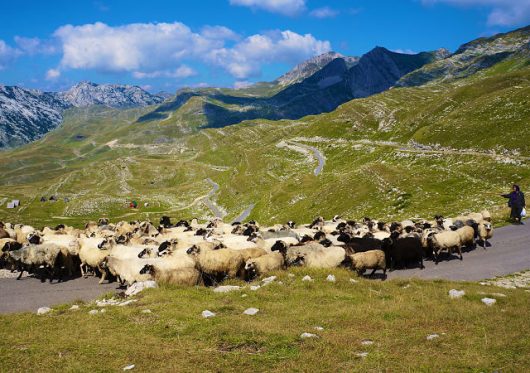
Montenegro, like many of the Western Balkan countries, relies heavily on agriculture as a source of economic productivity and is eagerly searching for ways to make its agricultural sector more competitive while preparing to contend with the realities of climate change. The U.N. and the World Bank have worked extensively to promote sustainable agriculture in Montenegro. One important component of this work has been a realization of the need to make these efforts explicitly inclusive of female farmers, who are often overlooked.
The U.N. Food and Agriculture Organization, in particular, has a long history of working to promote competitive, sustainable agriculture in Montenegro that actually improves the circumstances of Montenegrin farmers. In addition to the focus on agriculture, the FAO has also put in place rural development initiatives and helped the Montenegrin government to ensure the sustainable management of the country’s natural resources.
There are some areas where the FAO has been particularly successful. Together with the Montenegrin government, it was able to improve the sustainability and management of the country’s forests, which is important as wood is still a key source of fuel, especially in rural areas. Montenegro has also made strides in recent years in managing its fisheries on the Adriatic coast. The focus now is on bringing Montenegrin agriculture in line with E.U. regulatory standards and ensuring that small farmers can compete on the international market in anticipation of Montenegro eventually entering the European Union.
Rarely, however, do these kinds of initiatives make a point of being inclusive of female farmers. In the Western Balkans, strict gender roles persist and farming is not seen as something that concerns women. But female farmers in Montenegro account for 13 percent of landholders and 65 percent of the agricultural workforce, indicating that perhaps these gender roles are becoming out of date. Female farmers have recently had success securing grants from the World Bank’s MIDAS program, but too often farmers, especially women, are not made aware that these programs exist to help them.
Now, finally, these women are being addressed and reached out to as a real constituency. The Ministry for Agriculture and Rural Development hosted a workshop exclusively for female farmers that allowed them to network and learn about options for assistance that many of the women did not know they had.
Sustainable agriculture in Montenegro, and in the Balkans more broadly, is ultimately going to be about more than eliminating ecologically harmful practices and increasing crop yields in an ecofriendly way. It will also consist of leveling the playing field and improving equity in the industry across all demographics and of producing more and wasting less.
– Michaela Downey
Photo: Flickr
