• Link to X
  • Link to Facebook
  • Link to Instagram
  • Link to TikTok
  • Link to Youtube
  • About
    • About Us
      • President
      • Board of Directors
      • Board of Advisors
      • Financials
      • Our Methodology
      • Success Tracker
      • Contact
  • Act Now
    • 30 Ways to Help
      • Email Congress
      • Call Congress
      • Volunteer
      • Courses & Certificates
      • Be a Donor
    • Internships
      • In-Office Internships
      • Remote Internships
    • Legislation
      • Politics 101
  • The Blog
  • The Podcast
  • Magazine
  • Donate
  • Click to open the search input field Click to open the search input field Search
  • Menu Menu

Archive for category: Life Expectancy

Children, Global Poverty, Life Expectancy

Women’s Health in India: Technology’s Impact

Women’s Health in IndiaWomen’s health in India is still vulnerable to several risks such as high maternal mortality rates, lack of preventative care and misinformation about family planning and contraception. Despite this, India has proven itself a pioneer in technological innovation among developing countries and it is putting its new innovations towards improving women’s healthcare. 

Maternal Health and Newborn Development

Although maternal mortality rates in India have declined substantially in the last decade, the number of recorded deaths related to pregnancy complications in the country is still remarkably high. A report by UNICEF estimates that 44,000 women die due to preventable pregnancy-complications in India yearly. These complications often stem from a lack of knowledge and inherently the inability to understand that their baby isn’t developing correctly. This lack of knowledge results in fewer women seeking treatment that could save their lives. To combat this, organizations are developing innovative mobile apps to help women stay proactive and educated about the health of their babies and the status of their pregnancies. 

For example, in 2014, MAMA (Mobile Alliance for Maternal Action), an organization dedicated to women’s maternal health in developing countries, developed a digital service called mMitra. The service sends recordings and SMS messages to new and expectant mothers with crucial information about the early stages of pregnancy and child development within the first year of life. The app, which collected 50,000 subscribers within months of its launch, sends educational content to women in their native languages and at times of their choosing. The app,  mMitra ultimately aims to help women pick up on pregnancy and child development issues early and seek treatment before symptoms escalate or endanger the mother and child. 

Breast Exams and Preventative Care

Mammograms are an essential part of preventative care for women globally. Despite this, it is estimated that over 90 percent of women in the developing world go without this essential screening examination. Particularly, in India, high-costs, unsustainable electricity and lack of properly trained radiologists are major causes for the inaccessibility to mammograms and other procedures like it. More women die of breast cancer in the country than anywhere else in the world (around 70,000 women annually). While these high death rates due to inaccessibility to preventive care are tragic, they’ve inspired innovative medical devices that have revolutionized women’s health in India. 

One such device, known as iBreastExam was invented by computer engineer Mihir Shah. Shah invented the device to ensure that women in even the most rural parts of India could get affordable, accurate breast exams and seek treatments as needed. The battery-operated wireless machine is designed to record variations in breast elasticity and performs full examinations in five minutes, posting and recording results through a mobile app. Not only that, the exams are painless, radiation-free and are extremely affordable at $1 to $4 per exam.

Family Planning and Contraceptive Options

Lack of family planning and knowledge of contraceptive options is another challenge in improving women’s health in India. Many Indian women shy away from modern family planning and contraception due to things like familial expectations, cultural influence and a general fear stemming from misinformation from disreputable resources. Family planning and the use of contraception could reduce India’s high maternal mortality rates. However, without proper education on these matters, it is difficult for young Indian women to make informed decisions about what options are best for them. But, in the midst of India’s technological revolution, an increase in accessibility to mobile devices is steadily transforming the way women are gaining health awareness in India. 

There is a particular mobile app that is playing a huge role in improving women’s health awareness in India. Known as Gyan Jyoti, the mobile app provides credible information through educational films, TV advertisements and expert testimonials from doctors. It also acts as a counseling tool for ASHAS (appointed health counselors). The app allows ASHAS to expand their knowledge of family planning through an e-learning feature, customize their counseling plan according to the needs of clients and monitor and store client activity in order to provide the best information possible. 

Overall, while there are still many challenges in improving women’s health in India, the country has proven itself to be a pioneer in technological innovation. Just as well, it’s proven that transformation is possible by putting its innovations towards women’s health awareness through mobile apps, life-saving hand-held devices, and educational platforms that can be accessed at the click of a button. 

– Ashlyn Jensen
Photo: Flickr
 

October 7, 2019
https://borgenproject.org/wp-content/uploads/borgen-project-logo.svg 0 0 Kim Thelwell https://borgenproject.org/wp-content/uploads/borgen-project-logo.svg Kim Thelwell2019-10-07 05:44:132024-06-04 01:08:35Women’s Health in India: Technology’s Impact
Disease, Global Poverty, Health, Life Expectancy, Malaria, Sanitation

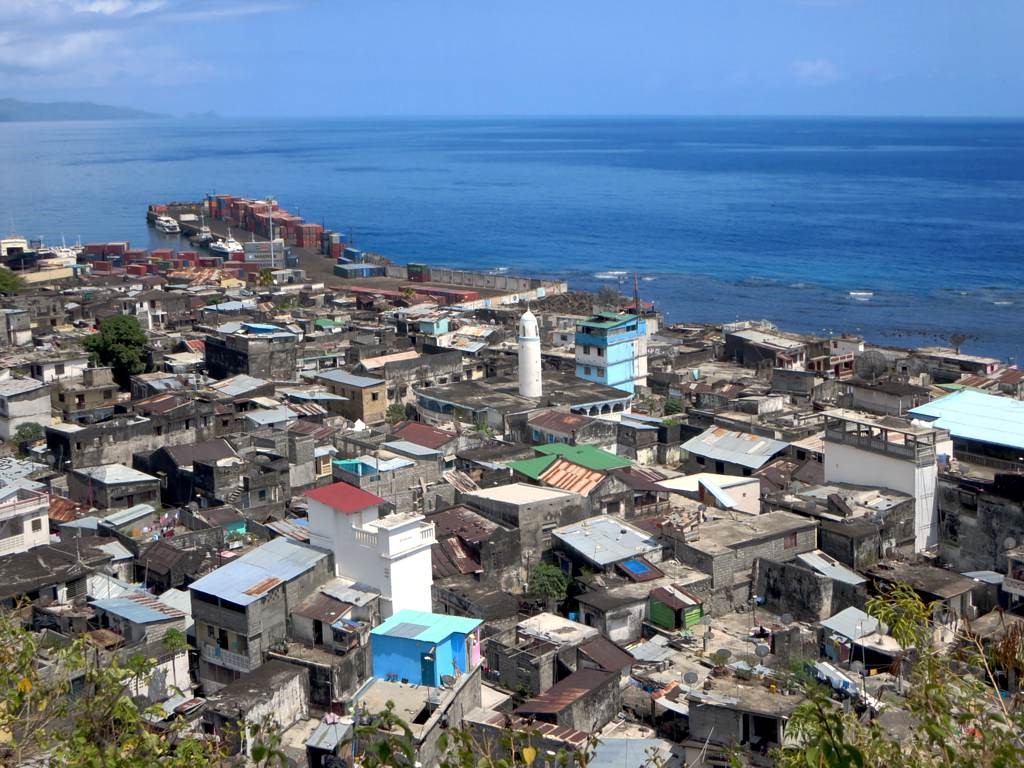
10 Facts About Life Expectancy in Comoros

10 Facts About Life Expectancy in Comoros
Comoros is a small country comprised of four islands located just off Africa’s eastern coast. Poverty is widespread across the island due to limited access to transportation to the mainland and very few goods that could be exported to encourage economic growth. These 10 facts about life expectancy in Comoros will demonstrate how poverty and other factors contribute.

10 Facts About Life Expectancy in Comoros

  1. The population of Comoros is rapidly growing with poor health services unable to keep up. As of 2018, the average was 350 people per square mile. Anjouan has the largest population of the Comoros islands. Overcrowding makes resources scarce and health is rapidly declining. The life expectancy of any person on the islands rarely exceeds the age of 65; in 2018, the CIA reported that only 3.98 percent of the population was 65 years or older. Most of the population are children from infancy to the age of 14 at 38.54 percent.
  2. Overcrowding on the island has led some to attempt illegal immigration to the French island of Mayotte. In 1995, the French government declared travel to Mayotte without a visa illegal. Immigration for the people of Comoros is more challenging, but it does not stop them from fleeing to find a better life outside of the overpopulated islands. As of 2017, 40 percent of the population of Mayotte comprised of illegal immigrants from Comoros. The journey is certainly not safe; The New Humanitarian estimates 200 to 500 deaths every year are a result of attempted immigration to Mayotte in the tiny fishing boats that the Comoros people call kwassa-kwassa. The majority of those who cross are children that parents send in search of a better life, contributing to the high mortality rate of children in Comoros.
  3. The overcrowding is due in part to the high birth rate as compared to the death rate. Despite the low age of life expectancy, the death rate overall is only seven deaths per 1,000 people as reported by the CIA. In comparison, the birth rate is 25 births per 1,000.
  4. The infant mortality rate, however, is extraordinarily high. The country ranks number 17 on the CIA’s list with an estimated 58 deaths per 1,000 births. The problem is, in part, due to the limit of financing toward health care and hospitals. Financing has not exceeded 5 percent in total government spending within the last few decades according to the African Health Observatory (AHO).
  5. Illness, as a result of low attendance to health care facilities, runs rampant in Comoros. Malaria was once the deadliest disease until 2011 when it finally began to decline. The Comoros government launched the Residential Spraying campaign to provide insecticide and treatments to the water. Transmittable diseases, according to a table released by the AHO, are the prime suspect for illness and fatality on the islands. Sixty-six percent of all deaths related to diseases are a result of transmittable illnesses, while only 25 percent are non-transmittable and 9 percent are due to injury or natural causes.
  6. Cardiovascular disease (CDV) is on the rise, according to a report by the World Health Organization (WHO); as of 2016, CDV has fatally affected 17 percent of the population of Comoros. The AHO links CDV to malnutrition and the consumption of less than adequate food to survive. Since 2005, cerebrovascular heart disease and ischemic heart disease have increased by 4.2 percent and 5.4 percent respectively. As of 2015, these diseases were the third and fourth most deadly in Comoros.
  7. Tuberculosis is also rampant on the islands; WHO estimates 28,000 of Comoros became infected with the deadly disease in 2017. Twenty-one thousand of those infected with TB died. Only 10 percent of the population receive a preventative for TB, clearly demonstrating the need for better health care access to increase life expectancy in Comoros.
  8. The leading cause of death as of 2015 is lower respiratory infections. This includes bronchitis, influenza and pneumonia, among others. According to WHO, 47 percent of all deaths in the country as of 2016 are due to communicable diseases such as these infections. The Institute for Health Metrics and Evaluation (IHME) reported that between 1990 and 2010, lower respiratory infections remained the deadliest issue in Comoros with an estimated 27,000 years of life lost among the younger generations fatally affected.
  9. Though illnesses are slowly declining, other health issues are beginning to arise in their place. A lack of adequate nutrition is beginning to plague the people of Comoros. The CIA estimates that Comoros exports roughly 70 percent of all food it grows, leaving very little for its people. According to a report in 2011 by the World Bank, 44 percent of children in Comoros are malnourished and one in every four children is born with low birth weight. This contributes to the infant mortality rate mentioned earlier. Vitamin A deficiency and anemia are the leading causes of health issues among those who are malnourished in Comoros.
  10. Sanitation issues are on the rise due to the overcrowded population. Water sanitation is one of the top concerns. The islands have very little freshwater resources; Grande Comoro, the main island, has no surface water at all and the people import water from the mainland. Meanwhile, the other 50 percent of the population in rural communities rely on collecting rainwater. The United Nations Development Program (UNDP) wants to change this dangerous way of living and ensure that all the citizens of Comoros have access to safe drinking water. With the government of Comoros, its goal is to increase the freshwater supply to 100 percent for all by the year 2030. With all parties assisting, the project has $60 million at its disposal.

These 10 facts about life expectancy in Comoros show that in recent years, aid to Comoros has increased, especially with sanitation. The life expectancy in Comoros is only one part of the problem that the people of the country faces. Comoros must come to an agreement with Mayotte and other countries accept the refugees who are seeking a better life.

– Nikolas Leasure
Photo: Flickr


October 5, 2019
https://borgenproject.org/wp-content/uploads/borgen-project-logo.svg 0 0 Jennifer Philipp https://borgenproject.org/wp-content/uploads/borgen-project-logo.svg Jennifer Philipp2019-10-05 07:30:092024-05-29 23:13:0410 Facts About Life Expectancy in Comoros
Global Poverty, Life Expectancy

10 Facts About Life Expectancy in Palau

10 Facts About Life Expectancy in Palau
Palau is a small country in the Pacific Ocean that attracts tourists from all over the world with its amazing scuba diving sites, stunning rock islands and gorgeous beaches. With a population of about 21,000 people, Palau is continuously working towards improving life on the island by bringing focus to some of its biggest issues such as lack of funding for non-communicable diseases, and drug and alcohol addiction in children and adults. Here are 10 facts about life expectancy in Palau.

10 Facts About Life Expectancy in Palau

  1. According to the CIA World Fact Book, life expectancy in Palau was 70.4 years for men and 77 years for women as of 2018. The life expectancy has stayed relatively the same over the years with only a two-year decrease since 1995.
  2. The leading causes of death in Palau are non-communicable diseases (NCD) with cardiovascular disease, cancer, chronic respiratory diseases and diabetes being the four main causes of death in the country. Because of the lack of funds going into the prevention and treatment of these diseases, President Tommy Remengesau Jr. signed a law in 2016 to set 10 percent of the revenue raised from alcohol and tobacco taxes aside to finance NCD prevention.
  3. Dengue fever is a mosquito-borne disease which can cause high fever, headache, vomiting and skin rash. Palau is no stranger to this disease and the Ministry of Health has been educating and bringing awareness to the public ever since its biggest outbreak in 2008. In December 2018, the Ministry of Health reported its first-ever cases of the Dengue Serotype 3 virus which the small country had never seen. It immediately issued an alert and urged the public to search for and kill mosquitos in and around homes, wear clothes to cover skin and use bug repellant. Fortunately, the country did not report any deaths from dengue fever and it had only 250 cases as of June 2019.
  4. Both children and adults in Palau have a dependence on drugs, cigarettes and alcohol. The country has created many educational efforts and protective laws for children, but despite these efforts, 70 percent of children chew on a drug called betel nut. The betel nut which has been a part of cultural practices since the 1970s is a popular and accessible drug on the island. According to the Alcohol and Drug Foundation, ingesting this drug can lead to oral cancers, stomach ulcers and heart disease when used regularly.
  5. Estimates determined the infant mortality to be 14 deaths to 1,000 live births as of 2015 in Palau, which was a 55 percent decrease since 1990.  Palau’s National Health Profile explains that 75 percent of expecting mothers used betel nut and tobacco during their pregnancy between 2007 and 2013. These were the main causes of the high rate of preterm complications that resulted in deaths of newborns. Along with these two risks, the health profile also highlights that overweight and obese mothers had a higher risk of preterm delivery as well. Because health services have become more available, mothers are now receiving education and given prenatal care preventing the infant mortality rate from going up.
  6. Health care and health services are becoming accessible to more and more families and children which has caused the mortality rate to decrease on the islands. Obesity still remains a problem for 24 percent of children, though. Many children do not have any knowledge of good eating habits and do not participate in any physical activity. Humanium reports that only 10 percent of children are eating fruits and vegetables in Palau.
  7. Palau reportedly has approximately 300 children with special needs on the registry with the Health Department but only around 189 are receiving special education services. Most special needs kids will receive health care, education and social services up until the age of 21. Once they reach 21 years of age there are not many resources on the small country to assist them in adapting and transitioning into the adult life which leaves these families without any aid.
  8. Although crime rates are low in Palau, emergencies do happen and getting help from police officers or medical personnel can be very difficult. The ability for police officers and ambulances to respond to crimes and medical emergencies can sometimes be very limited because of the lack of essential equipment, response vehicles and roads on the island. Ambulances often do not have proper equipment or staff. In rural areas receiving ambulance services is much more limited.
  9. Pollution affects 25 percent of the available drinking water in Palau. Groundwater pollution is caused by poorly maintained septic tanks and saltwater intrusion while land-based pollution, gasoline and oil from motors and ships impact coastal waters. Due to the ongoing development of the country, further pollution from sewages, chemicals and oil spills will be unavoidable if people do not control them which could greatly affect the country’s population.
  10. Seventy-one percent of the population in Palau live in urban areas on the islands of Koror and Airai. People without land rights must lease houses from the government which are usually one or two-story homes made of wood or cement with tin roofs. Living conditions are improving, however, due to the work of the International Union for Conservation of Nature and the National Development Bank of Palau. They have been working together to create homes which will use less energy and reduce dependence on petroleum fuels that are imported to the island every year. Although this is an ongoing project having built only 60 homes, the improvement in living conditions will not only help the environment but also the people of this small country.

These 10 facts about life expectancy in Palau show progress within its 340 islands. Government officials are putting many efforts into fixing the issues that Palau and its people are facing. By creating programs to help aid the disabled, providing education on health issues, passing laws to receive the funds necessary for treatments and starting new projects such as the building of energy-efficient homes, Palau is on the right track to bettering life on its islands.

– Jannette Aguirre
Photo: Flickr

October 4, 2019
https://borgenproject.org/wp-content/uploads/borgen-project-logo.svg 0 0 Jennifer Philipp https://borgenproject.org/wp-content/uploads/borgen-project-logo.svg Jennifer Philipp2019-10-04 07:30:562024-06-07 05:07:5810 Facts About Life Expectancy in Palau
Developing Countries, Development, Global Poverty, Health, Life Expectancy, United Nations

10 Facts about Life Expectancy in Niger

Life Expectancy in Niger

Life expectancy rates measure the overall mortality of a country in a given year, a statistic affected by countries’ poverty rates. There is a correlation between poor health and poverty that implies those in better socioeconomic classes will live longer, healthier lives than those in lower classes. With a poverty rate of approximately 44.1 percent in 2017, Niger, a landlocked country in Africa also has one of the lowest life expectancy rates in the world. Below are 10 facts about life expectancy in Niger, which explain the challenges the government faces to improve quality of life and the efforts being taken to prevent premature deaths.

10 Facts about Life Expectancy in Niger

  1. In 2016, the global life expectancy rate was 72.0 years old and on average, women were expected to live to 74.2 years old while the rate for men was slightly lower at 69.8 years old. A 2018 estimate by the CIA estimates the average life expectancy rate in Niger was 56.3 years old. The rate for women was 57.7 years while men on average lived until 55.0 years old.
  2. One of the biggest factors affecting Niger’s stagnant poverty rates is their increasingly growing population rate. With a 3.16 percent growth rate, Niger has the seventh fastest-growing population in the world. The people of Niger lack adequate resources to feed and shelter the constantly increasing population only exacerbating the mortality rate.
  3. In 2017, the UN ranked Niger as the second least developed country in the world due to their reliance on agriculture. The majority of the population, 87 percent, depends on agriculture including subsidized farming and domestic livestock as their primary means of income. Nearly half of the population of Niger falls below the poverty line a consequence of the limited job opportunities and lack of industry.
  4. In 2017, Niger ranked 189th out of 189 countries on the United Nations Human Development Index (HDI), a scale that ranks countries based on three factors: health, knowledge and quality of life. The health factor is determined by the life expectancy at birth while knowledge is determined by the average rate of schooling for citizens and quality of life is measured by the gross national income. Although this index does not account for poverty levels, socioeconomic inequality or human security, Niger’s low ranking depicts a country struggling with healthcare, education and economic prosperity.
  5. The top three leading causes of death in Niger in 2017 were malaria, diarrheal diseases and lower respiratory infections. Comparatively, in the United States, the leading causes of death are heart disease, cancer and accidents. The leading causes of death in the United States are noncontagious and in the case of accidentals, unavoidable. However, both malaria and diarrheal diseases are treatable and communicable conditions that could be prevented with proper healthcare.
  6. Located between three deserts, Niger is one of the hottest countries in the world with a very dry climate. This extreme climate creates inconsistent rainfall patterns, which leads to long periods of drought and widespread famine. Groundwater, the only option for clean water, is often contaminated in wells or kilometers away. As a result, only 56 percent of the population has access to drinking water while 13 percent of the population uses proper sanitation practices.
  7. The people of Niger lack education about proper health practices with 71 percent of people practicing open defecation while 17 million people do not have a proper toilet. The lack of proper disposal for fecal matter affects access to clean drinking water by contaminating hand-dug wells meant to provide clean water to entire villages. This improper sanitation, contaminated water and insufficient hygiene contribute to diarrhea-associated deaths in Niger.
  8. In partnership with European Civil Protection and Humanitarian Aid Operations (ECHO), UNICEF Niger successfully advocated for the expansion of the national seasonal malaria chemoprevention campaign and the inclusion of malnutrition screening in the country. In 2016, the malaria chemoprevention campaign helped 2.23 million children between three and 59 months suffering from malaria. Also, the incorporation of malnutrition screening contributed to an 11 percent decrease in the number of children with severe acute malnutrition in 2016.
  9. Doctors Without Borders has recognized the need for malaria and malnutrition care in Niger, especially during peak drought seasons. In 2018, Doctors Without Borders treated 173,200 patients for malaria, placed 42,300 people into feeding treatment centers and admitted 86,300 people to hospitals for malaria and malnutrition treatment.
  10. A UNICEF funded branch of the water, sanitation and hygiene (WASH) program is active in Niger and fighting to increase access to clean water and sanitation facilities to combat open defecation and poor hygiene. Currently, UNICEF is modeling a WASH-approach in 14 municipalities within three regions of Niger with the intent of opening new facilities, strengthening water pipe systems and managing water supply networks.

These 10 facts about life expectancy in Niger depict a country attempting to improve the quality of life for its people despite social and environmental challenges. Slowly, with help from humanitarian organizations and nonprofits, the life expectancy in Niger will continue to improve.

– Hayley Jellison
Photo: Flickr


October 3, 2019
https://borgenproject.org/wp-content/uploads/borgen-project-logo.svg 0 0 Kim Thelwell https://borgenproject.org/wp-content/uploads/borgen-project-logo.svg Kim Thelwell2019-10-03 12:54:592024-05-25 00:38:4010 Facts about Life Expectancy in Niger
Global Poverty, Life Expectancy, Water Sanitation

10 Facts About Life Expectancy in Kazakhstan

10 Facts About Life Expectancy in Kazakhstan
Life expectancy in Kazakhstan has been steadily increasing since the mid-1990s. As the world’s largest landlocked country, Kazakhstan is a Central Asian nation that extends into two continents and is abundant with natural resources. Along with Kazakhstan’s increased life expectancy, the country is in a period of economic growth – its economy expanded by 4.1 percent in 2018 due strong private consumption and a higher number of oil exports. Subsequently, poverty in Kazakhstan has fallen to 7.4 percent. Here are 10 facts about life expectancy in Kazakhstan.

10 Facts About Life Expectancy in Kazakhstan

  1. As of July 2018, the population in Kazakhstan was 18.7 million making it the 63rd largest country in the world. With a life expectancy of 71.4 years at birth, women average 76.3 years for life expectancy compared to men at 66.2 years. There is a high mortality rate for men in the former Soviet Union regions due to alcoholism, alcohol-related incidents, diseases and suicide.
  2. The life expectancy rate in Kazakhstan is higher than in other Central Asian countries like Kyrgyzstan and Turkmenistan. Kazakhstan even has a higher life expectancy rate than Russia, which borders the nation to the North.
  3. Kazakhstan is the ninth largest country by landmass with a population growth rate of 0.98 percent. The largest population clusters appear in the urban areas, both in the far northern and far southern parts of the nation. The interior region of Kazakhstan is mostly remote and uninhabitable.
  4. Rural areas tend to see slower development and infrastructure. While 99 percent of the urban drinking water sources have improved, only 85 percent of the rural population saw improvement. The 14.4 percent of unimproved drinking water sources in rural areas could be a factor in life expectancy rates due to various communicable diseases that thrive in poor hygienic conditions. Two prevalent diseases that affect Kazakh citizens – diarrhea and hepatitis A – are contracted easily from contaminated water.
  5. In less than two decades, Kazakhstan has transitioned from lower-middle-income to upper-middle-income status, according to The World Bank. The poverty rate in Kazakhstan is relatively low, with only 4.3 percent of inhabitants living below the poverty line. This is lower than the majority of Kazakhstan’s Central Asia and Middle East neighbors.
  6. While life expectancy has increased and child and maternal mortality rates have decreased, the government struggles to provide and balance basic health care systems in Kazakhstan. Hospitals are the keystone in health care delivery, with in-patient care utilizing 45 percent of the public health budget. The number of general practitioners and primary-care physicians in Kazakhstan is relatively low. The long lines and lack of specialists may daunt Kazakh citizens when receiving basic health care services.
  7. Kazakhstan is a relatively youthful country with only 7.9 percent of the population being 65 years or older. The largest age structure in Kazakhstan is the 25-54 group that makes up 42.3 percent, making the median age in Kazakhstan 30.9 years. The median age in the United States is 38.2.
  8. Education and literacy can be a factor in life expectancy due to the lifelong economic benefits of an education. Ninety-nine percent of Kazakhstan is literate and the country offers free mandatory education up to the end of high school.
  9. Lifestyle choices, such as diet, are important to note when understanding the factors that influence life expectancy in Kazakhstan. A traditional Kazakh diet is heavily meat-based. There is an abundance of preserved foods due to the diets of the early Kazakh nomads, which include salted or dried meats, fermented dairy products and pickled vegetables. Fresh vegetables are often deficient in the Kazakh diet.
  10. Economic opportunities help citizens to live longer, happier and more fulfilling lives. The Youth Corps Program in Kazakhstan works to support vulnerable youth by developing community projects. For example, a soft-toy making club for disabled youth in the town of Kapchagai provides young people with disabilities the chance to learn new skills and generate a source of income.

Kazakhstan has made significant progress in social and economic reforms in the decades since its independence from the Soviet Union. These 10 facts about life expectancy in Kazakhstan show that the average life expectancy has improved through a reduction of poverty rates and an emphasis on education. Development in rural regions and improving universal health care are imperative to keep Kazakhstan’s life expectancy on the rise.

– Trey Ross
Photo: Flickr

October 1, 2019
https://borgenproject.org/wp-content/uploads/borgen-project-logo.svg 0 0 Jennifer Philipp https://borgenproject.org/wp-content/uploads/borgen-project-logo.svg Jennifer Philipp2019-10-01 13:51:232024-05-29 23:12:5310 Facts About Life Expectancy in Kazakhstan
Global Poverty, Life Expectancy

Life in the Dumps: The Garbage Communities of the world

Garbage CommunitiesGarbage: the word brings to mind unpleasant smells, flies and filth. But to some, it is home. Garbage communities consist of individuals making a living from and living within the confines of literal garbage dumps. For some people living in extreme poverty, the scrap cash that recycling garbage brings and the free space for building simple homes is the only option. And it isn’t an isolated, rare way of life. Nearly 15 million people across the globe live and “work” in garbage communities.
Making a Living

Members of garbage communities spend each day rummaging through the trash, hoping to find something decent enough to recycle. Once they find something — say a can or bottle — they collect these pieces and bring them to a middleman called an “agent”. The agent, (oftentimes a gang leader or crime lord) then sells the goods for much more, sucking up a large portion of the collector’s wage. This method brings in somewhere around $2.50 a day, not nearly enough for a decent living in most countries. Getting rid of the middleman is not an option, as violence and coercion are commonly used methods of silencing the garbage workers if they attempt to sell the items directly to the recycler.

Breeding Grounds of Disease

Living in waste — whether human, animal or artificial — brings with it a host of health problems. Contact with feces can cause intestinal worms, which can lead to stunted cognitive and physical growth in children. Pneumonia, spread by poor hygiene, is rampant in these communities, as are many other infectious diseases. This is likely because each gram of feces in which people in these conditions come into contact holds 10 million viruses. As a result, the average lifespan of people raised in these communities is about 35 years old.

But along with the physical burden is a huge mental and emotional weight. Garbage pickers are often stigmatized in their communities and referred to as “local rats”. Even if they are able to attend school or enter society looking for a job, they are seen as less than because of their occupation. Infections, illness, injuries from sharp objects, trauma and mental illness, spontaneous combustion from a buildup of methane gas, the list of dangers is endless. And yet, for the world’s most vulnerable, this is what it costs to live.

Promise for a Better Future

Several organizations are committed to bringing change to garbage communities and offering them a shot at a better life. ActionAid is an organization that specifically works with women and children in impoverished regions to help them stand up to sexual abuse and violence. ActionAid also helps children living in landfills get into school by pairing them with sponsors throughout the world. International Samaritan does similar work, providing promising young people in the dumps with scholarships so that they can escape the dump. This organization also funds entrepreneurs to start up their own businesses outside of the landfills.

By reaching the next generation, these programs bring promising hope for the future. Yet, many people still live under the burden of collecting and sorting the world’s waste. Although insufficient, an improvement would be providing a living wage, clean environment and benefits for garbage communities. Even by following correct rather than cheap landfill protocol, governments could greatly improve the quality of life for these communities by reducing the number of toxic waste individuals come into contact with.

– Hannah Stewart
Photo: Flickr

October 1, 2019
https://borgenproject.org/wp-content/uploads/borgen-project-logo.svg 0 0 Kim Thelwell https://borgenproject.org/wp-content/uploads/borgen-project-logo.svg Kim Thelwell2019-10-01 13:23:222019-10-01 13:34:51Life in the Dumps: The Garbage Communities of the world
Developing Countries, Development, Global Poverty, Health, Life Expectancy

7 Facts About Life Expectancy in Jordan

life expectancy in Jordan

Jordan is an Arab country in West Asia with a population of more than 10 million people and a life expectancy of 74 years. Although some in Jordan face health and economic struggles, efforts are in place to raise the average life expectancy rate. Here are seven facts about life expectancy in Jordan.

7 Facts about Life Expectancy in Jordan

  1. As of 2017, road injuries ranked number nine of 10 factors causing the most deaths in Jordan. In 2007, road injuries ranked much higher at sixth, as there were 110,630 road accidents and 992 fatalities. That statistic increased from 1987’s 15,884 accidents. In response to these 2007 numbers, the Jordanian government applied new traffic laws in 2008 and increased police activity, which, ultimately, boosted life expectancy.
  2. Air pollution is in the top 10 risk factors of death and disability combined in Jordan. In urban areas, 50-90 percent of Jordan’s air pollution comes from road traffic, and based on a report in 2000, air pollution causes around 600 premature deaths each year. The main factor of poor air quality is lead-based gasoline used in cars, emitting lead pollution. In 2006, the government introduced two types of unleaded petrol for cars. However, air pollution was still a leading cause of death in 2017.
  3. Noncommunicable diseases are on the rise in Jordan. Even though these diseases cannot be transmitted to others, they remain some of the most common causes of death. From 2007 to 2017, Ischemic heart disease continued to be the number one cause of death for Jordanians and diabetes moved up from fifth to fourth. As of 2017, strokes ranked second.
  4. Chronic illnesses are some of the most common diseases in Jordan. Approximately one-third of Jordanians over 25 have a chronic illness or suffer from more than one. Reported chronic illnesses are largely caused by the practice of smoking tobacco. Out of the entire population, 38.2 percent use tobacco, including 65.5 percent of males over 15. If the amount of smokers does not decrease in the future, it will negatively impact the mortality rates and overall life expectancy in Jordan.
  5. Jordanian’s access to healthcare and insurance is increasing every year. From 2000 to 2016, on average, the percent of those insured increased by an average of 1.2 percent. Overall, 70 percent of Jordanians are insured. All children under six and citizens older than 60 are eligible for insurance with Jordan’s public healthcare sector as well. Primary healthcare clinics are available in both urban and rural areas, and those with insurance receive free medication.
  6. The Jordanian government developed a national electronic medical library (ELM). The ELM gives students and healthcare workers free access to medical resources to encourage and increase the number of people pursuing a career in medicine. The government hopes that the ELM will help increase the availability of healthcare and allow the medical industry in Jordan to flourish in the future.
  7. Mercy Corps has been supporting Jordanians since 2003. The organization has 250 workers in the country. Mercy Corps not only provides basic needs but also long-term solutions, such as working to reduce tensions between leaders in communities. Mercy Corps has helped more than 3,000 vulnerable households with costs to meet urgent needs and in 2017 alone, more than one million Jordanians benefitted from their work.

Although certain health and economic issues are prominent, Jordan is making improvements to its quality of living. The government is taking the initiative to move the country forward, economically and medically, which can only mean an increase in life expectancy in Jordan in the future.

– Jordan Miller
Photo: Unsplash


October 1, 2019
https://borgenproject.org/wp-content/uploads/borgen-project-logo.svg 0 0 Jennifer Philipp https://borgenproject.org/wp-content/uploads/borgen-project-logo.svg Jennifer Philipp2019-10-01 08:17:232019-12-17 15:07:597 Facts About Life Expectancy in Jordan
Global Poverty, Health, Life Expectancy

7 Facts About Life Expectancy in Cabo Verde

10 facts about life expectancy in Cabo Verde

Located off the coast of Western Africa, the Republic of Cabo Verde is a chain of 10 islands with a population of more than 500,000 people. A former Portuguese colony, Cabo Verde’s economy was heavily based on the Atlantic slave trade. Post independence, the country and its citizens remain impacted by the effects of poverty, including a life expectancy lower than that of many other nations. Here are seven facts about life expectancy in Cabo Verde.

7 Facts About Life Expectancy in Cabo Verde

  1. Life expectancy in Cabo Verde is on the rise. As of 2018, Cabo Verde has a life expectancy at birth of 72.7 years, placing it at 147th in the world. For males, life expectancy is 70.3 years, while females have a life expectancy of 75.1 years.  In 1960, life expectancy at birth was 48.9 years, or 47.7 years for males and 50 years for females. Life expectancy rose rapidly from the 1960s through the mid-2000s and has since been more stable, increasing slightly from year to year.
  2. The country has made huge strides in terms of health care provision. As of 2014, there are more than 250 doctors in Cabo Verde compared with only 13 doctors in 1975. Furthermore, the government is continually working toward universal access to health care and today, “more than 80 percent of the population lives within 30 minutes of a health facility.”
  3. Telemedicine bridges the gap. This innovation is helping to make medical care accessible for those residents who still face barriers to visiting a medical specialist such as cardiologists or dermatologists in person. From 2012 to 2014, the Cabo Verdean government, in collaboration with the International Virtual e-Hospital Foundation and with financial support from the Ministry of Foreign Affairs of the Republic of Slovenia, implemented the Integrated Telemedicine and e-Health Program (ITeHP). The ITeHP involves 10 telemedicine centers throughout the country, where patients can have remote consultations with a specialist.
  4. Sanitation access is poor. Access to clean water and functional sanitation systems is critical to preventing the spread of disease. According to a 2017 article from the Millennium Challenge Corporation (MCC), 16 percent of people in urban areas and 54 percent of people in rural areas did not have access to flushing toilets.
  5. The Cabo Verdean government is working to improve sanitation. In 2012, the government partnered with the MCC on an economic growth plan, one aspect of which included a water, sanitation and hygiene (WASH) project. As of November 2017, the project had resulted in 2,277 new sanitation facilities and 227 kilometers of water pipeline construction.
  6. Infant mortality rates have been steadily decreasing. In 1969, Cabo Verde had an infant mortality rate of 126 per 1,000 births. As of 2017, the rate has dropped to 15 per 1,000 births.
  7. Immunization rates in Cabo Verde are high. For the DTP1 vaccine, which protects against diphtheria and tetanus, the 2018 immunization rate was an estimated 99 percent. The same is true of the polio and measles vaccines.

Cabo Verde’s economic history has led to difficulties in health care and sanitation, but in recent decades the nation has made impressive improvements, which has led to an increase in life expectancy in Cabo Verde. Many citizens of the country still live in poverty, but these seven facts about life expectancy in Cabo Verde show how nongovernmental organizations and the Cabo Verdean government are working to help people manage their health.

– Meredith Charney
Photo: Wikimedia Commons

October 1, 2019
https://borgenproject.org/wp-content/uploads/borgen-project-logo.svg 0 0 Kim Thelwell https://borgenproject.org/wp-content/uploads/borgen-project-logo.svg Kim Thelwell2019-10-01 07:59:432024-05-29 23:12:267 Facts About Life Expectancy in Cabo Verde
Economy, Global Poverty, Life Expectancy

10 Facts About Life Expectancy in Greece

10 Facts About Life Expectancy in Greece
The life expectancy age in Greece has been at a constant 0.22 percent increase since 2015. Out of all the countries in the world, Greece ranked at number 31 in 2019. The current average age of life expectancy is 81 years old. There are many factors that affect this average but the main one is poverty. Here are 10 facts about life expectancy in Greece and how it relates to poverty.

10 Facts About Life Expectancy in Greece

  1. The CIA World Factbook reported that the average living ages in 2017 were 83 for women and 71 for men. This coincides with the current average living age of 83 for women but men have increased by at least seven years since 2017.
  2. Socioeconomic status and class tend to directly correlate with poverty. The unemployment rate in Greece is currently 15.3 percent, which is much higher than the average unemployment rate. Unemployment can put Greeks in a lower class range, thereby forcing them into poverty. According to the IFA, as one’s status decreases so does one’s life expectancy.
  3. Access to good health care can affect life expectancy because if one has better access to health care, they could live longer. In Greece, public health care has been chronically underfunded and the country does not have an integrated health system making it harder for Greeks to receive proper assistance. Greece is trying to transition into a new health system to improve health care. These efforts include focussing on promotion and prevention in order to provide public health service at a regional level and district level.
  4. The Changemakers is an organization that started a competition called Destination: Change. New Solutions for Greece. It is meant to help find sustainable and systemic solutions for problems in Greek society. It looks at how to reduce issues like poverty which may affect the rate of life expectancy.
  5. In 2018, poverty rates increased by 6.7 percent in Greece and Eurostat data stated that more than 20 percent of Greeks have “severe material deprivation.” This means that there is an inability to afford items suited for a quality life among individuals and families in Greece.
  6. Help Age International is an organization that measures how elderly populations are doing in various countries. It conducted an annual study that shows how the elderly population in Greece have the poorest quality of life in Europe. Greece ranked 79th in quality of life compared to 96 other countries. Although Greece’s life expectancy is higher than the European average, more than 19.3 percent of its population is elderly. Understandably, health care and finances might impact the elderly’s life expectancy. Life expectancy is high but the quality of life among the elderly is not.
  7. Poverty rates in Greece are increasing and more Greeks are at risk of being in poverty. The financial crisis Greece encountered has caused a lot of this. Greece currently owes the European Union 290 billion euros. An article by Greek reporter Nick Kampouris stated that since 2018, “34 percent of Greeks are in danger of living in poverty.”
  8. The World Health Organization is trying to improve the quality of health care in order to improve life expectancy. It works in 150 different countries working to provide quality health care to those in need, and in turn, helps improve life expectancy. Greece has a representative who gives and collects data concerning its population.
  9. According to a report from the OECD in 2017, over the past 10 years, “Despite stalling in 2007, 2012 and 2015, life expectancy at birth is now over a year higher than it was a decade ago in Greece.” This is due to the fact that many Greeks reported being in good or very good health in the years following 2015.
  10. A BBC travel article published in 2017 stated that the Island of Ikaria has the highest life expectancy rate in Greece. Katerina Karnarou, a local of the Island of Ikaria, happens to be the oldest woman in Greece. People of this island often live longer with many citizens living past 90. Their diets and active lifestyles are what permits them to live so long and rank them as one of the top five locations with the highest life expectancy.

Poverty tends to have a huge impact on life expectancy in Greece. Poverty impacts socioeconomic status, health or living conditions, which all influence the longevity of each citizen. When more Greeks are falling towards the poverty line, they may find it challenging to access what is necessary to live a long, healthy life.

– Jessica Jones
Photo: Flickr

October 1, 2019
https://borgenproject.org/wp-content/uploads/borgen-project-logo.svg 0 0 Jennifer Philipp https://borgenproject.org/wp-content/uploads/borgen-project-logo.svg Jennifer Philipp2019-10-01 01:30:152024-05-29 23:13:0310 Facts About Life Expectancy in Greece
Global Poverty, Life Expectancy, Water

10 Facts About Life Expectancy in Austria

10 Facts About Life Expectancy in Austria
The Republic of Austria is a nation wedged within Central Europe. Many consider its water quality as one of the highest in Europe and several NGOs are working towards bringing the nation’s economic and environmental sustainability up to par with the EU. Here are 10 facts about life expectancy in Austria.

10 Facts About Life Expectancy in Austria

  1. Since 2000, life expectancy in Austria has increased by three years. Currently, the life expectancy average in Austria is 82-years-old which is more than the OECD average of 80-years-old. However, averages between women and men differ as the average for women is 84-years-old and the average for men is 79-years-old.
  2. Despite the World Health Organization’s guideline limit of 10 micrograms per cubic meter of PM2.5 air pollutants, Austria exceeds it by 6.3 micrograms. According to a 2017 WHO publication, the fact that Austrian residents often heat with wood and coal contribute to the nation’s pollution. As a result, affected Austrians experience respiratory problems, cardiovascular disease and lung cancer. Lower respiratory problems are the sixth highest cause of death in Austria.
  3. In order to improve the nation’s air quality, VCÖ-Mobilität mit Zukunft works to bring efficient mobility to the country. Founded in 1988, VCÖ develops projects with Austria’s decision-makers aimed at lowering emissions. Since its inception, VCÖ has produced publications arguing for climate-friendly transportation. Moreover, in 2018, VCÖ conducted a railroad test with 10,000 Austrians to exemplify that Austrian railroads need new offerings to improve the nation’s air quality.
  4. Adding to the 10 facts about life expectancy in Austria, about 92 percent of residents in Austria are satisfied with their water quality. In 1959, due to the nation’s high levels of wastewater, the Austrian federal government implemented the Austrian Water Act. The Act included initiatives that work to reduce wastewater. In order to achieve this mission, the Austrian government established monitoring programs to test the nation’s bodies of water for pollutants. As a result of running these tests and implementing wastewater purification plants and a larger sewage system, Austria reduced its waste-water and improved the nation’s water quality.
  5. When it comes to security, the majority of Austrians feel safe in their country. Around 81 percent of Austrians say they feel safe at night. Austria’s homicide rate of 0.5 ranks as one of the lowest rates in the OECD.
  6. A recent report from WHO states that the leading causes of death in Austria are cardiovascular disease and cancer. Diabetes and dementia rates have also increased and worked their way up into the top 10 causes of death. Despite the rise in various diseases, however, around 70 percent of Austrians believe the are in good health.
  7. Around 99.9 percent of Austrians receive health-care coverage. In 2012, the Federal government covered 29 percent of Austrians’ health expenditures while health insurance funds covered 44.8 percent. Given that the majority of Austrians’ have covered health care, Austrians have a strong access to health care that contributes to their health and life expectancy.
  8. Following a 2009 GDP fall, Austria’s household capacity plateaued while basic living costs increased. As a result, Austria’s impoverished population increased through 2015. Due to a lack of resources, impoverished Austrians are less likely to afford health care, and therefore, are at risk for poor health. In order to find solutions for impoverished Austrians, Austria ASAP launched in 2013 and worked toward enhancing academics’ impact on poverty. Since its inception, Austria ASAP has released publications debunking social presumptions about Austrians living in poverty.
  9. In comparison to other European countries, Austria’s public spending on health is low. In 2015, Germany and Sweden spent between 18 and 21 percent of total government spending on health care. Meanwhile, Austria only utilized 15.1 percent of its total government spending. Given the public spending is lower in Austria than in other nations, Austrians experience less financial security and are at a higher risk of impoverishment due to health care costs.
  10. Amongst the countries in the EU, Austria is below average in resource productivity. Austria produces EUR 1.79 per kilogram in comparison to the EU average of EUR 2.04 per kilogram. Therefore, in March 2018, several NGOs launched the Circular Futures Platform to transition Austria into a circular economy. The Circular Economy Action Plan mission intends to eventually put an end to lower residual waste and reduce the toxins polluting the environment and attributing to 3,000-4,000 Austrian deaths every year.

Through an analysis of increasing life expectancy and high health insurance coverage, these 10 facts about life expectancy in Austria demonstrate why the nation ranks high on the Better Life Index. With increased efforts to improve the economy and air quality, Austria can become a model nation for the world.

– Niyat Ogbazghi
Photo: Flickr


September 30, 2019
https://borgenproject.org/wp-content/uploads/borgen-project-logo.svg 0 0 Jennifer Philipp https://borgenproject.org/wp-content/uploads/borgen-project-logo.svg Jennifer Philipp2019-09-30 15:17:362024-05-29 23:13:0310 Facts About Life Expectancy in Austria
Page 6 of 15«‹45678›»

Get Smarter

  • Global Poverty 101
  • Global Poverty… The Good News
  • Global Poverty & U.S. Jobs
  • Global Poverty and National Security
  • Innovative Solutions to Poverty
  • Global Poverty & Aid FAQ’s
Search Search

Take Action

  • Call Congress
  • Email Congress
  • Donate
  • 30 Ways to Help
  • Volunteer Ops
  • Internships
  • Courses & Certificates
  • The Podcast
Borgen Project

“The Borgen Project is an incredible nonprofit organization that is addressing poverty and hunger and working towards ending them.”

-The Huffington Post

Inside The Borgen Project

  • Contact
  • About
  • Financials
  • President
  • Board of Directors
  • Board of Advisors

International Links

  • UK Email Parliament
  • UK Donate
  • Canada Email Parliament

Get Smarter

  • Global Poverty 101
  • Global Poverty… The Good News
  • Global Poverty & U.S. Jobs
  • Global Poverty and National Security
  • Innovative Solutions to Poverty
  • Global Poverty & Aid FAQ’s

Ways to Help

  • Call Congress
  • Email Congress
  • Donate
  • 30 Ways to Help
  • Volunteer Ops
  • Internships
  • Courses & Certificates
  • The Podcast
Scroll to top Scroll to top Scroll to top