Top 10 Facts About Living Conditions in Kosovo
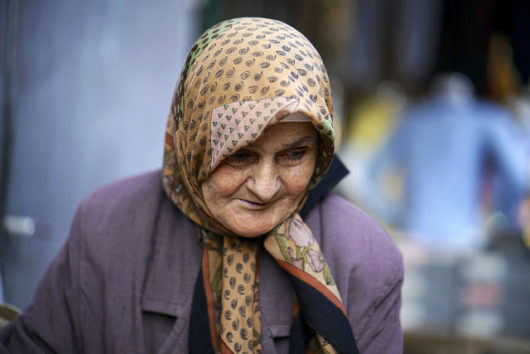
Kosovo is a small, partially recognized country located in Balkan that has existed since its separation from Serbia in 2008. Despite being a young and still developing nation, it is rich in culture from its diverse populace. In the text below, top 10 facts about living conditions in Kosovo are presented.
Top 10 Facts About Living Conditions in Kosovo
- Kosovo’s citizens are the second poorest in Europe. The country suffers an unemployment rate of 33 percent and youth unemployment near 60 percent.
- Around 45 percent of Kosovo’s population live below the poverty line, with 15 percent living in extreme poverty. Most of the population lives in rural areas, living on small plots with limited industrial tools. This leads to much of the country’s citizens being forced to live on near-subsistence farming.
- The country does not have enough doctors. Kosovo started new health care reform in 2010. These include universal, the state ran health insurance with a network of family health centers. The latest reports found 2,664 doctors in the program with an additional 1,457 doctors in the private sector. This totals 2.2 medical doctors per 1,000 citizens, far below the European average of 3.4.
- Personal hygiene is a huge problem in the country. Massive inequalities exist in the lower economic classes of the country in access to hygiene and sanitation. Lack of electricity exists for only 0.1 percent of university-educated people and 10 percent of people without an education. Meanwhile, lack of personal bathrooms are reported in large numbers and are usually divided by ethnic lines (0.3 percent of Albanian households compared to 20.2 percent of Roma, Ashkali and Egyptian ethnicity households).
- Ethnic minorities face many legal barriers that compound their hardships. Minorities such as Roma, Ashkali and Balkan Egyptians suffer problems in obtaining personal documents needed to access health care, social assistance and education. This hinders these citizens from obtaining many of the programs designed to help low-income citizens, further trapping them in the vicious cycle of poverty.
- Many women face domestic violence as around 68 percent of women in Kosovo report having experienced domestic violence. This is due to a few and inadequate police and prosecutors responses. The government, however, has created a new National Strategy and Action Plan against Domestic Violence to fight against these crimes.
- People with diseases and injuries are at greater risk for inadequate homes, water and income. Inadequate housing is reported by 11.6 percent of those with diseases or injuries and inadequate water by 7.4 percent. Even more citizens in this situation, however, face problems with affordable conditions: 26.6 percent of citizens with health-related outcomes report inadequate affordability conditions.
- Kosovo’s courts are packed and overloaded. The latest reports from the International Monetary Fund showed the courts had 264,193 pending cases and a backlog of inventories ranging from 25.7 to 71.7 percent in different cases. They have 29 percent of their judicial positions filled and only five specialized judges in the lower court and only one in the appellate court. These statistics show a slow and inefficient court, hindering the legal action of citizens in the country.
- Kosovo is a fairly safe country. Kosovo has a crime index of 33.37. The same index is 37.27 in Serbia, 39.29 in Macedonia, 40.3 in Albania and 40.48 in Montenegro, all neighboring countries of Kosovo. In 2017, 72 citizens have been convicted of murder related crimes and 218 were convicted of robbery-related crimes in a country of 1.8 million people.
- There is not enough housing in the country as 21.5 percent of households report having two or more people per room in the house, and 28.7 percent have between 1.5 and 2 people per room. The United Nations had long been at work to address this problem, specifically in Prishtina. The project started in 2015 and in on-going.
These top 10 facts about living conditions in Kosovo are meant to highlight the problems that urgently need to be addressed in the country. Despite the problems presented in the text above and other problems facing the country, many laws and initiatives are in the works to alleviate citizens’ poor situation. Both international and local programs are currently working to improve conditions in the country, so far successfully. This, combined with a seemingly stable economy, provides a hopeful future for the citizens of Kosovo.
– Zachary Sparks
Photo: Flickr
