• Link to X
  • Link to Facebook
  • Link to Instagram
  • Link to TikTok
  • Link to Youtube
  • About
    • About Us
      • President
      • Board of Directors
      • Board of Advisors
      • Financials
      • Our Methodology
      • Success Tracker
      • Contact
  • Act Now
    • 30 Ways to Help
      • Email Congress
      • Call Congress
      • Volunteer
      • Courses & Certificates
      • Be a Donor
    • Internships
      • In-Office Internships
      • Remote Internships
    • Legislation
      • Politics 101
  • The Blog
  • The Podcast
  • Magazine
  • Donate
  • Click to open the search input field Click to open the search input field Search
  • Menu Menu

Archive for category: Life Expectancy

Global Poverty, Life Expectancy

9 Facts about Life Expectancy in Guinea

10 Facts about Poverty in GuineaGuinea is a small, impoverished West African country that has been featured in the news due to the 2015 Ebola outbreak. The virus strained the nation’s already struggling economy. Despite this, the disease did not affect the average life expectancy. Still, Guinea faces many issues that are harmful to life expectancy. Here are nine facts about life expectancy in Guinea that reflect these concerns.

9 Facts about Life Expectancy in Guinea

  1. The average life expectancy is only 59.8 years with 59.4 for men and 60.4 for women. Guinea ranks about average when compared with its West African neighbors. For instance, Sierra Leone is among the lowest at only 54 years in 2017, while Ghana is among the highest at 63 years. 
  2. Guinea’s life expectancy has increased steadily over time since 1960 with a slight dip in the early 2000s. Despite the fatal impact of Ebola on individuals and communities, the virus did not affect the course of growth for the average life expectancy in Guinea. 
  3. The country has extremely high infant and maternal mortality rates. In 2015, the maternal mortality rate was one of the worst in the world with 549 deaths per 100,000 live births. The infant mortality rate was 60.3 per 1,000 live births in 2016.
  4. About 55 percent of Guinea’s citizens live below the poverty line. This is thought to be due to the prolonged political instability since the nation’s founding in 1974. Furthermore, while 90 percent of the country’s exports come from mining, few such jobs are available; Guinea employs only 2.5 percent in this sector. 
  5. Approximately 24.4 percent of children face chronic malnourishment due to widespread poverty. During the 2018-19 school year, The World Food Programme provided hot school meals to 131,895 children in 896 schools in addition to take-home rations to 12,155 girls who are in their final year of school.
  6. About 14 million people in Guinea experience year-round transmissions of malaria and 25 percent of hospitalizations among children under 5 can be attributed to the disease. USAID support through the President’s Malaria Initiative aims to reduce the malaria mortality rate by 50 percent in Guinea as well as other sub-Saharan African countries. 
  7. Only half of the country’s population has access to public health care services. Access to health services (under 30 minutes) is 38.9 percent with a rate of use of 18.6 percent. This makes Guinea especially vulnerable to pandemics such as the recent Ebola virus. A major hurdle for the country will be expanding health coverage nationwide by strengthening the delivery of such services.
  8. In rural regions, 142 out of every thousand children die each year. This is because rural regions in particular lack clean water, access to health services and a proper sanitation system. Of those living below the poverty line, 80 percent live in rural areas. U.N. and NGO assistance makes up 26.9 percent of all expenditure on health. 
  9. USAID’s Health Finance and Governance project is working with Guinea’s Ministry of Health to improve transparency and accountability in the delivery of health services. Such methods include better responses to crises such as the 2015 Ebola outbreak. 

These nine facts about life expectancy in Guinea reflect that the nation still has much to improve on before life expectancy reaches the levels seen in western countries. To reduce high mortality rates from tropical diseases such as malaria, better access to health care is a must. Fortunately, some of the funding from the President’s Malaria Initiative is tackling some of these issues.

– Caleb Steven Carr
Photo: Flickr

March 3, 2020
https://borgenproject.org/wp-content/uploads/borgen-project-logo.svg 0 0 Lynsey Alexander https://borgenproject.org/wp-content/uploads/borgen-project-logo.svg Lynsey Alexander2020-03-03 13:57:532024-05-29 23:15:199 Facts about Life Expectancy in Guinea
Global Health, Global Poverty, Health, Life Expectancy

10 Facts About Life Expectancy in Malta

Malta is a small island republic in the central Mediterranean Sea. Like most other EU member states, the Maltese government operates a socialized health care scheme. However, life expectancy in Malta is a full year higher than the European Union average, for both males and females. Keep reading to learn the top 10 facts about life expectancy in Malta.

10 Facts About Life Expectancy in Malta

  1. Trends: Life expectancy in Malta ranks 15th globally and continues to rise; the current average life expectancy is 82.6, an improvement of 4.6 percent this millennium. Median life expectancy on the archipelago is expected to improve at that same rate through 2050, reaching an average death age of 86.4.
  2. Leading Causes of Death: The WHO pinpointed coronary heart disease as the republic’s number one killer, accounting for 32.46 percent of all deaths in 2018. Additional top killers include stroke (10.01 percent) and breast cancer (3.07 percent).
  3. Health Care System: Malta’s sophisticated and comprehensive state-managed health care system embodies universal coverage for the population. Although population growth and an aging workforce present long-term challenges, the Maltese have access to universal public health care as well as private hospitals. Malta’s health care spending and doctors per capita are above the EU average. Despite this, specialists remain fairly low. Currently, the government is working to address this lack of specialized care.
  4. Infant and Maternal Health: The high life expectancy in Malta is positively impacted by low infant and maternal mortality rates. Malta’s infant and maternal mortality rates are among the lowest in the world, ranking at 181 and 161, respectively. The Maltese universal health care system provides free delivery and postpartum care for all expectant mothers. These measures provided as the standard of care have minimized the expectant death rates of new mothers to 3.3 out of 100,000.
  5. Women’s Health: Like most other developed nations, Maltese women experience longer lives than men. Comparatively, WHO data predicts that women will live nearly four years longer, an average of 83.3 years to 79.6. Interestingly, the estimated gender ratio for 2020 indicates that the Malta population will skew to be slightly more male, specifically in the 65-and-over age bracket. 
  6. Sexual and Reproductive Health: Sexual health services, including family planning and STD treatment, are free of cost in Malta. Additionally, HIV prevalence is very low, at only 0.1 percent in 2016. These measures have certainly played a role in life expectancy in Malta.
  7. Violent Crime: Although crime rates typically spike during the summer, Malta’s tourist season, violence is generally not a concern. Despite fluctuations throughout the year, the national homicide rate remains low. Currently, homicide is resting at 0.9 incidents per 100,000 citizens.
  8. Obesity: Recently, 29.8 percent of the population was found to be obese, one of the highest figures in the EU. Even higher rates of obesity have been found in Maltese adolescents: 38 percent of 11-year-old boys and 32 percent of 11-year-old girls qualify as obese.
  9. Birth Rates: Sluggish population growth is typical throughout the developed world and Malta is no exception. Current data places the population growth rate at an estimated 0.87 percent. Out of 229 sovereign nations, Malta’s birth rate was ranked 192nd with 9.9 births per 1,000 citizens.
  10. Access to Medical Facilities: The competitive health care system supports high life expectancy in Malta by providing an abundant availability of hospitals and physicians per capita. Due to the archipelago’s small population, 4.7 hospital beds and 3.8 doctors exist for every 1,000 citizens.

These 10 facts about life expectancy in Malta highlight the strength of the health care system in the country. While rising rates of obesity are concerning, Malta has a strong track record of investing in the well-being of its citizens.

– Dan Zamarelli
Photo: Flickr

March 3, 2020
https://borgenproject.org/wp-content/uploads/borgen-project-logo.svg 0 0 Lynsey Alexander https://borgenproject.org/wp-content/uploads/borgen-project-logo.svg Lynsey Alexander2020-03-03 12:50:582024-05-29 23:15:2110 Facts About Life Expectancy in Malta
Global Poverty, Life Expectancy

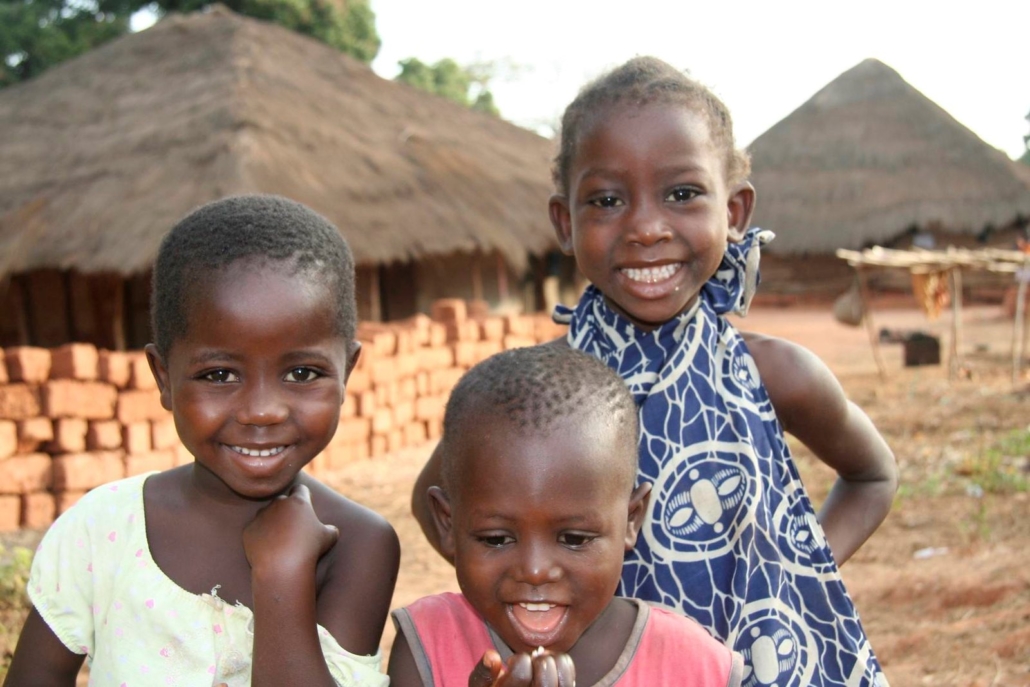
10 Facts about Life Expectancy in Guinea-Bissau

10 Facts About Life Expectancy in Guinea-Bissau
Guinea-Bissau, a small country in Western Africa, has a low life expectancy of 57.67 years.  However, life expectancy in Guinea-Bissau of both men and women increased by seven years over the last 17 years. In 2001, life expectancy in Guinea-Bissau was 50.368. Currently, men in Guinea-Bissau have a life expectancy of 55.6 while women have a life expectancy of 59.62. The increase in life expectancy in Guinea-Bissau is due to improvement in health care services, education, preventive measures and a reduction in child mortality.

10 Facts About Life Expectancy in Guinea-Bissau

  1. Child Mortality: The infant mortality rate in Guinea-Bissau continues to decrease. Child mortality was 125 for every 1,000 children in 2008 and that number decreased to 81.5 for every 1,000 children in 2018. Guinea-Bissau’s investments to provide mothers with children under the age of 5 with better access to health care contributed to the reduced child mortality rate. In addition, a U.N. report determined that an increase in vaccinations was extremely effective in reducing the child mortality rate. This was possible because of collaboration from organizations like the United Nations Children’s Fund, the World Health Organization and GAVI. However, there is still more that people can do to improve life expectancy in Guinea-Bissau, such as training more medical professionals to help with childbirth. In 2014, only 45 percent of childbirth had trained professionals available. The leading causes of death for children under 5 are communicable diseases, particularly malaria, diarrheal diseases and respiratory illnesses.
  2. The Leading Causes of Death: The leading causes of death in Guinea-Bissau in 2012 were lower respiratory infections including whooping cough and infection of the lung alveoli, along with HIV/AIDs, malaria and diarrheal diseases. Although malaria-related death is common, that number is declining due to both government and donor efforts from organizations like the Global Fund. These efforts include providing insecticide-treated bed nets and increasing education about malaria.
  3. Spending on Health Care: In Guinea-Bissau, both the government and individuals spend little money on health care. In 2016, the per capita average that people spent on health care was $39 while the government spent 6 percent of its GDP on health care. A U.N. report stated that in 2001, the African government pledged to increase health care expenditures to 15 percent. However, Guinea-Bissau has not yet reached that goal. In addition, the most vulnerable population that suffers from preventable illness and diseases, women and children, receive less than 1 percent of health care funds.
  4. Politics: One of the reasons the government faces difficulty in increasing health care funding is because of instability in Guinea-Bissau’s politics. Since Guinea-Bissau’s independence in 1974, the country has had four successful coups and 16 failed coups. The instability causes constant changes in government officials who are responsible for policies.
  5. National Institute of Public Health: In 2011, the creation of the Instituto Nacional de Saúde Pública (INASA) or the National Institute of Public Health helped bring different components of Guinea-Bissau health care together in order to provide adequate services. INASA works with both international donors, institution and the government to help with disease surveillance and preparation for health emergencies. The responsibility of INASA is to help create health policy in the country as well as to help place health care workers and officials throughout the country.
  6. Lack of Trained Medical Personnel: Guinea-Bissau does not have enough health care workers. It has 1.7 doctors for every 10,000 people, 1.4 midwives and nurses for every 1,000 people, three pediatricians and four obstetricians. For example, in 2014, Guinea-Bissau lost some of its health care workers due to brain drain (trained medical personal moving to other countries). In addition, the lack of adequate pay and failure by the government to pay its medical workers on time have led to strikes. According to a U.N. report, Guinea-Bissau would need to create incentives in order to better retain its health care workers.
  7. Training of Health Care Workers: Training health care workers in Guinea-Bissau is difficult because the country relies on international help from countries like Cuba. One of the main problems is that the training material is in Spanish instead of Portuguese. In addition, some of the reading materials are in e-book formats and students may not have access to computers to read the content. Furthermore, during medical training, there are not enough specialists to oversee or conduct the necessary training. There is hope, however, as the United Nations Population Fund (UNFPA) is helping provide some advanced training for medical professionals who require it.
  8. Vaccine Coverage: Although the lack of political instability has limited government spending in health care, Guinea-Bissau’s coverage rate is 80 percent due to help from the World Health Organization (WHO) and other non-government agencies. Children receive rotavirus and pneumococcal vaccines to help with respiratory and diarrheal illnesses.
  9. Accessibility to Health Care Facilities: In Guinea-Bissau, it can be difficult to visit a medical facility because of the lack of adequate roads. Although there are motorized boat ambulances, it can still be difficult to get to a medical facility in some regions in Guinea-Bissau. However, there are plans to build surgical centers in places like the Bijagos region to provide better access to health care.
  10. Community Health Programs and Workers: Community health programs and outreach have been effective in helping with the Guinea-Bissau health care system. These programs that community health workers (CHW) administer provide a community-based approach in helping with the health needs in Guinea-Bissau. Programs include spreading knowledge of childhood nutrition, malaria prevention, pneumonia and household hygiene, and providing several health services. There are around 4,000 community health workers and they are each responsible for visiting 50 households every month. During their visits, community health workers encourage families to adopt the 16 key family practices that can help reduce the number of diseases children may experience. These family practices include the promotion of mosquito nets and six months of breastfeeding, and handwashing, etc.  Community health workers also play a vital role in helping with literacy because of the high illiteracy rate in the country.

Although Guinea-Bissau’s life expectancy is low, there is hope that it will continue to increase due to continuous investment by international donors and non-government organizations. One of the best ways that Guinea-Bissau can provide better health care for its citizens is to strive to be more politically stable.

– Joshua Meribole
Photo: Flickr


March 3, 2020
https://borgenproject.org/wp-content/uploads/borgen-project-logo.svg 0 0 Lynsey Alexander https://borgenproject.org/wp-content/uploads/borgen-project-logo.svg Lynsey Alexander2020-03-03 01:30:392024-05-29 23:15:1510 Facts about Life Expectancy in Guinea-Bissau
Global Poverty, Life Expectancy

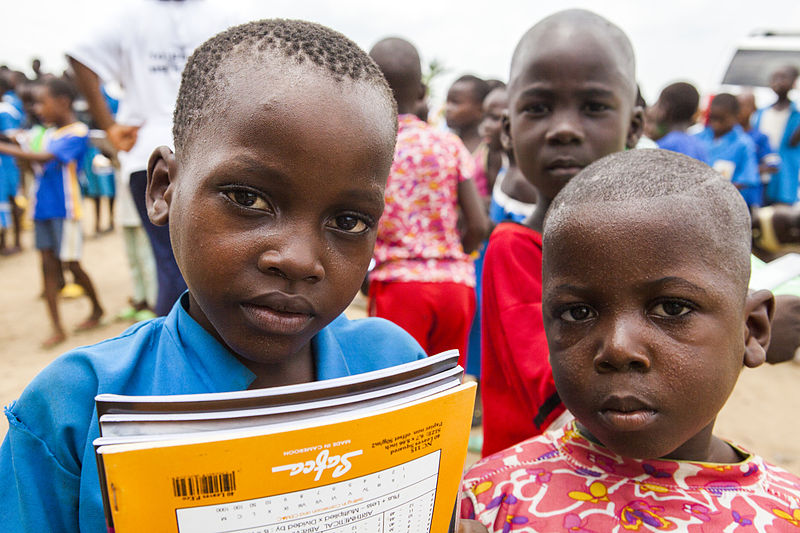
10 Facts About Life Expectancy in Cameroon

10 Facts About Life Expectancy in Cameroon
Cameroon shares common challenges with neighboring Central African countries. Conflict refugees are flooding the system, putting a strain on humanitarian aid. People have limited access to health care providers, and especially in rural areas. The reduction of disease and bacterial infection is progressing, but death rates are still high. Read on to learn more about these 10 facts about life expectancy in Cameroon.

10 Facts About Life Expectancy in Cameroon

  1. Conflict and corruption are important factors to consider when exploring these 10 facts about life expectancy in Cameroon. The war against Boko Haram has compromised security. The 2019 Africa Cup of Nations financial scandal revealed shady dealings and the skimming of public funds. Bribery and nepotism are creating problems for reaching economic goals with inconsistently paid worker’s salaries, often without earned overtime pay. The government of Cameroon, in cooperation with its national and international partners, is working hard to keep its people in the foreground of global concern. Active work toward reducing corruption and conflict is vital to the improvement of life expectancy in Cameroon.
  2. Conflict in the bordering countries of Nigeria and the Central African Republic (CAR) has added some 361,700 refugees to the already struggling population of 27,744,989 citizens. Fundamental to the improvement of life expectancy in Cameroon is to continue developing strategies for managing the fallout from conflict in neighboring countries. Ongoing conflicts have closed down trade routes, markets and schools. Responding to the protection and shelter of refugees has diverted aid and is contributing to the already low life expectancy of Cameroonians.
  3. Limited access to health care is a challenge for Cameroonians. With the goal of improving life expectancy by identifying needs and gaps in the health care system, Cameroon set a national strategic development plan in motion. The most recent data available showed an unequal distribution of health care providers in 2010. There were 1.1 doctors and 7.8 nurses and midwives per 10,000 population, with rural areas having the greatest need. Between 2006 and 2008, the implementation of an emergency plan to train and recruit more health care workers helped to offset a large number of health care workers aging out of the workforce.
  4. HIV/AIDS has dealt the greatest blow to life expectancy in Cameroon. With life expectancy at birth averaging 59.8 years of age, 540,000 people are living with HIV. In 2018, there were 23,000 new HIV infections, a decrease from 36,000 in 2010. Since then, the death rate has dropped 19 percent to 18,000. Outreach and education about HIV have paid off by improving access to testing and treatment. In 2018, 59 percent of HIV positive women and 47 percent of HIV positive men received treatment.
  5. Tuberculosis and HIV/AIDS often occur as co-infections. Though tuberculosis treatment coverage is 53 percent, HIV predisposes for tuberculosis co-infection, increasing the risk 20-fold of its progression from latent to an active infection. A systematic data collection and review of medical records for a 93-month period between 2010 and 2017 revealed that the co-infection rate in the Fako division was alarmingly high at 194 cases per 100,000 population. The good news is that the study revealed a high treatment success rate with 76.4 percent of the patients cured.
  6. There is good news and bad news for the treatment and prevention of malaria. Clearly, communicable diseases are the leading cause of premature death in Cameroon, and malaria is another item topping these 10 facts about life expectancy in Cameroon. Health care facilities have seen a reduction in cases to one per 2,000 population, treating 3.3 to 3.7 million cases per year, a reduction of 24 percent as of the year 2017. Insect control measures through the distribution of over 20 million insecticide-treated mosquito nets and the strategic spraying of DDT have significantly lowered the risk of contracting the disease. However, the situation is still out of control. With 16 identified primary and secondary strains of the plasmodium parasite and up to 52 strains altogether, mutation and resistance to drug treatments and insecticides is an ongoing problem.
  7. There is little available data on bacterial and respiratory infections. Bacterial lower respiratory infections and co-infections are examples of the need for better diagnostic tools for the tracking, management and treatment of illnesses that impact life expectancy in Cameroon. Few studies tracking the number of cases country-wide are available, but a 2019 hospital-based review study of tested cultures from 141 adult patients with symptoms showed that pneumonia and influenza are most prevalent. Fourteen out of 61 patients had co-infections, with influenza implicated in 12 out of 61 cases.
  8. The youngest children are the most vulnerable to bacterial infection. An earlier hospital-based review study revealed more tangible information about the cause of death for children under 5 years of age. The study gathered and examined medical records for 812 children who died between 2006 and 2012.  Communicable and parasitic diseases, respiratory diseases, sepsis and nutritional deficiencies related to being too sick to eat were responsible for 71.5 percent of the deaths.
  9. Conflict has forced farmers to abandon their fields, taking away jobs in agriculture and creating further limits on already limited natural resources. The European Civil Protection and Humanitarian Aid Operations have increased funding since 2013. In 2019, Cameroon spent $19.55 million with the goal of reducing dependence on aid through supporting the immediate needs of food security, safe drinking water, sanitation and access to primary health care. The Joint Humanitarian Response Plan for 2019 requested $299 million to assist 2.3 million people in Cameroon. Of this money, $29.5 million went to food security, $3.5 million went to nutrition requirements, $3.2 million went to shelter and non-food items and $1.8 million went to health care requirements.
  10. Cameroon’s economy is a roller-coaster. A roller-coaster economy directly impacts life expectancy by creating financial limits on the quality of life for citizens of Cameroon. Conflict in the C.A.R., the war against Boko Haram, labor disputes over wages and working conditions, corruption and falling tax revenue all add context to these 10 facts about life expectancy in Cameroon. The good news is that the National Anti-corruption Commission, and other such agencies working with the government, have helped restore 375 billion CFA francs to the government coffers. The nation’s economy grew 4.1 percent in 2019, but inflation increased to 2.4 percent. Cameroon’s budget has decreased in recent years as lower oil prices have impacted its chief source of revenue. The government persists in engaging foreign investors for the improvement of infrastructure and to enhance its economic footprint.

These 10 facts about life expectancy in Cameroon indicate the country’s challenges in maintaining a high life expectancy for its people. However, its life expectancy should improve through funding, improving medical care and reducing corruption.

– Lorna Kelly
Photo: Wikimedia Commons

February 29, 2020
https://borgenproject.org/wp-content/uploads/borgen-project-logo.svg 0 0 Lynsey Alexander https://borgenproject.org/wp-content/uploads/borgen-project-logo.svg Lynsey Alexander2020-02-29 01:30:302024-05-29 23:15:0710 Facts About Life Expectancy in Cameroon
Global Poverty, Life Expectancy

10 Facts About Life Expectancy in Nicaragua

Facts about Life Expectancy in Nicaragua
Nicaragua is the largest country in Central America and the second most impoverished nation in the Western Hemisphere. With a population of 6.4 million, nearly 50 percent live on just $2 a day. Though Nicaragua’s odds seem to be against it, the last two decades have shown an increase in life expectancy, averaging 74.5 years, which is an increase of six years since the late 90s. There are many contributing factors to this increase. Below are 10 facts about life expectancy in Nicaragua.

10 Facts About Life Expectancy in Nicaragua

  1. Nicaragua’s life expectancy is one year higher than the world average. As of 2019, the world average life expectancy was estimated at 72 years. One can follow life expectancy back to the Age of Enlightenment when only certain countries had the resources to industrialize. Consequently, this affected the distribution of health across the globe. Wealthy countries were healthy, whereas poor countries were not.
  2. Malnutrition and undernutrition is the primary cause of child mortality. Although Nicaragua is an agrarian economy, finding food and clean water is difficult. According to Project Concern International (PCI), nearly one of every five children have chronic malnutrition. PCI implemented the Food for Education project and feeds over 77,000 children every day. The integration between food and education encourages students to continue schooling without worrying about an empty stomach.
  3. Education is free and compulsory. However, travel expenses are costly and serve as an obstacle for low-income rural families. Only 29 percent of children attending school finish their primary education and roughly 500,000 children under the age of 12 are completely out of the education system. Those with more wealth and better health typically have an education of more than 12 years.
  4. Access to onsite health services is widely available. Nicaragua has a total of 32 public hospitals, 21 of which are departmental reference facilities. This means that medical professionals perform a variety of health services like inpatient care for internal medicine or surgery, and even diagnostic lab testing, in one central location. The majority of the hospitals, however, are on the Pacific side of the country, limiting access for those unable to travel.
  5. Nicaragua has the lowest HIV infection rates in Central America. Although case detection is slow (anywhere between two weeks and six months), preventive measures are stopping further spread of the disease. The Ministry of Health implemented case-based-surveillance (CBS) information systems. It continuously collects data on demographics, health events, diagnosis and routine treatment. The system also tracks outbreaks, viral mobility and mortality. CBS information systems support faster public health action.
  6. The Sustainable Sciences Institute (SSI) developed and implemented technologies for low-income health settings. Diagnostic kits are readily available to test for communicable diseases like dengue and leptospirosis. Testing and sampling happen at local or regional labs and lab techniques such as cell culturing receive modifications on-site in low-resource settings.
  7. Nicaraguan health care systems have the support of nonprofits. To name a couple, Project HOPE created the International Diabetes Educator and E-Learning Program to combat the rising threat of diabetes. The program’s aim is to train health care professionals and volunteers. Similarly, the Manna Project created adolescent health education programs in response to teen pregnancy. It also implemented Community Health Promotion, a program to teach communities about healthy lifestyle changes.
  8. Life expectancy for males and females follows the same pattern worldwide. As of 2019, females outlive their male counterparts by four years, averaging 76 years. This is one more year than the world average.
  9. The primary cause of death is noncommunicable disease. Diseases of the circulatory system account for 27 percent of premature deaths. Roughly 13 percent are due to external causes such as suicide and accidents, and nutritional/metabolic-related diseases like chronic malnutrition cause 9 percent of deaths. The Family and Community Health Model that the Pan American Health Organization implemented has improved health service accessibility by renovating the technology and health infrastructure.
  10. Health expenditures are the lowest per capita in Central America. Nicaragua spends about 8.7 percent of its total GDP on health care services and resources. Nicaragua spends roughly $59 on one person with an average of $27 out-of-pocket payment. Out-of-pocket payments directly influence the increase in privatized health care facilities.

The years of dedicated collaboration and innovation created health modifications that directly impact the life expectancy of Nicaraguans. These 10 facts about life expectancy in Nicaragua illustrate how far it has come in the last 20 years and how far it has to go before it has health, wealth and happiness.

– Marissa Taylor
Photo: Flickr

February 24, 2020
https://borgenproject.org/wp-content/uploads/borgen-project-logo.svg 0 0 Lynsey Alexander https://borgenproject.org/wp-content/uploads/borgen-project-logo.svg Lynsey Alexander2020-02-24 01:30:172024-05-29 23:15:0410 Facts About Life Expectancy in Nicaragua
Global Poverty, Life Expectancy

10 Facts About Life Expectancy in Croatia

10 Facts About Life Expectancy in Croatia
Croatia is a small country in Southeastern Europe’s Balkan Peninsula on the Adriatic Sea. It is about 56,594 square kilometers, which is smaller than West Virginia and has a population of about 4.2 million. As of 2018, Croatia’s overall GDP was $60.8 billion, according to the World Bank. The country’s economy received a boost from joining the European Union in 2013 that helped facilitate its recovery from the 2008 global financial crisis.

However, the country still faces challenges. Due to factors including an aging population, increasing levels of emigration and a declining birth rate, Croatia’s population has been in decline for decades. After reaching a peak of 4.7 million in 1990, the population dipped back to levels that the country saw in 1960. Many expect Croatia’s population to slip to 3.4 million by 2050. Enmeshed within the discussion of Croatia’s population is the aspect of life expectancy. Croatia’s average life expectancy is 77.8 years. Here are 10 facts about life expectancy in Croatia.

10 Facts About Life Expectancy in Croatia

  1. Life expectancy has steadily increased over time. The average life expectancy in 1960 was 64.6. The age has increased ever since with just a few exceptions. There was a slight dip between 1977 and 1985, again between 1991 and 1992 and again from a peak of 78 in 2016 to what it is now.
  2. Croatia’s medical advancements and increased life quality have helped improve life expectancy. Total Croatia News also reported that declines in the past were because of “extraordinary situations” including wars or disasters. The declines in the early ’80s and early ’90s coincided with rising tensions linked to Croatia’s 1991 war for independence from Serbian-controlled Yugoslavia. There have been no recent major events in Croatia.
  3. Life expectancy is higher for Croatian women than men. Echoing the commonality for male versus female life expectancy across the developed world, women in Croatia have a higher life expectancy. For women, the average age of death is 80.9 years old compared to 74.9 years for men.
  4. Historically, life expectancy has differed for Croats living on one of Croatia’s 1,000 islands than those living on the mainland. In the past, male Croatian islanders lived three to 10 years longer than mainland men, while island women lived two to seven years longer than mainland women, according to a study that the Croatian Medical Journal published in 2018. However, researchers found the gap in life expectancy for islanders versus mainland Croats has shrunk, with islanders having lost mortality advantages due to diminishing adherence to a traditional Mediterranean diet and lifestyle.
  5. For the past decade, the leading causes of premature death in Croatia have been ischemic heart disease, stroke and lung cancer. The rate per 100,000 people of deaths due to ischemic heart disease as of 2018 was 1,907.6. Further, the rates of deaths stood at 1,000.5 and 726.8 for stroke and lung cancer respectively. As smoking and diet flaws play a substantial role in these figures, the Croatian government and leading health organizations are gradually working to address these issues. In the early 2000s, the Ministry of Health commissioned its first national survey examining cardiovascular risk problems and formulated a health care intervention program based on the results. In recent years, Croatia created a heart health-focused national e-campaign to reduce salt consumption in diets and other initiatives.
  6. While the leading causes of death have remained stagnant, there have been sharp changes in the top causes of death. Road incidents went from Croatia’s seventh-highest cause of death in 2007 to 13th highest in 2017. A study credits this to the government’s implementation of a new road safety program and enhanced enforcement of laws linked to key problem areas. These areas include speeding, drunk-driving and failure to use motorcycle helmets, seat-belts and child restraints. Meanwhile, Alzheimer’s disease has moved from the eighth highest cause of death to the fifth, which echoes a global rise in the prevalence of the disease.
  7. Concurrent with declining birth rates, infant mortality rates have steadily declined over the last three decades. Croatia’s birth rate per 1,000 people stood at 8.9 in 2017 compared to 14.6 in 1981. During the same time period, the infant mortality rate per 1,000 live births improved to four from 20.7 in 1981.
  8. Croatia stacks up fairly well against other countries. Croatia’s life expectancy is average compared to its bordering Balkan neighbors. Based on 2017 data, the country’s life expectancy is on par with Bosnia and Herzegovina, and Montenegro. Croatia has a higher life expectancy than Serbia and Hungary and a lower one than Slovenia. Croatia ranked as the 31st healthiest nation in the world in 2019 and its capital city Zagreb ranked as the 16th healthiest capital city in Europe.
  9. There have been reports of problems with health care for women. In 2018, a Croatian parliament member shared a story on the parliament floor about a poorly handled abortion procedure, re-igniting a longstanding national debate about health care for women. The BBC subsequently produced a story on how the member’s story inspired hundreds of other women to share their own experiences.
  10. Croatia’s health triumphs could be a result of its health care system. Croatia has a universal and mandatory health insurance scheme. The program utilizes both private and public care providers and the national Croatia Health Insurance Fund funds the system. The country’s health care system is so well regarded that medical tourism in Croatia continues to grow in popularity.

These 10 facts about life expectancy in Croatia show that the health care system is not perfect, indicating life expectancy is not as high as it could be. However, the nation does boast several positive characteristics. The evolving internal and external economics and unfolding policy initiatives in the country are likely to impact life expectancy, as well as other quality of life elements.

– Amanda Ostuni
Photo: Flickr

February 23, 2020
https://borgenproject.org/wp-content/uploads/borgen-project-logo.svg 0 0 Lynsey Alexander https://borgenproject.org/wp-content/uploads/borgen-project-logo.svg Lynsey Alexander2020-02-23 01:30:042024-05-29 23:14:5610 Facts About Life Expectancy in Croatia
Global Poverty, Life Expectancy

10 Facts About Life Expectancy in Honduras

Honduras Life Expectancy
Honduras is a Central American country with a population of nearly 10 million people. Though the country has faced extreme poverty and disease, there have been significant signs of improvement in the country’s overall quality of life. These 10 facts about life expectancy in Honduras detail the improvements the country has made throughout its history.

10 Facts About Life Expectancy in Honduras

  1. Life expectancy is increasing. The life expectancy in Honduras has increased by almost a decade in the past 30 years. According to the 2019 Human Development Report from the United Nations Development Programme, the life expectancy at birth in 1990 was 66.7 years and rose to 75.1 years by 2018.
  2. Some of the top causes of premature death in Honduras are significantly lower than the average global comparison. The rate of deaths due to diarrheal diseases is 584.4 per 100,000, while the global average is more than 1,000. Similarly, the rate of deaths from stroke is less than 1,000 per 100,000, while the average is more than 1,800. Finally, the rate of deaths due to lower respiratory infections is 388.7 per 100,000, while the average is almost 2,000.
  3. The average years of schooling in Honduras has increased by more than three years since 1990. In 1990, the average years of schooling were only three and a half. In 2018, the average was more than six and a half. An increase in education often leads to higher-paying job opportunities, and therefore, access to better health care. Since 1957, the government of Honduras has had free primary school, which has led to a literacy rate of 83 percent.
  4. According to the Economic Commission for Latin America and the Caribbean (ECLAC), Honduras has a low public investment in health per capita. The country currently ranks second in Central America and fourth in Latin America. The Latin American and Caribbean average is about $392 per person, while Honduras lies at about $101 per person.
  5. The mortality rates of both infants and children under 5 have both declined in the last 30 years. In 1990, the mortality rate in children under 5 was 53.4 per 1,000 live births. In 2017, the rate was just 14.6. For children under the age of 1, the mortality rate was 41.3 per 1,000 live births in 1990, which decreased to 11.6 in 2017.
  6. Some of the leading causes of premature death in Honduras include heart disease (41.6 percent), stroke (38.7 percent), violence (15 percent), road injury (16.4 percent), respiratory infections (2.5 percent) and other diseases. However, the World Bank approved the Country Partnership Framework for the country in 2015, which objectives include increasing access to finances, improving farming productivity and improving local governments to prevent violence and crime. The World Bank’s portfolio of the country is $259 million.
  7. The Honduras Social Security Institute (IHSS) has plans to expand its health facilities. The IHSS currently provides the public health system for about 37.1 percent of the working population. The institute currently has two public specialty hospitals and 10 outpatient facilities.
  8. In 2017, the World Bank reported that there were 0.314 physicians per 1,000 people in Honduras. Comparatively, Guatemala reported 0.355 physicians per 1,000 people.
  9. In 2015, the National Congress approved the Framework Law on Social Protection. This is the first time in Honduras that there was ever a law to define the national health care system. The multi-pillar law aims to extend health insurance, unemployment insurance and workmanship compensation to the working population, as well as Hondurans living in poverty.
  10. The Human Development Index (HDI), which measures the quality of life, health and wellbeing in Honduras, has increased from 0.508 to 0.623 from 1990 to 2018. To compare, Guatemala had a rating of 0.651, El Salvador a 0.667 rating and Haiti a 0.503 rating.

Although Honduras still needs to make progress in health care and safe water access, it has made a lot of improvements for its citizens in recent years. Honduras should be able to continue ensuring a long, healthy life for its citizens by continuing its improvements.

– Alyson Kaufman
Photo: Pixabay

February 18, 2020
https://borgenproject.org/wp-content/uploads/borgen-project-logo.svg 0 0 Lynsey Alexander https://borgenproject.org/wp-content/uploads/borgen-project-logo.svg Lynsey Alexander2020-02-18 06:30:052024-06-06 00:32:5110 Facts About Life Expectancy in Honduras
Life Expectancy, Poverty, War

Life Expectancy in Bosnia and Herzegovina

Life expectancy in Bosnia and Herzegovina
Bosnia and Herzegovina is a country located in the Balkan region of Eastern Europe. The country has been one of the center points of the Yugoslavian Wars that tore across the area in the 1990s. It was the location of countless atrocities, such as the massacre at Srebrenica in 1995. The impact of these events still exists across the country today, despite 25 years of improvements and advancements. Part of this impact was the reduction in life expectancy in Bosnia and Herzegovina.

10 Facts About Life Expectancy in Bosnia and Herzegovina

  1. Life Expectancy: Life expectancy in Bosnia and Herzegovina is around 77 years. This is more than most of the other countries in the Balkans, surpassed only by Greece, Montenegro and Croatia. However, in the European Union, life expectancy is the average of 81 or the Balkan average of 77. All of the Balkan countries are above the world average of 72 years despite genocide and war afflicting them.
  2. Instability: The country’s average life expectancy was on a linear growth before the wars and peaked at 71.6 in 1987. However, the loss of life and general prosperity from the instability of late Yugoslavia followed by the violence of the wars and genocide caused a massive dip in this figure. In fact, its life expectancy did not return to prewar figures until 1995.
  3. Reduced Life Expectancy: Before the war, the population peaked at 4.5 million people in 1989. In contrast, up to an estimated 300,000 fatalities massively dented this figure. By 1996, a quarter of the pre-war population displaced while around 1.2 million fled the country in a mass migration. Additionally, high-income families generally have a higher life expectancy which links to the reason behind the life expectancy loss.
  4. Life Expectancy Growth: Life expectancy in Bosnia and Herzegovina has grown by 6.6 percent from 1996 until 2017. This is slower than the world growth of 8.7 percent in the same time frame. This is likely due to poor economic growth and countless health issues.
  5. Air Pollution: Large amounts of air pollution result in many premature deaths. It also reduces general life expectancy in Bosnia and Herzegovina by at least 1.1 years overall. Poor control over energy generation pollution output has cost the people of the country 130,000 years of life overall in the last 10 years. This is due to poorer respiratory health and increased incidences of lung cancers. To combat this, cities and decisionmakers within the country are coordinating with an organization like the U.N. Environment. They will switch energy production from polluting sources such as old coal generators to renewables. For example, the project District Heating in Cities Initiative is attempting to replace the heating oil system of the city Banja Luka to biomass generators. This will cut emissions by 90 percent.
  6. Life Expectancy Disparities Between Genders: The differences in life expectancy between genders are significant. As men live an average of 74.6 years, while women live five years more on average at 79.5 years. This is likely caused by various social conditions such as the expectation for men to take on more dangerous jobs. In addition, suicide rates are disparately high in men compared to women.
  7. Death Rate: Bosnia has a very high death rate. It is the 39th highest in the world at 10 deaths for every 1,000 people. This is due to air pollution, destroyed infrastructure from the war and water shortages. Also, many areas of the country have poorly rebuilt electric networks and poor train lines or road systems. Due to this, reactive health care has suffered in many areas, making it impossible for people to get to hospitals. However, with investments and concentrated efforts, this has been changing for the better. As the country rebuilds train lines and improves roads, motorway fatalities have gone from dozens a year to simply two in 2014.
  8. The Poverty Rate: The poverty rate in the country is 2.2 percent, but lack of health does not contribute greatly to its poverty rate. This means many of those in poverty do not struggle with health care issues. This is due to the fact that the government provides health insurance to even the unemployed, reducing out-of-pocket costs for the country’s poor on these issues.
  9. Health Care Spending: The majority of health care spending in the country is government spending. Around 71 percent of all health care spending is public funding. Of the 29 percent private expenditures, nearly all of it is purchases of household health materials such as bandages and medicine. Meanwhile, the country spends 1 percent on other expenses, indicating that these private expenses are less likely to be costly affairs that may serve to hurt the financial stature of citizens.
  10. Preventative Care: Preventative care is minimal in the country as programs like education and advising programs, immunization programs, epidemiological monitoring and disease risk control and disaster response programs only make up 1.8 percent of total health care funding. This likely plays a large part in the death rate as preventative care is extremely important in ensuring long lifespans. However, the government of Bosnia and Herzegovina and the European Union have been working in tandem with NGO projects to boost immunizations in the country including World TB Day, Immunization Week, Anti-TB Week and World AIDS Day. Additionally, the aim is to build trust in vaccines amongst the general populace.

These 10 facts show how damaging the war has been on the general health and lifespan of the population. While the years since have seen improvements, they have not been enough to bring Bosnia and Herzegovina to par with the rest of the world. Damaged public infrastructure, lack of focus on preventative care and deteriorating environmental conditions are some of the primary reasons behind the slow increase of the country’s life expectancy.

– Neil Singh
Photo: Flickr


February 18, 2020
https://borgenproject.org/wp-content/uploads/borgen-project-logo.svg 0 0 Lynsey Alexander https://borgenproject.org/wp-content/uploads/borgen-project-logo.svg Lynsey Alexander2020-02-18 05:30:122024-05-29 23:14:56Life Expectancy in Bosnia and Herzegovina
Global Poverty, Life Expectancy

8 Facts About Life Expectancy in Barbados

Facts About Life Expectancy in BarbadosLife expectancy is affected by many different factors including, but not limited to, health care, access to food, disease control and sanitation. In Barbados, the high life expectancy rate is a result of the high quality of life that many citizens experience. Below are eight facts about life expectancy in Barbados.
8 Facts About Life Expectancy in Barbados

  1. The average life expectancy in Barbados is approximately 79 years. Life expectancy is higher than for women at 80.1 years compared to 77.6 years for men. Barbados has the highest-ranking life expectancy in the Caribbean.

  2. Dengue fever is a potentially fatal mosquite-borne disease that is endemic in Barbados. Barbados has fought dengue fever for decades, with its most recent outbreak in 2016. In addition to awareness campaigns, the Ministry of Health prioritizes fogging exercises and house-to-house inspections to contain the spread of dengue.

  3. The leading cause of death in Barbados is heart disease. Noncommunicable diseases accounted for 83 percent of all deaths in Barbados in 2016. Diabetes and cancer are the other main causes of death. Health care in Barbados is held to a high standard and easily available to most. The Queen Elizabeth Hospital is the main provider of secondary care for the population.

  4. The infant mortality rate is 11.3 deaths per 1,000 live births as of 2018. While this is a sharp decline since 1960 when the infant mortality rate stood at 69.6, the rate is higher than the average of 4 deaths per 1,000 live births for high-income countries globally.

  5. Barbados experienced its biggest increase in life expectancy in 1951. In response to The Great Depression, Barbados entered a time of political change that fundamentally transformed the island. The spike in life expectancy continued to increase in pace, as the country developed into an independent nation.

  6. Barbados participated in the U.N. project, “Piloting Climate Change: Adaptation to Protect Human Health.” The Global Environment Facility funded the project. Environmental challenges that affect health include air quality, vector-borne diseases, waste disposal and water scarcity. The objective of the project was to deal with climate-sensitive health risks. Some of the achievements in Barbados were disease prevention, a quick and reliable response system and better storage for rainwater. Only six other countries participated: Bhutan, China, Fiji, Kenya, Jordan and Uzbekistan.

  7. In 2019 there were 100 AIDS-related deaths. Ninety-two percent of the population living with AIDS know their status. According to the Ministry of Health, there have been no babies born with HIV in the past six decades, which is a significant accomplishment.

  8. In 2017, the homicide rate was 10.5 cases per 100,000 population. The most common crimes are drug-related and residential burglaries.

These eight facts about life expectancy in Barbados show that the country is well on its way to being a prospering nation. While there are some challenges, the quality of life in Barbados is on the higher side of the spectrum compared to other Caribbean countries. With a focus on disease control and prevention, as well as continued better access to health care, the life expectancy rate could increase over the next 10 years.

– Taylor Pittman
Photo: Flickr

February 13, 2020
https://borgenproject.org/wp-content/uploads/borgen-project-logo.svg 0 0 Lynsey Alexander https://borgenproject.org/wp-content/uploads/borgen-project-logo.svg Lynsey Alexander2020-02-13 18:11:212024-05-29 23:14:568 Facts About Life Expectancy in Barbados
Global Poverty, Life Expectancy

9 Facts about Life Expectancy in Bahrain

Life Expectancy in Bahrain
The Kingdom of Bahrain is the island nation between Saudi Arabia and Qatar. This former British protectorate achieved its independence in 1971. Since the discovery of oil in the mid-20th century, Bahrain’s petroleum industry has been the backbone of the country’s economy and has become one of the wealthiest countries in the world. With its newfound wealth, the Bahraini government invested in public welfare, infrastructure and public sectors. This led to a steady increase in life expectancy in Bahrain.

9 Facts about Life Expectancy in Bahrain

  1. The life expectancy in Bahrain stood at 79.4 years as of 2019. The average life expectancy for women in Bahrain is 81.8 years, compared to 77.1 years for men. Bahrain ranks 52nd in terms of average life expectancy when compared to the entire world. The U.N. estimates that Bahrain’s life expectancy will increase to 81.16 years by 2050.
  2. The biggest increase in life expectancy in Bahrain occurred during the 1960s. After the country’s discovery of oil in 1931, Bahrain reported strong economic growth in the subsequent decades which positively impacted life expectancy. However, since the 1970s the rate of increase in life expectancy in Bahrain has slowed. The life expectancy in Bahrain is on par with countries such as the U.K., the U.S. and Australia.
  3. Bahrain has both universal and private health care. For Bahraini nationals, comprehensive care is provided free of charge, which contributes to the overall excellent life expectancy in Bahrain. The central government mainly finances the health care system. Still, some citizens prefer to participate in private healthcare options in order to overcome the challenge of longer wait times in public facilities.
  4. Bahrain’s immunization program largely eliminated childhood infectious diseases in the kingdom. The introduction of the measles vaccine in 1974 was the saving grace at a time when measles was the leading cause of death among children. After the introduction of the measles vaccine, the Bahraini government conducted a successful nationwide vaccination campaign. By 1999, more than 90 percent of children in Bahrain received vaccines. In 2009, the measles outbreak included only 0.27 cases per 100,000 compared to 1985 when there were 250 cases per 100,000.
  5. As of 2019, the Bahraini government passed a new law that mandates health insurance coverage for all citizens, residents and visitors. Under the new law, expatriate domestic workers, such as housemaids, drivers, gardeners and nurses, will be covered for free.
  6. The leading cause of death in Bahrain is ischemic heart disease. Ischemic heart disease, also known as coronary artery disease, refers to a heart condition where the major blood vessels to the heart become damaged or diseased. Obesity and smoking are the leading cause of ischemic heart disease. The World Health Organization (WHO) reports that, as of 2016, 27 percent of Bahrain’s population smokes tobacco. WHO also reported that 29 percent of the adults in Bahrain were obese.
  7. The Bahraini government is set to finish the construction of a $32 million long-term health care center. Funded through the Saudi Fund for Development, this 100-bed facility aims to open in 2022. The facility will be equipped to treat patients who are afflicted with ailments that require long-term care.
  8. Bahrain’s suicide rate ranks 138th in the world. Bahrain is ranked relatively low on the suicide rate ranking out of the 183 countries ranked by the WHO. The data in 2016 shows that there were 5.9 people committing suicide for every 100,000 people in Bahrain. However, in 2019, the WHO also reported that Bahrain had the 5th highest rate of suicide among Arab Nations.
  9. In 2019, Bahrain is ranked as the most air-polluted country in the Middle East. Other countries such as Bangladesh, Pakistan, India and Afghanistan were among the top 10 countries on the list. Experts stated that emissions of oil refineries, power stations and fuel-powered transportation and burning of waste in open spaces are the major contributors to pollution in Bahrain. These pollutants in the air can cause a variety of respiratory complications.

Life expectancy in Bahrain is very much related to the country’s economy. Since the discovery of oil in the 1930s, the Bahraini government used their newfound wealth to bolster the country’s infrastructure and health care for its citizens. With the help of international funds such as the Saudi Fund for Development, Bahrain is further bolstering its health care system. However, the country’s declining oil industry and the pollution that they cause does give rise to concerns about the future of life expectancy in Bahrain

– YongJin Yi
Photo: Flickr

February 8, 2020
https://borgenproject.org/wp-content/uploads/borgen-project-logo.svg 0 0 Lynsey Alexander https://borgenproject.org/wp-content/uploads/borgen-project-logo.svg Lynsey Alexander2020-02-08 06:57:332024-06-07 05:08:029 Facts about Life Expectancy in Bahrain
Page 4 of 15«‹23456›»

Get Smarter

  • Global Poverty 101
  • Global Poverty… The Good News
  • Global Poverty & U.S. Jobs
  • Global Poverty and National Security
  • Innovative Solutions to Poverty
  • Global Poverty & Aid FAQ’s
Search Search

Take Action

  • Call Congress
  • Email Congress
  • Donate
  • 30 Ways to Help
  • Volunteer Ops
  • Internships
  • Courses & Certificates
  • The Podcast
Borgen Project

“The Borgen Project is an incredible nonprofit organization that is addressing poverty and hunger and working towards ending them.”

-The Huffington Post

Inside The Borgen Project

  • Contact
  • About
  • Financials
  • President
  • Board of Directors
  • Board of Advisors

International Links

  • UK Email Parliament
  • UK Donate
  • Canada Email Parliament

Get Smarter

  • Global Poverty 101
  • Global Poverty… The Good News
  • Global Poverty & U.S. Jobs
  • Global Poverty and National Security
  • Innovative Solutions to Poverty
  • Global Poverty & Aid FAQ’s

Ways to Help

  • Call Congress
  • Email Congress
  • Donate
  • 30 Ways to Help
  • Volunteer Ops
  • Internships
  • Courses & Certificates
  • The Podcast
Scroll to top Scroll to top Scroll to top