• Link to X
  • Link to Facebook
  • Link to Instagram
  • Link to TikTok
  • Link to Youtube
  • About
    • About Us
      • President
      • Board of Directors
      • Board of Advisors
      • Financials
      • Our Methodology
      • Success Tracker
      • Contact
  • Act Now
    • 30 Ways to Help
      • Email Congress
      • Call Congress
      • Volunteer
      • Courses & Certificates
      • Be a Donor
    • Internships
      • In-Office Internships
      • Remote Internships
    • Legislation
      • Politics 101
  • The Blog
  • The Podcast
  • Magazine
  • Donate
  • Click to open the search input field Click to open the search input field Search
  • Menu Menu
Blog - Latest News
Global Poverty, Water

Water Quality in Kazakhstan
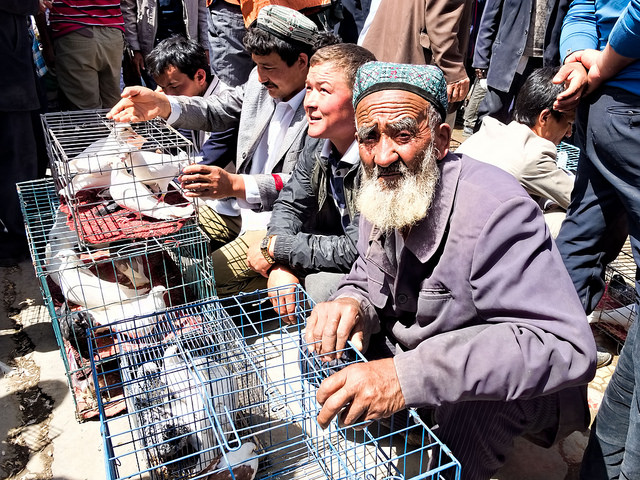

The water quality in Kazakhstan is poor, despite the nation’s access to other natural resources. Unsanitary conditions in water supply systems contribute to poor quality, which leads to a rise in illnesses including gastroenteritis and hepatitis.

United Nations Development Programme (UNDP) adviser Zhanar Sagimbayeva stated, “The population [often] use[s] water which doesn’t meet bacteriological standards. This is related to bad conditions of our water infrastructure. It has a direct effect on the health of the population.”

Furthermore, the situation is worse for those living in rural Kazakhstan. As the Central Asia Regional Economic Cooperation (CAREC) stated, “Many villagers use surface water and groundwater of poor quality.” However, urban regions in Kazakhstan are also not free from water pollution.

Water availability is unevenly distributed throughout the nation. According to a U.N. report, only three percent of Kazakhstan’s water was available to those living in the central region in 2004.

Even more concerning, is the country’s access to water as a whole. A report by Anatoly Ryabtsev, the Chairman of the Committee on Water Resources in Kazakhstan, wrote that “Kazakhstan is one of the most water-scarce countries on the Eurasian continent.”

It is unsurprising then that approximately half of Kazakhstan’s available water passes through its neighbors, according to the UNDP. Controlling the quality of water would involve regional negotiations in addition to stronger sanitation policies.

Ryabtsev warns that if provisions are not put into effect soon, Kazakhstan will face dire consequences. Not only will disease continue, but the economic and social development of the nation will be hindered.

Fortunately, the government of Kazakhstan has taken initiatives to improve the nation’s water system. Most recently, the Development Strategy of Kazakhstan up to 2030 was finalized. This establishes the government’s commitment to better water quality and conservation.

Assuming the government of Kazakhstan follows through on its strategy, the water quality in Kazakhstan is likely to improve in the near future.

– Gigi DeLorenzo

Photo: Flickr

June 21, 2017
Share this entry
  • Share on Facebook
  • Share on X
  • Share on WhatsApp
  • Share on Pinterest
  • Share on LinkedIn
  • Share on Tumblr
  • Share on Vk
  • Share on Reddit
  • Share by Mail
https://borgenproject.org/wp-content/uploads/borgen-project-logo.svg 0 0 Borgen Project https://borgenproject.org/wp-content/uploads/borgen-project-logo.svg Borgen Project2017-06-21 07:30:242020-02-12 20:28:59Water Quality in Kazakhstan

Get Smarter

  • Global Poverty 101
  • Global Poverty… The Good News
  • Global Poverty & U.S. Jobs
  • Global Poverty and National Security
  • Innovative Solutions to Poverty
  • Global Poverty & Aid FAQ’s
Search Search

Take Action

  • Call Congress
  • Email Congress
  • Donate
  • 30 Ways to Help
  • Volunteer Ops
  • Internships
  • Courses & Certificates
  • The Podcast
Borgen Project

“The Borgen Project is an incredible nonprofit organization that is addressing poverty and hunger and working towards ending them.”

-The Huffington Post

Inside The Borgen Project

  • Contact
  • About
  • Financials
  • President
  • Board of Directors
  • Board of Advisors

International Links

  • UK Email Parliament
  • UK Donate
  • Canada Email Parliament

Get Smarter

  • Global Poverty 101
  • Global Poverty… The Good News
  • Global Poverty & U.S. Jobs
  • Global Poverty and National Security
  • Innovative Solutions to Poverty
  • Global Poverty & Aid FAQ’s

Ways to Help

  • Call Congress
  • Email Congress
  • Donate
  • 30 Ways to Help
  • Volunteer Ops
  • Internships
  • Courses & Certificates
  • The Podcast
Link to: 10 Facts About the FAO Link to: 10 Facts About the FAO 10 Facts About the FAO Link to: 10 Facts About Senegalese Refugees Link to: 10 Facts About Senegalese Refugees 10 Facts About Senegalese Refugees
Scroll to top Scroll to top Scroll to top