• Link to X
  • Link to Facebook
  • Link to Instagram
  • Link to TikTok
  • Link to Youtube
  • About
    • About Us
      • President
      • Board of Directors
      • Board of Advisors
      • Financials
      • Our Methodology
      • Success Tracker
      • Contact
  • Act Now
    • 30 Ways to Help
      • Email Congress
      • Call Congress
      • Volunteer
      • Courses & Certificates
      • Be a Donor
    • Internships
      • In-Office Internships
      • Remote Internships
    • Legislation
      • Politics 101
  • The Blog
  • The Podcast
  • Magazine
  • Donate
  • Click to open the search input field Click to open the search input field Search
  • Menu Menu

Archive for category: Children

Information and stories addressing children.

Children, Global Poverty, United Nations

How to Help Honduras and Keep Its Citizens Safe

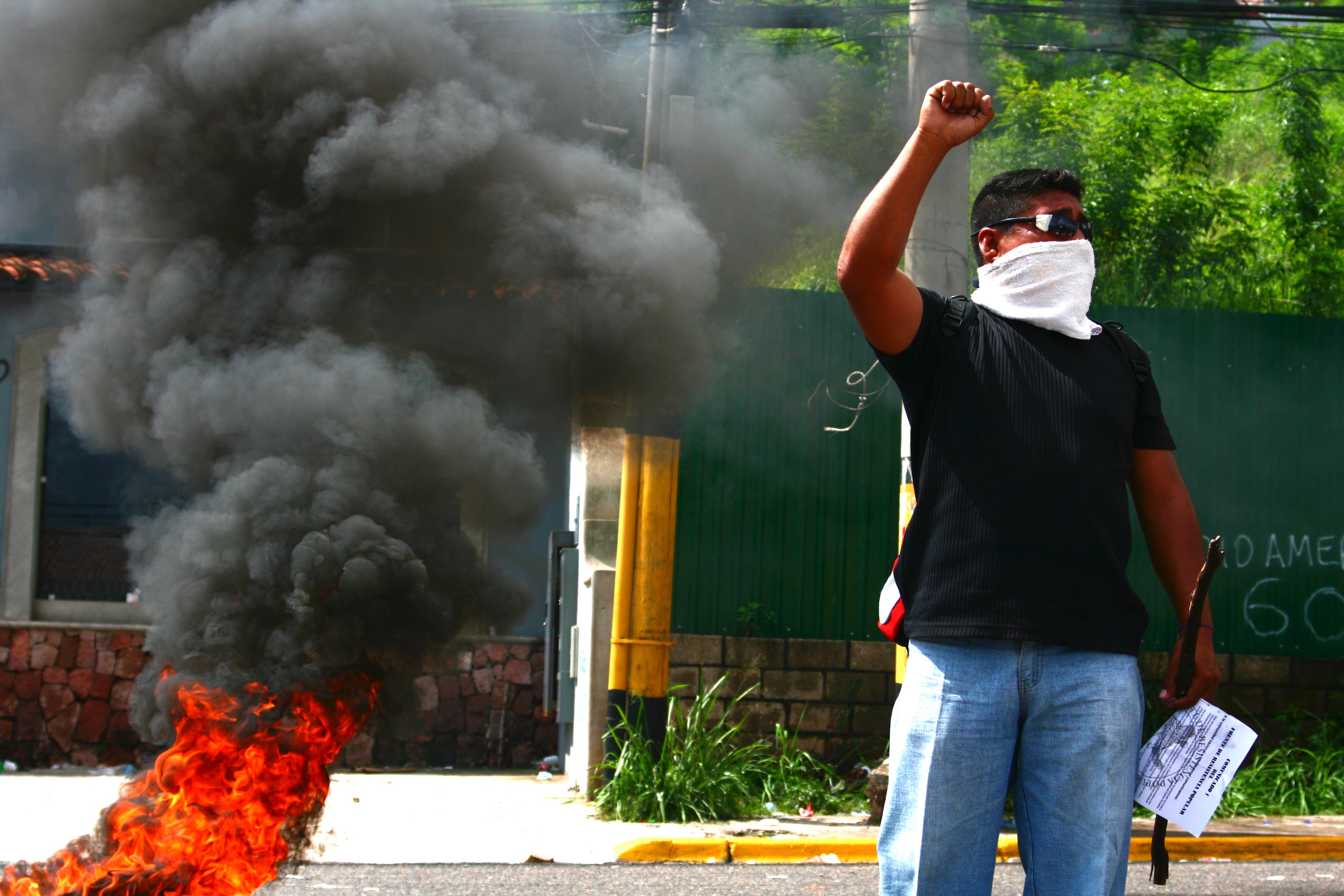
How to Help HondurasThe term “refugee crisis” has the implication that a group of individuals is subject to persecution, war and/or systemic violence. In essence, a refugee is someone that is catalyzed by fear to leave his or her homeland. So when a United Nations official surveyed the scope of Honduran migrants outside a shelter in Tapachula, Mexico in 2016 and stated “It’s really a refugee crisis,” he called on the world to answer the question “Why are Hondurans afraid to return home?”
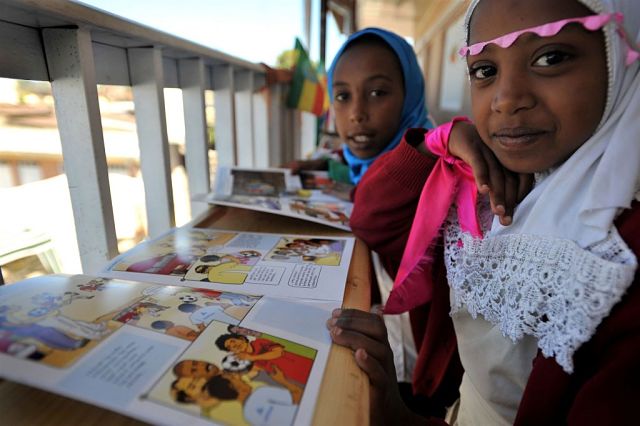
In 2014, the number of unaccompanied Honduran minors apprehended in their attempts to cross the U.S. border increased from 7,000 to 17,500. It might be hard to imagine why children might place themselves in such a vulnerable, dangerous circumstance, but this stark rise in migrants is easier to comprehend given that over 60 percent of Hondurans live below the poverty line. On top of this, unemployment is only increasing—currently resting at 7.4 percent, and projected to rise over the next few years. Families often send their children to find income outside the nation’s borders; statistics show that Honduran immigrants remit 26 percent of their income back to their home countries, second only to Guatemala.

However, youth migration is an issue that extends far beyond average familial income. As of this year, Honduras is recognized as the most violent country in the world, outside of all current war zones. Last year, the murder rate was down to 60 murders per 100,000 people, which—though still the deadliest rate in the world—has dropped drastically since 2012. This is largely due to gang violence that recruits young and influences close to every aspect of Honduran life, from early education onward. As jobs remain inaccessible, gangs and organized crime only expand. So the question we should be asking is how to help Honduras and end this cycle of crime and poverty.

One method for how to help Honduras is by donating and/or serving with Food for the Poor (FFP), an international relief and development organization based in the United States. Since 1999, in the catastrophic aftermath of Hurricane Mitch, FFP has worked to improve the conditions in Honduras in terms of agriculture, community development, housing, enterprise and youth/orphan support. In this time, the growing organization has developed close to 15,000 housing units and 15 schools, mobilizing the Honduran youth to achieve literacy and access primary education.

The largest of their 91 working projects is the La Esperanza Community Development Project, which worked in five phases to build homes and create working communities that thrive off of their capacity to be self-sufficient, with access to their own gardens, water and school/community centers. Essentially, these communities are created as safe spaces for the nation’s desolately underprivileged—preventing the vulnerable from seeking “protection” by way of violence.

One could also find out how to help Honduras by researching HELP Honduras, an organization partnered with Rotary Clubs, The Rotary Foundation and AYO (Alternativas y Opportunidades) to improve the system of education in this Latin American nation.

Standing for Health, Education and Literacy Program, HELP Honduras works to supply students with uniforms, books and school supplies in order to support their education and keep withdrawal rates down. Though education is free, the issue in Honduras is not affording school, but affording everything that a student requires. Though one may have access to a classroom, it costs on average $180 for a primary school student to enter that classroom with the essentials necessary to learn. This is out of the price range of many Honduran families, and stands in the way of the next generation becoming educated, independent adults.

On top of this, HELP Honduras sponsors certain students in Tegucigalpa, Santa Barbara and Danli. Each student is granted the necessary elements to attend school, including uniforms, shoes, books and supplies, as well as a tutor to help with any subject in which the student is struggling. This helps keep the child motivated and wanting to return.

Parents of these children are also benefitting from this sponsorship, each obligated to attend parenting courses where they take part in preventive health, vocational and educational programs. One program in particular, Economic Opportunities Training, teaches mothers the basics of market strategy, mobilizing them to become an entrepreneur and/or improve their already existing business. Not only will children feel safe and confident within the confines of their school, they will feel secure at home as well, fostering a cycle of self-confidence that will breed bright and prosperous futures.

Programs like these exist as investments in the future of Latin America and attack the roots of global poverty. Contributing your time or money to aid these programs is a huge help to them and the people of Honduras.

– Briana Fernald

Photo: Flickr

November 5, 2017
https://borgenproject.org/wp-content/uploads/borgen-project-logo.svg 0 0 Kim Thelwell https://borgenproject.org/wp-content/uploads/borgen-project-logo.svg Kim Thelwell2017-11-05 01:30:382024-05-29 22:29:02How to Help Honduras and Keep Its Citizens Safe
Children, Global Poverty

The Putting Children First Conference: Fighting Child Poverty

Putting Children First Conference1 billion children worldwide are living in poverty, with 22,000 children reportedly dying each day because of it. The Putting Children First Conference was a 3-day conference from October 23-25, 2017, held in Addis Ababa, Ethiopia meant to “engage policymakers, practitioners and researchers in identifying solutions for fighting child poverty and inequality in Africa.”

Africa currently faces extreme poverty. It is estimated that 233 million people in sub-Saharan Africa where undernourished in 2014 to 2016. Forty-seven percent of the population in Africa is living on less than $1.90 a day, which is the current global poverty line.

Organizations around the world recognize the issue of child poverty. As such, the Putting Children First Conference was held and attended by End Child Poverty, The Impact Initiative, U.K. Aid, the Comparative Research Programme on Poverty (CROP), the Economic and Social Research Council, the Ethiopian Research Development Institute, the United Nations and Ethiopia Ministry of Women and Children Affairs.

The objectives of the conference included:

  • Identifying, discussing and advocating for solutions to child poverty
  • Discussing research on who these impoverished children are, where they live, and why they are poor
  • Discussing policy and program changes
  • Networking between different researchers and policymakers
  • Teaching skills that will help move research into action

The speakers at the event included Demitu Hambisa (Minister of the Ministry of Women and Children Affairs), Leila Pakkala (Regional Director for Eastern and Southern Africa-UNICEF), Agnes Akosua Aidoo (International Board of Trustees-ACPF),  and Jane Kabubo-Mariara (Executive Director-PEP) among others.

The conference resulted in a call to action written collaboratively by the people in attendance. The call to action states six steps that should be taken to benefit children who are the most likely to be living in extreme poverty.

The Six Steps to Eradicate Extreme Child Poverty

  1. Recognize child poverty as a priority issue
  2. Create programs that specifically target poverty elimination for boys and girls at all stages of childhood
  3. Measure child poverty from all angles
  4. Strengthen existing systems to end child poverty
  5. Strengthen research on child poverty
  6. Establish an African Child Poverty Center led by African researchers

This conference allowed people to network and take steps towards creating a better world for children living in poverty.

– Téa Franco

Photo: Google

November 4, 2017
https://borgenproject.org/wp-content/uploads/borgen-project-logo.svg 0 0 Borgen Project https://borgenproject.org/wp-content/uploads/borgen-project-logo.svg Borgen Project2017-11-04 01:30:442019-12-29 17:57:10The Putting Children First Conference: Fighting Child Poverty
Children, Education, Global Poverty

Education in Kiribati: Access for Older Students

Read more
November 2, 2017
https://borgenproject.org/wp-content/uploads/borgen-project-logo.svg 0 0 Kim Thelwell https://borgenproject.org/wp-content/uploads/borgen-project-logo.svg Kim Thelwell2017-11-02 07:30:212026-01-20 07:42:25Education in Kiribati: Access for Older Students
Children, Education, Global Poverty, Government

Teachers Key to Improving Education in Samoa

Samoa is an island nation in the central Pacific Ocean. It is said to be the “Cradle of Polynesia” because it is believed that the island of Savai’i is Hawaiki, the Polynesian homeland.
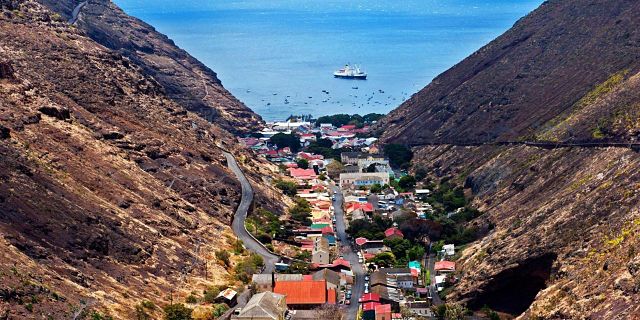
Samoa became independent from New Zealand in 1962, which brought over 100 years of foreign dominance to an end. Internationally, Samoa is thought of as a tropical paradise where the inhabitants are welcoming of tourists, but there are still problems on the small island nation, one of which is education.

The major challenges for education in Samoa include the quality of education and access to early childhood education, according to a 2015 report filed by the government of Samoa. Early childhood education helps get children ready for primary school, but most teachers do not have the skills to fully prepare them. Another concern for early childhood education in Samoa is children’s performance in basic education. A number of children do not gain basic literacy and numeracy skills, which are important for them to further their education.

The quality of teaching poses a problem for early childhood education in Samoa as well. There are some challenges when it comes to qualifications and certifications, but the main problem is the competence of teachers and principals. Many early childhood education teachers are untrained.

Primary and secondary education in Samoa also has problems. Various schools do not achieve the minimum standards for the quality of learning in the classroom. Many primary school teachers do not have the proper training and support, and teachers seldom have the skills to identify and teach special needs students. Teachers often have a lack of commitment to the profession as well. For many teachers in Samoa, teaching is not their career of choice, and they often leave when the opportunity comes up. This makes keeping good teachers a challenge in both the primary and secondary levels. To improve the quality education in Samoa, high quality teachers must be retained.

Despite this, the graduation rate among high school seniors continues to be above 90 percent, according to the Samoa Observer. Between 2011 and 2014, the graduation rate was 98 percent, but it fell to 96 percent in the 2014-2015 academic year. The CIA reported that the literacy rate among adults was 99 percent, but the country ranks 48th in education spending.

Although education in Samoa has made significant progress, it still faces problems with quality. In order to improve on this, they must they must prepare children for further schooling in their early life. Public awareness of the importance of early childhood education must be raised as well.

For primary and secondary education, marketing for teachers must be more aggressive in order to attract teachers and keep them committed to the profession. Teachers should be encouraged to find creative ways to deliver a lesson in order to keep students engaged.

– Fernando Vazquez

Photo: Flickr

November 2, 2017
https://borgenproject.org/wp-content/uploads/borgen-project-logo.svg 0 0 Kim Thelwell https://borgenproject.org/wp-content/uploads/borgen-project-logo.svg Kim Thelwell2017-11-02 07:30:132024-05-28 00:03:13Teachers Key to Improving Education in Samoa
Children, Global Poverty, Human Rights

Children’s Human Rights in Saint Helena

Human Rights in Saint HelenaSaint Helena is a tiny tropical island in the South Atlantic Ocean and remains one of the few countries part of the British Overseas Territory. Besides being well-known as Napoleon Bonaparte’s home in his last years, the island is generally not in the news. Still, different stories detailing possible child abuse yield concerns about the status of human rights in Saint Helena.
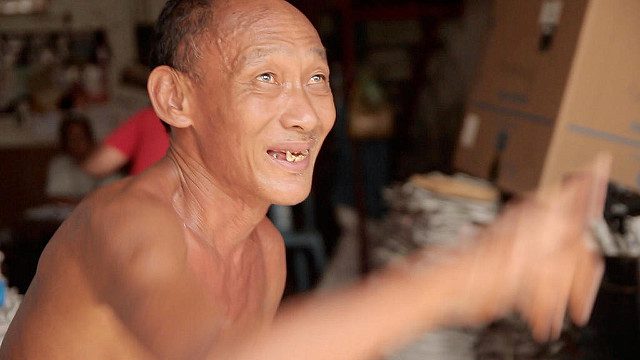
Recently, Saint Helena has been under scrutiny for possible child abuse on its shores. In 2014, the Daily Mail published a series of three articles about the “culture of sexual abuse of children” in Saint Helena. Needless to say, these articles shocked the public. The articles detailed the brutality of the abuses. More importantly, the articles suggested that authorities needed to review the policing on the island.

The articles criticized the authorities in great detail, particularly the Foreign Commonwealth Office, the local government of Saint Helena and the Department for International Development. Other occurrences suggest that child abuse is ongoing on the island, creating a grave concern for human rights in Saint Helena.

Claire Gannon and Martin Warsama, social workers from Britain, were working with island residents. Gannon and Warsama reported the abuse; later, both alleged they were threatened and forced to leave the island in retaliation for reporting such abuse.

Later, the FCO withdrew its initial report in front of the United Nations. The FCO apologized for its “erroneous report” that denied the allegations of child abuse. Gannon and Warsama were furious. In return, the social workers sued the FCO and the United Kingdom Department for International Development.

The FCO was faced with a public outcry. As result, it commissioned a report by a children’s charity, the Lucy Faithfull Foundation. The foundation kept its report confidential. However, the contents were leaked to a website the social workers had created to help drum up support for their lawsuit. The report noted that there was a culture on the island of abusing teenage girls through “violent and brutal attacks.”

The reports generated by the FCO indicate that there is, at a minimum, some ongoing child abuse on the island. One of the reasons such abuse could potentially take place is because of the small population: there are just over 4,000 permanent residents of the island. It is well-established that abusers often become close to their victims.

The government of Saint Helena has begun taking an active interest in the welfare of children as a whole. In 2010, the Welfare of Children Regulations formed the Safeguarding Children’s and Young People’s Board. To avoid undue political influence as much as possible, the board is chaired independently, though it does report to the governor of Saint Helena. Other members of the board include those who work with children regularly: representatives from the different sectors of health, social services, education and nongovernmental organizations.

The board is a sincere effort from the government to protect children’s interests; it meets every six weeks and when there is an urgent matter. The board also strives to harmonize different elements of the government, so that various agencies can work for the betterment of children’s interests.

– Smriti Krishnan

Photo: Google

October 31, 2017
https://borgenproject.org/wp-content/uploads/borgen-project-logo.svg 0 0 Borgen Project https://borgenproject.org/wp-content/uploads/borgen-project-logo.svg Borgen Project2017-10-31 07:30:142024-05-29 22:27:15Children’s Human Rights in Saint Helena
Children, Food Security, Global Poverty, Hunger, Women

Hunger in Malaysia on the Decline

Hunger in MalaysiaMalaysia has shown remarkable economic progress over the past several decades, with poverty falling from 49.3 percent in 1970 to 23 percent in 1989 and 1.7 percent in 2012. One of the key aspects of the New Economic Policy adopted by Malaysia was creating a “Pro-Poor” policy. According to the World Bank, “the NEP contributed to poverty reduction and helped provide opportunities to poor households.”
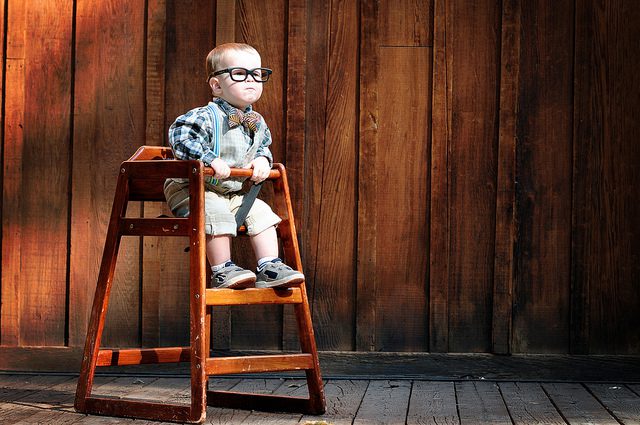
However, Malaysia’s Poverty Line Income differs from the standard $1 USD per day (purchasing power parity) poverty line. When converting to international standards, it results in Malaysia having a higher poverty rate.

There has never been a problem of chronic hunger in Malaysia. Many nutrition programs have been incorporated into the rural development programs and have proved successful. According to the World Health Organization, consumption of fewer than 1,960 calories a day is a mark of food poverty. A great indicator of successful eradication of hunger in Malaysia lies in the fact that its daily per capita intake of calories has been consistently above the standard mark. The average was 2,969 in 1999.

The government introduced the Applied Food and Nutrition Programme in 1972 to improve nutrition and alleviate hunger in Malaysia. It aimed to increase the production of nutritious foods and promote supplementary feeding of pregnant and lactating mothers as well as infants and school-going children.

The Nutrition Rehabilitation Programme started in 1989, focusing on malnourished children. Food baskets containing nutritional supplements are distributed to such children on a monthly basis.

The results have been very positive. Only 1 percent of Malaysia’s children under the age of five are severely underweight, while the proportion of moderate underweight malnutrition has declined from 25 percent in the early 1990s to 12 percent in 2001.

Malaysia has overcome poverty through an inclusive approach to growth and equity. But there are still vulnerable groups, like single female-headed households and the elderly. Also, many Orang Asli still face extreme poverty. To move forward, a new consensus has to be built around a poverty line that is more balanced in line with international standards, as was suggested by the UNDP.

– Tripti Sinha

Photo: Flickr

October 27, 2017
https://borgenproject.org/wp-content/uploads/borgen-project-logo.svg 0 0 Kim Thelwell https://borgenproject.org/wp-content/uploads/borgen-project-logo.svg Kim Thelwell2017-10-27 07:30:482024-06-05 02:36:40Hunger in Malaysia on the Decline
Children, Developing Countries, Education, Global Poverty, Health

Child Vision: Glasses for Children in Impoverished Countries

Child Vision: Glasses for Children in Impoverished CountriesThere are 100 million young people in the world that have poor vision, and about 60 percent of them lack access to corrective glasses. Glasses are considered a luxury in these parts of the world. This has a big impact on kids in school, as they cannot see the blackboard clearly and lose about half a year of schooling as a result. Child Vision glasses are a cheap alternative to normal prescription glasses for children in impoverished countries.
Child Vision glasses are different from conventional glasses because they are adjustable. Each lens is actually two lenses with space in the middle. After taking a simple eye chart test, kids put on the Child Vision glasses and they can adjust it themselves. They cover one eye and turn a knob that will adjust the glasses.

The knob adjusts the liquid that is inside the lenses. The liquid causes the lenses to expand or contract, thus adjusting the prescription of the glasses. Kids turn the knob until they can see clearly. Once they can see clearly, they take off the adjustors to seal the prescription. Unfortunately, that means that kids only have one opportunity to correct their vision, but it seems that the success rate is high.

Out of all the users of adjustable glasses, 92 percent of them were able to correct their vision. One of the main reasons why glasses are considered a luxury is because of their price. The average price for glasses is about $196. The creators of Child Vision recognized this problem and worked to make the adjustable glasses affordable for those in the developing world. The average cost for Child Vision glasses is €16, or about $19.

One of the best things about these glasses is that they do not need an optometrist to correct their vision. Anyone with basic training can administer an eye chart exam to help kids learn if they need glasses.

Thanks to Child Vision, glasses for children in impoverished countries are now available. These low-cost adjustable glasses are easy to adjust and give to kids. Child Vision is giving kids the glasses they need so they can better participate in school and make the most of their education.

– Daniel Borjas

Photo: Flickr

October 27, 2017
https://borgenproject.org/wp-content/uploads/borgen-project-logo.svg 0 0 Kim Thelwell https://borgenproject.org/wp-content/uploads/borgen-project-logo.svg Kim Thelwell2017-10-27 07:30:322020-01-10 12:30:45Child Vision: Glasses for Children in Impoverished Countries
Children, Education, Global Poverty

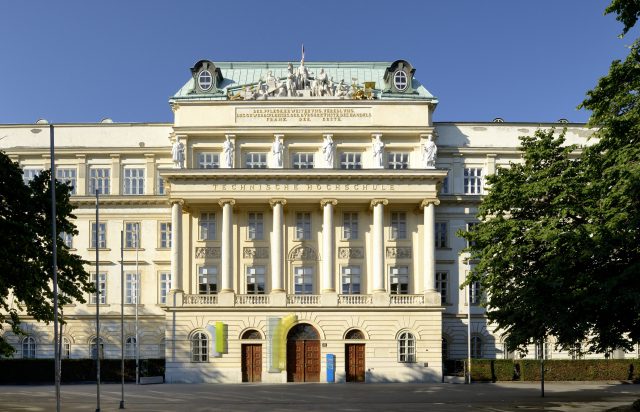
Education in Austria is One of the Best in Europe

Education in Austria

Education is always essential regarding the success of the social and economic future of a country, and education in Austria is no exception. The Republic of Austria has a free and public school system, and nine years of education are mandatory throughout the nation from the ages of six to fifteen, or first to ninth grade.

In Austria, there are multiple levels of education for citizens of all ages. When it comes to children ranging from the ages of zero to six, these students are taken care of in nurseries called Kinderkrippen. Kindergarteners range from the ages of three to six years old, and very young children that are usually around the age of two are looked after in small groups by day parents called Tagesmütter, and are found mostly in smaller towns and rural areas.

The first four years of schooling is completed at primary schools called Volksschule or Grundschule. From the age of ten, children are able to attend a junior high school or a secondary school called Hauptschule or Cooperative Mittelschule. Once children have entered into ninth grade at the ages of 14 or 15, they will be schooled at a polytechinical school called a Polytechnische Schule, which will ultimately prepare students for vocational orientation, an apprenticeship or even for more schooling.

Education in Austria does not stop at grade nine, however. There are many apprenticeships that students can pursue, and about 250 apprenticeship training courses exist that last between three and four years. Their occupation is learned on the job and at the school simultaneously. These students will then go on to take a final exam and become either a skilled technician or craftsman.

There are also Austrian universities and colleges that a citizen can attend, including adults. The Matura is a graduation examination that is a prerequisite for higher education in the nation.

While the standard of education in Austria may not exactly be on par with that of the United Kingdom or the United States, those considering relocating to Austria can still expect for their children to receive a sound education. Overall, the quality of education in Austria is quite good, as state schools provide a schooling that is very high in comparison to other educational systems within Europe.

– Sara Venusti

Photo: Google

October 27, 2017
https://borgenproject.org/wp-content/uploads/borgen-project-logo.svg 0 0 Kim Thelwell https://borgenproject.org/wp-content/uploads/borgen-project-logo.svg Kim Thelwell2017-10-27 01:30:412020-01-10 12:33:05Education in Austria is One of the Best in Europe
Children, Hunger

Hunger in Poland an Ongoing Post-Soviet Battle

Hunger in Poland

Every day in Poland, almost 120,000 children go to school hungry. More than half of these children rely almost entirely on meals supplied by their school or another type of government-funded meal program. Hunger in Poland is one of the most pressing issues facing the nation, and despite the alarmingly high number of hungry Polish children, the Polish government’s plan to address this crisis is to spend 550 million zlotych (roughly $153 million) per year on food programs. When you do the math, this equates to less than $70 per child per year.

Poland ranks third in the European Union on the list of the most children living in poverty, behind only Romania and Belarus. Poverty, hunger and limited access to education all go hand in hand, and today the children of Poland are facing a crisis of epic proportions.

The foundations of hunger in Poland can be traced back to the nation shifting from a planned to a market economy in 1989. This created a sort of vacuum in terms of economic control, and it allowed a wealthy minority to capitalize on the shift while the poor grew poorer. The economic shift marked the beginning of a steady increase in economic inequality in Poland. Ensuing conditions in the years since 1989 led to spiking levels of unemployment, emigration and labor strikes.

Poland is a Second World, the former socialist state still reeling from economic turmoil created decades before. In 2017, the repercussions of the radical shift in the Polish economic system can be seen in the faces of hungry children. But given the necessary assistance, Poland can rebound and develop into a balanced, self-sustaining economic power in Eastern Europe.

There are a number of charities of a variety of sizes and origins currently working in Poland. They range from the Red Cross, which provides aid around the world, to the local Emaus Lubin charity, based in Lubin, Poland, which helps hungry Poles by supporting food systems and social welfare programs.

The humanitarian crisis in Poland needs to be combated with the full efforts of the international aid community. The children of Poland who wake up and go to school without breakfast are depending on our help, and today is the day to implement the change to stop this cycle of poverty and hunger in Poland.

– Ty Troped

Photo: Flickr

October 22, 2017
https://borgenproject.org/wp-content/uploads/borgen-project-logo.svg 0 0 Kim Thelwell https://borgenproject.org/wp-content/uploads/borgen-project-logo.svg Kim Thelwell2017-10-22 01:30:492024-05-29 22:27:41Hunger in Poland an Ongoing Post-Soviet Battle
Children, Hunger

Hunger in Barbados: Tackling the Effects of Malnourishment

Hunger in Barbados

Barbados is an eastern Caribbean island that, along with other Caribbean nations, has faced problems with malnourishment. Hunger in Barbados and other Caribbean countries was a major issue between 1990 and 1992 when there were an estimated 8.1 million malnourished citizens in these countries.

However, by 2016, that number decreased to 7.5 million, improving by 7.4 percent. Barbados is also one of the leaders in the Caribbean when it comes to ending malnourishment. Barbados, along with Guyana and St. Vincent and the Grenadines, met the global hunger target set at the World Food Summit in 1996. Hunger in Barbados is nearly gone; the estimated rate of malnourishment in Barbados is less than 5 percent.

Barbados has taken great steps towards ending hunger; however, Barbados has a new problem: childhood obesity. At the National Committee Monitoring the Rights of the Child, Consultant Pediatrician from the Queen Elizabeth Hospital Professor Anne St. John gave a speech. She praised Barbados for conquering malnutrition and the illnesses that go along with it, but then said, “now we have gone from under-feeding to overeating, and obesity is a form of malnutrition.”

Dr. St. John also explained that the average Barbadian is now eating 400 more calories a day than they were just 30 years earlier. According to a 2005 study, about 27 percent of students in primary school are obese, which could be a result of these extra calories that mostly come from fat and snacks. Dr. St. John believes that cultural practices and traditions may be a contributing factor to this weight gain in adolescents. She says that some parents claim their child is a picky eater, but some parents take more drastic measures. She has heard stories of parents hitting their children with a belt or ruler if they do not finish their plate or some resort to “shoveling food down the child’s throat”.

Along with the increase in calorie intake, the idea around exercise at a young age has also affected obesity rates. Dr. St. John explained that when children begin choosing classes in the third form, some schools do not have physical education as a requirement, so some students no longer take it. Also, students’ parents are using conditions such as asthma as an excuse to take them out of these classes, when in reality they should stay in, as it helps increase their lung capacity.

Barbados is working on ways to stop this increase in childhood obesity, such as removing mascots from children’s cereal like Tony the Tiger. Children may choose these cereals based on the characters when in reality they are full of sugar and less healthy than alternatives. Educators are also trying to teach children that fruit juices, though they contain fruit in the name, are actually unhealthy based on the added sugars. Like hunger in Barbados, obesity is another issue that Barbadians will be sure to solve.

– Scott Kesselring

Photo: Flickr

October 22, 2017
https://borgenproject.org/wp-content/uploads/borgen-project-logo.svg 0 0 Kim Thelwell https://borgenproject.org/wp-content/uploads/borgen-project-logo.svg Kim Thelwell2017-10-22 01:30:002024-05-29 22:27:41Hunger in Barbados: Tackling the Effects of Malnourishment
Page 92 of 137«‹9091929394›»

Get Smarter

  • Global Poverty 101
  • Global Poverty… The Good News
  • Global Poverty & U.S. Jobs
  • Global Poverty and National Security
  • Innovative Solutions to Poverty
  • Global Poverty & Aid FAQ’s
Search Search

Take Action

  • Call Congress
  • Email Congress
  • Donate
  • 30 Ways to Help
  • Volunteer Ops
  • Internships
  • Courses & Certificates
  • The Podcast
Borgen Project

“The Borgen Project is an incredible nonprofit organization that is addressing poverty and hunger and working towards ending them.”

-The Huffington Post

Inside The Borgen Project

  • Contact
  • About
  • Financials
  • President
  • Board of Directors
  • Board of Advisors

International Links

  • UK Email Parliament
  • UK Donate
  • Canada Email Parliament

Get Smarter

  • Global Poverty 101
  • Global Poverty… The Good News
  • Global Poverty & U.S. Jobs
  • Global Poverty and National Security
  • Innovative Solutions to Poverty
  • Global Poverty & Aid FAQ’s

Ways to Help

  • Call Congress
  • Email Congress
  • Donate
  • 30 Ways to Help
  • Volunteer Ops
  • Internships
  • Courses & Certificates
  • The Podcast
Scroll to top Scroll to top Scroll to top