Top 10 Wild Facts About Living Conditions in Poland
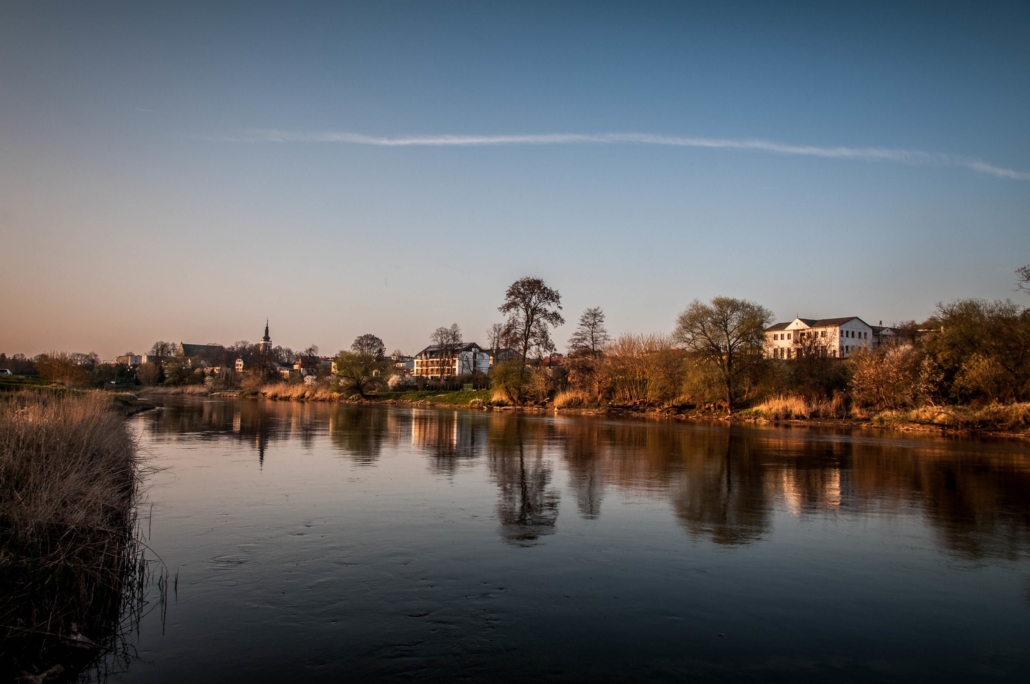
Situated in Central Europe, Poland neighbors Slovakia, Ukraine and the Czech Republic to the North, Russia, Lithuania and the Baltic Sea to the South, Belarus to the East and Germany to the West. Home to the eighth largest economy in the European Union, 30 percent of the nation’s landscape is covered with forests partially due to the national reforestation program. While the nation has begun to gradually reduce poverty, nearly 15 percent of the Polish population face poverty. Listed below are the top 10 facts about the living conditions in Poland.
Top 10 Facts About Living Conditions in Poland
- Poland boasts one of Europe’s best education systems with a 96.8 percent primary school enrollment rate leading to a 99.7 percent adult literacy rate. The nation has taken part in education reforms stemming from the 1990s which have led to positive improvements on students’ educational performance. Twelve Poles have won the Nobel Prize, causing Poland to be ranked 17th for the number of wins in the world.
- Young people in Poland face high unemployment and when employed, often take temporary jobs. Temporary positions employ 66 percent of young Poles leading to layoffs in the 2009 economic downturn. To combat the rising rates of youth unemployment, the Tripartite Commission, a labor relations forum in Poland, introduced an anti-crisis package that focused on increasing minimum wage and co-financing training. Polish trade unions highlighted the importance of equal treatment of different contracts and implementing the same tax rates.
- The average earnings of high earners (earning greater than 90 percent of workers) is 4.7 times greater than a low earner (earning less than 90 percent of workers) in Poland. This high-to-low ratio is among the highest in the European Union. Three primary factors impacting wage dispersion include the disparity in pay due to levels of education, low levels of compensation (often below minimum wage) and low density of trade unions in the nation. Polish people have seen a decrease in social inequality due to a focus on reforms regarding the tax-benefit system and family allowance system as well as a fall in wage dispersion.
- Poland is one of 58 countries worldwide to offer its citizens universal health care. Treatment of sudden illnesses and emergencies is typically free. Costs in the private medical sector are higher than in the public medical sector.
- One in four Polish children faces poverty, one of the highest childhood poverty rates in Europe. This particularly affects large families and single-parent families. In 2016, the Polish government introduced the Family 500+ program which provides a monthly payment of 500 Zlotys ($130.00) for every child after the first until the age of 18. The first child in families whose income is below a defined threshold receives this benefit. The program predicts that it will initiate a significant decrease in childhood poverty.
- Poland’s national minimum wage increased from 2,100 Zlotys ($548.66) in 2018 to 2,250 Zlotys ($587.85) in 2019. The nation’s annual variation rate of the Consumer Price Index increased 1.2 percent, granting Poles buying power in the economy. The cost of living in Poland is 44.9 percent lower than the United States.
- Ranked 189 out of 200, Poland’s fertility rate is among the lowest in the world. The nation is in the first stages of initiating a family policy.
- The Organisation for Economic Co-operation and Development suggests that Poles are less than satisfied with their lives as they rank their life satisfaction an average of six which is less than the average of a six and a half. Particular noteworthy factors within Polish lives include strong personal security and education, and below average health status and income.
- According to the World Health Organization in 2016, Poland’s life expectancy stood at 78 years old. Women have a life expectancy of 82 years while men have a life expectancy of 74 years. Looking over the past several years, Poland’s life expectancy has seen a minimal decrease. Researchers from the Medical University of Lodz divided the major causes of death into three groups. The first group was comprised of infectious diseases, diseases related to childbirth/pregnancy and malnutrition which are the least common causes of death. Chronic noninfectious diseases such as cancer or heart disease made up group two which are the most common causes of death in Poland. External causes of death such as accidents and suicide contribute to 15.7 percent of male lives lost and 5.3 percent of females. External causes of death have seen a decrease.
- World Bank Data shows that Poland’s GDP growth has reached 5.1 percent in 2018, improving the Polish economy. Challenges still face the Poles in “shortage of labor in the economy, procyclical government policies encourage by the political calendar, and adverse global factors.” These issues could weigh on the continuance of Poland’s GDP growth.
The Eastern European country finds itself prospering economically amidst below average life satisfaction, high unemployment in young adults and low fertility rates. The good fortune of the Polish people is a central interest of the government. These 10 facts about living conditions in Poland indicate that contributions to the sustainment of the country are helping as literacy rates are on the rise, the minimum wage has increased and poverty has waned in recent years.
– Gwendolin Schemm
Photo: Flickr
