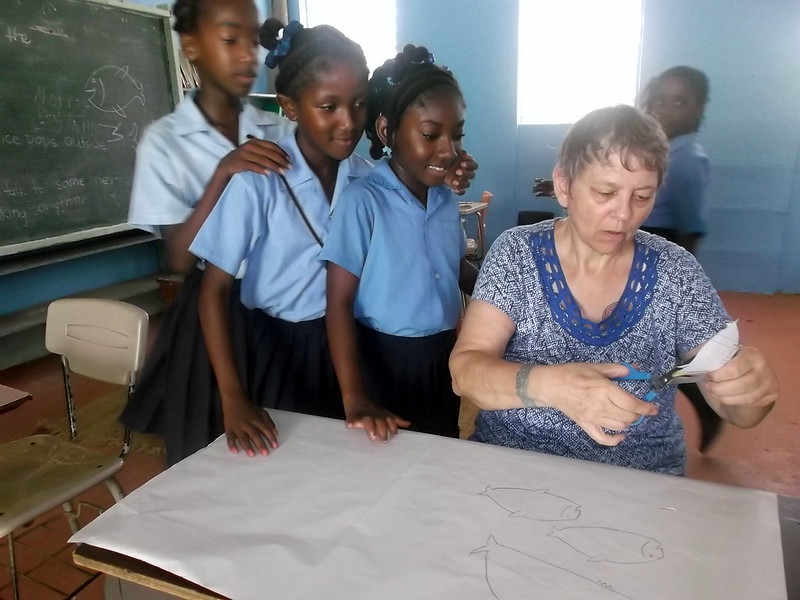
Kiribati, a low-lying Pacific island nation, has made steady progress toward universal education over the past decade, particularly at the primary and junior secondary levels. Education reform has been critical to the government’s broader development agenda, with the aim of reducing poverty, strengthening human capital and keeping children out of early labor. While access has increased significantly, the transition to senior secondary education remains one of the system’s most persistent challenges.
Free Basic Education and Enrollment Gains
Education in Kiribati is free and compulsory at the primary level (Grades 1–6) and junior secondary level (Grades 7–9), a policy reinforced through the government’s National Development Strategy and Education Sector Strategic Plan. By eliminating school fees at these levels, Kiribati drastically decreased financial barriers for families. According to UNICEF, primary school enrollment rates in Kiribati consistently exceed 90%, with near gender parity across most islands.
Retention outcomes have also improved. Data from Kiribati’s Ministry of Education reveal that nearly 88% of students who complete primary school now transition to junior secondary school, an important achievement in a country where geographic isolation often limits access. A Ministry of Education official explained that “fee-free schooling has changed expectations – parents now see education as a right rather than a privilege.”
Senior Secondary Education Bottleneck and Looking Ahead
Despite these gains, access drops sharply at the senior secondary level. Advancement requires passing the Junior Secondary Certificate Examination, which immediately restricts progression. Even for students who qualify academically, money issues remain serious, as senior secondary education is not fully subsidized.
Geography compounds the problem. Most senior secondary schools are concentrated on South Tarawa, forcing students from the Outer Islands to relocate or board, creating additional costs and social disruption. As a result, only around one-third of junior secondary graduates advance to senior secondary school. One parent from an outer island claimed, “It’s not that our children don’t want to study, it’s that the journey is too far and too expensive.”
In response, the government has shifted its focus from access alone to quality, relevance and skills development. Through the Kiribati Education Sector Strategic Plan (KESSP), implemented in 2020 with support from partners such as Australia, UNICEF and the Global Partnership for Education, reforms have targeted teacher training and curriculum modernization.
Curricula have been updated to emphasize practical skills linked to employment, including maritime training, technical education and climate resilience. Investments in teacher professional development have begun to enhance classroom instruction, particularly in early-grade reading. Evaluations show improved learning outcomes where trained teachers and updated materials are consistently available.
Education in Kiribati has made measurable gains, especially in participation and completion at the basic level. However, expanding access to affordable senior secondary education is crucial if these early gains are to translate into long-term economic opportunity. The key challenge is ensuring that students can go further, using their education to build resilient futures. With continued investment and customized support for secondary pathways, Kiribati’s education system is increasingly positioned to deliver not just access, but lasting outcomes.
– Jeff Zhou
Photo: Flickr
