• Link to X
  • Link to Facebook
  • Link to Instagram
  • Link to TikTok
  • Link to Youtube
  • About
    • About Us
      • President
      • Board of Directors
      • Board of Advisors
      • Financials
      • Our Methodology
      • Success Tracker
      • Contact
  • Act Now
    • 30 Ways to Help
      • Email Congress
      • Call Congress
      • Volunteer
      • Courses & Certificates
      • Be a Donor
    • Internships
      • In-Office Internships
      • Remote Internships
    • Legislation
      • Politics 101
  • The Blog
  • The Podcast
  • Magazine
  • Donate
  • Click to open the search input field Click to open the search input field Search
  • Menu Menu

Archive for category: Children

Information and stories addressing children.

Child Soldiers, Children, Global Poverty, Human Rights, Human Trafficking

10 Shocking Facts About Child Soldiers

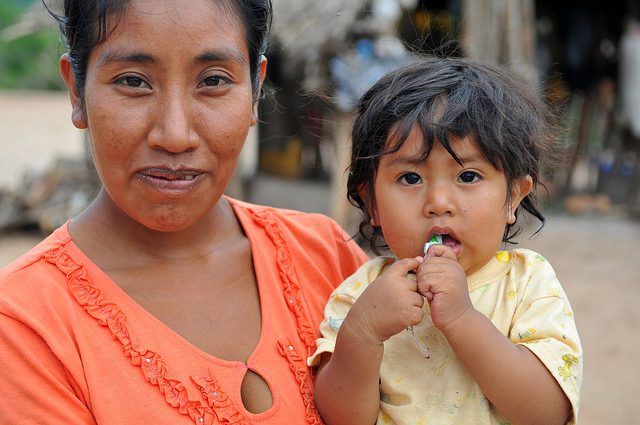
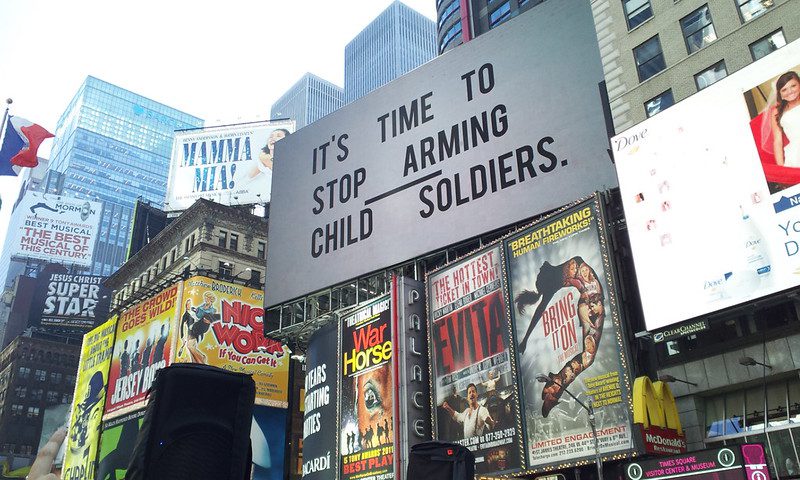
facts about child soldiersAlthough improvements have been made to end the use of child soldiers, it is believed that close to 300,000 child soldiers are still being recruited and forced into war across the world today. Child soldiers are children under the age of 18, some even as young as seven years of age, who are used for any purpose in a military or armed group. Child soldiers can act as cooks, messengers, informants, soldiers, suicide bombers or even sex slaves.
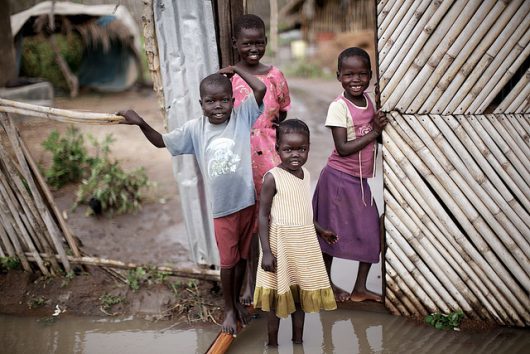
Why do people use child soldiers? Armed forces can manipulate children easily, they do not eat very much food, and they do not have to be paid. Soldiers take advantage of this and use children as pawns in their dangerous battles.

10 Child Soldier Facts

  1. Forty percent of the world’s armed forces use child soldiers.
  2. Though child soldiers are often associated with African conflicts, they have been used throughout history in armies all over the world.
  3. Children who are poor or have little access to education have a higher chance of being forcibly recruited.
  4. Some children choose to enter the military to escape poverty or because they believe they will be offered safety and security by doing so.
  5. Sometimes, as part of their recruitment, child soldiers are forced to kill family members or neighbors to desensitize them and make it so the children cannot go back to their homes and communities.
  6. Children are often used to man checkpoints when there is no active combat taking place. The soldiers will stand several meters back so if anyone starts to fire a weapon, the child soldiers will be the first ones to get hit.
  7. Girl soldiers are often used as “wives” and are sexually abused. Human Rights Watch has reported girl soldiers being impregnated by their commanders and having to fight with their child strapped to their backs.
  8. Child soldiers are known to be fighting in at least 14 countries, including Afghanistan, India, Iraq and Thailand.
  9. If child soldiers are released, they often lack basic survival skills because they were supplied food and shelter in battle. This makes it difficult for them to survive if and when they become free.
  10. When child soldiers are released, many are shunned and given little if any support to reintegrate into their communities. If there is a lack of rehabilitation support, children are frequently recruited back into the military.

These are only a few of the most disturbing facts about child soldiers. Children from all around the world are ripped from their youth and thrown into a merciless world of battle. In order to help these children return to a normal life, UNICEF has established rehabilitation centers in current and former conflict areas. The support these centers provide is crucial to healing former child soldiers and reintegrating them into their communities. This work combined with international pressure to end the practice can make these facts about child soldiers part of the past instead of the present.

– McCall Robison

Photo: Flickr

January 2, 2018
https://borgenproject.org/wp-content/uploads/borgen-project-logo.svg 0 0 Borgen Project https://borgenproject.org/wp-content/uploads/borgen-project-logo.svg Borgen Project2018-01-02 01:30:122024-05-27 09:25:1110 Shocking Facts About Child Soldiers
Children, Developing Countries, Global Poverty

How Safe Spaces Help Children In Extreme Poverty


“Safe spaces” are places or environments in which people can feel confident that they will not be exposed to discrimination, criticism, harassment or any other emotional or physical harm. Often, safe spaces are discussed with respect to American colleges. However, psychological aid and safe spaces help children in developing countries as much as food and water. Here are therapeutic success stories from around the globe.

Bangladesh

The South Asian country became host to hundreds of thousands of child refugees from Rohingya. In addition to basic survival needs, UNICEF has provided Bangladesh’s children with facilities for psychological therapy. Trained therapists have become just as vital as Art Corners in providing refugee kids a childhood. “I try to heal them by talking about their drawings,” said counselor Mosammat Mili Akhter in an interview with Al Jazeera.

In the UNICEF guide to developing Child-Friendly Spaces (CFS), the organization highlights the importance of providing toys and art supplies. After a disaster, reasons UNICEF, children lack social settings and avenues for play, which are essential for developing resilience and dignity.

Nepal

Children can be just as devastated by material loss as adults. When a magnitude 7.8 earthquake struck Nepal in 2015, many families lost everything. World Vision set up CFS centers to give kids an escape from local chaos. Volunteers led children in drawing, coloring, singing and puzzle solving.

Young victims in an emergency, according to UNICEF, lose their routines and social protection networks in addition to their possessions. Emergencies affect children’s cognitive and emotional development. These safe spaces help children overcome trauma and become self-sufficient later in life.

Arpanah Rongong, the child protection specialist working for World Vision, defended devoting resources to entertaining children instead of just feeding them. “It’s important for the children to get back to a schedule, and to have something they can enjoy that they know is going to happen at a certain time each day,” said Rongong.

Uganda

The safe center set up by the Christian Children’s Fund in Northern Uganda not only gives children a place to play, but it also teaches children about basic hygiene and nutrition. A comparative study of two camps, one with a safe center and one without, proved that safe spaces help children in extreme poverty. According to UNICEF, “children who had participated in the CFS seemed more prepared to return to school and less violent with other children.”

UNICEF adds that the Uganda CFS center was designed to support adolescents aged seven to 13, though it was soon adapted to help younger children. This discovery suggests that therapy is a useful tool for trauma survivors of any age. These safe spaces help children with the power to match the most generous charity donation.

– Nick Edinger

Photo: Flickr

December 9, 2017
https://borgenproject.org/wp-content/uploads/borgen-project-logo.svg 0 0 Borgen Project https://borgenproject.org/wp-content/uploads/borgen-project-logo.svg Borgen Project2017-12-09 01:30:382024-05-29 22:29:43How Safe Spaces Help Children In Extreme Poverty
Children, Human Rights

Addressing the Issue of Children’s Human Rights in Saint Helena

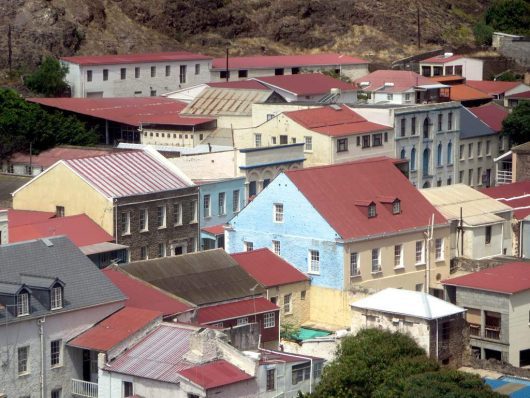
Saint HelenaSaint Helena is a small tropical island in the southern Atlantic Ocean and remains one of the few countries that is part of the British Overseas Territories. Saint Helena has been a part of the British territories for many years, far from the mainland in its remote locale. Though the island is isolated, there is a question as to the current issue of human rights in Saint Helena. Recently, Saint Helena has been under scrutiny for possible child abuse on its shores.
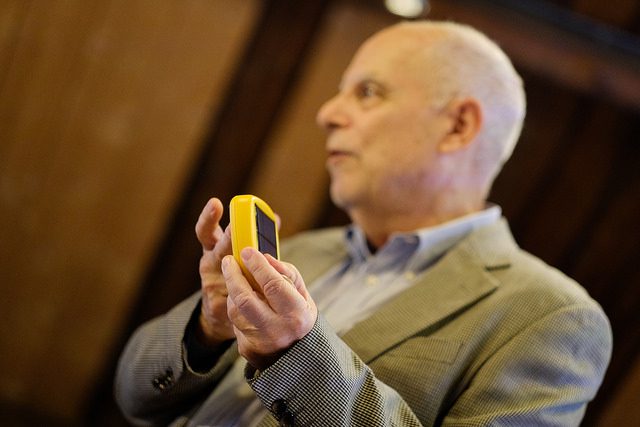
In 2014, the Daily Mail published a series of three articles about the “culture of sexual abuse of children” in Saint Helena. Needless to say, these articles shocked the public. The articles detailed the brutality of the abuses. More importantly, the articles suggested that authorities needed to review the policing occurring on the island.

The articles criticized the authorities in great detail, particularly the Foreign Commonwealth Office, the local Government of Saint Helena and the Department for International Development. Other coincidental occurrences suggest that there is child abuse ongoing on the island as well, creating a grave concern for human rights in Saint Helena.

Claire Gannon and Martin Warsama are social workers from Britain who worked with Saint Helena residents. Gannon and Warsama reported the occurrence of rampant child abuse; later, both alleged they were threatened and forced to leave the island in retaliation for reporting such abuse.

After denying these accusations of abuse to the U.N., the Foreign Commonwealth Office (FCO) of Britain drafted a report in which it noted that child abuse was indeed a plague on the island. The report alleged that police officers assaulted a four-year old girl and mutilated a two-year old toddler. The FCO apologized for its “erroneous” original report. Gannon and Warsama were furious. In return, the social workers sued the FCO and the United Kingdom Department for International Development.

The FCO was faced with public outcry. As a result, it commissioned a report by a children’s charity, the Lucy Faithfull Foundation. The Foundation kept its report confidential. However, the contents were leaked to a website the social workers had created to help drum up support for their lawsuit. The report noted that there was a culture on the island of abusing teenage girls through “violent and brutal attacks.”

The two different reports generated by the FCO indicate that there is, at a minimum, some ongoing child abuse in a social pattern on the island. One of the reasons such abuse could potentially be taking place is because of the small population: there are just over 4,000 permanent residents of the island. It is well-established that abusers often become close to their victims.

The government of Saint Helena has been taking an active legislative and political interest in the welfare of children as a whole. Beginning in 2010, the Welfare of Children Regulations has been shaping the Safeguarding Children’s and Young People’s Board. To avoid undue political influence as much as possible, the Board is chaired independently, though it does report to the Governor of Saint Helena. Other members of the Board include those who work with children regularly: representatives from the different sectors of health, social services, education and nongovernmental organizations.

The Board is a sincere effort from the government to protect children’s interests; it meets every six weeks and when there is an urgent matter. The Board also strives to harmonize different elements of the government, so that various agencies can work for the betterment of children’s interests.

Saint Helena is a closed-off island. Besides being well-known for being Napoleon’s home during his last years, the island is generally not in the news. Still, different stories detailing possible child abuse yield concerns about the status of human rights in Saint Helena. The government’s efforts to restore these rights serve as an encouraging step forward in the fight to end child abuse.

– Smriti Krishnan

Photo: Flickr

December 5, 2017
https://borgenproject.org/wp-content/uploads/borgen-project-logo.svg 0 0 Borgen Project https://borgenproject.org/wp-content/uploads/borgen-project-logo.svg Borgen Project2017-12-05 07:30:462024-05-29 22:27:15Addressing the Issue of Children’s Human Rights in Saint Helena
Children, Global Poverty, Technology

Deaftronics: Tackling Hearing Loss in Impoverished Countries

Hearing Loss in Impoverished CountriesThere are 200 million people in Africa alone who have some form of hearing impairment that can be alleviated by using hearing aids. Unfortunately, hearing aids are not widely available and they are not cheap. Deaftronics plans on tackling hearing loss in impoverished countries with their solar hearing aid.
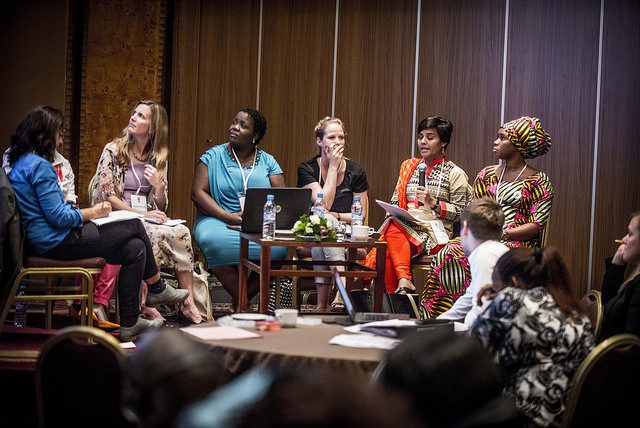
Hearing loss can be caused by a number of factors. It can be caused by damage to the outer, middle or inner ear. Hearing loss can also be genetic. Those who suffer from this condition can end up having a number of issues in their lives.

Hearing loss makes it much more difficult for children to learn how to speak, which causes them to develop more slowly than other children. In the classroom, children with some form of hearing loss will have a much more difficult time understanding what is being taught to them. They will end up falling behind and possibly fail classes. As they grow older, these kids will end up having a much more difficult time finding jobs and providing for their families. This ends up keeping those with hearing loss within the cycle of poverty.

Hearing aids can be used to assist those with hearing loss, but they can be expensive. The average cost of a hearing aid is about $600 and battery replacement can be costly. Batteries for hearing aids usually run out within 10 days, which results in frequent, costly battery replacements.

The solar hearing aid hopes to alleviate this costly issue and take on hearing loss in impoverished countries. As the name implies, the solar hearing aids run on solar power. Users set the batteries in a solar charging station in the sunlight to charge the batteries for the solar hearing aids. Then the users place the batteries in their hearing aids, which are fully functional for about 10 days.

Although the solar hearing aids include hearing aids along with the solar battery, the battery can work with about 80 percent of all hearing aids. Therefore, those who need hearing aids are not limited to a single pair of hearing aids.

Cost is a large factor in why hearing aids are not widely available to those who need them. Compared to the $600 for the average pair hearing aids, solar hearing aids cost about $200 per unit. Not only that, but the solar batteries and the solar hearing aids last for two to three years.

Deaftronics has done everything within its power to make sure those who suffer from hearing loss can get an affordable pair of hearing aids.

Originally, Deaftronics’ focus was to get hearing aids to people in Botswana. Now they are receiving orders from South Africa, Kenya and Angola. As Deaftronics continue to expand, more countries will ask for solar hearing aids and Deaftronics will be able to help more people with hearing loss in impoverished countries.

The solar hearing aids are not only providing people with the ability to hear, they are also giving people a chance to learn in school without being held back by hearing loss and a chance to use their education to get a job and escape from poverty. Solar hearing aids are not only alleviating hearing loss in impoverished countries, but they are also helping people escape from the cycle of poverty.

– Daniel Borjas

Photo: Flickr

November 18, 2017
https://borgenproject.org/wp-content/uploads/borgen-project-logo.svg 0 0 Borgen Project https://borgenproject.org/wp-content/uploads/borgen-project-logo.svg Borgen Project2017-11-18 01:30:182019-11-21 01:07:09Deaftronics: Tackling Hearing Loss in Impoverished Countries
Advocacy, Children, Developing Countries, Global Poverty, Human Rights

Ending Child Marriage Could Reduce Global Poverty

Global Partnership for EducationIn many developing countries it is common practice to marry off girls before the age of 18. Consequently, when girls are married at such a young age, they do not receive an education. This practice can cost countries billions of dollars, according to the World Bank. However, recent studies show that ending child marriage could reduce global poverty.
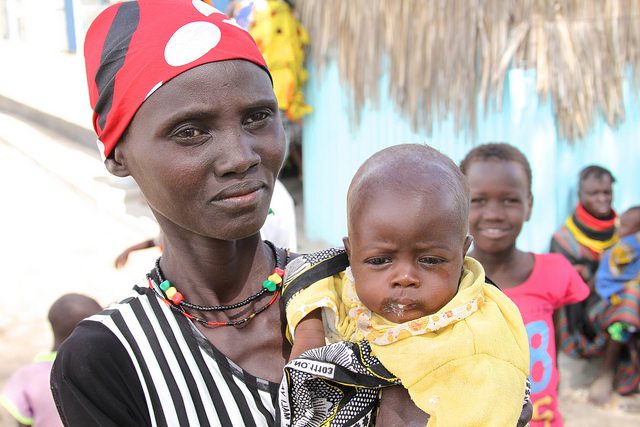
Child marriage, which primarily affects girls, has many consequences. It causes overpopulation, poor health for said child and it tends to lead to violence. Conversely, ending child marriage would have lasting social advantages and economic benefits, such as an increase in the girls’ earnings.

“Child marriage not only puts a stop to girls’ hopes and dreams. It also hampers efforts to end poverty and achieve economic growth and equity,” said Quentin Wodon, lead author of the World Bank’s report on the economic cost of child marriage. “Ending this practice is not only the morally right thing to do but also the economically smart thing to do.”

Ending child marriage would save countries a lot of money — by 2030, countries could save $327 million in education budgets alone. In Africa, seeing an end to child marriage could save up to $5 billion as a result of lower malnutrition, according to the Global Partnership for Education. It could also reduce fertility rates by 10 percent, which would reduce overpopulation and global poverty by extension.

So, what’s the best way to end child marriage? Simply keeping girls in school.

Education is the best way to end child marriage because it allows girls to be more independent and strong-minded. The longer a girl is in school, the less likely it is that she will be married young. Unfortunately, there are societies that deem education a luxury and a “waste of resources.” Such societies are also threatened by the independence a female would gain by being educated.

Failure to educate girls has its own negative implications. In the same manner that ending child marriage can increase a girl’s earnings in the future, so too can having an education. In fact, some countries lose out on an estimated $92 billion of economic growth for failing to properly educate their girls.

Pooja (not her real name), a girl from Nepal, knew education would have given her a better life. “If I had studied I would have been working. But my parents held my marriage and I couldn’t do anything after marriage. I now have children to look after,” she said.

Everything is connected. Seeing girls educated could potentially end child marriage which would potentially reduce global poverty.

– Dezanii Lewis

Photo: Flickr

November 14, 2017
https://borgenproject.org/wp-content/uploads/borgen-project-logo.svg 0 0 Borgen Project https://borgenproject.org/wp-content/uploads/borgen-project-logo.svg Borgen Project2017-11-14 01:30:202024-05-27 23:59:47Ending Child Marriage Could Reduce Global Poverty
Children, Global Poverty, Health

S.Res. 310: The Importance of Ending Pediatric AIDS

Pediatric AIDSHIV/AIDS is embedded in social and economic inequity and there exists a critical connection between the disease and poverty. There is strong evidence that the disease affects individuals of lower socioeconomic status and impoverished nations at a disproportionately high rate. This is also true when examining the occurrence of mother-to-child transmission, which accounts for more than 90 percent of HIV infections in children.
S. Res. 310, according to U.S. Congress, is a “resolution that recognizes the importance of a continued commitment to ending pediatric AIDS worldwide.” This is of extreme importance because, not only do children suffer the most from HIV/AIDS because of their developing immune systems, but they also are the key to eradicating the disease and breaking the cycle of infection. Without diagnosis and treatment, one-third of infected infants will die before the age of one, one-half will die before their second birthday and 80 percent will die before their fifth birthday.

As a leading cause of death among adolescents, AIDS is devastating the lives and hopes of millions of children worldwide. Pediatric HIV-related deaths have more than tripled since 2000, requiring immediate attention and resolution.

S. Res. 310 recognizes that women and children are in desperate need of HIV-related services. Data from 2016 shows that half of the 36,700,000 people worldwide who suffer from HIV are women and 2,100,000 are children. Despite the increased efforts by the U.S. and countries around the world, over 400 children were born HIV-positive every day in 2016. This legislation highlights that continued commitment is required in order to eradicate pediatric AIDS.

The resolution allows the U.S. to provide women and children with HIV counseling and testing services and to improve access to services and medicines that prevent mother-to-child transmission of HIV. The legislation also supports expanding treatment for pediatric and adolescent HIV, including greater access to more efficacious antiretroviral drug regimens, age-appropriate services and support for the caregivers of children and adolescents.

In the words of the resolution, “every mother should have the opportunity to fight for the life of her child; and every child and adolescent should have access to medicine to lead a long and healthy life.”

– Jamie Enright

Photo: Flickr

November 12, 2017
https://borgenproject.org/wp-content/uploads/borgen-project-logo.svg 0 0 Kim Thelwell https://borgenproject.org/wp-content/uploads/borgen-project-logo.svg Kim Thelwell2017-11-12 07:30:522024-05-29 22:29:20S.Res. 310: The Importance of Ending Pediatric AIDS
Children, Global Poverty, Health

Ben & Jerry’s Aid SeriousFun Children’s Network

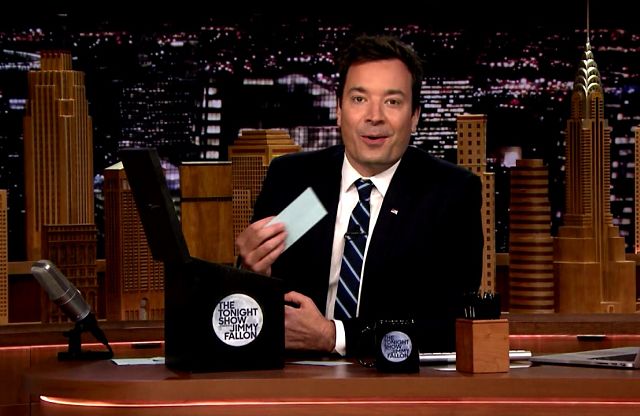
SeriousFun Children’s NetworkOn the November 1, 2017 viewing of The Tonight Show, Jimmy Fallon revealed The Tonight Show’s limited edition Ben & Jerry’s ice cream, Marshmallow Moon. Just like that of Tonight Dough, Fallon’s ever-popular permanent flavor, all proceeds of Marshmallow Moon benefit the SeriousFun Children’s Network.
This global charity community of 30 camps and programs serves children with serious illnesses, such as cancer, blood disorders, neurological disorders, cardiac disorders, genetic disorders and HIV.

Ben & Jerry’s Marshmallow Moon flavor itself is made up of vanilla ice cream with marshmallow and graham cracker swirls and fudge flakes. The delicious dessert is not the first of its kind, however, to go toward a philanthropic cause.

The launch of The Tonight Dough, Fallon’s initial flavor, raised over $1 million in support of SeriousFun Children’s Network. Commenting on the notable achievement, SeriousFun CEO Blake Maher was thrilled by the landmark milestone as a result of the relationship with Jimmy Fallon and Ben & Jerry’s. Maher commented, “They are both fantastic partners whose support helps ensure that we can provide transformative camp experiences to children living with many different types of serious illnesses all around the world, totally free of charge.”

SeriousFun Children’s Network is founded on the belief that all kids deserve to experience the joys of childhood, regardless of their health. All of its programs and facilities are specially adapted to meet the medical needs and different cultural backgrounds of campers, and state-of-the-art onsite medical expertise supports more than 50 different medical conditions.

Since being founded in 1988 by Paul Newman, 864,000 children and family members have been served, 132,000 children and family members have experienced camp and 221,000 individuals have contributed as volunteers. Originally based in Ashford, Connecticut, the SeriousFun Children’s network has continually expanded over the years.

The dedicated organization relies entirely on the support of caring donors, who make its mission of extending the SeriousFun experience to more and more children with serious illnesses possible. In 1994, a 500-acre estate in Ireland, courtesy of a generous donation from the government, became the first camp outside of the U.S.

In 2008, Newman’s global vision bloomed with the launch of the Global Partnership Program (GPP), providing culturally applicable programs that excite and empower children around the world.

Ultimately, it is remarkable to see how the buying and selling of a single product can be transformed into a life-changing experience for children around the world. Fallon’s collaboration with Ben & Jerry’s and SeriousFun Children’s Network is fostering the growth of youth, helping them to see beyond their medical limitations and live a life filled with unforgettably fun moments. Marshmellow Moon can be purchased through Ben & Jerry’s online store or at its scoop shops across the country.

– Mikaela Frigillana

Photo: Google

November 12, 2017
https://borgenproject.org/wp-content/uploads/borgen-project-logo.svg 0 0 Kim Thelwell https://borgenproject.org/wp-content/uploads/borgen-project-logo.svg Kim Thelwell2017-11-12 01:30:592019-12-23 08:23:32Ben & Jerry’s Aid SeriousFun Children’s Network
Activism, Children, Global Poverty, Philanthropy

Four Global Philanthropists in American Professional Sports

Philanthropists in American Professional SportsThere are many American athletes who are not only known for their athletic abilities but also their philanthropic efforts. Here are four of the most impactful:

Roger Federer
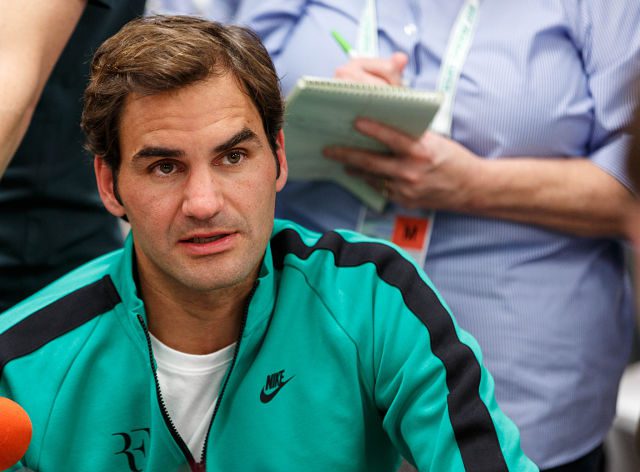
Inducted into the International Tennis Hall of Fame in 2017, Roger Federer has seen a career in professional tennis filled with success. His remarkable performance on the court was closely rivaled by his humanitarian efforts over the years. The Roger Federer Foundation works in six countries in Sub-Saharan Africa, as well as in Switzerland, to improve struggling educational systems. In 2016, the foundation spent over $6 million to improve access to and quality of early education for impoverished children. Federer serves as a shining example of how charity and sports can successfully go hand-in-hand.

Madieu Williams
Madieu Williams is a former NFL safety who played for multiple teams, including the Cincinnati Bengals and the Minnesota Vikings. Williams grew up in Sierra Leone in West Africa and moved to the U.S. when he was nine years old. He created the Madieu Williams Foundation in 2006 and returns to Sierra Leone every year to help improve education and build schools. The Madieu Williams Foundation also focuses on improving the health of children living in poverty in both Sierra Leone and in the U.S. Williams has also donated $2 million to build the Madieu Williams Center for Global Health Initiatives at the University of Maryland.

Dirk Nowitzki
Dirk Nowitzki is the highest-scoring foreign-born basketball player in NBA history. Born in Germany, Nowitzki came to America to play professional basketball as a young adult and has since been named an all-star 13 times. Nowitzki was the first European player to play in an NBA all-star game in 2007, and as his career took off, so did his philanthropic efforts. In 2013, Nowitzki was named the German ambassador for UNICEF, with a focus on eliminating child hunger and malnutrition around the world. He also started the Dirk Nowitzki Foundation, which works to fight poverty and hunger in Africa.

David Ortiz
Born in the Dominican Republic, David Ortiz came to America and saw a long, prosperous baseball career, winning two World Series titles with the Boston Red Sox. One of the greatest to play the game of baseball, Ortiz is also one of the most dedicated philanthropists in American professional sports. Ortiz has always prioritized improving the quality of – and the ease of access to – healthcare for children. The David Ortiz Children’s Fund works in the Dominican Republic and in the U.S. and has a focus on providing adequate healthcare to impoverished children with congenital heart defects.

Regardless of team affiliation, these athletes are using their fame and their platforms to make a real and tangible difference in the fight against global poverty. In addition to these efforts, the awareness they raise surrounding these issues has surely inspired – and will continue to inspire – others to contribute to the fight against poverty and make a difference.

– Tyler Troped

Photo: Flickr

November 10, 2017
https://borgenproject.org/wp-content/uploads/borgen-project-logo.svg 0 0 Kim Thelwell https://borgenproject.org/wp-content/uploads/borgen-project-logo.svg Kim Thelwell2017-11-10 01:30:332024-05-29 22:29:13Four Global Philanthropists in American Professional Sports
Child Soldiers, Children, Global Poverty

10 Facts About Child Soldiers in Sierra Leone

Child Soldiers in Sierra Leone
From 1991 to 2002, Sierra Leone was embroiled in a devastating civil war, fought primarily between the Revolutionary United Front (RUF) and Sierra Leone Army (SLA). This civil war garnered international attention for its blatant use of child soldiers and for the skyrocketing of child soldiers in Sierra Leone.

Child soldiers are children (defined under international law as individuals under the age of 18) who are used for any military purpose. In the Sierra Leonean civil war, children made up between 40 and 50 percent of the RUF’s military force and approximately 20 percent of the government’s military force. In total, approximately 10,000 children were exploited and forced to be child soldiers in Sierra Leone. Discussed below are the leading facts about child soldiers in Sierra Leone.


Top 10 Facts About Child Soldiers in Sierra Leone


  1. The term child soldier does not only include those who carry a gun and fight. Children also served as messengers and porters, and young girls were conscripted into sexual slavery or forcibly married to generals.
  2. Children are chosen to be soldiers because they are easily manipulated. They are more loyal and obedient than adults and they are far less likely to revolt. They also do not require wages, making them a cheap alternative to traditional soldiers.
  3. Children are more likely to become child soldiers if they are poor, living in a combat zone, displaced from their homes, separated from their families or have limited access to education.
  4. The process of reintegrating child soldiers is called Disarmament, Demobilization and Reintegration (DDR). Compounds were created to reintegrate child soldiers in Sierra Leone by providing them with education, food, shelter and psychiatric services.
  5. DDR is not necessarily 100 percent effective. Children may relapse into violence in adolescence and adulthood. Ishmael Beah, a former child soldier in Sierra Leone, said: “One of my greatest fears in Sierra Leone now is, if you have a large number of disgruntled and idle young people who have nothing to do with themselves, you have the possibility of sparking anything.”
  6. DDR camps were also not completely safe. Rebel soldiers would hang around the camps and convince previously demobilized child soldiers to rejoin the army by promising to reunite them with their families or simply threatening to kill everyone else in the camp if they did not comply.
  7. Children were often forced to use drugs (typically marijuana or crack cocaine) to enable them to commit violence. As a result, they had a reputation among civilians for extreme cruelty. Many boys belonged to the infamous Small Boys Unit.
  8. This reputation for violence was one of the key barriers to reintegration. Child soldiers had lost their childhoods and been traumatized, but many could not return home because they were seen as murderers.
  9. In 2013, Lt. Gen. Romeo Dallaire founded a nonprofit called the Child Soldier Initiative (CSI). It designed a mandatory training manual and seminar for police and local armed forces to inform them of children’s rights and how to handle child soldiers in the field. This training has also been used in Sudan, Mali and Cote d’Ivoire, though it is not mandatory there.
  10. The second phase of CSI’s project is to have former child soldiers run the program and train other children on their rights and the alternatives to joining the conflict.

Recent innovations in international human rights law, such as the Optional Protocol to the Convention on the Rights of the Child on the Involvement of Children in Armed Conflict (which has been ratified by more than 110 countries) are a reason to have hope for the future of children in conflict, as are nonprofits like the Child Soldier Initiative.

According to Theresa Betancourt, an expert in the field of child psychology in conflict and child soldiers, “We need to devise lasting systems of care, instead of leaving behind a dust cloud that disappears when the humanitarian actors leave.”

– Olivia Bradley

Photo: Flickr

November 5, 2017
https://borgenproject.org/wp-content/uploads/borgen-project-logo.svg 0 0 Kim Thelwell https://borgenproject.org/wp-content/uploads/borgen-project-logo.svg Kim Thelwell2017-11-05 07:30:592018-06-13 13:10:1710 Facts About Child Soldiers in Sierra Leone
Children

Interventions Initiated by Save the Children in Sudan

Save the Children in SudanFollowing decades of non-stop armed conflict, Sudan has a horrible human rights record and ranks as one of the most corrupt countries in the world. Violent clashes and subsequent displacement of citizens have particularly hurt the country’s most vulnerable population: children. Save the Children is the world’s leading independent organization for children and is currently engaged in 120 countries, including Sudan. Save the Children has worked to improve the welfare of Sudanese children since 1983.

Sudan has been plagued by a string of violent conflicts. In 2005, the Second Sudanese Civil War (1983-2005) concluded with the signage of the Comprehensive Peace Agreement. Subsequently, in 2011 residents of South Sudan overwhelmingly voted to secede from Sudan. The secession of South Sudan resulted in a mass migration as citizens of Sudan relocated to South Sudan and vice-versa.

This mass displacement separated tens of thousands of children from their families. To address this crisis, Save the Children has implemented a family tracing and reunification (FTR) program. FTR is the first initiative that Save the Children launches in conflict zones.

Save the Children partnered with UNICEF and community-based networks to introduce FTR following the creation of the Republic of South Sudan in 2011. The program identifies and registers unaccompanied children, then works to reunite them with their families. Unfortunately, the longer a child remains separated from caregivers, the greater the risk that the child will become a victim of violence and exploitation.

Last month, Save the Children and UNICEF aided 399 unaccompanied Sudanese children. Additionally, the partners have just reunited their 5,000th child with his mother. In total, 16,055 separated children have been traced and documented by all the family reunification organizations in Sudan.

Save the Children in Sudan further supports children by supporting community-based child protection networks. The organization leverages existing community structures to identify and respond to child protection issues. Through these networks, Save the Children aims to raise awareness and spread information to prevent child matriculation into armed forces, to reduce the number of children separated from caregivers and to educate the community about existing resources that combat child abuse.

Additionally, the organization has created child-friendly spaces that help children recover from trauma and re-enter their local communities. Save the Children establishes child-friendly spaces in all conflict zones where it operates. The nonprofit coordinates these spaces with existing local services to expand the care options available.

Save the Children combats major social problems through public information campaigns delivered at schools, child-friendly spaces and community centers. In Sudan, the organization disseminates information about two major safety threats: the recruitment of children by armed forces and the continued presence of landmines and unexplained ordinances. Additionally, Save the Children addresses the root cause of child enrollment into armies by working to improve the economic circumstances of vulnerable children.

Save the Children believes that the existing legislative framework for the protection of Sudanese children is inadequate. Physical discipline is still widely accepted in schools and homes. Therefore, Save the Children helps national civil rights groups campaign for new protective policies and expansion of government bodies that combat physical punishment.

In 2013, Save the Children’s child protection program in Sudan directly impacted 969,000 people, including 551,974 children, and indirectly impacted 5,025670 people, including 3,318,931 children. Its efforts are going a long way to alleviate the issues caused by the ongoing instability in Sudan.

– Katherine Parks

Photo: Flickr

November 5, 2017
https://borgenproject.org/wp-content/uploads/borgen-project-logo.svg 0 0 Kim Thelwell https://borgenproject.org/wp-content/uploads/borgen-project-logo.svg Kim Thelwell2017-11-05 07:30:102019-12-29 17:48:12Interventions Initiated by Save the Children in Sudan
Page 91 of 137«‹8990919293›»

Get Smarter

  • Global Poverty 101
  • Global Poverty… The Good News
  • Global Poverty & U.S. Jobs
  • Global Poverty and National Security
  • Innovative Solutions to Poverty
  • Global Poverty & Aid FAQ’s
Search Search

Take Action

  • Call Congress
  • Email Congress
  • Donate
  • 30 Ways to Help
  • Volunteer Ops
  • Internships
  • Courses & Certificates
  • The Podcast
Borgen Project

“The Borgen Project is an incredible nonprofit organization that is addressing poverty and hunger and working towards ending them.”

-The Huffington Post

Inside The Borgen Project

  • Contact
  • About
  • Financials
  • President
  • Board of Directors
  • Board of Advisors

International Links

  • UK Email Parliament
  • UK Donate
  • Canada Email Parliament

Get Smarter

  • Global Poverty 101
  • Global Poverty… The Good News
  • Global Poverty & U.S. Jobs
  • Global Poverty and National Security
  • Innovative Solutions to Poverty
  • Global Poverty & Aid FAQ’s

Ways to Help

  • Call Congress
  • Email Congress
  • Donate
  • 30 Ways to Help
  • Volunteer Ops
  • Internships
  • Courses & Certificates
  • The Podcast
Scroll to top Scroll to top Scroll to top