• Link to X
  • Link to Facebook
  • Link to Instagram
  • Link to TikTok
  • Link to Youtube
  • About
    • About Us
      • President
      • Board of Directors
      • Board of Advisors
      • Financials
      • Our Methodology
      • Success Tracker
      • Contact
  • Act Now
    • 30 Ways to Help
      • Email Congress
      • Call Congress
      • Volunteer
      • Courses & Certificates
      • Be a Donor
    • Internships
      • In-Office Internships
      • Remote Internships
    • Legislation
      • Politics 101
  • The Blog
  • The Podcast
  • Magazine
  • Donate
  • Click to open the search input field Click to open the search input field Search
  • Menu Menu

Tag Archive for: USAID

Information and news about mobile technology

Posts

Education, Women's Empowerment, Women's Rights

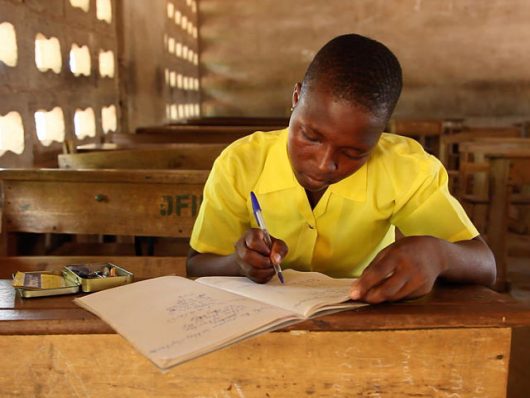
Five Facts About Girls’ Education in Ghana

Girls’ Education in Ghana
There are many barriers to equality in education in Ghana ranging from poverty to negative cultural perceptions surrounding girls’ education, to a lack of nearby schools. But despite these barriers, girls’ education in Ghana has seen improvement and continues to be an issue of importance in this developing nation. Here are five facts about girls’ education in Ghana that highlight victories and steps taken to fight this problem.

Five Facts About Girls’ Education in Ghana

  1. The positive changes in girls’ education in Ghana stem from governmental and nonprofit agencies working together. For example, in 1997, the government of Ghana created the Girls’ Education Unit in the Ministry of Education, which means every region and district has a Girls’ Education Officer. The Ministry of Education also partnered with UNICEF to develop and implement education strategies for girls.Furthermore, the Global Partnership for Education (GPE) worked in Ghana from 2012-2016 in a joint effort with the Ministry of Education and UNICEF. This partnership saw real results, including that 889 district gender officers received training in guidance and counseling, 94,827 in-service teachers were trained and 28,056 teachers received math education and training.
  2. Since the early 2000s, girls have consistently enrolled in primary and secondary school at higher rates and closed the gender gap in school enrollment. In 2018, Ghana’s national primary gender parity index (GPI) is at 1.01 compared to 0.94 in 2004. This demonstrates an equality between girls and boys enrolled in school.This change was sparked when the Ministry of Education eliminated school fees for basic education (elementary and junior high school) nationwide in 2005 and established a capitation grant for all basic schools. The grant also effectively reduced the barrier that poverty presented to education.
  3. The United States Agency for International Development (USAID) has greatly impacted girls’ education. For example, USAID has provided scholarships for 7,000 girls in Ghana and 300 of the recipients have special needs and has aided in school construction and rehabilitation in 48 districts across the country.This was made possible through community programs that train volunteers to teach in high-need schools and partnerships with the Ministry of Education and the Ghana Education Service. Currently, USAID’s education objective in Ghana is to improve reading performance for 2.8 million Ghanaian primary school children by 2020.
  4. The Education Strategic Plan (ESP) 2018-2030 is currently being finalized by the government of Ghana and is focused on an inclusive education system that is accessible and equal for all. Its main goal is to use education to improve the national development agenda and make sure it has a positive impact on development.This is the sixth plan in the series and gets its foundation from the Millennium Development Goals (MDGs), Sustainable Development Goals and the National Development Plan 2016-2057. Other important priorities of the newest ESP include access, quality, relevance, effectiveness and sustainability.
  5. In September 2017, Ghanaian President Nana Akufo-Addo made secondary education free for children in Ghana. This measure was much needed as only 37 percent of students were taking part in secondary school in 2014. The president’s promise removed admission fees, library fees, computer lab fees, examination fees and utility fees and included free textbooks, meals and boarding.

While it is still challenging for poor and rural families to attend school, these efforts to improve access to girls’ education in Ghana have been steps in the right direction.

– Alexandra Eppenauer
Photo: Flickr
May 27, 2018
https://borgenproject.org/wp-content/uploads/borgen-project-logo.svg 0 0 Borgen Project https://borgenproject.org/wp-content/uploads/borgen-project-logo.svg Borgen Project2018-05-27 01:30:532024-05-29 22:40:06Five Facts About Girls’ Education in Ghana
Foreign Aid, Global Poverty, USAID

Understanding How the U.S. Benefits from Foreign Aid to Angola

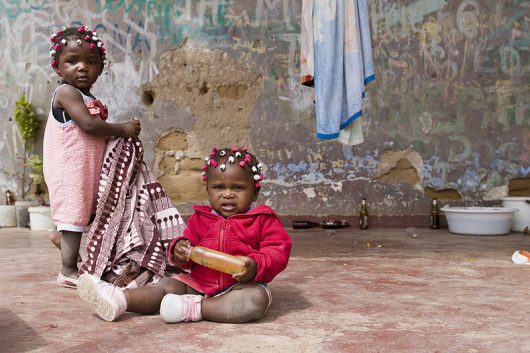
U.S. Benefits from Foreign Aid to AngolaAngola is a country in southern Africa sandwiched between three nations: Namibia, the Congo and Zambia. The United States established diplomatic relations with Angola in 1993, shortly after Angola’s independence from Portugal in 1975. Between 1975 and 1993, Angola witnessed 27 years of violent civil wars among many groups with the backing of various world powers including the United States, the Soviet Union, China and other countries in Africa.
Angola continues to see repercussions from decades of war in the region. Roughly two-thirds of Angola’s citizens live in poverty, and much of Angola’s infrastructure has been destroyed by civil conflicts, war and lack of maintenance. The civil unrest in the region is also exacerbated by Angola’s possession of large oil reserves and a strong military force, creating a strong incentive for power struggles and polarizing forces in the region.

The U.S. benefits from foreign aid to Angola include providing food and food security, promoting democratic practices, providing disaster relief, providing better and more widely available health care and fighting the spread of disease in Angola. As well as these humanitarian efforts, the United States supports Angola in its efforts to utilize its agricultural abilities and sell oil reserves on the open market.

U.S. benefits from foreign aid to Angola have been in place since 1989 when the United States began providing large-scale disaster relief and humanitarian aid in the form of consumable material goods. In 1992, the United States Agency for International Development (USAID) began a relief and assistance program for Angola in the hopes that it would help prevent the region from falling back into the grips of civil conflict.

Unfortunately, the fighting did not stop and aid was suspended until 1995 when U.S. benefits from foreign aid to Angola resumed with millions being dispersed toward the rehabilitation of the agricultural sector and displaced children/orphans in the region. Much of the U.S. foreign aid dispersed during times of conflict in the area was provided in the form of material goods such as medical supplies and food, helping stabilize conditions and promote health and humanitarian causes.

Since the beginning of more peaceful times in Angola, U.S. benefits from foreign aid to Angola have provided over $1 billion in aid to programs directly helping the people of Angola. The year 2011 marked the 15-year anniversary of the full-time presence of USAID assistance programs in Angola, helping citizens rebuild and promote health standards in the country.

While aid dollars for humanitarian efforts have been successful in the region, it is important to remember that the primary U.S. benefits from foreign aid to Angola are to support leaders and governments that wish to take Angola down the road to a peaceful future. These aid dollars fund programs in Angola to increase credit access to citizens and governmental bodies, create fair and healthy economic conditions for trade and business expansion and create land registration systems to help prevent turf wars and property theft.

With the help of U.S. foreign aid dollars, Angola has made progress in installing leaders with a more peaceful vision for the future and a willingness to improve socioeconomic conditions for its citizens. The United States hopes to help Angola in its efforts to become the economic powerhouse it has the potential to be. With the help of programs like USAID, Angola has the potential to improve conditions not only for itself but the rest of Africa. With its agricultural and natural resources, Angola could prove itself to be one of Africa’s largest economic breadwinners.

– Dalton Westfall

Photo: Wikimedia Commons

April 28, 2018
https://borgenproject.org/wp-content/uploads/borgen-project-logo.svg 0 0 Borgen Project https://borgenproject.org/wp-content/uploads/borgen-project-logo.svg Borgen Project2018-04-28 01:30:402019-08-01 11:21:23Understanding How the U.S. Benefits from Foreign Aid to Angola
Aid, Foreign Aid

Understanding How the U.S. Benefits from Foreign Aid to Djibouti

U.S. benefits from foreign aid to DjiboutiA tiny, desert-like East African nation, Djibouti is more synonymous with counter-terrorism and the piracy concerns of its southern neighbor than economic ties to the U.S. However, substantial U.S. foreign aid is indirectly creating opportunities for U.S. exporters. Additionally, the U.S. benefits from foreign aid to Djibouti by securing efficient and reliable trade routes to other nearby African countries such as Ethiopia, in which the U.S. has key commercial interests.
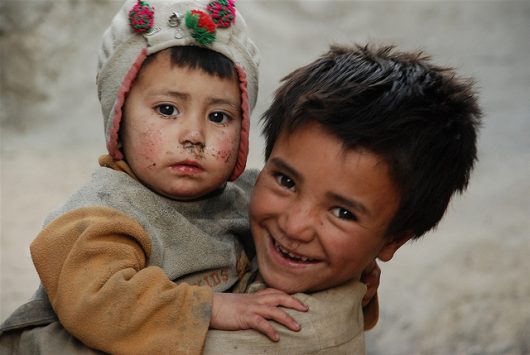
Home to roughly 875,000 people, as well as a significant U.S., German, Japanese, French and most recently Chinese military presence, Djibouti has a decidedly disproportionate amount of foreign military within its borders. The U.S. pays $60 million each year to Djibouti for the rights to maintain its only permanent sub-Saharan military base.

But, U.S. foreign aid coming into the country is equally important in Djibouti for the majority of citizens looking for work. Although U.S. investment in the country pales in contrast to that of new entrants into the region such as China, the actual workforce of Djibouti is benefiting from the more nuanced and domestically-oriented U.S. foreign aid.

New ventures in the construction of ports, pipelines, international airports and railways have somewhat failed to raise the standard of living and stimulate employment. Accounting for 70 percent of GDP, the new port projects have only added a few thousand jobs. According to the U.N., despite recent Chinese soft loans toward these various infrastructure projects, the unemployment rate in Djibouti still stands at 60 percent.

This high level of unemployment is partly due to a lack of qualified candidates in many sectors of the economy. Workers looking for jobs simply do not have the necessary skills required to fill many of the possible vacancies.

Through the Workforce Development Project (WDP), the United States Agency for International Development and Djibouti are working together to reduce unemployment and create a more modern labor force. Investments of nearly $25 million over five years (2016-2021) are aimed at increasing competitiveness by tailoring the workforce to the needs of a modern economy.

The WDP emphasizes creating stronger connections between worker training programs and employers. Specifically, through more meaningful ties between vocational education centers and businesses, the future workforce will be better suited for the demands of firms and will likely have greater hiring potential.

Although not as flashy as the new Doraleh Port or the new electrified railroad connecting Djibouti City and Ethiopia’s capital, Addis Ababa, the WDP will create thousands of new consumers to U.S. exports. This is especially promising since the soaring unemployment rate allows for ample economic improvements should this transformation of the workforce take place. USAID, centered on workforce assimilation, is therefore fostering job growth that will be more sustainable than temporary employment based on glitzy infrastructure projects.

Another way in which the U.S. benefits from foreign aid to Djibouti is by promoting ongoing access to the substantial trade flows emanating from regional neighbors. A prime example of this is Ethiopia. Much of Ethiopia’s exports—including coffee, vegetables and cosmetics—are routed through Djibouti on their way to the U.S. Meanwhile, as of 2016, 90 percent of all Ethiopian imports were brought via ports in Djibouti.

U.S. foreign aid indirectly contributes to these regional trade routes of East Africa by creating a more prosperous and modernized workforce in Djibouti. A thriving, educated and healthy Djibouti society will undoubtedly increase the opportunities for cross-border trade.

One byproduct of this increasingly interconnected region around Djibouti would be more timely and reliable shipment of goods and lower associated transportation costs. As in Ethiopia, the U.S. benefits from foreign aid to Djibouti are amplified when stability across the wider East African region is maintained.

On this last issue, there is little doubt that the military presence plays a prominent role. However, U.S. programs aiming to reduce unemployment such as the WDP, by indirectly promoting a more sustainable domestic environment in Djibouti, also contribute to regional stability. Garnering less attention than the massive infrastructure spending, transforming the country one worker at a time will lead to continued U.S. benefits from foreign aid to Djibouti

– Nathan Ghelli

Photo: Flickr

April 24, 2018
https://borgenproject.org/wp-content/uploads/borgen-project-logo.svg 0 0 Borgen Project https://borgenproject.org/wp-content/uploads/borgen-project-logo.svg Borgen Project2018-04-24 01:30:322024-05-29 22:42:11Understanding How the U.S. Benefits from Foreign Aid to Djibouti
Global Poverty

Top Contributors and Efforts to Aid Orphans in Pakistan

Orphans in Pakistan
Foreign aid is crucial to the well-being of the 4,400,000 orphans in Pakistan who do not have the support of immediate family to assist them with their everyday needs. From a young age, children in Pakistan face multiple challenges from an infant mortality rate of 8.55 percent to lack of everyday resources.

There are several factors that contribute to the issues that orphans in Pakistan face including limited access to resources such as food, education and financial stability. According to SOS Children’s Villages, approximately twenty-five percent of the 193.2 million people living in Pakistan do not meet the poverty line.

However, activists looking to reduce the effects of poverty in Pakistan — as well as assist children with meeting their everyday needs — have organized ways to assist children to locate support.

Foreign Aid

The U.S. Department of State provides information for those who seek to adopt or who plan to travel before finalizing their plans for adoption, and assists orphans in Pakistan as well as children looking for homes across the world. One organization, SOS Children’s Villages, allows people who are interested in sponsoring children to make a monthly donation.

The organization works to provide healthcare, counseling services and education to children who would otherwise have limited access these resources.

Role of USAID

USAID plays an influential role as well, working to create jobs and to support the agricultural industry in Pakistan through the introduction of new crops. According to USAID, the organization has been able to assist more than 1 million households through its agricultural aid efforts.

According to USAID, approximately forty percent of Pakistan’s working population is employed in agricultural industries. By working to support such endeavors, USAID not only helps create new jobs but it is also aids in cultivating industries to boost the economic health of the country overall.

Activism in All Forms

Among the top contributors to foreign aid efforts in Pakistan are the U.S. Government Department of Defense, the World Food Program, the International Rescue Committee and USAID. Although activists from these organizations have different specialties, different aid efforts are needed in this area where orphans do not have access to adequate education, defense or food resources.

Although these organizations support orphans in Pakistan and children in need by providing aid to Pakistan and, in many cases, providing resources directly to children, those who do not have access to the resources from foreign aid are forced to find alternate ways to support themselves.

Efforts to Aid Orphans in Pakistan

This issue has been going on for many years, and one video from the Associated Press shows some of the kinds of work children have had to do in the past to support themselves.

As Pakistan and the children living there continue to receive aid, however, the effects of poverty will continue to decrease. Aid organizations that have already made a difference will continue working to reduce the struggles orphans face in their everyday routines.

– Gabriella Evans

Photo: Flickr

April 19, 2018
https://borgenproject.org/wp-content/uploads/borgen-project-logo.svg 0 0 Borgen Project https://borgenproject.org/wp-content/uploads/borgen-project-logo.svg Borgen Project2018-04-19 01:30:122024-12-13 17:58:42Top Contributors and Efforts to Aid Orphans in Pakistan
Aid, Aid Effectiveness & Reform, Foreign Aid, Global Poverty, USAID

Understanding the Negative Effects of Budget Cuts to USAID

cuts to USAID
Recently, the Trump administration, in collaboration with congressional leadership on Capitol Hill, has hammered out a deal to prevent a government shutdown while effectively gutting the State Department and agencies like USAID of their funding. This move not only signals a sidelining of diplomacy but marks one of the biggest budget cuts to USAID and the State Department since the early 1990s.

The effects of the budget cuts to USAID are undoubtedly going to hinder diplomatic agencies in eliminating poverty around the globe and increasing diplomatic relations with the countries that depend on us the most. The United States Agency for International Development (USAID) is the State Department’s main tool for dispensing aid to foreign countries and strengthening diplomatic relations.

USAID currently operates in roughly 100 countries, fighting the spread of poverty and disease while working to improve economic conditions worldwide. The proposed budget cuts to USAID weigh in at approximately $9 billion, a staggering defeat to those working toward the end of poverty worldwide.

The President’s proposed budget cuts to USAID amount to nearly one-third of its total budget, in what seems to be a strategic move away from diplomacy and toward military strengthening. Regardless of the President’s agenda, this move away from soft power and diplomacy has been condemned by many members of the military.

A total of 151 retired senior military commanders, including former chiefs of the Navy, Army, Air Force, Marine Corps and Special Operations Command, have warned that a reduction of this magnitude could have detrimental effects around the globe. As threats to the United States’ national security continue to grow, it is a risk to decrease diplomatic ties at such a pivotal moment.

Many civilians and government employees agree with the opinions of their military leaders. Former USAID Administrator Andrew Natsios said, when facing the 1999 budget cuts to foreign aid, that it is likely budget cuts could have detrimental effects toward the technical expertise of USAID and could mark the beginning of a disaster in the long-term.

As well as the statement above, Natsios describes budget cuts toward foreign aid and agencies such as USAID as an “evisceration of the most important tool of American influence in the developing world.” Other staffers from USAID warn of the spread of disease in the United States rising as foreign aid spending is cut. Outbreaks such as the Ebola outbreak may become much larger and harder to contain with a lack of funding to agencies such as USAID. These concerns are still relevant and even more serious today.

Agencies such as USAID are pivotal in diplomatic relations and national security. By providing funds, resources, goods and trade to other countries, the U.S. invests in itself as well as others. By providing healthcare to those in need, USAID prevents the spread of communicable diseases, prevents premature death and builds a market for low-cost medical technologies.

By providing food and farming technologies, the U.S. prevents world hunger and promotes market trading of produce and other consumable goods. By providing foreign aid, the country also helps form more efficiently-run governments and promotes democracy wherever possible. All of these efforts also prevent bigger catastrophes around the globe, such as mass migrations, food shortages and natural disasters.

At the end of March, Congress approved an omnibus appropriations bill for FY18 that will keep the government open through September 30, 2018. When it comes to funding for development and diplomacy, the omnibus overwhelmingly rejects the deep and disproportionate cuts proposed by the Administration in FY18 – highlighting the strong bipartisan support in Congress for these critical programs. Still, there is more work to be done to protect funding for the foreign aid budget in FY19 and beyond. 


Email Congress in Support of the International Affairs Budget

– Dalton Westfall

Photo: Flickr

April 12, 2018
https://borgenproject.org/wp-content/uploads/borgen-project-logo.svg 0 0 Borgen Project https://borgenproject.org/wp-content/uploads/borgen-project-logo.svg Borgen Project2018-04-12 01:30:012019-11-10 10:22:56Understanding the Negative Effects of Budget Cuts to USAID
Developing Countries, Global Poverty, Health, Life Expectancy

Five Countries with the Lowest Life Expectancy in the World

lowest life expectancy in the world
Out of the established 224 countries on the earth, these are the bottom five with the lowest life expectancy in the world. The countries listed below range from an average lifespan of 52.1 years to 50.6 years old.

Five Countries with the Lowest Life Expectancy in the World

  1. Swaziland
    Swaziland has the fifth-lowest life expectancy in the world at an average of 52.1 years. Swaziland is the only country on this list with men living, on average, longer than women. As of 2016, the top two reasons for deaths were HIV/AIDS and lower respiratory infections.However, Swaziland is one of the countries receiving help from USAID. One of the top priorities of USAID is fighting against HIV/AIDS by preventing sexual transmission, increasing the prevalence of male circumcision, improving institutions and training, lessening the impact of HIV/AIDS and decentralizing care and treatment. With USAID’s continued assistance and its partnerships within the African nation, there is a chance that the average lifespan in Swaziland can increase above 52.1 years.
  1. Gabon
    With an average lifespan of 52.1 years, Gabon is ranked number four for the lowest life expectancy in the world. Despite being rated so low, Gabon has a robust oil-dependent economy, making it a middle-income country.Due to this income status, it is ineligible for relief programs such as Global Alliance for Vaccines and Immunization. This ineligibility may be why HIV/AIDS and heart disease are the top two reasons for death in the country, contributing to the low life expectancy.
  1. Afghanistan
    The only country not in Africa, Afghanistan is ranked at number three with an average lifespan of 51.7 years. This ranking may increase over time through help from USAID.In Afghanistan, USAID is working to promote health and education, both critical factors in raising life expectancies. USAID and its partners are making substantial strides to improve the healthcare for Afghans. For example, in 2016, the organization began a project to help reduce malnutrition and increase access to safe water and sanitation.USAID is also working toward making essential health services available and improving the quality and quantity of medicines. These resources, once available to Afghans, grant the nation a high potential to no longer be one of the countries with the lowest life expectancy in the world.
  1. Guinea-Bissau
    The second-to-last country with the lowest life expectancy in the world is Guinea-Bissau, averaging about 51 years of life. Aid for Africa is working in Guinea-Bissau with programs that help improve health and education, create businesses and protect wildlife.Another program through Aid for Africa, called Tostan, works by using local languages and traditions to promote democracy, problem-solving, human rights, hygiene and health. Through this program, successful countries have become more prosperous as well as healthier. With the continued implementation of programs such as these, Guinea-Bissau could improve its quantity of life.
  1. Chad
    Chad has the lowest life expectancy in the world at an average lifespan of 50.6 years. The life expectancy in this nation is so low because it has one of the highest rates of maternal mortality and high infant mortality as well.USAID has several programs to help those living in Chad. USAID and the U.N. World Food Programme are working together to distribute food and make sure access to food is readily available all over the country.Starting in 2018, programs such as In-Kind Food Aid, Local and Regional Food Procurement, Cash Transfers for Food and Food Vouchers all will be funded to help citizens. With these various programs helping improve health and nutrition, sources are working with Chad to increase the average lifespan.

World life expectancy continues to increase on the whole, but these five countries are still lagging behind. In order to increase the longevity and potential of their citizens’ lives, they will require targeted aid and a focus on infrastructure and healthcare.

– Amber Duffus

Photo: Flickr

April 10, 2018
https://borgenproject.org/wp-content/uploads/borgen-project-logo.svg 0 0 Borgen Project https://borgenproject.org/wp-content/uploads/borgen-project-logo.svg Borgen Project2018-04-10 01:30:282024-05-29 22:41:59Five Countries with the Lowest Life Expectancy in the World
Development, Global Poverty, Humanitarian Aid

Humanitarian Aid to Kyrgyz Republic Promotes Development

Humanitarian Aid to Kyrgyz Republic Promotes Development
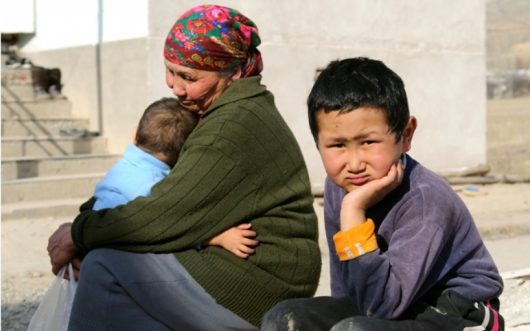
The Central Asian Republic of Kyrgyzstan, also known as Kyrgyz Republic, is a landlocked and a largely mountainous country with a population of about six million. Humanitarian aid to Kyrgyz Republic has helped the country’s economy recover from the 2009 financial crisis and the 2010 inter-ethnic clashes.

U.S. and Kyrgyz Republic

In 2010, the United States announced a $32 million assistance plan for humanitarian relief, reconstruction and community stabilization efforts in the violence-plagued regions of both Kyrgyz Republic and Uzbekistan.

Kyrgyz Republic is one of the five republics of Central Asia and is very prone to natural disasters such as landslides, floods, earthquakes, droughts and melting glaciers. These natural disasters disrupt the normal flow of life and cause substantial damage to developmental projects.

European Commission

The European Commission (EC) has assisted people in the aftermath of these natural disasters via various projects. These efforts include improving food security in the wake of the harsh winter climate and providing small-scale support after floods, avalanches and earthquakes.

The EC also manages a disaster risk reduction program called DIPECHO which has funded more than 110 projects at the cost of €47 million (about $58 million dollars). DIPECHO’s tenth action plan for Central Asia (2017-2018) has encouraged EC’s partners to replicate previous successful community-based disaster risk reduction models to foster more local and national self-sufficiency and development.

Project HOPE

In 2017, aid organization Project HOPE donated $243,000 to medical facilities and non-government organizations. This humanitarian aid to Kyrgyz Republic was used to provide free health services and medical supplies to over 35,000 people. Project HOPE has been active in the Kyrgyz Republic since 2006.

The U.S. State Department noted in 2010 that the U.S. humanitarian aid to the Kyrgyz Republic has improved the country’s economic growth, promoted democratic reform by strengthening the civil society and helped the government combat international threats. Basic reforms in education, agriculture, energy and other ongoing priorities have also been instituted.

USAID

The United States Agency for International Development (USAID) has helped the Kyrgyz Republic maintain a parliamentary democratic system even as the country oscillated between two bouts of authoritarianism. Democratic reforms are especially important as Kyrgyz Republic is the only freely elected parliamentary democracy in post-Soviet Central Asia.

USAID works with the regional USAID Mission to Central Asia to propel the New Silk Road initiative which is aimed to strengthen the economic and cultural connections of South and Central Asian people which, in turn, helps propel the stability and prosperity of the region.

Diversification and Humanitarian Aid to Kyrgyz Republic

The World Bank has said that the Kyrgyz Republic needs to diversify its economic activities by increased private sector development and occupational training, especially to the young. Humanitarian aid to Kyrgyz Republic can thus help the government improve its governance at both local and national levels and promote the country’s economic and social development.

– Mohammed Khalid

Photo: Google

March 14, 2018
https://borgenproject.org/wp-content/uploads/borgen-project-logo.svg 0 0 Borgen Project https://borgenproject.org/wp-content/uploads/borgen-project-logo.svg Borgen Project2018-03-14 01:30:492024-05-29 22:39:49Humanitarian Aid to Kyrgyz Republic Promotes Development
Foreign Aid, Humanitarian Aid

5 Countries That Provide the Largest Foreign Aid

Five Countries That Give the Largest Foreign AidAccording to the Organization for Economic Co-operation and Development’s (OECD) report, in 2016, 30 countries in Development Assistance Committee (DAC) contributed a total of $142.6 billion as financial assistance to poorer countries, with the United States, Germany, the United Kingdom, Japan and France giving the largest foreign aid.
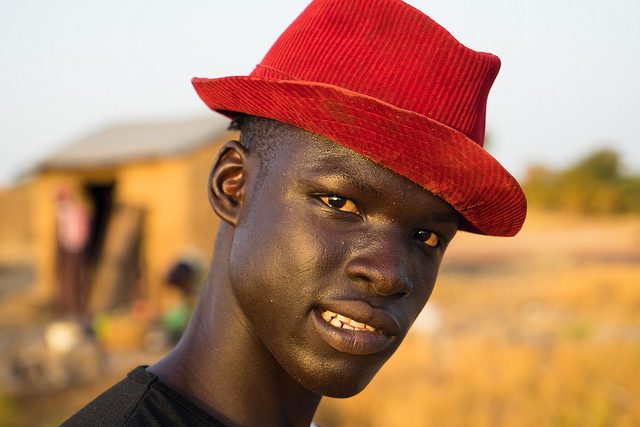
On average, the United States’ government has given approximately one percent of its federal budget — about $34 billion — each year over the past decade to countries in need of foreign aid.

Out of the aid amounts from all donor countries, U.S. foreign aid ranked at the top of the list. Non-DAC countries, like China, are also responsible for a significant part of the total aid amount.

Each year, developing countries receive aid in tens of billions of dollars from governments in other countries. From obtaining diplomatic approval to business access, this aid can serve various purposes for the donor countries. From agriculture, to education and public health, recipient countries use aid towards a wide variety of issues and projects.

Here is a rundown of the five countries that offered the largest foreign aid and how that aid was spent by its intended nations. Due to the lack of detailed information for 2017 fiscal year, the list will be based on previous-year statistics.

1. China

A surprise to many, the winner on the “aid list” is China rather than the United States. As a non-DAC country, China has not officially disclosed its aid information; however, in a recent publication, researchers from AidData at William & Mary claimed that during the year between 2000 and 2014, China offered $350 billion-worth of aid to 140 countries and territories, sponsoring more than 4000 projects – the largest foreign aid program in the world.

In 2009, China’s total financial commitment to development aid reached a whopping $69.9 billion, two times that of the U.S. foreign aid in the same year.

A large chunk of China’s aid is categorized by AidData as “Other Official Flows,” indicating that though counted as foreign aid, these financial assistances are primarily intended for commercial access rather than for development and welfare.

Top recipients of Chinese aid are largely members of the One Belt One Road Initiative, a program by President Xi that aims to reinforce trading routes across continents.

As a result, almost half of the aid was spent on infrastructure sectors including energy generation and supply, transportation, storage and communication. The spending on agriculture, forestry and fishing only took up 3 percent of the aid.

2. The United States

From 2002, the United States Agency for International Development (USAID) has gradually boosted the total foreign aid budget to a steady amount that rests around $32 billion. With the Department of State and USAID as the nation’s main donors, the U.S. government distributed — not counting fiscal worth of military assistance — $34 billion official development aid (ODA) to over 100 foreign governments during the 2016 fiscal year.

Such an amount makes the U.S. the largest foreign aid donor among DAC countries.

Israel, Afghanistan and Egypt are the largest recipients of the U.S. foreign aid, receiving $3.10 billion, $1.51 billion and $1.46 billion of assistance, respectively. More than one-third of the U.S. budget is spent on long-term projects that promote economic growth and public health programs.

About 23 percent of such aid is used as humanitarian aid, and aims to fund short-term disaster relief programs.

3. Germany

With a volume of $24.67 billion in 2016, Germany’s foreign aid ranked the second largest in OECD’s report. Compared to 2015, Germany’s aid budget experienced an impressive 36.1 percent increase, making Germany’s ODA to gross national income (GNI) ratio hit the 0.7 percent mark.

An important factor in accounting for this major boost is the wide-ranging social benefits provided to the large influx of refugees.

Starting from 2016, the German government reclassified this in-house spending on refugee assistance as international development aid, aiming to hit United Nations’ 0.7 percent ODA/GNI target.

4. The United Kingdom

Before it was made a legal obligation by the U.N., the U.K. hit the 0.7 percent ODA/GNI mark in 2013 and has since maintained this ratio very well.

In fiscal year 2016, the U.K. spent a total of $18.01 billion in development aid, thus becoming the third largest foreign aid donor among DAC countries.

Pakistan, Ethiopia and Afghanistan each received more than $300 million in U.K. aid, and Nigeria, Syria, Sierra Leone, South Sudan and Tanzania all received more than $200 million. The aid is largely used for humanitarian programs and other crisis-relief projects in nations close to the European Union.

5. Japan

As the third-largest economy in the world, Japan contributes the fourth-largest ODA among DAC countries. Though Japan ranked high on the list of total aid volume, its $10.37 billion aid in fiscal year 2016 merely took up 0.2 percent of its GNI compared to the United States’ criticized 0.18 percent.

As a close tie to China in overall economy, Japan also engages in competition with China for potential markets in developing countries by giving out development aid. While China desires more of natural resources in recipient countries of its aid, Japan wants cheap land and labor so that it can compete with the world’s leading manufacturing industry in China.

Humanitarian Aid is on the Rise

As OECD’s report indicates, the world’s total development aid is on the rise. This trend is so prominent that DAC Chair Charlotte Petri Gornitzka expressed her delight in the ever-increasing trend and the generous contributions of the largest foreign aid donors.

With an increasing amount of ODA being spent on short-term humanitarian and refugee aid, Gornitzka urged countries to also focus on long-term development programs.

Regardless of the purposes of aids, this healthy trend of increasing aid showcases the collective efforts of the world in reaching the U.N.’s Sustainable Development Goals

– Chaorong Wang

Photo: Google

March 14, 2018
https://borgenproject.org/wp-content/uploads/borgen-project-logo.svg 0 0 Borgen Project https://borgenproject.org/wp-content/uploads/borgen-project-logo.svg Borgen Project2018-03-14 01:30:072024-06-05 23:57:275 Countries That Provide the Largest Foreign Aid
Foreign Aid, Human Trafficking

How the US Benefits from Foreign Aid to Mali

How the U.S. Benefits from Foreign Aid to MaliA landlocked country in West Africa, Mali gained its independence from France in 1960. It is the eighth-largest country in Africa and its population currently consists of 18 million people. As one of the world’s younger nations, Mali still faces many challenges, from the effects of heavy rainfalls and floods to human rights violations such as terrorism and trafficking. In order to overcome these challenges, Mali needs foreign aid. However, there are many ways that the U.S. benefits from foreign aid to Mali.

Since its inception as an independent country, Mali has maintained diplomatic relations with the U.S. Over the years, the foreign aid Mali received from the U.S. has helped it to foster democracy and reduce poverty in the country. For instance, conflict in the country since 2012 has resulted in displacement, and food insecurity still remains an issue in Mali. Due to the foreign aid it received through USAID, Mali has been able to improve the availability of food and basic services, which led to the return of 60,200 displaced people to their areas of origin. Additionally, aid through USAID/OFDA helps improve access to emergency healthcare, protection services, safe drinking water and sanitation infrastructure in Mali.


Eradication of Extremism

Similarly, the U.S. benefits from foreign aid to Mali since it is committed to the eradication of extremism. Extremism negatively impacts every nation including the U.S., and the focus on Mali is crucial, as it has been called the deadliest country for U.N. peacekeepers. Extremist groups have carried out violent attacks in the country, and most of the recruits associated with such groups explained that their actions were not affected by their religious beliefs. In fact, they expressed the anger they felt due to the longstanding neglect of their communities, which led them to seek a sense of community in extremist groups. In order to eradicate extremism, the USAID has taken some key steps.

Utilizing locally-informed assessment and analysis, USAID has focused on “youth empowerment, social and economic inclusion, media and messaging, improving local governance, reconciliation and conflict mitigation.” The USAID tailors its activities to meet specific threat levels, the political environment and other material needs of each community, especially focusing on groups that need more assistance, such as at-risk young men. Armed bandits and extremists still occupy northern Mali, which accounts for nearly two-thirds of the country. Poor governance and extreme poverty contribute to the rise of extremist groups, which is why many of the USAID activities focus on improving these areas.

For instance, in order to stop the spread of extremism and foster development, USAID and Mali have jointly taken a different approach than previous ones that concentrated more on individual projects. USAID and Mali will target the country’s institutional weaknesses while contributing to ending extreme poverty, and the projected $600 million in investments for fiscal years 2016-2010 will focus on four key objectives:

  • Stabilization of Conflict-Affected Areas Reinforced (transition)
  • Public Trust in Government Improved (governance)
  • Adaptive Capacity of Vulnerable Communities and Households Improved (resilience)
  • Socio-Economic Well-Being Advanced (prosperity)

Combating Human Trafficking

Human trafficking is another serious issue in the country. The U.S. benefits from foreign aid to Mali because it is committed to fighting human trafficking globally, and Mali is a source, transit and destination country for women, men and children subjected to forced sex and labor trafficking. The government of Mali does not fully comply with the minimum standards for the elimination of human trafficking. Hence, the aid it receives from the U.S. makes a considerable difference. For example, foreign aid from the U.S. through the Office to Monitor and Combat Trafficking in Persons provides not only crucial training and technical assistance, but also child protection compact partnerships, emergency victim assistance and research projects that focus on innovative ways to combat human trafficking.

In short, the U.S. benefits from foreign aid to Mali because the latter is facing some dangerous challenges that the U.S. has committed to eradicating. By working together with Mali, the U.S. could help put an end to the violence that is caused by extremism and human trafficking.

– Mehruba Chowdhury

Photo: Flickr

March 1, 2018
https://borgenproject.org/wp-content/uploads/borgen-project-logo.svg 0 0 Borgen Project https://borgenproject.org/wp-content/uploads/borgen-project-logo.svg Borgen Project2018-03-01 01:30:512024-05-29 22:39:32How the US Benefits from Foreign Aid to Mali
Global Poverty

Plans to Improve Sustainable Agriculture in Turkmenistan

Plans to Improve Sustainable Agriculture in Turkmenistan Sustainable agriculture in Turkmenistan has been difficult to implement due to a lack of resources and an effective way of maintaining agricultural plans. Improvements to the country’s agricultural systems are currently being discussed by activists and governments across the globe.

The United States Agency for International Development (USAID) cites lack of management and effective irrigation systems as barriers to the implementation of sustainable agriculture practices. To address these barriers, aid organizations will not only need an effective irrigation plan in a country where, according to USAID, 80 percent of land is classified as desert, but will need to outline a sound managerial plan for maintaining it.

According to Support for Further Sustainable Agriculture and Rural Development in Turkmenistan (SARD III), the European Union has drawn plans for a four-year project. This complex initiative to improve sustainable agriculture in Turkmenistan required presentations in addition to a lengthy outline. In addition to government plans, aid organizations have chosen to address the issue through education and new technology.

Last fall, a partnership between The United Nations Development Program (UNDP), the Global Environment Facility and the Ministry of Agriculture and Water Economy of Turkmenistan resolved to construct a water pipeline to assist with the issue of sustainable agriculture. According to UNDP, a seminar was given in Ashgabat to outline the plan for the pipeline, explain its success in the past and discuss the importance of daily water conservation practices.

Education about effective agricultural methods has been adopted by other agencies as well. In a statement on the USAID Turkmenistan website, the organization claims to “…prioritize greenhouse horticulture, helping high-value fruit and vegetable growers, processors and marketing specialists connect with local and international markets.” Although the actions and projects by aid organizations as well as plans for improvement are important, aid organizations also emphasize education and explain ways people can make a difference in their everyday lives.

Although activists are doing what they can to address their concerns about sustainable agriculture in Turkmenistan, citizens also consider agriculture a priority and referenced agriculture in a 2015 UNICEF report about goals for the future. Aid organizations and volunteers aim to make sustainability projects a priority and to make sustainability plans a reality.

– Gabriella Evans

Photo: Flickr

February 23, 2018
https://borgenproject.org/wp-content/uploads/borgen-project-logo.svg 0 0 Borgen Project https://borgenproject.org/wp-content/uploads/borgen-project-logo.svg Borgen Project2018-02-23 07:30:562024-06-05 23:55:39Plans to Improve Sustainable Agriculture in Turkmenistan
Page 64 of 92«‹6263646566›»

Get Smarter

  • Global Poverty 101
  • Global Poverty… The Good News
  • Global Poverty & U.S. Jobs
  • Global Poverty and National Security
  • Innovative Solutions to Poverty
  • Global Poverty & Aid FAQ’s
Search Search

Take Action

  • Call Congress
  • Email Congress
  • Donate
  • 30 Ways to Help
  • Volunteer Ops
  • Internships
  • Courses & Certificates
  • The Podcast
Borgen Project

“The Borgen Project is an incredible nonprofit organization that is addressing poverty and hunger and working towards ending them.”

-The Huffington Post

Inside The Borgen Project

  • Contact
  • About
  • Financials
  • President
  • Board of Directors
  • Board of Advisors

International Links

  • UK Email Parliament
  • UK Donate
  • Canada Email Parliament

Get Smarter

  • Global Poverty 101
  • Global Poverty… The Good News
  • Global Poverty & U.S. Jobs
  • Global Poverty and National Security
  • Innovative Solutions to Poverty
  • Global Poverty & Aid FAQ’s

Ways to Help

  • Call Congress
  • Email Congress
  • Donate
  • 30 Ways to Help
  • Volunteer Ops
  • Internships
  • Courses & Certificates
  • The Podcast
Scroll to top Scroll to top Scroll to top