• Link to X
  • Link to Facebook
  • Link to Instagram
  • Link to TikTok
  • Link to Youtube
  • About
    • About Us
      • President
      • Board of Directors
      • Board of Advisors
      • Financials
      • Our Methodology
      • Success Tracker
      • Contact
  • Act Now
    • 30 Ways to Help
      • Email Congress
      • Call Congress
      • Volunteer
      • Courses & Certificates
      • Be a Donor
    • Internships
      • In-Office Internships
      • Remote Internships
    • Legislation
      • Politics 101
  • The Blog
  • The Podcast
  • Magazine
  • Donate
  • Click to open the search input field Click to open the search input field Search
  • Menu Menu

Archive for category: Humanitarian Aid

Children, Global Poverty, Humanitarian Aid

5 Charities Operating in Myanmar

Charities Operating in MyanmarThe saying “The children are our future” is a widely held belief that underscores the importance of prioritizing children’s well-being worldwide. Yet, some regions, including Myanmar (formerly known as Burma), fall short of this ideal. This is not a unique issue facing Myanmar, however. Fortunately, Myanmar’s children are not alone in their fight for a better future. Five charities operating in Myanmar are responding to the crisis with diverse, supportive action.

What Are Some Challenges Facing Myanmar?

Myanmar is a Southeast Asian nation bordering India, Bangladesh, China, Laos and Thailand. Its geographic location and ethnic diversity have contributed to long-standing internal conflict.

In February 2021, the military junta staged a coup and assumed absolute control of the country, committing widespread humanitarian violations against the population, including the suppression of free speech, manipulated elections, unlawful detentions, indiscriminate airstrikes on civilians, unregulated resource extraction and restricted access to medical care and supplies.

As foreign aid and attention toward the conflict dwindle, Myanmar sinks deeper into chaos. Protecting the most vulnerable is crucial, and humanitarian action for Myanmar’s children is imperative.

Humanitarian Action for Children in Myanmar

Myanmar’s conflict has created an urgent and time-sensitive need for humanitarian action for children. Violence, displacement and disruptions to educational and health services continue to threaten children across Myanmar. By mid-2025, as the scope of the military takeover expands and intensifies, the conflict has internally displaced more than 3.5 million people, including 30% who are children. Of the 20 million people requiring assistance, 6.4 million are children.

Environmental disasters exacerbate children’s safety concerns. Cyclones, typhoons, monsoon floods and earthquakes destroy vital infrastructure, including homes, schools, hospitals, access to clean water and proper sanitation, especially in underserved areas.

About 55% of Burmese children live in poverty. Malnutrition and lack of immunization for vaccine-preventable diseases limit opportunities. Ongoing violence, attacks, forced military recruitment and marriage threaten children’s well-being. Sanctuaries for children are vanishing due to both natural disasters and human conflict.

Myanmar’s children still have the opportunity for a better future. Five charities operating in Myanmar continue working tirelessly to alleviate suffering and provide vital humanitarian aid to Myanmar’s children, helping them find happiness and a reimagined future.

5 Charities Operating in Myanmar

  1. Save the Children: Save the Children Myanmar is one such charity operating on the ground. It provides humanitarian aid to children in Myanmar through programs in education, health and nutrition. It offers malaria testing and emergency relief and shelter for children affected by the 2025 earthquake. Since COVID-19, Save the Children Myanmar has implemented educational programs to help children enroll in school and regain a sense of normalcy. Save the Children Myanmar has operated in the country since 1995, maintaining a neutral and impartial presence while helping children “survive, learn and be protected.”
  2. UNICEF Myanmar: UNICEF Myanmar has been dedicated to supporting children in Myanmar for more than 70 years. Its success stems from decades of experience and adaptability in the region, allowing them to promote children’s rights, understand local problems and provide effective solutions. Whether in remote areas or with local communities, UNICEF Myanmar aims to make a difference, regardless of location or circumstance. After the 2025 earthquake, it offered emergency aid, emotional and psychosocial support, including safe spaces for children to smile, play and simply be kids.
  3. The Shew Ya Min Foundation: The Shew Ya Min Foundation (SYF) is a charity organization with a mission to ensure that disadvantaged children in Myanmar receive the support they need to escape the cycle of poverty. Its goal is to assist abused children by providing access to education, health care, counseling and life skills to help them navigate instability. Its humanitarian aid for children is diverse, including drop-in and housing centers, mobile outreach programs and emergency shelters in Yangon. The SYF accommodates 100 children during the school year, with a boarding center housing more than 50 students and a medical clinic accepting 35 patients daily.
  4. World Vision International Myanmar: World Vision International Myanmar is a Christian relief, development and advocacy organization. Its humanitarian aid for children in Myanmar transcends religion, race, ethnicity and gender, protecting the innocence of children exposed to violence and hostile environments. Child protection and disaster response are priorities, and implementing education, health, nutrition, water, sanitation and hygiene programs improves livelihoods and offers hope for the future, benefiting more than 1.35 million children, including 349,383 girls, 319,724 boys and 1,322 children with disabilities.
  5. Children of the Mekong: Children of the Mekong has operated in Myanmar since 1958, providing humanitarian aid to Myanmar’s children and remaining faithful to its goal of loving and supporting them by offering a future through education. To improve individual lives, the charity helps children build character and grow intellectually, emotionally and morally. On-the-ground development programs create environments suitable for education, with access to drinking water, housing, and school supplies. Sponsors help more than 23,400 children attend school. These programs help children avoid child labor and exploitation while gaining access to education and long-term opportunities. The organization intentionally meets the needs of children and families and is determined to support Myanmar’s children in the long term.

Looking Ahead

The good news for Myanmar’s children is much louder than the noise of hardships stripping them of a happy childhood and a safe future. Their resilience, combined with the dedication of humanitarian organizations, continues to bring attention to their struggles and needs. These five charities operating in Myanmar have answered the call and affirmed their unwavering support for Myanmar’s children. Providing children with a safe environment where they can grow and thrive remains essential.

– Elora Gunn

Elora is based in Louisville, KY, USA and focuses on Good News for The Borgen Project.

Photo: Unsplash

May 28, 2026
https://borgenproject.org/wp-content/uploads/borgen-project-logo.svg 0 0 Jennifer Philipp https://borgenproject.org/wp-content/uploads/borgen-project-logo.svg Jennifer Philipp2026-05-28 01:30:432026-05-27 11:58:315 Charities Operating in Myanmar
Global Poverty, Humanitarian Aid

The International Affairs Budget: How It Saves Lives Worldwide

The International Affairs BudgetThe International Affairs Budget accounts for less than 1% of total federal spending in the United States (U.S.), yet it continues to play a major role in reducing global poverty and supporting humanitarian aid worldwide. The budget funds diplomacy, food assistance, international health programs and development programs that provide millions of vulnerable people with access to clean water, education and health care. As Congress debates Fiscal Year 2027 spending priorities, advocates argue that protecting these investments is necessary for humanitarian progress and long-term international security.

Global Health Programs and Humanitarian Aid

The International Affairs Budget supports programs through agencies such as the United States Agency for International Development (USAID). According to the U.S. government, the U.S. provided nearly $3.7 billion in humanitarian assistance to Sub-Saharan Africa during Fiscal Year 2024, supporting food assistance, emergency relief and humanitarian programs in regions affected by conflict and displacement. In 2024, USAID and the U.S. Department of Agriculture also deployed $1 billion in emergency food assistance to address the growing global hunger crisis.

Global health funding also remains one of the most important components of international affairs spending. U.S.-supported initiatives have helped combat diseases such as HIV/AIDS, malaria and tuberculosis in developing nations. According to the World Health Organization (WHO), malaria prevention efforts have saved millions of lives globally over the last two decades.

Specific Global Impact

In countries such as Zambia and Kenya, U.S.-supported HIV/AIDS programs through the President’s Emergency Plan for AIDS Relief (PEPFAR) have expanded access to antiretroviral treatment and reduced AIDS-related deaths. According to the U.S. Department of State, PEPFAR has saved more than 25 million lives globally since its creation in 2003.

Supporters of the International Affairs Budget argue that these programs improve health outcomes abroad while helping vulnerable communities recover from conflict, displacement and food insecurity.

Debates Over Foreign Assistance Spending

Foreign aid and development spending remain active topics in Congress. The House Foreign Affairs Committee and the Senate Foreign Relations Committee continue reviewing legislation and discussing policy related to diplomacy, humanitarian assistance and international development programs.

Advocates for protecting the International Affairs Budget point to the connection between poverty reduction and economic development. According to the Center for Global Development, investments in development assistance can help reduce instability, support economic growth and strengthen international partnerships.

International Cooperation and Poverty Reduction

International cooperation remains a major part of global poverty reduction efforts. Organizations such as the United Nations and the World Bank continue to partner with governments and humanitarian organizations to improve food security, education and access to medical services in low-income nations. According to the World Bank, nearly 700 million people worldwide still live in extreme poverty, surviving on less than $2.15 per day.

Outside the United States, countries such as the United Kingdom and Ireland continue to support international development programs. The Foreign, Commonwealth and Development Office publishes updates on humanitarian relief and education programs worldwide. Irish Aid also supports programs that address hunger, improve access to health care and provide economic development in disadvantaged regions.

Moving Forward

Despite the International Affairs Budget’s relatively small size, proposed funding cuts have prompted concern from advocacy groups and humanitarian organizations. Certain critics argue that reducing foreign aid funding could weaken life-saving programs and limit America’s ability to respond effectively to global crises. Supporters claim that diplomacy and development funds remain important components of humanitarian response efforts worldwide.

As lawmakers continue to discuss FY27 spending priorities, deliberations on the International Affairs Budget mirror broader questions about America’s position in global development and humanitarian leadership. While the budget accounts for only a fraction of federal spending, its impact touches the lives of millions worldwide. For many advocates, protecting these investments is both a human rights responsibility and an important investment in a safer and more stable future.

– Gabriel Perez

Gabriel is based in Detroit, MI and focuses on Global Health and Technology for The Borgen Project.

Photo: Wikimedia Commons

May 25, 2026
https://borgenproject.org/wp-content/uploads/borgen-project-logo.svg 0 0 Jennifer Philipp https://borgenproject.org/wp-content/uploads/borgen-project-logo.svg Jennifer Philipp2026-05-25 03:00:572026-06-15 12:18:32The International Affairs Budget: How It Saves Lives Worldwide
Global Poverty, Humanitarian Aid

Poverty in the Sahel Region: Rural Neglect Versus Urban Bias

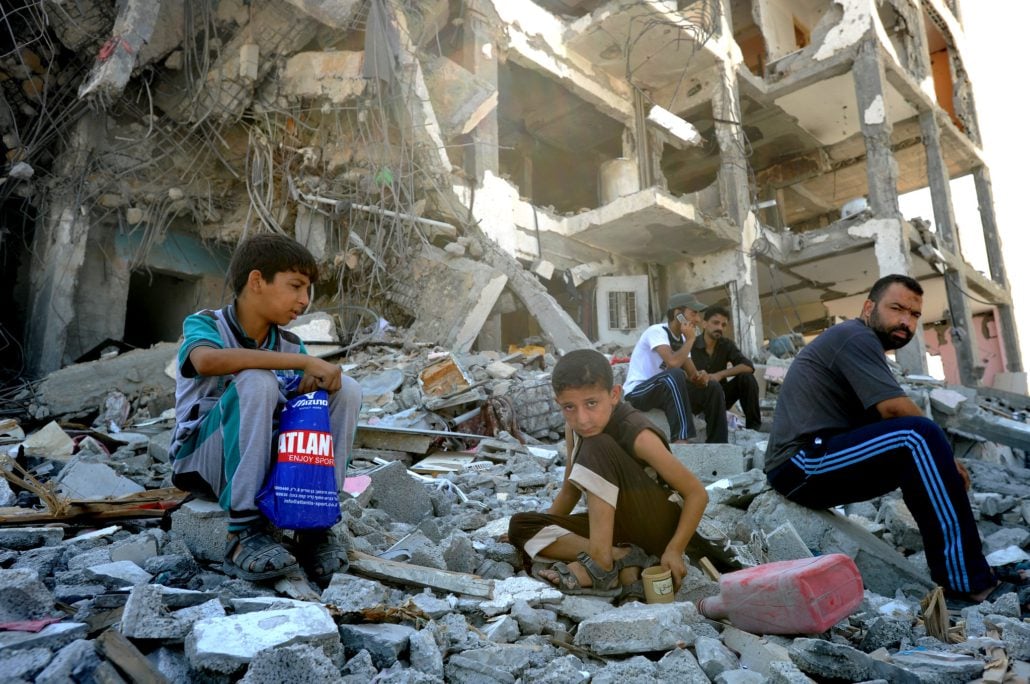
Poverty in the Sahel RegionThe WHO has described the north-central band of Africa below the Sahara Desert, known as the Sahel region, as a humanitarian crisis due to factors including poverty, instability and armed conflict. Poverty in the Sahel region is not only shaped by these circumstances. It is also influenced by a persistent policy pattern known as urban bias, in which cities receive disproportionate investment while rural areas are systematically overlooked.

Because poverty is more visible and politically concentrated in cities, government spending, humanitarian aid and infrastructure projects tend to prioritize urban areas. As a result, rural regions like the Sahel receive fewer health facilities, weaker transportation networks and less reliable energy access, despite facing equal or greater levels of need.

Malnutrition and Disease Outbreaks in the Sahel

Nigeria, a Sahel country, has one of the highest percentages of residents living in extreme poverty. Additionally, its arid climate makes it more likely to experience drought. This reality makes the area vulnerable to food shortages.

In context, close to one million children in the Sahel region under the age of 5 experience extreme malnutrition. The average lifespan in the Sahel region is about 20 years shorter than that of someone from Switzerland. Aside from malnutrition, the Sahel region is also particularly vulnerable to disease outbreaks and epidemics. 

For instance, there were more than 110,000 recorded cases of cholera in the area in 2021, compared to two in the U.S. that same year. These nutrition and health outcomes are not solely the result of climate or geography. Urban bias limits rural access to clean water systems, preventative health care and rapid disease surveillance, allowing otherwise preventable health crises to escalate in the Sahel.

Logistics 

Logistical challenges in the Sahel, such as transporting food, medical supplies, staff and other resources, are often treated as natural obstacles but usually stem from decades of urban-biased investment decisions. Limited road networks, underdeveloped supply chains and weak rural transport systems are the result of prioritizing cities over rural connectivity. For solutions to reduce poverty in the Sahel region, there must be measures that enable transportation across this vast, arid area.

The Sahel Adaptive Social Protective Program

The Sahel Adaptive Social Protection Program (SASPP) is a multi-donor trust fund established by the World Bank in 2014. It was created in response to several issues facing the Sahel region. It works with institutions and groups to strengthen social programs in the region.

The program provides technical assistance, capacity building and financial support for pilot interventions in six Sahelian countries. Since its inception, the project has allocated more than $270 million to investment projects, strengthening Adaptive Social Protection (ASP) systems in the region. ASP systems are social programs that help build the resilience of impoverished households. 

They do this by investing in their capacity to anticipate, respond to and recover from crises like climate shocks or economic downturns, ensuring they do not fall deeper into poverty.

Closing Remarks

If access to low to no-cost transportation expands, those living in the Sahel would be able to use these resources much more freely. By expanding technology access, the possibilities could be endless. Current technology is developing in such a way that it could help all of the factors determining extreme poverty in the not-too-distant future.

Redirecting resources to rural infrastructure and services offers one of the most realistic paths to reducing extreme poverty in the region.

– Nicole Miller

Nicole is based in Pittsburgh, PA, USA and focuses on Global Health and Politics for The Borgen Project.

Photo: Flickr
May 13, 2026
https://borgenproject.org/wp-content/uploads/borgen-project-logo.svg 0 0 Lynsey 2 https://borgenproject.org/wp-content/uploads/borgen-project-logo.svg Lynsey 22026-05-13 00:16:152026-05-13 00:16:15Poverty in the Sahel Region: Rural Neglect Versus Urban Bias
Aid, Global Poverty, Humanitarian Aid

The Liberation of Port-au-Prince: Humanitarian Aid in Haiti

Humanitarian Aid in HaitiFor the first time in years, Port‑au‑Prince is experiencing a fragile, but meaningful, shift. Neighborhoods long held under the control of armed gangs have been partially liberated, allowing residents to move with a freedom that had become almost unimaginable. After years of escalating violence, mass displacement and the near‑collapse of essential services, the liberation of Port-au-Prince represents more than a tactical gain. It offers a rare opening for humanitarian aid agencies that have struggled to reach communities in Haiti, trapped behind shifting frontlines.

Background

The scale of Haiti’s crisis is difficult to overstate. According to the U.N. Human Rights Office (OHCHR), gangs controlled up to 90% of Port‑au‑Prince as recently as 2025. They restricted movement, blocked trade routes and subjected civilians to extortion, kidnapping and sexual violence.

The U.N.’s March 2026 report on gang expansion documents 5,519 people killed and 2,608 injured between March 2025 and January 2026, with women and girls disproportionately targeted. The collapse of policing and justice institutions left entire neighborhoods effectively under siege, governed by armed groups whose authority rested on fear.

The Liberation of Port-au-Prince

However, recent security operations have begun to change this landscape. The Haitian National Police, supported by international partners including the U.N. Integrated Office in Haiti (BINUH) and contributors to the U.N.-mandated Multinational Security Support Mission, have regained limited control of several key routes and districts. U.N. experts describe this moment as a “glimmer of hope,” noting that police are now more visible and mobile in areas that had been inaccessible for months. 

This assessment is echoed in the U.N.’s broader human rights reporting, which frames the current moment as a rare but important opening for stabilization. For residents, the change is immediate and tangible. They can now cross neighborhood boundaries without paying extortion fees, as well as reach markets and health centers that were previously blocked off by gang violence.

Humanitarian Aid in Haiti

This shift has profound implications for humanitarian access, with Haiti’s situation being among the most severe in the world. According to the U.N. Humanitarian Action for Children, more than 6.4 million people are expected to require assistance in 2026, including 1.4 million internally displaced people. Furthermore, only 10%–11% of health facilities within Port-au-Prince with inpatient capacity are operating normally. 

Humanitarian aid agencies were unable to reach gang-controlled zones in Haiti, forcing them to rely solely on remote support or limited airlifts. The partial liberation of Port‑au‑Prince has opened a narrow yet vital corridor for humanitarian work. Mobile health clinics have begun reaching displaced people sheltering in schools and makeshift camps. 

The Need for Sustained International Support

The liberation of territory has also revealed the depth of trauma endured by children. A joint OHCHR–BINUH report found that at least 26 gangs in the capital are involved in child trafficking using boys for extortion and armed operations, while subjecting girls to sexual slavery. More than 500,000 children live in gang‑controlled areas and many have been misidentified as perpetrators, executed by police or vigilante groups. 

Even with improved access, Haiti’s humanitarian system is under severe strain. U.N. humanitarian assessments warn that gender‑based violence services face significant funding gaps and many displacement sites lack basic management structures. Food assistance pipelines risk interruption and children with acute malnutrition may remain untreated if funding shortfalls continue. 

Without sustained international support, the gains from recent security improvements could quickly erode. The broader political context also remains uncertain, as Haiti has not held national elections since 2016. Additionally, the assassination of President Jovenel Moïse in 2021 left the country without an elected head of state. 

Governance institutions remain weak and accountability for human rights violations, whether committed by gangs or the police, remains rare. OHCHR’s report describes the situation as a “severe deterioration” in human rights conditions, driven by gang expansion, institutional collapse and systemic impunity.

As humanitarian aid access improves in Haiti, agencies stress the need for reintegration programs, safe spaces, school‑based protection systems and cash‑transfer schemes that reduce the economic pressures driving recruitment.

Concluding Thoughts

The liberation of parts of Port‑au‑Prince is best understood not as a turning point, but as an opening. It offers a chance to scale up emergency assistance, rebuild essential services and strengthen protection for women and children. However, it also underscores the need for predictable funding and long‑term support for Haitian institutions working to restore the rule of law. 

For Haitians, the hope is that this moment marks the beginning of a broader recovery, one in which safety and opportunity replace fear and displacement.

– Max Kenway

Max is based in London, UK and focuses on Technology and Politics for The Borgen Project.

Photo: Pixabay

April 22, 2026
https://borgenproject.org/wp-content/uploads/borgen-project-logo.svg 0 0 Lynsey 2 https://borgenproject.org/wp-content/uploads/borgen-project-logo.svg Lynsey 22026-04-22 07:30:202026-04-21 12:25:27The Liberation of Port-au-Prince: Humanitarian Aid in Haiti
Food Insecurity, Global Poverty, Humanitarian Aid

How Humanitarian Aid in Cuba Is Keeping the Lights On

Humanitarian Aid in cubaIn the last two weeks, Cuba has experienced two major blackout events, leaving nearly all 11 million residents without power. An aging power grid, coupled with disruptions in global oil trading, has left the country’s power supply faltering. 

Cuba’s Power Grid Failures

Blackouts are not a new phenomenon for most Cubans; they have become accustomed to rolling power outages. The power grid infrastructure has been relied on far longer than intended. Many businesses have had to invest in solar panels to avoid losing power midday, rather than relying on the electrical grid. Over the last few years, this problem has been exacerbated, forcing citizens to adapt to living off-grid.

Day Zero 

Despite these difficulties, life for Cubans has recently worsened. Earlier this year, Venezuela ceased sending oil to Cuba, causing massive shocks to the country’s power system. Nearly half of Cuba’s oil needs were previously supplied by Venezuela. This gap in power production has left Cuba effectively running out of fuel, creating the conditions for an island-wide blackout.

Unlike blackouts of the past, the entire island, aside from those with solar panels or generators, was without power for over a day. The Cuban national news network was even down for 1.5 hours, citing the blackout as the cause. Coupled with these problems is the loss of oil trade with Mexico, which has also halted shipments to Cuba.

Food Insecurity

The aging electrical grid and the massive oil shortage in Cuba have created a dire situation for many citizens. The United Nations (U.N.) warned that the country could be on the verge of a humanitarian collapse. Refrigerators have not been much help over the last two weeks, as they have remained shut off, leading to food spoilage.

Some Cubans have resorted to buying food daily to prevent spoilage. Government officials have encouraged citizens to conserve food, fuel, water and even phone batteries. Hospitals can operate for only two to five hours during this energy crisis.

In response to the bleak situation, Cubans have protested by gathering in the streets of central Havana, the country’s capital and banging pots and pans.

Flotilla Provides Necessary Humanitarian Aid in Cuba

Nonetheless, hope arrives at the ports in the form of aid-bearing flotillas providing humanitarian aid to Cuba. The Nuestra America Convoy to Cuba (NAAC), an “international coalition of individuals and organizations dedicated to delivering critical aid to the Cuban people,” launched on March 21, 2026. The NAAC brought food, medical supplies and solar panels to help Cubans cope without their electrical grid.

Individual countries have also sent aid, with Canada pledging $8 million in food aid to Cuba. Another North American contributor, Mexico, has already sent more than 1,000 tonnes of food aid in the last two weeks. Chile, China and Italy have also pledged support. These efforts to deliver humanitarian aid to Cuba play a major role in preventing the situation from becoming even more critical than it already is.

Conclusion 

With an aging power grid and the failure of multiple oil trade agreements, Cuba has suffered. Two island-wide blackouts have occurred in the last two weeks, along with daily power outages nationwide. These problems can be addressed through long-term investment in energy infrastructure and diplomatic trade discussions. 

However, humanitarian aid to Cuba is helping citizens caught in the crisis. Envoys from around the world have descended on the country, bringing the supplies Cubans lack.

– Zaccheri Morra

Zaccheri is based in Tallahassee, FL, USA and focuses on Good News for The Borgen Project.

Photo: Unsplash

April 19, 2026
https://borgenproject.org/wp-content/uploads/borgen-project-logo.svg 0 0 Lynsey 2 https://borgenproject.org/wp-content/uploads/borgen-project-logo.svg Lynsey 22026-04-19 03:00:232026-04-21 01:19:02How Humanitarian Aid in Cuba Is Keeping the Lights On
Global Poverty, Humanitarian Aid

ADRA Mongolia: Protecting Vulnerable Communities

Justice, Compassion, Love: The success of ADRA Mongolia in protecting vulnerable communitiesThe Adventist Development and Relief Agency (ADRA) was established in 1983 as the humanitarian branch of the Seventh-day Adventist Church. In 1994, ADRA became the first NGO to open a branch in Mongolia following the nation’s regime change. During this period of civil unrest, the charity focused on providing basic necessities. However, as the country stabilized, the charity’s mission expanded. This makes it important to understand the success of ADRA Mongolia in protecting vulnerable communities, as the NGO provides a model of proactive survival techniques and long-term community development.

The Mission

For 32 years, ADRA Mongolia’s mission has been to support Mongolia’s most vulnerable communities, particularly rural nomadic populations living in ecologically dangerous regions. To better support Mongolia’s poorest communities and their varied needs, the charity divided its mission into five categories: health, livelihood, agriculture, emergency and outreach.

Protecting Vulnerable Communities

  • Health Programs. ADRA states that “health is at the heart of so much of the world’s poverty and suffering.” For this reason, ADRA Mongolia spends significant resources connecting rural families with physicians and medical facilities. Health concerns in the region also prompted the NGO to provide citizens with practical health information. This approach appears in ADRA Mongolia’s recent health project, “Next Gen Celebrations,” which focuses on teaching children ages 12-15 about noncommunicable diseases and prevention strategies.
  • Livelihood Support. ADRA Mongolia also supports the livelihoods of households across Mongolia, some of which survive on as little as $1.90 a day. Financial insecurity remains a significant challenge in Mongolia, where women have only recently gained formal rights and many still struggle to engage with financial systems. By 2021, ADRA Mongolia had supported 3,636 households, helping prevent them from falling below the extreme poverty line. The NGO also runs sustainable livelihood programs that teach rural farmers and herders improved techniques to increase long-term economic stability.
  • Agricultural Programs. Although agriculture forms part of its livelihood programs, ADRA Mongolia treats agriculture as a separate focus because of the region’s harsh ecological conditions. In the Mongolian province of Bayan-Ölgii, winters can reach −50°C, rainfall is scarce and weather conditions can change rapidly. Despite these challenges, ADRA Mongolia runs the CANSAP program in the region, teaching farmers how to extend the growing season and protect crops from failure.
  • Emergency Response. Mongolia faces severe emergency conditions known as the “dzud phenomenon,” during which shifting and dangerous weather places up to 90% of the population and livelihoods at risk. ADRA Mongolia identifies the dzud crisis as one of its central priorities, as Mongolia lost 5,900,000 livestock to the phenomenon in 2024 alone. To deliver emergency relief, ADRA Mongolia launched the “Dzud Emergency Response,” which provided support to 167 of the most severely affected households.
  • Outreach Programs. The final focus category for the charity is outreach, which remains important in Mongolia, where 50% of the population lives in the capital, while the remainder lives across the vast steppes. Outreach work for the NGO includes identifying vulnerable communities and individuals and providing them with a space to voice their needs. To support this effort, ADRA Mongolia established the “ChEMP” program, which equips local churches with disaster management training and regular meetings. These centers serve as community anchor points where people can seek support.

Looking Ahead

ADRA Mongolia differs from many religious charities because it serves people regardless of background or religion. The success of ADRA Mongolia in protecting vulnerable communities demonstrates the impact of multi-layered approaches to poverty reduction and disaster preparedness, supporting thousands of households facing economic and environmental challenges.

– Eli Thomson

Eli is based in Preston, UK and focuses on Good News, Technology and Solutions, Politics for The Borgen Project.

Photo: Flickr
March 28, 2026
https://borgenproject.org/wp-content/uploads/borgen-project-logo.svg 0 0 Precious Sheidu https://borgenproject.org/wp-content/uploads/borgen-project-logo.svg Precious Sheidu2026-03-28 01:30:012026-03-27 12:17:17ADRA Mongolia: Protecting Vulnerable Communities
Charity, Global Poverty, Humanitarian Aid

Humanitarian Aid in Sudan & Gaza: Celebrities Raise $5.5 Million

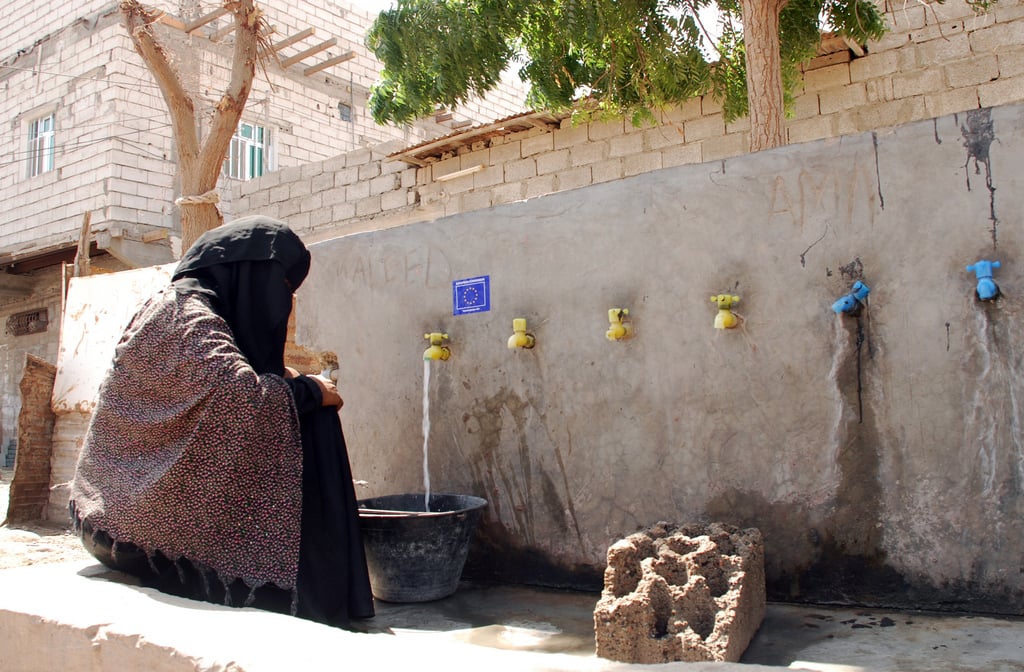
Humanitarian Aid in Sudan & GazaOn January 10, 2026, Mustafa the Poet, Pedro Pascal and Bella Hadid hosted a concert in LA named “Artists for Aid,” with the goal of raising money to sustain humanitarian aid in Sudan and Palestine. This was the most successful show of their concert series, raising $5.5 million in one night and featuring A-list celebrities, such as Shawn Mendes and Clairo. 

The Inspiration 

This concert was very different from typical fundraising events, as none of the music directly addressed the atrocities occurring around the world right now; in fact, all the artists were focused solely on creating a good atmosphere. The love and effort put into this event are evident in interviews with the co-hosts, such as Sudanese artist Mustafa the Poet, who has organized similar events in London and New Jersey and often speaks of artists’ power to spread empathy. Furthermore, Hadid spoke at length about her Palestinian heritage and the community and rich traditions in which she was raised. 

The breadth of artists who volunteered to perform at the LA concert was evident in the range of genres: from Mendes and rock bands to a surprise performance from Chappell Roan. The artists split the proceeds equally between the Sudanese American Physicians Association and the Palestine Children’s Relief Fund. Not only are these organizations close to the hearts and heritages of some of the hosting artists, but they are also at the forefront of delivering humanitarian aid in Sudan and Gaza. 

What these organizations do is something rare and complex at a time when these regions can be rife with corruption and political agendas. 

Significance 

This event not only raised substantial funds for humanitarian aid in Sudan and Gaza but also demonstrated how celebrities and artists can leverage their enormous platforms for advocacy and humanitarian efforts. In a time when we read about so much violence and hatred on all media outlets, readers may feel overwhelmed and detached from current affairs. However, events such as “Artists for Aid” can be incredibly refreshing, as they strengthen messages of love and community, which have made the past three concerts so successful. 

The dollars raised in the recent LA concert will reach tens, if not thousands, of Palestinian and Sudanese children, who are currently in dire need of immediate humanitarian relief. In an era when many may feel helpless, events such as these serve a vital purpose by reminding us of the power of community. Moreover, “Artists for Aid” should serve as a reminder to other artists and A-list celebrities of the power of their platforms and the boundless possibilities for using them for good. 

– Vittoria Cortese

Vittoria is based in Washington DC, USA and focuses on Celebs for The Borgen Project.

Photo: Flickr
March 16, 2026
https://borgenproject.org/wp-content/uploads/borgen-project-logo.svg 0 0 Lynsey 2 https://borgenproject.org/wp-content/uploads/borgen-project-logo.svg Lynsey 22026-03-16 07:30:242026-03-15 01:15:28Humanitarian Aid in Sudan & Gaza: Celebrities Raise $5.5 Million
Global Poverty, Humanitarian Aid, Migration

How Aid Groups Support Migrant Domestic Workers in Lebanon

Migrant Domestic Workers in LebanonIn Lebanon, migrant domestic workers (MDW) experience multidimensional poverty on an exacerbated level. More than 250,000 migrant domestic workers in Lebanon predominantly come from “African and Asian countries” under the kafala system, a sponsorship system that is described as “modern-day slavery.” Women are most affected by this system. According to U.N. Women, women make up 76% of all migrant workers and 99% of MDW who come to Lebanon.

The Kafala System

The Lebanese state excludes MDW from the Labor Law, leaving them without basic legal protections. Instead, they are in a contractual relationship with their employer, who is responsible for their “legal status and visa.” Employers frequently confiscate passports and restrict movement, shaping their daily lived reality. 

U.N. Women reports that “94% of employers withheld the worker’s passport and 61% of employers did not allow the worker to engage in social or learning activities with NGOs.” Working conditions for MDWs under the kafala system are extremely difficult. They are subject to long hours with little to no time off. 

MDWs report “verbal and psychological abuse and physical violence” inflicted on them by their employer. U.N. Women has documented that 22.5% of Lebanese employers “always or sometimes lock their domestic worker inside the house.”

Racialized Labor and Social Discrimination Against MDWs

Racism underpins the treatment of MDWs in Lebanon. Migration patterns document that the majority of MDWs in Lebanon are from Ethiopia. As a result, the term “El-Ethiopiyye,” meaning “The Ethiopian,” is a derogatory label used to refer to all MDWs, regardless of what their actual nationality is. 

Furthermore, health care access remains severely restricted for them. Hospitals and doctors turn MDWs away for “not having legal documents, or simply because they’re not Lebanese.” Many MDWs avoid seeking health care because they fear deportation and lack the financial means to pay for the treatment. 

The combination of poor working conditions and inability to access health care is prevalent in the increasing number of cases in psychiatric consultations. Doctors Without Borders reports that from 2023 to 2024, “psychiatric consultations in the Bourj Hammoud clinic doubled.” 

Economic Collapse, COVID-19 and Armed Conflict

Economic collapse, the COVID-19 pandemic and armed conflict have intensified the vulnerability of MDWs in Lebanon. Following COVID-19, the Lebanese lira depreciated, leading to wage cuts for MDWs. A worker who was able to send their family $200 is now only able to send $120, subject to fluctuating exchange rates.

The 2024 Israel bombing of Lebanon left MDWs extremely vulnerable. Many employers fled Beirut, leaving their workers behind. Doctors Without Borders reports that employers abandoned MDWs on the streets or locked them inside their homes as they fled for safety.

Doctors Without Borders

Doctors Without Borders is an international medical humanitarian organization that delivers lifesaving aid to people in crisis worldwide. The organization operates in more than 75 countries, including Lebanon. Since its founding in 1971, it has been working to deliver care, including surgery, vaccination, nutrition support and mental health support.

The charity has a clinic in the northern Beirut suburb of Bourj Hammoud. Here, the organization responds to medical needs through consultations, sexual and reproductive health services and mental health services. Its clinic also covers any life-threatening referral costs from hospitalization.

To break down barriers for migrant workers accessing health care in Lebanon, it offers translators for medical appointments. This decreases the risk of migrant workers being unable to access appropriate health care due to language barriers. The organization expands its medical care to encompass meeting migrant workers’ basic needs. To support this, it has social workers who refer patients to services that provide basic needs such as food and shelter.

Following the Israeli bombing of Lebanon, the initiative set up a mobile clinic from which it donated essential relief items and delivered medical care. During this aid effort, the organization delivered 400 kits of basic relief items to shelters, which included hygiene materials and mattresses. The organization further provided mental health outreach for those affected by the bombing.

Beatrice’s Story

Doctors Without Borders has helped hundreds of migrant workers, including Beatrice. It documented that on October 6, 2024, Lebanon was under bombardment by Israel and Beatrice had been left locked inside the house alone. To flee her employer’s home, Beatrice jumped from the balcony and broke her ankles.

The organization interviewed Beatrice, who stated: “My friends called an organization to see if they could support me with the treatment. That organization, along with Doctors Without Borders, covered my surgery, medication and the two-month recovery period.” Without the aid of the charity, Beatrice would have suffered her injuries without hope of medical attention.

Hope Beyond Kafala

While the kafala system continues to exploit migrant domestic workers in Lebanon, the work of humanitarian organizations offers a powerful counter-narrative of hope and resilience. Groups such as Doctors Without Borders demonstrate that access to health care, dignity and protection is possible even within deeply unequal structures. 

– Lucy Kerr 

Lucy is based in Coventry, UK and focuses on Good News and Politics for The Borgen Project.

Photo: Flickr
March 3, 2026
https://borgenproject.org/wp-content/uploads/borgen-project-logo.svg 0 0 Lynsey 2 https://borgenproject.org/wp-content/uploads/borgen-project-logo.svg Lynsey 22026-03-03 03:00:532026-03-02 23:45:05How Aid Groups Support Migrant Domestic Workers in Lebanon
Foreign Aid, Global Poverty, Humanitarian Aid

Foreign Aid to Ethiopia

Foreign Aid to EthiopiaEthiopia remains one of the poorest countries in the world. Despite decades of foreign aid from as far back as the Cold War, the World Bank expects that 43% of its 138-million-person population is living below the poverty line of $3 per day. As much as 72% of the country lives without reliable education, health care or basic services, presenting immense challenges to people in rural and urban areas alike. However, with global politics constantly evolving, a growing number of nations and independent organizations have begun to help lift this developing nation above the line of poverty. Here is more information about foreign aid to Ethiopia.

Ethiopia’s History With Aid

The United States and Ethiopia have long held an important bilateral relationship in terms of aid. This east African country has consistently stood among the top recipients from the U.S, and the U.S. has consistently been its top donor. However, the U.S. Agency for International Development (USAID) paused its foreign aid to Ethiopia in 2023, following reports that large amounts were being diverted away from the residents who relied on it and resold locally. The agency oversaw reforms in the distribution of its aid that year, allowing its vital efforts to continue its life-saving work. The assistance that USAID provided has helped reduce AIDS-related deaths by 79% and supplied locals with essential testing materials and medication kits.

As the U.S. continues to taper its contribution, other key actors are met with the responsibility of filling in its role. The World Food Programme (WFP) is a leading international organization in distributing humanitarian aid to those who most need it, regardless of political tension. Conflict, drought and rising food prices have displaced an alarming number of men, women and children without stable food supplies, making emergency assistance essential for survival. In 2024, the WFP detailed its plan to support 1.9 million high-risk Ethiopians and a further 1 million refugees through its assistance. Its unique initiatives involve optimizing and protecting harvests by providing seed inputs, expanding market access and preventing post-harvest loss.

Impact of the Humanitarian Efforts

The $1.3 billion in U.S. foreign aid to Ethiopia in 2024 has helped drive Ethiopians through periods of immense strain in several regions. The combination of armed conflict and a multi-year drought has proved challenging for tens of millions of residents, but the country has not gone without external aid. The vast majority of the U.S. donation—$831 million—was humanitarian, supporting emergency food distribution, malnutrition treatment for children and mothers and school meals for children in displaced communities. Smaller portions went toward long-term economic development, pro-democratic governance and stabilizing efforts like education and the environment.

Wealthy nations are not the only actors in the fight for global development. The International Rescue Committee (IRC), a humanitarian nonprofit that Albert Einstein helped create, is one of many independent organizations working to alleviate the country’s refugee crisis. Ethiopia accepts more than 1 million refugees and asylum seekers from neighboring nations, making it one of the world’s largest refugee hosts. Since 2000, the International Rescue Committee has played a decisive role in supporting vulnerable residents and refugees in the region, especially for women and children.

The Future of Funding

As the United States cuts back on large amounts of its foreign aid to Ethiopia and other countries, European and international bodies are placing a greater emphasis on humanitarian efforts in the area. The European Union has offered about $700 million to support the developing nation through 2027, focusing on development that promotes conflict resolution, governance and peacebuilding. Denmark has pledged a further $238 million sum over five years in bilateral grants, marking efforts to support sustainable growth amid waning U.S. assistance.

The WFP has outlined five goals for its operations in Ethiopia, each underscoring the importance of long-term solutions rather than solely monetary contribution. Among these, they hope to see crisis-afflicted populations gain “strengthened livelihoods supported by resilient food systems that enable them to withstand multiple shocks and stressors.” The primary aim of the WFP is in developing social and political systems in the country that allow residents to thrive despite unexpected conflict or natural disaster.

– Jayhan Adhi

Jayhan is based in Chicago, IL, USA and focuses on Business and Politics for The Borgen Project.

Photo: Flickr

February 27, 2026
https://borgenproject.org/wp-content/uploads/borgen-project-logo.svg 0 0 Jennifer Philipp https://borgenproject.org/wp-content/uploads/borgen-project-logo.svg Jennifer Philipp2026-02-27 03:00:532026-02-26 00:38:58Foreign Aid to Ethiopia
Global Poverty, Humanitarian Aid, Nonprofit Organizations and NGOs

Fund for Armenian Relief: Impacting Refugees in 2026

Fund for Armenian ReliefThe changing climate is a persistent issue that is becoming increasingly relevant as severe weather events reach cities around the world. With the consensus that extreme storms are an isolated issue instead of an international one, damage affecting unhoused and refugee communities in 2025 highlighted the importance of nonprofit organizations in the absence of assistance from local governments. Generating more support for displaced persons and the unhoused community begins with sharing stories that evoke relatability and enhance overall understanding of the issue.

Ongoing Advocacy

On Nov. 11, 2025, climate reporter Sabrina Shankman shared insight on the best way to educate people about the significance of climate change at the “Climate Is Every Story” panel series designed for Boston College faculty and students. Shankman said storytelling is the key to proper advocacy, not data points.

Similarly, Neil McCullagh, executive director of the Carroll School of Management’s Joseph E. Corcoran Center for Real Estate and Urban Action and BC ’91, highlighted the effectiveness of Habitat for Humanity’s human-focused narrative. Specifically, he discussed how the partnership between Habitat for Humanity and a faith-based organization provided 13 housing units that improved the lives of struggling families. Initiatives like this are powerful and help communities visualize the bigger picture and give their support.

Relief Efforts

Habitat for Humanity is a global organization based in Atlanta, Georgia, that provides housing assistance. Habitat for Humanity works with communities around the globe, serving about 70 countries. In 2025, research revealed that inadequate access to housing is a global issue, with 1.8 billion people worldwide unable to find affordable housing.

The organization continues to operate with the philosophy that “a world where everyone has a decent place to live” is possible. Its programs aid populations suffering from poverty, economic disadvantages and other challenges. There are similar nonprofit projects that provide items usually inaccessible to low-income individuals. Habitat for Humanity ReStore offers used household items at affordable prices. Proceeds from these items help the organization collaborate with local families to provide accessible housing for low-income individuals.

Volunteers from the Global Village program improve the lives of communities internationally by building houses in countries including Guatemala, Honduras, Kenya, Malawi and Romania. Other nonprofit projects have provided people in Brazil with a water tank as a response to a disaster in the region.

Global Village volunteers also responded to the risk of natural disasters in Cambodia by building water towers while providing homes for displaced persons in the Dominican Republic. These programs are creating momentum toward housing equity in underdeveloped countries. Relief efforts are giving people a fresh start. Mobilizing volunteers is one of the most effective methods to advocate for change. Still, innovative and sustainable solutions are needed to address fluctuating levels of support for services.

Forced Displacement and Hunger

A variety of challenges affect refugees, but one of the greatest trials they face is hunger. Currently, refugees receive most assistance from nongovernmental organizations.

Sustainable living practices empower refugees to find nourishment through natural resources. Educating displaced persons on agricultural practices equips them with tools to avoid hunger and improve individual economic circumstances. A significant level of impact has been achieved through targeted programs. In particular, nonprofit projects like FAR’s Support for Artsakh’s Displaced Project teach students horticulture and gardening skills. For example, 15-year-old student Nanar Markosyan learned horticulture and gardening through this program, which prepared her to attend the National Agrarian University to pursue greenhouse management.

Sustainable farming approaches, such as tending soil or caring for livestock, promote self-reliance and resilience. Programs like these help prevent reliance on third-party food sources that may not always be available.

This approach can also be seen in the Fund for Armenian Relief’s malnutrition treatment programs established by a local NGO aiming to end malnutrition. The “Breakthroughs in Child Nutrition and Development for Healthy Generations” program was established in September 2020 to provide nutrition assistance to preschoolers and kindergarteners. As a result, 354 children received nutrition assistance in Ijevan, Tavush marz, Armenia. Focusing on successful programs like these helps ensure that child hunger is reduced or eliminated.

Fund for Armenian Relief

Fund for Armenian Relief (FAR) assists refugees fleeing life-threatening circumstances. FAR also provides food assistance and humanitarian support to help vulnerable communities in Armenia. The organization was created after the devastating earthquake in 1988, when the Armenian diaspora in the U.S. provided food and supplies. After the disaster, FAR identified the need for additional forms of assistance, which led to resilience-centered initiatives. Currently, the organization operates soup kitchens, assists vulnerable and abused children and supplies clean water. What began as a mission to help refugees rebuild their lives after the 1988 earthquake has evolved into a multifaceted nonprofit organization offering services related to health care, education, economic development, child protection and social services.

The Borgen Project spoke with Bree Carriglio, executive director of Fund for Armenian Relief, regarding the organization’s progress and goals for refugee assistance in 2026. Carriglio described progress made toward supporting displaced populations. When discussing food insecurity among children, Carriglio said, “FAR is always working to identify different ways we can provide nourishment to our most vulnerable populations. Our soup kitchens, old age home and child malnutrition programs in kindergartens are just a few ways we do this, and every year we evaluate how we can improve the nutritional values of our menus and reach more people.”

Carriglio noted that hunger was a major issue among displaced populations after a nine-month blockade prior to fleeing. Following the displacement between 2023 and 2024 resulting from conflict between Armenia and Azerbaijan, FAR provided immediate aid to 14,000 families during the first six months.

Nutrition Deficits

FAR aims to assess specific nutrition deficits in children through its malnutrition program this year. In 2026, the organization anticipates progress in its food aid programs and plans to identify opportunities to expand nutrition assistance through program evaluations. Looking ahead, Carriglio emphasized that continued efforts to support displaced refugees are essential to expanding FAR’s mission. She said the key to rebuilding lives is to “make sure they have not only the physical resources to do that but also the psychosocial support and other resources to address the emotional toll this type of trauma can have on individuals.”

FAR’s nonprofit projects continue to show progress. Because the organization has no political affiliation, funding relies heavily on donors. In some cases, FAR has partnered with the Armenian government to administer programs that demonstrate measurable outcomes. FAR has also participated in advocacy efforts to raise awareness about forced displacement and food insecurity among refugee populations. Carriglio said, “During the last crisis, we raised awareness by reaching out to the diaspora and sharing both firsthand accounts of the crisis and how we were mobilizing to help, which focused on both immediate assistance in the form of humanitarian aid and implementing strategies to help displaced individuals rebuild their lives.”

However, these resources are not sufficient to sustain every program. Budget cuts created funding gaps, forcing FAR to end a workforce program for vulnerable populations, including veterans reentering the workforce. Monetary aid remains the most effective form of support because food can be purchased within Armenia and distributed without delay.

The Path Forward

The conflict that caused nearly 100,000 refugees to flee Artsakh and cross the Armenian border is one of many challenges displaced persons have endured.

Fund for Armenian Relief has the ability to adapt to change and its mission to provide humanitarian support continues to transform the lives of vulnerable children, including those facing challenges beyond food insecurity. Other nonprofit projects, such as Habitat for Humanity’s Global Village program, have secured housing and supplied clean water internationally.

Investing in programs that support vulnerable communities serves as both immediate relief and a long-term strategy for mitigation. Raising awareness and building strategic partnerships can help reduce the challenges faced by populations struggling to meet basic needs worldwide.

– Lala McCullough

Lala is based in Brentwood, CA, USA and focuses on Good News for The Borgen Project.

Photo: farusa

February 22, 2026
https://borgenproject.org/wp-content/uploads/borgen-project-logo.svg 0 0 Precious Sheidu https://borgenproject.org/wp-content/uploads/borgen-project-logo.svg Precious Sheidu2026-02-22 01:30:222026-02-21 15:18:20Fund for Armenian Relief: Impacting Refugees in 2026
Page 1 of 34123›»

Get Smarter

  • Global Poverty 101
  • Global Poverty… The Good News
  • Global Poverty & U.S. Jobs
  • Global Poverty and National Security
  • Innovative Solutions to Poverty
  • Global Poverty & Aid FAQ’s
Search Search

Take Action

  • Call Congress
  • Email Congress
  • Donate
  • 30 Ways to Help
  • Volunteer Ops
  • Internships
  • Courses & Certificates
  • The Podcast
Borgen Project

“The Borgen Project is an incredible nonprofit organization that is addressing poverty and hunger and working towards ending them.”

-The Huffington Post

Inside The Borgen Project

  • Contact
  • About
  • Financials
  • President
  • Board of Directors
  • Board of Advisors

International Links

  • UK Email Parliament
  • UK Donate
  • Canada Email Parliament

Get Smarter

  • Global Poverty 101
  • Global Poverty… The Good News
  • Global Poverty & U.S. Jobs
  • Global Poverty and National Security
  • Innovative Solutions to Poverty
  • Global Poverty & Aid FAQ’s

Ways to Help

  • Call Congress
  • Email Congress
  • Donate
  • 30 Ways to Help
  • Volunteer Ops
  • Internships
  • Courses & Certificates
  • The Podcast
Scroll to top Scroll to top Scroll to top