• Link to X
  • Link to Facebook
  • Link to Instagram
  • Link to TikTok
  • Link to Youtube
  • About
    • About Us
      • President
      • Board of Directors
      • Board of Advisors
      • Financials
      • Our Methodology
      • Success Tracker
      • Contact
  • Act Now
    • 30 Ways to Help
      • Email Congress
      • Call Congress
      • Volunteer
      • Courses & Certificates
      • Be a Donor
    • Internships
      • In-Office Internships
      • Remote Internships
    • Legislation
      • Politics 101
  • The Blog
  • The Podcast
  • Magazine
  • Donate
  • Click to open the search input field Click to open the search input field Search
  • Menu Menu

Tag Archive for: USAID

Information and news about mobile technology

Posts

Global Poverty, Life Expectancy

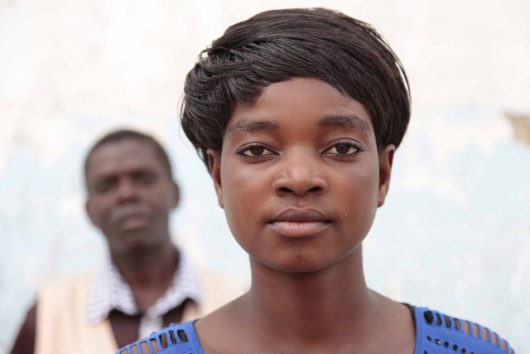
10 Facts About Life Expectancy in Zambia

10 Facts about Life Expectancy in Zambia

Zambia is home to 16.45 million people. It had one of the world’s fastest-growing economies up until 2014. Despite this, rural poverty and high unemployment levels remain rampant across the country. As a result, the nation’s average life expectancy is lower than the global average. However, significant steps have been taken in an attempt to improve the situation. Here are 10 facts about life expectancy in Zambia.

10 Facts about Life Expectancy in Zambia

  1. The CIA reports the average life expectancy for in Zambia to be 51.4 years for males and 54.7 years for females. This is a slight increase from life expectancy in 1980 when Zambian males had an average life expectancy of 50.4 years while Zambia females had an average life expectancy of 52.5 years. Zambia currently ranks 222 in life expectancy out of 223 countries.
  2. Over the last 10 years, there has been a 30 percent reduction in child mortality in Zambia. UNICEF reported that Zambia’s under-five mortality rate was 60 deaths per 1000 births in 2017. This is an extremely large decrease in comparison to the 1990 under-five mortality rate, which was 185 deaths per 1000 births.

  3. Zambia’s high rate of child stunting is due in part to lack of poor water sanitation and hygiene. Currently, 14 percent of the Zambian population and 46 percent of Zambian schools do not have access to basic hygiene services, such as handwashing facilities with soap and water.

  4. UNICEF has set up the WASH program in response to the lack of hygienic access in Zambia. In partnership with the Government’s Seven National Development Plan, UNICEF is helping Zambia achieve the Vision 2030 and Sustainable Development Goals. WASH has been providing sustained access to clean water and encouraging the adoption of hygiene practices in schools throughout Zambia.

  5. Since 2010, Zambia has been part of the Scaling Up Nutrition Movement (SUN) in order to further battle childhood stunting, which affects 40 percent of children under the age of five. Since joining SUN, the District Nutrition Coordinating Committees (DNCC) has expanded its efforts throughout several districts in Zambia. From 2010 up to 2017,  SUN in Zambia had reached 44 percent of its goal to create coherent policy and legal framework, 62 percent of its goal of financial tracking and resource mobilization and 81 percent of its goal to align programs around a Common Results Framework.

  6. The top cause of early death in Zambia is HIV/AIDS. However, new HIV infections have dropped since 2010 by 27 and AIDS-related deaths have dropped by 11 percent. In order to maintain this downward trend, comprehensive sex education have been implemented in schools. As of 2016, 65 percent of Zambians living with HIV had access to antiretroviral treatment to prevent further transmission.

  7. The AIDS Healthcare Foundation (AHF) has expanded its efforts to spread treatment for HIV/AIDS throughout Zambia. In 2018 alone, AHF provided treatment for 71,000 Zambian HIV/AIDS patients.
  8. HIV/AIDS, neonatal disorders, and lower respiratory infections are the top three causes of death in Zambia since 2007. However, the number of deaths caused by these diseases have dropped since 2007 by 63.1 percent, 8 percent, and 14.5 percent respectively.
  9. As of 2018, a total of $64 per person was being spent on health in Zambia. This money comes from development assistance for health ($28) and government health spending ($24) while $12 comes from out-of-pocket and prepaid private spending, respectively. This total is expected to increase to $135 by 2050.

  10. Though the Zambian uses 14.5 percent of its total expenditures on health expenditure, there is still much work to be done. Currently, Zambia benefits from USAID’s assistance in order to scale up prevention, care and treatment programs. However, the country does not have enough advanced hospitals to offer specialized treatment. Nationally, there is an average of 19 hospital beds per 10,000 people. Additionally, WHO reports that Zambia has a physician density of 0.1 doctors per 1,000 people, which is far below the comparable country average of 3.5 physicians per 1,000 patients.

The 10 facts about life expectancy in Zambia listed above can be corrected through proper planning, targeted efforts to decrease poverty, the establishment of water/hygiene practices and development of education throughout the country. With the help of other nations and organizations, life expectancy in Zambia can be improved.

– Shreya Gaddipati
Photo: Flickr
May 2, 2019
https://borgenproject.org/wp-content/uploads/borgen-project-logo.svg 0 0 Kim Thelwell https://borgenproject.org/wp-content/uploads/borgen-project-logo.svg Kim Thelwell2019-05-02 01:30:342024-05-29 22:59:2410 Facts About Life Expectancy in Zambia
Global Poverty, Health, United Nations, USAID, Water, Water Quality, Water Sanitation

5 Interesting Facts About World Water Day 2019

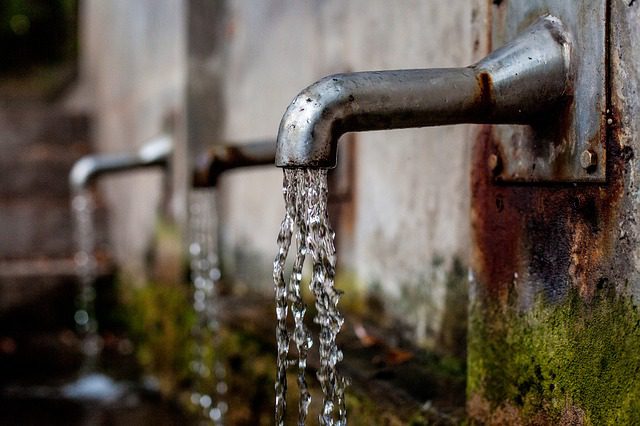
World Water Day 2019While water might seem like a basic necessity, more than 650 million people worldwide lack easy access to clean water. Every year, the United Nations sponsors World Water Day. World Water Day raises awareness about global water crises, demonstrating the need for water in developing nations. Take a look at these interesting facts about how the U.N. celebrated World Water Day 2019.
5 Interesting Facts About World Water Day 2019

  1. “Leaving No One Behind”
    The theme for World Water Day 2019 was “Leaving No One Behind.” Technology is providing new methods to increase access to clean water. Additionally, it mobilizes programs combating water scarcity. Above all, technology connects individuals interested in making a difference, no matter where they are. However, these advances can’t only benefit privileged populations. Improvements must be available to marginalized groups, as well. World Water Day 2019 emphasized access to clean water is a human right, as recognized by the U.N. in 2010. Everyone deserves water, regardless of sex, race, ethnicity, religion or age.
  2. USAID’s Strategy
    The U.S. government is working to implement a strategy to improve global water access through the U.S. Agency for International Development. While the fight to bring access to clean water is global, USAID renewed its commitment to providing clean drinking water this World Water Day. As such, USAID supports the core objectives outlined in the U.S. Government Global Water Strategy. These objectives include promoting better stewardship of freshwater resources and expanding the availability of sanitation services. Additionally, USAID is enacting policy and programs aimed at providing 15 million people access to clean water by 2022.
  3. “Water Action Decade”
    This World Water Day marked the first completed year of the U.N.’s “Water Action Decade.” Three years ago, the U.N. General Assembly unanimously decided to make the global water crisis a top priority for 10 years straight. The “Water Action Decade” kicked off in 2018. Therefore, efforts to increase sustainable water management and access to safe water will last through World Water Day 2028. And nations around the world execute large-scale programs, addressing water scarcity stemming from pollution, drought and urbanization.
  4. Women and Water
    Women played a key role in the message of World Water Day 2019. While many suffer due to water scarcity, women disproportionately carry the burden. According to U.N. research, women and girls make up the majority of people responsible for obtaining water in areas where clean water isn’t accessible. Collectively, women devote around 200 million hours to finding and gathering clean water. Subsequently, a major goal for World Water Day 2019 was improving women’s access to water, which can lead to awesome opportunities that promote independence for women. Therefore, the U.N. sponsors women-led projects in rural areas to include women in community decisions about water as just one part of its commitment to improving universal access to clean water worldwide.
  5. U.N. Sustainable Development Goals
    In fact, World Water Day is just one example of U.N. efforts to meet Sustainable Development Goal 6. Overall, the U.N. has agreed on 17 different goals to promote sustainable development worldwide, specifically in growing and impoverished nations. These Sustainable Development Goals must meet their goals by 2030. Particularly, the primary task of Sustainable Development Goal 6 is to make water safe, affordable and accessible universally. And World Water Day marks just one of many U.N. efforts to reach this crucial goal on target. Ultimately, the first step in achieving universal access to clean water is raising awareness.

Nevertheless, on World Water Day 2019, nations joined hands to strengthen efforts toward making clean water accessible worldwide. The celebration honored organizations that provide aid, unite communities and save lives. And they celebrate innovations that revolutionize water management, along with the people dedicated to campaigning for water access without leaving anyone behind.

– Emmitt Kussrow
Photo: Unsplash

April 29, 2019
https://borgenproject.org/wp-content/uploads/borgen-project-logo.svg 0 0 Kim Thelwell https://borgenproject.org/wp-content/uploads/borgen-project-logo.svg Kim Thelwell2019-04-29 11:37:562024-05-29 22:59:545 Interesting Facts About World Water Day 2019
Global Poverty

Top 10 Facts About Living Conditions in Morocco

living conditions in morocco
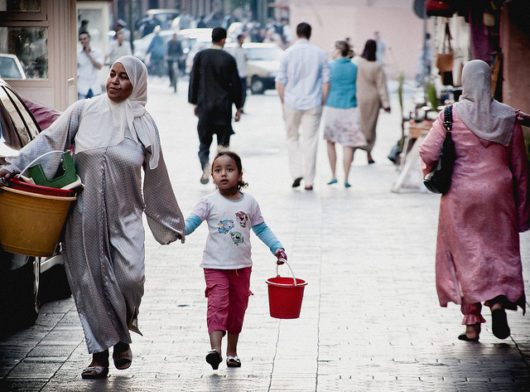
Morocco is a country rich in history and tradition with a unique culture that comes from Arab, Berber, French and African influences. While the country faces several economic, political and social challenges, it has also been experiencing continued growth in GDP, indicating the progress in its development. Evidence of the country’s domestic progress can be seen through its efforts in increasing school enrollment and literacy rates and reducing poverty. It has also displayed its progress internationally by taking the lead on environmental progress in the region. Here are the top 10 facts about living conditions in Morocco.

Top 10 Facts About Living Conditions in Morocco

  1. Morocco’s government has implemented programs focused on job creation and the reduction of economic disparities that have been effective enough to improve the overall economy. Morocco represents the sixth largest economy in Africa. Its GDP growth rate increased from 2.40 percent in July 2018 to 3 percent by October 2018. Although in previous years, the GDP had been higher, this increase represents a new upswing in growth.
  2. There was slight progress in reducing unemployment in 2018, with a small drop from 10.6 percent to 10 percent by September that year. The High Commission for Planning estimates that 122,00 jobs were created within the last year. In addition, youth unemployment rates dropped from 27.5 percent to 26 percent.
  3. The Organization for Economic Co-operation and Development (OECD) concluded in an index evaluation that Morocco is the worst country in North Africa in terms of income inequality. The income share held by the highest 20 percent amounted to 47 percent in 2013 while the lowest 20 percent held a total of 6.70 percent. Distribution of income in Morocco is a challenge that still needs to be addressed.
  4. Although income inequality persists, the poverty rate in Morocco had decreased from 8.9% in 2007 to 4.2% in 2014. The World Bank reported an increase of 3.3 percent in consumption per capita between 2001 to 2014. However, progress is more apparent in urban areas rather than rural.
  5. In order to improve and diversify its economy, the government has been focusing on becoming more innovative. In 2010, research efforts accounted for 0.73 percent of its GDP, making Morroco one of the highest in the Arab world in that focus. In 2009, the country adopted the Moroccan Innovation Strategy by the Ministry of Industry, Commerce, Investment and the Digital Economy with the aim of developing domestic demand for innovation and improving innovative funding.
  6. Due to severe understaffing, the World Health Organization (WHO) had listed Morocco as one of the 57 countries that could not provide essential healthcare to its citizens in 2010. The government has since taken measures to improve this. It announced the allotment $10 billion to go towards healthcare and education as part of its $46.5 billion 2019 Finance Bill.
  7. In 2001, Morocco had implemented a program to do away with all the slums. The “City Without Slums Initiative” was set to be accomplished by 2011, but was set back considerably after terrorist attacks in 2003. Its purpose was to improve housing, sanitation and quality of life. It is currently only 68 percent complete. Of the original 85 cities that were scheduled to be updated, 58 have been completed.
  8. In partnership with USAID, Morocco has adopted measures to improve its educational system in 2017. Fewer than 15 percent of students who start in first grade are predicted to graduate from high school. The newly implemented program focuses on teacher training, after-school reading programs as well as distributing important learning materials. The program has already trained more than 340 teachers and improved literacy for 12,000 students.
  9. Literacy rates had improved substantially from 41.6 percent in 1994 to 71.7 percent in 2015. However, the adult literacy gender gap in Morocco is still a challenge that the government is facing. In 2015, the male literacy rate reached 78.6 percent; whereas, the female literacy rate was only 58.8 percent. However, these rates improve significantly when looking at the youth between the ages of 15-24. The gender gap is still present in youth, but much narrower, with roughly 88 percent for women and 95 percent for men.
  10. Similarly to the social challenges the whole region faces, Morocco is a patriarchal society. Gender inequality is embedded in the social, political, legal and economic structures of the country. However, the government has taken constitutional measures to increase gender equality. In 2004, it amended the Mudawanna legal code, guaranteeing legal rights for women in areas like property ownership, divorce and child support. Women currently make up one-third of the formal workforce and almost half of the students graduating from university.

Looking to the Future

These 10 facts about living conditions in Morocco illustrate the government’s efforts to not only achieve economic growth but develop overall. The U.N. Development Program indicated that the Human Development Index for Morocco had increased from 0.458 in 1990 to 0.667 2017. The Moroccan government’s 2019 agenda for development is focused on education and a huge investment in its citizens for the purpose of economic transformation.

– Njoud Mashouka

Photo: Flickr

March 29, 2019
https://borgenproject.org/wp-content/uploads/borgen-project-logo.svg 0 0 Kim Thelwell https://borgenproject.org/wp-content/uploads/borgen-project-logo.svg Kim Thelwell2019-03-29 07:30:022024-06-12 07:49:33Top 10 Facts About Living Conditions in Morocco
Poverty Reduction, USAID

Living Problems in West Bank and Gaza

The West Bank and Gaza
The West Bank and Gaza are considered Palestinian territories that have struggled with political power since the Six-Day War in 1967. This dispute has been between Israel and Palestine and the end result of the war has left the country in political turmoil. This devastated economic opportunities, local livelihood, sanitation conditions and household food consumption. In 2017, the 50th anniversary of Israeli occupation and the 10th anniversary of the Gaza blockade were marked. This has been affecting all job opportunities and proper food aid from entering the region. All of these factors have only made it more difficult to live in already precarious conditions and more risk for the already struggling population.

Work of USAID

The U.S. government works closely with the authorities in Palestine to address the economic and humanitarian needs of the country. To improve economic growth, USAID has donated roughly $400 billion to improve in-house situations for companies and impoverished families in West Bank and Gaza. Providing basic needs like clean sanitation systems and safe work environments is essential to maximize productivity within the company and keep the workers healthy. Many companies suffer from a lack of resources and expertise for their products, so the project Compete will help business owners learn more about their product, how to maximize value for those products and increase employment within the surrounding areas. The goal is to increase competitiveness and revitalize the private sector, bringing to the table full-time jobs, part-time jobs, seasonal jobs and paid internships.

Food Sovereignty of West Bank and Gaza

Food insecurity is a huge issue in the West Bank and Gaza territory as over 70 percent of people in this area suffer from lack of food and proper nourishment. Some of the causes for this are also a global phenomenon, environmental degradation, rising food prices and Palestinian food sovereignty. With food sovereignty, a state can control its own food resources, though that state has to have a self-sufficient food source with the help of government-controlled policies.

Since the occupation in 1967, Israel has confiscated thousands of acres of farming land and then separated it with the West Bank wall. With the separation of land, farmers are struggling to keep up the health with crops due to vandalism and destruction from settlers and the military. In Gaza, 25 percent of fertile land has been destroyed by the buffer zone, a zone that borders Israel. Patrol boats in the area only allow fishermen 15 percent of their territorial waters, further reducing the areas self-sufficient food sources. With the limitations on trade, environmental issues, confiscation of land and destruction of land, food sovereignty is unachievable. This has hindered economic growth and social conditions to reduce the levels of food insecurity.

Clean Water Access

Access to clean, potable water is limited by the wall between the West Bank and Gaza. Beaches, rivers and lakes are polluted and overcrowded refugee camps create health hazards for the sanitation systems. About 26 percent of diseases in West Bank and Gaza are related to filthy water. During the winter months, household septic tanks overflow and mix with rainwater, flooding homes and streets in the area. During the summer, the heat dries the streets from the flood and the smell coming off the streets is so bad that families keep their windows shut. Mothers refuse to let their children out to play because of the rancid smell and infected water.

Diseases continue to spread as garbage continues to pile up in refugee camps. The Anera organization is working on building proper waste management systems across Palestine, improving sanitation systems in the process. In 2014, Anera reconstructed sewage lines damaged by bombs. In refugee camps, they are taking an approach where the youth take the lead. Through campaigns designed to clean and recycle, they have developed a staff to train on proper waste management and a new sorting facility. They are creating a cleaner environment for 13,000 members of their community so far and will continue to reach out and help their people.

Health System in West Bank and Gaza

The health system in West Bank and Gaza has been shaped by years of occupation, political stalemate, violence and human rights violations. The barrier placed between the two territories limits access to East Jerusalem, the closest area that has specialized hospitals. The placement of these hospitals is scattered due to the many health care providers in the country. With the blockade in place, Gaza’s health care locations are experiencing unstable power supply and recurring power cuts.

The medical equipment has been deteriorating because of inadequate maintenance and spare parts cannot reach them. The barrier has also made it difficult to transport proper medicines to treat patients. All of these factors are crushing the health care system in West Bank and Gaza, making people seek treatment elsewhere though traveling in and out of Gaza is heavily restricted. Even with these limitations, health care in these areas still thrives. With the help of the World Health Organization, technical support will be provided to health technicians and fund projects created for diseases affecting the population.

Even with all of these issues, West Bank and Gaza still work out solutions to everyday and past problems. If these areas can continue to receive the funding from developed countries and nongovernmental organizations, they can grow back into the self-sufficient economy they once had.
– Kayla Cammarota
Photo: Flickr

March 10, 2019
https://borgenproject.org/wp-content/uploads/borgen-project-logo.svg 0 0 Kim Thelwell https://borgenproject.org/wp-content/uploads/borgen-project-logo.svg Kim Thelwell2019-03-10 19:30:582024-05-29 22:58:06Living Problems in West Bank and Gaza
Education, Global Poverty

Top 10 Facts About Living Conditions in Djibouti

Top 10 Facts About Living Conditions in Djibouti
Djibouti’s location in the Horn of Africa makes it a prime port for trade. The diverse population has taken an increased interest in this country’s urban areas bordering the coast. The country’s GDP is rising, but 16 percent of the population was still living under $1.90 per day in 2017. These top 10 facts about living conditions in Djibouti reveal the status of the country as well as the effects of welcomed foreign interactions.

Top 10 Facts About Living Conditions in Djibouti

  1. Although one-third of the population’s main income is livestock, it contributes only 3 percent to Djibouti’s GDP. On average, the country only gets 130 millimeters of rain each year. Because of this, only a small portion of the land, about 1,000 square kilometers, can be used for agriculture. This leaves Djibouti with no choice but to rely on affordable international market prices to import 90 percent of its food commodities. The World Food Program (WFP) is supporting the government with a school feeding program and food security for the families affected by drought.
  2. Currently, the poverty rate in Djibouti is at 21 percent. However, in the last 15 years, the country’s GDP has been growing by more than 3 percent per year. There is work to be done to bring a living wage to the people.
  3. Djibouti provides a gateway to the Suez Canal. Acting as a stable bridge between African and Middle Eastern areas draws trade, foreign military bases and foreign assistance. Djibouti is the host to NATO and other foreign forces, proving it to be a neutral country even in the midst of surrounding conflict.
  4. In 2019, Djibouti may be responsible for an estimated 42,100 displaced people under the National Refugee Law. The United Nations High Commissioner for Refugees (UNHCR) is helping to ease this burden through socio-economic integration. Their efforts aim to include refugees in the education and health systems and to assist with voluntary resettlement.
  5. Although many people moved to urban areas in search of economic opportunity, droughts over the last 30 years and conflict in the region forced many out into extension slums. The International Development Association’s (IDA) Slum Upgrading Project has gained support in the amount of $20 million. The development will mitigate the overpopulated areas by establishing a system of transportation for the public, their goods and emergency assistance.
  6. The enrollment rate of Djiboutian students in 2017 was less than 50 percent across the board. Fortunately, the completion rate of children in primary school has improved from 22 percent in 2000 to 55 percent in 2018 for females and from 31 percent in 2000 to 60 percent in 2018 for males. These percentages in enrollment and completion rates are projected to rise.
  7. The cost of electricity in Djibouti is double that of the African average. Currently, electricity is available to half the population, and the percentage of consumers is expected to double in the near future. As a result, USAID is launching two projects, the Power Africa Transaction and Reform Program (PATRP) and the East Africa Geothermal Partnership (EAGP), which will develop Djibouti’s natural resource potential into sustainable energy in order to power the country.
  8. Cybercafes offer online access to counter the high cost of the internet. More than 105,000 Djiboutians, who cannot afford internet, utilize these cybercafes, although access does not guarantee the availability of all sites and information, especially in regards to media. Authorities will block access to websites they find unfavorable to the government.
  9. Djiboutian male family members do not curb their women away from work opportunities, and there are no laws forbidding female entrepreneurship. However, the difficulty of accessing the market is in part due to social norms, family duties, education or skill barriers and transportation issues. The World Bank understands the vital role female empowerment plays in improving their society. For this reason, they have launched the 3.82 million dollar project, “E-commerce for Women-led SMEs.” Their contributions will provide Djiboutian women with the tools to access e-commerce platforms. The project’s connections to financial institutions, such as IFC’s Banking on Women network, lending specifically to women, will alleviate the struggle women have had trying to finance their small firms through disinterested creditors.
  10. Female Genital Mutilation (FGM) is practiced on more than 90 percent of women and girls in Djibouti. Some have endured this under qualified medical practitioners. But, medicalizing the act does not mean there are health benefits to removing the tissue. The tradition is practiced for different reasons, such as to represent a transition to womanhood or to discourage sexuality in women. Some communities associate it with religion, believing it fosters virtuous women, although there is no support for that belief in religious scriptures. FGM leads to severe pain, prolonged bleeding, higher risk of infection or HIV transmission and death. Women can also experience infertility or multiple complications in childbirth. UNICEF and the United Nations Populations Fund (UNFPA) have spearheaded a program to advocate for legislation banning FGM, provide victims with access to health care professionals and open the discussion to voice declarations against FGM in communities, like Djibouti, being affected.

Djibouti’s cosmopolitan port keeps it a central location for foreign affairs; however, an overpopulation of displaced people and drought have put a strain on food security. Equality is a work in progress. Though FGM still poses a threat to Djiboutian girls, there are organizations working to end the barbaric practice. Furthermore, women are on the rise towards entrepreneurship. These top 10 facts about living conditions in Djibouti show the continued external support that contributes to the country’s infrastructure in order to create a stronger country.

– Crystal Tabares
Photo: Flickr

March 7, 2019
https://borgenproject.org/wp-content/uploads/borgen-project-logo.svg 0 0 Kim Thelwell https://borgenproject.org/wp-content/uploads/borgen-project-logo.svg Kim Thelwell2019-03-07 01:30:432024-05-29 22:58:27Top 10 Facts About Living Conditions in Djibouti
Education

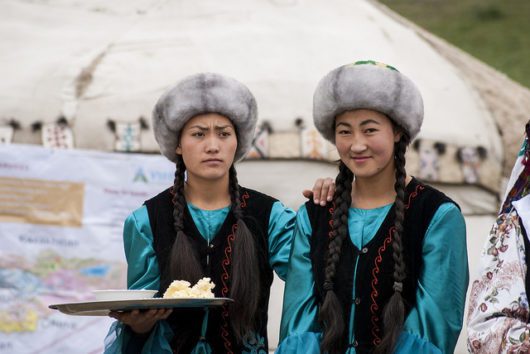
Top 10 Facts About Girls’ Education in the Kyrgyz Republic

10 Facts About Girls’ Education in the Kyrgyz Republic
Education breeds confidence and encourages young girls to pursue opportunities otherwise not available to them, which is one reason why it is so integral to learn about the top 10 facts about girls’ education in the Kyrgyz Republic and foster international and local policies that support equality in education. Working towards complete gender equality in education in the Kyrgyz Republic will not only improve the lives of millions of girls and women, but it will also benefit everyone in the country.

Top 10 Facts About Girls’ Education in the Kyrgyz Republic

  1. There is virtually no gender disparity in children attending primary and secondary school. In 2017, primary school enrollment rates for girls were at 89.18 percent compared to 90.6 percent for boys; 97.79 percent of girls completed primary school compared to 97.45 percent of boys. Furthermore, 87.06 percent of girls attend secondary school compared to 87.32 percent of boys. Thus, boys in the Kyrgyz Republic are less than two percent more likely to attend primary school than girls and less than half a percent more likely to attend secondary school.
  2. Women and girls in the Kyrgyz Republic have very similar literacy rates to men and boys. In 2009, 98.98 percent of women ages 15 years and older were literate compared to 99.52 percent of men. However, older women who are ages 65 and older have a 5.41 percent lower literacy rate than men in that same age group. Although these numbers are promising, further reading of the top 10 facts about girls’ education in the Kyrgyz Republic gives insight into why more needs to be done to improve girls’ education.
  3. Parents and teachers seldom discuss menstruation or explain the process of puberty to their daughters or students. Aigerim, a 17-year-old from Vasilevka, a village in the northern Kyrgyz Republic, said: “In most families, the mothers never talk with their daughters about menstruation.” This issue is exacerbated by the lack of suitable bathrooms for privacy and the disposal of menstrual products in Kyrgyz schools. A 2011 study found that 85 percent of bathrooms in Kyrgyz schools were pit latrines, only 11.5 percent of rural schools had sewage systems that worked and bathrooms built during the Soviet era did not have individual stalls for privacy. This shame and lack of suitable bathrooms create a block of access for girls in the Kyrgyz Republic and impact the quality of education.
  4. To encourage girls to continue to attend school while on their periods, UNICEF and Save the Children have created training programs about menstruation education as part of the Wins4Girls’s WASH (Water, Sanitation, and Hygiene) project. The program trained 100 teachers from 100 schools on how to approach the subject in school settings and make education more welcoming to female students. Although there are no statistical results of the training program thus far, Wins4Girls teamed up with the NGO “Our Voice” to spread the WASH program to local youth centers. As a result of these efforts, a total of 403 additional girls received training on menstrual hygiene and awareness.
  5. Sexual education in Kyrgyz schools is extremely lacking. In schools throughout the Kyrgyz Republic, and especially in rural areas, any topics to do with sexual health “are to all intents and purposes not discussed.” As a result, when women marry they know very little about STIs, HIV, AIDS or birth control. In fact, the National Statistical Committee found in 2010 that only 30.3 percent of women between the ages of 15 and 49 were using any form of contraceptives. Some politicians such as the former leader of the conservative political party, Tursunbay Bakir Uulu, have advocated for the introduction of a religious style of education which would include the elimination of all sexual education courses or information in public schools.
  6. Child marriage in the Kyrgyz Republic robs many young girls of education prospects or any opportunities for future independence. In the Kyrgyz Republic, 19.1 percent of girls are married between the ages of 15 to 19. According to the U.N., child marriage causes girls to leave school early and almost all child brides do not return to school after marriage. In fact, 28.4 percent of girls married before the age of 18 did not complete secondary school. Child marriage is more common in poorer, more rural areas and amongst girls who have lower levels of access to education.
  7. Non-profit organizations are pursuing policy initiatives to decrease the rates of child marriage in the Kyrgyz Republic. The Osh Resource Center of the Interbilim International Center worked to raise awareness of child marriage and trained 20 girls on how to convince their parents not to allow child marriage. This grassroots program focused on such a small group because it was started by a Kyrgyz child bride to help girls in her own community.
  8. Although there is access to education for girls in the Kyrgyz Republic, opportunities to apply that education in the workforce are very limited, both legally and culturally. In 2015, women in the Kyrgyz Republic made up 40 percent of the workforce compared to 44 percent in 1990. The Kyrgyz government actively classifies 400 jobs that women are forbidden from applying to. Furthermore, Kyrgyz laws discriminate against women workers by enforcing shorter work weeks for women in certain areas and designating specific jobs as too dangerous for women such as work that involves heavy lifting or any jobs which take place underground. The lack of female workers costs the Kyrgyz Republic 0.4 percent of its GDP annually.
  9. The Kyrgyz Republic has a very high gender pay gap, which has steadily worsened. In 2010, women made 63.6 percent of what Kyrgyz men earned compared to 67.6 percent in 2000. Although women are slightly more likely to complete primary and secondary education than men, the sectors women enter in the Kyrgyz workforce are generally lower paying. For example, women make up 77 percent of teachers and 71 percent of hotel and restaurant workers in the Kyrgyz Republic. The gap in wages is discouraging and many young girls in the Kyrgyz Republic will have little incentive to seek higher education if their job prospects and earnings continue to be so limited.
  10. Although female presence in the Kyrgyz workforce is modest, there are policy initiatives to rectify this discrepancy which would also encourage more young girls in the Kyrgyz Republic to seek education. The USAID initiative Agro Horizon has helped more than 20,000 women working in agriculture learn to access markets and grow their farming businesses. In addition, the USAID Business Growth Initiative provides training in business and management skills for over 2,000 Kyrgyz women working in the apparel and tourism industries, allowing these women to access new technologies and spread their businesses to new markets. The presence of successful, independent female role models is imperative in order for young girls to stay in school and seek higher education.

Path to Independence

Education is the path to independence and a future of opportunities for young girls in the Kyrgyz Republic. Although these top 10 facts about girls’ education in the Kyrgyz Republic show that there is still gender inequality in the Kyrgyz economy, improving education standards for girls will benefit all of its citizens and lead to a fuller and more equal life for women in the Kyrgyz Republic.

– Alina Patrick
Photo: Flickr

March 6, 2019
https://borgenproject.org/wp-content/uploads/borgen-project-logo.svg 0 0 Kim Thelwell https://borgenproject.org/wp-content/uploads/borgen-project-logo.svg Kim Thelwell2019-03-06 01:30:342024-05-29 22:58:31Top 10 Facts About Girls’ Education in the Kyrgyz Republic
Global Poverty, USAID

Changes in Transcontinental Trade in Africa

Changes in Transcontinental Trade Look to Lift African Economies
Despite being home to many rapidly growing economies and an abundance of essential natural resources, Africa also contains numerous countries with some of the highest poverty and food insecurity rates in the world. However, new legislation and foreign support hope to ease the flow of domestic trade in Africa, allowing broader access to necessities and helping to build a strong continental economy.

The High Cost of Shipping

While Africa regularly exports goods to places such as the U.S. and Europe, only 13 percent of traded goods remain in Africa. Underdeveloped road and highway systems between neighboring countries translate to high costs in transcontinental shipments, ultimately raising the cost of transported goods to the point of unaffordability for most impoverished Africans.

For example, while the United States Agency for International Development (USAID) estimates that East Africa produces enough food to support everyone living in the region, the high cost of transportation has halted trade in the area, resulting in food insecurity for 27 percent of the people living on the continent. However, recent legislative changes and foreign support signal that trade in Africa is beginning to take on a new shape that allows for transcontinental trade and a collective African economy.

The Transcontinental Trade in Africa

The Continental Free Trade Area (CFTA), which was proposed at a meeting of the African Union in 2012, set forth goals of enhancing trade among the eight Regional Economic Communities (RECs), made up of geographic subdivisions with interconnected economies, and creating a continental trading system that would encourage foreign investment and a competitive marketplace.

While the CFTA has yet to be fully implemented, ongoing discussions, including the December 2017 meeting in Niger of 54 countries in Africa, emphasize that an economic overhaul of this magnitude is a long-term goal with results that will not be immediately apparent despite the progress being made.

In addition to internal policy changes by African governmental leaders, foreign investors seeking to take early advantage of the promising African markets have expedited growth with contributions to urban development. In Ethiopia alone, Chinese investors funded the construction of the African Union’s headquarters in the capital city of Addis Ababa in the amount of $100 million. Road and highway systems, an airport and various energy and rail transportation programs are underway with the intent of modernizing Africa’s infrastructure and turning its economy into a thriving market with a high return rate.

Improving Agriculture and Trade

USAID has been working to improve trade in Africa through the creation of Trade and Investment hubs. Furthermore, through their Feed the Future initiative, USAID is working to educate various African countries on how to improve agricultural production and how to create trading systems that both improve the economy in the trading region’s while giving others access to goods not ordinarily available in their own region.

To complement the interests from investors abroad, foreign government organizations have worked from afar and on the ground to improve trade in Africa to create a flourishing, self-sufficient set of nations and to improve living conditions for the impoverished and the food insecure people throughout the continent.

Due to the large scale of growing trade in Africa to a place of higher economic security, progress may not be readily apparent or may not appear to be moving quickly enough. However, African government officials are hopeful that, by improving trade and economic conditions at the regional level and working outwards toward an efficient continental market, Africa may soon achieve its ultimate goal and find itself in a competitive position in the world market.

– Rob Lee

Photo: Flickr

February 12, 2019
https://borgenproject.org/wp-content/uploads/borgen-project-logo.svg 0 0 Borgen Project https://borgenproject.org/wp-content/uploads/borgen-project-logo.svg Borgen Project2019-02-12 07:30:172019-05-07 13:05:57Changes in Transcontinental Trade in Africa
Foreign Aid, Global Poverty

U.S. Benefits From Foreign Aid to Gabon

U.S. Benefits From Foreign Aid to Gabon
As the United States faces potential cuts to its foreign aid budget, it is important to recognize that the relationship between the United States and any country receiving aid is not a one-way transaction. The benefits reaped by both countries outweigh any costs. The many ways the U.S. benefits from foreign aid to Gabon is one such example. With a diplomatic friendship stretching back 58 years, the U.S. assists Gabon with funds that power humanitarian programs. These programs fight poverty, human trafficking and disease in Gabon. In return, the U.S. has gained a stable trading partner and international ally.   

The Partnership Between the U.S. and Gabon

When Gabon gained independence from France in 1960, U.S.-Gabon relations grew quickly. During the cold war era, Gabon was an ally of the West and has always sought to remain close with U.S. leaders, no matter who occupies the Oval Office. Gabon’s large oil reserves have received investments from U.S. presidential administrations, starting with Nixon and going all the way to the Obama administration. Gabon’s oil industry has been key to the development of strong trade partnerships with the U.S.

As reported in 2018, the U.S. had been importing about 30,000 barrels of crude oil from Gabon daily.  However, it isn’t all about oil; Gabon is ranked 134 as the U.S.’ largest goods trading partner. In 2016, there was a total of $192 million in goods traded. The U.S. exported a total of $89 million in goods to Gabon, and in return, imported $199 million in Gabonese products, clearly showing that the trading benefits alone outweigh any foreign aid costs.

The main products being imported from Gabon include mineral fuels, wood products and rubber while the U.S. mainly exports poultry products, beef products, cotton and sweeteners. While there is a certain amount of trade occurring between both nations, the number of goods being exchanged could be improved substantially by an increase in the amount of aid that Gabon is receiving from America. As more trading occurs as a result of Gabon’s ongoing development, the more the U.S. benefits from foreign aid to Gabon.    

The Rainforest

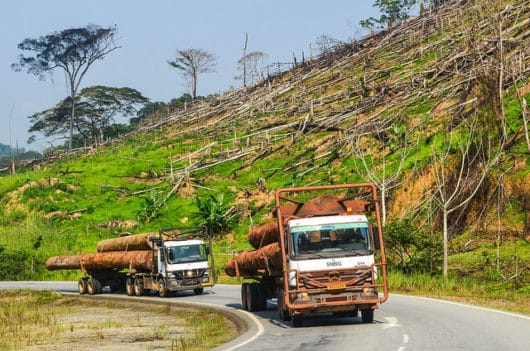
The two countries also cooperate to spearhead conservation efforts that seek to protect the country’s rainforest from deforestation and poaching. As a central African nation, Gabon part of the second largest rainforest in the world: the Congo Basin. The Congo Basin’s many natural resources provide food and shelter to more than 60 million of its inhabitants. Land in this area creates many viable, renewable products that have long reinforced a strong trading partnership with the U.S.

The United States Agency for International Development, (USAID), has employed an initiative called the Central Africa Regional Program for the Environment (CARPE) in Gabon and six other nations in the Congo Basin: the Central African Republic, Cameroon, Equatorial Guinea, Democratic Republic of Congo, and the Republic of the Congo.

The program seeks to bolster conservation efforts in these six countries as they battle poaching and deforestation while, at the same time, trying to improve responsible land management in the Congo Basin. CARPE works with communities and governments and nonprofits in these central African nations to speed up the transition from developing states to financially and politically secure democracies. It provides funding to ensure that the region’s rich, biodiverse habitat is preserved and that the transition from developing nation to developed nation is accompanied by low emissions and environmentally conscious economic strategies.  

Looking Ahead

Looking to the future, it is clear that the relationship between the U.S. and Gabon is beneficial for both countries. The ways that the U.S. benefits from foreign aid to Gabon will only be strengthened as Gabon continues to develop, bolstered by USAID through programs such as CARPE. The 58-year relationship between the two countries serves as an example of the mutually beneficial results of foreign aid. 

– Jason Crosby
Photo: Flickr
February 1, 2019
https://borgenproject.org/wp-content/uploads/borgen-project-logo.svg 0 0 Borgen Project https://borgenproject.org/wp-content/uploads/borgen-project-logo.svg Borgen Project2019-02-01 07:30:222024-05-29 22:57:14U.S. Benefits From Foreign Aid to Gabon
Global Health, Global Poverty, Malaria

Significant Progress on Reducing Malaria in Uganda

Malaria in Uganda
More than 10,500 people die from malaria in Uganda annually. The country also has one of the highest rates of transmission and mortality rates due to malaria. Uganda has been described as a malaria-endemic country due to the particular hold the disease has on the area. Globally, Ugandans are one of the top five populations at risk for malaria. Malaria has been a serious health issue for decades and several measures have been taken to lessen the burden of the disease. The government of Uganda is working with several organizations to reduce the spread of malaria in Uganda.

The Uganda Malaria Strategic Plan

The Uganda Malaria Reduction Strategic Plan was implemented in 2014. The goals of the plan include reducing the mortality rate from malaria to almost zero by 2020, reducing the morbidity rate by nearly 80 percent by 2020 and reducing the malaria prevalence of the parasite to 7 percent by 2020. Their strategy is to quickly provide the general population with means of malaria control and prevention.

The plan has had great progress so far, the prevalence of malaria in the country has decreased from 42 percent in 2009 down to 19 percent in 2018, and deaths from malaria in Uganda have been cut in half. Although the plan has done well to ensure facilities are well stocked and prevention measures are taken, some are still receiving inadequate care.

Funding to Eradicate Malaria

The Uganda Malaria Reduction Strategic plan is being implemented by the government’s Ministry of Health and supported by organizations such as the Global Fund and USAID. The plan provides details of its budget and where that money will be implemented. It is projected that the six-year plan will require $1,316,700.

These funds come from organizations like USAID and Global Fund and are used in each phase of the structure of the plan. The phases include but are not limited to ensuring access to malaria treatments and prevention methods, increasing the community’s knowledge surrounding the disease, increasing the treatment of malaria during pregnancy and strengthening the detection and response to this epidemic.

Problems at the Local Level

One of the problems is that some people are receiving the wrong treatment and care. The Moroto Regional Referral Hospital discovered that some patients were being treated for malaria despite negative test results. USAID’s Uganda Health Supply Chain Program has taken steps to change these incorrect medical practices and provide training to improve medical practices at Moroto Hospital.

Their steps have had an impact. The testing rate rose from 45 percent to 86 percent, and the number of patients mistakenly receiving treatment without a positive test result decreased from 31 percent to 9 percent. Other hospitals heard of the success at Moroto Hospital and have expressed interest in undertaking similar policies.

The future for the battle against malaria in Uganda is bright. Uganda won an award in January of 2017 for their significant progress in fighting malaria. The African Leaders Malaria Alliance recognized Uganda and 7 other countries for striving towards a malaria-free Africa. With local governments, leaders and aid organizations working together, permanent progress can be made. The country has already made great strides in their fight against malaria and there is optimism for a malaria-free future in Uganda.

– Olivia Halliburton
Photo: Flickr

January 13, 2019
https://borgenproject.org/wp-content/uploads/borgen-project-logo.svg 0 0 Kim Thelwell https://borgenproject.org/wp-content/uploads/borgen-project-logo.svg Kim Thelwell2019-01-13 01:30:402024-05-29 22:57:41Significant Progress on Reducing Malaria in Uganda
Global Poverty

Sustainable Agriculture in Ghana Alleviates Poverty

sustainable agriculture in ghana
Ghana is a small country located in West Africa along the Guinea Bay. The country is rich in natural resources, especially oil and gold, but nearly 45 percent of the country’s population is employed in the agricultural sector and agriculture makes up 18 percent of Ghana’s gross domestic product (GDP).

Coca, rice, cassava, peanuts, and bananas are some of the top agricultural products grown in Ghana. Coca is one of the country’s popular exports, alongside oil, gold and timber. Despite being resource-rich, Ghana’s economy has been contracting. Its current growth is around negative 6 percent. Countries and organizations around the world, alongside Ghana’s government and people, have recognized this problem and are currently promoting sustainable agriculture in Ghana so that they can carve a brighter future for this recovering African nation.

Feed the Future Program

The United States Agency for International Development (USAID) has chosen Ghana, specifically Northern Ghana, as one of its focus nations for its Feed the Future Program. USAID reports that the majority of farmers in this part of the country own small farms that are often less than five acres. Much of this land is covered in pour soil. Due to climate change and the inherent climate of the region, rain is unpredictable.

These challenges mean that malnutrition is high amongst the population. USAID’s Feed the Future Program aims to increase the productivity of these farms that mainly produce corn, rice and soybeans and promote sustainable agriculture in Ghana. Since 2012, Feed the Future has helped supply 156 thousand producers with better farming equipment and educate them on sustainable farming techniques. These techniques have led to the alleviation of some of the malnutrition and poverty issues. They also earned the farmers a total of $40 million and $16 million in private investment.

Governments Role in Sustainable Agriculture in Ghana

This private investment is important to the government’s idea for the future of sustainable agriculture in Ghana. The Ghanaian Times reports that the government of Ghana recognizes the United Nation’s latest report about the future of food security. The government wants to do its part on the world stage and at home by promoting sustainable agriculture in Ghana.

Ghana’s Shared Growth and Development Agenda mention a few ways in which the country plans to do this. The government works with organizations such as the USAID and many programs based in Africa, such as the Comprehensive Africa Agriculture Development Program. Sustainable agriculture in Ghana is seen as a way to strengthen food security, alleviate poverty in the country and promote private sector growth.

Trax Ghana

Trax Ghana is a small nongovernmental organization that promotes sustainable agriculture in Ghana for all of the reasons mentioned above. Like the USAID Feed the Future Program, Trax Ghana operates mainly in Northern Ghana. It promotes the nitty-gritty of sustainable agriculture. It teaches farmers about the importance of soil management and how to construct proper animal pens. The organization also promote gender equality, teach business skills and farming skills to both women and men for over 25 years, since the organization was founded.

Attacking the issue of poverty from multiple fronts and with multiple allies, the future of sustainable agriculture in Ghana looks bright. Ghana’s government is in collaboration with USAID to set up the Ghana Comprehensive Agriculture Project to increase private sector investment into the agriculture sector. It will take time and there will probably be some setbacks, but with so many people dedicated the practicing and promoting the practice of sustainable agriculture, the country has a good chance of succeeding.

– Nicholas DeMarco

Photo: Flickr

January 12, 2019
https://borgenproject.org/wp-content/uploads/borgen-project-logo.svg 0 0 Kim Thelwell https://borgenproject.org/wp-content/uploads/borgen-project-logo.svg Kim Thelwell2019-01-12 19:30:532019-05-16 13:07:35Sustainable Agriculture in Ghana Alleviates Poverty
Page 62 of 92«‹6061626364›»

Get Smarter

  • Global Poverty 101
  • Global Poverty… The Good News
  • Global Poverty & U.S. Jobs
  • Global Poverty and National Security
  • Innovative Solutions to Poverty
  • Global Poverty & Aid FAQ’s
Search Search

Take Action

  • Call Congress
  • Email Congress
  • Donate
  • 30 Ways to Help
  • Volunteer Ops
  • Internships
  • Courses & Certificates
  • The Podcast
Borgen Project

“The Borgen Project is an incredible nonprofit organization that is addressing poverty and hunger and working towards ending them.”

-The Huffington Post

Inside The Borgen Project

  • Contact
  • About
  • Financials
  • President
  • Board of Directors
  • Board of Advisors

International Links

  • UK Email Parliament
  • UK Donate
  • Canada Email Parliament

Get Smarter

  • Global Poverty 101
  • Global Poverty… The Good News
  • Global Poverty & U.S. Jobs
  • Global Poverty and National Security
  • Innovative Solutions to Poverty
  • Global Poverty & Aid FAQ’s

Ways to Help

  • Call Congress
  • Email Congress
  • Donate
  • 30 Ways to Help
  • Volunteer Ops
  • Internships
  • Courses & Certificates
  • The Podcast
Scroll to top Scroll to top Scroll to top