• Link to X
  • Link to Facebook
  • Link to Instagram
  • Link to TikTok
  • Link to Youtube
  • About
    • About Us
      • President
      • Board of Directors
      • Board of Advisors
      • Financials
      • Our Methodology
      • Success Tracker
      • Contact
  • Act Now
    • 30 Ways to Help
      • Email Congress
      • Call Congress
      • Volunteer
      • Courses & Certificates
      • Be a Donor
    • Internships
      • In-Office Internships
      • Remote Internships
    • Legislation
      • Politics 101
  • The Blog
  • The Podcast
  • Magazine
  • Donate
  • Click to open the search input field Click to open the search input field Search
  • Menu Menu

Tag Archive for: USAID

Information and news about mobile technology

Posts

Advocacy, Charity, Development, Foreign Aid, Global Poverty

15 Organizations That Help Improve the World

15 organizations that help the world

With the myriad difficulties that face the world, it is essential to have organizations making the planet a better place. Without such generous assistance, the world would be plagued with unmanageable adversities. The following is a list of 15 organizations that help improve the world with their innovative ideas and generous efforts.

  1. Bill & Melinda Gates Foundation
    The Bill & Melinda Gates Foundation is an organization that works to fight hunger and its consequential effects on a global scale. It works specifically to eradicate infectious diseases and child mortality rates in struggling countries.
  1. Doctors Without Borders
    Doctors Without Borders delivers emergency aid to people in need. These efforts include helping people in situations of natural disasters, epidemics and lack of health care.
  1. Food and Agriculture Organization of the United Nations (FAO)
    The FAO’s prime purpose is to defeat hunger. It works in 130 countries worldwide to help ensure people have access to food and are not going hungry. The organization has been fighting hunger since 1945.
  1. Human Rights Watch
    Human Rights Watch was established in 1978 and is an organization that reports on human rights conditions in countries all over the world. With its findings, it meets with governments and financial corporations to urge for policy changes that assist the betterment of human rights around the world.
  1. Oxfam
    Oxfam is a global organization that helps improve the world through poverty-reduction efforts. It focuses on the conditions that cause poverty and works to fix the effects of such difficulties. Its efforts include disaster response, programs to help people afflicted by poverty and education improvement.
  1. Red Cross
    Founded in 1881, the Red Cross foundation works to help people in urgent need. Assisted greatly by volunteers, the Red Cross mainly provides disaster relief, support to America’s military families, health and safety services, blood donations and international services.
  1. Save the Children
    Save the Children is a nonprofit organization that focuses primarily on helping children in need. This includes emergency response, global health initiatives, HIV and Aids prevention, disaster response and creating educational opportunities. In 2016, Save the Children reached and assisted 157 million children.
  1. The Borgen Project
    The Borgen Project is a nonprofit organization that aims to end poverty by working to make poverty a focus of U.S. foreign policy. The organization is an influential ally for the world’s poor that educates and mobilizes people to communicate with their Congressional leaders to ensure funding for poverty-fighting efforts are not eliminated. In 2017, the organization had volunteers in 754 U.S. cities and is one of the 15 organizations that help improve the world immensely.
  1. The World Bank
    The World Bank works with other organizations to provide extensive financial assistance to developing countries. It was established in 1944 and has more than 10,000 employees and 120 offices worldwide.
  1. United Nations Development Programme (UNDP)
    The UNDP is an organization that aims to eradicate poverty. It implements this goal by developing policies, skills and partnerships to enable people to sustain their progress and improvement. The UNDP is in over 170 countries and territories.
  1. United Nations Children’s Fund (UNICEF)
    UNICEF is an organization that fights for children’s rights to shelter, nutrition, protection and equality. It does so by being children’s advocates and providing humanitarian assistance to children and their families, most often in developing countries.
  1. United States Agency for International Development (USAID)
    USAID is an international agency that provides development assistance to countries in need. It works to advance U.S. national security and “economic prosperity” by promoting self-sufficiency. It uses humanitarian response efforts to bring disaster relief and supplies to those who are struggling.
  1. World Food Programme (WFP)
    WFP’s mission is to fight world hunger and provide people around the world the quality food they need to survive. It does this by working with U.S. policymakers and other foundations to organize financial resources, as well as develop necessary policies to assist the fight against worldwide hunger.
  1. World Health Organization (WHO)
    Of the 15 organizations that help improve the world, WHO is among the largest. The WHO is an organization that works directly with governments and various partners to ensure a healthier future for people all around the world. It fights infectious diseases and works directly with mothers and children to improve and maintain their health.
  1. World Wide Fund for Nature (WWF)
    The WWF is an international nongovernmental organization working to conserve nature and reduce extreme threats. It also aims to increase awareness to prevent further damage to the earth and its inhabitants.

These are only 15 organizations that help improve the world. There are many more that work together with partners to help make the world a better and safer place to live. Their generosity helps people on a daily basis live healthier and happier lives, and it is troublesome to think of where the world would be without such assistance.

– McCall Robison

Photo: Flickr

February 15, 2018
https://borgenproject.org/wp-content/uploads/borgen-project-logo.svg 0 0 Borgen Project https://borgenproject.org/wp-content/uploads/borgen-project-logo.svg Borgen Project2018-02-15 01:30:042024-12-13 17:49:1015 Organizations That Help Improve the World
Aid, Global Poverty, Humanitarian Aid

Humanitarian Aid to Guinea Improves Livelihoods of All Guineans

Humanitarian Aid to GuineaA West African country bordering the North Atlantic Ocean that has been called potentially one of Africa’s richest, Guinea is a mineral-rich state with a population that is among the poorest in Africa. Humanitarian aid to Guinea is an important step in improving the livelihoods of Guineans.
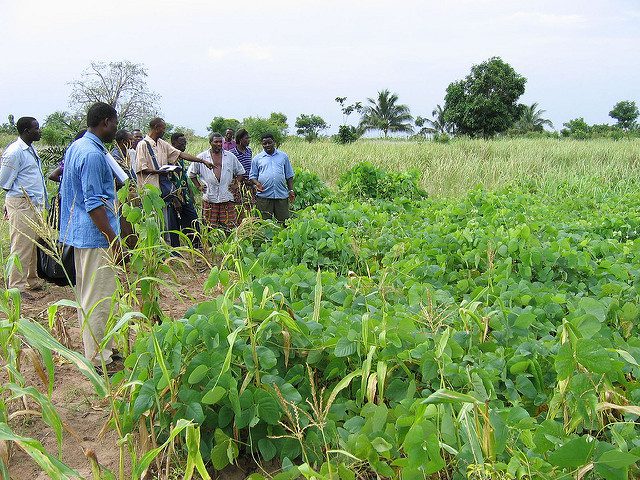
Situated between Guinea-Bissau and Sierra Leone, Guinea is home to about a third of the world’s bauxite reserves which have not been smelted and refined into aluminum largely owing to the political instability in the country. Chronic underdevelopment has also angered many locals who have, in desperation, disrupted operations at the country’s mines to bring attention to their plight.

According to the U.S. State Department’s Office of Investment Affairs, Guinea suffers from “persistent corruption and fiscal management.” However, the country is not only resource-rich but also filled with economic potentials in the energy and the agricultural sector.

With over four billion tons of untapped high-grade iron ore, abundant rainfall, gold and diamond reserves, off-shore oil reserves and indeterminate amounts of uranium, Guinea has many economic drivers. The country’s natural geography also makes it very hospitable to renewable energy sources such as hydroelectric dams and turbines.

In May 2015, the 240 megawatt Kaleta Dam project was built after a $526 million investment by China. Kaleta more than doubled the country’s electricity supply and encouraged the government to seek aid for more energy infrastructure, mainly in the solar and hydroelectric sector.

According to USAID, Guinea suffered heavy losses to its economical revenue and outlook in the wake of the Ebola outbreak. Many widespread preventable and treatable diseases, such as malaria, prevail in the country and infant and maternal mortality rates remain very high. Furthermore, the agricultural sector is not able to completely function to provide the much-needed source of income and revenue for the people and the government.

The success of humanitarian aid to Guinea is underlined by USAID’s work in the country. In March 2015, USAID provided more than $7 million through the United Nations World Food Programme (WFP) to improve food security and nutrition as a means to combat poverty and hunger in Guinea.

This culminated in WFP making the largest-ever purchase of locally-produced rice, which supported the local agricultural sector and provided children with meals in hundreds of schools across the country. Furthermore, farmers were educated about the business and contracting process, including working with development partners, and were encouraged to establish relationships with banks to obtain credits and rates they could use to sustain their farms.

It has been said that Guinea’s entire population of 12 million people is at risk of malaria. Malaria control efforts and prevention policies are underway in the country, but the damage is ongoing. According to the Ministry of Health, most of the hospitalizations, consultations and deaths in Guinea are a result of malaria.

Aid organizations such as Plan International have been working for decades to provide humanitarian aid to Guinea. Plan International improves children’s access to health, education and sanitation. This is done by ensuring that sustainable, quality education is provided to all children. Children are afforded access to clean water and sanitation facilities. Furthermore, a safe environment designed to empower children is nurtured.

The International Organization for Migration (IOM) Guinea actively helps vulnerable people and migrants to resettle in other countries by advocating on their behalf and lending support at every step of the resettlement process, including performing medical health assessments on behalf of the resettlement countries. Funding for IOM Guinea is mainly provided by the same governments of resettlement countries, and the international community can and should support the efforts of these countries.

With more humanitarian aid to Guinea, this resource-rich country certainly carries the potential to infuse its wealth of resources into the livelihoods of all Guineans.

– Mohammed Khalid

Photo: Flickr

February 14, 2018
https://borgenproject.org/wp-content/uploads/borgen-project-logo.svg 0 0 Borgen Project https://borgenproject.org/wp-content/uploads/borgen-project-logo.svg Borgen Project2018-02-14 07:30:172024-05-24 23:51:40Humanitarian Aid to Guinea Improves Livelihoods of All Guineans
Global Poverty

Addressing the Lack of Sustainable Agriculture in Togo

sustainable agriculture in TogoTogo is a West African nation on the Gulf of Guinea known for its palm-lined beaches and hilltop villages. With 32 percent of the population living below the poverty line, there have been efforts made toward improving sustainable agriculture in Togo.

Togo’s small sub-Saharan economy is dependent on both commercial and subsistence agriculture, with cocoa, coffee and cotton generating about 40 percent of export earnings. Additional products include beans, cassava, fish, livestock, maize, millet, rice, sorghum and yams. Of the nation’s total land area, 44 percent is used for cultivated crops and two percent for permanent crops like fruit- and nut-bearing trees.

The organization Fly for Life is a nonprofit with the mission to promote sustainable tourism and organic farming by improving the environment, education and incomes of farming communities. Jeremies Pimzi, a social entrepreneur, founded Fly for Life. With help from eco-volunteers, the organization has been able to successfully provide more sustainability in Togo, such as training programs in organic methods, sustainability education and financial management.

Eco-volunteers provide skills and training on increasing sustainable tourism and organic farming. In exchange, the volunteers gain firsthand knowledge about the local customs and culture and develop close relationships with the Togolese. Some of the funding from volunteers has also supported education in the small farming communities of Havu and Soumdina Mountain Village, helping families afford school for their children.

Over 90 percent of the small communities that Fly for Life engages with are dependent on agriculture for their livelihoods. Environmental issues in Togo include deforestation due to slash-and-burn agriculture, the use of wood for fuel and water pollution. The nonprofit aims to transition the nation from unsustainable farming practices to organic methods.

Another key project that addressed sustainable agriculture in Togo was USAID WAFP, or West Africa Fertilizer Program, which occurred from 2012-2017. The project was meant to improve the supply and distribution of appropriate and affordable fertilizers in West Africa. The project broadened its reach to have regional impact across the West Africa sub-region, benefiting 15 ECOWAS (Economic Community of West African States) countries as well as Mauritania and Chad.

To accomplish its goal, WAFP focused on creating a conducive policy for increased investment in the fertilizer business. It facilitated access to business, investment and financing information that allowed the private sector to deliver quality and affordable fertilizers to farmers.

Because of the work of organizations and the implementation of eco-friendly ideas and practices, there can be better, more sustainable agriculture in Togo.

– Julia Lee

Photo: Flickr

February 11, 2018
https://borgenproject.org/wp-content/uploads/borgen-project-logo.svg 0 0 Borgen Project https://borgenproject.org/wp-content/uploads/borgen-project-logo.svg Borgen Project2018-02-11 07:30:252024-05-29 22:39:12Addressing the Lack of Sustainable Agriculture in Togo
Global Poverty

Solar Energy in Zambia Will Help Bring People Out of Poverty

solar energy in ZambiaThe Republic of Zambia is a landlocked country in southern Africa with a population of over 16.5 million. A shocking 54.4 percent of this population lives below the World Bank’s standardized poverty line. Currently, Zambia is unable to effectively meet the energy needs of its citizens. As a result, the Zambian government, USAID, independent investors and NGOs throughout the U.S. and Europe are investing in solar energy in Zambia, as they believe it has the potential to greatly reduce poverty and contribute to meeting the country’s 2030 Sustainable Development Goals.
 

Problems with Current Zambian Energy Infrastructure

A majority of Zambia’s nationalized energy production is created using hydroelectric dams; however, the dams face many problems in terms of their reach and reliability. Dams in the country only provide power to 10 percent of the Zambian population. Furthermore, the dams become unreliable as drought conditions increase throughout southern Africa. Zambia’s climate pattern works around a wet and dry season. As the rainy seasons become shorter and less intense, the dams are not filled to capacity. Less water in dam spillways inherently results in less energy production and more frequent blackouts.

Consequently, a majority of Zambians rely on charcoal to meet their energy and heat needs. The need for charcoal results in widespread deforestation of the savannah woodlands that make up a majority of the Zambian natural ecosystem. As a result, habitat destruction decreases biodiversity, degrades the natural ecosystem services and damages what could be a lucrative Zambian ecotourism industry. Because of these problems, the Zambian government and outside investors are looking toward solar alternatives, recognizing the benefits of solar energy in Zambia.


The Solution:  Solar Energy in Zambia

Director of the Zambian Development Agency (ZDA) Patrick Chisanga and other branches of the Zambian government are teaming up with investors throughout the United States and Europe to provide funding toward solar energy in Zambia. The ZDA is currently negotiating a $500 million solar investment deal from an unnamed German company hoping to provide projects and products to the growing market.

In 2015, USAID Zambia and Power Africa provided $2 million of funding to the International Finance Corporation’s (IFC) Scaling Solar project, which has contributed $4 billion in global solar investments, to further develop smaller-scale commercial and utility solar energy in Zambia. NGOs like the U.K.-based Solar Aid are currently working in conjunction with a group called Sunny Munny to develop solar projects and provide resources to the very eager Zambian communities.

Moving Toward the Future

Solar energy development in Zambia continues what is already a growing trend of technological leapfrogging throughout the African continent. Zambians understand that they may never be a part of the nationalized power grid and therefore readily accept solar energy infrastructure as a solution to this problem. In a report conducted by BBC in Jan. 2018, reporters describe buzzing excitement in villages after they set up their solar technologies and finally had access to their own non-biofuel energy source.

With the help of Zambian government action, USAID investment, private investment and nonprofits like SolarAid, solar energy in Zambia will help the country approach several of its 2030 Sustainable Development Goals: providing citizen access to reliable modern energy resources, building resilient infrastructure and protecting and restoring natural ecosystems within the country.

– Daniel Levy

Photo: Flickr

February 11, 2018
https://borgenproject.org/wp-content/uploads/borgen-project-logo.svg 0 0 Borgen Project https://borgenproject.org/wp-content/uploads/borgen-project-logo.svg Borgen Project2018-02-11 01:30:202024-05-29 22:39:13Solar Energy in Zambia Will Help Bring People Out of Poverty
Aid, Foreign Aid, Foreign Policy, Global Poverty

How the U.S. Benefits From Foreign Aid to Jordan

U.S. benefits from foreign aid to JordanJordan is a Middle Eastern region tucked in between Saudi Arabia, Iraq, Syria, Israel and Palestine. The U.S. benefits from foreign aid to Jordan in many different ways.

  1. Foreign aid boosts American exports.
    USAID provides assistance for medium to small-scale enterprises, employing up to 75 percent of Jordan’s workforce. As a result of funding business development since 2006, tens of thousands of jobs have been created, yielding $1 billion in new investment. Since then, exports from Jordan to the U.S. have increased by almost $50 million.
  1. Trade with Jordan supports jobs in the U.S.
    The U.S. benefits from foreign aid to Jordan in a multitude of ways, but it also benefits from trade. Jordan currently ranks sixty-seventh among the largest U.S. trading partners. The U.S. and Jordan entered a Free Trade Agreement in 2001, eventually eliminating business tariffs for bilateral trade in goods and services, a huge benefit for U.S. companies. According to the latest data, U.S. exports of goods and services to Jordan supported an estimated 11,000 American jobs in the year 2015.
  1. Jordan is a peace broker in the Middle East.
    Nestled in the heart of the Arab Spring, Jordan is a voice for moderation, peace and reform in the Middle East, a region saturated with turmoil. Jordan’s central geographic position creates pressure on the Jordanian government for economic and democratic reform. The U.S. benefits from foreign aid to Jordan by strengthening the Middle Eastern nation’s political and economic processes, which in turn counters terrorist groups such as ISIL and promotes the Middle East peace process.
  1. Jordan assists with the refugee crisis.
    Jordan is a haven for many Syrian and Iraqi refugees. U.S. aid supports a bilateral relationship by helping Jordan temporarily absorb over 635,000 Syrian refugees and 52,000 Iraqi refugees. The influx of refugees is a challenge for the Jordanian government, but with a strong agenda for political and economic reform, and with the help of U.S. aid, Jordan serves as a partner with the U.S. in addressing the Syrian refugee conflict.
  1. Foreign Aid increases American influence and interests.
    The U.S. benefits from foreign aid to Jordan because it helps boost international leadership. Foreign aid puts America on an influential level in international politics. When U.S. foreign aid is promoting a region, it boosts American interests. The Middle East faces a complex regional conflict, which affects American soil with terrorism and refugee crises. By contributing to humanitarian aid and development, American interests hold more power.

Assistance to the Middle East and North Africa has been a highly debated topic in the United States, particularly in the recent past with President Trump’s administration’s proposed 2018 budget cut targeting international aid. In truth, there are many ways the U.S. benefits from foreign aid to Jordan greatly.

– Alex Galante

Photo: Wikimedia Commons

February 10, 2018
https://borgenproject.org/wp-content/uploads/borgen-project-logo.svg 0 0 Borgen Project https://borgenproject.org/wp-content/uploads/borgen-project-logo.svg Borgen Project2018-02-10 07:30:362024-06-05 23:55:38How the U.S. Benefits From Foreign Aid to Jordan
Aid, Global Poverty, Humanitarian Aid

Addressing the Success of Humanitarian Aid to Equatorial Guinea

humanitarian aid to Equatorial GuineaLocated in Central Africa, Equatorial Guinea is a small country that consists of the islands of Bioko and a mainland region where its largest city, Bata, resides. It has a population of about 1.2 million. Per capita, it is the richest country in Africa, with a GDP that ranks forty-third in the world when adjusted for purchasing power parity.

However, this massive wealth is distributed unevenly, and while it may be one of the region’s most powerful oil producers, very few benefit from the oil riches. Its authoritarian government has a streak of terrible human rights abuses, such as human trafficking. Furthermore, because less than half of the population has access to clean drinking water, it often appears as if no significant changes are coming about from humanitarian aid to Equatorial Guinea.

However, this does not mean that there are no groups undertaking vast projects with hopes of improving the country. For example, in 2016 the African Development Bank Group approved a grant of $3.04 million to strengthen the economic connections of Central African countries. This project allowed the creation of a bridge over the Ntem river which will link Cameroon and Equatorial Guinea. By reducing transport costs and times, it positively improves the economic ability and is a successful example of humanitarian aid to Equatorial Guinea.

Economic projects are a significant form of success in humanitarian aid to Equatorial Guinea. For example, in 2009 the African Development Bank Group signed a loan and grant agreement in the country worth up to $70 million. $40 million was used to finance a program to train young workers in middle and senior management in different regions.

With another $15 million, Equatorial Guinea supported the development of healthcare, which particularly benefited pregnant women and children under five years of age. By increasing productivity in all sectors, Equatorial Guinea hopes to improve economic growth which will hopefully improve human development and stability.

In 2006, another program, the Social Needs Fund, focused on addressing infrastructure for the poor. While resources may exist to alleviate poverty, there were few mechanisms to implement these resources. Funded by USAID, it assisted the government to improve social planning and investments, specifically for programs in the Ministry of Health, Education and Women’s Affairs. By focusing on different ministries, USAID was able to examine expenditures and monitor budgets to create more effective programs in each sector.

With continued efforts and foreign support, Equatorial Guinea continues to improve gradually. Development projects have helped push economic growth and have created a more stable and equal society in which the poor can navigate with greater ability.

– Nick McGuire

Photo: Flickr

February 9, 2018
https://borgenproject.org/wp-content/uploads/borgen-project-logo.svg 0 0 Borgen Project https://borgenproject.org/wp-content/uploads/borgen-project-logo.svg Borgen Project2018-02-09 01:30:362019-12-16 08:27:53Addressing the Success of Humanitarian Aid to Equatorial Guinea
Global Poverty, Humanitarian Aid

The Success of Humanitarian Aid to Namibia

The Success of Humanitarian Aid to Namibia
The Republic of Namibia, a small Southwest African country, suffers heavily from natural disasters. These are disasters such as flash floods, droughts, epidemics and tropical cyclones. Furthermore, Namibia is crippled with a high percentage of HIV and TB. However, in recent years, the humanitarian aid to Namibia is finally making a noticeable impact. Programs such as Project HOPE, the USAID Office of U.S. Foreign Disaster and UNICEF have all provided a helping hand.

Project HOPE Humanitarian Aid in Namibia

Project HOPE’s humanitarian aid to Namibia started in 2002. Initially, its primary focus was on inputting healthcare services and providing health education. Since then, the organization has grown to spread awareness of HIV and tuberculosis (TB).

In 2013, HOPE launched a 5-year program called the Namibia Adherence and Retention project (NARP). The program’s goal was to establish stronger cohesion and retention to HIV care treatment, which includes preventing transmission between mother and child. Another goal is to improve the impact of HIV of those living with the condition.

By 2016, HIV was the leading cause of premature death in adults and the sixth leading cause for children. To combat the disease, Project HOPE created a Collaboration Program which strived to introduce TB/HIV collaborative activities into current community-based programs. Simultaneously, the program aimed to advance TB diagnostics.

The USAID Office of Foreign Disaster

The USAID Office of Foreign Disaster assists Namibia mostly with natural disasters. Namibia’s environmental stressors negatively affect food security in vulnerable homes, livestock and crop growth.

In 2017, the USAID Office of Foreign Disaster provided a substantial donation to northern regions of Africa. It offered $8.6 million to multi-sectors as well as $1 million to improve sanitary conditions, water needs and hygiene. Another $1.9 million was provided to protect food security.

USAID also provided about $27,000 to UNICEF to improve nutritional needs.

Other relief actors have focused on bettering agricultural and harvesting needs. As of a result of these various donations, regions like Namibia have seen an improvement in food security in vulnerable households.

UNICEF’s Contribution to Humanitarian Aid in Namibia

The United Nations Children’s Fund (UNICEF) made a considerable difference with the children of Namibia. As a result of droughts, poor sanitation and flooding, many children have severe acute malnutrition (SAM).

As a result, UNICEF supporters were able to help more than 4,000 children suffering from SAC and provide proper treatment. UNICEF was also able to train close to 150 health workers to adequately treat infants and young children with SAM.

Furthermore, malaria continues to spread in the northern reigns of Namibia; in 2017, the UNICEF discovered 53,000 new cases of Malaria.

The humanitarian aid to Namibia is substantial and providing necessary help in the aftermath of natural disasters such as food and shelter. Furthermore, humanitarian workers are helping the country manage and control its outbreaks of HIV and tuberculosis. As a result, the Republic of Namibia is seeing significant improvements throughout the country.

– Cassidy Dyce

Photo: Flickr

January 26, 2018
https://borgenproject.org/wp-content/uploads/borgen-project-logo.svg 0 0 Kim Thelwell https://borgenproject.org/wp-content/uploads/borgen-project-logo.svg Kim Thelwell2018-01-26 19:42:002024-05-29 22:38:58The Success of Humanitarian Aid to Namibia
Foreign Aid, Global Poverty, USAID

10 Facts About USAID That Everyone Should Know

10 Facts About USAIDThe United States Agency for International Development (USAID) is the world’s premier development organization. Founded in 1961, the agency has overseen decades of world economic growth and an unprecedented reduction in global poverty.

 

10 Important Facts About USAID:


  1. USAID is an independent agency of the U.S. federal government and operates subject to the guidance of the President, the Secretary of State and the National Security Council.
  2. USAID is the largest provider of food assistance in the world.
  3. USAID’s annual budget of $27 billion is larger than the national spending of 165 countries.
  4. Intervention by USAID is always subject to careful analysis to prevent disruption of local agricultural production, markets and adverse effects on recipient nation currencies.
  5. USAID’s budget, spending and programs are subject to oversight and auditing by the Office of Management and Budget in the White House, and the Government Accountability Office under the legislative branch. All of its budget and oversight documents are public record.
  6. USAID has made steady improvement in recent years in rankings by the International Aid Transparency Initiative, primarily due to better data management and increased technology modernization.
  7. As these 10 facts about USAID demonstrate, the organization’s mission involves much more than direct crisis aid. Besides food and disaster relief, USAID has major directives in health, human rights and governance, education, economic growth, agriculture and food security and gender equality.
  8. A significant number of countries have gone from recipients of USAID programs to become donor nations themselves. The Republic of Korea and Brazil are two prime examples.
  9. USAID’s spending accounts for less than one-half of one percent of the U.S. federal budget.
  10. After decades of change, in 2013 USAID launched a new mission statement for the 21st century built on two pillars: ending extreme poverty, and promoting democratic, resilient societies.

As a key pillar in development efforts worldwide, USAID is central to the history of this century, as the world stands on the cusp of some of its greatest humanitarian achievements while, at the same time, facing unprecedented ecological challenges. USAID is a leader and a massively experienced player in facing the world’s biggest problems. Strategies to improve aid and development around the world and to sustain progress into the future rely on these facts about USAID.

– Paul Robertson

Photo: Flickr

January 26, 2018
https://borgenproject.org/wp-content/uploads/borgen-project-logo.svg 0 0 Borgen Project https://borgenproject.org/wp-content/uploads/borgen-project-logo.svg Borgen Project2018-01-26 07:30:072024-05-29 22:38:5910 Facts About USAID That Everyone Should Know
Global Poverty, United Nations

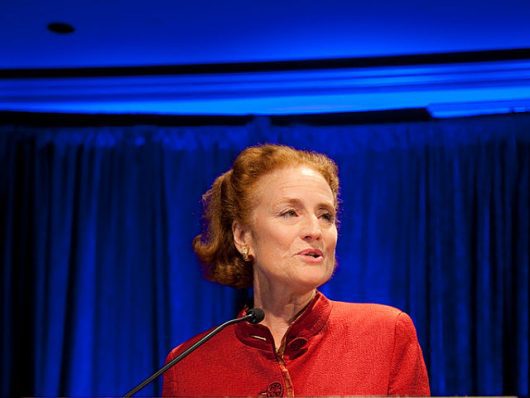
10 Facts About New Director of UNICEF Henrietta Holsman Fore

director of unicef
U.S. businesswoman and former administrator of the U.S. Agency for International Development (USAID) and director of U.S. Foreign Assistance, Henrietta Holsman Fore, became the seventh executive director of the U.N. International Children’s Emergency Fund (UNICEF) on January 1, 2018. Fore is replacing Anthony Lake as director, whose term began in 2010. The following are 10 facts about the new director of UNICEF.

  1. Fore was the first woman to hold the position of USAID administrator, which she served concurrently while being the director of U.S. Foreign Assistance from 2007 to 2009.
  2. Prior to her senior roles in the U.S. Department of State, Fore was the 37th director of the U.S. Mint. She initiated the 50 State Quarters Program and introduced laser engraving during her tenure.
  3. She was the chairman and CEO of her family’s investment and management company, Holsman International. She also was connected to at least 14 other companies, nonprofits and think tanks, according to her professional LinkedIn page, including the Aspen Institute, the Center for Global Development, General Mills and ExxonMobil.
  4. U.N. Secretary General António Guterres announced Fore’s appointment as executive director of UNICEF on December 22, 2017. The announcement received acclaim from multiple organizations, including the U.S. State Department and the Center for Strategic and International Studies.
  5. Fore was chosen by Guterres in consultation with the executive board of the U.N. The executive director position of UNICEF has gone to the U.S. candidate since the organization’s creation in 1947.
  6. Fore is committed to modernizing and revitalizing foreign assistance. In a 2008 keynote address to the Center for Global Development, she discussed reforming priorities to meet the most critical needs, promoting program coordination among agencies and increasing the number of U.S. foreign assistance personnel.
  7. To Chief Executives Organization, American diplomat John Negroponte said, “[Fore] likes to roll up her sleeves…she’s an incessant traveler.” In a speech at the 2014 International Financial Forum, Fore said she had traveled to countries such as Indonesia, Turkey, Nigeria, Egypt, Brazil and India.
  8. At the same forum, former Secretary of State Condoleezza Rice described Fore as, “one of the best appointments that I made,” and as, “one of the best public servants I’ve ever met.”
  9. Fore’s appointment aids Guterres’ mission for gender parity at U.N. senior leadership levels by 2021 and throughout the whole organization before 2030. Current findings suggest there is an inverse relationship between women’s representation and seniority at the U.N.
  10. As executive director of UNICEF, Fore will head one of the most important agencies within the U.N. The organization’s budget was $5 billion in 2017, the second largest of the U.N. agencies.

In his announcement, outgoing UNICEF director Anthony Lake said, “Henrietta Fore will bring a wealth of experience to UNICEF’s work for children.” Her appointment certainly excites individuals committed to ending global extreme poverty, and it will be compelling to witness what UNICEF accomplishes under Fore’s leadership.

– Sean Newhouse

Photo: Flickr

January 18, 2018
https://borgenproject.org/wp-content/uploads/borgen-project-logo.svg 0 0 Borgen Project https://borgenproject.org/wp-content/uploads/borgen-project-logo.svg Borgen Project2018-01-18 07:30:282024-12-13 17:58:3310 Facts About New Director of UNICEF Henrietta Holsman Fore
Global Poverty, Humanitarian Aid

The Success of Humanitarian Aid to Haiti

The Success of Humanitarian Aid to Haiti
Since the 2010 earthquake, there has been an increased focus on humanitarian aid to Haiti. Many argue that not enough has been done when it comes to providing humanitarian aid to the country.

In an Op-Ed written for The Guardian, Unni Karunakara, the former International President of Médecins Sans Frontières, stated that there was an inadequate response to the cholera outbreak that struck Haiti following the earthquake. At the time he wrote the article, his colleagues had already treated over 75,000 cases of cholera.

In another article for the Huffington Post, Cynthia Kao wrote that Haiti is one of the poorest countries in the world and that a lack of partnership by international organizations has led to the unaccounted use of aid money.

Some organizations, such as USAID, have been striving to make a positive impact and address the persisting challenges of providing humanitarian aid to Haiti. In 2017, St. Boniface Hospital in Haiti was able to build an additional surgical ward through a grant provided by USAID’s Office of American Hospitals. The new surgical ward was put to immediate use, saving many lives in the process.

USAID also served as one of the primary relief organizations in the aftermath of the 2010 earthquake. The organization provided emergency food assistance, emergency shelter, search and rescue, rubble removal, classroom construction and assistance with the cholera outbreak, among other things. USAID has also made efforts in combating corruption within the public sector along with improving the transparency of financial management.

After the disastrous effects of Hurricane Matthew in October 2016, USAID deployed a Disaster Assistance Response Team to Haiti to lead the United States’ response efforts. USAID’s humanitarian aid to Haiti following Hurricane Matthew included shelter assistance, food assistance, healthcare and sanitation. It also provided a joint task force for the movement of emergency relief supplies and humanitarian personnel, with a total of 98 flights delivering aid to 13 hard-to-reach communities.

Key advancements have been made in health services, agriculture, municipal governance and legal protections for vulnerable populations. Within the agriculture sector, positive results include improved seeds, provision of fertilizer, innovative farming technologies and $12 million private sector funds that were allocated to creating more than 13,000 jobs.

Despite the problems in ensuring adequate humanitarian aid in Haiti over the past few years, organizations like USAID seem to be making strong efforts in helping the country. While challenges remain, the ongoing improvements and positive impacts will continue to make a difference in Haiti.

– Blake Chambers

Photo: Flickr

December 10, 2017
https://borgenproject.org/wp-content/uploads/borgen-project-logo.svg 0 0 Borgen Project https://borgenproject.org/wp-content/uploads/borgen-project-logo.svg Borgen Project2017-12-10 13:14:302024-05-29 22:29:47The Success of Humanitarian Aid to Haiti
Page 65 of 92«‹6364656667›»

Get Smarter

  • Global Poverty 101
  • Global Poverty… The Good News
  • Global Poverty & U.S. Jobs
  • Global Poverty and National Security
  • Innovative Solutions to Poverty
  • Global Poverty & Aid FAQ’s
Search Search

Take Action

  • Call Congress
  • Email Congress
  • Donate
  • 30 Ways to Help
  • Volunteer Ops
  • Internships
  • Courses & Certificates
  • The Podcast
Borgen Project

“The Borgen Project is an incredible nonprofit organization that is addressing poverty and hunger and working towards ending them.”

-The Huffington Post

Inside The Borgen Project

  • Contact
  • About
  • Financials
  • President
  • Board of Directors
  • Board of Advisors

International Links

  • UK Email Parliament
  • UK Donate
  • Canada Email Parliament

Get Smarter

  • Global Poverty 101
  • Global Poverty… The Good News
  • Global Poverty & U.S. Jobs
  • Global Poverty and National Security
  • Innovative Solutions to Poverty
  • Global Poverty & Aid FAQ’s

Ways to Help

  • Call Congress
  • Email Congress
  • Donate
  • 30 Ways to Help
  • Volunteer Ops
  • Internships
  • Courses & Certificates
  • The Podcast
Scroll to top Scroll to top Scroll to top