• Link to X
  • Link to Facebook
  • Link to Instagram
  • Link to TikTok
  • Link to Youtube
  • About
    • About Us
      • President
      • Board of Directors
      • Board of Advisors
      • Financials
      • Our Methodology
      • Success Tracker
      • Contact
  • Act Now
    • 30 Ways to Help
      • Email Congress
      • Call Congress
      • Volunteer
      • Courses & Certificates
      • Be a Donor
    • Internships
      • In-Office Internships
      • Remote Internships
    • Legislation
      • Politics 101
  • The Blog
  • The Podcast
  • Magazine
  • Donate
  • Click to open the search input field Click to open the search input field Search
  • Menu Menu

Tag Archive for: USAID

Information and news about mobile technology

Posts

Food & Hunger, Hunger

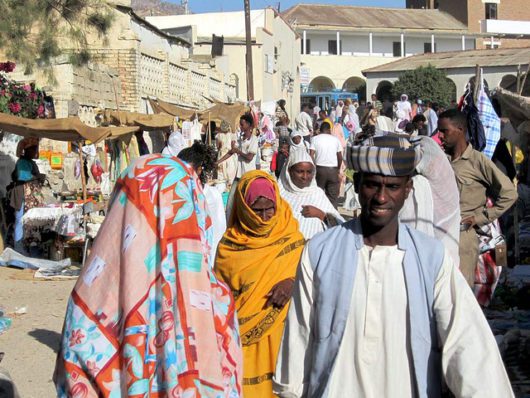
Top 10 Facts About Hunger in Eritrea

Top 10 Facts About Hunger in Eritrea
Eritrea is located at the Horn of Africa in the Sahel Desert that is dominated by arid and semi-arid climatic conditions. The country is, therefore, vulnerable to adverse effects of climate variability, recurring droughts and environmental degradation. The World Bank estimates that 69 percent of Eritrea’s population lives below the poverty line. The economy is largely based on subsistence agriculture, with 80 percent of the population depending on farming and pastoralism.

Eritrea has no free press and political repression of the opposition is rampant. After a severe drought in the Horn of Africa in 2015, president of the country, Isaias Afwerki, polemicized that the country had magically evaded the drought, denying a food crisis. A 2016 U.N. report documents that the president rejected U.N. food aid during the 2015 drought.

The proceeding 10 facts about hunger in Eritrea provide a snapshot of the political climate in the country that ousted humanitarian aid agencies over the last decade, while hunger persisted. The facts also highlight advances in sustainable agriculture and projects that have increased food security.

Top 10 Facts About Hunger in Eritrea

  1. Since gaining independence in 1993, Eritrea has had tense relations with humanitarian agencies. In July 2005, the country asked the USAID to terminate its operations and leave the country. It continued expelling other international organizations from working within the country in 2006.
  2. Beginning in 2000, Mercy Corps carried out more than $40 million worth of assistance that alleviated hunger until they closed their operations at the request of the Government of Eritrea in June 2006.
  3. According to the BBC report in 2011, emaciated Eritreans were crossing the heavily militarised border at the rate of almost 900 people a month, despite official denial of food crisis by President Afwerki.
  4. In 2013, according to the Food and Agriculture Organization (FAO), over 60 percent of the Eritrean population was reported to be undernourished in the period between 2011 and 2013.
  5. Eritrea currently meets only a third of its estimated food and the other two-third needs are being met by international food aid programs.
  6. Data from the Nutrition Sentinel Site Surveillance system indicate an increase in malnutrition rates since 2015 in four out of six regions of the country, and projections estimate that 23,000 children under the age of 5 will need treatment for severe acute malnutrition in 2018.
  7. In May 2018, the Government of Eritrea donated 40,000 tons of food to South Sudan. The country has already pledged 50,000 tons of food aid for the people of South Sudan in 2017.
  8. The United Nations Development Programme (UNDP) aimed to increase collaboration with Eritrea to promote sustainability and food security. There has been a success with projects that aim to increase sustainable agriculture in Eritrea, specifically in the small village of Keih-Kor. With the help of the UNDP, the village was able to regain the use of 45 hectares of farmland.
  9. In the Central Region, UNDP helped build three micro-dams in the Gala-Hefhi sub-region. Over 1,200 villagers benefitted from the dam constructed in Lamza Village, with improved food security and stronger productivity.
  10. In 2018, UNICEF treated 15,000 children under the age of 5 that had severe acute malnutrition and 40,000 children under the age of 5 with minor acute malnutrition, provided 477,000 children aged 6 to 59 months with vitamin A supplementation and 70,000 children aged 6 to 59 months. Pregnant and lactating women also benefited from supplementary feeding.

Eritrea gained its independence from Ethiopia in 1993. Five years later, the war between the two countries broke out and lasted from May 1998 to June 2000. The conflict saw hundreds of millions of dollars diverted from development aid to arms procurement.

In July 2018, Eritrea signed a historic peace agreement with Ethiopia. Four months following these good measures of social reunification in the Horn of Africa, the United Nations Security Council unanimously lifted international sanctions against Eritrea that have been imposed continuously since 2009. The measures were based on concerns that the Eritrean government was funding and arming the Somali extremist group, Al-Shabaab.

The 10 facts about hunger in Eritrea provide hope that hunger may turn around in the Horn of Africa due to Eritrea’s reconciliation with its neighbors, as the reconciliation could also mean a more open attitude towards humanitarian agencies. There is evidence that suggests that Eritrea could also be a friend in alleviating hunger in the future, across other nations in the Horn of Africa.

– Sasha Kramer
Photo: Flickr
January 5, 2019
https://borgenproject.org/wp-content/uploads/borgen-project-logo.svg 0 0 Kim Thelwell https://borgenproject.org/wp-content/uploads/borgen-project-logo.svg Kim Thelwell2019-01-05 13:29:072024-05-29 22:57:36Top 10 Facts About Hunger in Eritrea
Global Poverty

Top 10 Facts About Living Conditions in the Philippines

Top 10 Facts about Living conditions in the Philippines
The Philippines is a country that is home to over 100 million people, all of which reside in more than 7,017 country’s islands.

As of late 2015, it was estimated that 21.6 percent of the population in the Philippines lives in poverty. This percentage has been reduced from 26.6 percent back in 2006, and many other changes have been made to improve the living conditions in the country. Other goals are also set to reduce the poverty number further. In the text below, these goals and changes are described.

Top 10 Facts about Living Conditions in the Philippines

  1. In the Philippines, bottom 10 percent of the population survive on the annual income of $1,641. The average annual income of Filipino families is about $5,000 a year and these families spent a little over $4,000 on needed expenses in a year. That is nearly three times the annual income of the poor families.
  2. Those with more family members are more at risk of poverty in the Philippines. They have to make more money to survive in a nation that is flooded with inflation, lacks income equality among different sectors and lacks jobs in general. An estimated four out of 10 people that are poor have jobs but they are usually paid less due to the lack of a proper education.
  3. Being a nation that consists of islands surrounded by water, the Philippines is always at risk for environmental threats and natural disasters. The country is prone to tropical storms, earthquakes, tsunamis, flooding and volcanic eruptions. Luckily, government officials have the help of USAID and different nongovernmental organizations that aid the country in efforts to reduce the impact of these disasters.
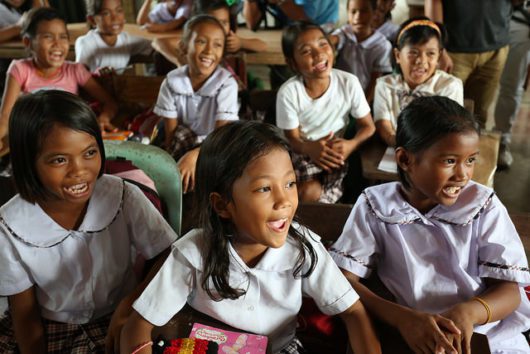
  4. In some areas, only about 30 percent of children complete their education. This can be mostly credited to a lack of financial funds in the household. Some children have to drop out of school to help the family financially by working in menial labor jobs. This prevents them from securing a higher paying job in the future.
  5. The country is currently going through a record high inflation crisis that is greatly affecting the cost of food. The Philippines has an inflation rate of 6.4 percent, the highest in 90 years as noted by Reuters. This inflation has caused the cost of food prices to rise by 8.5 percent. As an example, in order to afford 25 kilos of the cheapest rice, families must secure $60 of their monthly household budgets.
  6. The Philippines is one country that utilizes child laborers for some of its industries. While the Philippines hasn’t outlawed the use of child labor, it has taken moderate steps to ensure the safety of child workers in certain fields and completely abolishing the use of child labor in others. In 2017, the government made crucial changes to the employment and working guidelines of children in the agriculture sector.
  7. There is a large crisis on the island of Mindanao, one of the three largest islands of the country, where two feuding groups of people have left the island in complete disarray. The battles between them left communities damages and displaced many people that left the war-torn area or have had their homes destroyed. The effects have caused the island to become one of the most poverty-ridden areas in the Philippines.
  8. Those facing poverty conditions in the Philippines sometimes have no access to electricity, water and proper sanitation facilities, just a few of the basic necessities human beings need. They are also expected to have less access to things like health care and education, which plays a dominant role in one’s ability to get out of the life of poverty. Lack of education is often a large determinant in a household’s financial instability.
  9. The country has strict laws involving the incarceration of children. With the rising cost of food and the number of children suffering from malnourishment, many are turning to a life of drug-related crimes to make ends meet. These children are often caught and punished severely at the hands of the Philippines’ criminal justice system. Children often go through different forms of torture and endure lack of food and adequate accommodations.
  10. The government is implementing a long-term solution to tackle the poverty conditions people are facing. The plan is set to reduce poverty to at least 15 percent by the year 2022. The strategy is set to focus on creating new and higher-paying jobs, prioritize health care and help the poverty situation on Mindanao to open up valuable resources.

Poverty-reducing efforts have been made by the government to decrease the number of those that suffer from poverty in the Philippines.

In order to ensure the end to the vicious cycle, the country needs to consider education reform to better educate the youth of the country and keep them out of the corrections system.

They will also need to put an end to the feud in Mindanao if they have any hope in securing the funds to turn their poverty reduction dreams into a reality.

– Catherine Wilson
Photo: Flickr

December 15, 2018
https://borgenproject.org/wp-content/uploads/borgen-project-logo.svg 0 0 Kim Thelwell https://borgenproject.org/wp-content/uploads/borgen-project-logo.svg Kim Thelwell2018-12-15 01:30:492024-05-27 09:33:24Top 10 Facts About Living Conditions in the Philippines
Global Poverty, Politics, Poverty Reduction

Top 10 Facts About the Ukraine-Russia Conflict

Top 10 Facts about the Ukraine-Russia Conflict
2017 brought significant changes to Ukraine as 6.4 million Ukrainians rose above the country’s poverty line thanks to increases in minimum wage and a boost in social welfare programs. However, after five years of conflict with Russia and 39 percent of the country still living below the poverty line, the future of Ukraine’s poor remains uncertain. As the Ukraine-Russia conflict continues, aid from the U.S. and other countries is the only sure-fire way for those in Ukraine to find relief from the violence at hand.
Here are 10 facts about the conflict in Ukraine and its effect on this eastern European nation.  

Top 10 Facts about the Ukraine-Russia Conflict

  1. The Ukraine-Russia conflict began in 2013 when the former president of Ukraine, Viktor Yanukovych declined a resolution that would allow for Ukraine to engage in more economic activity with the European Union. After Yanukovych declined the deal, protests began in the capital city, Kiev. When police intervened, the number of protesters increased to contest the brutal treatment from the officers. Yanukovych fled the country in 2014 amid the turmoil, leaving Russia to occupy Ukraine soon after.
  2. Currently, the Ukrainian military is fighting rebels in eastern Ukraine who are being supported by Russia and who wish to annex and become part of Russia.
  3. The Ukraine-Russia conflict has killed more than 10,000 and wounded at least 23,000.
  4. Since 2014, fighting between the two countries has damaged more than 700 schools as well as 130 medical centers. Breaches in ceasefires have endangered more than 200,000 children who are often put in harm’s way and lack access to safe learning spaces.
  5. The front line of the war stretches 280 miles across Ukraine, blocking much of the country’s access to trade and supplies from neighboring countries and the U.N.
  6. In 2017, UNICEF, along with nongovernmental organizations and utility companies, worked to provide more than 962,000 people clean drinking water in both government-controlled and non-government-controlled areas. They also provided vouchers for cash and hygiene education to 160,000 people living closest to the front lines, 30,000 of them children.
  7. UNICEF offered psychosocial support to 82,000 children and caregivers within 15 km of the front line through community support centers. The organization also provided 700,000 children and their families with mine-risk education. Futhermore, the rehabilitation of 87 schools and kindergartens within 5 km of the front lines, provided by UNICEF aid, allowed 138,000 children to return to school, with teachers and aides receiving emergency training.
  8. In order to provide proper healthcare, education and shelter for its citizens, Ukraine requires consistent aid from the United States. Americans can alleviate the effects of the violence in Ukraine by contacting their congresspeople and representatives and asking that they support the International Affairs Budget. Ongoing support from the U.S. will help to improve the conditions of those in the middle of the Ukraine-Russia conflict.
  9. USAID supported elections in 600 communities throughout Ukraine, with many of these townships experiencing their first true election process.
  10. For 2018, Ukraine requires $23.6 million in aid in order to properly improve the country’s predicament. The top three main areas of need are:
    • Access to clean water, sanitation services and hygiene products ($13,619,000)
    • Child protection from violence ($3,200,000)
    • Education ($3,050,000)

Although there is still a long way to go in ending the Ukraine-Russia conflict some important steps have been made. The Ukraine government passed a healthcare reform law in October, which was signed by President Poroshenko, to improve the quality of care provided to its citizens and reduce corruption in the system. The work being done by UNICEF and USAID in Ukraine is helping to alleviate the damaging impact of the conflict. The next step will be working to end the Ukraine-Russia conflict once and for all.

– Jason Crosby
Photo: Flickr

December 5, 2018
https://borgenproject.org/wp-content/uploads/borgen-project-logo.svg 0 0 Borgen Project https://borgenproject.org/wp-content/uploads/borgen-project-logo.svg Borgen Project2018-12-05 01:30:452024-05-29 22:57:14Top 10 Facts About the Ukraine-Russia Conflict
Aid, Foreign Aid, Global Poverty

The Militarization of U.S. Foreign Aid to Africa

The Militarization of U.S. Foreign Aid to Africa
“If you don’t fully fund the State Department, then I need to buy more ammunition” – Secretary of Defense Gen. Mattis. This kind of sentiment expressed by Gen. Mattis is shared by military and civilians alike. As the gap between foreign aid and military expenses increases, so does the concern from these officials toward the militarization of U.S. foreign aid to Africa.

The 2019 U.S. Proposed Budget Changes

The proposed 2019 budget from the Trump Administration underscores this worry. In the anticipated budget, the Dept. of Defense would receive an estimated $686 billion, which would be an increase of $80 billion (13 percent) from 2017. In comparison, the Dept. of State and the U.S. Agency for International Development would only see a budget of $25.8 billion; which means a $9 billion decrease (26 percent) from 2017 levels.

Furthermore, 2016 serves as a case study for how these resources are being applied in Africa. Of the $26 billion given to Africa through USAID, the Dept. of Defense was actually the leading implementing agency (beating out even USAID). While USAID carried out $9.5 billion worth of foreign aid operations, the Dept. of Defense oversaw $10 billion worth. Alongside low funding due to Congressional budget approval, civilian agencies don’t have the resources to operate, disperse and oversee foreign aid.

On the ground, the picture is becoming more and more clear. It was the Dept. of Defense, not the Dept. of State, that was the first to conduct high-level meetings and summits in African countries, such as Libya, Malawi, Chad and Djibouti, signifying it as the lead diplomatic agency in Africa.

Concerns with an Increasing U.S. Military Presence in Africa

When looking at the statistics, America’s leading military officials are among some of the most vocal advocates against the militarization of U.S. foreign aid to Africa. They worry that by cutting aid and favoring the military in poverty-stricken parts of the world, the U.S. is creating an environment for even more conflict. More specifically, they claim that by choosing military bases over schools, the U.S. is allowing more openings for militant groups, hurting U.S. interests in the long-run by pushing development aside.

For instance, Gen. Carter Ham, the former commander of Africa Command, sees the favoring of the military over diplomacy as a loss of hope for the people of Africa. Per his example, a young Nigerian man faced with no work, education or healthcare would much sooner turn to a militant group that offers money, prestige and a purpose.

His view is echoed by a 2017 testimony submitted to the Senate Armed Services Committee. This testimony was written by a long list of retired U.S. military officials, including Gen. Petraeus, Gen. McChrystal and Adm. Michael Mullen. Here, they stated, “…how much more cost-effective it is to prevent a conflict than to end one.” Their views reinforce the idea that Africa is much better served by civilian agencies than by military ones.

The Importance of Civilian Agencies in Africa

Not only do U.S. military officials recognize the harm of militarizing aid but also the importance of returning this role back to civilian agencies. Before leaving office, former Secretary of Defense Robert Gates highlighted the importance of the Dept. of State in a 2010 speech. In this speech, he emphasized the necessity of keeping the Dept. of State as the main actor for conducting foreign policy because foreign aid and security reinforce one another. In addition, he called for a new foreign policy, requiring all sectors of U.S. foreign policy to form new partnerships and implement U.S. interests for long-term successes.

Now, the militarization of U.S. foreign aid to Africa does not mean that the military is an adversary to foreign aid. All of the examples used in this article critiquing this militarization process have all been expressed by current or retired military officials who are simply recognizing the need for humanitarian aid and the limits of military power.

Preventing conflict certainly makes more sense than instigating it, but it is up to U.S. citizens to decide whether a voter or a 3-star general holds Congress accountable for a better foreign policy towards Africa. Or in the words of Alexander Laskaris, a senior Dept. of State official with African Command: “How do we operate in an environment when we are willing to send peacekeepers, but we’re not willing to take the steps necessary to make peace?”

– Tanner Helem
Photo: Flickr
December 5, 2018
https://borgenproject.org/wp-content/uploads/borgen-project-logo.svg 0 0 Borgen Project https://borgenproject.org/wp-content/uploads/borgen-project-logo.svg Borgen Project2018-12-05 01:30:192024-05-29 22:52:50The Militarization of U.S. Foreign Aid to Africa
Global Poverty

Top 5 Countries Receiving Economic Aid in 2019

Top 5 Countries Receiving Economic Aid in 2019
In the fiscal year 2019, the U.S. Federal Government plans on spending $1.24 trillion. Out of this amount, foreign assistance will account for $27 billion. This spending is broken down into several categories including economic development. Approximately $2 billion will be directed toward generating economic growth in developing countries. In the text below, the top five countries receiving the economic aid in 2019 are presented.

Jordan

The first country on the list is Jordan. Jordan will receive $1.27 billion in aid and roughly 48 percent of that money is planned for economic development. The focus of this aid is on a plan called the Microeconomic Foundation for Growth Assistance. The goal of this funding is to create a stable economic landscape that will allow the private sector to invest. This will aid Jordan by creating both monetary and fiscal policies that will allow the government to have a greater control of the economy.

These reforms are needed due to the economic crisis that Jordan is currently facing. Jordan’s debt makes up 94 percent of the country’s GDP. The cost of living has also risen dramatically in the past years. The Economist ranked Amman, the capital of Jordan, as the most expensive Arab city to live in. However, Jordan is working to end its economic crisis. Recently, Jordan received a $723 million loan from the International Monetary Fund (IMF) and plans to lower the country’s debt to 77 percent of GDP by 2021.  

Afghanistan

The second country on the list is Afghanistan. This country is projected to receive $93 million for economic development. Most of this funds ($57 million), will be aimed toward agricultural development. This money will be focused on the distribution, processing and trade of agricultural goods.

In 2018, Afghanistan’s GDP increased by five times compared to 2002. However, a large trade deficit threatens Afghanistan’s economy. Most of Afghanistan’s economy relies on imports and this is the main reason why the country needs help in distributing agricultural goods. The United States Agency for International Development (USAID) provided airlifts in 2017 to help export goods to international markets. USAID also provided alternative road transport. In total, this organization helped to move $223 million of goods.  

Kenya

In 2019 Kenya, will receive $624 million of aid from the United States. Out of this amount, 5 percent will be aimed at economic development of the country, totaling $29 million. Almost 80 percent of this money will be for agriculture. Like Afghanistan, the focus of the aid is towards the distribution, processing and trade of agricultural goods.

In Kenya, agriculture makes up 27 percent of the country’s GDP and it is vulnerable to various kinds of natural disasters, like droughts. In 2014, Kenya reported a national drought emergency and the drought left millions of people vulnerable.

The drought continued to 2018 and USAID is studying the situation and working on solutions to help lessen the impact of the drought. In the period of 2015 to 2017 USAID implemented several programs to help create more drought resistant incentives for farmers. Kenya’s GDP is expected to grow by 5.5 percent in 2018, compared to 4.8 in 2017. This is directly related to a better weather situation in the country.

Tanzania

Economic aid directed toward Tanzania is projected to be 1 percent of the aid package, which equals $7 million. This amount will be aimed towards agriculture.

Agriculture makes up for 25 percent of Tanzania’s GDP and around 75 percent the country population is employed in this sector. The United States sees this as an opportunity to increase incomes and living conditions for Tanzanians. USAID has been working on a program in Tanzania known as Feed the Future. This program increases competitiveness, productivity and creates infrastructure so farmers can reach more markets.

In 2017, over 400,000 Tanzanians have benefited from Feed the Future. This is reiterated by the fact that rice productivity doubled per acre and the average gross margins for horticulture reached $3,900 per acre.

Uganda   

Uganda is projected to receive $461 million in 2019. Four percent or almost $19 million are going towards economic development. Majority of this amount is going towards agriculture development.

Like Tanzania, a large percentage of Uganda’s GDP and workforce are concentrated in agriculture. Twenty-four percent of the country’s GDP is made up of agriculture and farming employs two-thirds of the population.

USAID implemented the Feed the Future Program in Uganda as well. One of the most important initiatives was implementing an e-verification sticker in fruits sold that was intended for keeping track of purchase inputs. This initiative is aimed at combating the $1 billion loss that Uganda faces from counterfeit inputs on yearly basis. It also laid private investors consciences to rest, since they invested over $6 million in Uganda’s agricultural business in 2016.

In summary, the top five countries receiving the economic aid from the U.S. in 2019 are Jordan, Afghanistan, Kenya, Tanzania and Uganda. The United States government invests billions of dollars every year into foreign aid. One of the best ways to use that money is to invest in economic development, which helps improve the conditions of people living in developing countries.

Economic stability is one of the most crucial factors in ensuring safety across the world. 

– Drew Garbe
Photo: Flickr

November 17, 2018
https://borgenproject.org/wp-content/uploads/borgen-project-logo.svg 0 0 Borgen Project https://borgenproject.org/wp-content/uploads/borgen-project-logo.svg Borgen Project2018-11-17 01:30:422024-05-29 22:57:20Top 5 Countries Receiving Economic Aid in 2019
Foreign Aid, Global Poverty

US Benefits from Foreign Aid to Burkina Faso

U.S. Benefits from Foreign Aid to Burkina Faso

To the public, information about the U.S. benefits from foreign aid to Burkina Faso other countries is largely absent. Meanwhile, aid to Burkina Faso is at risk. After the election of President Trump in 2016 and his “America First” policy that pushes for decreases in U.S. humanitarian aid up to 37 percent, aid programs operating in Burkina Faso are placed in a questionable situation. Will they be able to continue operating?

The Marie Stopes Ladies

The Marie Stopes Ladies is a nongovernmental organization that works to provide family planning advice and sexual health-related services to the people of Burkina Faso. This country has an unsustainable fertility rate of 5.5 births per woman and is in desperate need of the services the MS Ladies provide. With policies such as “America First,” coupled with a push to cut funding towards any organizations which abortion and post-abortion care, organizations such as the MS Ladies, which was previously entirely funded with a grant of $1.25 million from the USAID, will no longer be eligible for any money. The nongovernmental organizations remain ineligible for funding even if the abortion care and advice are funded by other sources.

Given the reality of the foreign aid situation and the fact that the existence of many organizations, not just the MS Ladies, is at risk, it is important to address the many U.S. benefits from foreign aid to Burkina Faso—and leverage these benefits as a motive to sustain and possibly increase the aid budget.

Benefits for Burkina Faso and for the US

Intuitively, one should know how U.S. aid benefits Burkina Faso: efforts are focused on providing security, education and health-related programs. In fact, eradicating malaria in Burkina Faso is part of the President’s Malaria Initiative, designed under the administration of President Bush to treat and prevent malaria in sub-Saharan Africa. Thus, Burkina Faso would benefit from mitigating hunger, fostering education and economic growth, as well as increased life expectancies through a healthier population.

Yet, these benefits are also part of how the U.S. benefits from foreign aid to Burkina Faso. In fighting malaria in Burkina Faso, the U.S. becomes closer to reaching the goals of the President’s Malaria Initiative. By providing food security and treating other illnesses, the U.S. helps create a country that is more economically viable and can serve as a  potential economic partner. While the top import to the United States from Burkina Faso is gold, the U.S. has many investment possibilities in an emerging economy through its communications and energy sectors, not just mining.

Moreover, working with and providing humanitarian aid to Burkina Faso fosters greater safety at home. U.S. relations with Burkina Faso often focus on counterterrorism efforts, as well as general peacekeeping. Maintaining friendly relations also supports the U.S. goal of democratization in the region, a goal which truly hits the pulse of patriotism. To support democracy and peacekeeping abroad, what should be an essential underlying ideology of the United States, offers a far more rational notion of patriotism than the entirely self-interested rhetoric of “America First.”

The Support of US Citizens

The U.S. citizens generally support foreign aid. The U.S. benefits from foreign aid to Burkina Faso because the people from the U.S. believe it is a good thing. Only 5 percent of Americans, according to a Kaiser Family Foundation, knew how little the U.S. spent on foreign aid. The average guess was 26 percent of the federal budget. The actual total is less than 1 percent.

Once made aware of the discrepancy, less than 30 percent of participants thought the U.S. should decrease its foreign aid budget. Policies such as “America First” work as misdirections: they suggest to a public which is comfortable with, and supportive of a much larger foreign aid budget, that the U.S. is overspending. Providing aid, instead, proves governmental responsibility, and efficacy, to its people.

The Human Development Index value for Burkina Faso (assessed in 2017) is at 0.423 and it ranks the country in the bottom five countries in the world. Yet, while there is evidence Burkina Faso needs aid, in ten years it saw its value increase over 23 percent. That same span of time saw the average life expectancy increase over five years, and the average number of years of schooling increased by 64 percent. To continue these trends, the U.S. needs to continue providing aid, both for Burkina Faso and for itself.

To really put “America First” means also to care about the rest of the world. The U.S. benefits from foreign aid to Burkina Faso, but the U.S. needs to continue working to provide greater benefits for both parties.

– William Wilcox
Photo: Flickr

October 26, 2018
https://borgenproject.org/wp-content/uploads/borgen-project-logo.svg 0 0 Borgen Project https://borgenproject.org/wp-content/uploads/borgen-project-logo.svg Borgen Project2018-10-26 01:30:442024-05-29 22:53:21US Benefits from Foreign Aid to Burkina Faso
Foreign Aid

How the US Benefits from Foreign Aid to St. Vincent and the Grenadines

St. Vincent’sDespite appearing to be a tropical paradise to prospective tourists, St. Vincent’s population faces a harsh economic reality. Its population is currently experiencing a 30 percent unemployment rate while more than 90 percent of the people there don’t have healthcare insurance. The U.S. doesn’t have to sit on the sidelines while conditions fail to improve for those struggling to escape poverty. By reversing these statistics, The U.S. benefits from foreign aid to St. Vincent and the Grenadines.
Drug Trafficking in St. Vincent and the Grenadines

St. Vincent and the Grenadines’ high unemployment and low health insurance rates are primarily consequences of its economic downturn during the global recession of 2008 (St. Vincent had a 0.6 percent decline in GDP) and its subsequent sluggish recovery. In combination with this, the country has experienced difficult agricultural seasons over the years, particularly due to hurricanes, that have resulted in fluctuating yields with a -3 percent growth in 2015 up to a record 14.5 percent in 2016 then down to 1.7 percent GDP growth in 2017.

This is how drug trafficking gained more ground within St. Vincent’s borders. Faced with uncertain incomes year to year, an increasing number of desperate islanders have sought work growing marijuana, participating in the narcotics trade from Venezuela or both. So much so, that The U.S. State Department’s 2018 International Narcotics Reports claims that “St. Vincent continues to be a primary source for cannabis in the Eastern Caribbean.” Faced with no income or health care, illicit trafficking has become a necessary means for survival.

The drug trade has become a serious foreign policy issue for The United States along its southern border. Drugs, such as cocaine and marijuana, not only enter The U.S. through Mexican land routes but now increasingly so through Caribbean countries like St. Vincent. Drug traffickers rely on yachts, “go-fast” boats, fishing vessels and cargo ships for transporting illicit drugs up The Caribbean to The U.S. or Europe.

US  Foreign Aid in St. Vincent and the Grenadines

The U.S. Department of State and The U.S. Agency for International Development have both implemented foreign aid projects meant to improve conditions in St. Vincent while simultaneously strengthening U.S. security. This is one example of how The U.S. benefits from foreign aid to St. Vincent and the Grenadines.
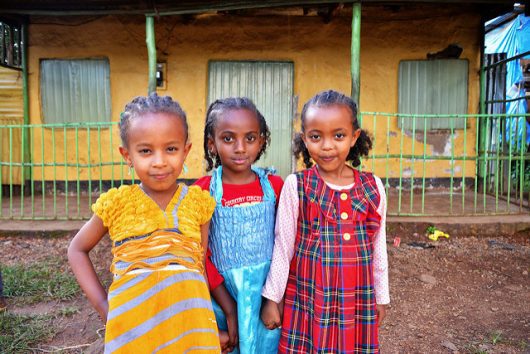
The U.S. Agency for International Development has embraced a youth-centered strategy that employs the use of programs such as the Skills and Knowledge for Youth Project (SKYE), The Community, Family and Youth Resilience Program (CFYR) and the Liberty Lodge Boys Training Center. All of these U.S. sponsored programs provide funding and training for youth to get an and education and to find employment while also receiving healthcare benefits.

In particular, SKYE provides 2,000 youth in The Caribbean with counseling, employment skills training and rehabilitation services. Similarly, CYFR intends to seek out evidence-based solutions to local issues through community involvement, greater access to employment and a reformed law enforcement system. The Liberty Lodge Boys Training Center, funded and supported by USAID, has recently been re-established in order to ensure that young men will have access to education and employment and be able to provide for their families.

While these programs and initiatives are fairly young, they do have the potential to have a significant impact on the people of St. Vincent and the Grenadines. All utilize local resources with the goal of strengthening local authorities and leaders to become self-sustaining.

Another way that The U.S. benefits from foreign aid to St. Vincent and the Grenadines is through a more secure Caribbean. The U.S. Department of State has teamed up with The Department of Defense to build and maintain a stronger government and create more security in The Caribbean. This joint venture between The U.S. and The Caribbean nations is known as The Caribbean Basin Security Initiative (CBSI). The CBSI demonstrates an overlap between U.S. humanitarian and U.S. security policies.
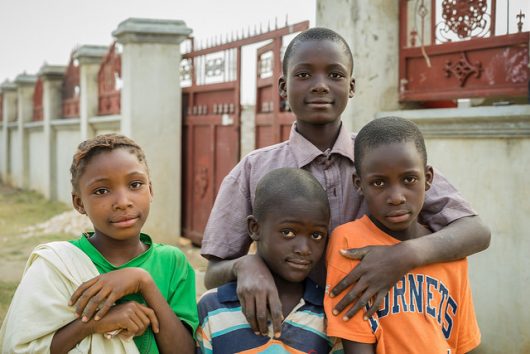
Since 2010, The U.S. has committed $437 million in funding to the CBSI with three significant goals in mind.

  1. Reduce illicit trafficking through programs that focus on counter-narcotics to stemming the flow of illegal arms sales.
  2. Increase public safety and security by improving law enforcement and judicial institutions.
  3. The promotion of social justice through justice reform, anti-corruption reform and increased educational, social and economic opportunities for youth.

The DEA reported seizing 658.18 kg of cocaine and 267 metric tons of marijuana during the first 9 months of 2017 thanks to efforts to upgrade security measures in the area. Furthermore, they have seized $1.3 million in drug proceeds, which is used on programs to further support the country’s efforts to stamp down on drug trafficking. The funding provided by the CBSI has also led to the building and funding of new rehabilitation clinics throughout St. Vincent in order to help reduce drug addiction.

Here, poverty and security have become one in the same. U.S. foreign policy advocates are utilizing security policies and funding to better protect the people in The Caribbean while, at the same time, protecting those at home in The States. Moreover, creating better living conditions for the citizens of St. Vincent, especially the youth, is viewed as a necessity to securing The Caribbean from illicit trafficking within and outside the region.

The U.S. benefits from foreign aid to St. Vincent and the Grenadines precisely because of the fact that it strengthens regional security in the Americas. Initiatives, such as the CBSI and CFYR, demonstrate that foreign aid and poverty reduction are vital tools within U.S. foreign policy. St. Vincent and the Grenadines may be a tiny blip on the map, but with U.S. foreign aid, it could have a substantial impact on the Americas.

– Tanner Helem
Photo: Flickr

September 16, 2018
https://borgenproject.org/wp-content/uploads/borgen-project-logo.svg 0 0 Kim Thelwell https://borgenproject.org/wp-content/uploads/borgen-project-logo.svg Kim Thelwell2018-09-16 01:30:172024-05-29 22:53:15How the US Benefits from Foreign Aid to St. Vincent and the Grenadines
Developing Countries, Global Health

Price Agreement on New HIV Treatment Will Save Lives

HIV Treatment
In September of 2017, it was announced at the seventy-second U.N. General Assembly that the HIV treatment regimen TLD (tenofovir disoproxil fumarate, lamivudine and dolutegravir) has been made more accessible to low and middle income countries. This has been accomplished with a price agreement established through the partnership of various countries and global aid programs.

Some of the groups that collaborated on the new price agreement include UNAIDS, the Clinton Health Access Initiative (CHAI), PEPFAR, USAID, the World Health Organization (WHO), the Bill and Melinda Gates Foundation and the governments of South Africa and Kenya. Teams in many countries have begun developing plans to transition TLD into use by the end of 2019. Over 50 low or middle income countries have already introduced or are planning to introduce TLD as the favored first-line treatment for HIV.

Improvements to TLD

TLD medication is already considered a preferred method of HIV treatment in the United States. However, with the use of a generic treatment and a pricing agreement, TLD is now expected to cost health programs in low to middle income countries covered by the agreement only $75 per person per year once the treatment has been fully transitioned into use.

The newly released TLD is a generic treatment consisting of a single pill taken once a day containing a dolutegravir base. Studies have shown that the TLD regimen has fewer side effects on the patient and also has less vulnerability to the development of drug resistance that would render it ineffective. This helps because it means that fewer people would have to start new levels of treatment. TLD has also been shown to provide a more rapid repression of viral load.

Effects of New HIV Treatment

Three countries that began using the TLD treatment by the end of 2017 include Brazil, Botswana and Kenya. Within three months of treatment, studies show that 81 percent of patients using TLD in Brazil had an undetectable viral load, as compared to another HIV treatment regimen with an EFV (efavirenz) base, which had 61 percent presenting with an undetectable viral load after three months of treatment. Botswana and Kenya have shown similar success, with 90 percent of those using the treatment reaching full viral suppression in 2018.

In 2016, only 53 percent of people infected with the HIV virus were receiving treatment. Under the licensing agreement that sets a maximum price on the dolutegravir-based medication, 92 low to middle income countries will be able to provide the treatment to their citizens. These countries represent 90 percent of the people living with HIV in low to middle income countries. The TLD pricing agreement will not only be able to reduce the cost of treatment for the people in these countries but will increase availability so that more people can be treated.

A Brighter, Healthier Future

The launch of this new TLD treatment is another step forward in the treatment of people suffering globally from HIV and AIDS. People who did not originally have access to the dolutegravir treatment due to cost and availability will now be able to use this treatment. TLD provides a more reliable treatment regimen that will improve many people’s lives and ultimately bring the world a little further in the fight against HIV.

– Lindabeth Doby
Photo: Flickr

July 1, 2018
https://borgenproject.org/wp-content/uploads/borgen-project-logo.svg 0 0 Borgen Project https://borgenproject.org/wp-content/uploads/borgen-project-logo.svg Borgen Project2018-07-01 01:30:292024-05-29 22:42:57Price Agreement on New HIV Treatment Will Save Lives
Children, USAID

Addressing USAID’s Support for Children Around the World

USAID's support for children
Among the groups that the U.S. Agency for International Development (USAID) aims to support, children across the world are a top priority. From health-related aid to education opportunities and protection from violence, USAID’s support for children employs a variety of means to help kids survive and grow despite poverty and other adversities.

USAID Addresses Preventable Child Mortality

An important aspect of USAID’s support for children is access to medical assistance. An overwhelming 75 percent of child deaths under the age of five results from newborn deaths and treatable diseases: pneumonia, diarrhea and malaria. These illnesses could be effectively countered by timely low-technology treatments, which USAID attempts to provide on the local level by bolstering public-private engagement and promoting Integrated Community Case Management (iCCM).

USAID strengthens iCCM programs that train and assist with local community members treating children. Such programs provide vital medical care on the ground in communities that are often hard to reach. USAID helps construct sustainable networks of monitoring and evaluation, clinical referral, supportive supervision and more, which in turn ensure the functioning of iCCM programs.

A USAID-supported iCCM program in Zambia led to a 68 percent early treatment rate of childhood pneumonia. USAID’s efforts to treat malaria have reached millions of children in Tanzania alone, where 70,000 people die from the disease annually. Within a decade, simple preventative action and treatment by community health workers have contributed to a 28 percent decrease of child mortality rate.

USAID’s Support for Children: A Comprehensive Action Plan

USAID’s efforts to help children around the world are not limited to medical care. USAID, together with other U.S. government departments and agencies, launched the ambitious and comprehensive five-year U.S. Government Action Plan on Children in Adversity in 2012. Backing the plan is Public Law (PL) 109-95, signed in 2005 to amend the Foreign Assistance Act of 1961, which asks the U.S. government to effectively respond to vulnerable youths in low and middle-income nations.

USAID’s support for children is wide-ranged and well-coordinated under the Action Plan, focusing on the value of investing in boys and girls in order to achieve long-term economic and social progress. Among those receiving aid are children affected by HIV/AIDS, those living outside of family care, those who have been trafficked, those under sexual violence or exploitation and more.

Interventions employed by the Action Plan are evidence-based, meaning they are both effective and instructive for further action in the future. Such actions include improving the families’ socioeconomic status, rescuing youths suffering from the worst forms of child labor, promoting protective family care and protecting the education of both children and their surrounding communities.

According to the most recent annual report for Congress, the plan has reached millions of young lives since 2012. Understanding the significance of nutrition, especially in the first thousand days of life, USAID and Food for Peace sent food assistance to approximately 20 million children in 61 countries with funds from Fiscal Year 2015. Children separated from their families in 11 countries received help from USAID to return to family care.

Effective Utilization of the Private Sector

Many of USAID’s support for children take place in the private sector, via public-private engagement as well as recent “development impact bonds.” Public-private engagement is manifest in USAID’s Strengthening Health Outcomes through the Private Sector (SHOPS), which increases the ready supply of diagnostic and treatment-related products. The program works with local manufacturers and importers and also informs health workers regarding the appropriate use of medical knowledge and tools.

In December of 2017, USAID launched a new development impact bond for India, the Utkrisht Bond, that mobilizes private capital to make improved healthcare accessible to 600,000 women, aiming to save up to 10,000 mothers and their newborns. With private capital enabling an initial investment, USAID and Merck for Mothers will only follow up with its $4.5 million commitment after the development goals are realized, ensuring the effectiveness of aid.

Innovative, sustainable and replicable efforts such as these are consistent with USAID’s mission to help developing countries so that they eventually grow out of the need for aid. Continued assistance from the U.S. agency will ensure that millions of children around the world are given the help they need for a better future.

– Feng Ye
Photo: Flickr

June 28, 2018
https://borgenproject.org/wp-content/uploads/borgen-project-logo.svg 0 0 Borgen Project https://borgenproject.org/wp-content/uploads/borgen-project-logo.svg Borgen Project2018-06-28 01:30:462024-05-29 22:42:55Addressing USAID’s Support for Children Around the World
Child Soldiers

Child Soldiers in Nigeria Require Immediate Assistance

Child Soldiers in Nigeria

Violent conflicts largely incited by the militant group Boko Haram continue to ravage northeastern Nigeria and the larger Lake Chad region. Due to these conflicts, youths in the area face the unwanted yet real menace of being recruited as child soldiers in Nigeria.

Parties Recruit and Abduct Children for War

In 2016 alone, there were 2,122 cases of deployment of children for military purposes in Nigeria, according to a 2017 United Nations report on children and armed conflict. The report also stated that Boko Haram used four boys and 26 girls for suicide attacks in 2016; 13 more children were killed in November and December by the Nigerian security forces, which suspected them of carrying bombs.

Civilian Joint Task Force (CJTF), a vigilante group that opposes Boko Haram, also recruited child soldiers in Nigeria, though they were mostly used for supporting roles. The Nigerian Security Forces (NSF) was also accused of deploying children in warfare.

A United States 2017 Trafficking in Persons Report pointed out that children merely 12 years old were recruited by NSF. The report also explains that some of the child soldiers in Nigeria were originally arrested or detained for alleged connections with Boko Haram and might have been forced into military operations by the state.

“Human Bombs”

Some suicide bombers were as young as seven or eight years old. In a bombing in Maiduguri in December 2016, two young girls set off explosions in the middle of a crowded market, killing at least one and injuring 17 people.

“They got out of a rickshaw and walked right in front of me without showing the slightest sign of emotion. I tried to speak with one of them, in Hausa and in English, but she didn’t answer. I thought they were looking for their mother. She headed toward the poultry sellers, then detonated her explosives belt,” local militia member Abdulkarim Jabo told United Press International.

In only the first eight months of 2017, 83 children were made into “human bombs,” more than doubling the number of child suicide attacks in the entire year of 2016. Most of the children used were girls.

Reintegration for Child Soldiers in Nigeria

Children who were able to escape from Boko Haram often suffered further from rejection as they tried to reintegrate into civilian life, as the use of child soldiers in Nigeria aroused fear and distrust among the general public. Child soldiers also have to endure severe physical, psychological and sexual abuse. Those who return home often face discrimination and even ostracization by their families, including girls who were forced to be “wives” in captivity.

The United Nations calls for the unconditional release of children from armed forces worldwide and the increase of resources for the purpose of reintegration and education of released children. The United Nations Children’s Fund (UNICEF) estimated in 2017 that 65,000 children worldwide had been released from armed groups in the past decade.

U.S. Government (USG) Programs Support Highly Vulnerable Children

On June 7, 2018, U.S. Ambassador to Nigeria Stuart Symington announced a $112,000,000 donation to assist with humanitarian efforts in the region. USAID will manage the use of funds via Food for Peace, Foreign Disaster Assistance and the U.S. State Department’s Bureau for Population, Refugees and Migration. Ambassador Symington said that among its recipients, the donation would go toward helping child victims of the violent conflicts in the area, many of whom have been forced to separate from their families.

USAID and other USG agencies have cooperated to mediate similar humanitarian programs around the world. A USAID program based in the Democratic Republic of Congo (DRC) helped reintegrate previous child soldiers through communication campaigns that directly talk to local community leaders, psychosocial counseling, family tracing, education, financial support, etc.. In a single year, the program identified 1,905 children and provided them with health and psychological support.

More attention must be given to the children being exploited by these groups. With the continued efforts of government programs, there is still hope for child soldiers in Nigeria.

– Feng Ye

Photo: Flickr

June 24, 2018
https://borgenproject.org/wp-content/uploads/borgen-project-logo.svg 0 0 Kim Thelwell https://borgenproject.org/wp-content/uploads/borgen-project-logo.svg Kim Thelwell2018-06-24 07:30:302024-05-29 22:42:54Child Soldiers in Nigeria Require Immediate Assistance
Page 63 of 92«‹6162636465›»

Get Smarter

  • Global Poverty 101
  • Global Poverty… The Good News
  • Global Poverty & U.S. Jobs
  • Global Poverty and National Security
  • Innovative Solutions to Poverty
  • Global Poverty & Aid FAQ’s
Search Search

Take Action

  • Call Congress
  • Email Congress
  • Donate
  • 30 Ways to Help
  • Volunteer Ops
  • Internships
  • Courses & Certificates
  • The Podcast
Borgen Project

“The Borgen Project is an incredible nonprofit organization that is addressing poverty and hunger and working towards ending them.”

-The Huffington Post

Inside The Borgen Project

  • Contact
  • About
  • Financials
  • President
  • Board of Directors
  • Board of Advisors

International Links

  • UK Email Parliament
  • UK Donate
  • Canada Email Parliament

Get Smarter

  • Global Poverty 101
  • Global Poverty… The Good News
  • Global Poverty & U.S. Jobs
  • Global Poverty and National Security
  • Innovative Solutions to Poverty
  • Global Poverty & Aid FAQ’s

Ways to Help

  • Call Congress
  • Email Congress
  • Donate
  • 30 Ways to Help
  • Volunteer Ops
  • Internships
  • Courses & Certificates
  • The Podcast
Scroll to top Scroll to top Scroll to top