Afghan girls and womenThe dissolution of the USAID was a devastating blow to global humanitarian efforts. It hit Afghanistan particularly hard, where the funding supported vital programs, including education and health. It made the consequences even harsher for Afghan girls and women, for whom the suspended funding only exacerbated their vulnerability.

USAID

An independent agency of the government, USAID, was the primary organization which, over the decades, delivered tens of billions of dollars in humanitarian assistance. Between 2014 and 2023, USAID’s top sectors of assistance were Health, at $80.7 billion, and Humanitarian Assistance, at $65.1 billion.

Since its establishment, USAID has helped save millions of lives through diverse programs. This includes war relief in Ukraine, improving maternal and child health, running HIV prevention programs that saved the lives of more than 25 million, and providing support during the humanitarian crisis in Congo.

In March 2025, the Trump administration announced that it would eliminate 83% of USAID programs. Of the 6,200 global programs, close to 5,200 were cancelled, while the remaining would be taken over by the State Department.

Helping Afghanistan

The United States of America, through USAID, has been the largest donor of humanitarian aid to Afghanistan since 2013. According to the United Nations Office for the Coordination of Humanitarian Affairs, in 2024 alone, the U.S. funded more than $700 million in humanitarian aid in Afghanistan, which accounted for 45.6% of the country’s total aid. With the aid Afghanistan received that year, more than 20 million people received assistance and support, with women making up 29%.

In 2025, the U.S. suspended $562 million in remaining aid to Afghanistan. This impacted programs that supported education, healthcare, and famine preparedness. It severely affected women, as the government had already curtailed their freedoms.

Education

Soon after the Taliban took control of the government in Afghanistan, it suspended education for girls and women beyond primary school, making Afghanistan the only country in the world to restrict female secondary and higher education. It banned more than 2 million girls and women from receiving education. According to UNESCO, by 2066, this could result in estimated losses of almost $10 billion, a figure amounting to two-thirds of the country’s present GDP. This could risk driving more people into poverty.

USAID cuts have disrupted funding that attempted to tackle the inaccessibility to education through online and underground programs for Afghan girls and women. The cuts also led to the termination of scholarships of more than 80 girls from Afghanistan who were studying in Oman. Despite a reprieve, their future remained uncertain, filling them with dread.

Health

Following the cuts, out of 900 UNFPA-supported clinics in Afghanistan, it may no longer be possible to support 500 of them.

Every two hours, a woman in Afghanistan dies from pregnancy, childbirth or related complications, most of which are preventable with skilled healthcare. The country has one of the highest maternal mortality rates globally, and the funding would have been used to run these clinics, provide psychosocial support, family health services and mobile care. The cuts will therefore impact 6.9 million women and children in Afghanistan.

Food Insecurity

The funding cuts have also eliminated food aid, affecting famine-prevention programs and leaving millions without support. While the United States resumed global food aid, it did not do so in two countries, including Afghanistan. The women and children there, who already bear the brunt of the hunger crisis, face an added risk of malnutrition, illness and death. While women-headed households are already facing difficulties, two-thirds cannot meet the cost of basic food needs, a statistic 20% higher than that for male-headed households. In response, women have been forced to resort to dangerous strategies to survive, some of which include seeking cash handouts or arranging marriages for their young daughters.

Looking ahead

While USAID cuts have been a devastating blow to women’s socioeconomic conditions in Afghanistan, other initiatives continue to work to support and empower Afghan women and girls.

U.N. Women Afghanistan and the Government of Japan have launched a notable initiative to strengthen women’s leadership and resilience in Afghanistan. It aimed to reach over 25,000 people by directly supporting 3,700 women. The program equips women with resources and opportunities to not only improve their own livelihoods but also to build a sustainable future for their communities. Running for one year, it would increase women’s access to finance and technology.

UNDP also continues to provide a lifeline for 8 million women, with its core funding exhibiting long-term results. A $4 million seed investment in 2024 enabled more than $34 million in additional funding to support nearly 80,000 female-led micro and small businesses, create almost 400,000 jobs, and positively impact over 2.7 million people. Some of the initiatives taken include developing women’s digital skills, providing solar power, implementing microcredit programs, and enhancing their financial literacy, among others. Through these efforts, the UNDP has fostered women’s entrepreneurship in Afghanistan, helping women achieve economic independence.

– Priya Doshi

Priya is based in Edinburgh, Scotland and focuses on Good News and Politics for The Borgen Project.

Photo: Flickr
Indonesian Female Migrant Domestic WorkersAccording to the International Labor Organization (ILO), there are an estimated 2.6 million domestic workers in Indonesia, including more than 110,000 children younger than 18. Yet domestic workers are not recognized as “workers” under Indonesia’s labor laws. This means they remain invisible in the eyes of the state and excluded from basic protections like minimum wage or working-hour limits.

The issue stretches far beyond Indonesia’s borders. More than 9 million Indonesians currently work overseas, most of whom are women. Of these, 32% are employed in the domestic sector, largely in private households in countries such as Malaysia, Saudi Arabia and Hong Kong. This hidden and unregulated environment often leaves workers exposed to exploitation, wage theft and abuse.

Struggles of Indonesian Female Migrant Domestic Workers

For many women, becoming a domestic worker is not a choice but a necessity. Coming from rural or economically disadvantaged backgrounds, they migrate in search of income to support their families. However, because their labor is not formally recognized, many end up trapped in cycles of exploitation.

One major struggle lies in the working conditions. Without standardized contracts, workers may face excessive hours, a lack of rest days and arbitrary wage deductions. Their isolation in employers’ homes makes it difficult to seek help when abuses occur. Gender norms further worsen the situation: domestic labor is frequently dismissed as “women’s work,” devalued as unskilled and undeserving of fair compensation.

The absence of legal recognition also allows abuse and violence to persist unchecked. Human Rights Watch has documented cases of psychological, physical and sexual abuse against domestic workers. Former Indonesian migrant worker Win Faidah described her ordeal: “No day passed without torture. My eyes were blindfolded, my back and chest were burnt with an iron… I thought I was going to die and I was ready to die.” Her story is tragically not an isolated one.

NGOs Driving Change

Despite the obstacles, grassroots organizations and international partners are carving out space for reform.

Migrant CARE has emerged as one of the most prominent advocacy groups. Its approach, built on counseling, advocacy, research and education, extends from national-level lobbying to village initiatives. Through programs like Villages that Care for Migrant Workers (DESBUMI), Migrant CARE provides communities with the tools to offer legal aid, information and empowerment at the local level.

The Indonesian Migrant Worker Union (SBMI) plays a key role in organizing workers and addressing cases of exploitation. From 2014 to 2024, SBMI reports supporting more than 1.1 million individuals with social and legal services. It assisted more than 7,600 legal cases and helped keep more than 236,000 at-risk children in school. SBMI campaigns also target predatory recruitment agencies that charge illegal fees to vulnerable workers.

ILO complements these efforts by partnering with the Indonesian government to develop protections for domestic workers. Its campaigns focus on fair wages, safe working conditions and recognition of domestic labor as essential work. By building research and policy frameworks, the ILO strengthens advocacy efforts already underway by local NGOs.

Conclusion

Indonesian female migrant domestic workers are essential to the households they sustain and the national economy through the remittances they send home. Yet they remain some of the least protected workers in society, facing systemic neglect, social stigma and widespread abuse. The combined efforts of organizations like Migrant CARE, SBMI and the ILO demonstrate that progress is possible, from community-level empowerment to international advocacy.

Closing the wage gap and securing legal recognition will require sustained political will. However, these NGOs have shown that meaningful change can begin from the ground up.

– Kai Xian, Lim

Kai Xian is based in Lille, France and focuses on Global Health and Politics for The Borgen Project.

Photo: Flickr
Women in ChadChadian cultural practices encourage many ethnic groups to showcase their heritage through their traditions. Some of these traditions are deeply rooted in a patriarchal society where women in Chad experience exclusion from sustainable development processes, even though their participation is seen as key to a peaceful democracy.

Cultural Beliefs and Practices Throughout the Region

Many of Chad’s customs and etiquette are deeply rooted in its cultural practices and the various ethnic groups. Some of its formalities are practiced universally, such as respecting your elders, the proper handshake and different verbal greetings. Cultural festivals and ceremonies showcase Chad’s rich heritage and traditions through lively music, dance and costumes. A wide range of styles and instruments is used to express an even wider range of emotions and the diverse ethnic identities found throughout the region.

While some traditions in Chad are bright and innocent, others cause extreme harm to women. One such practice still regularly carried out is female genital mutilation (FGM). Strong motivations to continue it stem from peer pressure, as many girls fear being rejected by their community and feel compelled to comply in order to be socially accepted. The practice is viewed as a necessity for raising a girl. It is typically performed during infancy or adolescence as preparation for adulthood and marriage. It is largely intended to control a girl’s sexuality and promote celibacy until marriage.

Although considered necessary by some, this tradition has no health benefits. It damages healthy tissue and interferes with the natural anatomy of a woman’s body. All forms of FGM are linked to serious health complications, which worsen with severity. Immediate risks include urinary problems, infections, swelling, injury to surrounding tissue and even death. Long-term complications include childbirth difficulties, menstrual disorders, recurring infections and psychological trauma.

This practice reinforces patriarchal control and restricts women’s social and economic independence, reflecting their lower social status. Marriage is often the only path to economic and social security for women and there is a widespread expectation that men should marry women who have undergone mutilation.

How the Chadian Government Is Helping

The Chadian government established a Ministry of Women to promote gender equality and protect women’s rights. The ministry ensures that women’s affairs are integrated into all government policies and programs. It also works to protect women and children from discrimination and violence, promote reproductive health and education, lead awareness campaigns and implement national strategies to improve the livelihoods of women and children.

Alongside this ratification, Chad’s 2023 constitution guarantees equality for all before the law and calls for the elimination of all forms of discrimination against women. It secures and protects women’s rights while also requiring greater representation of women in assemblies and public administrations.

In 2002, the Chadian government passed a reproductive health law that upholds the right to medical services, including access to abortion as defined in Article 14. The article is to be activated through specific applications outlining the processes, guidelines and technical specifications required to provide these services.

Other countries and international organizations are also supporting Chad’s efforts toward a safer and more equal future. The United Nations Population Fund (UNFPA), a sexual and reproductive health agency working in 150 countries, including Chad, helps ensure the rights and choices of women and girls. The United Nations Children’s Fund (UNICEF) works to empower girls and women in Chad while promoting values of peaceful coexistence through youth activities in local communities.

– Eva Wakelin

Eva is based in Atlanta, Georgia USA and focuses on Good News and Global Health for The Borgen Project.

Photo: Flickr
women’s economic empowerment in IranIn Mashhad, Iran, Fatemeh, a single mother, lost her job during the pandemic and feared she could no longer support her two children. In 2024, she enrolled in a tailoring and legal literacy program at the Atena Women Life Quality Improvement Institute. With a microgrant, she opened a home-based tailoring business that now employs fellow women from her community. Fatemeh’s story reflects a broader movement of women’s economic empowerment in Iran—where grassroots organizations are equipping women with the tools to achieve economic independence through training, legal education and inclusive programs.

Local NGOs Lead the Way

Founded in Tehran in 2013, Atena supports more than 200 families annually. The organization offers training in entrepreneurship, legal rights and mental health counselling to marginalized women, including survivors of domestic violence and women with disabilities. The Bahá’í Institute for Higher Education (BIHE) began in 1987 when Bahá’í students were legally barred from Iranian universities.

As of 2025, it offers undergraduate and graduate programs through home-based classes and online platforms, providing educational opportunities to Bahá’í women otherwise excluded from public institutions. BIHE has earned international recognition for offering training in business, health care and IT to marginalized students across the country.

Economic Skills and Legal Empowerment

Atena provides small grants to women launching microenterprises and holds workshops on inheritance, alimony and child support rights. These legal literacy efforts empower women to claim their entitlements under Iranian law. BIHE graduates like Zahra, who studied graphic design, have been able to build home-based businesses, support their families and expand professional opportunities despite systemic barriers.

In Gilan Province, disability activist and artist Mitra Farazandeh leads programs that help women with disabilities earn a living by selling handmade art. She promotes visibility and economic empowerment through crafts and storytelling.

Overcoming Legal and Political Barriers

Bahá’í students face ongoing arrests and academic exclusion, with Iranian authorities repeatedly raiding BIHE homes, seizing materials and jailing educators. Despite this, BIHE has trained thousands of women over the past three decades, some of whom have earned graduate degrees abroad. Atena operates under close legal scrutiny, coordinating with local social welfare agencies to maintain its license and ensure continued support to vulnerable women.

Atena reports that more than 68% of its graduates increase household income by at least 30% within one year of program completion. BIHE has educated more than 1,000 Bahá’í women since its founding, creating pathways to meaningful work despite systemic exclusion. Farazandeh’s work in disability-led crafts has enabled women to earn income and raise visibility for marginalized artists.

A Path Toward Resilience

By combining vocational training, legal rights education and community support, grassroots organizations like Atena, BIHE and local disability advocates show that women’s economic empowerment in Iran is not only possible but already underway. With greater international support, these models can potentially scale and help even more women build a path out of poverty.

Meral Ciplak

Meral is based in Edmonton, Canada and focuses on Good News for The Borgen Project.

Photo: Pixabay

Women’s Rights in AfghanistanOn August 15, 2021, the lives of the Afghan people underwent a stochastic lifestyle shift. It marked the establishment of a Taliban-governed Afghan state for the first time since 2001. This theocratic regime has been characterized by humanitarian organizations such as Amnesty International and Human Rights Watch as oppressive toward women, with documented restrictions on their rights to work, education, freedom of movement and public participation. Additional documented human rights concerns include religious intolerance, persecution of minorities, suppression of press and speech freedoms, extrajudicial killings and denial of due process.

The Taliban takeover of Afghanistan, coined “The Fall of Kabul,” was a far more hastened onslaught of events than American intelligence and even the Taliban themselves anticipated. The United States military completed its withdrawal by August 30, 2021. ​​It took the Taliban just 10 days to retake Afghanistan. The only thing to change as impetuously in Afghanistan as the system of government change was the constitutional rights of Afghan women.

Impact of Women’s Rights Restrictions

The current restriction of women’s rights in Afghanistan represents a significant regression in what the United Nations (U.N.) defines as “Equality and Nondiscrimination.” It statistically correlates with broader socioeconomic decline affecting all Afghan demographics, including men.

Afghan Taliban policies include bans on women’s education, female employment in the private sector, women’s suffrage, female representation in government, female access to trial rights, medical training for women and women’s right to speak in public. These practices have been documented to impact the broader population through decreased access to services, reduced household incomes and legal system imbalances.

Additionally, women face restricted rights in divorce and marriage, including an increased incidence of forced marriages, as well as a rise in femicide cases since 2021. International justice organizations have reported these as systemic issues enabled by the current legal environment.

Economic Effects of Banning Female Employment

Under Taliban governance, Afghan women have been banned from working with NGOs and other sectors. Women comprised approximately 17% of the workforce in 2021, a number that declined to 5.1% by 2024. The United Nations Development Program (UNDP) projects this exclusion could result in annual economic losses of $1 billion.

The U.N. notes Afghanistan’s gross domestic product (GDP) has contracted by 27% from 2021 to 2023. Research from the IMF and World Bank demonstrates that equal labor participation improves GDP per capita and increases national wealth. These economic impacts are mirrored in reported wage declines affecting 80% of Afghan households since 2021.

Socioeconomic Effects of Banning Female Education

The Taliban has banned education for girls after the age of 12. Evidence indicates that adolescent female education directly supports GDP growth, with a 10% increase in girls’ school attendance associated with a 3% increase in GDP. Each additional year of girls’ secondary education raises future earnings by 10–20%.

The World Bank has found that education improves outcomes in health, marriage age, fertility and child well-being, all of which contribute to a more resilient economy and society. The ban on women’s medical training further exacerbates deficits in health services and public health knowledge dissemination.

The Cost of Silencing Women in Politics

The Taliban has revoked Afghan women of their political and legal rights. Elections have been suspended, women are barred from holding office and the Ministry of Women’s Affairs has been dismantled, removing all avenues for female political participation. Academic studies have found that expanding women’s voting rights increases the passage of socially beneficial policies and contributes to broader economic growth.

According to the World Economic Forum and U.N. Women, countries with high female political participation show stronger wage equality, labor protections and economic performance outcomes. Furthermore, denying trial rights to women undermines due process protections and may incentivize exploitation by removing legal accountability mechanisms. The rise in femicide and forced marriages has been documented as a direct consequence of these legal imbalances.

The Taliban’s prohibition on women speaking in public continues to reduce their civic visibility and participation. Indeed, this gender-based exclusion contributes to widespread psychological strain, with 80% of Afghan women reporting symptoms of clinical depression.

Organizations Fighting for Women’s Rights in Afghanistan

The curtailment of women’s rights in Afghanistan is not going unchallenged. Many organizations are actively on the ground trying to restore the constitutional rights of Afghan men. The Malala Fund offers digital learning programs that provide access to education to more than two million girls in Afghanistan. The organization also assists Afghan women activists advocating to make gender apartheid a crime under international law.

Women for Afghan Women (WAW) is a pro bono organization that offers mental health treatment to 13,455 women and 3,515 girls in 14 provinces across Afghanistan. WAW also provides safe shelters to Afghan women-led households, an impactful cause because 80% of the citizens in need of humanitarian aid in Afghanistan are women.

Razia’s Ray Ray of Hope Foundation is a nonprofit organization that works to expand female educational enrollment. It also runs nutritional programs that distribute school lunches to female students. The organization’s Menstrual Health and Hygiene Program provides more than 2,000 girls and women with essential items, including menstrual products, laundry and body soap, shampoo and new underwear.

Conclusion

According to development studies, a return to the constitutional rights Afghan women held before 2021 is believed to ameliorate the standard of living across Afghan society. Implementing inclusive gender reforms could provide Afghanistan with a similar trajectory toward sustainable development.

– Danial Osmani

Danial focuses on Politics for  The Borgen Project.

Photo: Flickr
Inclusivity in DenmarkDenmark is widely recognized as a global leader in gender equality. It ranks third in the European Union (EU) on the Gender Equality Index with a score of 77.8 out of 100, 7.6 points higher than the EU average.

Denmark promotes equality by ensuring that all women, no matter their background, socioeconomic status or identity, have the opportunity to succeed. Inclusivity in Denmark is demonstrated through its dedication to providing opportunities for all women to thrive, supported by progressive laws and targeted initiatives.

Legislative Frameworks for Equality

At the heart of Denmark’s inclusive policy approach is a robust legal framework that protects women’s rights and responds to the diverse realities of their lives. The Gender Equality Act (2000) requires public authorities, universities and research organizations to embed gender equality into their planning and operations. This ensures balanced representation in decision-making and equal access to opportunities.

The Equal Treatment Acts (2024 and 2025) strengthen workplace equality by prohibiting gender-based discrimination and aligning national law with EU directives on equal treatment and work-life balance. Additionally, generous parental leave provisions further set Denmark apart. Parents can access up to 18 months of leave, with safeguards protecting academic and professional career progression during family absences. These measures create a legal foundation where every woman can participate fully and equally in society.

Economic Inclusion

Denmark’s welfare ensures that all women can participate in the economy. Around 70% of women aged 15–74 in Denmark participate in paid work outside the home, significantly higher than the Organization for Economic Co-operation and Development (OECD) average of approximately two-thirds.

The Fleksjob Scheme provides tailored employment for individuals with reduced work capacity, including women with disabilities or chronic illnesses. It allows them to work part-time with complete pay security. The program provides various support, including job coaching, vocational training, workplace accommodations and wage subsidies. These measures are designed to overcome barriers and provide individuals with the tools to secure, retain and thrive in employment. Employees and employers can benefit by encouraging greater participation in the labor market.

Furthermore, the Danish Center for Information on Women and Gender (KVINFO) introduced a mentor network that connects refugee and immigrant women with established Danish professionals. Networking is vital in opening doors to the labor market, education and social inclusion. Since its establishment, the network has had more than 7,000 participants. The relationships built between mentors and mentees are grounded in collaboration and individuality, ensuring both are treated as equals. This foundation cultivates trust and respect, celebrates unique strengths and recognizes potential.

Other initiatives, such as the For Women in Science program, promote inclusivity by encouraging gender balance in recruitment and offering training to address unconscious bias. This creates a more inclusive environment for women in leadership and scientific communities. These measures collectively promote inclusivity in Denmark, ensuring that women from all backgrounds can participate fully in the economy. This commitment helps break down barriers and supports greater social and economic integration nationwide.

International Action

Inclusivity in Denmark extends to its foreign policy, where gender equality is embedded to promote women’s participation and protection in global peace and security efforts. The National Action Plan on Women, Peace and Security (2020–2024) ensures women’s full and meaningful participation in peace processes, while protecting women human rights defenders from threats and violence.

Denmark also takes a zero-tolerance stance on sexual and gender-based violence in conflict zones, funding programs that prosecute perpetrators, protect victims and support survivors’ recovery. By chairing the Call to Action on Protection from Gender-Based Violence in Emergencies, Denmark leads the global effort to safeguard women and girls in crisis settings.

Empowerment Through Networking

Beyond policy, Denmark invests in spaces that unite women and create lasting professional networks. The Career Club DK Women’s Empowerment Summit (2025) combines personal empowerment and career development with two stages of expert-led sessions, a female entrepreneur zone and structured networking. Indeed, these activities create space for meaningful connections, designed to celebrate diversity and build an inclusive community where women from diverse walks of life can thrive.

The Women in Law Forum: Denmark (2025), held in Copenhagen, was a thought-provoking gathering dedicated to advancing gender diversity and inclusion in the legal sector. The forum explored the changing landscape of female representation, the impact of generational shifts on workplace culture and the importance of collaboration in building a more inclusive legal profession.

Similarly, WOMENSCONF 2025, a global academic gathering in Denmark, brings together scholars and practitioners to explore issues from gender and migration to intersectionality and economic empowerment.

A Model in Progress

Denmark’s commitment to gender equality evolves in response to new challenges and women’s voices. By embedding equality into law, providing targeted support to vulnerable groups and promoting women’s leadership domestically and globally, Denmark ensures that every woman can participate fully in society.

From refugee mentorship programs to international peace-building, the commitment to inclusivity in Denmark shows that gender equality is strongest when it’s intersectional, proactive and collaborative.

– Beatrice Punt

Beatrice is based in Manchester, UK and focuses on Business and New Markets for The Borgen Project.

Photo: Wikimedia Commons

gender equality in Brazil The World Bank reported that poverty in Brazil has decreased from 21.7% in 2023 to 20.9% in 2024 due to growth in the labor market. However, gender equality in Brazil remains a prominent issue, with Rio having higher levels of social and economic inequality. Women in Brazil are 47% less likely than men to receive equal wages for similar work. 

Poverty and Gender Equality in Brazil

Oxfam reported that in Brazil, inequality is decreasing and to reach the United Kingdom’s (U.K.) current level of income equality, it could take 75 years. Furthermore, the lack of fiscal space to increase social spending and the reduced growth in the service sectors mean poverty reduction is likely to be much slower over the next few years. 

In Rio, around 23% to 24% of the population lives in favelas and there are more residents in favelas in the city than all others in Brazil. The term favela often refers to slums, where people living in favelas are more at risk of poverty and health problems due to gangs that control these territories. Women are often most at risk in the favelas, which face high levels of violence and offer limited access to resources for women. However, there are women leaders in the favelas who are activists, symbolizing the daily struggles of the people who face limitations to their access to rights. 

G20 Rio declaration

Officially known as the G20 Rio de Janeiro Leaders’ Declaration is the summit held at the end of 2024, detailing what promises and key priorities the leaders are committing to in the new year. It is often praised for its duty to sustainability, climate action and gender equality. 

Women in poverty in Rio may see the positive impacts of some of the decisions made at this summit, as the Rio Declaration confirmed the G20’s commitment to gender equality and empowerment of women and girls. One of these key commitments is the condemnation of gender-based violence, which may improve the lives of women living in favelas that are most at risk of violence.

Other notable commitments are the support of gender equality in Brazil with the promotion of equal pay, leadership opportunities and career development for women. A significant change and move forward is the summit’s pledge to reduce the gender wage gap from 2025 and bridge the gender digital divide by 2030. Indeed, this pledge will help move women out of poverty by providing them with better and equal pay. 

Lucia Xavier

Lucia Xavier is an activist who founded the anti-racist nongovernmental organization (NGO), Criola, in Rio de Janeiro and is a Brazilian social worker. Furthermore, Xavier founded NGO Criola in 1992, which acts in the defense and promotion of Black women, young women and girls. Xavier’s work across Brazil as an activist focuses on advocating for black women and girls from poor backgrounds who face violence, which she identifies as the biggest threat to women’s rights in Brazil.

For Xavier, Black women’s representation is a key issue and she believes their leadership is vital for an equal future. Xavier has said that “Black women [are] powerful political actors, capable of transforming society and reshaping the norms.”  

Women Ministers in BRICS

BRICS is a group of five countries — Brazil, Russia, India, China and South Africa — that serves as a political and diplomatic coordination forum for nations in the Global South. BRICS Brazil April 2025, held a meeting of women ministers that reinforced the essential role of female participation in shaping a new global governance.   

Gender equality policies took center stage at this BRICS meeting, which focused on women’s development and entrepreneurship, women’s empowerment, climate action, sustainable development and digital governance – misogyny and misinformation. Each of these areas looked at where women need help in Brazil and possible solutions. When discussing women’s development, the focus was on promoting initiatives and investments aimed at ensuring women’s equal participation in economic and social development. Recognizing technology-based violence against women and ensuring countries commit to promoting women’s equal participation in climate action are key concerns. This is critical because women and girls account for 80% of those displaced by natural disasters and the changing climate.

– Alice Haston

Alice is based in Liverpool, UK and focuses on Good News and Global Health for The Borgen Project.

Photo: Flickr
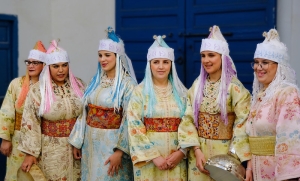
Gender Wage Gap in YemenYemen, a country located in the southwestern part of the Arabian Peninsula in Western Asia, is known as the poorest country in the region. In 2021, a study that The UN Development Program and Oxford Poverty and Human Development Initiative conducted indicated that 82.7% of Yemen were residing in multidimensional poverty. Over the last decade of violence infiltrating Yemen, war has shattered Yemen’s current economic status and further exacerbated gender inequality. In 2021, the United Nations Development Programme (UNDP) ranked Yemen 155 out of 156 in the World Economic Forum’s Global Gender Gap index, roughly a rate of 49% signifying major disparities among men and women. Here is what to know about the gender wage gap in Yemen.

Yemen’s 2014 Civil War

Yemen’s civil war, a conflict that began in 2014, occurred when the Houthi rebels, a Shiite group, seized the capital of Yemen, demanding economic reforms and political change. This invasion escalated into a civil war, in which regional powers such as a Saudi-led coalition became involved, leading into a decade-long civil war that is currently ongoing. This continuous turmoil has left Yemen unstable and has led the international community to declare Yemen as “the world’s worst humanitarian crisis,” as more than 21 million Yemenis face dire need for assistance due to famine and disease.

This conflict has devastated poverty levels and caused a health decline due to inaccessible health services, affecting the citizens in Yemen, particularly women. With limited access to education and employment, women often face exclusion from formal income opportunities, widening Yemen’s gender wage gap.

The Outcome of Yemen’s Civil War

A sociological survey released in 2024 by UIN Sunan Gunung Djati Bandung in Indonesia revealed that 47% of Yemeni women experience gender discrimination at work. This discrimination further hinders job prospects for women and decreases workforce participation, therefore increasing the rate of the gender wage gap in Yemen and exposing the disproportionate hardships women face.

Due to widespread poverty from lack of resources, women face fewer job opportunities when compared to their male counterparts. Consequently, only 55% of women are unemployed, while men have a rate of only 25%, as stated by a labor force survey conducted by the International Labour Organization (ILO) in 2015.

However, despite the damage the conflict has inflicted on women’s position in society and in the workforce, U.N. Women indicated significant increases in women’s presence in the public sphere, as they have become more active in public life and have sought employment, improving the overall status of women.

The Government’s Efforts To Diminish Inequality

While the current state of Yemen has caused a large economic disparity for women, efforts remain in place to improve such disparities. The Government of Yemen has approved initiatives to develop women’s health and strategies to diminish Yemen’s wage gap, such as ratifying the Convention on the Elimination of All Forms of Discrimination against Women (CEDAW) in 1984 and the Convention on the Rights of the Child (CRC) in 1991.

CEDAW is an international treaty that defines what is deemed as discriminatory against women and sets an agenda for national action to end such discrimination. Since its establishment, CEDAW has encouraged a reconsideration of Yemeni’s laws, such as early marriage, child labor and women’s political participation, allowing for the engagement of women not only in the workforce, but to uphold a greater position in society.

The CRC is an international human rights treaty, providing rights for children and guaranteeing education and health care that support the well being of children. It has encouraged education among the youth, especially girls, which increases the likelihood of their involvement in the workforce, decreasing the unemployment rate for women. The CRC aims to decrease gender inequality, which in return supports women’s involvement in the workforce.

The UNDP Strategic Plan

Alongside governmental intervention, UNDP has initiated forward-looking efforts, such as the UNDP Strategic Plan effective through 2023-2025, aiming to assist a variety of countries, including Yemen. UNDP has outlined several strategic approaches including:

  • Providing three signature solutions to support gender equality and strengthen the economic and structural framework for women in society such as signature solution 6, which promotes equal rights for women and girls.
  • Tackling the disparities between women and men through gender equality initiatives, such as implementing policies and programs focusing on women’s leadership, humans rights and access to justice.
  • Developing a wide range of communication materials to effectively promote and integrate gender equality into mainstream aid efforts.
  • Supporting the Women, Peace and Security agenda, ensuring that all conflict prevention is directly affiliated with addressing gender inequality.

Looking Ahead

Although war has undeniably damaged the nation and its citizens, continued support from organizations and international efforts remains imperative to begin building a more equitable society, shrinking the gender wage gap in Yemen, presenting expanded resources and providing essential opportunities without excluding women.

– Lojine Goumaa

Lojine is based in Fayetteville, NC, USA and focuses on Global Health and Celebs for The Borgen Project.

Photo: Flickr
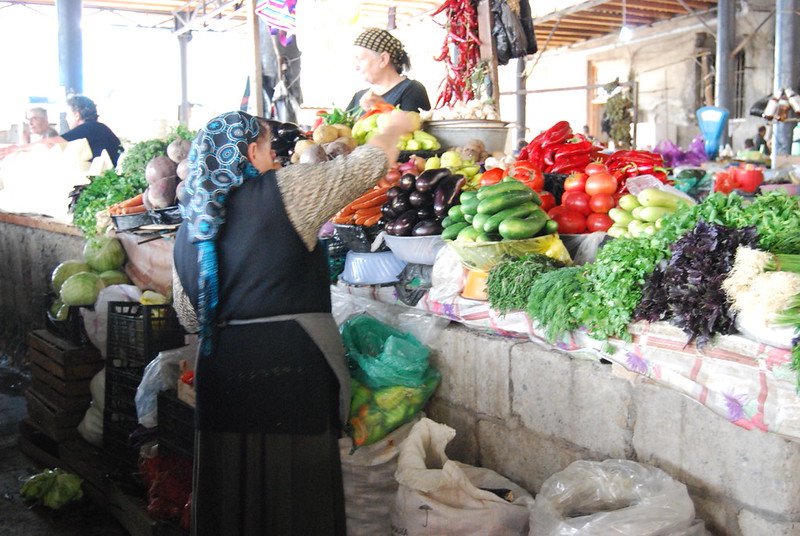
Gender Wage Gap in NepalThe gender wage gap is a continuing problem for women in the workforce of Nepal, particularly Dalit women. Like many South Asian countries, the caste system has a significant influence on the socioeconomic makeup of Nepal. This is despite the fact that the Nepali government outlawed caste-based discrimination in 1963. This hierarchical system, originating within Hinduism, divides society into different hereditary castes. At the bottom of this system are the Dalits, who face substantial economic and social barriers in accessing fair employment. Dalit women particularly face dual discrimination based on both caste and gender, compounding their economic and societal exclusion.

Barriers to Wage Equality

The Nepal Labor Force Survey in 2022 found that women earned on average 23% less than men. Specific up-to-date statistics on the gender wage gap in Nepal by caste are chronically lacking; however, an overrepresentation of Dalit women in low-paying, informal positions will likely compound the already existing gender wage gap. This means employers often neglect to give them the same wage protections and labor rights as those in more formal employment.

Furthermore, the Haliya system forces a specific community of Dalits into bonded labor from birth, making them work off ever-increasing debt. Although the government banned this system in 2008, it still traps thousands from lower castes, often women, in agricultural slavery. This has contributed to a poverty rate of almost 42% amongst the Dalit population, almost double the national average of 21.6%. This pattern of poverty and wage discrimination can trap Dalit women in a generational cycle of systematic oppression.

Legislative Victories

In spite of these persistent challenges, a growing body of legislation is helping to lay the groundwork for greater gender and caste wage equality. The 2015 constitution itself marked a huge stride in eliminating the gender wage gap in Nepal. Article 18 sets out the right to equality from gender and caste based discrimination, with Article 38 also specifically outlining the rights of women, which include rights to special opportunities for employment based on the principle of positive discrimination. This move by the Nepali government represents meaningful legislative progress and demonstrates at least in principle, support for wage equality.

The 2017 Labor Act reinforced this by outlining a “prohibition on discrimination in remuneration for equal work.” However, it is also true that while ground-breaking, lawmakers and government institutions have not been able to comprehensively enforce this legislation. Nepali society still has not fully accepted these legislative changes, and in many rural communities, authorities have struggled to enforce equality, leaving a regional divide in the gender wage gap. Despite this, these laws provide a critical foundation, giving advocates, communities, and Dalit women themselves the legal tools to push for lasting change.

ADWAN: Association for Dalit Women Advancement of Nepal

For those fighting against wage inequality in Nepal, there is no greater tool than education. If marginalized groups can access education, then they are substantially more likely to escape the generational gender and caste-based cycles of poverty. Bisjnu Maya Pariyar and other advocates for Dalit Women set up the Association for Dalit Women Advancement of Nepal (ADWAN) in 1998 as a vehicle to fight against this discrimination. At the core of its work is the principle that “equality is unfeasible without education.” This is the idea that economic emancipation begins with education. This is why ADWAN funds a variety of adult literacy and scholarship programs aimed at women and Dalit women specifically.

There are signs that programs like this are having an impact. In 2001, the literacy rate for Dalit women stood at just 7.2%. By 2015, this had increased to 34.8% reflecting the work that organizations like ADWAN are doing to further women’s education and thus increase the economic opportunity available to Dalit women. 

Looking Ahead

Despite the persistence of the gender wage gap in Nepal, there is substantial evidence suggesting its effect is weakening. The government has made significant legislative progress in outlawing wage discrimination. In fact, the 2024 Women, Business and the Law index, which measures the laws that affect women’s economic opportunity, scored Nepal 80.6/100, higher than all its neighboring countries. While these legislative victories may not yet have trickled down to affect Nepali society fully, the direction of travel is undoubtedly positive. The tireless efforts of Dalit women organizing, educating and advocating for their rights has made much of this progress possible. From grassroots initiatives like ADWAN to national legislative change, a growing movement is demanding a more equitable future. If this momentum continues, the next generation of Dalit women may enter a workforce where equal pay is not an aspiration, but a reality.

– Adam Walsh

Adam is based in Nelson, Lancashire, UK and focuses on Good News and Politics for The Borgen Project.

Photo: Wikimedia Commons

Gender Wage Gap in the MaldivesThe Maldives, a nation known for its natural beauty and growing economy, has taken meaningful steps toward gender equality. However, wage disparities persist. Women in the Maldives earn approximately 20% less than men, highlighting a gender wage gap that reflects systemic inequality. While policies have improved legal protections, barriers to equal pay and economic opportunity remain widespread. Here is information about the gender wage gap in the Maldives.

Legal Frameworks in Place

The Maldives has implemented legal reforms to support gender equality. The Gender Equality Act (2016) prohibits gender-based discrimination and mandates equal pay for equal work. The Constitution of 2008 affirms equal rights for all citizens, regardless of gender. Additionally, the government introduced a 33% quota for women in local councils to promote female political participation.

Despite these advancements, enforcement remains uneven. Women continue to face limited access to high-level positions in both the public and private sectors. As of 2024, women hold just 5% of seats in the national parliament, highlighting gaps in political representation.

Occupational Segregation and Labor Disparities

According to UNDP, women comprise 45.6% of the labor force, while men account for 77.1%. The employment gap is most evident in high-paying sectors such as construction and tourism, where male workers dominate.

The Ministry of Tourism’s 2022 Employment Survey found that women make up only 11% of resort workers, with Maldivian women representing just 8%. This underrepresentation is compounded by “occupational segregation,” in which women are concentrated in lower-wage, lower-skill jobs, limiting earning potential and career advancement.

Education and Economic Opportunity

Women in the Maldives enjoy near-universal literacy, with a 98.1% female literacy rate as of 2019. However, disparities increase in higher education and employment. Only 37% of tertiary education graduates in 2021 were women, according to the Ministry of Higher Education, restricting access to technical and leadership roles.

The gap in employment outcomes is also tied to unpaid care responsibilities. A 2023 report by the Maldives Policy Think Tank revealed that women spend 19 hours per week on domestic work which is more than double the time spent by men. This time spent contributes to the “time poverty” and limiting participation of women in the formal workforce.

The UNDP’s Women in the Workforce Program

An active and impactful effort to address wage inequality is the “Women in the Workforce” program, launched in 2020 by UNDP Maldives in collaboration with the Ministry of Economic Development. The program provides vocational training, job placement services, soft skills workshops and childcare support, aiming to boost women’s employment in formal sectors.

In addition to this initiative, several other programs are helping to reduce the wage gap and promote women’s economic empowerment in the country. The National Gender Equality Action Plan (GEAP) 2022-2026, which the Ministry of Gender, Family and Social Services (MoGFSS) developed in partnership with UNDP Maldives, prioritizes “Economic Empowerment” as a key focus area. This plan aims to ensure equal participation and remove barriers to women’s economic activities.

At the same time, the Asian Development Bank (ADB) has funded the “Strengthening Gender Inclusive Initiatives (SGII) Project,” which partners with the Ministry of Finance on gender-responsive budgeting. This project also supports the Ministry of Economic Development in transitioning women from informal to formal employment, with initiatives such as affordable childcare subsidies. Complementing these efforts, the UNDP Maldives Gender Equality Strategy 2023-2026 outlines the organization’s commitment to fostering gender-equal, sustainable economies.

Looking Ahead

While the Maldives has made significant strides in legislation and program development to address the gender wage gap in the Maldives, sustained progress requires continued investment in implementation and accountability. The Asian Development Bank (ADB) notes that increasing female participation in the workforce can significantly boost the country’s GDP and reduce poverty. Ongoing efforts such as workforce training, business mentorship and inclusive policy design are helping to narrow the wage gap. Expanding access to affordable childcare and increasing women’s representation in high-growth industries remain critical areas for further development.

As these efforts scale and enforcement of equality laws strengthens, the Maldives moves closer to building a more inclusive economy, where every citizen, regardless of gender, has equal opportunity to succeed. 

– Sriya Regulapati

Sriya is based in Vancouver, Canada and focuses on Business and Good News for The Borgen Project.

Photo: Pexels