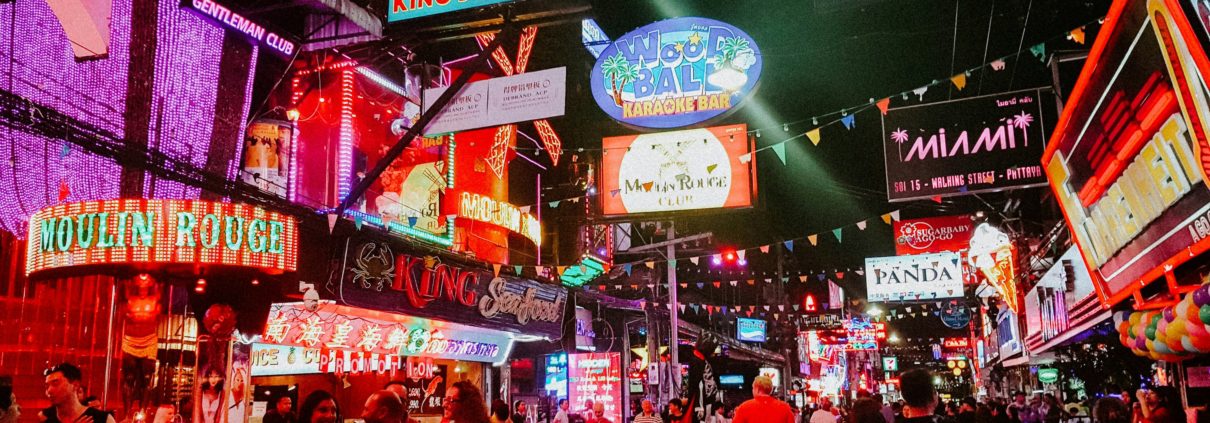
sex trade cambodiaThe sex trade in Cambodia is often portrayed as an underground crime, but the reality is far more complex. Poverty, tourism and rural migration create a system where traffickers exploit women in plain sight. Women are lured by the promise of well-paid work into labour camps or forced into the exploitative sex trade. While Cambodia is not unique in treating women and girls as commodities, cultural myths fuel local demand.
“Many Asian men, especially those over 50, believe sex with virgins gives them magical powers to stay young and ward off illness,” says Chhiv Kek Pung, president of Cambodia’s leading human rights organization, Licadho. “There is a steady supply of destitute families for the trade to prey on here, and the rule of law is very weak.” Although few people hold this belief, it combines with poverty and limited economic opportunities to make struggling families easy targets for traffickers.

The Scale of the Problem

In 2024 alone, Cambodian authorities reported 197 human trafficking cases, rescuing 523 victims and prosecuting 273 perpetrators. Around 44% of those rescued were children, highlighting the particularly severe risks for minors. Yet these numbers likely underestimate the true scope of the problem, as many incidents remain hidden, unreported, or undocumented. Exploitation often occurs under the radar, with traffickers taking advantage of systemic poverty, migration patterns, and inadequate protections for women and girls.

Poverty and Vulnerability

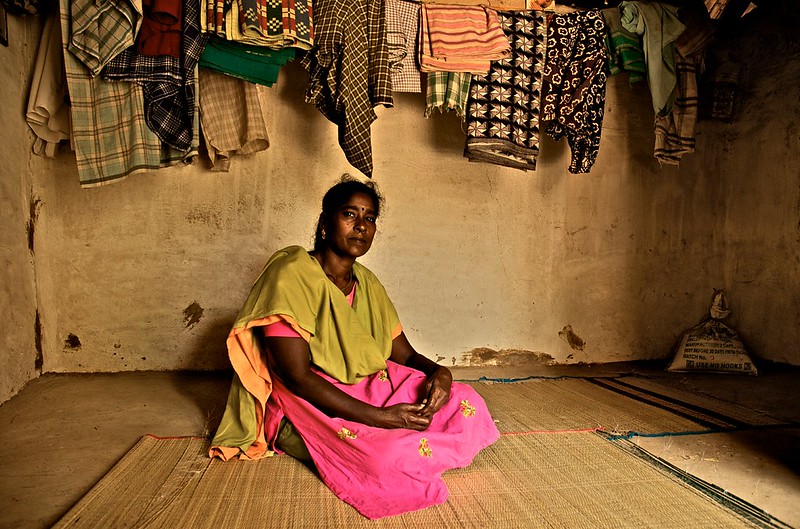
Poverty drives many women and girls into exploitation and the sex trade in Cambodia. The Hagar study notes that Cambodia’s vulnerability to trafficking happens due to high unemployment and poverty rates, especially among adolescents and youth. Poverty is particularly severe in rural areas, creating unsafe migration pathways and making young people more likely to be deceived by traffickers or pushed into sex work.

Children from extremely poor families are especially at risk, with some having to beg on the streets of Thailand or work in agriculture, construction, domestic servitude, or prostitution. Trauma researchers also note that poverty, hunger, and exhaustion can mimic trauma responses, leaving young survivors stressed and disconnected – conditions traffickers exploit. Combined with stigma, social marginalisation and a cultural expectation for women to endure suffering in silence, poverty becomes not just an economic issue. It acts as a multiplier of vulnerability, trapping girls in cycles of exploitation.

Women Leading the Fight

In Cambodia, women are not just surviving—they are leading the charge against exploitation. Survivors of the sex trade are stepping forward as mentors and advocates, using their experiences to protect others. At the Cambodian Women’s Crisis Centre (CWCC), women who once faced abuse now guide new arrivals through safe shelters, teaching skills, and sharing strategies to avoid traffickers.

Organizations like AFESIP empower women to reclaim their lives. They provide secure housing, counselling, medical care, and legal support, while helping survivors return to school or train in trades like tailoring and hairdressing. Some ambitious women even pursue university degrees in psychology, IT, or accounting, transforming personal trauma into tools for advocacy and change.

According to The Guardian, Mu Sochua, former Minister of Women’s Affairs and opposition leader, stresses that tackling the sex trade in Cambodia requires addressing broader gender inequality, raising awareness of women’s rights, and enforcing a rule of law that punishes buyers rather than sellers of sex.

Government Response

The Cambodian government has laws criminalizing sex and labour trafficking, with penalties ranging from seven to 20 years depending on the victim’s age. In practice, however, enforcement remains inconsistent. Corruption and weak courts let many traffickers escape punishment, while some victims do not receive justice. Amnesty International has criticized the government for failing to adequately investigate abuses in scamming compounds, highlighting concerns about official complicity and weak enforcement. NGOs report that while some traffickers face conviction, many cases do not result in meaningful penalties, and the system struggles to protect survivors effectively.

The Fight Is Not Over

Across Cambodia, women are rewriting the narrative. They are not just victims – they are mentors, leaders, and advocates, fighting back against a system that seeks to silence them. Their courage and determination show that the battle against the sex trade in Cambodia is being pursued not just in courtrooms, but in the lives of every woman who refuses to stay invisible.

– Iona Gethin

Iona is based in Exeter, UK and focuses on Global Health for The Borgen Project.

Photo: Flickr

Sex Trafficking in South KoreaSouth Korea glitters as a high-tech, high-income society. Yet beneath the sheen, a less visible crisis persists. Sex trafficking in South Korea is rooted in economic vulnerability, gender inequality and the misuse of migration and entertainment visa systems. Safety from sex trafficking traps is not only a societal struggle, but a struggle for anyone online, as many perpetrators dwell in chat rooms and live streams. The cases of the “runaway teen,” the migrant entertainer and the mother struggling to survive intersect here, not in spite of wealth, but because inequality persists.

Vulnerability in the Land of Affluence

Despite being classified as a high-income country, South Korea’s economic growth has not ended deep vulnerability for certain populations. According to the RAND Corporation, South Korea continues to have one of the largest gender pay gaps among the Organization for Economic Cooperation and Development economies (OECD), placing many women, especially single mothers, in precarious positions both financially and socially. Unfortunately, with that trend set, much of the evidence points to traffickers seeking the most impoverished, socially isolated and digitally disconnected people when preying on potential victims.

Online Exploitation

The U.S. State Department’s 2024 Trafficking in Persons (TIP) Report finds that many victims in South Korea are South Korean nationals, such as teenage girls, runaway youth and women in marginalized employment. Traffickers exploit victims online using debt traps, deceptive modeling opportunities or entertainment jobs. Children and adolescents in South Korea face sexual exploitation through chat apps and live-streaming, as they aren’t monitored by parents as much as other social media sites.

Human Rights Watch reported, “The overwhelming majority of the people targeted in digital sex crimes are women—80% in spy-cam cases.” Many victims are persuaded to interact with fake images, as well as false assurances of safety, to be vulnerable and open with the perpetrator. Once lured in, individuals are manipulated into exposing themselves, fearing that their reputation, relationships and personal safety are at risk.

Migration, Entertainment and Tourist Visas

Foreign women from Eastern Europe, Southeast Asia and the former Commonwealth of Independent States (CIS) enter South Korea under entertainment visas, tourist visas or other categories. A Korean academic study reveals that many women from Russia and Uzbekistan entered the country under tourism or spousal visas. However, a lot of those women transitioned into bar or club work and found themselves unable to exit due to debt or coercion.

A 2023 report by the Korean Women’s Development Institute (KWDI) states that victim identification remains weak; many migrant women do not recognize they are victims or fear deportation, hindering access to services.

Digital Frontlines and Hidden Coercion

The sex trafficking network in South Korea takes advantage of the country’s highly connected society. Chat apps, encrypted platforms and live-streaming are used to groom and traffic youth and adults alike. The infamous “Nth Room” case targeted young people through Telegram, demanding sexual content for cryptocurrency payments. This is not unique, as online platforms are common for recruiting people into sex trafficking.

Won Eun-ji, a university student who researched Nth Room, said, “They treated women, children and adolescents like products, not human beings.” Eun-ji clicked into a chatroom, thoroughly investigated it and came to realize the horrors associated with online predators. The lengths abusers went to satisfy themselves were overwhelming, causing him to tell his experiences to media outlets to help the public understand South Korea’s hidden sex slavery market.

Why Addressing Poverty and Inequality Matters in South Korea

Trafficking isn’t only a “developing-world” phenomenon. Poverty, limited social support and gendered economic oppression exist in advanced societies and they create ripe conditions for exploitation. In South Korea, youth who run away due to family conflict or educational pressures find themselves with nowhere to turn, making them susceptible to exploiters and sex trafficking.

A 2021 ECPAT study found that exploited male and female youth alike cited social isolation, stigma and lack of safe options as key vulnerability factors. Prevention must not only target “traffickers” but also the structural conditions, such as housing instability, youth outreach, migrant worker protections and a stronger social safety net.

Government Response

South Korea was upgraded to Tier 1 in the 2024 TIP Report, signaling progress in law enforcement, victim services and policy. However, significant gaps remain as victims still sometimes face investigation or deportation rather than protection. In a KWDI research report, experts say identifying victims when they do not self-identify, are undocumented or manipulated through various debts remains the most difficult area of investigation.

Victim identification among youth, migrants and men remains weak, as well as poverty-related vulnerabilities being rarely front and center in anti-trafficking strategies. Survivor-centered reforms are essential, incorporating safe return paths, debt relief, affordable housing and migrant legal aid.

What Can Be Done?

Much effort is focused on enforcement matters, but those alone isn’t enough. Expanding youth outreach and safe shelters for runaway or at-risk adolescents is essential, as well as increasing affordable housing and childcare supports for women with low income, reducing their vulnerability to coercion. Other measures that could help include strengthening protections and contract transparency for migrant entertainers and workers, such as cancelling passport seizure and providing legal recourse without fear of deportation.

Efforts to collaborate with tech platforms to detect grooming, enforce KYC and monitor financial flows linked to trafficking are essential. These measures must be complemented by policies that integrate poverty-reduction strategies into anti-trafficking frameworks, recognizing that economic justice is a fundamental aspect of human rights protection.

It’s Not Over

South Korea’s economic success should not overshadow the fact that pockets of vulnerability remain where traffickers operate, especially online. Poverty, gender inequality, digital recruitment and migration precarity form a potent risk matrix. Ultimately, the measure of a country’s prosperity is how it protects its most vulnerable, not just how many skyscrapers it builds.

– Nicole Fernandez

Nicole is based in Reno, NV, USA and focuses on Global Health for The Borgen Project.

Photo: Pexels

Trafficking in Latin AmericaJuly 30 is recognized as the World Day Against Trafficking in Persons. Globally, an estimated 27 million people are victims of trafficking. While exact figures vary, reports show that trafficking rates in Latin America (44%) are higher than in regions like Asia and Europe.

Trafficking takes many forms, including forced labor, forced marriage, sexual exploitation and child exploitation. No region in the world is immune to trafficking. However, Mexico and other parts of Latin America face increasingly high and rising rates.

In response to this growing crisis, international collaboration is gaining momentum. Project Turquesa, a joint initiative by the United Nations Office on Drugs and Crime (UNODC) and INTERPOL, brings together 16 countries to coordinate prosecuting human traffickers. New investigations are continuously launched until the projects end in September 2025. This combined effort has led to more than 200 criminal arrests, spanning dozens of countries and continents.

Alongside Turquesa, other key organizations are dedicating themselves to ending this inhumane crisis. Notably, six of the leading forces in the fight against trafficking are women-led. Here’s who they are:

CATW-Latin America and the Caribbean

Regional Director, Teresa Ulloa Ziáurriz, leads the Latin America and the Caribbean branch of the Coalition Against Trafficking in Women (CATW) organization, focusing on raising awareness and advocating for victims of trafficking. Besides her leading efforts at CATW-LAC, she is Mexico’s first female lawyer to defend women’s rights in court.

CATW-LAC not only focuses on advocacy but also on supporting surviving victims. This promotes expert leadership as victims who share their stories encourage awareness. In 2024, a survivors’ network addressed the Organization of American States General Assembly. This attendance advocates for perpetrator accountability.

United Nations Office on Drugs and Crime

Ghada Waly serves as the Director-General of the United Nations Office at Vienna and as the Executive Director of UNODC. Since taking office, projects and reports represent a steady increase in awareness of trafficking in Latin America. Programs such as GLO.Act Women’s Network, MENTHOR, TRACK4TIP, STARSOM and others have been led by the UNODC.

The UNODC not only leads its projects but also collaborates with other organizations that share the goal of ending human trafficking. In 2024, the International Academy on Human Trafficking and Migrant Smuggling was launched as a joint effort between the University for Peace, INTERPOL and other partners. Following its success, plans are underway to expand the academy.

The Marcela Loaiza Foundation

Founded by Marcela Loaiza, this powerful foundation supports trafficking survivors and offers them a platform to share their stories. Established in 2011, the Marcela Loaiza Foundation is a philanthropic organization that has partnered with UNODC and other key leaders in the fight against human trafficking.

“I am a survivor who is passionate about making significant changes to provide services to ALL people who have been hurt by this modern-day slavery now called trafficking in persons,” stated Loaiza. The organization spreads awareness and allows law enforcement to study the tactics and ploys traffickers use. One notable project, Breaking the Silence, was led by Loaiza’s foundation to unite international forces and survivors on the World Day Against Trafficking in Persons.

Covenant House International

Carolyn Barker-Villena is Senior Vice President of Covenant House International’s Latin America division. The organization has a broad mission, supporting victims of human trafficking and other inhumane conditions. According to its 2024 impact report, Covenant House programs assisted more than 50,000 youth worldwide.

In Latin America, human trafficking data reveal that one in every two individuals at Covenant House has experienced trafficking. The organization offers long-term support through a strategic three-step model focused on prevention, intervention and restoration.

Together Women Rise

Co-founders Barbara Collins and Marsha Wallace launched this global movement to create an equal platform for women affected by injustice. Together Women Rise has contributed millions of dollars to support more than five million women worldwide for more than two decades. The organization provides active grants and strategic support to combat violence against women.

Through its Transformation Partnerships, Together Women Rise connects sister and brother organizations to address issues ranging from human trafficking in Latin America to economic equality in Asia. Some partnerships receive between $35,000 and $100,000 annually. One example is The Fuller Project, a newsroom reporting on gender inequality. Together Women Rise offers flexible funding focused on intervention strategies and driving systemic change.

International Organization for Migration (IOM)

Amy Pope is the first female Director-General of IOM. For more than 70 years, IOM has focused on those who are in vulnerable, inhumane crises. As a leading organization in counter-trafficking, it has impacted more than 100,000 victims worldwide.

Regional Director María Moita leads IOM’s Latin America and the Caribbean office, where targeted counter-trafficking strategies are actively implemented. IOM collaborates with key regional partners, including the Caribbean Community and Common Market (CARICOM), to strengthen prevention efforts and respond to trafficking operations. These joint initiatives continue to grow, leading to multiple plans and programs that contribute to the ongoing decline in trafficking across Latin America.

– Emma Rowan

Emma is based in Boston, MA, USA and focuses on Politics for The Borgen Project..

Photo: Unsplash

Being Poor in NepalNepal is a country known for its breathtaking views of Mount Everest along with the birthplace of Buddha. Before COVID-19 and after the pandemic in 2023, at least a million visitors would come to Nepal to check out the scenery, try out the food including momos and dal bhat, and celebrate famous Hindu holidays like Teej and Dashain. While Nepal brings in at least a million tourists a year, there is an unfortunate side of the country where about 20% of the population lives in poverty. Here is information about being poor in Nepal.

The Impact of Natural Disasters in Nepal

During 1996-2006, a Civil War took place along with an earthquake in 2015 which both still impact the economy today. The devastating earthquake that took place on Saturday, April 25th, 2015 killed about 9,000 people and left more than three million people homeless. The magnitude of the quake was 7.9.

China and India border Nepal. The fact it is landlocked makes it difficult to obtain shipments of goods from other nations. However, India and Nepal do share an open border.

The state of locals living in the country living in poverty is due to frequent natural disasters including earthquakes, floods and mudslides, caste-based discrimination, the aftermath of the civil war, and limited access to health care and education. Many houses in Nepal do not have plumbing or electricity.

Education and Water Access in Nepal  

Many parents struggle to afford schooling for their children, leading to many kids having no access to learning. With children lacking education, it is extremely difficult to obtain better opportunities for them.  

Many rural Nepali homes do not have running water, resulting in people having to find the nearest pond to bathe in and leading to a spread in disease. Many people who live in the rural parts of Nepal do not have access to transportation to go to a hospital. Additionally, in many instances, health care is not available, so many rely on home remedies or just hoping that their sickness is not serious and that time will eventually heal it.

Being Poor in Nepal

About 42% of Nepal’s population was living below the poverty line in 1995 but it dropped to 20% in 2022. Though this made a drastic difference over 27 years, 20% is still a significant amount to be living in poverty. Fortunately, some organizations are addressing poverty in Nepal.

The American Himalayan Foundation

The American Himalayan Foundation started in 1981 and is based in San Francisco, California. It addresses several challenges in Nepal, such as human trafficking prevention, and improving education and health care.

Human trafficking is a global issue that many people especially women and children are victims of. According to the American Himalayan Foundation, they have concluded that more than 20,000 young girls from poorer parts of Nepal are taken away from their families. These girls and their families were tricked into believing they were going to receive better opportunities but instead, traffickers forced them into working in areas like factories and brothels. 

The American Himalayan Foundation has come up with strategies to prevent more girls from being trafficked and how they can save girls who have already fallen victim to it.  The organization builds schools as a location to keep girls safe, making trips to these schools four times a year to see how children are doing and providing them school essentials like backpacks and pencils. It has educated families on the dangers of human trafficking including how it happens and its effects on the children. 

About 27% of Nepalis under the age of 15 suffer from different types of disabilities. For little or no cost, the American Himalayan Foundation has funded a world-class orthopedic hospital to treat patients with disabilities. 

Outreach International

Outreach International is just one of the organizations that has been helping reduce poverty Nepal, especially during catastrophic events. The company originated in 1979 and it currently works in 10 countries including Nepal, India, the Philippines, Cambodia and Malawi.

Outreach International has brought clean water, nutritional meal options and health care to communities in Nepal. “When people gain the knowledge to improve the conditions of their lives, all of Nepal can move toward a more prosperous and equitable future.”   

Looking Ahead

While Nepal is a country known for its unique natural landscape and the founder of Buddhism, being poor in Nepal has many challenges. However, fortunately, multiple organizations are doing their best to address the circumstances of poverty in Nepal and will hopefully reduce it moving forward.

– Cheyenne Kitchel

Cheyenne is based in Akron, OH, USA and focuses on Global Health for The Borgen Project.

Photo: Pexels

Trafficking Survivors in BangladeshBangladesh is the sixth largest migrant-sending country. Bangladeshi workers migrate to India, Maldives, the Middle East, Pakistan and Southeast Asian countries such as Indonesia, Malaysia and Thailand. Migrant workers from Bangladesh consist of low or unskilled workers. Middlemen and private recruitment agencies arrange for the migration process. Bangladeshi workers are subject to high migration fees and repay loans obtained from recruiters. This forces them to overstay visas and makes them vulnerable to trafficking, according to the U.S. Department of State.

Trafficking in Bangladesh

Women and children can be subject to recruitment fraud. Traffickers promise jobs to these vulnerable groups and exploit them in sex trafficking upon arrival at the location. According to the U.S. Department of State, 40% of Bangladeshi children become victims of sex trafficking victims and face exploitation abroad. Men are subject to forced labor. Forms of labor exploitation include discrepancies in wages or work hours, low or unpaid wages and fraudulent contracts. The U.S. Department of State report has shown passport retention, physical abuse and death due to inadequate protections in working environments.

The reason why these groups of people become vulnerable to exploitation stems from debt-based coercion, absence of adequate legal protection, lack of formal contracts and homelessness. Children become subject to hazardous forms of child labour and serve as collateral for their parents’ loans. Traffickers tempt rural people with alleged good employment opportunities and ultimately become victims of exploitation, the U.S. Department of State reports.

Helping Trafficking Survivors in Bangladesh

Anirban (the flame that never dies), is Bangladesh’s first trafficking survivors’ group. Founded in 2011 with the help of Winrock International, an NGO based in the United States, and USAID, Anirban continues to actively advocate for the rights of trafficking survivors in Bangladesh. Survivors manage Anirban groups and take the lead in helping other trafficking survivors in Bangladesh to build self-confidence and identity. Under the USAID Fight Slavery and Trafficking activity (2021-2026), Winrock International has supported them to become a nationally registered, self-sustaining organization that continues to advocate for the needs of these survivors.

Anirban groups work toward changing public perception of these trafficking survivors in Bangladesh, especially the stigmatization of trafficked people as victims. Sessions and meetings take place in schools with civil society organizations, journalists, the local government and survivors. The main agenda for these sessions is to promote human rights, women’s rights and “safe migration days” for the people, according to Winrock International.

The Flame That Never Dies

Saiful Islam’s story continues to inspire many individuals. An active member at Anirban, Saiful uses his experience as a cautionary tale to spread awareness of the hardships of migrants. Due to being unable to find a job and subsequently being unable to support his family and falling victim to poverty, Saiful began looking for jobs abroad. He comes across a job in Singapore with a two-year contract and a monthly salary of $1,600, Winrock International reports.

The recruiters receive a lump sum amount from Saiful to emigrate to Singapore. Saiful experiences severe hardships in Singapore. He does not secure a published job, does not receive his salary and faces threats. It is only after one year abroad he can return to Bangladesh. Saiful’s woes do not end. He no longer has a job, has lost his family property and has no money.

Through the support from the Bangladesh Counter Trafficking-in-Persons project, funded by USAID and implemented by Winrock International, he was able to get back on his feet. As a member of Anirban, he conducts outreach efforts and spreads awareness about the risks of child marriage and its illegality in Bangladesh. In cases where families are in entanglements with traffickers or suspected traffickers, Saiful guides these communities to develop practical alternatives and solutions. He emphasizes the importance of education and helps trafficking survivors in Bangladesh with social and support programs. Saiful is a beacon of hope for the trafficking survivors in Bangladesh. He uses his funds to support migrants in Bangladesh. With Saiful’s funds, he has been able to help 13 vulnerable families and uplift them from having the same plight as himself, according to Winrock International.

Looking Forward

The work of Anirban continues to be exemplary. The focus on participatory action research ensures addressing the needs of victims of child marriage and human trafficking. The continuous promotion and conversation on safe migration and survivor reintegration within these communities contribute to an effective bottom-up systemic change. Survivor networks have been effective in leading changes in local conditions such as poverty, which drive vulnerable groups to the risk of exploitation.

– Caren Thomas

Caren is based in Dubai, United Arab Emirates and focuses on Good News and Technology for The Borgen Project.

Photo: Unsplash

Human Trafficking in Libya Exploits the VulnerableCurrently, the Global Organized Crime Index rates Libya as one of the worst places for human trafficking, with a high score of 8.5 out of 10. The country’s resilience score is also very low, indicating that little effective action is being taken to end this trafficking epidemic. The United States Department of State has reported that instability, conflict and lack of government oversight and capacity in Libya allow human trafficking crimes to persist and remain highly profitable for traffickers. Furthermore, the Department of State notes that the population suffers abuse not only from criminals but also from governmental and nonstate armed groups. This abuse includes physical, sexual and verbal assaults; abduction for ransom; extortion; arbitrary killings; inhumane detention; and child soldiering.

Poverty in Libya

In recent years, poverty levels in Libya have surged, raising significant concern among the Libyan government and NGOs. The Libyan News Agency reported in 2023 that the National Institution for Human Rights in Libya (NIHRL) found a 40% increase in poverty rates, nearly affecting half of Libya’s population. The NIHRL identified several critical factors contributing to this rise: escalating inflation, the depreciation of the local currency against foreign currencies, increased prices of basic goods and food items, higher costs for health services and lower income levels for families, particularly among the most vulnerable and needy groups.

International Aid and NGO Involvement

The political and economic climate in Libya struggles to protect its impoverished population from exploitation effectively. Despite these challenges, support from NGOs and international governments offers hope for improvement. Numerous organizations are actively working to enhance Libya’s welfare by combating poverty and violence and striving to secure basic human rights for its people. Prominent groups like Human Rights Watch and Amnesty International are at the forefront, diligently seeking solutions and fostering hope for a better future in Libya.

International Organization for Migration

The International Organization for Migration (IOM) is making significant strides in Libya, where its efforts are profoundly felt. As of 2023, the IOM has identified a total of 706,062 migrants from more than 44 nationalities across 100 Libyan municipalities. This substantial migrant presence has unfortunately increased trafficking activities, but the IOM’s assistance is a crucial step toward addressing these challenges. The organization collaborates with embassies, community leaders and humanitarian partners to enhance critical health care, including mental health and psychosocial support, for migrants and trafficking survivors. These vital collaborations form a multi-pronged approach that promises strategic solutions and hopeful outcomes in the fight against trafficking and poverty in Libya.

Looking Ahead

Libya’s ongoing crisis of human trafficking and poverty demands urgent and coordinated action. International organizations like the IOM and NGOs such as Human Rights Watch and Amnesty International are working to provide essential services and advocate for the rights of vulnerable populations. These ongoing efforts, alongside greater international support, could address the systemic issues and improve the lives of those affected by trafficking and poverty in Libya.

– Abigail Johnson

Abigail is based in Sapulpa, OK, USA and focuses on Good News and Politics for The Borgen Project.

Photo: Flickr

Human TraffickingThe fight against human trafficking stands as one of the most important causes in the modern world. Every year, it is estimated that some form of international slave trade traffics 600,000 to 800,000 people. Therefore, the fight is essential because it champions providing basic human rights to everyone and aids impoverished countries in improving. 

While not every single person has the capacity to stop slave labor physically, everyone can contribute in many ways, even by simply purchasing useful or pretty products. Here, we list five interesting products and companies that help stop human trafficking.

Purpose Jewelry

Purpose Jewelry is a company that sells handmade jewelry made by survivors of human trafficking. The company rescues the girls from brothels and sends them to live in its trademarked “Sanctuaries,” where it trains them to make jewelry. It also provides them with health care, mental care and education. The girls also earn full salaries for their work. The company invests 100% of its profit back into helping the victims. Currently, the company assists victims from Mumbai, Cebu, Kampala and Tijuana. 

Elegantees

Elegantees creates casual but stylish clothes that any woman can wear. Its priority is sustainability, using cotton and deadstock materials. Most importantly, the employees are primarily girls who are survivors or at risk for human trafficking from Nepal or India. “The Nepal-India border is one of the busiest human trafficking gateways in the world,” with a report showcasing that around 50 women are illegally transported from Nepal to India daily.

The company explains very simply that poor girls often get tricked into brothels because they are looking for jobs. If companies quickly provide safe jobs, human trafficking intermediaries are cut out. All workers are adults, earn a livable wage and receive overtime, vacation and any other benefits you would expect from normal working conditions.

Dignity Coconuts

Dignity Coconuts is a company tackling a unique poverty-related problem in the Philippines. Coconuts are the country’s largest crops grown, with both large plantations and small-scale farmers involved in their production. However, this has resulted in a serious issue known as “copra slavery.” Many companies and countries prefer to purchase products from large-scale farmers, which often drives smaller farmers into poverty. This leaves them vulnerable to human trafficking and at the mercy of larger farms. 

As a result, they are usually forced to beg for loans that they will never be able to repay. Dignity Coconuts changes this dynamic by enabling customers to purchase coconut oil directly from the farmers in the Philippines. The organization has more than 150 farmers on board, which means 150 farms providing jobs for people, protecting them from poverty and desperation that might lead them to trafficking jobs, including running the slave trade.

The Starfish Project

The Starfish Project is an organization that rescues girls from brothels and provides them with training in making jewelry and crafts. Additionally, the girls can continue their education while working there. They can move up in the company hierarchy from crafting to having full careers in fields such as accounting and photography. It is worth noting that the Starfish Project focuses on rescuing rather than prevention. More than 180 women have been able to escape human trafficking situations and turn their lives around thanks to the Starfish Project’s efforts.

Good Paper

Good Paper is a company that creates handcrafted cards for various occasions. The cards are produced in two locations: one in the Philippines, which supports victims of sex trafficking and the other in Rwanda, which helps victims of genocide. 

The Philippines is one of the highest-risk countries for trafficking, with 60,000 to 100,000 children being the victims of sex trafficking. You can make a difference in someone’s life by purchasing a card from Good Paper. Each card is signed by the person whose life you have helped change by supporting this company.

The above products are available for purchase by the average consumer. By buying them, you can help support victims of human trafficking and prevent more people from falling into this terrible crime. Furthermore, improving the economic situation of the victims can help reduce poverty overall.

– Varsha Pai
Photo: Pixabay

Human Trafficking in the BahamasHuman trafficking in the Bahamas involves the illegal hiring, transportation, housing, or use of people for reasons of forced labor, sexual exploitation or other types of exploitation. Both residents and tourists in the Bahamas face exploitation, while U.S. citizens also suffer harm overseas. Based on research, the bulk of migrant workers on the island come from the Dominican Republic, Haiti and Jamaica. Job advertisements lure them to the country, but once they arrive, they often fall prey to human traffickers. Most often, victim exploitation occurs in businesses that need low-skilled work, such as domestic slavery, sex trafficking and other related fields.

Who Is Trafficked

The groups most vulnerable to human trafficking appear to be those displaced within the region, women, children of migrants and irregular migrants themselves. About 2.4 million people are victims of this dehumanizing and shameful crime at any given moment, with women making up 55–60% of all victims identified worldwide. When combined, women and girls make up around 75% of the trafficked population. Among all victims found worldwide, minors make up about 27%. The traffickers are mostly male adults who live in the nation where they conduct their business.

The U.S. Department of State identified eight primary categories of trafficking in its 2013 United States Annual Trafficking in Persons Report. This includes trafficking connected to sex trafficking, forced labor, bonded labor, child sex trafficking, involuntary domestic servitude, unlawful recruitment and use of child soldiers.

Government Efforts

The government satisfies the requirements necessary to eliminate human trafficking in the Bahamas. This included the restitution of a victim who was returned from abroad as well as the conviction and sentencing of a trafficker. Along with continuing to support victims who were repatriated from abroad, the government also created legislation enabling victims to testify remotely, even from abroad. In addition, the government raised awareness, established new hotlines for reporting cases of human trafficking, trained new labor inspectors and high-ranking officials and solicited input from underrepresented groups on anti-human trafficking policies.

IOM Support

On August 9–10, 2023, in New Providence, the International Organization for Migration organized a two-day workshop on “identification and protection of victims of trafficking and migrants in vulnerable situations.” This was in collaboration with the Bahamas Immigration Department. More than 20 cops took part in the training, which covered important ideas and an overview of practical tools, including trauma-informed interviewing methods for better identifying and defending vulnerable migrants and victims of human trafficking.

The session aims to equip them with the skills necessary to recognize victims and know what to do afterward. Creating action plans for frontline officials to include the training material in their regular work was another task covered at the event. Even though this training focused on immigration officers stationed on the island of New Providence, the Government of The Bahamas asked IOM to follow up with further training for officers in Bimini and Grand Bahama, among other places.

Multiple agencies provide assistance involving human trafficking in the Bahamas and other nations to victims. These include the police, military, prison system, immigration and customs forces, Ministry of Health Providers, Faith-Based Organizations, Ministry of Social Services and nongovernmental organizations such as the Red Cross and the Crisis Center.

Conclusion

Human trafficking in the Bahamas is an issue that needs urgent attention and action from the government and civil society in the country. With solid legislation, improved law enforcement, increased public awareness and cooperation with international organizations, significant progress can be made in eliminating human trafficking and protecting the most vulnerable people in our society.

– AuiCha Conley
Photo: Flickr

Human TraffickingLake Volta, located in the southeastern part of Ghana, is one of the largest artificial lakes in the world based on surface area. The lake is about 250 miles long and covers 3.6% of Ghana’s area and supplies most of Ghana’s electricity. Human Trafficking along Lake Volta shares links with fishing activities on the lake. To secure free labor, fishermen resort to exploiting child labor. Traffickers specifically target children due to their smaller stature. Once on the water, traffickers force these children to dive and untangle nets. Moreover, their compact size enables them to occupy less space on the boat and they are less likely to raise objections to working without compensation. While some of these children are given out by their parents, others are bought by traffickers or traded for a farm animal by relatives.

Trafficked children work rigorously, day and night, for their masters, with or without food. They often face the dangerous aspects of the work. During an interview with the Cable News Network (CNN), humanitarian photographer Lisa Kristine reported that every child she spoke to during a visit to the lake knew someone who had drowned. At that time, children who had died through trafficking were declared as dying from natural causes and policemen refused to initiate criminal charges against the culprits.

Risk Factors

Certain factors plunge young children, as young as 5 years old, into work. While for some parents, it is more about letting their children acquire important survival skills, for others, it is cultural. Certain ethnic groups, especially the ethnic groups closer to the sea, deem the involvement of children in fishing as a sociocultural activity.

The National Plan of Action for the Elimination of Human Trafficking in Ghana

Ghana has made certain efforts in its fight against trafficking. In March 2022, the 2022-2026 National Plan of Action (NPA) for the Elimination of Human Trafficking in Ghana was implemented to curb human trafficking through direct and indirect actions. According to the foreword of the plan, the NPA is a five-year strategic plan that serves as an interface and a guideline for all stakeholders working in the field of human trafficking. The NPA has 12 objectives: three for protection, prevention and partnership; two for prosecution and an objective for Monitoring, Evaluation and Research.

The Torkor Model to Curb Trafficking

A partnership agreement involving the General Agricultural Workers’ Union (GAWU) of Ghana, the International Labour Organization (ILO) and the Inland Canoe Fisher’s Association has been trailblazing in their effort to fight child labor prevalent in the fish supply chain in Torkor. Torkor is located on the eastern coast of Lake Volta. The Torkor model encompasses four key projects: the installation of a public address system that raises the community’s awareness and sensitivity to child labor; the establishment of ‘bridge’ schools to integrate child laborers; an efficient monitoring system to track the activities of children in and around the lake and the setup of women’s fish smoking and processing cooperatives that address the vital socioeconomic roles of women in society.

Help From Elsewhere

Apart from the government, nonprofit institutions like the International Justice Mission and Free the Slaves are actively contributing to the ongoing fight against child trafficking on the Lake in Ghana. Free the Slaves, through its Growing up Free Initiative, reorients survivors of trafficking on the Lake. The program encompasses strategies aimed at building the capacity of civil society organizations through training, education and community mobilization. The goal is to empower communities to recognize trafficked children, meet their basic needs and spearhead a change in attitudes within communities facing high rates of trafficking.

The IJM, on the other hand, advocates for trauma-informed justice in Ghana, collaborating with authorities and survivor-led groups to eradicate child trafficking through awareness and action. Ghana may not have made giant steps in its efforts to curb child trafficking on Lake Volta, but just like the ocean, these small drops of progress are pooling together to make a notable impact.

-Angela Agyeiwaa Darkwah
Photo: Flickr

Human TraffickersThere are several reasons why people flee their home countries. War, persecution, climate disaster, hunger and extreme poverty all create circumstances that encourage people to seek out a better, more stable life. UNHCR noted more than 110 million forcibly displaced persons by the end of 2023. Human traffickers thrive amid global conflict, preying on displaced and vulnerable refugees. In a new host country, refugees may not be familiar with the legal system or language and are unlikely to have stable housing or income. The overwhelming majority of refugees reside within camps, with limited educational or job opportunities. Many are unable to gain legal status in their host country and are therefore unable to make an income.

Human Traffickers’ Tactics

Traffickers take advantage of vulnerabilities, particularly situations of poverty, using deceptive tactics to lure refugees into fraudulent travel and employment arrangements. For example, women and girls are commonly presented with vague job opportunities, with the promise of financial stability, only to be sold, trafficked and abused. Smugglers who promise refugees a safe journey and admittance into host countries, often turn around and demand more money. With little to no money to give, it is not uncommon for smugglers to exploit displaced individuals through sex trafficking.

Women and Children at Risk

Displaced children become vulnerable to child marriage and sex trafficking in exchange for food or clothes. Syrian children are often subject to child marriage, including to members of various terrorist organizations. These arrangements can lead to sexual slavery and forced labor. Similar reports of Afghan girls forced into arranged marriages have existed since the Taliban takeover. It is not uncommon for Afghan girls to face further exploitation in sex trafficking by their new husbands.

Romania has received more than 80,000 Ukrainian refugees since February 2022, when Russia invaded Ukraine. In a World Vision survey in Romania, 97% of participants had heard of instances of human trafficking. Over half of these people have identified women as the most at-risk population.

According to the International Rescue Committee, by the end of 2022, 52% of all global refugees came from three countries; Syria, Ukraine and Afghanistan. All three of these countries are struggling with conflicts and authoritarianism. Conflict weakens a country’s political stability, hence increasing economic vulnerabilities. To properly address and shut down human traffickers thriving amidst global conflict, greater awareness surrounding authoritarian government structures is necessary.

Taking Action Against Human Trafficking

The Global Protection Cluster (GPC) is a “network of nongovernmental organizations (NGOs), international organizations and U.N. agencies, engaged in protection work in humanitarian crises including armed conflict and disasters.”

The GPC, in terms of human trafficking, aims to ensure that partners and governments tasked with protecting people from trafficking are well-equipped to handle the task. It created the Task Team on Anti-Trafficking in Humanitarian Action in 2017. The Task Team is co-led by the International Organization for Migration (IOM) and UNHCR.  Task Team members include InterAction, the International Catholic Migration Commission (ICMC), the International Federation of Red Cross and Red Crescent (IFRC) and other major humanitarian organizations.

– Sophia Loizos
Photo: Flickr