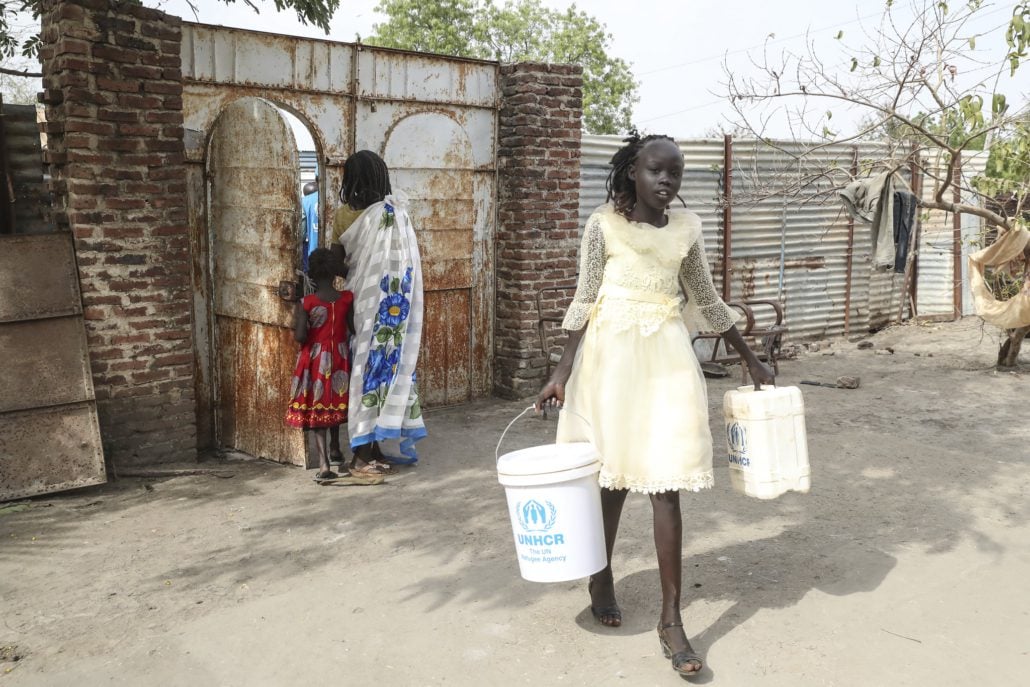
 According to the World Bank, around four in five people in South Sudan live in extreme poverty, among the highest rates in the world. Grassroots enterprise projects such as the South Sudan Women Social and Economic Empowerment Project (SSWSEEP) help women and their communities build local business skills so they can obtain jobs and rise out of poverty. FAO programs support women farmers and entrepreneurs with training in vegetable production, irrigation, climate-smart agriculture and livestock-related livelihoods to strengthen household nutrition and income. The Construction of Women Economic Empowerment Centers (WECCs) provides skills training, financial literacy and vital support services for survivors of gender-based violence (GBV).
South Sudan Women’s Social and Economic Empowerment Project
While the $70 million International Development Association (IDA) grant was approved in 2022, the current World Bank reporting describes the four-year SSWSEEP implementation as a $52 million project. While UN Women supports the implementation, the 2022 World Bank report says that the financing was an IDA grant. This support helps female entrepreneurs formalize and scale up their business activities and helps survivors of GBV access vital services that enable them to recover and rebuild their lives.
Survivors of GBV receive immediate safety and crisis intervention, health care and medical support, mental health and psychosocial support, and legal and economic empowerment. These services help women in poverty increase their social status in society. They provide access to education, training, business services and financing. As Aya Benjamin Warile, the Minister of Gender, Child and Social Welfare for South Sudan indicated, “empowering women to participate fully in civic and economic life will make South Sudan more prosperous and peaceful.”
Agricultural and Agrifood Training
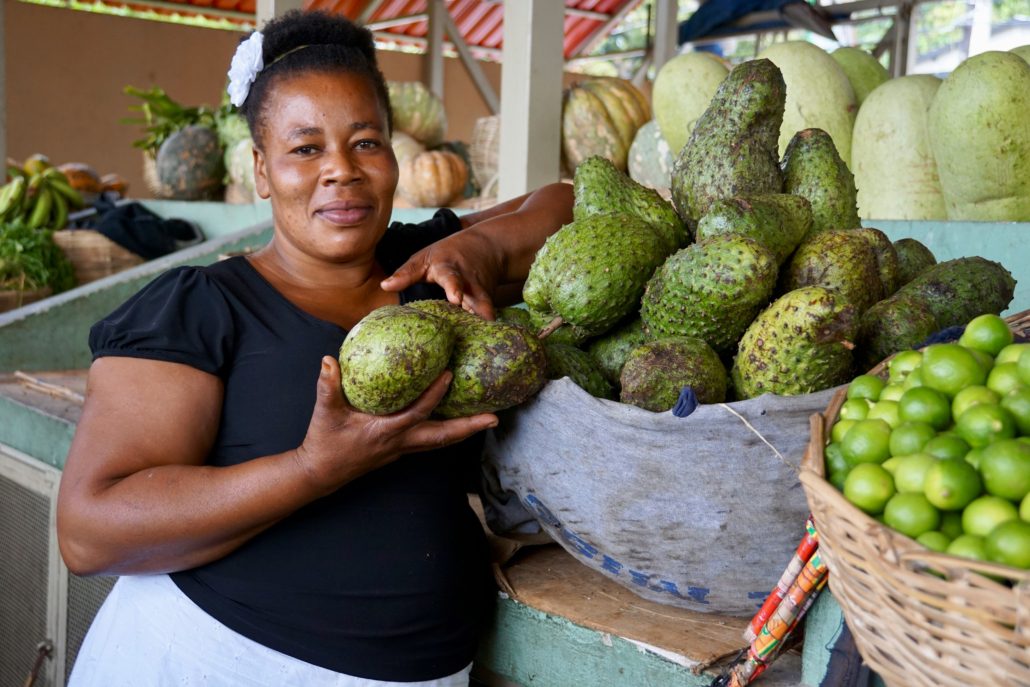
FAO-backed programs are helping some women farmers move from subsistence production toward more climate-resilient, market-oriented agriculture through training, tools and field-based support. The FAO has supported South Sudan’s food security, resilience and climate-smart agriculture in response to conflict, displacement and climate shocks. The organization has also supported development in the livestock sector, which gives millions of people in South Sudan a vital source of food, income and cultural identity. These programs show how targeted agricultural support can strengthen resilience and income opportunities.
Community Centers and Safe Spaces
Empowering South Sudan’s women and girls is the first step in fostering peace. In a country where four out of five people are in extreme poverty, women and girls ravaged by conflict, submerged by floods, and affected by repeated natural and human-made disasters are now caregivers, breadwinners and protectors for families and communities. Survivor networks and referral services empower women to support each other in seeking safety and recovery from GBV. In the business sector, villages provide women with savings and loan associations that enable them to start profitable enterprises so they feed their families and send children to school.
The Women’s Social and Economic Empowerment Project (WSEEP), in collaboration with the World Bank and UN Women, has four components that show the steps to empower women. The project centers on providing community empowerment support to women and girls, establishing a women’s economic opportunity facility, enhancing services for survivors of GBV and strengthening the institutional capacity of the Ministry of Gender, Child and Social Welfare.
Women’s Economic Community Centers
The construction of five new women’s economic community centers (WECCs) in states across the country will enable the provision of social and economic services for women and girls at satellite sites in these states. The WECCs will offer integrated services such as starter kits and grants, GBV response and referrals, and training in business, leadership, financial literacy, advocacy, and peacebuilding. The second component of WSEEP allows technical assistance and grants for women-led small and growing businesses. Enterprises will be sustained through crucial investments such as purchasing key equipment, accessing digital technologies and upskilling staff.
Services for GBV Survivors
The third component of WSEEP provides critical services for GBV survivors, including a national GBV hotline and the establishment of a new safe house for survivors in Juba. The hotline gives GBV survivors access to psychosocial support, health, police, child support, legal aid, and shelter offered by a toll-free 24/7 line. The safe house provides affordable basic protection services and resources like accommodation, protection, clothing, medical care and counseling and legal support.
Policymaking
Under the fourth component, the Ministry for Gender, Child and Social Welfare focuses on policymaking and coordination on South Sudan women empowerment issues. The component trains and accredits ministry social workers to address GBV cases, support family mediation, meet ministry needs and finance training, workshops and conferences. By addressing the weaknesses and strengths of the challenges that women in the poverty-stricken country of South Sudan face, the WSEEP aims to help South Sudanese women live better, more productive lives.
– Stephanie Ou
Stephanie is based in San Jose, California/Santa Clara County, United States and focuses on Good News for The Borgen Project.
Photo: Flickr
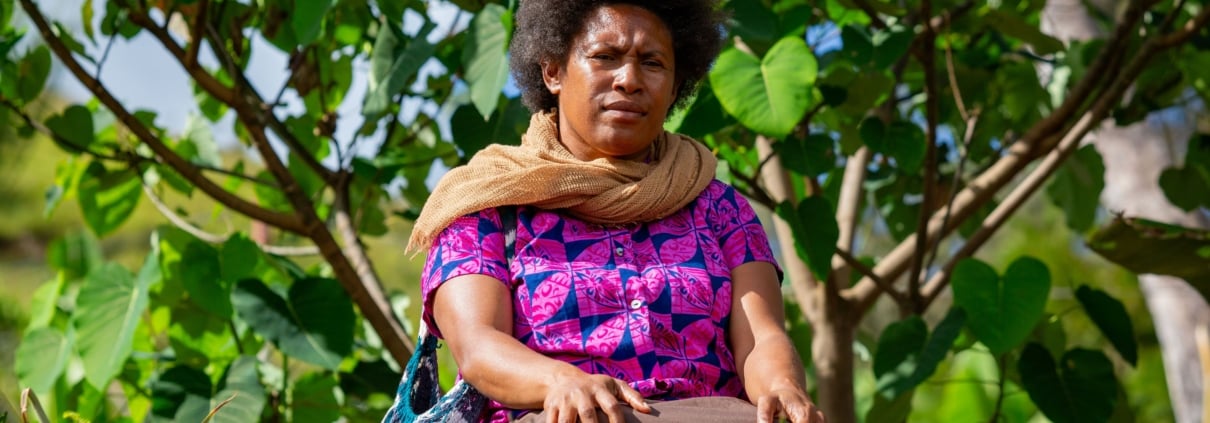 Women entrepreneurs in Fiji are playing an
 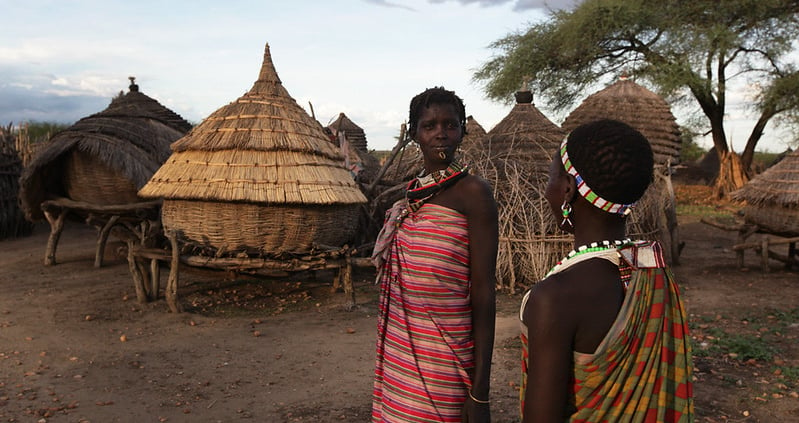 Years of economic hardship and violence have severely impacted South Sudanese livelihoods. Prolonged instability and extensive displacement have uprooted millions of people from their homes, disrupted