Top 10 Facts About Hunger in Honduras
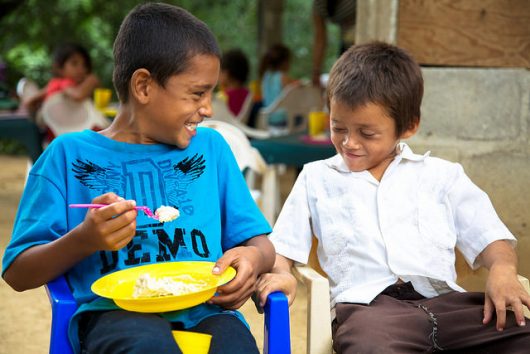
Honduras is the second-poorest country in Latin America and one of the poorest in the world. Approximately 1 in 5 Hondurans are living below the poverty line, in what can be defined as extreme poverty. Along with high rates of poverty come many issues—hunger being one of the biggest. The following are the top 10 facts about hunger in Honduras.
List of Top 10 Facts About Hunger in Honduras
- Poverty is the root cause of food insecurity in Honduras. When families do not know where their next meal is coming from, it leads to chronic hunger. A lack of food causes undernutrition in children and can promote the spread of disease.
- Rural areas are the most affected by limited food supply. Over half of Honduras’ extremely poor live in rural environments. When homes are isolated and not proximate to urban centers, access to food becomes even more restricted.
- Erratic weather patterns in Honduras worsens food insecurity. Honduras has experienced extreme droughts, during which many crops are lost and are no longer a reliable source of nourishment.
- Honduras lies in what is called the ‘Dry Corridor’, an area in Central America that is particularly susceptible to irregular and long-lasting droughts. Around 58 percent of children living in the Dry Corridor are undernourished and have stunted growth as a result. Weather is a major contributor to hunger in Honduras.
- Nonprofits have stepped up to help during periods of drought. The Honduras Livelihoods and Food and Nutrition Security in the Dry Corridor (ACS-GAFSP) was established after the country saw one of its most severe droughts in 2015 and 2016. The project mainly focuses on increasing food production and income generation, hoping to lift up to 50,000 Honduran families out of poverty.
- A lack of education on nutrition contributes to undernourishment. Many of the poor, living in Honduras, are not properly educated on nutritional awareness which leads to nutrient deficiencies. A poorly diversified diet also often leads to stunting in children.
- In children under 5 in Honduras, stunting levels are at 23 percent. This rate is tangible evidence of chronic undernourishment in children. In the Dry Corridor area, stunting rates can reach up to 40 percent.
- The WFP is working with the Honduran government to decrease hunger-related issues. It is trying to increase the resilience of those working in the agriculture sector in order to create a more steady supply of food. They are also trying to assist vulnerable families affected by food insecurity.
- High rates of hunger lead to high rates of migration. If there is no access to food in their home country, Hondurans are more likely to migrate to countries like the U.S. in hopes of having a better life. The WFP released a report in which Hondurans listed “no food” as their main reason for emigration.
- A lack of quality diet can also lead to unhealthy rates of obesity. Around 51 percent of women of reproductive age in Honduras are overweight. Reliable access to healthy foods would significantly mitigate this issue.
Hunger in Honduras is an ongoing problem, mostly due to less than ideal weather patterns that prevent the growth of steady crops. Malnutrition leads to many other issues like stunting and high rates of migration. The many nonprofits working toward feeding Hondurans provide hope for a bright future in Honduras.
– Amelia Merchant
Photo: Flickr
