• Link to X
  • Link to Facebook
  • Link to Instagram
  • Link to TikTok
  • Link to Youtube
  • About
    • About Us
      • President
      • Board of Directors
      • Board of Advisors
      • Financials
      • Our Methodology
      • Success Tracker
      • Contact
  • Act Now
    • 30 Ways to Help
      • Email Congress
      • Call Congress
      • Volunteer
      • Courses & Certificates
      • Be a Donor
    • Internships
      • In-Office Internships
      • Remote Internships
    • Legislation
      • Politics 101
  • The Blog
  • The Podcast
  • Magazine
  • Donate
  • Click to open the search input field Click to open the search input field Search
  • Menu Menu

Tag Archive for: USAID

Information and news about mobile technology

Posts

Global Poverty

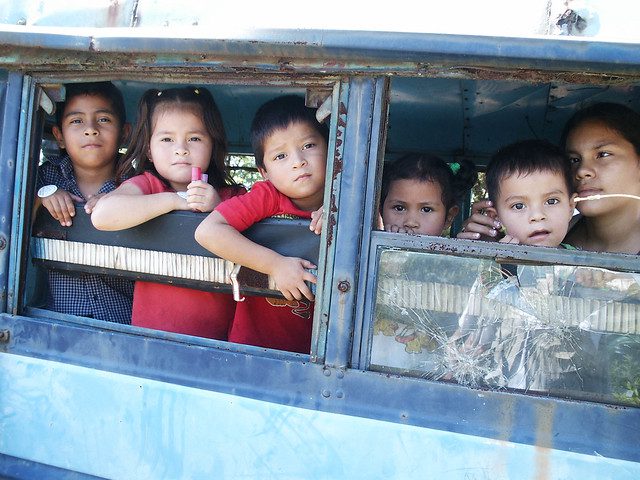
10 Facts About Gangs in El Salvador

Gang violence in El Salvador

El Salvador is known for being one of the most dangerous countries in the world with one of the highest homicide rates. Most of the violence in El Salvador comes from the presence of gangs and the harsh retaliation from law enforcement. Below are 10 facts about gangs in El Salvador and potential solutions to tackle the issue.

Top 10 Facts About Gangs in El Salvador

  1. There are two main rival gangs in El Salvador: MS-13 (Mara Salvatrucha) and 18th Street (Barrio 18). They have claimed unofficial territories in several regions in El Salvador and have been known to engage in several criminal activities including murder, rape and extortion. In 2017, there were a total of 3,954 homicides, 1,850 reported cases of rape and 1,414 reported cases of extortion, all linked to the gangs.
  2. As of 2018, El Salvador ranked 5 among countries with the highest homicide rates in the world. An estimated 60 percent of homicides are related to gang activity, and many are committed against women in addition to sexual and physical abuse. One woman dies every 24 hours solely based on their gender.
  3. An estimated 60,000 gang members are living in El Salvador, which is about 1 percent of the population. Gang members live among civilians and often attend the same schools, making other students more susceptible to gang threats. As high as  60 percent of schools in El Salvadoran are affected by Gang threats, which have led thousands of students to drop out. In 2015, approximately 39,000 students dropped out.
  4. Extortion is one of the most common crimes committed by gang members. The gangs in El Salvador obtain revenue by extorting it from civilians and local businesses. Gang members will often go as far as to execute individuals or their friends and family when their payment is overdue or insufficient. In 2015, one in every four Salvadorans has reported that they have been a victim of extortion. At least 80 percent of small businesses in El Salvador have claimed that they pay extortion fees to the gangs, forcing some to close or go bankrupt.
  5. Gangs often recruit unemployed or out-of-school youth. About one in four young men ranging from ages 15 to 29 aren’t employed or in school, making them more vulnerable to gang involvement. Most members claim to have joined a gang at 15 years old. These boys are frequently pressured into joining gangs either through the promise of security or the promise of social acclaim and power.
  6. The government has been brutally cracking down on gangs. In 2003, the government launched La Mano Dura, also known as Iron Fist, which is a government intervention policy that allows for the extrajudicial killings and mass incarceration of suspected gang members by law enforcement. This policy temporarily decreased crime rates by 14 percent in 2004 shortly after it was launched; however, rates spiked up in the years following until a recent drop in 2015.
  7. Many El Salvadorans seek the help of “coyotes” to take them to the U.S. border. “Coyotes” are essentially migrant smugglers who help people who are in danger and transport them north to the U.S. border to pursue safety and escape from gang violence. In 2018, 235,708 people migrated from El Salvador in hopes of escaping violence and conflict, and most migrated to the U.S. Early into 2019, the migration rates are still on the rise.
  8. There have been efforts towards a gang truce in the past. In 2012, MS-13 and Barrio 18 negotiated on a truce that resulted in a 53 percent decrease in homicide rates in the first 15 months. However, the truce did not persist under the 2014 administration because of the lack of government involvement in negotiations, and the homicide rates began to rise again. Nevertheless, this data exhibits that a gang truce is a viable solution towards reducing violence.
  9. Gang-related homicides have been on a decline since 2015. This is in part due to USAID projects including the Education for Children and Youth at Risk project, which prevents the Salvadoran youth from getting involved in gangs. The project has provided access to quality education for more than  370,000 middle school students in 750 schools and has provided support to 23,000 youth who are out of school so that they can return to classes. This project implements longer school days, interactive teaching methods, extracurricular activities and tutoring.
  10. There are local efforts to reduce gang violence in El Salvador. Creative is a nonprofit organization that employs young people who are at risk of getting involved with gangs. Creative has provided “more than 3,000 youth in 10 municipalities” with economic opportunities by partnering with businesses such as Microsoft to train them and provide them entry into the workforce. Creative also builds community-oriented infrastructure and offers counseling programs for teens.

These 10 facts about gangs in El Salvador demonstrate that violence has long been a major, cataclysmic issue. However, through local efforts to prevent youth involvement in gangs and rigid opposition against cutting foreign aid to Central America, El Salvador may see slow but steady improvements towards rebuilding their economy and reducing conflict.

– Louise Macaraniag
Photo: Flickr
June 25, 2019
https://borgenproject.org/wp-content/uploads/borgen-project-logo.svg 0 0 Kim Thelwell https://borgenproject.org/wp-content/uploads/borgen-project-logo.svg Kim Thelwell2019-06-25 01:30:152024-05-29 23:00:2610 Facts About Gangs in El Salvador
Global Poverty, USAID, Water, Water Sanitation

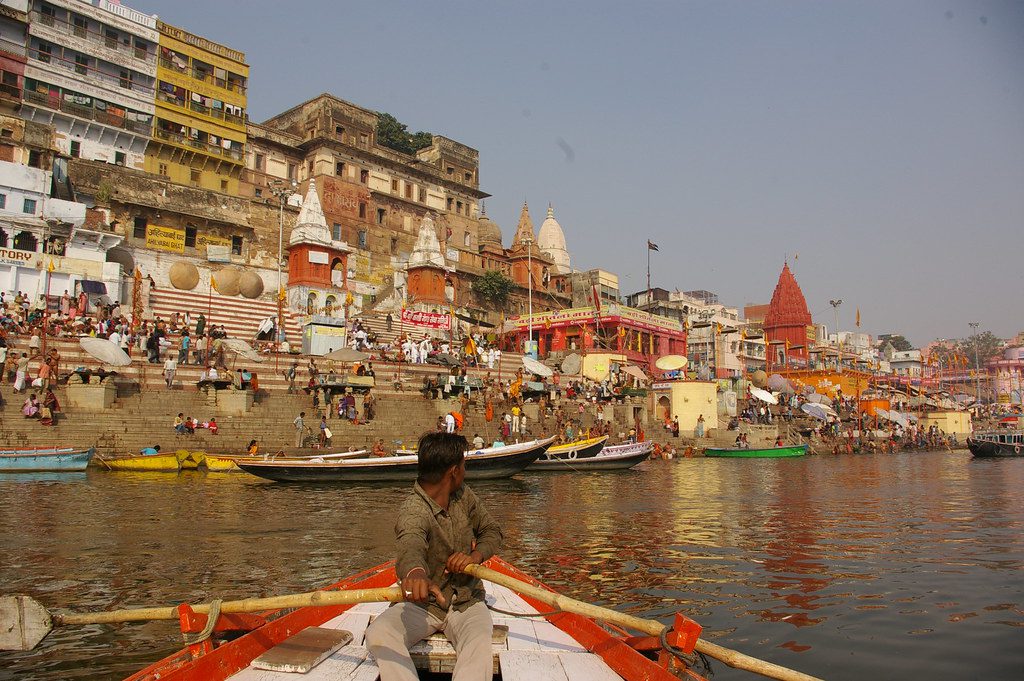
Sanitizing Wastewater in India

Wastewater in India
India is not only one of the most populated countries in the world, but it is also one of the poorest. In addition to poverty, India is grappling with a lack of access to clean water and increasing pollution. This not only takes a toll on households but also affects industrial and agricultural demands. Urban runoff is an issue when domestic waste and untreated water go into storm drains, polluting lakes and rivers. Approximately only 30 percent of the wastewater in India is cleaned and filtered.

The U.S. Agency for International Development teamed up with a nongovernmental organization, Agra Municipal Corporation, to formulate a treatment plan to clean the wastewater in India.

What is Being Done?

North of the Taj Mahal runs the Yamuna River, one of the most polluted waterways in India. Agra, the city through which the river runs, is a slum community. As of 2009, this community has had no access to sanitation facilities, disposal systems or waste collection. At least 85 percent of the residents in Agra have resorted to open defecation that ultimately pollutes the Yamuna River, where residents collect drinking water. This lack of sanitation has left the community vulnerable to diseases such as cholera, dysentery, typhoid and polio.

USAID-supported NGO Center for Urban and Regional Excellence decided to reverse the state of Agra and come up with a treatment plan. In 2011, they built a wastewater treatment plant to clean the water, leading to healthier community members. Instead of chemicals, the treatment plant uses natural methods to sanitize the water. Moreover, they designed the plant to be low-maintenance, thus keeping it cost-efficient. After filtering and sanitizing the water, it flows back into the community for residents to collect.

As of 2017, the Agra Municipal Corporation, who initially teamed up with USAID, took over operating the plant. And they made it their mission to continue working to improve the lives of the residents.

The Progress

The Center for Urban and Regional Excellence’s transformation of Agra influenced the government to also act. As a result, the government planned to cleanse the entire country by the end of 2019. On Oct. 2, 2014, the Prime Minister of India declared the Swachh Bharat Mission. At the time, only 38.7 percent of the country was clean—less than half. As of 2019, India’s government reported 98.9 percent of the country is now clean. Since the mission began, they built 9,023,034,753 household toilets and established

  • 5,054,745 open defecation-free villages,
  • 4,468 open defecation-free villages in Namami Gange,
  • 613 open defecation-free districts, and
  • 29 open defecation-free states.

Less than 2 percent away from meeting their goal, India has made big improvements to better the lives of its citizens by providing clean water for domestic and industrial purposes.

– Lari’onna Green
Photo: Flickr

June 24, 2019
https://borgenproject.org/wp-content/uploads/borgen-project-logo.svg 0 0 Kim Thelwell https://borgenproject.org/wp-content/uploads/borgen-project-logo.svg Kim Thelwell2019-06-24 09:35:232019-06-25 12:19:18Sanitizing Wastewater in India
Global Poverty

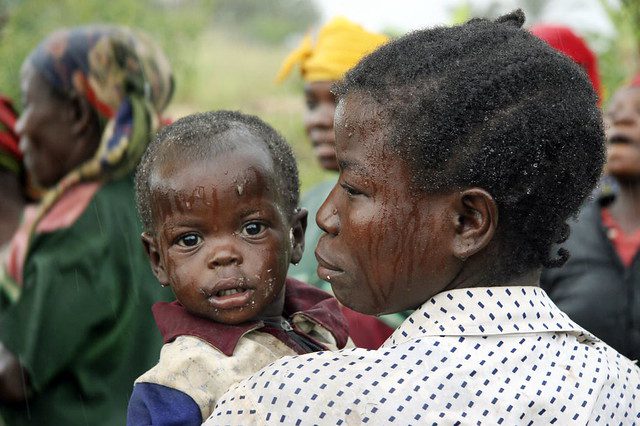
10 Facts About Life Expectancy in Burundi

Life Expectancy in Burundi
Burundi is a small, landlocked country situated in the heart of Sub-Saharan Africa and bordered by Tanzania, Rwanda and the Democratic Republic of the Congo. It is currently listed at number 185 out of 189 countries on the Human Development Index (HDI), which coincides with its status as one of the poorest countries in the world. HDI is determined by a variety of factors, including the average lifespan of a country’s inhabitants. Life expectancy can be a telling indicator of the social, economic and institutional challenges a country might be facing.

10 Facts About Life Expectancy in Burundi

  1. It’s relatively low—The CIA estimates the overall life expectancy in Burundi at about 61.4 years of age, while the U.N. Development Programme’s estimate is slightly lower at 57.6 years. Either way, the average life expectancy in Burundi is younger than the average age of retirement in the United States.
  2. Food insecurity is an issue—Between July and September 2018, the Integrated Food Security Phase Classification (IPC) determined that at least 1.4 million Burundians were living in the Crisis and Emergency phases of food insecurity. For many, these classifications translate into a lack of proper nutrition that can seriously impact health. Some measures are being taken to address this issue—for example, last year USAID’s Food for Peace initiative contributed $30 million in food resources to Burundians and Congolese refugees—but putting a greater emphasis on the introduction of innovative irrigation practices could have a more lasting impact.
  3. Childhood malnutrition has long-term effects—Perhaps the most visible effect of food insecurity in Burundi is malnutrition among young children. According to USAID, 56 percent of Burundian children under 5 experience stunted development and 29 percent are underweight. Underdevelopment from malnutrition can have lasting effects on both overall health and longevity, potentially resulting in shorter life expectancy.
  4. The population is outgrowing its resources—About 20 percent of Burundi’s population of 11 million people consists of children below the age of 5. This indicates a massive dependent population and a high potential for growth—in fact, the population is expected to double by 2050. In a country already struggling to support its inhabitants, rapid growth will mean spreading its resources even thinner and exacerbating issues like food insecurity. This trend, therefore, can indirectly impact life expectancy in Burundi on a variety of levels.
  5. There is a lack of reproductive health services—As evidenced by the above point, Burundi has one of the highest birth rates in the world at an average of 5.93 children per woman. According to the U.N.’s Human Development Report, 30 percent of Burundian women had an unmet need for family planning, and the prevalence of contraceptives (any method) among women of reproductive age was only 28.5 percent. The United Nations Population Fund (UNFPA) is taking some action to address the lack of reproductive health services. In 2018, UNFPA supported the development of 10 new health facilities providing emergency obstetric care. However, Burundi still lacks a comprehensive family planning program.
  6. Most of the population lives in poverty—With a GNI per capita of $702 per year, the majority of Burundi’s population lives in some degree of poverty. 90 percent of the employed population lives on less than $3.10/day, making it extremely difficult for working men and women to support their families and meet all of their needs. While the International Fund for Agricultural Development (IFAD) has been instrumental in implementing poverty reduction strategies in rural areas, much of the population continues to suffer from poverty on some level.
  7. HIV/AIDS reduction is still in progress—In 2016, there were 2,200 new HIV infections in Burundi, making the total number of citizens living with the disease about 84,000. The most high-risk groups continue to be sex workers and men who have sex with other men, with an HIV prevalence of 21.3 percent and 4.8 percent respectively. Between 2008 and 2011, the World Bank implemented the Second Multisectoral HIV/AIDS Project to capitalize on previous HIV reduction efforts; the project resulted in increased condom use and more readily available antiretroviral therapy. Because of such initiatives, HIV infections have decreased by 54 percent and AIDS-related deaths have decreased by 49 percent since 2010.
  8. Other major infectious diseases exist—Due to a tropical climate and a lack of immunizations, illnesses like malaria, typhoid fever, measles and hepatitis A continue to pose a problem for Burundians. These conditions, coupled with a physician density of only 0.05 physicians/1000 people, put the population at risk for premature death and can seriously impact life expectancy in Burundi.
  9. Environmental hazards hinder development—Burundi’s extreme climate puts it at risk for natural disasters like floods, droughts and landslides. Such hazards damage infrastructure, displace people from their homes and contribute to the issues of food insecurity and water scarcity during certain months of the year.
  10. It’s ultimately increasing—As a result of some of the initiatives discussed above, life expectancy in Burundi has increased from 48.1 years in 1990 to about 58 years in 2017. While this number is still significantly lower than that of countries like the United States, there has been a definite upward trend.

In conclusion, there are a variety of factors that contribute to a relatively low life expectancy in Burundi. By continuing to provide assistance to relief programs, it is likely that the average life expectancy will continue to rise.

– Morgan Johnson
Photo: Flickr

June 22, 2019
https://borgenproject.org/wp-content/uploads/borgen-project-logo.svg 0 0 Kim Thelwell https://borgenproject.org/wp-content/uploads/borgen-project-logo.svg Kim Thelwell2019-06-22 07:50:202024-05-29 23:00:3910 Facts About Life Expectancy in Burundi
Global Poverty, USAID

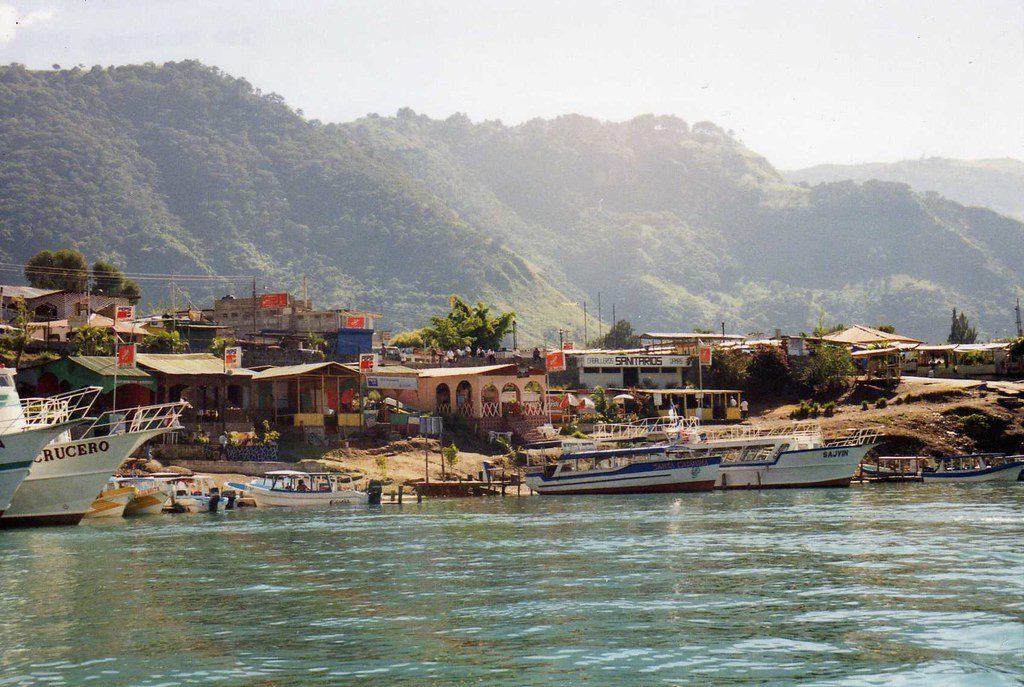
10 Facts About US Involvement in Central America

10 Facts About U.S. Involvement in Central America
Central America consists of Belize, Costa Rica, El Salvador, Guatemala, Honduras, Mexico, Nicaragua and Panama. U.S. involvement in Central America has been consistent throughout history and into the present day. The U.S. provides aid to Central American countries and supports their development projects. Recently, the U.S. has placed special emphasis on providing aid to the Northern Triangle countries of Honduras, Guatemala and El Salvador. These are the 10 facts about U.S. involvement in Central America.

10 Facts About U.S. Involvement in Central America

  1. In 2018, Guatemala received $80.6 million in U.S. aid, while Honduras received $67.8 million and El Salvador $46.3 million. These countries used the received aid to reduce crime, corruption and poverty. Some of the specific U.S. goals behind the aid included improving development in Guatemala, increasing economic growth by training workers and increasing production in El Salvador and addressing the high rates of poverty and hunger in Honduras.
  2. In the past decade, USAID has provided Guatemalan farmers with greenhouses, new irrigation systems and the machinery needed to plant new types of crops. In the past, many Guatemalans could not farm the land in their home country and migrated out of necessity. Thanks to USAID, Guatemalans can now farm their land effectively.
  3. Between 2011 and 2014, USAID worked to combat violence and crime in Guatemala, Honduras, El Salvador and Panama. USAID implemented new programs within communities and emphasized employment opportunities and criminal justice reform. In 2014, data showed that individuals living in neighborhoods with USAID initiatives felt safer and were more optimistic about their communities and police forces. There was a 51 percent decrease in individuals who felt aware of murder and extortion in their neighborhoods, a 14 percent decrease in the perception of gang violence and a nine percent increase in respect for law enforcement in areas impacted by USAID anti-crime initiatives. USAID reports that its efforts reduced murder rates significantly in El Salvador.
  4. USAID collaborates with Central American governments to fund programs designed to improve Central America’s living conditions. USAID programs provide job training for young Guatemalans. USAID also works to rehabilitate ex-convicts in El Salvador, teach entrepreneurship skills to young people in Honduras and financially assist Guatemalan farmers.
  5. Fifty-seven percent of U.S. aid provided to El Salvador in 2017 was used to improve its criminal justice system. Much of the aid funded training for police officers and public defenders. U.S. aid also funded anti-corruption initiatives in the Salvadoran attorney general’s office.
  6. U.S. aid provides funding for anti-corruption investigations of the Honduran government. It also funds monitoring of the Honduran electoral system and combats poverty in rural Honduras.
  7. In 2017, Honduras used over 50 percent of its aid funding to help the poor. The U.S.-funded programs implemented addressed child malnourishment and treated HIV. Honduras also used U.S. aid to assist with sustainable agriculture practices.
  8. In 2014, the U.S. collaborated with the governments of the three Northern Triangle countries to increase economic development. The U.S. provided $750 million for this project in 2014. By 2017, conditions in the Northern Triangle had improved enough to reduce rates of illegal migration to the lowest levels seen since 1971.
  9. By 2017, the positive results mentioned in these 10 facts about U.S. involvement in Central America were visible. There was a decrease in homicide rates in all three Northern Triangle countries and 20,000 new agricultural jobs in rural Guatemala. Meanwhile, agricultural sales in Guatemala increased by 51 percent.
  10. Since 2016, U.S. aid to Central America has decreased by about 20 percent.The State Department claims that the aid provided to Central American countries in the past did not create positive results. To protect U.S. foreign aid to the Northern Triangle and continue the positive effects discussed in these 10 facts about U.S. involvement in Central America, U.S. voters can contact Congress here.

U.S. aid has played an important role in reducing violence and poverty in Central America. These 10 facts about U.S. involvement in Central America show the positive results of U.S. foreign aid and enhance the idea that reducing the amount of aid provided would be detrimental to the people of Central America.

– Emelie Fippin
Photo: Flickr

June 19, 2019
https://borgenproject.org/wp-content/uploads/borgen-project-logo.svg 0 0 Kim Thelwell https://borgenproject.org/wp-content/uploads/borgen-project-logo.svg Kim Thelwell2019-06-19 10:13:052019-07-19 10:14:5310 Facts About US Involvement in Central America
Children, Developing Countries, Development, Education, Global Poverty, Health

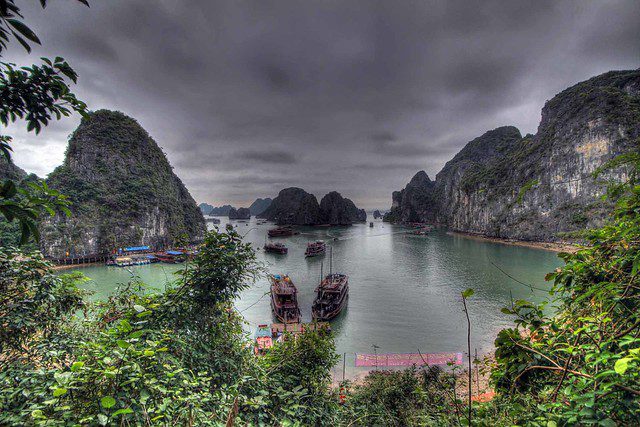
The Vietnamese Water Crisis

vietnamese water crisis
Vietnam, a southeastern Asian country whose coastline stretches 12 nautical miles, imminently struggles with providing clean water to those living there. The country has over 2360 rivers and about two-thirds of its population resides near one of Vietnam’s three water basins. Even so, most of this aquatic supply is unusable and undrinkable. The ongoing Vietnamese water crisis is so threatening that it is a focal point of national policy and international concern.

Background

Both government and industrial issues exacerbate the Vietnamese water crisis. Poor regulation coupled with irresponsible handling of waste has led Vietnam’s ponds, lakes, and canals to shortages and contamination.

In March of 2018, the Coalition for Clean Water and the Centre for Environment and Community Research released a report detailing how industry has altered the water quality in Vietnam. The report revealed that about 70 percent of waste released from industrial parks is directly released into the environment. These tainted waters carry dangerous chemicals and cause illnesses.

The World Bank’s estimations concerning the crisis show that it is no diminutive issue. The organization notes that rising threats against Vietnam’s water supply could reduce the nation’s GDP by six percent by the year 2035. Pollution presents itself as the biggest hazard to water basins, which drain into water outlets all over the country. In the most highly polluted areas, wastewater has poisoned the air to the point that it has become odorous and toxic.

Impacts of the Crisis

Those living in rural areas suffer the most from water sanitation issues. Only 39 percent of rural individuals have access to clean water. Furthermore, most of these individuals must use water wells that tap into underground aquifers to compensate for the lack of a clean water source at the surface.

The absence of clean water does not only deprive rural Vietnamese of their basic needs, but it also affects their ability to efficiently participate in the economy. Agricultural production is a precious monetary asset that takes up 80 percent of Vietnam’s water supply. The infrastructure needed to transport clean water to farms is unstable.

The Vietnamese water crisis has created national health issues, as well. The Ministry of Natural Resources and Environment estimates that up to 80 percent of diseases in Vietnam is directly caused by water pollution. Nearly six million citizens have contracted a waterborne illness, the most rampant being cholera, typhoid, dysentery, and malaria.

Impacts on Children

Children are the main concern for the international community as dirty water affects the growth and development of a new generation.

UNICEF reports that more than 9.5 million Vietnamese still release excreta into their surroundings, further contaminating the water supply. Children lack the matured immune system needed to fight off the problems generated by this unhygienic practice, such as diarrhea, pneumonia, and parasitic infection. Diarrhea is responsible for nearly 10 percent of the deaths of children under the age of five.

USAID Intervention in the Ha Lam Commune

USAID has routinely provided donations and grants to the Vietnamese government to solve humanitarian issues. A recent project launched on March 30, 2019, is aimed at assuaging the problems perpetrated by water pollution.

The project, called the Vietnam Local Works for Environmental Health, focuses on the Ha Lam commune in the Thanh Hoa province. Small scale water supply systems are currently being entrenched in the region to provide clean water to kindergarten, primary, and secondary schools. The new infrastructure is estimated to benefit over 20,000 individuals living in this northern province.

The Ha Lam commune, however, is not the only area where children are at risk. Education institutions in other parts of Vietnam are also in need of effective water supply systems, as more than 80 percent of schools around the nation lack fully operating water sanitation facilities.

Looking Ahead

Due to the awareness and concentration on the Vietnamese water crisis, it is possible that this problem will soon be overcome. By 2025, the Vietnamese government hopes to attain the clean water standards needed to revive an unhealthy public and a feeble economic production. Specifically, the government has launched a national plan directed at hindering the open defecation that so commonly contaminates the country’s water supply.

With six years to go until Vietnam’s standard is hopefully achieved, it is imperative that this issue remain persistent in the global mind. The government and participating groups must remain resilient through the growing population and industry in Vietnam that work to destabilize existing plans. Clean water is required if the human and environmental body is to exist comfortably.

– Annie O’Connell
Photo: Flickr

June 8, 2019
https://borgenproject.org/wp-content/uploads/borgen-project-logo.svg 0 0 Kim Thelwell https://borgenproject.org/wp-content/uploads/borgen-project-logo.svg Kim Thelwell2019-06-08 15:15:492024-05-29 23:10:42The Vietnamese Water Crisis
Food & Hunger, Food Aid, Global Poverty, Refugees, United Nations, USAID

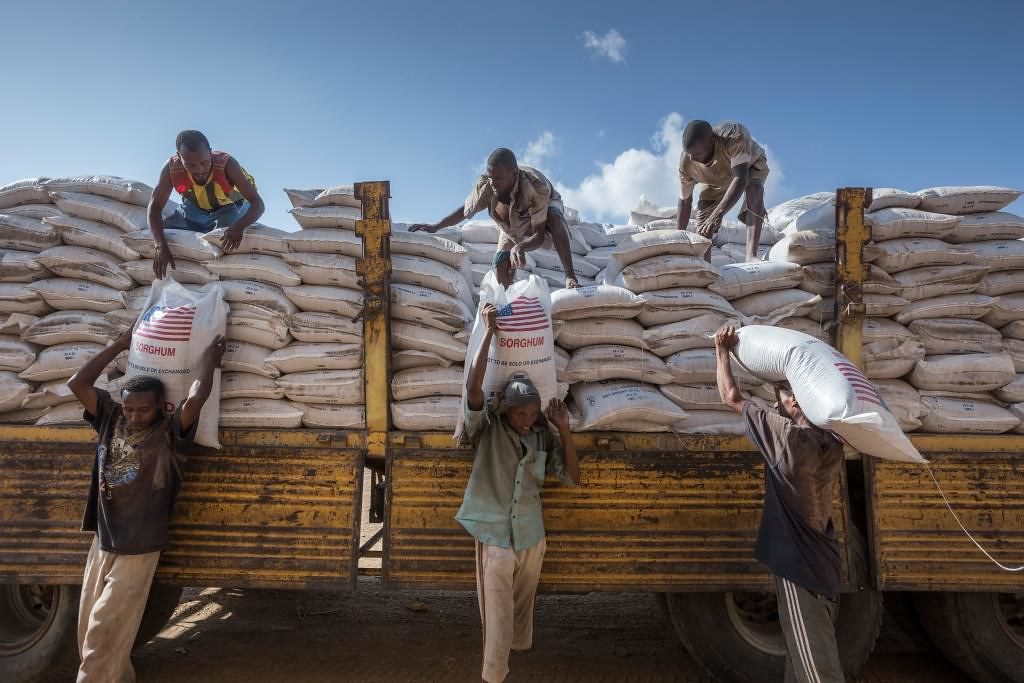
How USAID Provides Refugee Food Assistance

Refugee Food AssistanceFor more than 60 years, the U.S. Agency for International Development has upheld its commitment to end global poverty, providing desperately needed refugee food assistance today. USAID works in more than 100 countries. It primarily provides humanitarian assistance, promotes global health and supports global stability. All around the world, more than 25 million people face refugee crises. And among these 25 million people, more than half are young children.

Food Assistance

USAID assists refugees by providing emergency refugee food assistance to 25 countries. In particular, USAID’s food assistance reaches Lebanon, Jordan, Ethiopia, Chad, Uganda and Bangladesh. One of the world’s biggest refugee camps lies in the southeastern corner of Bangladesh, in Cox’s Bazar. There, an estimated 868,000 Rohingya refugees seek safe haven. In order to escape western Myanmar, refugees must travel on foot through forests and turbulent waters. Often times, refugees do not have enough food for the trip and witness the deaths of loved ones. By the end of this journey, many refugees have nowhere to live and no source of living. Fortunately, USAID’s programs offer assistance.

Furthermore, USAID’s Office of Food for Peace and the United Nations’ World Food Programme partnered to assist those seeking peace, who lack a home and food. USAID and WFP provide packs of high-energy biscuits as meal replacements for arriving refugees. Moreover, USAID gives WFP resources to buy rice from Bangladesh’s national rice reserve. However, it takes time to distribute food to refugee camps. USAID even supports CARE International, which provides U.S. imported food to Cox’s Bazar.

Relief Tactics

Altogether, USAID programs lay out plans for permanent and stable recoveries using four types of relief tactics. Firstly, USAID provides locally and regionally purchased food, which is more quickly accessible than imported food. Secondly, if local food is unavailable, USAID provides U.S.-grown food. Thirdly, if imported food distorts local prices, USAID offers paper or electronic food vouchers. These vouchers allow refugees to purchase local food and support local communities. Fourthly, if more flexible solutions are required, USAID supplies cash, mobile or debit card transfers.

Beyond relief tactics, USAID helps improve global stability. Every year, USAID assists more than 40 to 50 million people worldwide with emergency food assistance. In 2018 alone, USAID gave more than $690 million to help refugees around the world. Overall, numerous countries benefit from USAID. By providing refugee food assistance, USAID plays a huge role in helping millions living in extreme poverty.

– Fita Mesui
Photo: Flickr

May 31, 2019
https://borgenproject.org/wp-content/uploads/borgen-project-logo.svg 0 0 Kim Thelwell https://borgenproject.org/wp-content/uploads/borgen-project-logo.svg Kim Thelwell2019-05-31 01:30:022019-06-02 07:24:53How USAID Provides Refugee Food Assistance
Global Poverty

Digital Bangladesh Is Making Progress

Digital Bangladesh on its WayBangladesh has embarked on a journey to digitize itself and transition to a middle-income country by 2021. This goal is known as Digital Bangladesh. Incorporating digital technology in almost every sector of the country is an ambitious target for Bangladesh, yet it has already made progress with more initiatives on the way.

Information and Communication Technology

By 2021, the government aims to integrate Information & Communication Technology (ICT) as a key tool in eradicating poverty and establishing good governance as well as improving the quality of education, healthcare and law enforcement. The government has already laid out some of the foundation work for realizing Digital Bangladesh, such as preparing the National ICT Policy 2009 and the Right to Information Act 2009.

Some of the strategies being used to implement Digital Bangladesh include increasing the coverage of broadband internet connection and cellphone communication throughout the country in order to exchange information and access different types of services, integrating ICT into the school curriculum and improving the capacity and management of healthcare services. Other important areas Digital Bangladesh will improve are increased efficiency in judicial processes, improved coverage of social safety-net programs, reduced environmental impact as well as increased access to banking and financial services.

The Benefits of Digitizing

With more than 120 million cellphone subscribers and 43 million internet subscribers, the population of Bangladesh has been able to enjoy the benefits of digitizing different services around the country. Some examples of these digital services include admission registration to academic institutions, the publication of exam results online, online submission of tax returns, online banking systems and bill payments and filing complaints to police stations. Even video conferencing and telemedicine services are now available in rural areas of the country.

The Access to Information (a2i) Program, supported by UNDP and USAID since 2007, has been the driving force for Digital Bangladesh with the aim of increasing transparency, improving governance and reducing inefficiency in providing public services around the country. On average, six million e-services are provided per month to rural and remote areas through the 407 City Corporation Digital Centers, 321 Municipality Digital Centers and 4,547 Union Digital Centers.

Digitizing is helping to streamline government affairs. More than 25,000 websites of different unions, sub-districts, districts, departments and ministries are connected through the National Web Portal. This portal contains information for more than 43,000 government offices. Furthermore, activities are much more environmentally friendly now that the Prime Minister’s Office as well as around 20 ministries, 4 departments, 64 Deputy Commissioner’s offices and 7 Divisional Commissioner’s offices are using e-filing system. This created an efficient paper-less environment in offices.

Digital Banking

In terms of digital payments, as of December 2015, 18 banks are now operating mobile financial services in Bangladesh. Transactions have risen significantly to 120 percent on average since 2011. This amounts to $1.3 billion on average per month. Although these transactions are a small portion of the entire economy, it is still a notable shift towards digital services, thus a step closer to Digital Bangladesh.

More than one billion transactions in 2015, worth around $20 billion, were done digitally. Furthermore, 70 percent of government payments were also digital. As of 2016, around 38 million people in Bangladesh had utilized mobile money services, reflecting the shift from a cash-dominant economy to a more digital payment economy. The availability of mobile money orders has also been a remarkable stride towards Digital Bangladesh, especially for the rural areas in the country.

Furthermore, around 300 of the Digital Centers have been involved with rural e-Commerce, allowing people to purchase items that are not easily available in remote areas. It has also allowed small-scale women entrepreneurs to participate with 5000 women entrepreneurs who are involved with the e-Commerce platform called “ejoyeeta.com,” which consists of goods produced by these women.

Improvements Still Needed

Bangladesh still has a long way to go in terms of fully digitizing itself. The National Identification System needs to be fully implemented and incorporated with important services in order to improve access to digital financial services. Since human capital is an essential element when it comes to adopting new technology, programs aimed at incorporating ICT-based education from primary to tertiary level schools should be prioritized. Finally, having political stability is a necessity in realizing Digital Bangladesh, given how political turmoil is often a setback when it comes to the development of different sectors in the country, including ICT.

The progress Bangladesh has made so far in realizing its 2021 goal cannot be overlooked despite its lacking in certain areas. However, with the increase in different digital services and activities around the country, Bangladesh is gradually lifting itself up and shifting towards a more ICT based economy, making Digital Bangladesh a potential reality. 

– Farihah Tasneem

Photo: Flickr

May 28, 2019
https://borgenproject.org/wp-content/uploads/borgen-project-logo.svg 0 0 Kim Thelwell https://borgenproject.org/wp-content/uploads/borgen-project-logo.svg Kim Thelwell2019-05-28 01:30:582024-06-06 00:15:32Digital Bangladesh Is Making Progress
Food Security, Global Poverty

The True Cost of the Rise in Fuel Prices in Zimbabwe

How Rising Fuel Prices in Zimbabwe
A 150 percent rise in fuel prices in Zimbabwe has had dramatic consequences on the lives of the country’s citizens. The rise in Zimbabwe’s cost of living initially started because of confusion behind its currency, but it has leaked into every aspect of living. For example, after the price increase, the price of bread almost doubled within a week. Organizations like USAID and the World Food Program are trying to help alleviete the true cost of the rise in fuel prices in Zimbabwe.

The Currency Crisis and Fuel Prices

After rampant inflation, Zimbabwe got rid of its own currency and adopted others, such as sterling or the South African Rand. Now, however, there is not enough hard currency to back up $10 million in digital funds. This shortage of imports is affecting local stores and supermarkets by making it more difficult to stock their shelves. Thus, the supermarkets that do have stock have been raising their prices. Fuel has also become a big problem.

Zimbabwe now has the highest priced petrol in the world at more than $3 a liter. The second highest prices are in China at around $2 a liter. The government has stated that the significant rise in fuel prices was put in place to prevent fuel shortages and counteract illegal fuel trading. The country mostly imports its fuel, but without hard currency, imported products are difficult to obtain. In addition to this, the government has been accusing people of hoarding fuel and selling it on the black market, which is said to be much cheaper than buying it up front because of the country’s currency crisis.

Food Insecurity

Without fuel, many farmers cannot operate the basic machines that they need to cultivate and harvest crops. Many rural households rely on agriculture as a main source of food, and the prediction of bad harvests by USAID only makes the situation seem worse. In addition, the current drought has left farms without rainfall to water crops, and without fuel, farms cannot power their irrigation systems to counteract poor rainfall.

The Food and Agriculture Organization has stated that “2.4 million people in rural Zimbabwe will be food insecure by March 2019.” This is in part due to the droughts and in part due to the overwhelming increase in fuel prices.  With crop failure and the cost of imports being so high, the government is finding it difficult to import basic necessities such as food and medication.

Plans for Aid

Some citizens believe that effective aid should not come from the local government due to previous allegations that the dominant party prioritizes aid to its own supporters. Organizations like USAID and WFP are partnering to provide emergency food assistance to 665,000 hungry people in Zimbabwe. USAID also supports developmental programs in Zimbabwe such as Amalima.

The Amalima program has families come together to learn productive tasks such as raising livestock and cultivating farmland. The program aims to use these learning tasks to be able to improve child nutrition and help the people in rural communities to better prepare for a food crisis.

The country is certainly in a crisis stage when it comes to food security. Due in part to both the rise of fuel prices in Zimbabwe, the economic crisis and poor harvests due to drought. As aid ramps up to keep up with the needs of the region, many can be saved from starvation and malnutrition. Emergency aid and ongoing developmental programs are doing their part to make sure the people of Zimbabwe lead healthy and fruitful lives.

– Olivia Halliburton
Photo: Pixabay

May 19, 2019
https://borgenproject.org/wp-content/uploads/borgen-project-logo.svg 0 0 Kim Thelwell https://borgenproject.org/wp-content/uploads/borgen-project-logo.svg Kim Thelwell2019-05-19 01:30:482019-05-23 13:23:53The True Cost of the Rise in Fuel Prices in Zimbabwe
Global Poverty

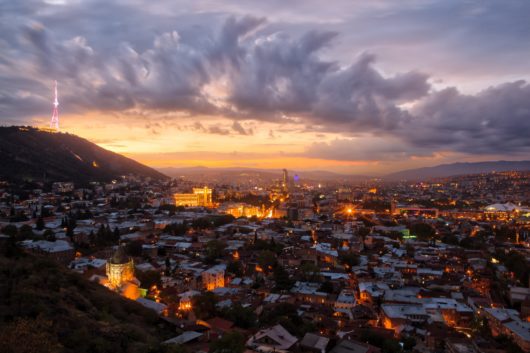
Infrastructure Projects in the Republic of Georgia

Infrastructure projects in the Republic of Georgia

The Republic of Georgia has been doing fairly well despite a shaky recovery after gaining independence from the former Soviet Union in 1991. The Republic of Georgia and the Russian Federation are still important trade partners despite past conflicts. Trade between Russia and Georgia accounted for 14.5 percent of Georgia’s exports in 2017.  The government has recognized this and, in 2017, it laid out a 3-year plan outlining infrastructure projects in the Republic of Georgia. Its goal is not only to increase the ease of trade but also increase the standard of living for Georgians.

Infrastructure Projects in the Republic of Georgia

Railroads, roadways, seaports, airports, pipelines and electrical transmission lines are all in need of either an upgrade or an overhaul. Infrastructure projects in the Republic of Georgia are being handled organized by the Georgian government, but they are being financed by companies and countries all around the world. For example, Japan signed $38 million agreement to fund investments for improvements on one of Georgia’s main highways.

Much of this investment is organized and promoted by the Georgian International Investment Agency. The agency was developed and established in 2002 outside of direct government control due to the laws at the time. In 2015, the agency was moved under the direct control of the office of Prime Minister as a result of its growing importance and investments. The job of the agency is to ensure that investors and the nation are treated fairly.

Western Trade Partners

As the government of Georgia is seeking closer ties to the west by looking to join both the European Union and NATO, it has formed an important trading partnership with the United States. USAID has been working with Tetra Tech, an international engineering firm, on infrastructure projects in the Republic of Georgia, specifically in the energy sector.

USAID along with Tetra Tech have been working together with the government of Georgia, and other nations in the Caucasus region, on the Georgia Power and Gas Infrastructure Oversight Project (PGIOP). The project includes the construction of 119 kilometers of gas pipelines and the replacement of substations and power lines that were damaged or dismantled during the 1992 Georgian Civil War.

Improved Infrastructure Benefits Trade

Georgia’s other neighbors, Azerbaijan, Turkey, Armenia, Bulgaria and Ukraine, are all important trade partners that share either a land or sea border with the Republic of Georgia. Improving infrastructure in Georgia will facilitate important trade between the county and its neighbors, helping the economies of all countries involved. The World Bank is working with the government of Georgia to help improve the infrastructure needed for this trade.

The World Banks has been investing millions into the Republic of Georgia not only to help stimulate trade within Georgia’s sphere of influence but also though the Caucasus Transit Corridor. The area is an important corridor between Asia and Europe. Modern infrastructure will help facilitate trade across the Black Sea and through all of the nations that border it. Both natural gas and trade goods will need to move faster as consumption increases.

Georgia is a nation tucked in a region with ever-growing tensions. The wars in Iraq and Syria are not far away. Its neighbors Armenia and Azerbaijan are in a constant state of alert. Russia, Turkey and Iran are all beginning to flex their muscles on the world stage more freely. Through improving infrastructure projects in the Republic of Georgia, the country can hope to become too important for any side to lose, allowing it to continue to grow freely and democratically.

– Nicholas Anthony DeMarco
Photo: Unsplash

May 18, 2019
https://borgenproject.org/wp-content/uploads/borgen-project-logo.svg 0 0 Kim Thelwell https://borgenproject.org/wp-content/uploads/borgen-project-logo.svg Kim Thelwell2019-05-18 07:30:052024-05-29 23:00:16Infrastructure Projects in the Republic of Georgia
Global Poverty

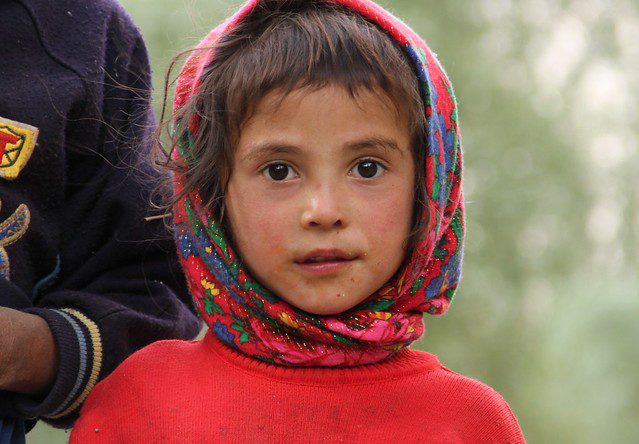
Maternal Mortality Rates for Women in Tajikistan Are Dropping

maternal mortality rates tajThe Republic of Tajikistan is a country located in Central Asia. In 1991, when Tajikistan became independent it was the most poverty-stricken country of the Central Asia republics. A civil war hurt Tajikistan’s economic and social growth, which led to a decline in overall health in the region. One of these health issues is that Tajikistan has had a very high maternal mortality rate. However, in the last decade progress has been made and maternal mortality rates for women in Tajikistan are dropping.

Tajikistan currently has a rate of 32 maternal deaths for every 100,000 live births. This number has significantly decreased since 1990 when the rate was 107. There are multiple factors that are responsible for the decline in maternal mortality rates. One of the dangers had been the fact that many women have their babies at home. In fact, at least 15 percent of women still give birth without a doctor or midwife present.

Hospitals and Healthcare Facilities

A project by the name of Feed the Future Tajikistan Health and Nutrition Activity (THNA) is spreading information about the dangers of giving birth at home. They also teach women in the country about the benefits of delivering in a hospital or other health care setting. Funded by USAID, THNA is working alongside hospitals and healthcare centers in different locations throughout the country to talk about the three main factors that lead to increased chances of maternal mortality, also known as the three delays:

  1. Seeking maternity care
  2. Reaching a healthcare facility
  3. Receiving high-quality care once at a healthcare facility

In 2016, THNA partnered with the Ministry of Health and Social Protection of the Population to further understand the problem. The duo conducted 14 in-depth assessments of hospitals in the region. They found out that many healthcare facilities did not have proper medical supplies, lacked adequate equipment and were understaffed. The duo worked together and provided the healthcare centers with new equipment and supplies.

The partnership also taught more than 1,400 people in the community to be health educators. The health educators, in turn, taught women about prenatal care and when they should go to a hospital. These changes are a major reason why maternal mortality rates in Tajikistan are declining.

Midwifery Services

Families in Tajikistan who cannot afford healthcare facilities often turn to alternatives such as midwifery. It is challenging to find a good midwifery service in the country. However, the United Nations Population Fund (UNFPA) is working with the Ministry of Health to increase the quality of midwives in the region. They supply midwives with education, capacity building and medical equipment. Furthermore, the UNFPA trains midwives on effective perinatal care.

UNFPA also provides technical help in improving training curriculums at schools throughout the country. Nargis Rakhimova, the UNFPA National Program Analyst on Reproductive Health in Tajikistan said, “This initiative is considered a breakthrough as it raises educational programmes to the level of internationally agreed standards.” Improved midwifery services are another factor why maternal mortality rates for women in Tajikistan are dropping.

Even though it is easy to recruit young women into midwife training programmes, it is not easy to keep them in the profession. Midwives do not make a lot of money and there is no official certification for midwifery, which may lower the standards of services in the region. Rakhimova said, “Though the midwifery situation in Tajikistan is improving, midwifery needs to be developed as a separate profession complementary to medicine.” Improving compensation for midwives will help continue to lower maternal mortality rates in Tajikistan.

Continuing to Improve

The poverty Tajikistan faced when it gained its independence led to a number of health crises in the region. Maternal mortality rates are one of these issues. Even though the country still faces problems with maternal mortality, the conditions are improving. The combination of advancements in healthcare facilities and midwifery services are a big reason for the improvements. These are the two main contributors as to why maternal mortality rates for women in Tajikistan are dropping.

– Nicolas Bartlett
Photo: Flickr
May 4, 2019
https://borgenproject.org/wp-content/uploads/borgen-project-logo.svg 0 0 Kim Thelwell https://borgenproject.org/wp-content/uploads/borgen-project-logo.svg Kim Thelwell2019-05-04 01:30:072024-05-29 22:59:49Maternal Mortality Rates for Women in Tajikistan Are Dropping
Page 61 of 92«‹5960616263›»

Get Smarter

  • Global Poverty 101
  • Global Poverty… The Good News
  • Global Poverty & U.S. Jobs
  • Global Poverty and National Security
  • Innovative Solutions to Poverty
  • Global Poverty & Aid FAQ’s
Search Search

Take Action

  • Call Congress
  • Email Congress
  • Donate
  • 30 Ways to Help
  • Volunteer Ops
  • Internships
  • Courses & Certificates
  • The Podcast
Borgen Project

“The Borgen Project is an incredible nonprofit organization that is addressing poverty and hunger and working towards ending them.”

-The Huffington Post

Inside The Borgen Project

  • Contact
  • About
  • Financials
  • President
  • Board of Directors
  • Board of Advisors

International Links

  • UK Email Parliament
  • UK Donate
  • Canada Email Parliament

Get Smarter

  • Global Poverty 101
  • Global Poverty… The Good News
  • Global Poverty & U.S. Jobs
  • Global Poverty and National Security
  • Innovative Solutions to Poverty
  • Global Poverty & Aid FAQ’s

Ways to Help

  • Call Congress
  • Email Congress
  • Donate
  • 30 Ways to Help
  • Volunteer Ops
  • Internships
  • Courses & Certificates
  • The Podcast
Scroll to top Scroll to top Scroll to top