• Link to X
  • Link to Facebook
  • Link to Instagram
  • Link to TikTok
  • Link to Youtube
  • About
    • About Us
      • President
      • Board of Directors
      • Board of Advisors
      • Financials
      • Our Methodology
      • Success Tracker
      • Contact
  • Act Now
    • 30 Ways to Help
      • Email Congress
      • Call Congress
      • Volunteer
      • Courses & Certificates
      • Be a Donor
    • Internships
      • In-Office Internships
      • Remote Internships
    • Legislation
      • Politics 101
  • The Blog
  • The Podcast
  • Magazine
  • Donate
  • Click to open the search input field Click to open the search input field Search
  • Menu Menu

Archive for category: Poverty Reduction

Information and stories about poverty reduction.

Global Poverty, Poverty Reduction

Poverty in Palestine Remains a Daunting Challenge

poverty in Palestine
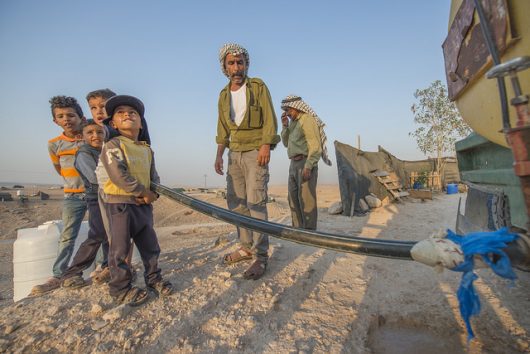
Palestine is comprised of the Gaza Strip and the West Bank, including East Jerusalem, and poverty in Palestine affects one-quarter of the 4.8 million residents. Half of the Palestinian population relies on aid for basic survival due to the ongoing conflict between Israel and Palestine.

The unemployment rate among Palestinian youth is at 56 percent, the highest in the world. Thirty-three percent of households are food insecure, with rates even higher in refugee camps, “driven by high rates of poverty resulting from unemployment, which is in part due to ongoing Israeli access and movement restrictions, as well as high prices for food and economic shocks.”

The Israeli occupation of Palestine has been called the longest-running occupation in recent history. The World Bank reports that the nature of the ongoing occupation with no end in sight and manmade barriers have isolated Palestine from the rest of the world, damaging the country’s economic development and constraining growth and investment.

A new tax plan recently unveiled by the Palestinian Cabinet is due to expand the tax liability of Palestinian citizens. In an attempt to curb the 2018 budgetary deficit, which projects an increase in expenses to exceed the increase in revenues by 11 percent, Prime Minister Rami Hamdallah met with business representatives and civil society members and agreed on “developing the tax system through tax liability by widening the base of taxpayers, attracting new taxpayers and limiting tax evasion.” These measures, which have been criticized as further burdening Palestinians, were reportedly taken in response to the threat by President Trump to halt all financial aid to the Palestinian Authority.

Residents have been dealing with poverty in Palestine for a very long time. International aid organizations have been able to somewhat address the immediate needs of Palestinian households in the aftermath of major crises. Groups like American Near East Refugee Aid and the United Nations Relief and Works Agency for Palestine Refugees in the Near East, among others, have helped ease the sufferings of Palestinian locals and refugees by providing a critical lifeline for daily survival in the form of international and humanitarian aid.

Palestinian households have also utilized coping mechanisms such as relying on friends and extended families and saving money for higher education at an early stage of a child’s life. In order to prevent a power vacuum that emboldens extremist groups or other factions to seize power, observers have encouraged Palestinian political forces to rebuild a national movement based on democratic principles. Critics, however, have noted that there can be no real democracy under an Israeli occupation.

Palestine and its people face continuing challenges to their sustainable livelihood and daily survival, in part due to the political flashpoints that have deteriorated this Middle Eastern region’s stability, economic development and prosperity. Humanitarian and foreign aid has helped alleviate the stringent conditions of local businesses and foster development. Reducing poverty in Palestine is largely dependent on a change in the political conditions of this volatile region.

– Mohammed Khalid

Photo: Flickr

March 29, 2018
https://borgenproject.org/wp-content/uploads/borgen-project-logo.svg 0 0 Borgen Project https://borgenproject.org/wp-content/uploads/borgen-project-logo.svg Borgen Project2018-03-29 07:30:062024-05-29 22:39:56Poverty in Palestine Remains a Daunting Challenge
Global Poverty, Poverty Reduction

Poverty in Tibet is Currently a Geopolitical Conundrum

poverty in Tibet

Despite political tensions, Tibet has seen marked improvements in everyday life for its average citizens. The central government in Beijing and other nations may have ulterior motives behind their funding, but the result is the same: a more prosperous Tibet. Aid is flowing in from the Chinese government, the United Nations Development Project (UNDP) and Nepal, to name a few.

According to the regional authority, over the course of the past five years, over 530,000 people have escaped poverty in Tibet. It comes as no surprise that with a falling poverty rate, there is a rise in registered capital. Currently, the number stands at over $162 billion, a 39.4 percent increase from the previous year.

Tibetan Politics: A Delicate Situation

Tibet and China have been in a tense struggle over Tibet’s autonomy since the 1950s. Many Tibetans wish for independence, and in the past, the Chinese government has acted forcefully.

The most notable example of this is the situation with the current Dalai Lama who has been living in exile in India since the Tibetan Rebellion. Despite the Dalai Lama’s tension with Beijing, it seems even he believes that remaining with China is in Tibet’s best interest. Couple that with the many development projects China has enacted in Tibet, and it appears that their relationship is looking up.

China Tries to Tackle Poverty in Tibet

The government in Beijing gives the impression that its best path to quieting Tibetan independence talks is to tackle the region’s poverty problem. One such project that China has funded is in Amdo County, where once-nomadic herders who lived in adobe huts are now receiving homes paid for by the government with a market rate of approximately $47,000.

The Shopko family, one of the recipients of these homes, have gone on the record to express their heartfelt thanks for their new home. Their old hut sat at 16,000 feet with no heating or roads to connect them to the nearby villages.

To help with the move, the Chinese government is giving migrants jobs at local tourism centers, hotels and car washes. It follows up on this guarantee with monthly bonuses for locals who manage and protect the essential grasslands, as well as 5,000 yuan a year to residents who enroll in university.

While the Shopkos serve as an ideal for how the government attempts to tackle poverty in Tibet, the program has only reached 121 families so far, but in the previous five years, the government has spent more than $9 billion to try to alleviate poverty in Tibet. Seemingly, Beijing is looking for answers to its political issues.

Foreign Aid to Tibet

Foreign countries are investing in Tibet as well. The Nepalese government has been distancing itself from its neighbor, India, in favor of China. This political posturing could be for a host of reasons; however, the projects Nepal is planning in Tibet are apolitical for the Tibetan people.

Gobinda Karkee is a Nepalese diplomat who oversees development projects with China. The most famous of these is the Friendship Bridge, which was renovated in 2016. The plans are not all symbolic, though. By 2020, Nepal plans on finishing a rail network that will connect with Tibet and lessen its reliance on using Indian ports. The $226 million project is jointly funded by Nepal and China. Along this rail line will be multiple trading points and border checks. The two nations hope the plan will boost the local economy and help rebuild much of the infrastructure that was destroyed in the 2015 earthquake.

Poverty in Tibet has often gone unnoticed in the media because when the region is in the news, it is being celebrated for its rich culture and history. The UNDP sought to take advantage of this by building tourism infrastructure in rural areas, which in turn provides higher paying jobs for the impoverished people in the Tibetan Steppe.

Much like the Chinese government’s program, UNDP has put a heavy focus on preserving the local ecology and economy. The bulk of the project focuses on Old Lhasa City. The city is famous for its courtyards, which UNDP is mapping, landscaping and organizing the foundation of to make Lhasa a tourist destination. Old Lhasa has become an exemplary case of the economic and cultural benefits of the UNDP program.

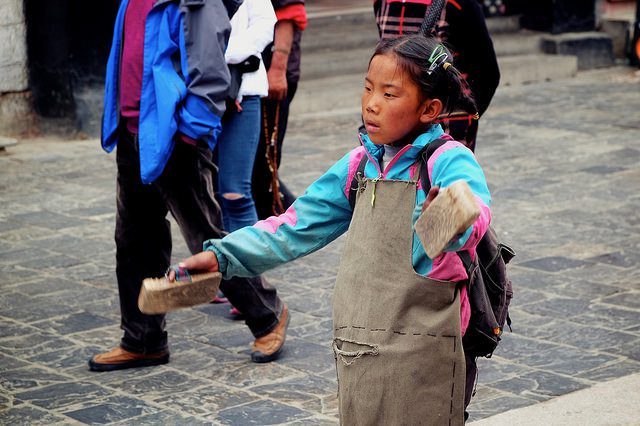
Tibet rests in a political hotbed in South Asia, and the effects of the decisions made by its neighbors can have unintended consequences on the proud region. Throughout the religious and diplomatic dilemmas, poverty in Tibet has long been a debilitating issue. Thanks to organizations like the UNDP, this problem is now being dealt with and has already improved the lives of half a million people.

– David Jaques

Photo: Flickr

March 28, 2018
https://borgenproject.org/wp-content/uploads/borgen-project-logo.svg 0 0 Borgen Project https://borgenproject.org/wp-content/uploads/borgen-project-logo.svg Borgen Project2018-03-28 01:30:402024-05-29 22:39:57Poverty in Tibet is Currently a Geopolitical Conundrum
Global Health, Global Poverty, Health, Poverty Reduction

Decreasing Global Poverty Can Help Increase Global Health

Decreasing global poverty can help increase global healthNearly half of the world’s population lives in poverty. Millions of people die every year from diseases brought on by starvation and dehydration. Many people in impoverished countries lack adequate food security and clean drinking water, which leads to rampaging water and foodborne diseases.
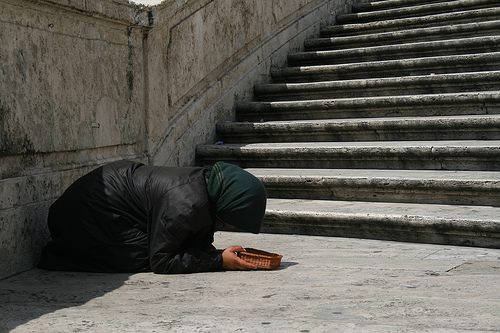
In many ways, bringing healthier, more sanitary conditions to impoverished countries can not only reduce poverty but also improve national health. When people are forced to live in unsanitary conditions with little to no medical care, diseases run rampant. Many of the diseases that are most common in impoverished areas can be easily prevented.

Decreasing global poverty is the top priority of many of the world’s leading health organizations. Decreasing global poverty can help increase global health.

Unsafe Drinking Water and Waterborne Diseases

Waterborne diseases are extremely common in impoverished areas, such as diarrhea, cholera, salmonella and hepatitis A. Easily contracted, waterborne diseases are caused by microorganisms entering the body from contaminated water.

In the past, Bhutan was considered to have some of the worst drinking water in the world. Many disease outbreaks have occurred in the country, such as bacterial diarrhea and typhoid fever, resulting in high mortality rates. However, in the last decade, the Bhutanese have made substantial efforts to improve their water supply. As of 2015, 100 percent of Bhutan’s people had access to improved drinking water sources. This has grown life expectancy in the country from 64.1 years in 2005 to 69.8 years in 2015.

Malnutrition and Vitamin Deficiency

The human body needs to take in a certain amount of vitamins and nutrients daily to sustain itself. In many impoverished countries, food security is nearly nonexistent. Also, many people in these areas suffer from a lack of resources, a lack of stable income and a lack of product.

Malnutrition can lead to a variety of diseases, including scurvy, rickets and pellagra. In many poverty-stricken countries, such as India, malnutrition is responsible for more than 15 percent of the disease burden. Since India has such a high poverty rate, many people do not have the funds or resources needed for quality nutrition.

This leads to a decrease in strength and a deficient immune system. India has been victim to many disease outbreaks over the years, most recently with the Zika virus in 2017. Malnutrition in India is most commonly seen in children under the age of five.

Over the last decade, India has steadily been getting richer, through poverty is still prevalent. With a decrease in the difference between classes and a more stable economy, India will be able to attain sustainable agriculture. This will increase food security in the country and decrease malnutrition. With stronger, healthier people, many countries can start decreasing global poverty.

Decreasing Global Poverty Leads to Better Living Conditions

By decreasing poverty in heavily stricken areas, living conditions will improve. People will be able to better financially support themselves and afford proper food, which will decrease malnutrition.

Decreasing global poverty can help increase global health. The two go hand in hand. By giving people more opportunities and ways to better themselves and their environment, we can continue decreasing global poverty and create a healthier world.

– Courtney Wallace

Photo: Flickr

March 27, 2018
https://borgenproject.org/wp-content/uploads/borgen-project-logo.svg 0 0 Borgen Project https://borgenproject.org/wp-content/uploads/borgen-project-logo.svg Borgen Project2018-03-27 07:30:382024-05-29 22:39:57Decreasing Global Poverty Can Help Increase Global Health
Global Poverty, Poverty Reduction

How to Solve Poverty in 10 Steps

How to Solve Poverty in 10 Steps
The fight against global poverty can be a discouraging one. The number of people suffering is hard to imagine for most middle-class families. While there is a multitude of poverty-stricken individuals, things are not entirely bleak. Poverty rates have been falling in recent years, and the word is getting out. People can make a difference in this fight with the right approach. There are answers on how to solve poverty, and time is showing us just how effective they are.

  1. Improve the training of farmers
    It is so important for developing countries that their agriculture is not only thriving but is sustainable. Teaching sustainable techniques to farmers is one of the ways that demonstrates how to solve poverty, because when a country’s natural resources are at their top potential, so is its economy. Teaching methods to sustain agriculture, investing in proper equipment and instructing farmers on more efficient practices will also improve the quality of life for the farmers themselves.
  2. Establish gender equality
    When asking how to solve poverty globally, a trend keeps popping up: many poverty-stricken countries lack gender equality. The fact is that when women are allowed to participate in the economy through new laws, social acceptance and proper child care for their family, the country thrives. Since roughly half of any country’s population is made up of women, it is not only arguably a moral obligation, but a practical solution for how to solve poverty. Gender equality can mean getting religious leaders involved, spreading awareness through the country’s media with women depicted as capable and even educating the women themselves on their rights.
  3. Ensure clean water
    Having access to clean water is a huge factor in a country’s welfare. Not only does it need to be safe to drink, but it needs to be closer to people’s homes. While most middle-class citizens can just turn on a tap for clean water to pour out of, many poor families spend hours just trying to find water, and it is not always entirely clean. Investing in clean wells and water systems can not only ensure the safety of a country’s citizens but can free up their time, allowing them to better participate in the economy
  4. Reinstate good healthcare
    When a person is healthy, they can go to work, participate in community events (like voting or meetings) and can better contribute to society. Making sure a country has good healthcare is essential to alleviating poverty. This involves widespread vaccinations, investing in better hospitals and resources, training medical professionals and improving hygiene on a national level.
  5. Make education a priority
    A huge factor in how to solve poverty involves education. Lifting a country out of poverty means educating its citizens not only on basics like math and science, but on proper hygiene, gender equality, educating females equally, economic factors and investing in resources for schools. To better the school system in developing nations, not only do the resources and school building need to be improved, but the teachers need to be trained properly and paid. Encouraging school attendance and teacher certification will create a more conscious society, more jobs and better-equipped citizens in the fight against poverty.
  6. Make international aid a bigger part of legislation
    Not all countries can lift themselves out of poverty without help. Most will need aid from wealthier nations. Making that happen through legislation will ensure that funds go towards the struggle against poverty and will improve the global quality of life.
  7. Involve all sectors of the government in the developing country
    When it comes down to it, a nation struggling with poverty needs all hands on deck to resolve it. They need to have educators, businessmen and lawmakers all involved. This will help identify problems in a range of areas and will ensure that as much support as possible is being given.
  8. People abroad and domestically need to speak up
    People in struggling countries need to vote if they can for initiatives to help solve poverty (things like education funding and gender equality laws), and those abroad need to vote to make poverty a focal point of legislation. The government looks to the people for what is important, and if enough people vote on something such as international aid, then it will become a focus.
  9. Direct aid needs to be given
    Throwing money at a problem will never solve anything. Funds need to go to a direct cause. Rather than giving a foreign government money for clean water, fund a well-building project. Rather than giving money to a country to hire more teachers, send teachers in to train some. Do not give money for a solution; give them the solution. This helps sidestep corruption and delay.
  10. Keep the national market open to trade
    Ensure that the governments abroad are staying open to trade with developing countries. This will help fuel the struggling nation’s economy and create more jobs for that country. In the end, the wealthy country gains a new trading partner, and the developing country gains a sustainable way to grow its economy.

While the questions revolving around how to solve poverty are complex and face dead ends at times, there are solutions to the problem. Making sure that a solution is not only effective but sustainable is a priority that always needs to be met. The fight continues and will continue to be fought until all necessary steps are taken.

– Emily Degn

Photo: Flickr

March 13, 2018
https://borgenproject.org/wp-content/uploads/borgen-project-logo.svg 0 0 Borgen Project https://borgenproject.org/wp-content/uploads/borgen-project-logo.svg Borgen Project2018-03-13 07:30:032019-11-29 14:34:53How to Solve Poverty in 10 Steps
Aid, Global Poverty, Humanitarian Aid, Poverty Reduction

Humanitarian Aid to Comoros Assists the Poor and Needy

Humanitarian Aid to Comoros Assists the Poor and the Needy
One of the least developed countries in the world, the Republic of Comoros has one of the highest population density in Africa. The three-island archipelago is located between Madagascar and Mozambique in the Indian Ocean, with a population of about 800,000 people.

A Country Hungry for Change

Between the 1997-2014 period, Comoros was the third country on the list of world’s hungriest countries. The Borgen Project reported in 2014 that Comoros was “one of nineteen nations still labeled as ‘alarming’ or ‘extremely alarming’ on the Global Hunger Index, leaving 870 million without food.”

According to the Index, countries with the lowest levels of food security (such as Comoros) are either engaged in or have recently emerged from war. Interestingly, Comoros ranked 159 (out of 188) on the United Nation’s Human Development Index in 2015.

Humanitarian Aid to Comoros

Aid organizations have aimed to provide health, relief and other humanitarian aid to Comoros. The Islamic Relief International Organization has assisted over 1 million people from 2006-2018, giving almost $3 million to uplift the poor and the needy. Almost $2 million has gone to establish health dispensaries and centers for men, women and especially malnourished children in the country.

Last year, Tadateru Konoé, the head of the International Federation of Red Cross and Red Crescent Societies (IFRC), visited Comoros and emphasized the development of humanitarian assistance efforts to bolster Africa’s island nations prone to natural disasters.

“More efforts should be made to boost domestic resource mobilization, building community resilience, and country-level policy dialogue between governments and local actors such Red Cross and Red Crescent Societies,” he said.

Earthquake Aftermath

After a 4.8 magnitude earthquake struck the Anjouan island in March 2014, heavy rains and deep fissures caused heavy infrastructure damage and cordoned off supplies from tens of thousands of people. United States Agency for International Development (USAID) and the Office of U.S. Foreign Disaster Assistance (OFDA) partners delivered emergency hygiene, water and sanitation supplies that provided relief to those displaced by the disaster.

In its Country Strategy Paper for Comoros (2008-2013), the European Union (EU) provided €63 million in total to tackle three major priorities as part of the 10th European Development Fund: governance, transport and education. Cyclonic rehabilitation was also added to the entire agenda, which comported Comoros’ development strategy as defined in the Growth and Poverty Reduction Strategy Document.

Aid for Children

Humanitarian aid to Comoros is also needed to protect children against sexual violence from their teachers in religious schools. The United Nations Children’s Fund (UNICEF) has supported legislation in the area of children rights, the fight against child labor and violence against women.

Grants from Global Partnership in Education and Education a Child have led to the rehabilitation of dozens of classrooms and construction of schools for children. UNICEF has also supported the government’s response to emergencies and ensured safe drinking water supplies, devising development plans that protected against possible outbreak of Ebola.

Reforming the Nation

The economy of Comoros is highly dependent on subsistence fishing and agricultural production. As the country lacks natural resources and a well-educated labor force, fiscal and structural reforms are necessary to promote the population’s long-term welfare.

The World Bank predicts that political stability in Comoros after the 2016 presidential elections will lead to increased economic growth and opportunities. As part of that effort, humanitarian aid to Comoros will be critical in both maintaining stability and prosperity in this burgeoning country, and benefitting the poor and the needy.

– Mohammed Khalid

Photo: Flickr

March 12, 2018
https://borgenproject.org/wp-content/uploads/borgen-project-logo.svg 0 0 Borgen Project https://borgenproject.org/wp-content/uploads/borgen-project-logo.svg Borgen Project2018-03-12 01:30:092024-06-08 03:58:36Humanitarian Aid to Comoros Assists the Poor and Needy
Global Poverty, Poverty Reduction, USAID

US Working to Reduce Poverty in Mozambique

U.S. working to reduce poverty in MozambiqueThe country of Mozambique, situated in southeast Africa, is ranked as of the world’s poorest nations. Since its independence from Portugal in 1975, this country has struggled to survive as a free nation. However, poverty rates are on the decline, with the U.S. working to reduce poverty in Mozambique.

One of the main causes of Mozambique’s extreme poverty rates is that following its independence in 1975, the country endured a civil war from 1977 to 1992. This war drained the country of its national resources. Shortly after the resolution of the civil war, the United States stepped in, providing much-needed aid to the hurting country. The United States is still Mozambique’s largest bilateral donor, giving an annual $400 million towards relief measures.

The United States and Mozambique both share a commitment to improving health, education and food security for the Mozambican people, which can be seen through the success of U.S.-funded programs.

For example, in 2000, after severe floods occurred in Mozambique, the United States provided assistance to 115,000 families to rebuild their homes. In addition, the PEPFAR program, supported by the United States, also works with the Mozambican government, saving hundreds of thousands of lives from the HIV/AIDS epidemic. The United States also provides for the future of the country through the Feed the Future program, educating farmers on how to develop their land to increase food production and therefore provide for their people, drastically reducing the hunger percentage.

All of these programs demonstrate the positive effects of the U.S. working to reduce poverty in Mozambique; however, there is still much that needs to be done, as the majority of the population still lives in extreme poverty. For every percentage point of economic growth between 1996 and 2009, Mozambique’s poverty rate only decreased by 0.26 percentage points. This is half of what other African countries have achieved in terms of poverty reduction rates.

The reason for this difference in numbers is because there is not an even distribution of funds among the Mozambican people. If Mozambique’s growth had been more equally shared between groups of people living throughout the country, an estimated two million additional people could have been lifted out of poverty.

Rural areas contain a much larger percentage of people living in poverty because of the difficulty in accessing relief methods provided to those in more urban settings. However, even with the uneven distribution of funds and other methods of aid, with the U.S. working to reduce poverty in Mozambique, things are looking up for the country.

Despite all of the struggles Mozambique has had to endure, its future is looking bright. Although it is ranked as having one of the world’s worst healthcare systems, the country has made significant progress in reducing mortality rates. Its economic success has also started to pick up the pace as seen in 2017, when the GDP growth rate increased 2.9 percent from the preceding quarter.

With numbers like these, it can be seen that Mozambique is slowly reducing the number of people living in poverty. However, it still relies on foreign assistance such as that from the United States, and it is vitally important to continue these relief methods.

– Adrienne Tauscheck

Photo: Pixabay

March 11, 2018
https://borgenproject.org/wp-content/uploads/borgen-project-logo.svg 0 0 Borgen Project https://borgenproject.org/wp-content/uploads/borgen-project-logo.svg Borgen Project2018-03-11 07:30:192024-05-27 09:21:12US Working to Reduce Poverty in Mozambique
Global Poverty, Poverty Reduction

10 Facts about Poverty in Colombia 

Facts about Poverty in Colombia 
Colombia is a beautiful country with a landscape marked by rainforests, Andes mountains and numerous coffee plantations, but poverty in Columbia remains a problem. Below are facts about Columbia’s poverty problem.

10 Facts About Poverty in Colombia

  1. The population living below the poverty line is 34 percent. Though the economic growth of Colombia is among one of the world’s emerging economies, more than three out of ten Colombians still live in poor conditions. Colombia is also the world’s seventh most inequitable country.
  2. Colombia’s unemployment rate grew to 9.4 percent in 2017, making it the country with the highest unemployment rate in Latin America after Venezuela. According to Colombia’s National Administrative Department of Statistics, another 8.5 percent of the population was underemployed in the last quarter of 2017.
  3. Colombia has been experiencing violent internal conflicts for more than 50 years. Since 1985, over 5.9 million Colombians have been displaced. People then migrate to urban areas and create informal settlements on the cities’ borders.
  4. There are about 3.8 million households, nearly 30 percent of all families in Colombia, that do not have adequate homes according to Ministry of Housing estimates. About 662,146 families are homeless, which is five percent of the population.
  5. Colombia’s informal settlements result in challenges. These include lack of access to basic services, poor structural quality and low accessibility to resources for the progressive construction of a house. There is a lack of secure land tenure, meaning people are building homes on land they don’t own. Informal settlements also result in limited access to social and health services, education and employment possibilities.
  6. Colombia has dealt with internal struggle for more than 50 years. According to The World Bank, if the country had found even 20 previous years of peace, the income per capita could have been 50 percent higher than it is now. Economic growth was responsible for over 70 percent of extreme poverty reduction between 2002 and 2013.
  7. More than 12.7 million people in Colombia live on less than $2 a day. According to Opportunity Colombia, an organization to enable marginalized people to engage in the local economy, only 2.5 percent of Colombians are using microfinance services.
  8. Additional facts about poverty in Colombia show that in rural areas, more than 7 million people are poor and 2 million are living in extreme poverty.
  9. The unequal distribution of the country’s wealth and welfare resources affects Colombian people and is a cause of poverty. The country’s income concentration is very high compared to the international averages. The per capita income of the richest ten percent is 46 times greater than those of the poorest ten percent.
  10. In 81 percent of poor rural homes in Colombia, there is no connection to the piped-water network. Additionally, 68 percent of the population suffers from overcrowding.

These facts about poverty in Colombia will help provide a better understanding of the social and economic situation in the country, as well as the progress made and the work that still needs to be done.

– Julia Lee

Photo: Flickr

March 6, 2018
https://borgenproject.org/wp-content/uploads/borgen-project-logo.svg 0 0 Borgen Project https://borgenproject.org/wp-content/uploads/borgen-project-logo.svg Borgen Project2018-03-06 07:30:192019-11-24 11:51:3610 Facts about Poverty in Colombia 
Global Poverty, Poverty Reduction

The World’s Poorest Countries and Why They Suffer

The World's Poorest Countries and Why They SufferAccording to Business Insider, the top ten of the world’s poorest countries are the Central African Republic, the Democratic Republic of Congo, Burundi, Liberia, Niger, Malawi, Mozambique, Guinea, Eritrea and Madagascar. Poverty is directly correlated to a nation’s institutional quality, corruption levels, geography and economic prospects. These sub-Saharan African countries suffer from several factors that keep their citizens well below the poverty line. Why do these nations struggle with poverty?


Institutions

The world’s poorest countries struggle to overcome poverty due to a lack of institutions. While many organizations are working to address this issue, there is still a substantial lack of quality institutions in education, agriculture and medicine. When institutions such as schools are created for impoverished people, it reduces the overwhelmingly low literacy rates, which increases opportunities for those facing extreme poverty. Funding the creation of more institutions for developing countries creates opportunities and advantages for impoverished people, which encourages a nation’s industrialization and economic success.


Corruption

Central African Republic and the Democratic Republic of Congo also made Business Insider’s list of the world’s most corrupt countries. Political instability and corruption create an environment that hinders growth. In the world’s poorest countries, political corruption is common and often discussed with severity, but rarely fought against. A strong governing body is less susceptible to corruption, but many of these nations have weak governance. This corruption, paired with conflict such as terrorism, can prevent an impoverished nation’s upward mobility. A stronger, more powerful government could be the solution for conflict and corruption in developing nations.


Geography

The world’s poorest countries are often at the mercy of their geography. Landlocking, poor soil and natural disasters can keep a nation at a disadvantage. When a nation is landlocked, the success of its economy is often correlated to the success of surrounding nations. For example, a landlocked country in Europe, where fewer countries are impoverished, has a better chance at success than a country in sub-Saharan Africa, where many nations are underdeveloped. This is based on the concept and reality of economic growth crossing borders. As well as landlocking, many of these nations experience disasters such as droughts which discourage agricultural success.


Economy

Economic growth for the world’s poorest countries is based on myriad factors, some of which are beyond a nation’s control. Many developing countries face the lack of a free market, landlocking and high trade barriers, all of which slow the upward mobility of a nation. Free markets encourage a blossoming economy; therefore, a lack of international trade affects a nation’s GDP substantially.

Trade barriers prevent developing countries from expanding their economic gains because they experience high tariffs on their products, which are commonly textiles and agricultural goods. Trade barriers are costlier for developing countries, even though it is more common for developing nations to export goods to other developing nations rather than industrialized nations. In this common situation, both developing nations suffer. Impoverished nations like Burundi, the third poorest nation in the world, rely on foreign aid from wealthy countries for survival because they struggle with trade.


How to Move Forward

Developed nations, which are industrialized, have implemented foreign aid laws and programs which encourage and fund the development of impoverished nations. To remain active and diligent in the support of progress for the world’s poorest nations, encouraging Congress to vote for laws that protect and create foreign aid funds is essential to the progress of these developing nations. Long-term development for economic and social progress starts with developed nations lending a humble hand to those less fortunate.

– Courtney Hambrecht

Photo: Flickr

February 22, 2018
https://borgenproject.org/wp-content/uploads/borgen-project-logo.svg 0 0 Borgen Project https://borgenproject.org/wp-content/uploads/borgen-project-logo.svg Borgen Project2018-02-22 07:30:512024-05-29 22:39:29The World’s Poorest Countries and Why They Suffer
Global Poverty, Poverty Reduction, United Nations

Three Organizations Working to Eliminate Poverty in Mexico

Poverty in Mexico

Poverty in Mexico, and crime as a result of that poverty, are well-known problems. In Mexico, there is a rising level of violence as well as stagnant wages and declining purchasing power.

In 2014, 53.2 percent of the country lived below the national poverty line by the broadest measure of poverty. This means they lack sufficient income to meet basic needs including food, health, education, clothes, housing, transport and more.

On average, Mexican laborers worked a total of 2,246 hours in 2015, the most of the 35 members countries of the Organization for Economic Co-operation and Development (OECD). However, those workers earned on average a total of only $14,867, the lowest in the OECD.

According to the U.S. Agency for International Development (USAID), Mexico received $338 million in aid that was broadly classified as economic development and military assistance in 2015.

The amount of foreign aid to Mexico varies each year but it has been about 0.7 percent of overall U.S. foreign aid since 2010. Overall foreign aid represents about 1 percent of the federal budget.

There are several initiatives that address poverty and seek to help those living in poverty in Mexico. Three organizations running initiatives like these are:

  1. Freedom from Hunger
  2. Un Techo para mi País (TECHO)
  3. Economic Commission for Latin America and the Caribbean (ECLAC)

Freedom from Hunger

Freedom from Hunger uses microfinance as a self-assist support tool to help the poor reduce the day-to-day uncertainties of cash management. It also promotes the delivery of integrated financial services to increase economic and food security of the poor in Mexico and Central America, especially for women and girls.

Freedom from Hunger also developed and promoted “value-added” or “integrated” microfinance programs that pair financial services with education and health protection.

The education programs engage women during microfinance meetings with practical skills to promote better health, nutrition, business and money management through the use of dialogue, story, song, demonstrations and pictures.

The organization has six specially designed e-learning courses to build the skills of microfinance institutions and to create a frontline group who can provide better financial training to their clients.

TECHO

TECHO is a youth led non-profit organization present in Latin America and the Caribbean. They seek to overcome poverty in slums through the collaborative work of youth volunteers with families living in extreme poverty in Mexico.

TECHO aims to have society as a whole recognize poverty as a priority and actively work toward overcoming it, doing so through three strategic objectives:

  1. The promotion of community development in slums to drive thousands of families to generate solutions to their own problems. 
  2. Social awareness and action, with emphasis on having committed volunteers and involving different social entities.
  3. Political advocacy that promotes structural changes to decrease poverty. 

ECLAC

ECLAC, also known in Spanish as CEPAL, is a U.N. regional commission encouraging economic cooperation. It works toward economic, social and sustainable development in Latin America and the Caribbean. It also reinforces economic ties to other countries and nations around the world.

With efforts toward eliminating poverty in Mexico, there can be a pathway toward a stronger, flourishing country.

– Julia Lee

Photo: Flickr

February 13, 2018
https://borgenproject.org/wp-content/uploads/borgen-project-logo.svg 0 0 Borgen Project https://borgenproject.org/wp-content/uploads/borgen-project-logo.svg Borgen Project2018-02-13 13:30:442024-12-13 17:57:42Three Organizations Working to Eliminate Poverty in Mexico
Developing Countries, Development, Global Poverty, Poverty Reduction

What Makes a Country Developed? Moving Past Poverty

what makes a country developedWhat makes a country developed? The commonalities between developed countries include an improved quality of life and greater access to basic necessities. Conversely, underdeveloped nations around the world also share common characteristics. Citizens suffer from preventable diseases, extreme poverty and lack of access to healthcare and clean water. Understanding the characteristics of underdeveloped countries can allow for a more strategic aid process to contribute to their development.

The former Secretary of the United Nations, Kofi Annan, said that a developed country is “one that allows all its citizens to enjoy a free and healthy life in a safe environment.” While this may be an oversimplified statement, it highlights key issues that must be addressed in order for a country to develop. Here are some characteristics of underdeveloped countries.

Low life expectancy 

While the life expectancy of developed countries is typically in the 70s and 80s, underdeveloped countries often have life expectancies in the low 50s. This is common in African nations and is due to high birthrates and low contraception use, poor access to health care and potable water, lack of education and disease. All of this can easily be prevented.

Many measures can raise life expectancy while decreasing overpopulation and deaths resulting from preventable diseases. This includes using technology to help medical clinics in rural areas, increasing the number of wells, utilizing solar sanitation systems, revamping national education standards and having a sharper focus on vaccines.

Poor education and literacy 

Similarly to life expectancy, literacy rates and educational systems are telltale signs of a developed country. While countries like Norway consistently maintain a 100 percent literacy rate, underdeveloped countries, such as Niger, maintain an estimated 19 percent. While primary school is mandatory for most of the world’s children, many drop out in underdeveloped countries. The lack of secondary and vocational education for children prevents them from entering the workforce later in life. This can be combated by revamping curriculum and teacher training and by enforcing internationally recognized standards.

Poverty rates 

The economy factors greatly into what makes a country developed. Lack of income prevents people from access to basic human rights such as clean water, food and preventable measures against disease. While only 15 percent of Americans live in poverty, over 60 percent in the Congo and neighboring countries do. With additional aid, underdeveloped countries can increase credit access and improve agricultural and infrastructural systems, which would produce food and create jobs simultaneously.

High fertility rates 

Overpopulation is another characteristic of underdeveloped countries. Lack of education and birth control have contributed greatly to high fertility rates. In countries like Chad, for instance, only five percent utilize contraception. It has contributed to high birth rates, a population in which the majority are adolescents and have low life expectancies. Better education and access to birth control can balance the booming population in underdeveloped countries.

It is clear that the steps to helping underdeveloped countries are simple. Healthcare, education and credit access contribute to what makes a country developed. By addressing the aforementioned issues, underdeveloped countries can take steps to develop further and contribute to eliminating global poverty.

– Eric Paulsen

Photo: Flickr

January 26, 2018
https://borgenproject.org/wp-content/uploads/borgen-project-logo.svg 0 0 Borgen Project https://borgenproject.org/wp-content/uploads/borgen-project-logo.svg Borgen Project2018-01-26 01:30:102024-05-29 22:30:08What Makes a Country Developed? Moving Past Poverty
Page 44 of 63«‹4243444546›»

Get Smarter

  • Global Poverty 101
  • Global Poverty… The Good News
  • Global Poverty & U.S. Jobs
  • Global Poverty and National Security
  • Innovative Solutions to Poverty
  • Global Poverty & Aid FAQ’s
Search Search

Take Action

  • Call Congress
  • Email Congress
  • Donate
  • 30 Ways to Help
  • Volunteer Ops
  • Internships
  • Courses & Certificates
  • The Podcast
Borgen Project

“The Borgen Project is an incredible nonprofit organization that is addressing poverty and hunger and working towards ending them.”

-The Huffington Post

Inside The Borgen Project

  • Contact
  • About
  • Financials
  • President
  • Board of Directors
  • Board of Advisors

International Links

  • UK Email Parliament
  • UK Donate
  • Canada Email Parliament

Get Smarter

  • Global Poverty 101
  • Global Poverty… The Good News
  • Global Poverty & U.S. Jobs
  • Global Poverty and National Security
  • Innovative Solutions to Poverty
  • Global Poverty & Aid FAQ’s

Ways to Help

  • Call Congress
  • Email Congress
  • Donate
  • 30 Ways to Help
  • Volunteer Ops
  • Internships
  • Courses & Certificates
  • The Podcast
Scroll to top Scroll to top Scroll to top