• Link to X
  • Link to Facebook
  • Link to Instagram
  • Link to TikTok
  • Link to Youtube
  • About
    • About Us
      • President
      • Board of Directors
      • Board of Advisors
      • Financials
      • Our Methodology
      • Success Tracker
      • Contact
  • Act Now
    • 30 Ways to Help
      • Email Congress
      • Call Congress
      • Volunteer
      • Courses & Certificates
      • Be a Donor
    • Internships
      • In-Office Internships
      • Remote Internships
    • Legislation
      • Politics 101
  • The Blog
  • The Podcast
  • Magazine
  • Donate
  • Click to open the search input field Click to open the search input field Search
  • Menu Menu

Archive for category: Life Expectancy

Global Poverty, Life Expectancy

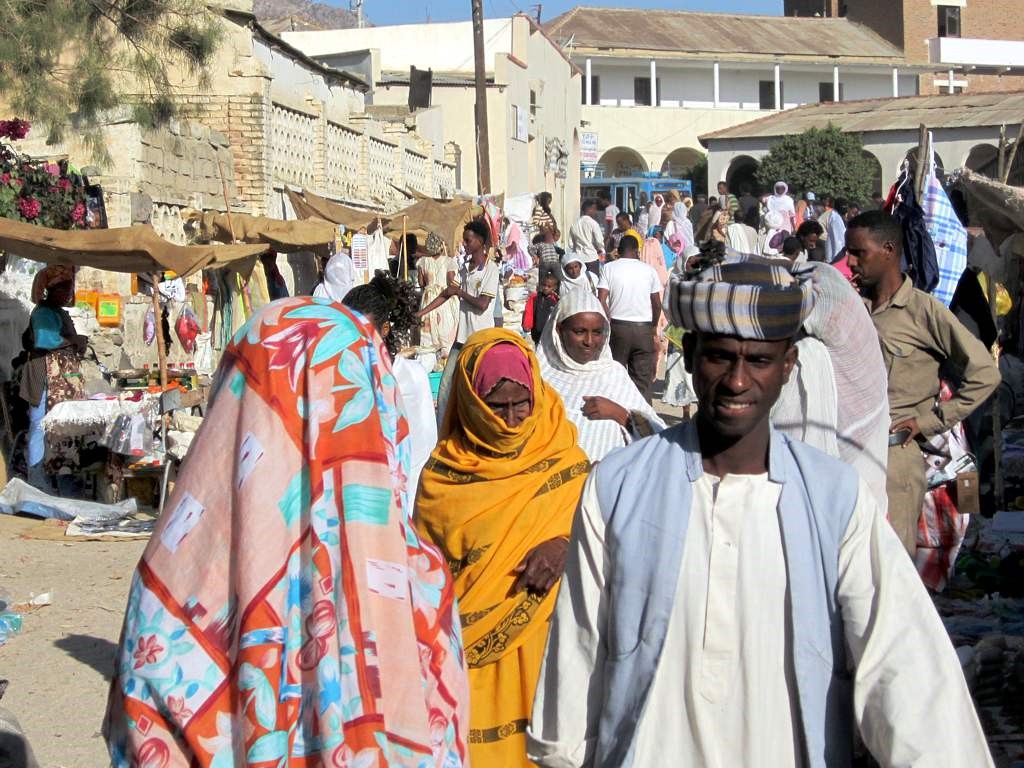
10 Facts About Life Expectancy in Eritrea

10 Facts About Life Expectancy in Eritrea
The average life expectancy in Eritrea is 65 years, nearly seven years short of the world average. Before getting to the 10 facts about life expectancy in Eritrea, here is some general background on the country’s health metrics. In 2000, life expectancy in Eritrea was only 55, meaning there has been a substantial improvement over the past two decades. However, Eritrea‘s growth has been comparatively less than neighboring Ethiopia, which increased from nearly 52 to 65.5 over the same period and surpassed Eritrea for the first time since 1970.

According to the WHO, despite political turmoil and high poverty rates, Eritrea has managed to improve its health resources. With the official end of the Ethiopian-Eritrean war in 2018, all signs seem to indicate that life expectancy in Eritrea will continue to increase in the coming years.

Still, Eritrea is a complicated country with past political and economic troubles that make its future uncertain. However, present trends may give insight into the future longevity of the country’s citizens. Here are 10 facts about life expectancy in Eritrea.

10 Facts About Life Expectancy in Eritrea

  1. Women live longer than men: Women, on average, live to be almost 68, whereas male life expectancy is only about 63.5. Even so, one problem that connects to women’s health in Eritrea is the lack of access to medical care during childbirth. About 70 percent of women give birth at home, which greatly increases the risk of complications. In addition, malnutrition poses serious problems for women who are breastfeeding, as it can cause both them and their children to be dangerously underweight.
  2. Health has not increased as much as lifespan in recent years: According to Charles Shey Wiysonge, though Sub-Saharan Africa has marked an up-tick in life expectancy over the past several decades, the average number of healthy years people live has shown smaller growth. This means that while people are living longer, their quality of life may remain more or less unchanged. When looking at health statistics, it is important not to celebrate prematurely.
  3. Eritrea has one of the lowest rates of HIV/AIDS in Sub-Saharan Africa: UNAID statistics show that Eritrea is one of the few countries in the region to have an HIV/AIDS prevalence rate of less than one percent. Sub-Saharan Africa’s average is 4.7 percent, while Eritrea’s is 0.6 percent.
  4. Eritrea’s first medical school opened in 2004: The Orotta School of Medicine in Asmara opened on February 16, 2004. The inaugural class included 32 students, six of whom were women. In addition, over the past several decades, Eritrea has steadily increased the percentage of its population with medical training. In a 2010 workshop supported by the World Bank and WHO, the country established goals to increase the overall number of health workers, increase retention rates, encourage a diverse mix of skills and improve access to technology. The country currently has 6.3 health professionals per 10,000 people. This is significantly above the world average of roughly 4.6.
  5. Eritrean youth frequently seek asylum in Europe: In 2015, 5,000 minors from Eritrea survived the dangerous crossing into Europe to request asylum. Though the number decreased to 3,500 in 2018, the fact remains that an outflux of the nation’s youth could affect average life expectancy. Moreover, the continued export of asylum seekers from Eritrea is indicative of considerable unrest among the population, which will likely impact future political attitudes towards things like public health.
  6. Infant mortality remains an issue: The infant mortality rate in Eritrea is 47 percent, and the under-five mortality rate is 89 percent. The country is attempting to address this, however. One of the U.N.’s Millennium Development Goals for Eritrea is to reduce child mortality. According to a 2002 report, Eritrea is on track to meet this and other goals in the near future.
  7. In 2019, the Eritrean government closed 22 Catholic-run health care clinics: According to a 1995 decree, all Eritrean social and welfare projects are to be state-run. The government recently used this precedent to justify the military seizure of the health clinics. BBC analysts believe the seizures to be a punishment for the Church’s call for governmental reform. As the clinics in question served some of the poorest sectors of the nation’s population, their closure has harmed overall health.
  8. The number one cause of death in Eritrea is tuberculosis: Despite increases in access to medicine and technology, tuberculosis remains Eritrea’s number one cause of death killing more than 600 people per year and affecting roughly 2,000. Neonatal disorders and diarrheal diseases also remain everyday challenges. However, since the country has made significant strides in reducing other areas of premature death and the prevalence of HIV/AIDS has dropped by nearly 58 percent, it stands to reason that the incidence of tuberculosis will decrease in the years to come as more medical training and technology becomes available.
  9. Malnutrition remains the number one risk factor for death and disability: Like much of Sub-Saharan Africa, Eritrea struggles with sufficient access to food, water and sanitation. In 2007, the top three factors to a disability or premature death were malnutrition, lack of access to clean water and sanitation and air pollution. This ranking remained unchanged in 2017, despite a decrease in the prevalence of almost 30 percent across all three areas. Eritrea has also made progress in other key health areas. Unsafe sex as a cause of health complications decreased by 47 percent over the 10-year period. Similarly, tobacco use dropped from the sixth to the ninth most prevalent risk factor for poor health.
  10. Per capita spending on health is poised to increase in Eritrea: According to healthdata.org, the per capita spending on health was $30 compared to the United States’ $10,000 per person. Though some project this number to almost double by 2050, the majority of health funding will likely still come out of pocket. Unless Eritrea takes action, this lack of funding may leave the poorest citizens of Eritrea vulnerable.

These 10 facts about life expectancy in Eritrea indicate that the country is a long way from solving the humanitarian crisis which continues to affect its population. However, these facts do give some idea of which areas the country is addressing successfully and which it is neglecting. Many aid organizations around the world are working hard to increase the standard of living in Eritrea and elsewhere in the developing world. It, therefore, seems likely that in the near future, life expectancy in Eritrea will rise significantly.

– Alexander Metz
Photo: Flickr
August 25, 2019
https://borgenproject.org/wp-content/uploads/borgen-project-logo.svg 0 0 Kim Thelwell https://borgenproject.org/wp-content/uploads/borgen-project-logo.svg Kim Thelwell2019-08-25 01:30:492024-05-29 23:11:0710 Facts About Life Expectancy in Eritrea
Global Poverty, Health, Life Expectancy

10 Facts About Life Expectancy in Israel

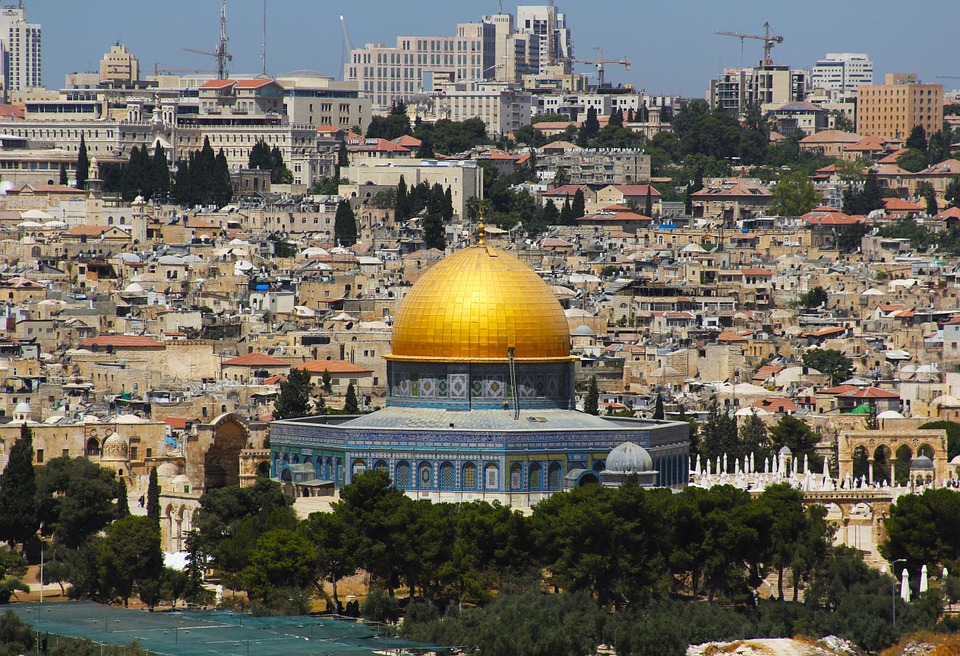
https://pixabay.com/photos/jerusalem-worship-history-holiday-597025/
Multiple Middle Eastern countries and the Mediterranean Sea surround the State of Israel. The nation declared its independence in 1948 after the British cabinet ended its rule of Palestine and the area could not be partitioned into Arab and Jewish States due to dissent from Arab groups. The day after the establishment of the State, this disagreement escalated into a civil war known as the 1948 Arab–Israeli War. Since Israel’s inception, conflict and bloodshed have plagued its history, including the Six-Day War in 1967 and Operation Badr in 1973. Yet today, Israel is the only democracy and technologically advanced economy in the Middle East. Reports show that Israel ranks high in various health indicators, especially life expectancy, yet there are still concerns for the nation’s well being. These 10 facts about life expectancy in Israel will provide insight into the country’s current state.

10 Facts About Life Expectancy in Israel

  1. Israel ranks 13th in worldwide life expectancy and research projects it to be seventh by 2040. The life expectancy at birth for Israeli citizens is 82.3 years, which is higher than the United States, United Kingdom, Canada, Germany and other highly developed nations. Many expect the lifespan of Israelis to increase as the country tackles issues such as air pollution.
  2. Israel’s infant mortality rate is lower than the average in the developed world. Up to one year after birth, Israel sees 3.4 deaths per 1,000 births and five maternal deaths per 100,000 births. These low rates can be attributed to Israeli’s highly regarded doctors, most of which train in the U.S. and then return.
  3. Israel is the largest recipient of U.S. foreign aid. Since World War II, the United States has provided Israel $142.3 billion in foreign assistance, most of which is military assistance. In 2016, the two countries agreed on a 10-year plan that provides Israel $38 billion in military aid. This includes $500 million in missile defense, including $70 million for the Iron Dome, which directly helps protect Israeli citizens from regional threats that endanger their lives
  4. Israel guarantees health care to all citizens as a fundamental right. A national health insurance law passed in 1995 provided universal coverage. In 2015, benefits such as psychotherapy and medication improved the provision of mental health care. Thus, no citizen suffers from an inability to access health care, which greatly improves life expectancy. For instance, the chance of dying from heart disease, stroke, cancer or diabetes at ages 30-70 is among the lowest in the world.
  5. Israel’s mandatory military service increases male life expectancy. In 2016, a study published by the Taub Center for Social Policy Studies in Israel discovered that mandatory military service for men over the age of 18 leads to improved physical fitness and adds more than three years to life expectancy.
  6. Diet contributes to Israel’s long life expectancy. Israelis generally adhere to the Mediterranean diet, which is high in fruits, vegetables, olive oil and fish.
  7. Despite high life expectancy, Israel faces a shortage of doctors and nurses. A report published by Israel’s Ministry of Health found that the nation’s numbers of doctors, nurses and hospital beds are declining. For every 1,000 people, there are only 3.1 doctors, placing Israel below the average of other OECD countries. As a result, doctors are immigrating from North America to lessen Israel’s shortage
  8. Poverty could also threaten life expectancy. An estimated 22 percent of the Israeli population lives below the poverty line. High housing and commodity prices exacerbate this issue, an increasing concern for many Israeli citizens. Although only .03 percent of the country is homeless, only a small number qualify for social services due to stiff criteria. As a solution, the OECD recommends increasing competition and efficiency in the economy, as well as investing in infrastructure and promoting skills, especially among socioeconomically disadvantaged groups. Therefore, Israeli leaders are calling for reforms to increase competition in the banking sector and boost the supply of housing.
  9. Gender equality can help reduce Israel’s poverty. One report from the OECD found that more female participation in the workforce can reduce economic inequality. Mark Pearson, the author of the report, said, “More women in work really does seem to have an effect on inequality.”
  10. Terrorism remains a constant, looming threat to Israeli lives. Since 1948, the total reported number of casualties from terrorist attacks include 3,705 killed and 14,736 injured. To help solve this constant threat, the country deployed the Iron Dome, an air defense system, in 2011, and Defense Minister David Ben-Gurion began a conscript army, the Israel Defense Forces, in 1948.

These 10 facts shed light on how factors such as Israel’s health care system and lifestyle contribute to its high life expectancy, while also highlighting areas for improvement. The life expectancy of Israel’s neighboring countries provides extra context for these facts, such as Egypt at 70.5 years. These 10 facts about life expectancy in Israel reveal why, despite recent challenges, the nation is an ideal model for other unstable Middle Eastern countries to strive toward and ensure longer, healthier lives for their citizens.

– Adam Bentz
Photo: Pixabay

August 24, 2019
https://borgenproject.org/wp-content/uploads/borgen-project-logo.svg 0 0 Kim Thelwell https://borgenproject.org/wp-content/uploads/borgen-project-logo.svg Kim Thelwell2019-08-24 07:30:512025-01-07 08:19:2710 Facts About Life Expectancy in Israel
Global Poverty, Life Expectancy

10 Facts About Life Expectancy in Belarus

10 Facts About Life Expectancy in Belarus
Belarus is a former member of the Soviet Union, located between Russia, Poland and Lithuania. Like most post-Soviet states, Belarus has experienced substantial economic and societal problems since attaining sovereignty. The country has developed under a dictatorship and today Belarus has virtually full employment and an official poverty rate of less than six percent. However, the country still faces significant obstacles to public health and economic development. Here are 10 facts about life expectancy in Belarus.

10 Facts About Life Expectancy in Belarus

  1. There is a Stark Gender Gap: The first of the 10 facts about life expectancy in Belarus is that the average life expectancy is 73 years, but there is a significant disparity in life expectancy between males and females. While women in Belarus have an average life expectancy of 79 years, men in the country live until only 67.8 on average. Non-communicable diseases are the leading cause of death in Belarus. While a genetic predisposition is typically the leading risk factor for non-communicable disease, lifestyle choices are commonly to blame in Belarus. The biggest risk factors for both Belarusian men and women are alcohol consumption, tobacco use and a lack of exercise.
  2. Alcoholism is a Major Problem: Belarus is one of the heaviest alcohol consuming countries in the world. In 2010, Belarusian males consumed an average of almost 29 liters of pure alcohol per capita annually. By 2016, this number was down to 18 liters per capita, which was still triple the global average. Alcohol abuse has concrete consequences for life expectancy in Belarus as alcohol consumption was the cause of over half of liver disease in Belarus in 2016.
  3. There is a Culture of Male Tobacco Use: Almost half of all adult men in Belarus smoke daily, while less than 10 percent of women do. Despite laws establishing an age minimum of 18 for purchasing tobacco, one in every 20 boys between 10 and 14 years old identified themselves as daily smokers in 2016 alone. That same year, tobacco use related to over a quarter of deaths from non-communicable diseases among males in Belarus.
  4. Men Often Die Early: Premature death is very common, particularly among males, skewing data for the average life expectancy for men in Belarus. In contemporary Belarus, an average of close to 40 percent of men dies prematurely between the ages of 30 and 70. Non-communicable diseases are the leading cause of death in Belarus, accounting for almost 90 percent of all mortalities and the vast majority of premature deaths.
  5. Belarus Guarantees Health Care: The Constitution of Belarus guarantees that the government will provide free, accessible health care to all Belarusians. This does not translate into universally free health care but does include free emergency care, vaccinations, hospital stays and childbirth. According to the 2019 Bloomberg Health Efficiency Index, Belarus ranks within the top 50 most efficient health care systems globally.
  6. Suicide is Prevalent: In 2019, Belarus had the fifth-highest suicide rate in the world. Further, men were reportedly six times more at risk than women. This is largely linked to alcoholism, which is far more common among Belarusian men than women.
  7. Premature Death Hurts Economically and Demographically: According to a 2018 report by the World Health Organization, the loss of productivity and government expenditure associated with premature deaths cost the Belarusian economy over five percent of its GDP every year. Belarus is one of the fastest shrinking countries due to its net population decline of 750,000 since 1990.
  8. Substance Abuse is a Rural Problem: Rural regions of Belarus, particularly those bordering Russia and Lithuania, experience many alcohol-related deaths at a disproportionate level. This is largely due to increased poverty, which fuels the widespread production of homemade alcohol. One of the first-ever studies on rural alcoholism and homemade alcohol took place in 2016, but due to its significant impact on life expectancy in Belarus, as well as its unregulated nature, the government has made the alcohol black market a legislative priority.
  9. Many Slavic Countries Have Similar Problems: Russia, Belarus’s closest ally, has higher rates of suicide, substance abuse and premature mortality than its neighbor. It has a similar gender gap in life expectancy and is also experiencing a decline in population. Belarus’ cultural, political and geographic proximity to countries like Russia, which have similar cultures of unhealthiness, strengthen may of its problems.
  10. The Government Has Made Steps: The government of Belarus has taken action recently to improve the country’s health standards. In 2018, the World Health Organization reported that the total alcohol consumption per capita had fallen to just 10 liters. In February 2019, the Belarusian president instituted new regulations on the tobacco industry in order to decrease its use, particularly around children.

These 10 facts about life expectancy in Belarus show that the tradition of substance abuse impacts the country’s life expectancy gravely, which Belarus largely ignored until recent years. Belarus’ robust health care system shows that the government has an interest in public health. Until recent years, state-run and international health organizations alike had difficulty combating the country’s culture of unhealthiness. This has become a clear governmental priority as reflected in the gradual shift toward more restricted access to tobacco and alcohol.

Since 2015, more studies on alcoholism in Belarus have published than ever before, and the issues of premature death and life expectancy have become common pieces of the national dialogue. Although Belarus has not yet definitively solved the problem of premature death and substance abuse, the country is certainly on the right path to reversing its health trends.

– Daniel Rothberg
Photo: Flickr
August 22, 2019
https://borgenproject.org/wp-content/uploads/borgen-project-logo.svg 0 0 Jennifer Philipp https://borgenproject.org/wp-content/uploads/borgen-project-logo.svg Jennifer Philipp2019-08-22 13:34:262024-05-29 23:11:1110 Facts About Life Expectancy in Belarus
Global Poverty, Life Expectancy, Sanitation

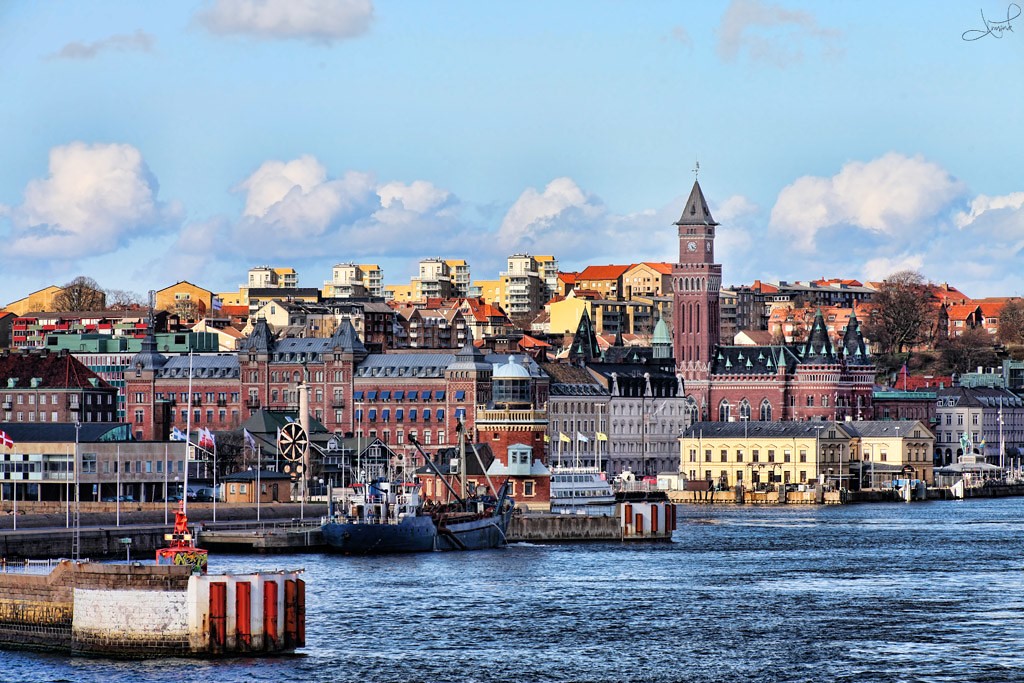
10 Facts About Life Expectancy in Sweden

Life Expectancy in Sweden
As one of the more progressive countries in the world, Sweden boasts multiple government agencies and nonprofit organizations actively working toward improving citizens’ health and longevity.  Sweden also possesses an efficient and well-equipped health care system. Thanks to these efforts, the country’s average life expectancy is improving. Below are 10 facts about life expectancy in Sweden, including current initiatives to continue improving the country’s average life expectancy.

10 Facts About Life Expectancy in Sweden

  1. The average life expectancy in Sweden is 82.2 years with men living an average of 80.3 years and women living an average of 84.3 years. Sweden has the 16th-highest life expectancy from birth in the world. The average life expectancy in Sweden is about four years more than the United States’ average life expectancy (78.6 years). The average, including every country in the world, is a little over 79 years.
  2. In the past century, the life expectancy of Sweden improved from about 55-58 years to 82-84 years, a significant jump of about 25 years.
  3. Citizens’ longevity is due in part to Sweden’s commitment to environmental cleanliness. The water quality is satisfactory; 96 percent of those included in a poll approved of their country’s drinking water. A lack of pollutants may also contribute to Sweden’s higher-than-average life expectancy.
  4. A sense of community helps many achieve a high quality of life in Sweden. Ninety-one percent of citizens report that they know “someone they could rely on in time of need.” Along with high voter turnout, the country’s civic engagement keeps citizens socially involved, enhancing their health and well-being.
  5. Sweden’s health care system has one of the highest rankings in the world. The country’s universal health care system enables those in poverty to access important services for themselves and their families. Affordability of services is crucial for many citizens and Sweden is only improving in this regard.
  6. Life expectancy is improving thanks to efforts to curb self-harming behaviors and remedy preventable lower respiratory infections. As the country’s health care system improves, the rates of premature death from preventable causes are declining for those in poverty. Premature death from lower respiratory infections has decreased by 49 percent from 1990 to 2010.
  7. The Public Health Agency of Sweden commits to improving the lives of Swedish citizens. A recent study showed the effectiveness of vaccines for children. Since Sweden offers universal health care, children from varying socioeconomic backgrounds receive the medical treatment they need. New studies are being conducted to measure the effectiveness of treating boys for human papilloma virus (HPV), even though the virus normally afflicts girls. These studies help Sweden continue to improve life expectancy for all its citizens.
  8. Seven percent of Swedes live below the EU’s poverty threshold. This is lower than the average of people living below the poverty threshold in other EU countries (10 percent). While the poverty rate has remained relatively unchanged in recent years, efforts to reduce the poverty rate and enhance life expectancy are growing. The Swedish International Development Cooperation Agency, or Sida, is a Swedish government agency that functions to eliminate global poverty. In the fight to end poverty domestically and abroad, Sida makes enhancing life expectancy a priority in its humanitarian work. The agency is public under the jurisdiction of the Swedish Ministry for Foreign Affairs.
  9. In Sweden, government grants and municipal taxes fund the majority of elderly care. The country’s health care system subsidizes its elderly citizens for medical care. In different municipalities throughout the country, elderly patients can request in-home caregivers or relocation to live-in facilities that provide medical services.
  10. Easy access to sanitation has also helped Swedes live longer than the world average. Just over 99 percent of the urban population has access to sanitation, while 99.6 percent of the rural population have such access. No matter where one lives in the country, Sweden offers sanitation to all citizens, improving the overall life expectancy of Sweden.

The Swedish government involves a large body of agencies dedicated to providing the best health care to its citizens. As a result, life expectancy in Sweden is one of the best in the world. Even those living below the poverty line can still access the services they need, and the life expectancy of all Swedish citizens is improving.

– Aric Hluch
Photo: Flickr

August 22, 2019
https://borgenproject.org/wp-content/uploads/borgen-project-logo.svg 0 0 Jennifer Philipp https://borgenproject.org/wp-content/uploads/borgen-project-logo.svg Jennifer Philipp2019-08-22 08:11:272024-05-29 23:11:1010 Facts About Life Expectancy in Sweden
Education, Global Poverty, Life Expectancy

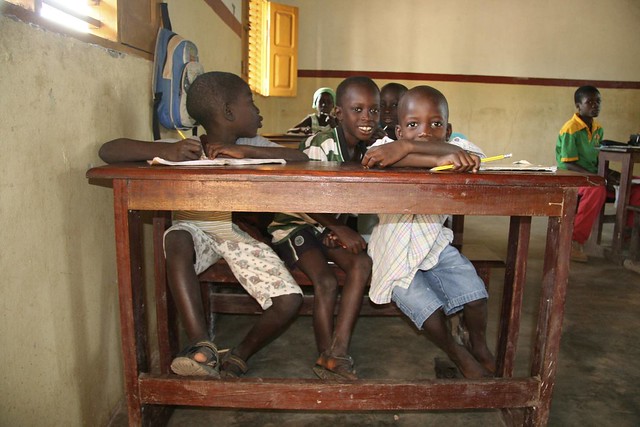
Top 10 Facts about Living Conditions in Guinea-Bissau

Top 10 Facts about Living Conditions in Guinea-Bissau

Once considered as a possible model for African development, Guinea-Bissau is now one of the poorest nations in the world. The nation has struggled to recover from instability created by a string of military coups in the 1980s. Now, the population is crippled with human trafficking, poverty and low literacy rates. Here are the top 10 facts about living conditions in Guinea-Bissau.

Top 10 Facts about Living Conditions in Guinea-Bissau

  1. Guinea-Bissau’s population is among the poorest in the world. In 2017, the nation’s GDP per capita was $1,700, ranking it 178 out of 214 nations. The main source of income is substance farming of products like cashews, coconuts and Brazil nuts. Those three crops account for 92 percent of the country’s exports. Furthermore, 67 percent of the population lives below the global poverty rate, 20.7 percent do not have access to improved water sources and more than three-quarters of the population lives in areas without improved sanitation.
  2. Healthcare is exceptionally rare in Guinea-Bissau. Diseases such as HIV, cholera, malaria, typhoid fever and yellow fever are rampant. Almost all medical facilities are located in the capital. There is only one hospital bed per 1,000 inhabitants. These facilities are highly inadequate and poorly funded as medicine only accounts for 5.6 percent of the GDP.
  3. Bissau-Guineans have an average life expectancy of 61.4 years. The nation’s life expectancy ranks among the lowest in the world. High infant and maternal mortality rates contribute to low life expectancy. There is little medical help for giving birth, making it very dangerous. In fact, one in every 19 mothers dies in childbirth. The infant mortality rate is among the highest in the world at 54.8 per 1,000 births.
  4. Caritas Internationalis has a strong presence in Guinea-Bissau. The organization was established in 1982 and operates 41 parishes and missions across Guinea-Bissau. Caritas assists in healthcare accessibility, job training, food security and emergency support. Its most impressive feat was the establishment of 24 different nutritional rehabilitation centers, which monitor vulnerable children and provide support for struggling parents.
  5. As a whole, education is seriously underfunded, accounting for roughly 2.1 percent of the nation’s GDP. Only 60 percent of the nation is literate. However, fewer than half of Guinean-Bissau women are literate. There are two universities throughout the country and several vocational schools. While education is supposed to be compulsory, only 65 percent complete the basic level of primary education. Instead of going to school, many children work to help provide an income. In 2017, 169,200 children between the ages of 5 and 17 were working.
  6. Children suffer from malnutrition. Anywhere from 11 percent to as high as 51 percent of Bissau-Guineans are food insecure, causing malnutrition. Roughly 15,000 children do not have enough to eat. Malnutrition has serious effects on a growing body. A lack of calories leads to underdevelopment, stunted growth and weakens the immune system.
  7. Of all the top 10 facts about living conditions in Guinea-Bissau, human trafficking presents the most danger for the developing country. For boys and girls alike, human trafficking is an unfortunate reality. Many boys who attend Quranic schools end up being forced into begging or labor by corrupt leaders of these Quranic schools. Traffickers have little trouble moving these boys through Guinea-Bissau’s weak borders. Bissau-Guinea girls suffer from sex trafficking and forced street vending. Many girls are recruited believing they will be models, but they are forced into prostitution instead. The government is on the Tier 2 watchlist, meaning it does not meet the standards for human trafficking, but it is making changes. In 2015, the government identified a single trafficking victim for the first time in 10 years.
  8. In March, Guinea-Bissau held a peaceful and successful voting day for the national assembly. U.N. officials hope that this vote will finally put an end the political turmoil that has plagued the nation since 2015 when then-President José Mário Vaz dissolved the government. This election was one of the final steps taken by the U.N. Integrated Peacekeeping Office in Guinea-Bissau (UNIOGBIS). This office aimed to reform Guinea-Bissau’s political structure as well as reinforce and rebuild political authority.
  9. Voz di Paz and the U.N. Peacekeeping fund are working together to empower women in Guinea-Bissau. Child marriage is a problem with 24 percent of women between the ages of 20 and 24 being married before they were 18. Furthermore, 45 percent of women ages 15 to 49 have undergone genital mutilation. The organization Voz di Paz is looking to kickstart culture change. In 2017, Voz di Paz consulted with women across Guinea-Bissau and identified four obstacles that hinder women. These obstacles are social pressure to conform to norms, the distortion of differences between men and women in politics, weak female solidarity and a lack of women within the Defense and Secretary forces. Voz di Paz presented this information at a conference with 50 participants from different communities. The result of the conference was a film produced in January 2018.
  10. The NenitaSá Engineering Foundation seeks to boost education and technology skills. One of their main projects is the STEM after-school club. Through this club, NenitaSá hopes to elevate Bissau-Guinean children’s skills in the engineering field, allowing them greater opportunities to find jobs throughout the world. On a large scale, NenitaSá hopes to increase education levels across Guinea-Bissau, especially for women.

These top 10 facts about living conditions in Guinea-Bissau reveal that its citizens are struggling. However, international organizations are taking notice and are striving to institute positive change in this small, West African country.

– Andrew Edwards
Photo: Flickr

August 18, 2019
https://borgenproject.org/wp-content/uploads/borgen-project-logo.svg 0 0 Kim Thelwell https://borgenproject.org/wp-content/uploads/borgen-project-logo.svg Kim Thelwell2019-08-18 01:30:202024-06-06 00:26:22Top 10 Facts about Living Conditions in Guinea-Bissau
Global Poverty, Life Expectancy

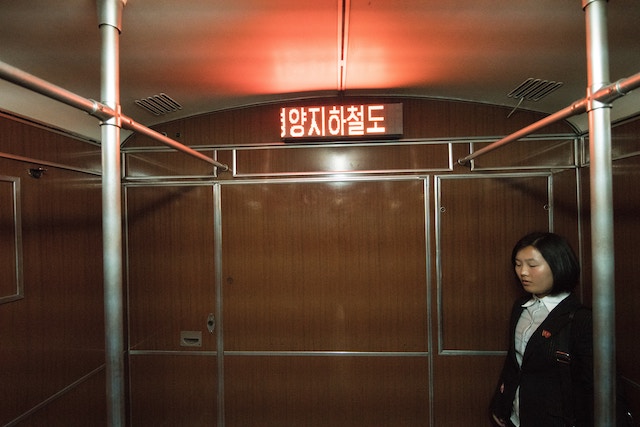
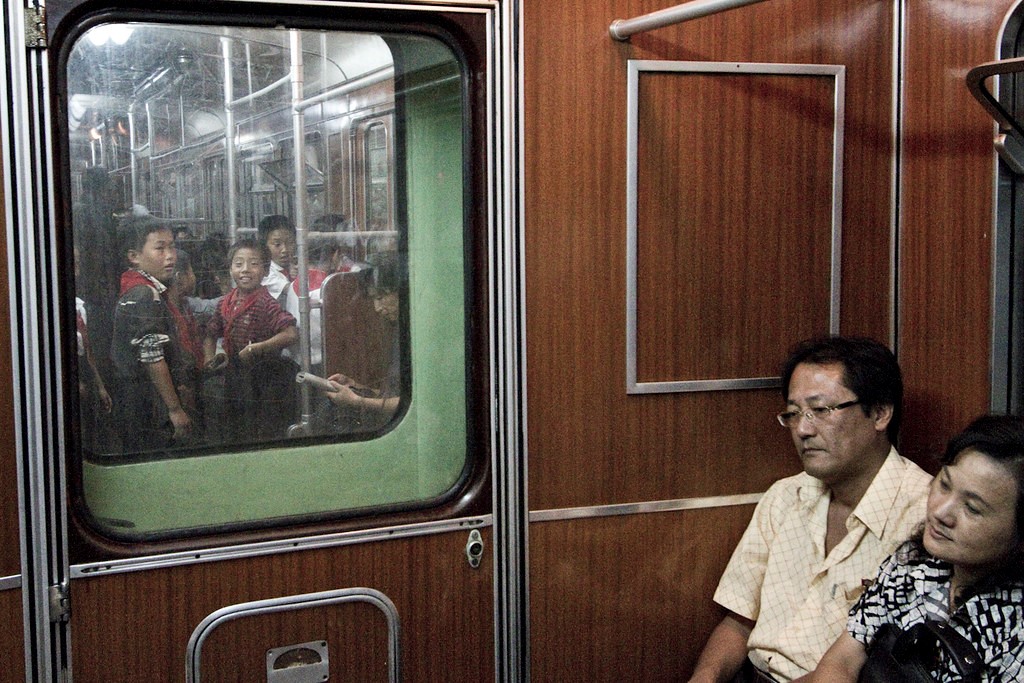
10 Facts About Life Expectancy in North Korea

life expectancy North Korea

Korea was divided into the Democratic People’s Republic of Korea in the north and the Republic of Korea in the south due to opposing political ideologies. Before the 1990s, the World Bank estimated that the life expectancy of North Korea was similar to that of South Korea. Men were expected to live to 65.9 years, and women 73 years. Here are 10 facts about life expectancy in North Korea that will list what factors have had the largest impact on the growth or decline or this rate.

10 Facts About Life Expectancy in North Korea

  1. The 1991 collapse of the Soviet Union in Russia led to an economic decline that ultimately decreased North Korea’s life expectancy. This decline was the direct cause of the mid-1990s famine in North Korea, which caused a mortality crisis that lowered its life expectancy by 5.6 years in men and 4.7 years in women.
  2. Though North Korea shares a similar issue with South Korea regarding mortality rates among small children and adults older than 55, the famine-affected North Korea more heavily, leading to a gap between the two countries of 11.14 years among men and 9.90 years among women by the year 2008.
  3. Currently, North Korean men are expected to live to 68.2 years and female life expectancy is 75.5 years. This places the country as 103 on the ranking of life expectancy rates. Unlike several countries in the top 10, North Korea’s national leading cause of death is not suicide, but rather stroke. This is also different from its leading cause for the life expectancy gap between North and South Korea, which is infant mortality.
  4. South Koreans may live longer, but North Koreans have more babies. For the past decade, South Korea has struggled to boost its birth rate, hitting an all-time low in 2017 with only 1.05 births per woman. In comparison, North Korea had a birth rate of 1.91.
  5. Food shortages were thought to be the primary reason why North Koreans also fell behind South Koreans in terms of height, with an average difference of 3-8 cm. Some originally thought that this difference was the result of genetics, but Professor Daniel Schwekendiek from Sungkyunkwan University in Seoul rejected this claim. Additionally, Schewekendiek disproved the theory that North Korean refugees are shorter as a result of poverty. The height difference can provide some insight into the correlation between a person’s height and their life expectancy.
  6. North Korea has directed the majority of its funds to its military. An estimated 25 percent of the nation’s GFP is going into these programs. A major cause of young men leaving the workplace is that most take part in some form of military training. As a result, although 40 percent of its population currently lives below the poverty line, North Korea has the world’s fourth-largest army.
  7. North Korea ranks pretty low among countries in terms of carbon emissions. In 2013, North Koreans kept their emissions to 63.8 metric tons while South Koreans put out more than 10 times as much with 673.5 metric tons. This gap has been one of the most significant factors of North Korea’s recent rise in life expectancy. While there are still debates about a nation’s level of carbon emissions and its overall effect on the world, a lot of studies have proven that there is a relationship between carbon emissions, life expectancy and income.
  8. North Koreans struggle with poverty. Citizens of nations with low carbon emissions are predicted to be unable to achieve higher levels of income. This is because these low-emission nations tend to have a stronger focus on exporting goods in order to keep its economy afloat. While these low carbon emissions provide a healthier territorial range for its citizens, without a moderately sufficient and independent economy, the majority of North Koreans still remain in lower-income levels of poverty.
  9. North Koreans have attempted to redirect their focus to their country’s nutrition and health problems. The government has taken steps to increase the number of young children receiving Vitamin A supplements in order to combat the effects of North Korea’s many food shortages. The World Health Organization encouraged the consumption of Vitamin A in 2000. Additionally, North Korea has mandated that nutrition be a part of medical curricula.
  10. In the past, North Korea has prided itself on being a self-reliant country. However, this attitude has been theorized to be the primary cause of the nation’s chronic food shortages since the nation was reluctant to request international food aid. However, after the North Korea’s 2008 population census revealed its significantly poor health conditions, North Korea began a collaboration with the World Health Organization Centre for Primary Health Care Development to improve the nation’s poor health situation.

North Korea’s reclusive and secretive nature means that there is still a lot that remains unknown. However, these 10 facts about life expectancy in North Korea provide some insight into what areas may need more attention from the country’s government and international human rights organizations.

– Jordan Melinda Washington
Photo: Unsplash

August 17, 2019
https://borgenproject.org/wp-content/uploads/borgen-project-logo.svg 0 0 Kim Thelwell https://borgenproject.org/wp-content/uploads/borgen-project-logo.svg Kim Thelwell2019-08-17 01:30:482024-05-29 23:09:4610 Facts About Life Expectancy in North Korea
Global Poverty, Life Expectancy

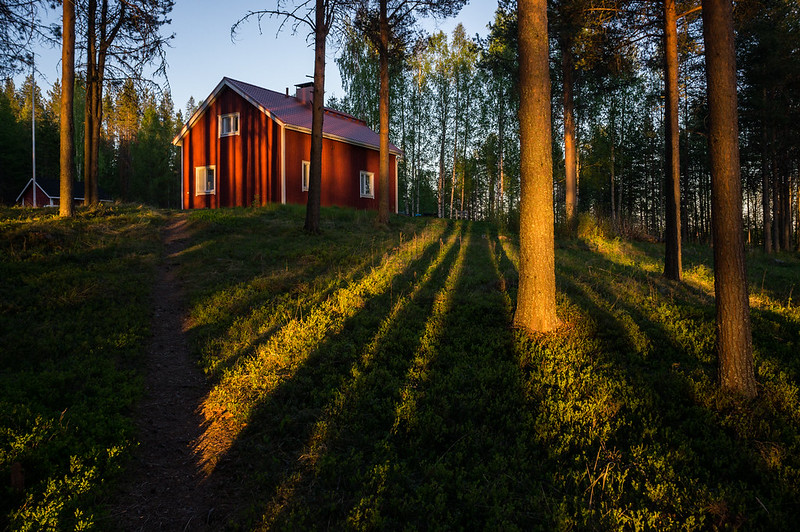
10 Facts About Life Expectancy in Finland

Life Expectancy in Finland

There is much to love about the country of Finland. It’s combined geography of scenic seaside towns and expansive forests, along with rich history and unique architecture, make it a naturally attractive travel spot. But it seems to offer even more to those who call it their home. Finland is consistently cited as a model for health and happiness, with studies consistently ranking it as one of the best places to live and heralding its’ social services as some of the finest in the world. There can be some benefit in looking at what this country is doing right, and how its’ successes might be applicable elsewhere.

10 facts about life expectancy in Finland.

  1. Finland led the World Happiness Report in 2018: The World Happiness Report ranks 156 countries on the happiness of their citizens based on collective surveys, and Finland has continually been in the top five, even taking the top spot in 2018.
  2. Finland has one of the lowest maternal mortality rates: This is one of Finland’s most notable successes and one that can be seen as a gauge to the health of the country and quality of life overall. Finland offers maternity packages to new mothers that include necessary supplements and even a bed for the child, along with free clinic visits and social services before and after the pregnancy.
  3. Sudden Infant Death Syndrome (SIDS), the unexplained death of a seemingly healthy baby during sleep, is extremely rare in Finland: There were only six deaths from SIDS in Finland in 2015. Part of the credit for this goes to interventions such as advising the avoidance of parents sleeping in the same bed as their baby and, as mentioned above, even providing baby’s first bed to enable this. 
  4. The Finnish government negotiates the cost of medicines: A list of ten facts about life expectancy in Finland would be remiss without mentioning its’ most well-known success story, its healthcare. To anyone in the U.S., this particular aspect of Finnish healthcare may seem almost unimaginable, but in Finland, large pharmaceutical companies do not have the same pull as they do in the U.S.
  5. The average life expectancy is 81.4: To put this in perspective; its’ neighbor Russia’s life expectancy is a full decade lower, at 71.5.
  6. Finland has experienced a major increase in life expectancy for men: While women’s life expectancy has also continued to increase in the country, men have made the greatest jump in recent years. In the past three decades, the life expectancy for men increased by eight years and for women, by five and a half.
  7. Children receive free school meals: This critical but often overlooked element of grade school education is a major and necessary benefit to ensure every student can put their focus on learning. Save the Children has ranked Finland as the third-best country for children.
  8. Finland has made progress in driving down cardiovascular diseases: While alcohol-related illness and obesity remain major challenges for the country, the number of heart disease-related deaths has gone down, due in no small part to a reduction in tobacco use. From 2000 to 2014, the number of adults who use tobacco in Finland went down by a full 8 percent. In addition to bans on public smoking and regulating sales, Finland hopes to completely ban tobacco by 2040.
  9. Finland has a lower housing cost than all of its’ neighboring countries: Though some of the more densely populated areas of the country (such as Helsinki) can be more expensive, the country as whole houses its citizens more cheaply, which in turn drives down the cost of healthcare and everything else.
  10. Finland has the lowest wage inequality in the EU: Wage inequality is a detriment to workers in any place it exists. Workers in the highest financial bracket in Finland earn 2.7 times more than those in the lowest. Take Estonia for perspective on this, where the highest earners make more than five times those in the lowest bracket.

– Mike Gates
Photo: Flickr

August 8, 2019
https://borgenproject.org/wp-content/uploads/borgen-project-logo.svg 0 0 Jennifer Philipp https://borgenproject.org/wp-content/uploads/borgen-project-logo.svg Jennifer Philipp2019-08-08 09:17:142019-12-17 14:37:4710 Facts About Life Expectancy in Finland
Global Poverty, Health, Life Expectancy

10 Facts About Life Expectancy in North Korea

Life Expectancy in North Korea

North Korea formed in 1948. With Japan’s surrender in World War II in 1945, the nation divided in two, with the Soviet Union occupying the north and the United States occupying the south. Efforts at reuniting the nation in 1948 failed, resulting in the formation of two distinct governments: the Democratic People’s Republic of Korea in the north and the Republic of Korea in the south. Soon after the advent of the nation, Kim Il-sung seized control of the northern government and his family has remained in control for three generations. This rule has had a significant impact on life expectancy in North Korea.

The nations have since grown farther apart, culturally and politically. Though South Korea has improved vastly, North Korea remains elusive with minimal information publicized by an oppressive government. As international policy with North Korea enters a new era, the country comes further and further into the light. Even knowing 10 facts of life expectancy in North Korea may provide insight into the quality and direction of life in the nation.

10 Facts About Life Expectancy in Korea

  1. The life expectancy of North Koreans is 71 years. As a result, North Korea has the 157th longest life expectancy of the 224 nations in the CIA Factbook. The average for men is 67.2 years and 75 years for women. Life expectancy had been gradually rising since the country’s formation until the 1990s when it faced a sharp downturn due to a severe famine. The country’s life expectancy began to improve later in the decade and has since slowly continued to rise.
  2. North Koreans live shorter lives than South Koreans. South Korea has a life expectancy of 82.5 years, standing at 11th longest in the world. Both countries’ expectancies grew at similar rates in the late 1970s to early 80s with the North Korean growth rate slowing before and after due to food shortages. Food shortages continue to be a bane on North Korean health. High infant death rates in North Korea further causes the gap between South and North Korean life expectancy. North Korea suffers an infant mortality rate of 21.4 deaths per thousand births. South Korea’s birth rate averages three deaths per thousand. The South Korean National Statistical Office predicts that North Korea’s infant mortality rate will drop to 7.1 in 40 years.
  3. Forty percent of the 24 million in Korea live in poverty. The average GDP per capita is $1,700, leaving North Korean citizens standing at 214th wealthiest in the world. These civilians have severely restricted access to food and heating, leaving their health at risk. Many use wood fire to heat their homes or live without flushing toilets.
  4. North Korea does not guarantee health. Though North Korea claims to offer free health care, many die due to an inability to pay medical expenses, as patients must pay for their own heating, food and medicine. Though there are a greater number of doctors in North Korea than South Korea, they do not receive payment. Due to food insecurity, digestive issues and anemia are rampant across the country. Additionally, sufferers often cannot obtain the necessary treatment since underfunded hospitals have to ration or reuse medicine.
  5. North Korea suffers regular blackouts. Though coal experts largely support the country’s economy, North Korean power is far from reliable. Hospitals suffer from regular blackouts and loss of heat, limiting working hours to daylight and making for poor recovery conditions.
  6. North Korea has been fighting a tuberculosis epidemic for decades. Medical professionals diagnose 82,000 new tuberculosis cases per year and 15,000 people die from it. While the country had an anti-TB campaign launched in the 1970s, it lost traction with the 1990s famine. The Eugene Bell Foundation has been providing large-scale multi-drug resistant TB treatment throughout North Korea, curing over 70 percent of those it offers treatment to, compared to the world treatment success rate of 50 percent.
  7. North Korea suffers from severe food shortages. This fact about life expectancy in North Korea may be the most defining. On average, North Koreans consume only 2,094 kilocalories per day, well below the Food and Agriculture Organization’s recommended 2,500 kilocalories and the world’s average of 2,870 kilocalories. Meat is a luxury for most of the population, who subsist on kimchi—a fermented lettuce dish—corn, rice and porridge. In 2015, Ghulam Isaczai, the U.N. Humanitarian Coordinator for North Korea, said that two million children, pregnant women and elderly North Koreans suffered from malnourishment.
  8. The North Korean government maintains one of the largest militaries in the world. North Korea has the 52nd largest population and fourth-largest national military in the world. The country spends one-fourth of its $40 billion GDP on its military. Men and women must serve in the military after turning seventeen, with a 10-year minimum for men. During this service, soldiers maintain exhaustive conditions, serving 15-hour days with only 750-800 grams of food.
  9. The North Korean government expresses a desire to improve its quality of life. In 2016, the nation launched a five-year plan to promote growth across all sectors of the nation. North Korea has passed several pieces of human rights legislation, such as the Convention on the Rights of a Child—which eliminates the worst of child labor, among other protections—and has permitted for U.N. supervisors to enter the country. However, the government does not fully oblige to promises made in these treaties.
  10. North Korea continues to be a focus of international rights policy. The Human Rights Council has been in unanimous agreement that North Korea must cease its human rights offenses. In addition to the Convention on the Rights of a Child, North Korea recently passed four other human rights bills to protect women and the disabled, two groups especially affected by North Korean living conditions. These bills will also focus on protecting general citizen rights. While no one can make a clear quantification of progress, as North Korea has not released a state report, Yoon Yoo-sang of South Korea’s Database Centre for North Korean Human Rights says that they have seen improvements in health care and food supply in the last two decades.

The 10 facts about life expectancy in North Korea are distressing, but not hopeless. North Korean life expectancy falls short for a vast array of causes such as natural causes, famine and insufficient medical program funding. Still, life expectancy rises. People should not ignore the gains by the populace—instead, these accomplishments may provide a glimmer of insight to the people behind the heavy veil of government.

– Katie Hwang
Photo: Flickr

August 6, 2019
https://borgenproject.org/wp-content/uploads/borgen-project-logo.svg 0 0 Jennifer Philipp https://borgenproject.org/wp-content/uploads/borgen-project-logo.svg Jennifer Philipp2019-08-06 11:11:162024-05-29 23:09:4710 Facts About Life Expectancy in North Korea
Global Poverty, Life Expectancy

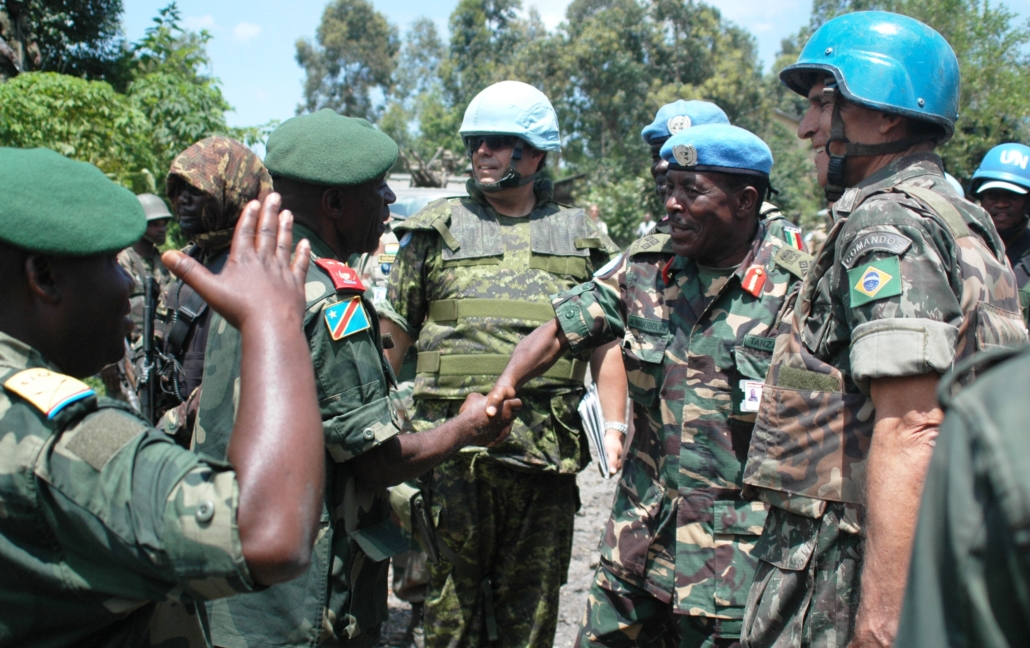
Life Expectancy in the Democratic Republic of Congo

Life Expectancy in the Democratic Republic of Congo

Major, violent conflict and extreme, rampant poverty have gripped the Democratic Republic of Congo, a large nation in the center of Africa. The Congolese people have faced decades of government and humanitarian failures that have greatly impacted their quality of life. These 10 facts about life expectancy in the Democratic Republic of Congo paints the circumstances the nation faces as well as the human impact of its problems.

10 Facts About Life Expectancy in the Democratic Republic of Congo

  1. The Democratic Republic of Congo has a male life expectancy of 59 years of age and a female life expectancy of 62. The overall average life expectancy in the Congo in 2017 is 60 years of age. This average ranks the Congo far below the worldwide average and illustrates the dire situation in the nation.
  2. The probability of dying under five years of age is 9.1 percent. According to the World Health Organization, 91 out of 1000 births in 2017 died before reaching the age of five years old.
  3. The probability of dying between the ages of 15 and 60 is between 28.1 percent and 23.2 percent. A quarter of the population of the Congo dies before reaching 60 years old. Two hundred and thirty-two females out of 1000 die before 60 while 281 out of 1000 males die.
  4. The ongoing Congolese civil war greatly affects children. One of the most undeniable factors affecting the life expectancy of the Congolese people is the Congo Civil War. While everyone in the nation has suffered due to the conflict, the practice of child soldiers may be a reason for limited life expectancy. According to the Human Rights Watch, the Congo’s military enlisted children “between twelve and twenty years old” in its armed forces. The conditions for these child soldiers “appear to be deplorable” and leave many open to becoming “victims to epidemics.”
  5. The violence in the Congo has been widespread and devastating. The Congolese civil war and subsequent violence had been one of the worst humanitarian crises in world history until very recently. Dubbed “Africa’s World War” by observers, the war has claimed up to six million lives by both violent means and humanitarian failures. The Congolese people are still feeling the impacts of the war today as civil, governmental or health conditions are still unacceptably poor.
  6. The infant mortality rate is abnormally high. Despite the worldwide infant mortality rate decreasing dramatically due to an epic global effort, the infant mortality rate in the Democratic Republic of Congo remains a troubling sight. According to the World Health Organization (WHO), 237,000 infants died in 2015. The neonatal deaths are extremely high in the Congo with 98,000 deaths in 2015.
  7. The maternal mortality rate is also much higher than the worldwide average. Childbirth remains a dangerous endeavor in the Congo with a maternal mortality rate of 693 deaths per 100,000 childbirths. The high maternal and child death rate is due, in large part, to the fact that “an estimated 70 percent of Congolese have little or no access to health care,” according to USAID. The lack of safe, quality health care for those most vulnerable in the Congo puts many mothers and children at risk.
  8. The Congo has a significant problem with many rare and preventable diseases. The overall lack of health care in the Democratic Republic of Congo has left millions vulnerable to many diseases that are not commonplace in the Western world. There were reports of malaria, leprosy and tuberculosis in 2015 with 1.6 million reports of malaria, over four thousand reports of leprosy and a tuberculosis death rate of 70 per 100,000 people.
  9. The situation in the Democratic Republic of Congo is improving. Despite these 10 facts about life expectancy in the Democratic Republic of Congo, there is hope. Thanks to an increase in global attention to the Congo, the environment for the Congolese people is improving. According to USAID, the Congo government has “increased its allocation for health in the overall country budget from 3.4 percent to 8.6 percent.” In addition to USAID providing health care services at “1.793 health facilities [and] serving over 12 million people,” health in the Congo has improved as mortality under five years of age has decreased. The percentage of vaccinated children has increased and the nation has been polio-free for years.
  10. There are many nonprofits and NGOs helping to improve the Congo including the International Rescue Committee. The International Rescue Committee (IRC) has been in the Congo since 1996 “providing emergency assistance and humanitarian aid to those affected by violence.” Even more than twenty years later, the IRC remains in the Congo “providing health care, shelter, water, sanitation and emergency supplies.” Organizations like the IRC have worked tirelessly to improve the Congo, and due to its hard work, it has aided 2.3 million people since it started working in the area.

The situation in the Democratic Republic of Congo has been quite dire. The Congolese people are in desperate need of additional support, aid and attention, but there is still hope. These 10 facts about life expectancy in the Democratic Republic of Congo should draw awareness to the Congo’s situation and possibly inspire action.

– Zachery Abunemeh
Photo: Wikipedia Commons

August 1, 2019
https://borgenproject.org/wp-content/uploads/borgen-project-logo.svg 0 0 Jennifer Philipp https://borgenproject.org/wp-content/uploads/borgen-project-logo.svg Jennifer Philipp2019-08-01 17:44:512020-01-26 19:48:24Life Expectancy in the Democratic Republic of Congo
Global Poverty, Life Expectancy

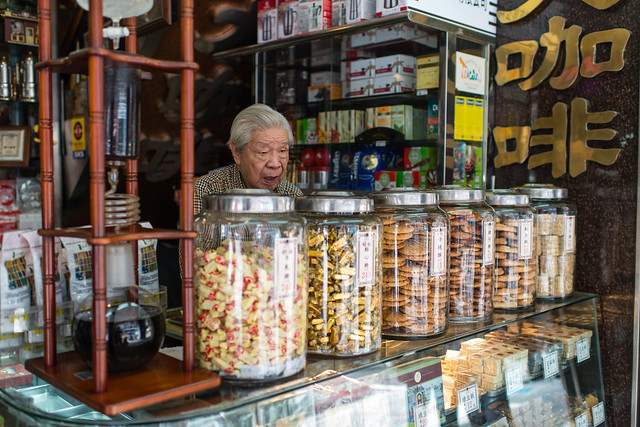
Top 10 facts About Life Expectancy in Taiwan

Life Expectancy in Taiwan

Taiwan is a small island off the eastern coast of China. The small country, rich in culture, food and language, is also known for their longevity and aging population. Additionally, over time, Taiwan has seen an increase in advocacy for better living standards of citizens of Taiwan; in turn, increasing the life expectancy in Taiwan. Here are the top 10 facts about life expectancy in Taiwan.

Top 10 Facts About Life Exectancy in Taiwan:

  1. According to the CIA World Factbook, Taiwan’s life expectancy is 80.4 years old. For men, it ranks at 77.2 years and for women, 83.7 years. As a whole, the country ranks 43rd globally in life expectancy.
  2. The Taipei Times state that, the country is experiencing a long-term improvement in life expectancy, as a result of the National Health Insurance, better hospitals and higher standards of living.
  3. Residents living on the west coast have a longer life expectancy than those living on the east. This is because many of the major cities are in locations closer to financial districts. These include Tainan, Kaohsiung and Taichung, which are on the west coast, closer to China and Hong Kong, financial capitals.
  4. Taiwan has been experiencing a longer life expectancy since 1950. The era during the mid-1990s was a period of growth for Taiwan. For example, during this time, more than a million people traveled from Mainland China to Taiwan, many of which were better educated, with distinct professional profiles. Since then, Taiwan has been experiencing a rapid demographic transition and substantial economic development. In turn, there has been a decline in mortality and an increase in health and life expectancy.
  5. Taitung, a county on the east coast of Taiwan, has the shortest life expectancy at 75.05 years, according to the Ministry of Interior statistics. Taitung’s life expectancy is five years less than the national average due to several possible factors. This includes deficient transportation infrastructure, fewer medical services and lifestyle choices. It is evident that the effects of poverty have impacts on the longevity of the population. Some of these effects include a lack of access to medical resources and transportation.
  6. According to Focus Taiwan, life spans have been increasing steadily for decades. In fact, it has increased from 78.4 in 2017 to 80.4 presently. This is due to improvements in medical care, awareness of public food safety and the growing popularity of exercise. Improvements in the health sector by the government and general changes in mentality around diet and exercise in the public are clear indicators of the reduction of poverty, resulting in longer lives.
  7. As life expectancy in Taiwan’s grows, so does the aging population which n turn puts pressure on welfare and pension programs. To combat this, Taiwan has instated the Long-term Care Plan 2.0, a 10-year initiative that aims to provide affordable, comprehensive care to the aging population. For example, centers like Wei Ai Lun operate under the Long-term Care Plan 2.0. This center and provides activities and programs for seniors to engage, socialize and become active parts of their communities. Programs like the Long-term Care Plan 2.0 are part of Taiwan’s effort to consolidate their aging population.
  8. According to the 2013 National Health Interview Survey, around 86.3 percent of older adults have at least one chronic condition. However, the Taiwanese life span of men and women is continually growing. This is due to the National Health Insurance Program, a compulsory social insurance plan that covers examinations for elders no matter their age or income. The maintenance of the health of senior citizens is one of the major factors in life expectancy in Taiwan.
  9. Taiwan’s long-living population is a result of lifelong learning actively promoted by the government. In 2006, the Taiwanese government released a white paper titled, “Toward the Aged Society: Policies on Education for Older Adults,” which aims to encourage older adults to be active participants in their community. The government encourages socialization, autonomy and engagement of thousands of older adult through learning classes held throughout Taiwan.
  10. Taiwan’s success in preserving its older population is due to efforts in not only providing medical services and promoting lifelong learning. It expands to also devoting resources to developing geriatric research. Organizations like the Taiwan Association of Gerontology and Geriatrics (TAGG) work to improve the lives of older adults by advancing studies in gerontology and geriatrics. Other organizations like the Federation for the Welfare of the Elderly (FWE) advocate and protect elders’ rights.

Life expectancy in Taiwan has been steadily growing since the 1950s. Although its resulting aging population puts a strain on pension and welfare systems, the Taiwanese government’s endeavors on aging through policy, research and promotion have evidently resulted in great successes in the older adult populations.

– Andrew Yang
Photo: Flickr

August 1, 2019
https://borgenproject.org/wp-content/uploads/borgen-project-logo.svg 0 0 Kim Thelwell https://borgenproject.org/wp-content/uploads/borgen-project-logo.svg Kim Thelwell2019-08-01 06:51:592024-05-29 23:09:41Top 10 facts About Life Expectancy in Taiwan
Page 10 of 15«‹89101112›»

Get Smarter

  • Global Poverty 101
  • Global Poverty… The Good News
  • Global Poverty & U.S. Jobs
  • Global Poverty and National Security
  • Innovative Solutions to Poverty
  • Global Poverty & Aid FAQ’s
Search Search

Take Action

  • Call Congress
  • Email Congress
  • Donate
  • 30 Ways to Help
  • Volunteer Ops
  • Internships
  • Courses & Certificates
  • The Podcast
Borgen Project

“The Borgen Project is an incredible nonprofit organization that is addressing poverty and hunger and working towards ending them.”

-The Huffington Post

Inside The Borgen Project

  • Contact
  • About
  • Financials
  • President
  • Board of Directors
  • Board of Advisors

International Links

  • UK Email Parliament
  • UK Donate
  • Canada Email Parliament

Get Smarter

  • Global Poverty 101
  • Global Poverty… The Good News
  • Global Poverty & U.S. Jobs
  • Global Poverty and National Security
  • Innovative Solutions to Poverty
  • Global Poverty & Aid FAQ’s

Ways to Help

  • Call Congress
  • Email Congress
  • Donate
  • 30 Ways to Help
  • Volunteer Ops
  • Internships
  • Courses & Certificates
  • The Podcast
Scroll to top Scroll to top Scroll to top