• Link to X
  • Link to Facebook
  • Link to Instagram
  • Link to TikTok
  • Link to Youtube
  • About
    • About Us
      • President
      • Board of Directors
      • Board of Advisors
      • Financials
      • Our Methodology
      • Success Tracker
      • Contact
  • Act Now
    • 30 Ways to Help
      • Email Congress
      • Call Congress
      • Volunteer
      • Courses & Certificates
      • Be a Donor
    • Internships
      • In-Office Internships
      • Remote Internships
    • Legislation
      • Politics 101
  • The Blog
  • The Podcast
  • Magazine
  • Donate
  • Click to open the search input field Click to open the search input field Search
  • Menu Menu

Tag Archive for: Europe

Posts

Global Poverty, Refugees

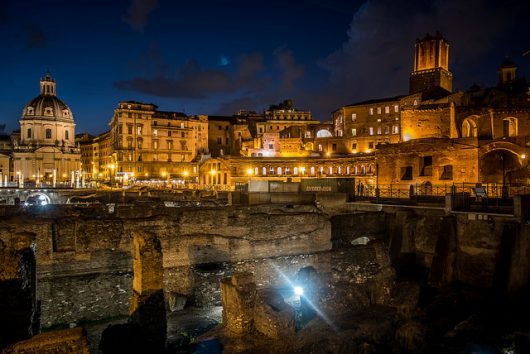
10 Facts About Italy Refugees

10 facts about Italy refugees
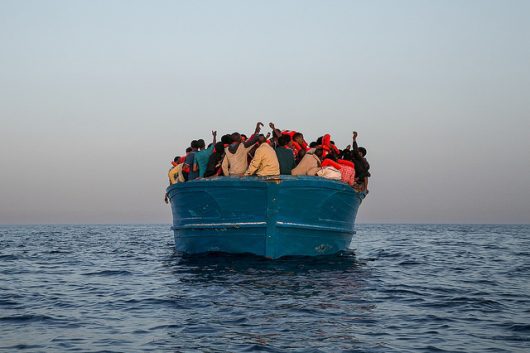
Italy has become one of the top destinations for refugees, or asylum seekers, over the past few years. Many of its current refugees transport via boat, crossing the Mediterranean Sea on their way to find peace. Here are 10 facts about Italy refugees:

  1. In 2016, Italy broke its record of asylum seekers admitted from the Mediterranean, at close to 200,000 for the year.
  2. Eighty-five percent of these migrants were from African countries, including Nigeria, Eritrea, and Sudan.
  3. More than 176,000 refugees are in reception centers.
  4. October and November were record-breaking months for Italy, with more refugees making the sea voyage than in previous years. This was partially due to better sea conditions.
  5. Better sea conditions resulted in more people traveling on a single boat, which also resulted in more deaths. Almost 5,000 people died at sea in 2016, compared to fewer than 4,000 the previous year.
  6. The United Nations High Commissioner for Refugees (UNHCR) estimated that more than 85 percent of migrants arriving in Italy through the Mediterranean started their journey in Libya.
  7. In September 2016, European countries agreed to relocate 160,000 refugees from Italy and Greece, to help ease the heavy loads that these two countries carry — only 4,000 were displaced.
  8. Some Italy refugees perform volunteer community service — sweeping the streets, cleaning up parks and maintaining gardens.
  9. According to the U.N. refugee agency, 26,000 unaccompanied minors made the trek to Italy last year.
  10. The Italian government is constructing a plan to integrate asylum seekers into the workforce while they are waiting in the reception centers.

Attempts to get help from other European countries to lessen the load on Italy have fizzled out over the past few years. As a result, the Italian government strains to make providing aid to those who flee from turmoil possible. These 10 facts about Italy refugees illustrate the difficulties, and the opportunities, that this mass displacement presents for all countries.

– Dustin Jayroe

Photo: Flickr
April 16, 2017
https://borgenproject.org/wp-content/uploads/borgen-project-logo.svg 0 0 Borgen Project https://borgenproject.org/wp-content/uploads/borgen-project-logo.svg Borgen Project2017-04-16 01:30:222024-12-13 17:57:4610 Facts About Italy Refugees
Global Poverty, Water

Water Quality in Norway

Water Quality
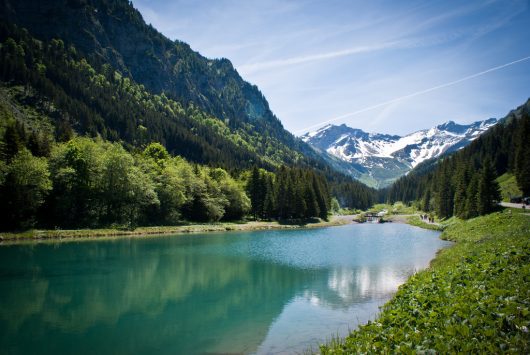
Norway is generally a very healthy place, making it one of the top countries to live in. Water quality in Norway is exceptional, as tap water is always safe to drink.

Water quality in Norway ranks second in having the best tap water in the world. The country has special programs that protect its groundwater and other water systems that safeguard the quality of water for its citizens.

Norway’s tap water is exceptional and can be consumed from anywhere, however, this does not guarantee complete safety. More than 1.3 million Norwegians live in regions where their drinking water is not treated against parasites. Experts advise those living in the untreated areas to pay special attention to the water’s tint. The color of the water is an indication of overall quality, and if water quality is poor, it is colored or foul-smelling or recently changed, and should not be used without taking precautions.

The current water quality in Norway can be attributed to its strong hydropower expertise. The country’s main sources of water contamination are agriculture, municipal sewage and fish farming, which are integrated with water in terms of irrigation, drinking water supply and livestock.

More than 80 percent of the population in Norway is connected to the drinking water systems, which serve more than five thousand persons each. Ninety percent of the Norwegian populous drinks surface water while ten percent drink groundwater.

The water quality in Norway is exceptional and the Norwegian government continues to actively work to maintain the standard of drinking water.

Norway provides one of the best water supply systems in the world. While the challenges for Norway in maintaining its water supply include increased overflow discharges, leakage from sewers, reduced treatment capacity and minor outbreaks that could be linked to the country’s water supply, the water quality in Norway remains far superior compared to many countries in the world.

– Rochelle R. Dean

Photo: Flickr

April 14, 2017
https://borgenproject.org/wp-content/uploads/borgen-project-logo.svg 0 0 Borgen Project https://borgenproject.org/wp-content/uploads/borgen-project-logo.svg Borgen Project2017-04-14 01:30:322024-05-27 23:59:56Water Quality in Norway
Disease, Global Poverty

Top Italian Diseases


Italy attracts thousands of tourists because of its food, history and beautiful coastlines. However, the diseases that Italians are prone to are often overlooked. In 2012, certain diseases resulted in 613,520 deaths in Italy. Here is a quick overview of the top Italian diseases.

Heart Diseases

Ischemic heart disease took the lives of 75,098 Italians in 2012. Other types of heart diseases killed 48,384 Italians in 2012. In general, heart conditions accounted for 30 percent of all deaths in Italy that year. Symptoms of ischemic heart disease include recurrent chest pain and discomfort due to a lack of blood flow to the heart.  Ischemic heart disease develops when cholesterol particles accumulate on artery walls that supply blood to the heart. Eventually, the arteries become clogged, blocking the flow of blood to the heart.

Cerebrovascular Diseases

 Cerebrovascular diseases have resulted in the deaths of thousands of Italians. Cerebrovascular diseases refer to all disorders in a specific area of the brain that is impacted by ischemia or bleeding. Strokes and aneurysms are common examples of cerebrovascular diseases.

Cancer

Trachea, bronchus and lung cancer killed 33,538 Italians in 2012. Such cancers were the second causing cause of death for men in that year. Each of these cancers impacts the lungs and throat area of the body and are caused by smoking.

The top Italian diseases generally result from poor lifestyle decisions, such as lack of exercise, smoking and excessive alcohol consumption. The most common diseases in the country can be prevented if Italians commit to making simple lifestyle changes. Proper lifestyle choices can help decrease the prevalence of these diseases and can allow many Italians to enjoy their beautiful country and culture for longer periods of time.

– Mary Waller

Photo: Flickr

April 13, 2017
https://borgenproject.org/wp-content/uploads/borgen-project-logo.svg 0 0 Borgen Project https://borgenproject.org/wp-content/uploads/borgen-project-logo.svg Borgen Project2017-04-13 01:30:312024-05-27 23:59:45Top Italian Diseases
Global Poverty, Refugees and Displaced Persons, War and Violence

15 Statistics on Refugees

refugee statistics
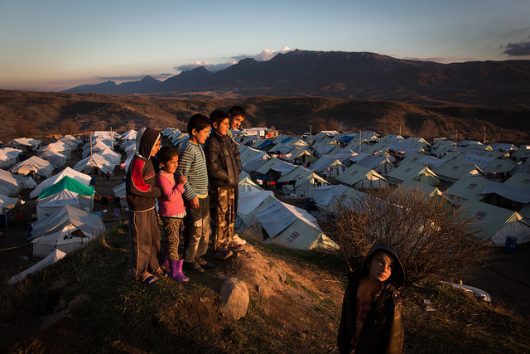
The refugee statistics are appalling. The last few years have seen the highest levels of refugees on record. The topic is everywhere — on television, online and on the minds of both those displaced and those trying to help. To grasp how big the world refugee crisis truly is, below are 15 statistics on refugees worth knowing.

Top Refugee Statistics

  1. Nearly one in 100 people worldwide have been pushed out of their homes due to war or political instability.
  2. Including 5.2 million Palestinian refugees, the total number of refugees in the world today is 21.3 million. This does not include internally displaced persons (IDPs) who have not left their country’s borders but were forcibly moved from their community. More than 65 million people are affected by war and power struggles, including IDPs.
  3. Fifty-three percent of refugees come from Somalia, Afghanistan and Syria. Respectively, 1.1 million, 2.7 million, and 4.8 million refugees are from these countries.
  4. The Middle East and North Africa host 39 percent of refugees. Africa hosts 29 percent, Europe and the Americas host 18 percent, while Asia and the Pacific host 14 percent. Turkey, Pakistan, Lebanon, Ethiopia, and Jordan rank as the top hosting countries.
  5. The number of people seeking asylum in Europe has also reached a record high of 1.3 million. Most of these refugees are from Syria, Afghanistan and Iraq.
  6. Germany, Hungary and Sweden have become the top destination countries in Europe for refugees.
  7. In the history of statistics on refugees, the last five years have seen the greatest rate of increase on record. The greatest rate of decrease occurred between the years 1994 to 1999. The lowest recorded number of refugees was in 1963.
  8. Nine out of 10 refugees head for neighboring countries. Most do not seek asylum in industrialized countries. About 86 percent are hosted in developing countries.
  9. Pakistan and Iran house nearly 95 percent of Afghan refugees.
  10. Turkey, Lebanon, Jordan, Iraq and Egypt house nearly 95 percent of Syrian refugees.
  11. The U.N. Refugee Agency was underfunded by $10.3 billion dollars in 2015. It is estimated that the annual cost of U.S. airstrikes against ISIS in Syria will be $10 billion.
  12. Several countries are doing their statistical “fair share” to assist in the latest refugee crisis. Canada is at the top of this list, receiving almost 250 percent of its estimated fair share of refugees. Norway is second, accepting 144 percent of its fair share, and Germany is not far behind, welcoming 118 percent.
  13. The countries that accept the least of their fair share include the U.S., Spain and France, all standing at 10 percent. Japan, Russia and South Korea rank last, having accepted zero percent of what would be considered fair.
  14. The largest refugee camps in the world include Kakuma Camp in Kenya, Zaatari in Jordan and Yida in South Sudan. Each of these camps hold more than 70,000 people, which is more than the population of Boston.
  15. Many case studies illustrate the need for clean water. In Kakuma camp, households that had access to 110 liters of water per day saw 11 cases of cholera; those who had access to 37 liters of water per day noted 163 cases.

These statistics on refugees show the extent to which this unprecedented crisis has affected the world. Certain regions are more affected than others, but affected most are the displaced persons themselves.

– Michael Ros

Photo: Flickr

April 9, 2017
https://borgenproject.org/wp-content/uploads/borgen-project-logo.svg 0 0 Borgen Project https://borgenproject.org/wp-content/uploads/borgen-project-logo.svg Borgen Project2017-04-09 01:30:152024-05-27 23:59:3215 Statistics on Refugees
Education, Global Poverty

Education in Poland

Education in Poland
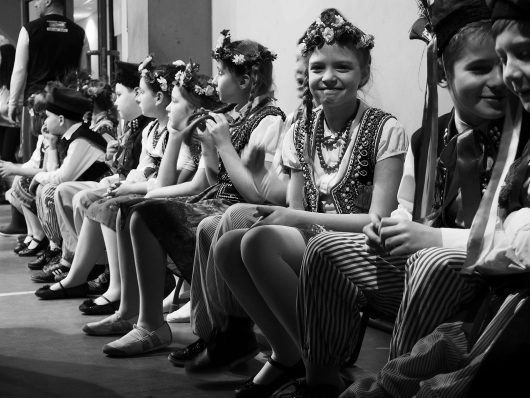
Over the last two decades, public education in Poland has been seriously reformed, and today it is one of the best-performing educational systems in Europe and across the world.

Education in Poland began changing in the late 1990s after Miroslaw Handke took on the role of Poland’s minister of education. Amanda Ripley reports that Handke publicly announced his plans for change, stating, “We have to move the entire system — push it out of its equilibrium so that it will achieve a new equilibrium.”

Through a modernized core curriculum and regulated standardized testing, allowing school administrators to recognize areas of improvement and identify struggling students, this new equilibrium was achieved. Teachers were granted more freedom in implementing their own curricula and choosing textbooks, so long as they tailored their courses to meet national requirements.

Also, the transition of students into vocational schools was delayed by a year. This places a stronger focus on the general curriculum compared to specialized skills. Reading, writing and arithmetic are the focal points of education, as well as studying a foreign language.

There has been a change in jurisdiction from central government to local government in regard to education. This provides local authorities with increased control over budgeting. The development of new schools resulted in increased learning opportunities for more students.

Today, Poland ranks 13th in reading, 18th in mathematics, and 22nd in science worldwide, according to a 2015 OECD education report known as PISA (Programme for International Student Assessment). Student performance in these subjects has significantly improved since 2003, when the country either matched or fell below the OECD average.

Surprisingly, Poland has been able to accomplish all this by spending only five percent of its GDP, or roughly $5,000 per student annually. The U.S., by contrast, spends about three times as much, yet still ranks below Poland.

Despite these advancements, there is still room for progress. The OECD reports indicate an educational gap between students of lower classes and those of higher classes, which could be improved through more early childhood public education programs. In addition, there is a need to strengthen students’ capacity to problem-solve. By building on its achievements, education in Poland will continue to improve, serving as a global model.

– Genevieve T. DeLorenzo

Photo: Flickr

April 5, 2017
https://borgenproject.org/wp-content/uploads/borgen-project-logo.svg 0 0 Borgen Project https://borgenproject.org/wp-content/uploads/borgen-project-logo.svg Borgen Project2017-04-05 01:30:212024-12-13 17:57:42Education in Poland
Global Poverty

Poverty in Liechtenstein

Poverty in Liechtenstein
Liechtenstein, despite its small size, is a hub of economic activity, with one of the highest GDPs per capita in the world, growing at an annual rate of 1.2 percent. As Dr. Kristian Niemietz of the Institute of Economic Affairs reports, median gross wages in 2009 averaged £3,500 per month or $4,374. Today, that average is about $6,436.

Such high-income hints decreased poverty rates, but, unfortunately, statistics on poverty in Liechtenstein are practically nonexistent. Its strong standard of living, however, provides some significant insight.

The country’s unemployment rate is approximately 2.6 percent, with a Liechtensteinian at the 25th income percentile in 2009 earning a monthly wage of £2,700 or approximately $40,494 annually in U.S. dollars. In comparison, a U.S. worker at the 20th income percentile in 2009 was earning about $20,000 annually, demonstrating a vast difference between the two countries in what constitutes poor.

In addition, Liechtenstein boasts a strong education system that contributes to its wealth. Students benefit from small classes, typically at an average of 15 children, as well as highly motivated teachers that provide them with the skills needed for successful careers. Standardized testing is also regular, which helps to identify struggling students, who are provided with extra assistance through resources such as learning workshops and psychological support.

Such efforts are paying off. In a 2012 OECD education exam for 15 year-olds known as PISA, which stands for the Programme for International Student Assessment, Liechtenstein came in eighth place for mathematics, 12th for reading, and 11th for science.

Furthermore, Liechtenstein has a strong healthcare system. There is private healthcare available, but universal public healthcare is guaranteed. The Ministry of Public Health monitors health services, ensuring that medical standards are met and procedures run accordingly. A combination of skilled medical professionals as well as a small population means citizens enjoy high-quality healthcare.

Despite all this, Liechtenstein still struggles with equality, especially in regard to income. For example, the 2010 gender pay gap in Liechtenstein was about 17.8 percent. One possible solution to this comes in calling for more female representation in the working world.

Regardless, Liechtenstein is a country of immense wealth and prosperity for citizens of both genders. The average poor person in Liechtenstein is considered wealthy by worldly standards, making poverty in Liechtenstein, at least for the time being, a non-issue.

– Genevieve T. DeLorenzo

Photo: Flickr

April 1, 2017
https://borgenproject.org/wp-content/uploads/borgen-project-logo.svg 0 0 Borgen Project https://borgenproject.org/wp-content/uploads/borgen-project-logo.svg Borgen Project2017-04-01 01:30:472024-05-27 23:59:44Poverty in Liechtenstein
Global Poverty

10 Facts About Hunger in Moldova

Hunger in Moldova
Situated between Romania and Ukraine, the Republic of Moldova remains one of the poorest countries in Europe. With an economy that relies heavily on agriculture, the Moldovan people are especially vulnerable to floods and droughts, which often bring more hunger to the country. Here are ten facts about hunger in Moldova:

1. Of the country’s roughly 3.5 million people, 20.8 percent live below the poverty line. While high, this is an improvement, as the poverty rate was 70 percent in 2000.

2. In order to make ends meet, many Moldovans move abroad to work and send money back home. Forty percent of the working-age population work abroad, and remittances, or the money they send back to their home country, make up 30 percent of Moldova’s GDP.

3. After the breakup of the Soviet Union in 1991, agricultural practices changed drastically, cutting production in half. This was devastating for Moldova since agriculture is a huge part of the country’s economy, making up one-fifth of its GDP.

4. Poorer families often struggle to afford nutritious food. A third of children under the age of five, as well as half of the pregnant women, suffer from anemia. This is especially prevalent in rural families.

5. A severe drought in 2007 worsened hunger in Moldova as 96 percent of families experienced production losses. As a result, a third of households were in debt in order to meet food needs, with poor families spending half of their income on food.

6. Climate change is also a threat to food security in Moldova, due to changes in the agricultural landscape. “The rural poor will be disproportionately affected because of their greater dependence on agriculture, their relatively lower ability to adapt, and the high share of income they spend on food,” said William Sutton, lead agriculture economist at the World Bank.

7. Digestive disorders are one of the leading causes of death in Moldova. While this is in part linked to poor nutrition, alcohol is also a culprit. Moldovans drink more than 18 liters of pure alcohol a year, almost three times the global average.

8. Despite high rates of poverty, alcoholism and hunger in Moldova, life expectancy is two to five years higher than richer countries in the Commonwealth of Independent states, such as Russia. In 2010, Moldovan life expectancy was 69.13 years.

9. While the EU has supplied aid in order to address issues such as hunger in Moldova, high levels of corruption and weak institutions weaken the affect this support has.

10. There are many development projects created by organizations such as USAID and the World Food Program that aim to alleviate hunger in Moldova. Many of these projects focus on diversifying Moldova’s economy in order to give Moldovans non-agricultural sources of income.

While the people of Moldova are facing economic and nutritional challenges, both the government and aid organizations are starting to implement promising programs that could play a key role in improving the country’s economic potential and alleviating hunger in Moldova.

– Alexi Worley

Photo: Flickr

March 31, 2017
https://borgenproject.org/wp-content/uploads/borgen-project-logo.svg 0 0 Borgen Project https://borgenproject.org/wp-content/uploads/borgen-project-logo.svg Borgen Project2017-03-31 01:30:092024-05-27 23:59:2510 Facts About Hunger in Moldova
Global Poverty, Hunger, War and Violence

Italy Helps Fight Hunger in Ukraine With Donation of €1 Million


Amidst facing a humanitarian crisis and lack of mine regulations, Ukraine received aid totaling one million euros from Italy through the World Food Programme (WFP) and UNICEF to help those impacted by the actions in Eastern Ukraine in 2017. The donation will help the WFP provide basic necessities and humanitarian assistance Ukrainians need to combat hunger, while also fighting against their own government and people.

Among a population of 45.2 million, more than 4.4 million Ukrainians have been impacted, and more than 3.8 million still need humanitarian assistance.

Who the Donation Will Help Most

“Our contribution to WFP and UNICEF operations will help ease people’s suffering, in particular for the most vulnerable, providing food assistance, increasing knowledge and building safe behaviour practices to deal with the risk of mines,” said Davide La Cecilia, the Italian Ambassador to Ukraine in a press release published by the WFP.

Thanks to Italy’s donation, UNICEF will help protect 500,000 children and their guardians from the dangers in mines by supporting the mine risk education program.

The WFP plans to help those who do not receive assistance from other humanitarian actors and further small-scale recovery activities, such as providing food, to aid local citizens. UNICEF will use the funding to promote children’s education programs and for families living in areas close to the contact line, which divides the government and non-government controlled areas and where the fighting is most intense.

Giancarlo Stopponi, WFP deputy country director in Ukraine, said, “WFP greatly appreciates Italy’s support at a time when communities across Ukraine continue to experience the negative consequences of the conflict.”

The WFP has been aiding those experiencing hunger in Ukraine since 2014 by providing emergency food services to internally displaced citizens in Eastern Ukraine, handing out monthly food packages and food assistance. To this day, about 850,000 of most Eastern Ukraine’s most vulnerable people have received food from WFP, despite attempts to bar humanitarian staff.

Ongoing Efforts to Battle Hunger

The program plans to continue its efforts, aiming to assist 220,000 citizens in Eastern Ukraine. These people both rely on and need WFP’s food assistance, along with their other operations, such as the Logistic Cluster Support to the Humanitarian Response in Ukraine.

In 2017, UNICEF has appealed to the U.S. for $31.3 million to be used towards combatting hunger in Ukraine. The money will be used for health and nutrition needs, education, water, hygiene and sanitation, and protection for those most vulnerable to the conflict, such as children and families.

– Mary Waller

Photo: Flickr

March 31, 2017
https://borgenproject.org/wp-content/uploads/borgen-project-logo.svg 0 0 Borgen Project https://borgenproject.org/wp-content/uploads/borgen-project-logo.svg Borgen Project2017-03-31 01:30:072024-12-13 17:57:38Italy Helps Fight Hunger in Ukraine With Donation of €1 Million
Education, Global Poverty, Hunger

Education in Hungary


Hungary offers free state education to all children residing in the country. Education in Hungary is more traditional than other systems and focuses on many areas in various industries in order to prepare students for life after full-time education.

From the ages of five to 16, Hungarian children are required by law to attend full-time education. Most schools are funded by the state, with private schools charging fees that are subsidized by the government. Education in Hungary is based highly on tradition, which lies at the heart of the system. Prior to examinations in the final years of secondary education, there is a famous “Ribbon Consecration,” with a final party at the end of school where traditional college songs are sung. It is compulsory to spend eight years in full-time education and two more years in high school, vocational school, or trade school.

A third of students choose to continue with vocational education after graduating from secondary school. There are three types of vocational schools: technician training, skilled-worker training, and middle vocational school. Students graduate from vocational education with a double qualification and a “Mantura,” meaning university entrance, and qualify as a skilled worker.

Vocational colleges differentiate from vocational schools. Vocational colleges offer more specialized courses, for example, in health or stereography. Each course lasts three years and final exams are taken at the end. If passed, students receive their diploma.

Another post-secondary school option is to attend a trade school. It lasts three to four years, with limited theoretic content, and involves a work placement. Students can only attend trade school if they have secured work placement, provided either by the school or through a specific company.

As a nation, Hungary is known to be very welcoming to refugees and asylum-seekers, accepting more than 480,000 refugees over the past few years. Education in Hungary is offered to any child residing in the country free of charge, according to the Public Education Act, meaning that refugee children have the same rights as Hungarian students. There is difficulty with integrating refugees with students, as there are limited spaces in schools, but this is resolved with special preparatory classes that are offered.

Education in Hungary is easily accessible for all, with every opportunity being open to students of any nationality. Different areas of training prepare students for working life and enable them to learn key skills within industries.

– Georgia Boyle

Photo: Flickr

March 17, 2017
https://borgenproject.org/wp-content/uploads/borgen-project-logo.svg 0 0 Borgen Project https://borgenproject.org/wp-content/uploads/borgen-project-logo.svg Borgen Project2017-03-17 01:30:352020-05-13 13:37:34Education in Hungary
Global Poverty

Poverty in Finland

Poverty in Finland
Poverty in Finland? Regardless of a person’s wealth, social well-being or background, Finland is one of the most successful countries in providing equal opportunities for all citizens. No person in Finland lives beneath the international poverty line due to social benefits for employees, pensioners and young people.

Successfully Fighting Poverty in Finland

As of January, Finland has seen its highest unemployment rate since June 2016, with an increase to 9.2 percent. Although the rate has increased, Finland is currently in the midst of trialing a universal basic income scheme. The country now pays its unemployed citizens £475 per month in place of previous social benefits and will continue to pay this even when citizens find work. This trial aims to not only reduce but bring an end to poverty in Finland.

Although this scheme is intended to alleviate poverty in Finland, it could also push more people below the poverty line. Due to child benefits, housing allowances and national pensions being cut, Finland could see a rise in poverty rates. Already 180,000 pensioners live below the poverty line and this could increase due to the cuts in benefits and allowances that the government previously provided. Even with the government paying unemployed citizens monthly, pensioners will benefit more from social allowances than from this recurring payment.

Education in Finland is designed to provide the best experience for students and to lead them straight into employment. Children do not start school until they reach the age of seven and are not formally tested until they reach 16. With a high graduation rate of 93 percent, 66 percent of students then continue to study at college-level and another 43 percent begin vocational training. The school system is completely funded by the state in order for every child to have the opportunity to receive an education. With a high rate of college and vocational applicants, Finland provides every opportunity for students to head straight into employment.

Healthcare is not free in Finland; it is funded through taxation and patient fees. Facilities determine medical charges based on the patient’s ability to pay for their medication. Nevertheless, healthcare is available to all permanent residents in Finland.

Poverty in Finland is one of the lowest worldwide due to social benefits. Hopefully, this new scheme will prove to alleviate poverty and boost employment rates.

– Georgia Boyle

Photo: Flickr

March 14, 2017
https://borgenproject.org/wp-content/uploads/borgen-project-logo.svg 0 0 Borgen Project https://borgenproject.org/wp-content/uploads/borgen-project-logo.svg Borgen Project2017-03-14 11:42:442020-05-14 11:40:27Poverty in Finland
Page 11 of 13«‹910111213›»

Get Smarter

  • Global Poverty 101
  • Global Poverty… The Good News
  • Global Poverty & U.S. Jobs
  • Global Poverty and National Security
  • Innovative Solutions to Poverty
  • Global Poverty & Aid FAQ’s
Search Search

Take Action

  • Call Congress
  • Email Congress
  • Donate
  • 30 Ways to Help
  • Volunteer Ops
  • Internships
  • Courses & Certificates
  • The Podcast
Borgen Project

“The Borgen Project is an incredible nonprofit organization that is addressing poverty and hunger and working towards ending them.”

-The Huffington Post

Inside The Borgen Project

  • Contact
  • About
  • Financials
  • President
  • Board of Directors
  • Board of Advisors

International Links

  • UK Email Parliament
  • UK Donate
  • Canada Email Parliament

Get Smarter

  • Global Poverty 101
  • Global Poverty… The Good News
  • Global Poverty & U.S. Jobs
  • Global Poverty and National Security
  • Innovative Solutions to Poverty
  • Global Poverty & Aid FAQ’s

Ways to Help

  • Call Congress
  • Email Congress
  • Donate
  • 30 Ways to Help
  • Volunteer Ops
  • Internships
  • Courses & Certificates
  • The Podcast
Scroll to top Scroll to top Scroll to top