• Link to X
  • Link to Facebook
  • Link to Instagram
  • Link to TikTok
  • Link to Youtube
  • About
    • About Us
      • President
      • Board of Directors
      • Board of Advisors
      • Financials
      • Our Methodology
      • Success Tracker
      • Contact
  • Act Now
    • 30 Ways to Help
      • Email Congress
      • Call Congress
      • Volunteer
      • Courses & Certificates
      • Be a Donor
    • Internships
      • In-Office Internships
      • Remote Internships
    • Legislation
      • Politics 101
  • The Blog
  • The Podcast
  • Magazine
  • Donate
  • Click to open the search input field Click to open the search input field Search
  • Menu Menu

Tag Archive for: Europe

Posts

Global Poverty

Worst to First in Europe: Comparative Poverty in Czechia


Changing its name from the Czech Republic to Czechia in 2016, this Central European country has recently been on the rise economically, and poverty in Czechia has improved. A current account recorded a trade surplus just under one percent of the Gross Domestic Product (GDP) in 2015. This was an increase of more than four percent in five years, from a deficit of 3.6 percent in 2010.

In categorical comparison with other countries, the picture of the position of poverty in Czechia – a small, landlocked nation – is bright.

GDP at Purchasing Power Parity (PPP) is a sound indicator of how poverty in Czechia affects the country as a whole, as it represents the final value of all goods and services produced in a single year factored at current United States exchange rates.

Poverty in Czechia is minimal and limited, based on GDP at PPP, as the country ranked 50th out of the 230 countries, nation-states and islands evaluated by the Central Intelligence Agency’s World Fact Book in 2016. The GDP at PPP for Czechia was a reported $315 billion in 2016. Comparatively, China is ranked number one with a GDP at PPP of more than $21 trillion and the small New Zealand island of Tokelau ranked last with a GDP at PPP of $1.5 million.

The actual GDP of Czechia in 2015 was $185.2 billion, according to The World Bank. With a population of 10.5 million people at the time, the GDP per capita was around $32,500 in 2015. Comparatively, Czechia ranked 58th in 2016 with a GDP per capita; Qatar ranked first, at $129,700 per capita and Somalia ranked 230th, or last, with a 2016 GDP per capita of merely $400.

According to The World Bank, poverty in Czechia was at 9.7 percent in 2013, a representative decrease in the percentage of people living at or below the poverty level from a decade prior, when the figure was at 10 percent.

The statistics and graphs shown on The World Bank’s database show large amounts of fluctuation in the poverty levels in Czechia over the last decade, rising and falling almost annually. While this figure fluctuates greatly, a stabilized number in the statistics on poverty in Czechia is the percentage of the population living on less than $1.90 a day. Less than a tenth of a percent of the Czechian population survives on less than $1.90, and that number has been the same for more than a half-decade.

The World Bank predicts a 2.5 percent growth in GDP this fiscal year (2017) for Czechia and a population growth under two-tenths of a percentage point. Currently, in the small, landlocked country–less than the size of South Carolina–there are 137 people per square kilometer.

The country’s Gross National Income in 2015 was around $18,000, and the lowest 20 percent of the earnings population accounted for 9.6 percent of the income share in 2012.

The average life expectancy in the country was 79.5 years in 2015, with 100 percent of the population having access to improved water systems. More than 99 percent of the people used improved sanitation facilities that year.

Poverty in Czechia is on the decline as the Central European member of the European Union saw a 4.5 percent growth in GDP in 2015. Compared to other countries being studied, Czechia is a stably improving country of prosperity, with its auto and manufacturing industries supporting internal growth.

– Shaun Savarese

Photo: Flickr

June 8, 2017
https://borgenproject.org/wp-content/uploads/borgen-project-logo.svg 0 0 Borgen Project https://borgenproject.org/wp-content/uploads/borgen-project-logo.svg Borgen Project2017-06-08 07:30:242024-05-28 00:00:18Worst to First in Europe: Comparative Poverty in Czechia
Global Poverty, Hunger

Focus on Domestic and International Hunger in the Netherlands

The Netherlands is one of the wealthiest countries in the world. The country’s gross domestic product is the 17th-highest in the world and it consistently ranks in the top 10 on the Human Development Index in the world. Hunger in the Netherlands is prevalent, even though the country contributes a very high percentage of its GDP to foreign aid. And as of recently, due to the economic crisis, more than one million of the country’s 17 million people have hit the marker for poverty.

There are many nonprofit organizations that aid in providing food to families who are in need. Foodbank Netherlands is one of these organizations that partners with food companies to donate food products to those who suffer from hunger in the Netherlands.
The government in the Netherlands has also developed a food security policy that addresses different concerns that bring about hunger in the Netherlands as well as the world. The Netherlands seeks to specifically address hunger worldwide and also focuses on the many people who suffer from hidden hunger.
While the economic downturn has seen the Netherlands own citizens experience hunger the country still focuses on foreign aid to other countries. Hunger in the Netherlands is being combated while the country still remains at the top of initiatives for its citizenry and policy reform for global hunger and poverty reduction. 
 
Hunger trends are very minute for the Dutch as unemployment is low and the country has generous social benefits that prevent the growth of poverty. The Netherlands has the lowest poverty rate in Europe next to Sweden due to government aid that subsides burden for the country’s citizenry.
The Netherlands continues to lead by example in its contributions to ending global hunger while it faces its own challenges domestically.

– Rochelle R. Dean

Photo: Flickr

June 7, 2017
https://borgenproject.org/wp-content/uploads/borgen-project-logo.svg 0 0 Borgen Project https://borgenproject.org/wp-content/uploads/borgen-project-logo.svg Borgen Project2017-06-07 01:30:272024-05-27 23:59:59Focus on Domestic and International Hunger in the Netherlands
Global Poverty, Hunger

Hunger in Finland


Due to Finland’s high standard of living, based on the nation’s welfare system, poverty rates are low. In such a system, the Finnish enjoy an exceptional education system, strong health standards, and safe, connected communities, all of which combine to limit the presence of hunger in Finland.

Finland is one of the top-performing countries in education, measured in the fields of reading literacy, math and science by the Organisation for Economic Co-operation and Development (OECD). According to the National Center on Education and the Economy, education is made publicly available from the primary level through upper secondary level.

Naturally, education has been shown to reduce the likelihood of poverty, which remains especially true for Finland, where both the quality and availability of the system is widespread. The same is true for healthcare, where the standard of treatment in Finland ranks highly among other OECD nations.

The Finnish also live in safe communities, where 86 percent of respondents claim that they “feel safe walking alone at night,” compared to the OECD average of 68 percent. A low crime rate reflects the nation’s lack of poverty, due to the elements provided in Finland’s welfare system.

In more specific terms, Finland has the fourth lowest poverty rate among OECD nations, according to a 2016 report. It is unsurprising, then, that the issue of hunger is practically nonexistent within the country. As the organization Trading Economics reports, undernourishment affected only five percent of the Finnish population in 2008.

Moreover, Finland aims to end hunger worldwide, evident through the nation’s consistent donations to the United Nations World Food Programme (WFP). Such donations have contributed to hunger relief in countries such as Lebanon, South Sudan, Ethiopia, Afghanistan and the Central African Republic.

“Thanks to Finland’s flexible and predictable multi-year commitment of €29 million,” wrote the WFP in a 2014 report, “we are able to respond to the needs of vulnerable people using innovative tools that increase dignity and efficiency.”

Assuming Finland continues to meet the demands of its citizens, let alone providing assistance elsewhere, hunger in Finland will not be a concern anytime soon.

– Genevieve DeLorenzo

Photo: Flickr

June 6, 2017
https://borgenproject.org/wp-content/uploads/borgen-project-logo.svg 0 0 Borgen Project https://borgenproject.org/wp-content/uploads/borgen-project-logo.svg Borgen Project2017-06-06 07:30:072020-04-19 16:58:19Hunger in Finland
Global Poverty

Top Diseases in Hungary


Hungary is a relatively large country with just under 10 million people within the borders. The large majority of the people are in the upper income bracket. Life expectancy in Hungary is 75 years, just above the world average. The majority of the population — 69 percent– live in urban areas. The top diseases in Hungary are the same as many other countries around the world.

The majority of the country has easy access to medical care and treated, if needed. There are no fees to pay for services. It is covered by the health insurance companies available to people.

The mortality rate of the country for every 100,000 people is 756 people. A very low rate compared to other places around the globe. Utilizing healthcare provided to the citizens is one of the major reasons why.

Cardiovascular Diseases

Number one on the list of top diseases in Hungary, much like the rest of the world, are various cardiovascular diseases. This category of diseases is responsible for 49 percent of the deaths in Hungary.

A higher percentage of death occur in males as opposed to females, approximately about 10,000 more deaths.

Chronic Respiratory Diseases 

Other non-communicable diseases, which result in death among the Hungarian population, include injuries and chronic respiratory diseases. Similar to cardiovascular diseases, the percentage of fatal cases in males are higher than females.

The risk factors include many items that are within an individual’s control. The top current risk factor in Hungary is elevated blood pressure sitting at 41 percent, followed closely by smoking tobacco, obesity, alcohol and drug abuse. The majority of these issues can be discounted through making healthy lifestyle changes, such as diet and exercise.

In regards to healthcare, Hungary is better off than many countries around the world. Even though the majority of the top diseases in Hungary are similar to others on a global scale, it is their healthcare that gives them an edge in dealing with these diseases.

– Brendin Axtman

Photo: Flickr

June 5, 2017
https://borgenproject.org/wp-content/uploads/borgen-project-logo.svg 0 0 Borgen Project https://borgenproject.org/wp-content/uploads/borgen-project-logo.svg Borgen Project2017-06-05 01:30:152024-06-05 04:37:55Top Diseases in Hungary
Global Poverty, Water

Water Quality in the Netherlands

Water Quality in the Netherlands
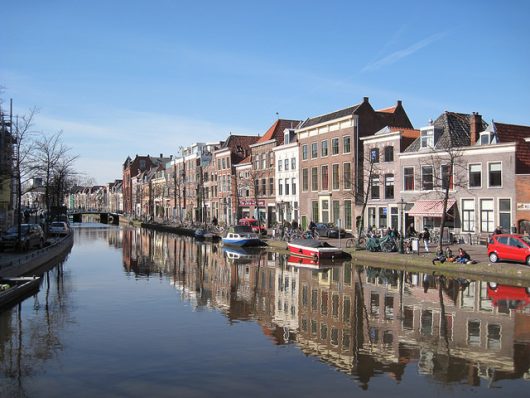
Water quality in the Netherlands is high, allowing the Dutch to have universal access to a potable water supply and sanitation. However, there is still concern for future improvement. Improving and increasing the quality of water is a high priority, particularly regarding the nutrient concentrations of nitrogen and phosphorus in surface water.

Improving Water Quality in the Netherlands

Water quality in the Netherlands continues to improve through a sustainable water system and integrated water management. The Dutch have organized an international river basin level with the aid of the European Union water framework directive.

The Dutch have a water pollution control policy focusing on the polluter pays principle, aiding in maintaining water quality for the country.

Amsterdam has the highest quality of water in the country and the safest and cleanest tap water in Europe. Dutch water companies are using advanced technology to turn surface water into pure, drinkable water without chlorine or fluoride.

The Netherlands’ water pipe system has a leakage rate of three to five percent, which is below that of all other European countries. The Netherlands attributes this to proper maintenance measures and sensor technology.

Water quality in the Netherlands is different than in other countries because the Dutch government does not add chlorine to the drinking water. Many people have stated that chlorinated water tastes bad, and it is believed that chlorine contains poisonous substances, damaging to the environment.

The Dutch are very proud of their quality of water, and of the facts that it is good tasting and non-chlorinated. However, recently, some Dutch water companies have had to add chlorine to drinking water to combat bacteria that causes legionnaires disease. The Dutch use mono-chloramine, a compound of chlorine without a taste.

Water quality in the Netherlands has been praised for its non-chlorinated “super-water”, and the country is very proud to be one of the nations with the highest water quality in the world.

– Rochelle R. Dean

Photo: Flickr

June 4, 2017
https://borgenproject.org/wp-content/uploads/borgen-project-logo.svg 0 0 Borgen Project https://borgenproject.org/wp-content/uploads/borgen-project-logo.svg Borgen Project2017-06-04 01:30:352024-06-04 01:08:20Water Quality in the Netherlands
Education, Global Poverty

Prosperous and Inclusive Education in Austria


Education in Austria is well-known for its quality around the world. After educational reforms the 1960s, the university system has changed from one for the elite to one serving the masses. Following the liberalization of educational policy, specifically at higher level institutions, university enrollment has been boosted by domestic and EU students. Culturally rich, the high-income country offers affordable education for all. Since 2001, tuition and fees have been about $400-$800 per term.

A number of the country’s universities are ranked among the best in the world. Austria has 23 public and 13 private universities, institutions which enjoy a high degree of autonomy. According to QS World University Rankings in 2016-17, the University of Vienna placed 155th in the world and number one in Austria. Founded in 1365 by Duke Rudolph, the University of Vienna is the oldest German-speaking university in the world and has roughly 91,000 students enrolled. Today the institution offers 188 courses from African Studies to Zoology.

In the face of the recent refugee crises, 21 Austrian universities, including the University of Vienna, participated in a program of support called MORE, launched by The Austrian University Conference (UNIKO) in September 2015. The organization helps refugees — whose documents are often lost — to enroll to academic courses, provides an exemption from tuition fees, German language and integration courses.

The initiative also includes many other forms of support such as donations, sports courses and medical support. Most of the universities provide between 15 and 100 places for MORE applicants, who now have an opportunity to receive education in Austria.

– Yana Emets

Photo: Flickr

June 4, 2017
https://borgenproject.org/wp-content/uploads/borgen-project-logo.svg 0 0 Borgen Project https://borgenproject.org/wp-content/uploads/borgen-project-logo.svg Borgen Project2017-06-04 01:30:152020-04-19 17:06:32Prosperous and Inclusive Education in Austria
Disease, Global Poverty

Major Diseases in Andorra


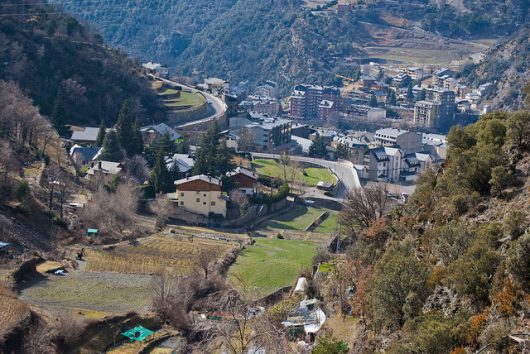
Andorra is a healthy country; its lack of heavy industry leaves air clean, and people of all ages are used to climbing up and down its hillsides, both of which contribute to the country’s very high life expectancy Still, there is disease. The major diseases in Andorra are non-communicable in nature.

Some of the major diseases in Andorra are cardiovascular diseases, cancer and neurological disorders. These are the most deadly non-communicable diseases. According to HealthGrove, 40.1 percent are affected by cardiovascular diseases, 31.6 percent are affected by cancer and 11.9 percent are affected by neurological disorders like Alzheimer’s disease.

Cardiovascular Diseases
In 2013, ischemic heart disease, stroke, and other cardiovascular and circulatory diseases were the most deadly cardiovascular diseases. They accounted for 87.6 percent of all deaths from cardiovascular disease in Andorra. Of the three, ischemic heart disease was the most deadly, followed by stroke. The mortality rate for the former has decreased by 11 percent since 1990; for the latter it has declined eight percent. The other cardiovascular and circulatory diseases, on the other hand, kill fewer people, but their mortality rate has increased by 25 percent in little more than a generation.

Cancer
Tracheal, bronchus and lung cancer were the three most deadly cancers in 2013, followed by colorectal and prostate cancer. The rate of cancer deaths is on the rise in Andorra. The mortality rate for the respiratory-related cancers is up 18 percent since 1990; for colorectal cancer the increase is 19 percent. The mortality rate for prostate cancer has grown by an astonishing 48 percent since 1990.

Neurological Disorders
Alzheimer’s disease and other dementias, Parkinson’s disease, and other neurological disorders were the most deadly neurological disorders in Andorra in 2013. In 2013, 72.8 people out of every 100,000 were killed by Alzheimer’s and other dementias. Since 1990, the mortality rate for these dementias has increased by 29 percent. Parkinson disease killed another 8.1 per 100,000; its mortality rate has climbed by 61 percent. The mortality rate for other neurological disorders is up 17 percent since 1990.

Even though non-communicable diseases are some of the major diseases in Andorra, the country, overall, is still relatively healthy. Andorra has some of the most technologically advanced hospitals in Europe. There are ten state-funded health centers in Andorra, which are staffed by nurses. They are responsible for first aid, antenatal and child care, nursing services, home and rehabilitation care, immunizations and general healthcare. Moreover, emergency care is free for everyone.

– Solansh Moya

Photo: Flickr

June 2, 2017
https://borgenproject.org/wp-content/uploads/borgen-project-logo.svg 0 0 Borgen Project https://borgenproject.org/wp-content/uploads/borgen-project-logo.svg Borgen Project2017-06-02 07:30:412024-06-05 04:37:54Major Diseases in Andorra
Global Poverty, Hunger

How Luxembourg Combats World Hunger

Hunger in Luxembourg
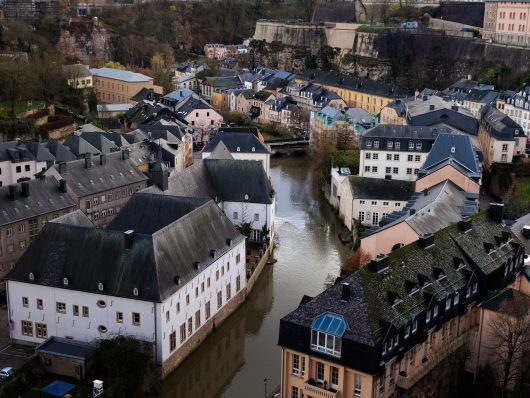
The combination of national wealth and low poverty rates have led to Luxembourg’s lack of hunger within its population base. As Trading Economics reports, only five percent of Luxembourg’s population was undernourished in 2011.

The country’s high standard of living limits hunger in Luxembourg, specifically its low poverty rates. As the Organization for Economic Co-operation and Development (OECD) reports, Luxembourg maintains one of the lowest rates of poverty. This can be credited in part to the country’s wealth; a 2016 Business Insider report ranked Luxembourg second worldwide in GDP per capita, at close to $102,000.

Furthermore, not only has Luxembourg limited hunger within its own borders but is taking measures to end hunger worldwide. Luxembourg strengthened its aid to the United Nations World Food Programme (WFP) since 2006, when the country funded school meals for approximately 100,000 students in the Sahel region of Africa.

In 2009, a report by ActionAid ranked Luxembourg first among developed nations in its contribution to ending world hunger. Since then, from 2012 to 2016 Luxembourg has donated approximately $9 million to $13 million to WFP, affecting mainly countries within the Middle East and Africa.

Most recently, Luxembourg signed an agreement with the WFP confirming its commitment to ending world hunger through continued funding. WFP executive director Ertharin Cousin said, “With this support from Luxembourg, WFP is providing life-saving food assistance to families in Africa and elsewhere around the world.”

Ideally, Luxembourg will aim to decrease the percentage of its own population facing undernourishment to zero. The nation clearly appears to have strong aims of limiting hunger in Luxembourg as well as worldwide, efforts that deserve serious recognition.

– Gigi DeLorenzo

Photo: Flickr

May 27, 2017
https://borgenproject.org/wp-content/uploads/borgen-project-logo.svg 0 0 Borgen Project https://borgenproject.org/wp-content/uploads/borgen-project-logo.svg Borgen Project2017-05-27 01:30:382024-05-28 00:02:01How Luxembourg Combats World Hunger
Global Poverty, Water

Water Quality in France


Known for its Tour de France, Eiffel Tower, natural wonders and great wealth, no one would ever suspect that the water quality in France is so poor.

The poor water quality might not be evident at first as most of the population enjoys clean water. In 2014, it was recorded that 98 percent of the population in France have access to clean water, a 280,000 person increase from 2012.

In the same year, 95 percent of households in France reported having a water supply that conforms to legal standards.

With such a high population enjoying clean water, where is the water quality in France considered so bad? The answer is not in modern, urban areas, but rather the forgotten rural areas where the agriculture industry reigns.

Approximately 1.5 million people, or five percent of France’s population, are drinking polluted water. Most of these people live in the rural areas of eastern or southern France in addition to the agricultural areas surrounding Paris where 20 percent or more of the population drink contaminated water. Additionally, 63 percent of homes have polluted water-accounting for around 900,000 people.

Experts noted that the cause of the contaminated water, in towns with less than 500 people, is due to the fact that these agricultural areas are exposed to high levels of pesticides and nitrates from fertilizers and livestock manure.

Additional contamination factors are said to be from natural radioactive chemicals and lime, which creates hard water residue on drinking glasses.

Although the contamination rate has fallen 35 percent since 2012, the quality gap is deafening and not much is being done for rural areas.

On the brighter side, the areas where France has improved water quality is due to the improvement of pollution control and reforming water standards. Over the past decade, France has made a huge investment in water treatment and control of the use of pesticides and chemicals that may contaminate the water. France has also improved their water quality through piped household connections, public taps, tube wells, protected dug wells, protected springs and rainwater collection.

With these new improvements to the water quality in France, the country continues to find solutions for clean and drinkable water.

– Amira Wynn

Photo: Flickr

May 22, 2017
https://borgenproject.org/wp-content/uploads/borgen-project-logo.svg 0 0 Borgen Project https://borgenproject.org/wp-content/uploads/borgen-project-logo.svg Borgen Project2017-05-22 01:30:072024-12-13 17:57:57Water Quality in France
Education, Global Poverty

Education in Portugal


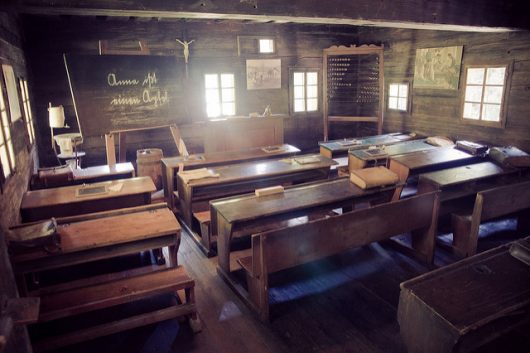
Historically, Portugal has had disadvantages when it comes to education. Now in the middle of an economic crisis, the government is trying to find solutions, find jobs for graduates and figure out how to improve education overall.

However, schools are facing budget cuts due to the country’s debt. Teachers, curriculum and funding are all being chopped as the country scrambles to dig itself out of its financial crisis. With cuts like these, the country is facing the fact that 63 percent of adults have not even finished high school.

Even while experiencing an economic downfall, Portugal has recently seen a decrease in dropout rates. In 2005 there was a dropout rate of 39 percent, but in 2011, that number dropped to 21 percent. This decrease in dropouts could be contributed to the government’s many cuts to school programs and the fear and extreme competitiveness students will face finding the few jobs that are available upon graduation.

Overall the country is facing a 14 percent unemployment rate, while among youth there is an unemployment rate of 35 percent.

Although these numbers are discouraging, with a flood in the Asian market in tech products, Portugal hopes to follow the trend of producing high tech products and investing in renewable energy sources, such as wind energy, which will hopefully stimulate the economy and help provide jobs to both the less educated adults and to the educated youth.

In the past year, Portugal has seen some improvements in its economy and education system. The budget deficit fell from 11.2 percent of GDP in 2010 to 3.5 percent in 2015 while unemployment fell from 12.4 percent in 2015 to 11.3 percent in 2016.

In 2016, Portugal’s school of architecture was regarded as one of the most famous, prestigious architecture schools in the world. In addition, the country has tried to increase student enrollment with the specific curriculum in social sciences, engineering and a cheap education. In fact, the country is known as a great place to study abroad because of its cheap tuition and cultural background.

Teaching students around the world Portuguese language and culture and showing students the various natural wonders have helped attract students to Portugal to learn and enhance their knowledge.

The vast history, language, culture and improving economy have contributed to the mending of education in Portugal.

– Amira Wynn

Photo: Flickr

May 12, 2017
https://borgenproject.org/wp-content/uploads/borgen-project-logo.svg 0 0 Borgen Project https://borgenproject.org/wp-content/uploads/borgen-project-logo.svg Borgen Project2017-05-12 01:30:522024-05-27 09:21:11Education in Portugal
Page 9 of 13«‹7891011›»

Get Smarter

  • Global Poverty 101
  • Global Poverty… The Good News
  • Global Poverty & U.S. Jobs
  • Global Poverty and National Security
  • Innovative Solutions to Poverty
  • Global Poverty & Aid FAQ’s
Search Search

Take Action

  • Call Congress
  • Email Congress
  • Donate
  • 30 Ways to Help
  • Volunteer Ops
  • Internships
  • Courses & Certificates
  • The Podcast
Borgen Project

“The Borgen Project is an incredible nonprofit organization that is addressing poverty and hunger and working towards ending them.”

-The Huffington Post

Inside The Borgen Project

  • Contact
  • About
  • Financials
  • President
  • Board of Directors
  • Board of Advisors

International Links

  • UK Email Parliament
  • UK Donate
  • Canada Email Parliament

Get Smarter

  • Global Poverty 101
  • Global Poverty… The Good News
  • Global Poverty & U.S. Jobs
  • Global Poverty and National Security
  • Innovative Solutions to Poverty
  • Global Poverty & Aid FAQ’s

Ways to Help

  • Call Congress
  • Email Congress
  • Donate
  • 30 Ways to Help
  • Volunteer Ops
  • Internships
  • Courses & Certificates
  • The Podcast
Scroll to top Scroll to top Scroll to top