• Link to X
  • Link to Facebook
  • Link to Instagram
  • Link to TikTok
  • Link to Youtube
  • About
    • About Us
      • President
      • Board of Directors
      • Board of Advisors
      • Financials
      • Our Methodology
      • Success Tracker
      • Contact
  • Act Now
    • 30 Ways to Help
      • Email Congress
      • Call Congress
      • Volunteer
      • Courses & Certificates
      • Be a Donor
    • Internships
      • In-Office Internships
      • Remote Internships
    • Legislation
      • Politics 101
  • The Blog
  • The Podcast
  • Magazine
  • Donate
  • Click to open the search input field Click to open the search input field Search
  • Menu Menu

Archive for category: Children

Information and stories addressing children.

Children, Education, Global Poverty

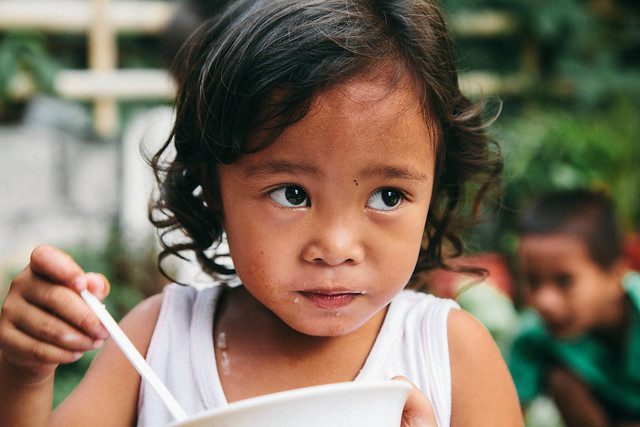
5 Facts about Malnutrition in the Philippines

Malnutrition in the PhilippinesThe Republic of the Philippines is a nation comprised of several islands in southeast Asia. The Philippines gained independence after centuries of colonial rule from the Spanish and the U.S. in 1946. However, it is still struggling to overcome the effects long-term colonial rule had on its people. Despite many government campaigns to alleviate this issue, poverty is still rampant on these islands. While just over 20 percent of the overall population of the Philippines is impoverished, there are many areas of the country in which roughly 75 percent of the public live in poverty. While there are many factors that serve to further cycles of poverty, one of the biggest barriers this population faces is malnutrition in the Philippines.
Background on Malnutrition

A person impacted by malnutrition is not getting enough nutrients, either due to a lack of food or a poor diet. In children, this can lead to stunted growth. Furthermore, it can lead to serious health issues for people of all ages. These health issues can be chronic, and make it hard for individuals to have sustained employment. Additionally, these issues can leave children orphaned at a young age, perpetuating the cycle of poverty.

Malnutrition in the Philippines

  1. Half the population suffers from malnutrition-related conditions – In the Philippines, about 50 percent of the population suffers from anemia caused by iron deficiency. Large percentages of people suffer from other malnutrition-related ailments. Such ailments lead to fatigue and decreased immune function.
  2. Stunted growth is common – One in three children in the Philippines has had their growth stunted by malnutrition. If this stunting occurs after two years of age, there is a chance it can be irreversible and even fatal.
  3. Lack of education causes malnutrition symptoms to go unnoticed – Signs of malnutrition are often missed in the Philippines due to a lack of education the public receives on nutrition. A child with a large stomach may not be perceived as having a nutritional deficiency. However, a distended stomach is often an indicator that something is amiss.
  4. Malnutrition is bad for the economy – People who experience stunting due to malnutrition tend to have far lower incomes than those who did not. This is also the case for families who have lost a child due to malnutrition. Overall, malnutrition takes away approximately $328 billion dollars, or 3 percent, of the Philippines’ GDP per year.
  5. Children’s Hour is helping families – A nonprofit organization called Children’s Hour has set up across the country. The organization focuses on ending malnutrition in the Philippines. They do this by providing meals for families, as well as teaching them about healthy practices in eating and preparing food. When they began these programs, 90 to 95 percent of participants were undernourished. Now, 75 percent of the children are at a healthy weight. While this organization has made massive strides, it is a nonprofit with limited funding. For this program to expand, it would need a lot more funding.

Ending Malnutrition Can Offer a Brighter Future

Ultimately, ensuring that children have adequate nutrients in their diets can do a lot to ensure that malnutrition in the Philippines becomes a thing of the past. When rates of malnutrition decrease, people will be healthier, happier and more productive. And finally, far less will live in poverty.

– Gillian Buckley
Photo: Flickr

July 21, 2019
https://borgenproject.org/wp-content/uploads/borgen-project-logo.svg 0 0 Kim Thelwell https://borgenproject.org/wp-content/uploads/borgen-project-logo.svg Kim Thelwell2019-07-21 09:37:222024-06-06 00:26:165 Facts about Malnutrition in the Philippines
Children, Global Poverty

New Approach in The Netherlands to Combat Child Poverty

New Approach in The NetherlandsThe Social and Economic Council (SEC) recommended a new approach to the government in the Netherlands to combat poverty. The Council have revealed that families in the Netherlands often do not benefit from special provisions aimed to help the poor. This is because 60 percent of children in the Netherlands who live in poverty have at least one parent with a job.
Despite recent attempts to reduce the number of poor children, such as renewed attention to poverty reduction in Dutch development policies, the number of children growing up in long term poverty has gone up 7 percent to 125,000 as of February 2019.

While the Netherlands is known as one of the wealthiest counties in the world, wealth is still not distributed evenly. Many children suffer the consequences of their family’s poverty and have less access to education and health services.

What’s Being Done Now

The Social and Economic Council said that authorities should appoint one official to try to quantify the problem and to improve the often-complicated forms which need to be filled in to apply for help.

Currently, a small poverty analysis and policy desk has been created within the Ministry with the main task of integrating attention to poverty reduction into all the activities of Dutch aid. Furthermore, in the field of aid implementation, there is an effort to make Dutch aid more demand-driven to reach the poorest areas of the country.

How It’s Affecting Immigration

The struggle to stay above the poverty line has revealed that the amount of people holding two jobs has also increased within the Netherlands to nearly half a million people. Young people are most likely to combine two jobs. Of those 15 to 25-year old’s who work at least 12 hours a week, more than 12 percent have two jobs. This raises concerns for anyone trying to find a job and creates hostility towards immigrants.

Even the most pro-Europe Dutch political parties had 53 percent of its voters considering it unwise to allow free movement of workers. Minister for Social Affairs and Employment Lodewijk Ascher has already expressed his concerns that cheap labor could flood the Netherlands and said that former British Prime Minister David Cameron’s calls for limits on EU migration were “potentially interesting.”

The Future

The first steps of improvement have already been made by acknowledging the need for change. The Dutch policies on fighting childhood poverty need to be revised according to the SER. In 2014, a total of 378 thousand kids in the Netherlands grew up in poverty, with a remarkable 219,000 of these kids living in a home where at least one parent has a paying job. According to SER chairman Mariette Hamer, these numbers prove a new approach is needed.

Mariette Hamer also pointed out that these families are earning too little and in addition, they usually deal with paying off debt. The SER’s advice includes appointing a poverty manager in each municipality. This manager can help improve the cooperation between the different institutes and simplify procedures. The manager must also help low-income households find their way to services that can help. This new approach in the Netherlands could greatly help those in need.

Why Does It matter?

Wealthier countries, like the Netherlands, provide research to help poorer countries make good decisions. While their poverty levels are not nearly as bad as other areas of the world, there is still room for improvement. The policy has to be based on evidence. Academics, development organizations and research is needed to provide evidence for what works and what doesn’t.

Poverty reduction is a moral issue, but it is also a matter of smart policy. More prosperous societies are more stable societies. By working out a new approach in the Netherlands, it could help other children living in poverty all over the world.

– Grace Arnold
Photo: Flickr

July 20, 2019
https://borgenproject.org/wp-content/uploads/borgen-project-logo.svg 0 0 Kim Thelwell https://borgenproject.org/wp-content/uploads/borgen-project-logo.svg Kim Thelwell2019-07-20 15:10:062025-05-09 10:40:43New Approach in The Netherlands to Combat Child Poverty
Children, Global Poverty, Human Trafficking

Top 10 Facts about Human Trafficking in South Africa

10 Facts About Human Trafficking in South AfricaEvery single day, in hundreds of countries around the world, human trafficking is taking place. It is estimated that globally, around 21 million people fell victim in 2018, and South Africa is no exception. Human trafficking is defined as “the action or practice of illegally transporting people from one country or area to another, typically for the purposes of forced labor or sexual exploitation.” While there are many important things to know about this kind of illicit activity, here are the top 10 facts about human trafficking in South Africa.

Top 10 Facts about Human Trafficking in South Africa

  1. Trafficking in South Africa is on the rise. At a press conference in 2018, Lt. Col. Parmanand Jagwa, the Hawks Gauteng coordinator of the illegal migration desk, and deputy director Rasigie Bhika said that human trafficking was a “growing activity” in the region. In response to the rising numbers, the U.S. Department of State released a report criticizing the government’s methodology, noting that “the government made little progress in prosecution of traffickers connected to international syndicates, which facilitated sex and labor trafficking with impunity throughout the country” and that “the government did little to address reports of official complicity in trafficking crimes and efforts by officials.”
  2. Girls are more likely to be trafficked for sexual exploitation and domestic servitude. Overall, 55 percent of human trafficking victims are women. Additionally, 43 percent of victims were used for sexual exploitation, and 98 percent of which were women and young girls.
  3. Boys are more likely to be trafficked for street vending, food service and agricultural purposes. Around 45 percent of all trafficking victims in the country are boys and men.
  4. South Africa is considered to be on the “Tier 2 Watchlist” for human trafficking. The U.S. Department of State has several methods to track the levels of ongoing trafficking in a given country. There are four tiers: Tier 1, Tier 2, Tier 2 Watchlist, and Tier 3. These standards are outlined in the Trafficking Victims Protection Act (TVPA) of 2000. Tier 1 represents countries whose governments fully comply with the TVPA’s minimum standards, and Tier 2 represents countries whose governments do not fully comply with TVPA’s minimum standards but are making significant efforts to bring themselves into compliance with those standards. The Tier 2 Watchlist is the same level as Tier 2, but these countries have increasing levels of criminal activity. The lowest level is Tier 3, which represents countries whose governments do not fully comply with the minimum standards and are not making significant efforts to do so.
  5. It is estimated that 1.2 million children are trafficked each year, according to UNICEF. Traffickers “recruit” children and give them fake identification documents and are most likely part of a network of organized criminals. Additionally, due to the high prevalence of HIV/AIDS in South Africa, many children are left without parents and in poverty, making them more vulnerable to these diseases.
  6. Traffickers do not fit a single profile. They can range from strangers to a relative or close friend, especially in cases of child trafficking. They can also pose as significant others and try to convince children to leave to “start a new life.”
  7. South Africa is a source, transit and destination country for victims of human trafficking. Source countries are those which supply the victims of the crime, transit countries are mediums/stopping points which the victims travel through and destination countries are the final locations to which they are brought. South Africa is all three. 
  8. Ninety-five percent of victims experience violence in trafficking. This figure represents both physical and sexual violence and applies to both men and women.
  9. Some victims are forced into drug addiction. Law enforcement in South Africa reported that traffickers drugged victims to coerce them into sex trafficking. At the same time, some government-run shelters denied victims of human trafficking because of drug addiction.
  10. The NGO Love Justice International is working to make conditions better in South Africa. The group has 44 different transit monitoring stations around the world in areas where trafficking is likely to occur. The NGO focuses on monitoring and spreading the message to reduce human trafficking and help victims escape.

– Natalie Malek
Photo: Wikimedia

July 19, 2019
https://borgenproject.org/wp-content/uploads/borgen-project-logo.svg 0 0 Kim Thelwell https://borgenproject.org/wp-content/uploads/borgen-project-logo.svg Kim Thelwell2019-07-19 09:53:542024-05-29 23:09:47Top 10 Facts about Human Trafficking in South Africa
Child Soldiers, Global Poverty

10 Facts About Child Labor in Chad

10 Facts about child labor in chad

In Chad, 87 percent of the population lives below the poverty line. This contributes to the high prevalence of child labor, something for which Chad is infamous. Child labor is a controversial and multi-faceted issue, and these 10 facts about child labor in Chad show that the issue is complex and in need of a solution.

10 Facts about Child Labor in Chad

  1. A majority of all children are working. 48.8 percent of children ages 5-14 work full time. This percentage is among the highest in African countries. When added to the percentage of children who attend both school and work, the percentage goes up to 77.2.
  2. Nearly half of Chad’s population is ages 0-14. One reason why child labor in Chad is so prominent is that there are significantly more children than adults. With children under 15 years old making up 48.12 percent of the population, there is pressure to work in order to support one’s family.
  3. Child labor occurs in multiple sectors. Child labor occurs in the agricultural, urban and service industries. Children as young as 6-years-old typically work as herders for livestock, and as they get older, begin to perform other duties like chopping wood, fishing and harvesting crops. In the urban and service industries, children work in carpentry, mining and street vending. The Ministry of Labor permits light work in agriculture for children at least 12 years old, but this law can be exploited due to its lack of specificity.
  4. Education is not accessible. Another reason there are so many instances of child labor in Chad is because quality education is inaccessible. Despite the fact that the government mandates free and compulsory education up until the age of 14, only 37.9 percent of students complete primary school. Many schools require an additional payment for school-related fees, and some families cannot afford them. Additionally, there have been teacher strikes, decreasing the number of open schools in Chad altogether. The United Nations Development Assistance Framework (UNDAF) has been attempting to improve the access and quality of education in Chad since 2017, and future data will show how the program is going to affect school-age working children in Chad.
  5. Children are forced to be soldiers. Chadian children who live in Internally Displaced Persons sites are the most popular army recruits. Sometimes, they are kidnapped by army recruiters, but other times, they join willingly to escape horrible conditions and lack of education within the IDP site. In 2007, up to 10,000 children may have been used as soldiers in the conflict between Chad and its opposition groups. The government of Chad admits that it has no policy when it comes to the recruitment of children for the army, and a UNICEF program to remove children from military groups failed due to underfunding.
  6. Human trafficking worsens child labor. As a result of trafficking, children are sold and forced to work away from their families, sometimes even begging in the streets for money. One of the worst instances of child labor and trafficking occurs when boys called mahadjirine travel to Koranic schools to get an education, but they are forced to work and return all of their profits to their fraudulent teachers. The Chadian government criminalizes labor trafficking and began a procedure to identify and prosecute offenders, but its success only lasted briefly. The number of arrests and convictions for labor traffickers decreased and then remained stagnant only two years after the initial implementation.
  7. Chad’s respect for children’s rights is ranked as worst in the world. The Realization of Children’s Rights Index grades each individual country on a scale of 1-10 on how much the country respects children’s rights based on statistics of child mortality, child labor, poverty, education and other issues that affect children’s lives. Chad is the lowest on the list of 196 countries with a score of 0.05 out of 10. The highest country, Liechtenstein, scores a 9.42 out of 10. This means that every other country in the world has more policies in place to protect the rights of children.
  8. Nearly half of children ages 15-17 work in hazardous conditions. Despite the fact that Chad’s minimum working age is 14 years old, boys and girls ages 15-17 are counted in child labor statistics because of dangerous working conditions. 42 percent of working 15-17-year-olds deal with circumstances that can be physically and mentally harmful such as extensive work hours, working underground, working with heavy machinery and abuse.
  9. Child labor correlates with the prevalence of malnutrition. As instances of child labor increase, malnutrition becomes more likely. In a study of multiple developing countries that experience child labor, it was found that in countries with only 10 percent of children working, malnutrition affected up to 50 percent. For Chad, a country where more than half of children work, malnutrition could affect up to 70 percent of children.
  10. International groups are working to prevent child labor. The International Initiative to End Child Labor is an organization that is committed to ending child labor in countries like Chad. The group educates communities on what kinds of child work are considered acceptable or unacceptable, what the worst forms of child labor are and what working conditions are appropriate for young workers. The IIECL has been working towards the goal of eliminating the worst forms of child labor since 1998.

These 10 facts about child labor in Chad demonstrate the consequences of child labor and the need for action. If child labor is eradicated in Chad, the rest of Africa and the world could take notice and begin to address other countries with child labor issues as well.

– Katherine Desrosiers
Photo: Flickr

July 19, 2019
https://borgenproject.org/wp-content/uploads/borgen-project-logo.svg 0 0 Kim Thelwell https://borgenproject.org/wp-content/uploads/borgen-project-logo.svg Kim Thelwell2019-07-19 01:30:202024-05-27 09:22:5110 Facts About Child Labor in Chad
Children, Education, Global Poverty

Efforts to Help Children Receive An Education in Venezuela

Education in Venezuela

Since 2015, approximately 4 million people have fled Venezuela. For those who have not left the country, food, water and jobs are scarce in the wake of a collapsed economy and hyperinflation. Perhaps the most victimized of the population are children who are unable to find basic access to education in Venezuela.

Why Are Children Not Attending School?

As Venezuelans struggle to afford basic necessities for survival, many children in Venezuela have stopped attending school. For families facing severe hunger, the extra cost of school supplies and uniforms is a price they often cannot afford. Students are unable to perform at school without proper nutrition or clothing. Many parents decide that their children should stay home where they have a chance at a meal.

More than 3 million of the country’s 8 million students have dropped out of school. Some of these students have emigrated with their parents, while others have quit to work and adopt caretaker roles within the family. As Venezuelans face widespread malnutrition, the educational needs of the children in Venezuela remain secondary. It is estimated that 1.1 million children will remain in need of basic education in 2019.

Although education was a hallmark of President Maduro’s campaign, the government can no longer afford to supply schools with proper maintenance and lunches. Public education previously provided a food bonus with a healthy lunch for students. That food program no longer functions, and students cannot rely on meals. In addition, with prices doubling every other month, the transportation system has failed, and both schools and parents struggle to afford bus fares for students.

School Closures without Teachers

Because of low enrollment, hundreds of schools have closed, and thousands of teachers have left their jobs. According to the Venezuelan Teacher’s Association, 176,000 of the country’s 860,000 registered teachers have quit. With wages amounting to about $8 a month, instructors of both private and public schools can no longer afford to work.

Many struggling schools only operate three days a week. Additionally, students from various grade levels are often combined into one class. These schools are desperate to keep the children in Venezuela from dropping out and missing years of formative education under harsh circumstances. Due to the teacher shortage affecting Venezuelan schools, parents are taking on teaching roles, despite a lack of experience or education. Parents believe that any schooling is better than none. As Maria Carmona, a mother-turned-teacher says, “Our children must learn, so I became their teacher.”

Efforts to Help Children Receive An Education in Venezuela

Nonprofit organizations, such as Cuatro Por Venezuela Foundation and Pasión Petare, offer places of refuge and free meals for students. Cuatro Por Venezuela Foundation has provided school supplies for more than 350 families and sent 58,000 pounds of food. Pasión Petare uses soccer to motivate children to stay in school and provides a daily meal for 2,000 students.

Catholic relief organizations like Fe y Alegria and Caritas also raise money to provide food and school supplies. Fe y Alegria provides free education to 170 schools across the country and has implemented a food program for school children. The organization also began a campaign called “A Notebook for Fe Y Alegria,” which raises funds to provide school supplies that most families can no longer afford.

Because President Maduro recently conceded to requests for foreign aid, there are more opportunities for organizations such as the U.N. and Red Cross to offer assistance for Venezuelan schools. UNICEF has partnered with Fe y Alegria and reached more than 100,000 people through radio communication with information on how to help children continue their education. UNICEF and its partner organizations have also provided educational kits for 150,000 children and supply food and water for children in schools. This motivates children and parents to send their children to school.

The Venezuelan government continues to deny problems with their country’s education system. If not for the herculean efforts of international relief organizations, private charities and hands-on assistance from parents and local volunteers, hope would not remain for school children in Venezuela. Children face a bleak future and are vulnerable to exploitation without education. With less than 2 percent of all humanitarian aid allotted to education, it is vital to continue calling for assistance amid the rising crisis. As Susana Raffalli, an advisor to Caritas and renowned nutrition expert, says, “We need our children back in school, because that’s one of the few care and nutrition spaces left.”

– Christina Laucello
Photo: Flickr

July 17, 2019
https://borgenproject.org/wp-content/uploads/borgen-project-logo.svg 0 0 Lynsey Alexander https://borgenproject.org/wp-content/uploads/borgen-project-logo.svg Lynsey Alexander2019-07-17 01:30:542024-05-29 23:09:44Efforts to Help Children Receive An Education in Venezuela
Activism, Children, Developing Countries, Development, Education, Global Poverty

Sofia Carson’s Role in Fighting Poverty

Carson’s role in fighting povertyActress Sofia Carson, while actively immersing herself in her career, equally immerses herself into charitable projects. She is credited as a global ambassador or active supporter of many organizations. Through her partnerships with organizations such as the United Nations International Children’s Emergency Fund, WE and the Latin GRAMMY Cultural Foundation, she has shown that when it comes to her charitable deeds, she embraces the importance of education for women and children and women’s empowerment. Here are some examples of Sofia Carson’s role in fighting poverty.

Latin GRAMMY Cultural Foundation

Carson was recently named the first-ever global ambassador of the Latin GRAMMY Cultural Foundation. Her role as a global ambassador will be to advocate for, increase and promote awareness of the foundation’s overall mission and educational programs. Carson’s role in fighting poverty with the organization will also include participating in events to help with fundraising and to stimulate the primary focus of the Latin GRAMMY Cultural Foundation, which is to provide scholarships and grants to students around the world who are interested in Latin music, donate musical instruments to schools in need and to preserve different genres of Latin music as well as music education programs. The foundation’s philanthropic program efforts spread among 24 countries and since its establishment in 2014, the Latin GRAMMY Cultural Foundation has donated $5 million in grants, scholarships, musical instrument donations and education events in the United States and Ibero-America.

Recife, Brazil

In June 2019, Carson traveled to Recife, Brazil with UNICEF. In Brazil, 31 children are killed every day, and 90 percent of the violence is aimed toward young girls and women. An average of 51 cases involving violence is reported per day, though the majority of cases are usually not reported because violence toward females is considered normal and expected. Carson’s role in fighting poverty during the trip was to promote and ensure the rights and well-being of all the children, by meeting with the children of Recife as well as their families, to learn about the impactful work that UNICEF is doing in terms of education, empowering girls and early childhood development.

One of the visits Carson made in Recife was to visit the children at COMPAZ, which is a community center, partner with UNICEF Brazil, that emphasizes keeping adolescents away from street activity and works to provide a space for them that embodies peace, education and inclusion. Since COMPAZ and UNICEF have partnered in educating young women, violence in Recife has decreased by 35 percent. Also in Carson’s role in fighting poverty with UNICEF, she undertook a workshop with young women and men that were a part of a program implemented by UNICEF Brazil called Empodera- Today Girls, Tomorrow Women, which is committed to the social and economic empowerment of girls and adolescents by promoting gender-responsive public policies. Carson workshopped with the children to have a dialogue about how to continue to empower women for the upcoming generations. Also, while in Recife, Carson visited the Altino Ventura Foundation, a clinic that offers emergency services and assistance to low-income patients, specifically children and families that have been impacted by the Zika virus.

We, and Me to We Charity

Carson’s role in fighting poverty as a supporter of the WE charity and its partner ME to WE has been long and impactful. ME to WE works to aid employment and economic empowerment to the underprivileged communities around the world, through artisanal and Fairtrade products, as well as global service trips.

Carson’s role in fighting poverty with ME to WE has involved travelling abroad with the charity and developing a Rafiki bracelet where 50 percent of the proceeds from each bracelet will go toward providing young girls access to education, by building educational facilities such as school rooms and libraries, providing the girls with education essentials like pencils and textbooks and nourishing the girl’s leadership and public speaking skills. Rafiki bracelets are a Kenyan tradition, handmade by women. Carson was inspired to help design the “Unstoppable” Rafiki bracelet after going to Kenya with ME to WE and seeing firsthand the impact that the charity is having on the women in the country.

It is evident that with each philanthropic endeavor Carson involves herself with, the safety and education of underprivileged women and young children are at the forefront of her what matters to her.

– Cydni Payton
Photo: Wikimedia

July 13, 2019
https://borgenproject.org/wp-content/uploads/borgen-project-logo.svg 0 0 Jennifer Philipp https://borgenproject.org/wp-content/uploads/borgen-project-logo.svg Jennifer Philipp2019-07-13 18:08:062019-10-30 08:39:58Sofia Carson’s Role in Fighting Poverty
Children, Global Poverty

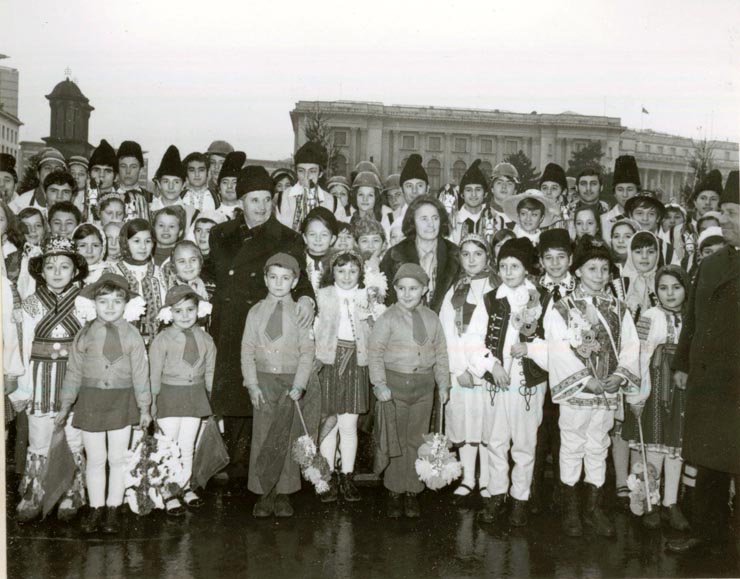
The Troubled History of Romanian Orphanages

Romanian orphanages

In January 1990, Daily Mail reporter Bob Graham was one of the first British journalists to visit a Romanian orphanage in Bucharest.  This trip unraveled the troubled history of Romanian orphanages. “Usually, when you enter a room packed with cots filled with children, the expectation is lots of noise, chatter or crying, sometimes even a whimper,” he said in an interview with Public Radio International in 2015. “There was none, even though the children were awake. They lay in their cots, sometimes two to each cot, sometimes three, their eyes staring. Silently. It was eerie, almost sinister.”

“They were inhuman,” he continued, recalling the living conditions of those he saw. “Stalls where children, babies, were treated like farm animals. No, I am wrong — at least the animals felt brave enough to make a noise.”

Journalists like Graham began to expose the nightmarish history of Romanian orphanages in December 1989. Their reports broke the hearts of the international community. As the haunting details of such places began to emerge, so did numerous charities, fundraising activities and adoption efforts.

The impassioned relief effort provided things such as blankets, powdered milk and toys. However, little improvement was actually made in the decade following the collapse of the Iron Curtain. Much of what defined the old, corrupt regime bled into the new government. Consequently, this interrupted any progress and left the abject conditions of orphans unaddressed.

When Emil Constantinescu was elected in 1997, however, a period of greater reform ushered in. Under his government, services were implemented that helped his countries’ parentless, such as establishing a new Child Protection Authority and promoting foster care. Since then, the system has made vast improvements. However, the living conditions of orphans remain problematic in Romania and throughout Eastern Europe to this day.

The ‘Decret’

It all started with a decree.

The last Communist leader of Romania, Nicolae Ceauşescu, took a page out of the 1930s Stalinist dogma and enacted pronatalist laws to fuel his belief that population growth would lead to economic growth. In October 1966, Decree 770 was enacted. It forbade both abortion and contraception for women under 40 with fewer than four children.

Children born during these years are popularly known as decreței. Decreței comes from the Romanian word “decret”, meaning decree. Ceaușescu announced, “The fetus is the property of the entire society … Anyone who avoids having children is a deserter who abandons the laws of national continuity.”

After the decree, birth rates rose significantly from 1967 to 1969 to catastrophic numbers. Coupled with Romania’s poverty, this policy meant that more and more unwanted children were turned over to state orphanages. There, they were subjected to institutionalized neglect, sexual abuse, and indiscriminate injections to ‘control behavior.’

By the end of the 20th century, over 10,000 institutionalized children were living with AIDS due to neglect and failure to sterilize medical instruments. “Children suffered from inadequate food, shelter, clothing, medical care, lack of stimulation or education, and neglect,” a report by nongovernmental organization Human Rights Watch stated.

Disabled children suffered even worse conditions and treatment. Many were malnourished, diseased, tied to their own beds or dangerously restrained in their own clothing. When Western psychologists entered the mix in the 1990s, they noted stunning developmental problems in institutionalized orphans. Their traumatic experiences served a tragic experiment, showing what happens to children denied normal human relationships.

Brain Development

The Bucharest Early Intervention Project launched a 12-year study following 136 infants and children who had been abandoned in Romanian institutions. They discovered institutionalized children more slowly acquired language skills. They also lacked problem-solving and reasoning skills, compared to children raised in foster homes. Moreover, the study noted the brains of institutionalized children were smaller and they had lower IQs. Similarly, they had increased rates of psychiatric disorders, particularly emotional disorders like anxiety and depression. Institutionalized children also displayed abnormal social development. This supported the theory of a ‘sensitive period’ of acquisition–the narrow time frame for the development of particular skills to occur.

“For children being raised in any kind of adversity, the sooner you can get them into an adequate caregiving environment, the better their chances are for developing normally,” says Charles Zeanah, a principal BEIP investigator. Unfortunately, adopted Romanian orphans are still suffering in adulthood to this day.

Romanian Orphanages Today

Today, only one-third of Romania’s children are housed in residential homes maintained by the state.  Historically, Romanian orphanages had little to no recourse. Today, there are a few different ways they can receive the tender love and care they deserve.

Many of the problems today can still be traced back to Ceausescu. In aiming to create a race of Romanian worker bees, his policies precipitated the abandonment of thousands of children each year. Because parents could not afford to raise children, the state orphanage system grew. Many parents believed the state could better take care of their children. And unfortunately, such a mentality, especially among the poor, remains today.

The majority of Romanian children in the state system are in foster care. The state pays Romanian foster parents a salary to rear children. There are also ‘family-type’ homes, where five or six children grow up together. In regards to the more problematic, remaining institutional buildings–called placement centers–the government has made a public commitment to close them all by 2020.

Ultimately, many countries in Eastern Europe are fighting to decrease their orphans and orphanages. In Moldova, Europe’s poorest country, the orphanage population has dropped from 11,000 to 2,000 since 2011. In Georgia, the number of state-run orphanages dropped from 50 to two. Additionally, Bulgaria has focused its reforms on children with disabilities, finding family-style care for all in state institutions.

While it was once the region with the highest rate of children in orphanages, Eastern Europe leads the movement to empty them today.

– William Cozens
Photo: National Archives of Romania

July 6, 2019
https://borgenproject.org/wp-content/uploads/borgen-project-logo.svg 0 0 Kim Thelwell https://borgenproject.org/wp-content/uploads/borgen-project-logo.svg Kim Thelwell2019-07-06 01:30:592024-05-29 22:59:33The Troubled History of Romanian Orphanages
Child Marriage, Child Soldiers, Global Poverty

Child Labor in Myanmar

Child Labor in Myanmar

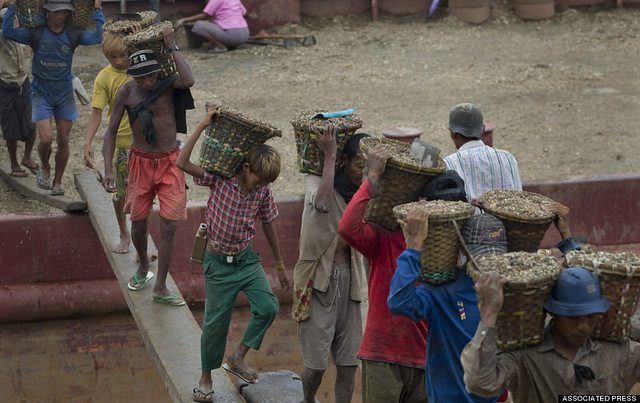
Child labor in Myanmar continues to be a concern for one of the poorest nations in Asia. It is estimated that 1.13 million children, ages 5 through 17 work as laborers in Myanmar. This amounts to 9.3 percent of the child population. Said conditions are a violation of human rights and deprivation of well being.

Impact of Poverty

The prime factor of involvement of children in the workforce is poverty. With more than 32 percent of the nation living below the national poverty line, children work to supplement low household incomes.

However, employers exploit children and pay extremely low rates. In some cases, children as young as 14, working in garment-producing factories, make as little as 17  cents per hour; Yet, the nation’s minimum wage is $3.60.

Government Involvement in Child Trafficking

In August 2017, it was estimated 690,000 people fled from Myanmar due to acts of violence caused by the Myanmar government. Of those, nearly 400,000 were children.

In Myanmar, there is an abundance of trafficking, with little to no intervention. Frequently, the displacement of young girls to China is due to trafficking, for work, or marriage to Chinese men as child brides.

Additionally, Myanmar also has the highest number of child soldiers globally. In these cases, young boys against their will have to comply with captor commands. These commands are in sync with militarization goals and tactics.

Impact of Child Labor

One prominent consequence of child labor in Myanmar is the lack of education among children. One in five children drops out of school in order to work. In Myanmar culture, it is socially acceptable and common to see children working, rather than in school. Also, children who are in the workforce usually have little awareness, nor education about their safety and health rights in the workplace, leading to a high risk of fatal injuries.

The agricultural industry employs 60.5 percent of children in the workforce. Construction and fellow small-scale industries also have a significant role in employing child laborers. Just over half of these children perform potentially hazardous work that is likely to harm their physical or psychological health. Children as young as 15 to 17 make up 74.6 percent of the child workforce exposed to hazardous jobs.

The Intervention of Child Trafficking in Myanmar

Although child labor in Myanmar is widespread, the government of Myanmar is addressing this issue with the support of the International Labor Organization (ILO). The Myanmar Program on the Elimination of Child Labor Project was a four-year program (2013-2017) funded by the U.S. Department of Labor, overseen by the ILO. The goals of this project were to increase awareness of children in the workforce while improving the legal and institutional laws concerning child labor.

The Myanmar government ratified the ILO Convention No.182 which prohibits the worst forms of childhood labor and is in the process of finalizing the country’s first National Action Plan. This proposal outlines ways to reduce child labor in Myanmar while improving the lives of the children all together.

Child labor in Myanmar is a prominent issue as it affects millions of lives. There is, however, a reason to be optimistic, as the Myanmar government and fellow organizations have begun prevention protocols, ensuring a better future for the children of Myanmar.

– Marissa Pekular


Photo: Flickr

June 30, 2019
https://borgenproject.org/wp-content/uploads/borgen-project-logo.svg 0 0 Kim Thelwell https://borgenproject.org/wp-content/uploads/borgen-project-logo.svg Kim Thelwell2019-06-30 11:35:302024-05-29 22:59:42Child Labor in Myanmar
Children, Global Poverty

World Vision’s Aid to Indonesia

Aid to Indonesia

Indonesia is no stranger to natural disasters; it has experienced a lot of destruction throughout the years. A major natural disaster occurs in Indonesia almost every year in the form of tsunamis, earthquakes and volcanic eruptions. Christian organizations are planted internationally in order to minister and bring aid to those in need. World Vision Ministry is one such organization that has been in Indonesia since 1960. Here is a look at World Vision’s aid to Indonesia.

World Vision’s Foundation

World Vision in Indonesia is based on a vision of a world that is committed to the well-being of children. The organization strives to build thriving communities where peace and justice can prevail with security, opportunity and contentment. This is accomplished through its relief, development and advocacy work. World Vision has become one of the world’s largest charities with annual revenue reaching more than $1 billion. It has ministries in 90 countries, focusing on children.

In the 1970s, World Vision Indonesia initiated a community development approach that provides more integrated support toward the empowerment of the poor communities and their children. Its involvement improved basic education, health, income generation and basic infrastructure for Indonesia. In 1998, World Vision raised 14 million to aid the poor in Jakarta, Indonesia. As a global humanitarian organization, World Vision’s ministry is dedicated to continuous aid to Indonesia whether it be a food crisis or assistance to victims of natural disasters.

Programs to Empower

According to the ministry, World Vision introduced the Area Development Program (ADP) approach in the 1990s to create an effective and lasting transformation in the lives of people in poor communities. The organization describes the ADPs as nurturing an inclusive approach to tackle poverty across extensive areas, normally involving several villages and communities. World Vision’s aid to Indonesia through the ADP approach has led to more sustainable developments and impacts through longer intervention and lifetime concentrated programs.

Today, World Vision has a partnership with Wahana Visi Indonesia, which supports around 50 ADPs in aid to Indonesia’s North Sumatra, Jakarta, East Java, West Kalimantan, Central Sulawesi, East Nusa Tenggara, North Maluku and Papua. World Vision in Indonesia has helped to save lives in many ways, but it is most effective in its emergency response.

Emergency Relief and Support

World Vision has administered emergency relief support to those affected by natural disasters or communal conflicts for many years. In 1963, World Vision supported the victims of Mount Agung eruption in Bali and then provided aid to Indonesia in the resettlement of displaced people in West Kalimantan, Maluku among other sites in the 1970-80s. The ministry remained Indonesia in 1997 and 2009 following the drought from the El Nino weather phenomenon, severe economic crises, earthquakes and the major tsunami in Aceh province.

In December 2018, World Vision provided aid to Indonesia when the Sunda Strait tsunami struck Java and Sumatra, resulting in more than 300 deaths. The ministry distributed hygiene and household items to families who lost their homes and provided safe places for mothers to feed their young children.

Margie Siregar, Humanitarian Emergency Affairs Director with World Vision, spoke with NPR’s Ari Shapiro while she was in Jakarta, Indonesia. “We had 30 aid staff already in the place before the earthquake happened and now we are providing some public kitchen and children feeding,” Siregar told NPR. The workers of World Vision also provided the children with a child-friendly space where they could play and recover from the trauma. In Central Sulawesi, an estimated 460,000 children in four districts were affected according to World Vision Indonesia.

Combatting Poverty

Each fiscal year, World Vision raises around $20 million from donors and sponsors in various countries to combat poverty and bring lasting transformation in the lives of the children to facilitate their communities. In 2018, 86 percent of World Vision’s total operating expenses went to aid Indonesia by establishing programs that benefited children, families and communities in poverty.

Parents in Indonesia are being empowered to care for their children through education on child protection and disaster risk reduction thanks to World Vision’s aid to Indonesia. Those who are interested in aiding the families affected by the recent tsunami may donate to World Vision’s Indonesia tsunami relief fund.

– Carolina Chaves
Photo: Flickr

June 23, 2019
https://borgenproject.org/wp-content/uploads/borgen-project-logo.svg 0 0 Kim Thelwell https://borgenproject.org/wp-content/uploads/borgen-project-logo.svg Kim Thelwell2019-06-23 01:30:252019-12-16 10:19:30World Vision’s Aid to Indonesia
Children, Education, Global Poverty

3 NGOs Improving Child Literacy Across the Globe

Improving Child LiteracyChild literacy is often taken for granted, but around the world, millions are growing up without the ability to read or write. What many do not realize is that literacy has a direct effect on poverty. According to a study conducted by the United Nations Scientific and Cultural Organization, there are links between illiteracy and higher unemployment. The study also found that illiterate adults are more susceptible to illnesses, exploitation, lower pay, and human rights abuses.

The inability to read or write is a self-perpetuating cycle because it traps illiterate communities in poverty without the tools to help themselves out. These conditions make illiterate communities more at risk of violence and conflict. In fact, 40 percent of illiterate children live in countries with active conflicts. The issue prompted the United Nations to launch the International Literacy Decade in 2003, which has taught around 90 million people to read and write. Despite this effort, there are still millions of vulnerable children around the world that need assistance to escape illiteracy and its negative consequences. There are many organizations dedicated to improving child literacy rates and these are just three NGOs working hard to bring education to the world.

3 NGOs Improving Child Literacy Across the Globe

  • Room to Read: Room to Read is an NGO founded in 1998 that began its work in Nepal. Room to Read’s vision is to improve literacy and access to literature in low-income communities, with a special focus on gender equality in education. The NGO has now spread all over Southeast Asia and Africa and has benefited around 16.6 million children worldwide. The NGO has distributed 24.1 million books, trained 15,285 librarians and teachers, and has partnered with 30,337 schools to implement its literacy program. In addition to the literacy program, Room to Read also has a specific program for girl’s education which aims to close the gender gap in classrooms of developing countries. Room to Read has received many commendations, most recently receiving a perfect “four stars” rating from Charity Navigator for the thirteenth year in a row.
  • World Literacy Foundation: The World Literacy Foundation was founded in 2003 with the guiding mission to provide books, tutoring and literacy tools to children in communities that otherwise would not have access to these resources. WLF began transporting books to Africa in 2005 and shortly after developed low-cost eBooks that could be distributed in local languages. In 2016 WLF designed and implemented “Sun Books”, which are solar powered tablets that bring educational books to classrooms in Uganda without electricity or the internet. In 2014, WLF ran the first World Literary Summit to increase cooperation with other literacy organizations. Since then, the summit has been held in 2016, 2018 and is scheduled again for 2020. So far, WLF has been active in more than 93 countries, has provided access to literacy resources to 250,101 children, and last year alone reached more than 350,000 children and adolescents.
  • Pratham: Pratham was founded in 1995 in Mumbai, India with the goal of having “every child in school and learning well.” Pratham is one of the largest NGOs in India, operating in 21 out of 29 Indian states and with volunteers in 300,000 Indian villages. Its mission is to improve literacy and the quality of education in India by supplementing government efforts and supporting teachers and parents. Pratham’s lead program, Read India, was launched in 2007 and has reached more than 30 million children. The program also provided training for around 61,000 teachers to improve literacy all across the country. Pratham has been a strong advocate for education reform to improve basic competencies like reading, writing, and arithmetic in Indian school children. Several state governments use Pratham’s Annual Status of Education Reports to plan yearly education programs. In 2013 Pratham was named one of the top 100 NGOs in The Global Journal for their pioneering work in primary and literacy education in India.

There are still 124 million children and adolescents that are not enrolled in school and one in four children in developing countries is illiterate. Tackling child and adult illiteracy is no easy task but it is NGOs like Room to Read, WLF and Pratham that are making big strides in closing the literacy gap. By providing training and resources to the neediest communities, these three NGOs provide disadvantaged children the fundamental tools needed to escape poverty.

– Isabel Fernandez
Photo: Flickr

June 22, 2019
https://borgenproject.org/wp-content/uploads/borgen-project-logo.svg 0 0 Kim Thelwell https://borgenproject.org/wp-content/uploads/borgen-project-logo.svg Kim Thelwell2019-06-22 08:32:132024-05-29 23:00:073 NGOs Improving Child Literacy Across the Globe
Page 82 of 137«‹8081828384›»

Get Smarter

  • Global Poverty 101
  • Global Poverty… The Good News
  • Global Poverty & U.S. Jobs
  • Global Poverty and National Security
  • Innovative Solutions to Poverty
  • Global Poverty & Aid FAQ’s
Search Search

Take Action

  • Call Congress
  • Email Congress
  • Donate
  • 30 Ways to Help
  • Volunteer Ops
  • Internships
  • Courses & Certificates
  • The Podcast
Borgen Project

“The Borgen Project is an incredible nonprofit organization that is addressing poverty and hunger and working towards ending them.”

-The Huffington Post

Inside The Borgen Project

  • Contact
  • About
  • Financials
  • President
  • Board of Directors
  • Board of Advisors

International Links

  • UK Email Parliament
  • UK Donate
  • Canada Email Parliament

Get Smarter

  • Global Poverty 101
  • Global Poverty… The Good News
  • Global Poverty & U.S. Jobs
  • Global Poverty and National Security
  • Innovative Solutions to Poverty
  • Global Poverty & Aid FAQ’s

Ways to Help

  • Call Congress
  • Email Congress
  • Donate
  • 30 Ways to Help
  • Volunteer Ops
  • Internships
  • Courses & Certificates
  • The Podcast
Scroll to top Scroll to top Scroll to top