Poverty in Myanmar
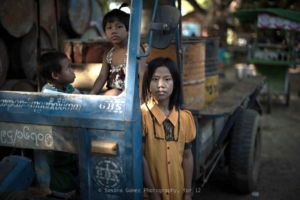
Myanmar is situated in Southeast Asia, bordered by Thailand to the south, India to the west and China to the east. Given its strategic location, one might assume that Myanmar has great potential to become an economic powerhouse in the region. However, the country continues to grapple with poverty and remains one of the poorest nations in the area.
With a population rate of 54.18 million (2022 estimate) and a gross domestic product (GDP) of $62.2 billion, Myanmar is one of the poorest nations in Southeast Asia. Furthermore, according to the World Bank, about 40% of the country’s population lived below the national poverty line in 2022.
Despite its low population density, Myanmar is resource-rich and well-suited for agriculture, with more than 70% the population engaged in agricultural work. The next largest employment sector is wholesale, retail trade and repairs, involving 15% of the population.
Causes of Poverty in Myanmar
Myanmar’s high poverty rates can be attributed to three main factors. Firstly, vulnerable individuals find themselves in situations with no way out. These people, originally employed in agriculture, mining, construction or trade, have seen their livelihoods deteriorate due to market losses, driving them into chronic poverty.
Secondly, unemployment contributes greatly to poverty in Myanmar. According to the World Bank, about 3% of the country’s population is unemployed and around 58% of total employment is considered vulnerable. Vulnerable employment is often characterized by low incomes, lack of job security, limited access to social protection and benefits and challenging conditions that “undermine workers’ fundamental rights.” Additionally, around 2% of the employed proportion lived below the international poverty line of $2.15 per day and 25% of the total population often struggled to stay above the poverty line.
Thirdly, with more than half of Myanmar’s population involved in agriculture, changing climate patterns, such as low rainfall and high temperature, affect agricultural production, exacerbating food insecurity and poverty in the county. In 2018, a monsoon-related flood affected more than one million acres of cultivated land in Myanmar.
Fortunately, technological advances are currently widely available to prevent and mitigate the effects of these losses. Therefore, the biggest work left to do to increase agricultural output each year would be to invest in spreading knowledge and properly equipping farmers.
Final Remark
Myanmar’s government is making several efforts to reduce poverty in the country. One of these is implementing the Myanmar Sustainable Development Plan (MSDP). The plan, which will run from 2018 to 2030, aims to reduce poverty, promote economic growth and improve the population’s living standards. It also includes efforts to strengthen the country’s infrastructure, healthcare and education.
Several nongovernmental organizations are also working to eradicate food insecurity and poverty in Myanmar. Notably, in 2023, the World Food Programme (WFP) assisted more than 36,000 central and northern Rakhine individuals through emergency food assistance and nearly 9,000 women and children through nutrition support. With the aid of these organizations, the root causes of poverty can be addressed, improving the living standards for vulnerable populations in Myanmar.
– Christina Cho
Photo: Flickr
Updated: May 27, 2024
