• Link to X
  • Link to Facebook
  • Link to Instagram
  • Link to TikTok
  • Link to Youtube
  • About
    • About Us
      • President
      • Board of Directors
      • Board of Advisors
      • Financials
      • Our Methodology
      • Success Tracker
      • Contact
  • Act Now
    • 30 Ways to Help
      • Email Congress
      • Call Congress
      • Volunteer
      • Courses & Certificates
      • Be a Donor
    • Internships
      • In-Office Internships
      • Remote Internships
    • Legislation
      • Politics 101
  • The Blog
  • The Podcast
  • Magazine
  • Donate
  • Click to open the search input field Click to open the search input field Search
  • Menu Menu

Archive for category: Children

Information and stories addressing children.

Children, Global Poverty

Pneumococcal Vaccine Price Drops for Third Year

Vaccines in Egypt On March 14, 2019, the vaccination company Pfizer, in partnership with Gavi, The Vaccine Alliance reduced the price of the pneumococcal vaccine (PCV) to $2.90 per dose for eligible countries. Gavi’s mission since 2000 has been to “improve access to new and underused vaccines for children living in the world’s poorest countries”. Public and private sectors fund the creation and distribution of important vaccines in 73 developing countries partnered with Gavi.
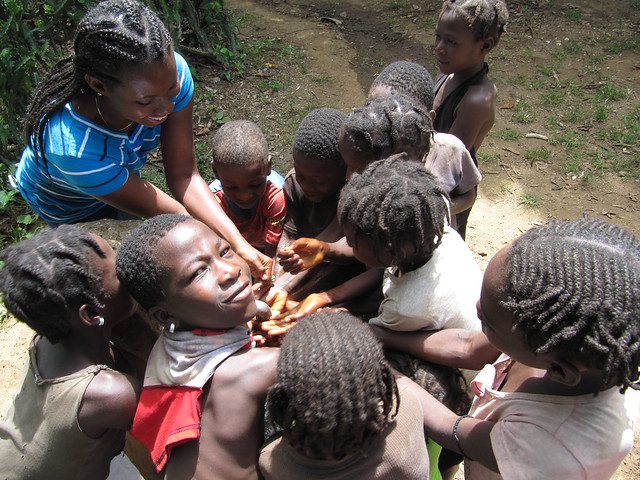
The Benefit of Price Drops

In 2017, the price of a single dose PCV was $3.30. However, as a result of negotiations between Pfizer and Gavi there have been three pneumococcal vaccine price drops since January 2017. It is expected to save developing countries $4.1 million this year. Dr. Seth Berkley, the CEO of Gavi says “pneumonia remains the single largest cause of death for children worldwide and [the] pneumococcal vaccine is one of our largest weapons against it”. The price drop comes at a pivotal time.

PCV is a Priority

PCV takes as long as 15 years to reach developing countries that need it the most. Whereas the vaccine is already easily accessible and widespread in industrialized nations. Vaccines have not been easily accessible in developing nations. They are expensive and difficult to distribute effectively in nations lacking funds and resources. The focus is on different areas. For example, the proportion of developing countries’ exports that is needed to service their overseas debt rose from 11 percent in 1970 to 18 percent in 1996, while overseas aid from the U.S. plummeted $14 billion. With the drop in PCV pricing, developing countries can invest in their public health.

The value of vaccines as a long-term investment for developing countries is leading to pneumococcal vaccine price drops. Vaccinating the youth population of developing countries, according to Gavi, creates a “virtuous cycle”.

The Cycle Follows This Order of Cause and Effect

  • Children have vaccines before the age of two
  • These children are likely to be healthier and live longer
  • Children have fewer and less serious illnesses
  • This leads to lower care costs for health systems and family
  • Which means more family money available to spend or save
  • Children will attend school more, fueling better outcomes
  • A family’s economic outlook will strengthen based on these outcomes
  • Birth rates drop and mother’s health improves
  • A community becomes more economically stable and productive
  • Contributing to politically and economically stable countries

By looking at the cost-benefit analyses for vaccinations, scientists are able to see this “virtuous cycle” in action. A study, conducted by the Cebu Longitudinal Health and Nutrition Survey in 1975, took data from a sample of Filipino children. Researchers compared test scores of children who received six vaccines in their first two years versus those that did not. The study reveals the association of immunization with improved IQ scores, language and mathematics tests. Untreated childhood illness can impair cognitive development.

Developing countries often have large obstacles to face such as food scarcity, a lack of widespread education and low GDPs. Investing in vaccines is a long-term solution that will benefit the economic, health, societal and governmental sectors of these nations. With the pneumococcal vaccine price drops, this seems to be an attainable reality for developing countries.

– Meredith Breda
Photo: Flickr

June 20, 2019
https://borgenproject.org/wp-content/uploads/borgen-project-logo.svg 0 0 Kim Thelwell https://borgenproject.org/wp-content/uploads/borgen-project-logo.svg Kim Thelwell2019-06-20 08:31:342019-06-20 08:31:34Pneumococcal Vaccine Price Drops for Third Year
Advocacy, Children, Developing Countries, Global Poverty, Health

Strides in the Race for Vaccine Accessibility

vaccine accessibility
Vaccines are second only to clean water in reducing the rate of infectious disease. Vaccines prevent about 6 million deaths every year, and those that have been in use for decades show a 99 percent decrease in the rates of people contracting those diseases. Unfortunately, vaccines are not affordable for many people living in poverty throughout the world, making them much more vulnerable to infectious disease. Several factors contribute to the current lack of vaccine accessibility in many parts of the developing world. However, there are also significant improvements that are being made in decreasing the financial gap between those who receive vaccinations and those who do not, helping make vaccines more accessible to everyone.

The Current Situation

The price of the vaccine doesn’t always reflect the cost: People in developing countries are not only paying for the cost of manufacturing the vaccine, but also for expensive shipping costs, refrigeration, tariffs on imports, and taxes on medical supplies. These additional costs are often much more than the cost of the actual vaccine, and they make what would otherwise be an affordable vaccine inaccessible to a lot of people.

Clinic visits cost money too: In addition to buying the vaccine with all of its fees piled on top, people also have to pay to visit a clinic to receive these vaccines. The hours of health clinics are often inconvenient as well, forcing people to forgo wages from work in order to see a doctor.

Many vaccines require multiple rounds: A lot of vaccines, such as RTSS for malaria, MMR for measles and the HPV vaccine require multiple rounds of vaccination in order to be effective. This simply compounds all of the other barriers to vaccine accessibility; those receiving the vaccine have to pay for treatment again as well as take time off of work to visit a clinic.

Doctors are few and far between: In many parts of the developing world, there are very few doctors, and these doctors are limited in the number of patients they can treat each day. Therefore, even if one can afford to pay for the vaccine and can make it to a clinic, there is no guarantee that they will be able to be seen by a doctor.

Improvements to Vaccine Accessibility

Local health centers’ capacities are being strengthened: Gavi, a non-governmental organization dedicated to providing vaccines to the developing world, is working to strengthen the capacity of existing health centers to deliver immunizations. Gavi is working to increase the proportion of people who are receiving a full cycle of vaccines rather than “dropping out” after the first dose by providing sustainable funding to health clinics across the developing world.

Foreign aid decreases the price of vaccines: Providing foreign aid specifically for vaccines decreases the cost to those receiving treatment, and in turn, spares families from having to pay far more for treatment if someone contracted an infectious disease. Foreign aid for vaccinations has the highest return on investment of any type of aid besides education.

People are going beyond wanting to vaccinate to actually vaccinating: The Poverty Action Lab at MIT is implementing research on how to motivate people from desiring to vaccinate to doing it. This research is increasing the numbers of people receiving preventative immunizations in the developing world and reducing the rates of disease.

Infrastructures to keep vaccines cold for cheaper: The governments of Ethiopia and Gambia have created cold chain infrastructures in order to reduce the cost of transporting vaccines that need to be refrigerated. These infrastructures are far from perfect, as some cold storage facilities in Ethiopia have not been kept as cold as they need to be in order to protect the vaccines.

However, progress is still being made in reducing the cost of vaccines and allowing them to be more accessible to those living in poverty. Gavi is working to implement more cold chain infrastructures in other countries in Sub-Saharan Africa.

Moving Forward

There is clearly still a long way to go in ensuring vaccine accessibility to everyone who needs it, but a lot of progress has been made in breaking down the current barriers to accessibility. Vaccines are much cheaper than the cost of treatment for those who have the diseases vaccines aim to prevent, and investing in vaccinations relieves the world’s poor of the additional burden of treatment costs. Vaccines are one of the greatest assets in our toolbox to fight poverty, and great strides are being made in the effort to make accessibility a reality.

– Macklyn Hutchison
Photo: Flickr

June 15, 2019
https://borgenproject.org/wp-content/uploads/borgen-project-logo.svg 0 0 Kim Thelwell https://borgenproject.org/wp-content/uploads/borgen-project-logo.svg Kim Thelwell2019-06-15 16:34:022024-05-29 23:01:03Strides in the Race for Vaccine Accessibility
Children, Global Poverty, Poverty

Top 10 Facts About Orphanages

10 Facts About Orphanages
UNICEF defines an orphan as “a child under 18 years of age who has lost one or both parents to any cause of death.” The United States and various other Western states have largely phased out orphanages — institutions aimed at caring for and housing children who have lost or been separated from their families. Parts of the developing world continue to use them, however. Keep reading to discover 10 facts about orphanages.

10 Facts About Orphanages

  1. The physical shelter of orphanages is a benefit for children who have become separated from or lost family, however, they need much more than that. Orphan children require affection, figures they can look up to and a sense of emotional security to ensure they reach their fullest developmental potential. While many orphanages have not provided this care in the past, the United Nations’ implementation of the “Guidelines for the Alternative Care of Children” in 2009 calls for the strengthening of social services programs. Additionally, this document calls for the prioritization of family-oriented alternatives.
  2. For tourists looking to do some kind of service work abroad, volunteering in orphanages may not be the best way to do it. Throughout South Asia, human trafficking continues to plague many countries and can lead to the separation of children from their families. To continue attracting high paying tourists, many “orphanages” actually contain children whose parents or families are capable of taking care of them.
  3. Globally, the main reason for children winding up in orphanages is not due to parent loss. Rather, children often become separated from their parents due to poverty, which restricts parents from giving their children the care they need. In Sri Lanka, 92 percent of children in private institutions had at least one surviving parent, but these parents were unable to provide adequate care for their children.
  4. Many children who live in orphanages end up staying for extended periods of time, which can cause developmental delays in their social, emotional and intellectual developments.
  5. The number of orphanages is increasing, particularly in Asia, even though the number of orphans is decreasing. People’s living conditions are steadily improving around the world, and because of this, families are forcing fewer children from their family homes. Orphanage volunteerism, however, is a profitable market, which unfortunately means that the children’s wellbeing is often placed on the back burner.
  6. Oftentimes, the volunteers at orphanages are short-term, meaning that the kids living in the orphanages are not able to form healthy, long-term caretaker relationships. The best option would be to have qualified locals work in the orphanages, which would ensure that relationships last the duration of the children’s stay.
  7. A study conducted by the Bucharest Early Intervention Project found that if children under the age of two years old moved from institutional care to a foster care situation, they had a significantly higher chance of making developmental gains than those who stayed in institutional care.
  8. Donors and governments are usually well-intentioned while setting up orphanages but fail to see the long-term negative consequences that arise when children are in these institutions for prolonged periods of time. Creating a space in which disenfranchised children can exist together seems easier than helping an entire society of impoverished families create sustainable households.
  9. Children who end up in orphanages due to family separation do so because of natural disasters, displacement, economic hardships and other forms of conflict. Allowing them the chance to reunite with their families if possible is an effective way to ensure they do not suffer the negative effects of staying in an orphanage long-term.
  10. NGOs and governments often overlook children in institutions such as orphanages. SOS Children’s Villages, however, is an organization that focuses almost exclusively on orphaned children. Hermann Gmeiner founded the organization in Austria in 1949, because he saw the devastating effects of World War II on children firsthand. Today, SOS Children’s Villages works in 135 countries and villages. Instead of simply institutionalizing orphaned children, SOS Children’s Villages works with various communities in order to provide education and as close to family bonds as possible for the children.

These 10 facts about orphanages shed important light on what people largely think is a positive industry. While there are positive intentions behind the construction of orphanages, many do not provide children with the tools or developmental skills necessary to maintain long-lasting, healthy relationships. However, with help from organizations like SOS Children’s Villages, hopefully orphaned children will have a better future.

– Emi Cormier
Photo: Flickr

June 10, 2019
https://borgenproject.org/wp-content/uploads/borgen-project-logo.svg 0 0 Kim Thelwell https://borgenproject.org/wp-content/uploads/borgen-project-logo.svg Kim Thelwell2019-06-10 08:32:262024-05-29 22:39:59Top 10 Facts About Orphanages
Children, Education, Global Poverty

Breaking the Cycle: Intergenerational Transmission of Poverty

Intergenerational Transmission of PovertyMore than 780 million people live below the poverty line, as a result of and contributing to the intergenerational transmission of poverty. More than 160 million children at risk of continuing to live in poverty by the year 2030. Similarly, those living in poverty will likely remain in poverty. In other words, poor parents raise poor children, who are more likely to remain poor as adults. This intergenerational transmission of poverty refers to two or more successive generations of a family living in poverty. The intergenerational transmission of poverty includes financial, material and environmental assets, human capital and attitudes, cultural and other knowledge or traditions. Therefore, those seeking to end persistent poverty must prioritize childhood poverty.
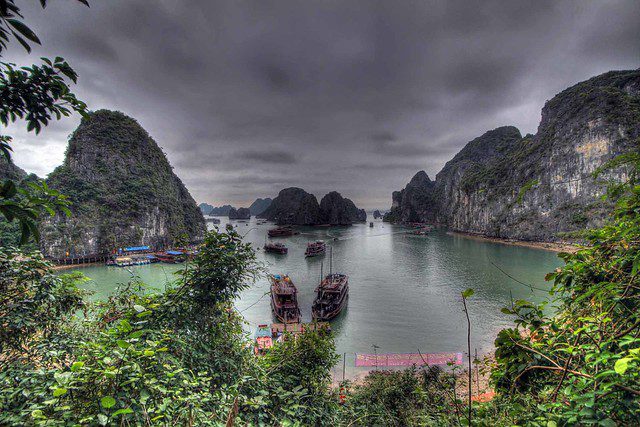
The United Nations Convention on the Rights of the Child is an international agreement that sets out the civil, political, economic, social and cultural rights of every child (up to 18), regardless of race, religion or abilities. This agreement expresses that children should live free of the deprivations of poverty. Unfortunately, millions of children are still living in poverty. Children are particularly more vulnerable to the impacts of poverty, malnutrition and poor health.

Effects of Intergenerational Transmission of Poverty

This is especially true in developing countries that are riddled with poor sanitation, poor access to clean water and electricity, lack of healthcare services, and a lack of transportation. Such risk factors affect their physical, cognitive and social development. As a result, disadvantaged children are more likely to perform poorly in school, have low incomes and high fertility rates. Consequently, these children will ultimately provide poor care for their children. These deprivations then initiate another cycle of the intergenerational transmission of poverty. Child poverty is a global issue, not just one in developing countries. For example, in the United Kingdom during the 1970s, 19 percent of men who experienced relative poverty as a teenager also experienced poverty while they were in their thirties.

Even when children live in relative poverty, in which they lack the minimum amount of income needed in order to maintain the average standard of living in the society in which they live. They also have much poorer opportunities in education and healthcare, which disproportionately affects their chances of climbing out of poverty.

In Guatemala, a study found healthier children from advantaged homes are more likely to continue their education beyond primary level. These children, consequently, tend to have better cognitive skills during preschool. These children were compared to children with early biological, social and psychological risk factors. Thus, the results show the effects of poverty affect educational success. Subsequently, it also affects the ability to attain jobs with livable wages.

Childhood poverty can also affect society as a whole and feeds into the intergenerational transmission of poverty. Poverty contributes to low educational attainment leading to a less productive workforce and unemployment due to lower skills and productivity.

Strategizing Against Intergenerational Transmission of Poverty

UNICEF aims to improve the lives of millions of children and disrupt the intergenerational transmission of poverty. To do so, UNICEF provides an agenda to ending childhood poverty:

  • child poverty should be an explicit part of the global development framework and its implementation;
  • every country should explicitly prioritize the reduction of child poverty on their agenda and include appropriate national plans, policies and laws;
  • expand child-sensitive protection systems and programs, improve access to quality public services for the poorest children;
  • an inclusive growth agenda to reach the poorest and most deprived.

Children with a good start in life are much less at risk of being poor as adults. Tackling childhood poverty should be a priority when addressing the intergenerational transmission of poverty. When we help children climb out of the cycle of poverty, we are not just helping them individually, we are also helping society prosper.

– Andrea Rodriguez
Photo: Flickr

June 9, 2019
https://borgenproject.org/wp-content/uploads/borgen-project-logo.svg 0 0 Kim Thelwell https://borgenproject.org/wp-content/uploads/borgen-project-logo.svg Kim Thelwell2019-06-09 01:30:492024-05-29 23:00:30Breaking the Cycle: Intergenerational Transmission of Poverty
Children, Developing Countries, Development, Education, Global Poverty, Health

The Vietnamese Water Crisis

vietnamese water crisis
Vietnam, a southeastern Asian country whose coastline stretches 12 nautical miles, imminently struggles with providing clean water to those living there. The country has over 2360 rivers and about two-thirds of its population resides near one of Vietnam’s three water basins. Even so, most of this aquatic supply is unusable and undrinkable. The ongoing Vietnamese water crisis is so threatening that it is a focal point of national policy and international concern.

Background

Both government and industrial issues exacerbate the Vietnamese water crisis. Poor regulation coupled with irresponsible handling of waste has led Vietnam’s ponds, lakes, and canals to shortages and contamination.

In March of 2018, the Coalition for Clean Water and the Centre for Environment and Community Research released a report detailing how industry has altered the water quality in Vietnam. The report revealed that about 70 percent of waste released from industrial parks is directly released into the environment. These tainted waters carry dangerous chemicals and cause illnesses.

The World Bank’s estimations concerning the crisis show that it is no diminutive issue. The organization notes that rising threats against Vietnam’s water supply could reduce the nation’s GDP by six percent by the year 2035. Pollution presents itself as the biggest hazard to water basins, which drain into water outlets all over the country. In the most highly polluted areas, wastewater has poisoned the air to the point that it has become odorous and toxic.

Impacts of the Crisis

Those living in rural areas suffer the most from water sanitation issues. Only 39 percent of rural individuals have access to clean water. Furthermore, most of these individuals must use water wells that tap into underground aquifers to compensate for the lack of a clean water source at the surface.

The absence of clean water does not only deprive rural Vietnamese of their basic needs, but it also affects their ability to efficiently participate in the economy. Agricultural production is a precious monetary asset that takes up 80 percent of Vietnam’s water supply. The infrastructure needed to transport clean water to farms is unstable.

The Vietnamese water crisis has created national health issues, as well. The Ministry of Natural Resources and Environment estimates that up to 80 percent of diseases in Vietnam is directly caused by water pollution. Nearly six million citizens have contracted a waterborne illness, the most rampant being cholera, typhoid, dysentery, and malaria.

Impacts on Children

Children are the main concern for the international community as dirty water affects the growth and development of a new generation.

UNICEF reports that more than 9.5 million Vietnamese still release excreta into their surroundings, further contaminating the water supply. Children lack the matured immune system needed to fight off the problems generated by this unhygienic practice, such as diarrhea, pneumonia, and parasitic infection. Diarrhea is responsible for nearly 10 percent of the deaths of children under the age of five.

USAID Intervention in the Ha Lam Commune

USAID has routinely provided donations and grants to the Vietnamese government to solve humanitarian issues. A recent project launched on March 30, 2019, is aimed at assuaging the problems perpetrated by water pollution.

The project, called the Vietnam Local Works for Environmental Health, focuses on the Ha Lam commune in the Thanh Hoa province. Small scale water supply systems are currently being entrenched in the region to provide clean water to kindergarten, primary, and secondary schools. The new infrastructure is estimated to benefit over 20,000 individuals living in this northern province.

The Ha Lam commune, however, is not the only area where children are at risk. Education institutions in other parts of Vietnam are also in need of effective water supply systems, as more than 80 percent of schools around the nation lack fully operating water sanitation facilities.

Looking Ahead

Due to the awareness and concentration on the Vietnamese water crisis, it is possible that this problem will soon be overcome. By 2025, the Vietnamese government hopes to attain the clean water standards needed to revive an unhealthy public and a feeble economic production. Specifically, the government has launched a national plan directed at hindering the open defecation that so commonly contaminates the country’s water supply.

With six years to go until Vietnam’s standard is hopefully achieved, it is imperative that this issue remain persistent in the global mind. The government and participating groups must remain resilient through the growing population and industry in Vietnam that work to destabilize existing plans. Clean water is required if the human and environmental body is to exist comfortably.

– Annie O’Connell
Photo: Flickr

June 8, 2019
https://borgenproject.org/wp-content/uploads/borgen-project-logo.svg 0 0 Kim Thelwell https://borgenproject.org/wp-content/uploads/borgen-project-logo.svg Kim Thelwell2019-06-08 15:15:492024-05-29 23:10:42The Vietnamese Water Crisis
Charity, Children, Global Poverty

5 Charities Helping Street Children Around the World

Helping street childrenToday, there are an estimated 100 million homeless children in the world. Many more children, due to family instability, poverty or abuse, spend the majority of their days on the street either working or begging. The U.N. defines a “street child” as any child for whom the street has become his/her habitual abode and/or source of livelihood and who is not sufficiently supervised or protected by adults.

Street children are at high risk of verbal, physical and sexual abuse; girls are highly vulnerable to sexual assault, sex trafficking and may resort to commercial sex work. Street life poses other risks such as hunger, drug abuse, violence, disease, labor exploitation and police brutality. Worse yet, many street children are viewed with contempt by the public; they are seen as dirty, criminal, and are subject to discrimination.

Street children are in desperate need of guidance and support. Fortunately, there are many nonprofit agencies and organizations around the world helping street children through advocacy and outreach. Here are five organizations fighting for justice and rehabilitation for street children:

I Care in South Africa

I Care is a small nonprofit organization based in Durban, South Africa that provides support, rehabilitation and education for street children. The main goals at I Care are to help children learn crucial life skills like honesty, good work ethic and a collaborative attitude. These skills will help them get off the streets and live successful lives. The organization has been helping street children since 2002, directing donations to rehabilitation and skills programs. Rather than giving directly to children, I Care urged the public to direct funds to its programs, which include safe-houses, free meals and skills training for kids living on the streets.

The Africa Educational Trust

The Africa Educational Trust (AET) recognizes the severe problem that homeless and street children pose in Africa. Street children are at high risk for disease, drugs, exploitation, physical and sexual abuse. The AET believes that education is key in improving the lives of street children. The organization works with schools to help them understand the unique needs of street children, who have trouble successfully integrating into classroom settings. By partnering with local organizations, the AET provides psychological and academic support to children beginning or re-entering school. “School starter kits,” which include uniforms, textbooks, and other materials are prepared and distributed to children in need.

Railway Children

This U.K. based organization works to find children in abusive, neglectful, and/or impoverished conditions in order to prevent them from running away and living on the streets. Railway Children works in India and East Africa, where millions of orphans and runaways fill the streets. They also work in the U.K., where hundreds of children run away from home each year to escape violence and neglect. Railway Children makes a point to partner with local authorities and civil society because “[local partners] know the area, children, and local culture best.” Outreach workers reach out and gain the trust of street children, return them home when possible, and tailor to the needs of each unique case. The organization also works with policymakers, advocating for children on the street and making sure they are prioritized in the creation of legislation.

The Consortium for Street Children

This NGO unites member organizations around the world to fight for homeless children through international advocacy, legal services, outreach, research, grassroots casework and policy analysis. The global network consists of more than 100 NGOs, lawyers, researchers and individuals helping street children in 135 countries. The organization facilitates cooperation between members and adopted a five-year plan in 2019 to mobilize global action for street children’s rights by pressuring U.N. member states to amend policies and protect children. In 2018, the Consortium for Street Children hosted an international conference focused on equality and inclusion. The organization asserts that every single person on this planet matters and that street children should be afforded the same rights and opportunities as their peers.

Street Child

Founded in the U.K. in 2008, Street Child has helped over 200,000 street-associated children and families by providing educational opportunities and poverty relief. The organization believes that universal basic education is crucial in the elimination of global poverty and recognizes the many obstacles to education facing street children. Street Child creates low-cost, sustainable solutions informed by research in 1o countries across Asia, Africa and the Middle East.

Millions of children around the globe have to live and work on the street to survive. This dangerous environment makes them vulnerable to violence, exploitation, hunger and disease. Helping street children should be a global priority. Luckily, organizations providing outreach, advocacy, education and protection for street children have made great strides in the global fight against poverty.

– Nicollet Laframboise
Photo: Flickr

June 7, 2019
https://borgenproject.org/wp-content/uploads/borgen-project-logo.svg 0 0 Kim Thelwell https://borgenproject.org/wp-content/uploads/borgen-project-logo.svg Kim Thelwell2019-06-07 14:47:132024-12-13 18:01:525 Charities Helping Street Children Around the World
Children, Global Poverty

The Uweza Art Gallery Provides Hope to Biggest Slum in Kenya

Biggest Slum in Kenya
Known to many as the largest urban slum in all of Africa, Kibera is a community of 250,000 people in Nairobi, Kenya without regular access to clean water or electricity. This slum is rife with disease and the abuse of drugs and alcohol is common. In Kibera, the biggest slum in Kenya, artistic expression and the creation of art is not a priority and seldom is it even an option. The Uweza Art Gallery is changing that.

The Uweza Foundation

Jennifer Sapitro, an American entrepreneur, created the Uweza Foundation in 2008. The foundation funded and opened a community center for the people of Kibera. Sapitro gained inspiration from the artwork at the center and opened the Uweza Art Gallery in 2013. Alongside the art gallery, the foundation provides a variety of programs for Kibera’s youth, such as soccer and a female empowerment program. The goal in establishing the creative hub of the Uweza Art Gallery was to give the youth of Kibera an opportunity to develop their talents, a means of expression through art and access to economic opportunity.

The Uweza Art Gallery

The Uweza Art Gallery provides materials and space for Kibera’s young artists to express themselves and create artwork. The youth are also in charge of marketing their art at the gallery, which is located in an old shipping container, a testimony to the scarcity of proper institutions and resources in Kibera.

The way this gallery works is that 60 percent of the money from a sold item goes back to the artist and the other 40 percent goes to the gallery in order to fund more art supplies and pay the rent. If the artist is under 18 years of age, the gallery allocates the money they make from selling their art for their schooling. If they are over 18, the gallery utilizes the money to pay for whatever the artist may need, such as food or water.

Thanks to the Uweza Art Gallery, many artists over the age of 18 are able to fully support themselves through sales. In addition, this creative space hosts free art classes twice a week for Kibera’s youth. Children as young as five years old go to the art gallery to participate in learning the basic skills of art. As they continue attending the classes, the gallery prompts them to paint their own artwork. Once they become more advanced in their art and they have learned the necessary skills, the gallery encourages them to become a part of the gallery and to continue painting in order to sell. They also take trips outside of the slum to visit museums and art galleries.

This program is significant because not only does it give artists in Kibera a means of expression, but also gives them a chance to be economically self-sufficient. This is so important because it can be the ladder that gives them access to climb out of the dark hole that is poverty. The more successful they are selling their art, the better their chances are at overcoming poverty. The art they make can financially contribute to a better lifestyle.

Another way that the Uweza Art Gallery is beneficial to Kibera is that even though it is based in the biggest slum in Kenya, the art is easily accessible to buyers around the world. Artwork created by people living in slums helps to spread global awareness of the problems these individuals encounter. Living in Kibera presents a lot of adversity, but the Uweza Art Gallery is a creative hub that is a beacon of hope for the people of this slum in Kenya.

– Paula Bouza
Photo: Flickr

June 3, 2019
https://borgenproject.org/wp-content/uploads/borgen-project-logo.svg 0 0 Kim Thelwell https://borgenproject.org/wp-content/uploads/borgen-project-logo.svg Kim Thelwell2019-06-03 11:30:332024-05-29 23:00:15The Uweza Art Gallery Provides Hope to Biggest Slum in Kenya
Children, Global Poverty

Latin American Drug Cartels Target Impoverished Children

Latin American Drug Cartels Target Impoverished Children

Drug cartels are a rising problem everywhere, especially for those that are in poverty. Children, specifically children in poverty, are generally the most vulnerable population anywhere in the world. Latin American drug cartels target impoverished children specifically due to their innocence and willingness to obey. Although this situation seems unfixable, people are uniting together against Latin American drug cartels, providing much needed hope.

The Situation

In Latin America, 43 percent of children live in poverty. These children’s come from families with no money for food, clothing or shelter. Cartels know the struggles of these children, so they offer them work. Because many feel they have no choice but to accept work from Latin American drug cartels, 80 percent of children under 25 agree to work for them.

Young children in Mexico and other Latin American countries draw less suspicion than older individuals and are willing to work for little money. As a result, the cartels use them in every way possible. Cartels often send children unaccompanied to push drugs across borders. Subsequently, border security will help unaccompanied children, thus enabling drug traffickers to smuggle drugs across borders.

How Countries Combat Drug Cartels

Luckily for these children, countries are taking steps to eliminate cartels. Recently, Mexico initiated a joint investigative team with the U.S. to fight against drug cartels. The U.S. and Mexico have worked together to combat cartels since the 1970s. For instance, one program, the Merida Initiative, worked to stop the flow of illegal weapons from the U.S. into Mexico and, subsequently, Latin American cartels. Similarly, the U.S. and Mexico offer amnesty to drug dealers in exchange for information.

This new joint investigative team is based in Chicago and directly targets cartel finances. Cartels survive by distributing goods to suppliers and laundering money. Therefore, disrupting their finances and cracking down on money laundering will drastically slow their production. In doing so, the team intends to weaken and ultimately stop Latin American drug cartels.

How Nonprofit Organizations and KIND Help

Nonprofit organizations band together to help the children that drug smugglers employed previously. One organization in particular, KIND, is dedicated to offering such help. KIND protects children’s rights when unaccompanied children are detained by the U.S. and when they are on the move. KIND ensures detained children receive necessary legal aid, especially as these children are burdened with an immigration system they do not understand.

With the U.S. and Mexico targeting drug cartels’ financial assets and nonprofit organizations providing the necessary help, there is hope to eliminate drug cartels and keep vulnerable children safe. The U.S. and Mexico, along with nonprofit organizations, are executing solutions to keep drug cartels away from children and shut them down altogether.

– Emme Chadwick
Photo: Pixabay

April 30, 2019
https://borgenproject.org/wp-content/uploads/borgen-project-logo.svg 0 0 Kim Thelwell https://borgenproject.org/wp-content/uploads/borgen-project-logo.svg Kim Thelwell2019-04-30 07:54:442024-05-29 22:59:55Latin American Drug Cartels Target Impoverished Children
Child Soldiers, Human Rights, Human Trafficking

10 Countries That Use Child Soldiers

2018’s Worst Countries for Child Soldiers
Every year, the U.S. Department of State issues its Trafficking in Persons Report. This report gives an overview of each country’s progress against trafficking and what the United States is doing to eliminate human trafficking across the globe. One form of human trafficking is the use of child soldiers. Child soldiers are individuals under the age of 18 used for any military purpose, whether that be for acts of violence and killing, or even as cooks, messengers, spies or porters. Since 2016, over 18 different military conflicts around the world involved child soldiers.

The 2018 Trafficking in Persons Report includes a list of governments implicit in the use of child soldiers, and under the Child Soldiers Prevention Act of 2008 (CSPA), the United States restricts military support for countries listed. This article will provide an overview of child recruitment and use in each country on the Child Soldiers Prevention Act List.

10 Countries That Use Child Soldiers

  1. Myanmar – Myanmar’s military, the Tatmadaw, has a long history of using child soldiers in warfare. The highest rate of child recruitment took place from 1990 to 2005. However, in 2012, the country signed an Action Plan with the U.N. to end the use of child soldiers. Since then, 849 children and young adults have been released. Though Myanmar has a long way to go to completely eradicate child soldiers in the country, the government is working to align tribal groups and the Tatmadaw with the U.N.’s Action Plan.

  2. The Democratic Republic of the Congo – The Democratic Republic of the Congo (DRC) also signed an Action Plan with the U.N. in 2012 and the government has since stopped recruiting child soldiers into its military. Before 2012, children ages 8 to 16-years-old made up about 60 percent of the military. Now, the main problem with child recruitment in the DRC is girls who are used as “wives” and “escorts” for the soldiers. At least one-third of all child soldiers in the DRC are girls, though only 7 percent have been released since the signing of the Action Plan. In 2019, Child Soldiers International helped 245 of these girls go back to school, including Neema, who said, “if we could go to school, the community would be nicer to us, we would get some consideration, that would help a lot.” Organizations, such as the National Action Group, conduct outreach work to help child soldiers in the DRC appropriate back into their communities. With their support, child soldiers and military “wives” can avoid the stigmatization and persecution that comes with being a child soldier.

  3. Iran – Former U.S. Ambassador to the U.N., Nikki Haley, spoke out against the use of child soldiers in Iran, saying, “The use of child soldiers is a moral outrage that every civilized nation rejects while Iran celebrates it. Iran’s economy is increasingly devoted to funding Iranian repression at home and aggression abroad. Iranian big business and finance are funding the war crime of using child soldiers.” Her comments came in the midst of the United States’ political maneuvering against Iran’s use of child soldiers. The Iranian military, especially the Basij Resistance Force, has had a long history of using child soldiers. During the Iran-Iraq War in the 1980s, the Basij used child soldiers to clear minefields ahead of the military. With the U.S. hard on their heels, Iranian rights activists hope that this will be a wake-up call and end the use of child soldiers in Iran.

  4. Iraq – In 2017, there were 109 confirmed cases of child soldier recruitment in Iraq, 59 of which were attributed to ISIL or ISIS. Children were used as suicide bombers, combatants, bomb manufactures and “wives” for soldiers. Many different military organizations in Iraq use “volunteer” child soldiers, but under international law, non-state armed groups cannot recruit children under 18 under any circumstances. Children’s Rights Director at Human Rights Watch, Zama Coursen-Neff, said, “The PKK [the Kurdistan Workers’ Party] should categorically denounce the recruitment and use of child soldiers, and commanders in affiliated armed groups should know that the recruitment and use of children under age 15 constitute war crimes. Boys and girls should be with their families and going to school, not used as means to military ends.” The U.N. is ready to provide support to the Iraqi government as they develop and implement reintegration services for children formally used as child soldiers.

  5. Mali – Stephane Dujarric, a U.N. spokesperson, proclaimed good news for a few child soldiers in Mali, saying, “Nine child combatants were handed over to the U.N. mission in Kidal this morning. The mission is… making arrangements for their care by child protection officials pending reunification with their family.” There were 159 documented cases of child soldier recruitment in 2017, but Mali is taking steps in the right direction. After signing an Action Plan with the U.N. in March of 2017, the military began screening their troops to identify children. However, the country failed to implement other aspects of the Action Plan. On Feb 1, 2018, Mali’s government endorsed the Safe Schools Declaration, which protects the use of educational facilities in military training or conflict.

  6. Nigeria – Boko Haram is also a problem for child soldiers in Nigeria, accounting for 1,092 cases of child recruitment. However, this number has decreased by almost 50 percent in the past two years, due to the loss of territory by Boko Haram. In 2018, more than 900 children were freed from Boko Haram, some as young as 7-years-old. UNICEF spokesman, Christophe Boulierac, said, “This is a significant milestone in ending the recruitment and use of children, but many more children remain in the ranks of other armed groups in either combat or support roles. We call on all parties to stop recruiting children and let children be children.” Nigeria signed an Action Plan with the U.N. in September of 2017, and since then, more than 8,700 children have been rehabilitated back into their communities.

  7. Somalia – Warlord Al Shabaab is the biggest threat to child soldiers in Somalia, enlisting 70 percent of the 2,217 children recruited throughout the country. More than 50 percent of Al Shabaab’s army are children under the age of 18. Col. Bonny Bamwiseki, commander of Battle Group XXII of the Uganda contingent of the African Union Mission in Somalia, explained another problem of child soldiers: “Some of these boys are children of this struggle and so they become part of it.” With clan warfare and the threat of Al Shabaab all around them, many children “volunteer” to protect their families and their homes.

  8. South Sudan – South Sudan became the 168th country to sign a U.N. treaty to end the use of child soldiers.  On Sept 27, 2018, ambassadors from South Sudan met with U.N. officials to sign the Optional Protocol to the Convention on the Rights of the Child on the involvement of children in armed conflict (OPAC). In the past five years, more than 19,000 children have been recruited by armed groups in South Sudan, but now the government is working to demobilize all child soldiers throughout the country and offer support for their recovery. Progress will be slow and difficult, but the U.N. Special Representative of the Secretary-General for Children and Armed Conflict, Virginia Gamba noted, “Today, the Government of South Sudan is making an important promise to its children that they will take all possible measures to protect them from recruitment and use by both its armed forces and armed groups active in the country.”

  9. Syria – The number of child soldiers has been increasing yearly in Syria, now reaching 851 verified cases of recruitment and use of children in the military. While Syria has not worked with the U.N. to implement an Action Plan or OPAC, the Syrian Democratic Forces (SDF) in northeast Syria, issued a military order banning the recruitment of children under 18. This military order requires SDF officers to transfer children to educational facilities, end salary payments to children, hear and receive complaints of child recruitment, and take measures against soldiers who fail to obey these orders. Though the number of cases of child soldiers in Syria has increased, these measures will help prevent fight the use of child soldiers in 2019.

  10. Yemen – According to the U.N., the Yemen civil war is one of the worst humanitarian crisis, killing more than 85,000 children. The war left families destitute, and many send their children off to fight in exchange for money. Children make up between 20 and 40 percent of Yemen military units, and since 2015, there have been 2,369 verified cases of child recruitment. There are currently more than 6,000 suspected child soldiers across the country, and more than 20,000 children who are in need of rehabilitation after the war. While many Yemeni officials deny the use of child soldiers or call the reports “exaggerated,” the U.N. is working to give people knowledge of this “child’s war” and reduce the number of child soldiers in Yemen.

The 2018 Trafficking in Persons Report hopes to raise awareness of the use of child soldiers around the world, and encourage people to respond and make a change. The information is overwhelmingly negative, but there have been many positives since 2017. For example is that Sudan has been removed from the Child Soldiers Prevention Act List, as the U.S. Department of State believes that they have improved in regulating the use of child soldiers.

– Natalie Dell
Photo: Flickr

April 26, 2019
https://borgenproject.org/wp-content/uploads/borgen-project-logo.svg 0 0 Kim Thelwell https://borgenproject.org/wp-content/uploads/borgen-project-logo.svg Kim Thelwell2019-04-26 06:18:192024-05-29 22:59:5010 Countries That Use Child Soldiers
Child Soldiers

Post Genocide: Top 10 Facts About Rwanda Child Soldiers

Top 10 Facts About Rwanda Child Soldiers
Rwanda is an African country whose history is marred by colonialism, civil war, political turmoil and genocide. Since the 1994 genocide that killed nearly one million Tutsi and moderate Hutu, the country continues to deal with the aftermath of this suffering.

One of the central issues during the genocide and even today in the post-genocide environment has been the role of child soldiers. Here are the top 10 facts about Rwanda child soldiers.

Top 10 Facts About Rwanda Child Soldiers

  1. Post-genocide, many Rwandan survivors fled to the Democratic Republic of the Congo. However, as violence surged in the Congo and a genocide of its own erupted there, Congolese rebels forced Rwandan boys to become soldiers for their cause.
  2. Children are a vulnerable population that are more susceptible to be forced or recruited into child armies. This vulnerability is structural according to Human Rights Watch: “Government officials have done little to protect these children’s rights…traditional societal networks have been severely eroded by poverty, the HIV/AIDS epidemic, and, not least, the consequences of the genocide and war.”
  3. According to Michael Wessels, author of Child Soldiers: From Violence to Protection, children are more likely to be recruited as soldiers because “They can be psychologically manipulated through a deliberate programme of starvation, thirst, fatigue, voodoo, indoctrination, beatings, the use of drugs and alcohol, and even sexual abuse to render them compliant to the new norms of child soldiering.”
  4. More than 50 percent of Rwanda’s population is 19 years old or younger and orphans account for 10 percent of this demographic. With limited access to money, shelter, education and other necessities, many of these vulnerable children fall prey to child armies.
  5. In the neighboring country of the Democratic Republic of the Congo, the rebel military group M23 worked with the Rwandan Defense Force to train child soldiers.
  6. With promises of money, education and jobs, children—many of them orphaned or living in extreme poverty—fell prey to the Rwandan Defense Force which falsely claimed children would be trained for the Rwandan army, not for M23.
  7. Romeo Dallaire witnessed the Rwandan genocide firsthand as a U.N. peacekeeper. According to Dallaire, one of the reasons for employing child soldiers is that “they are viewed as expendable, replaceable.”
  8. For the past 20 years, Rwanda has been working to demobilize Rwandan child soldiers and reintegrate them into Rwandan society. As of 2013, the Rwandan government demobilized about 3,000 child soldiers.
  9. Although the Rwandan government made successful moves to reduce the number of child soldiers, some reports suggest that simultaneously, the Rwandan government recruited some of those same children as soldiers. Following these accusations, the United States denied military funding to the Rwandan Army.
  10. In efforts to help reintegrate former child soldiers, the Lake Muhazi Centre is just one of many places that runs a three-month course that offers counseling, recreational activities, and job training to help facilitate assimilation back into Rwandan society.

Although Rwanda made great strides to demobilize the child soldiers that its own army produced, many child soldiers remain in the Democratic Republic of the Congo. It was not until 2013 that the Rwandan government acknowledged its role in the production of child soldiers and has, since then, made great efforts to combat this atrocity.

– Morgan Everman
Photo: Pixabay

April 16, 2019
https://borgenproject.org/wp-content/uploads/borgen-project-logo.svg 0 0 Kim Thelwell https://borgenproject.org/wp-content/uploads/borgen-project-logo.svg Kim Thelwell2019-04-16 14:19:412024-05-29 22:59:36Post Genocide: Top 10 Facts About Rwanda Child Soldiers
Page 83 of 137«‹8182838485›»

Get Smarter

  • Global Poverty 101
  • Global Poverty… The Good News
  • Global Poverty & U.S. Jobs
  • Global Poverty and National Security
  • Innovative Solutions to Poverty
  • Global Poverty & Aid FAQ’s
Search Search

Take Action

  • Call Congress
  • Email Congress
  • Donate
  • 30 Ways to Help
  • Volunteer Ops
  • Internships
  • Courses & Certificates
  • The Podcast
Borgen Project

“The Borgen Project is an incredible nonprofit organization that is addressing poverty and hunger and working towards ending them.”

-The Huffington Post

Inside The Borgen Project

  • Contact
  • About
  • Financials
  • President
  • Board of Directors
  • Board of Advisors

International Links

  • UK Email Parliament
  • UK Donate
  • Canada Email Parliament

Get Smarter

  • Global Poverty 101
  • Global Poverty… The Good News
  • Global Poverty & U.S. Jobs
  • Global Poverty and National Security
  • Innovative Solutions to Poverty
  • Global Poverty & Aid FAQ’s

Ways to Help

  • Call Congress
  • Email Congress
  • Donate
  • 30 Ways to Help
  • Volunteer Ops
  • Internships
  • Courses & Certificates
  • The Podcast
Scroll to top Scroll to top Scroll to top