15 Shocking Child Labor Facts Everyone Needs to Know
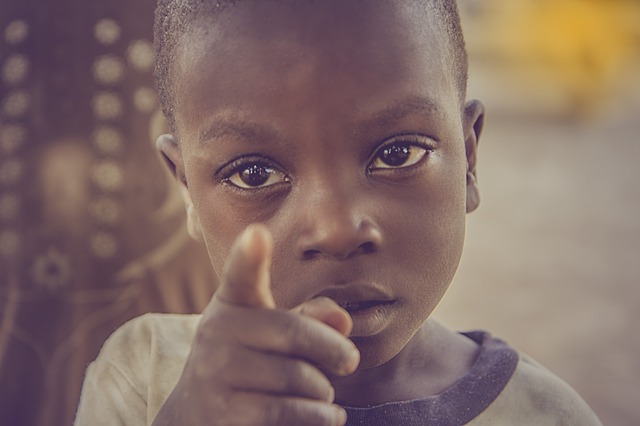 Child labor affects 150 million children worldwide. Child labor can take many forms, but the most common is defined as strenuous and dangerous work that is carried out by a child and does not abide by national and international child labor legislation. Many of these children are deprived of education, proper nutrition and a childhood without sports or playtime. Keep reading to learn more about the top 15 child labor facts everyone needs to know.
15 Child Labor Facts Everyone Needs to Know
- The agricultural industry makes up 71 percent of child labor in the world. Agricultural labor can include but is not limited to forestry, subsistence and commercial farming, fishing and livestock herding. Children may have to work on farms in long, unbearable heat.
- According to the International Labor Organization (ILO), 73 million of the 152 million children being forced into child labor are experiencing hazardous labor. Ages between 15 and 17 years old make up 24 percent of child labor and experience more hazardous forms of labor than other age groups.
- More than half of child labor around the world is found in Africa. One in five African children is subject to child labor. Between 2012 and 2016, there was no reduction in child labor in Africa although there was some improvement in other areas of the world. Areas with more conflicts and disaster are more likely to experience child labor.
- In Africa, 85 percent of child labor is in the agricultural sector. The service sector is responsible for eight million children working, and about two million are working in the industry sectors.
- The ages of child laborers range from five to 17 years old. However, the majority of child labor comes from the ages of five to 11 years old. Children ages 12 to 14 years old make up about 28 percent.
- There is a large gender gap between girls and boys regarding child labor. Eighty-eight million boys are affected by child labor worldwide, but about 20 million fewer girls are affected by child labor.
- Two-thirds of all children in child labor go unpaid.
- Research has found that housework and chores are often neglected when children are involved in child labor. However, girls between the ages of five and 14 years old account for more than 21 hours of chore labor every week.
- Alliance 8.7 and UNICEF are backing the goal of Target 8.7 in regards to 2030 Sustainable Development Goals. Target 8.7 concentrates on measures to reduce all child labor, child slavery and human trafficking worldwide. The organization hopes to end child labor by 2025.
- Child labor greatly affects education and children staying in school. Thirty-six million children are not getting an education because of child labor. For those children who do go to school and work, their work still affects their performance and ability to succeed in school.
- Although African countries lead with the highest rates of child labor, Asia and the Pacific have 62 million child laborers. The ILO reported that other countries, such as the Americas, have about 10 million child laborers, and the Arab states have the lowest with 1.2 million children.
- Two-thirds of children are employed by their families and their companies. But, only 4 percent of those children are paid. The remaining one-third of children working is left to work for third parties.
- Children in the age range between 15 and 17 years-old are above the minimum age to work. Even though these children are not young children, they are often actively engaging with work that can affect their health.
- Child labor has many circumstances surrounding and affecting it, such as poverty, migration, emergencies and social norms.
- Since 2000, child labor for girls has dropped 40 percent and for boys has dropped 25 percent. In addition, there are 136 million children fewer children being affected by child labor around the world.
The 15 child labor facts presented show that children are still being affected by child labor around the world. While organizations such as UNICEF, International Labor Organization, the Human Rights Watch and Alliance 8.7 are working towards eradicating child labor, it still is an issue that is affecting our world.
– Logan Derbes
Photo: Pixabay
