• Link to X
  • Link to Facebook
  • Link to Instagram
  • Link to TikTok
  • Link to Youtube
  • About
    • About Us
      • President
      • Board of Directors
      • Board of Advisors
      • Financials
      • Our Methodology
      • Success Tracker
      • Contact
  • Act Now
    • 30 Ways to Help
      • Email Congress
      • Call Congress
      • Volunteer
      • Courses & Certificates
      • Be a Donor
    • Internships
      • In-Office Internships
      • Remote Internships
    • Legislation
      • Politics 101
  • The Blog
  • The Podcast
  • Magazine
  • Donate
  • Click to open the search input field Click to open the search input field Search
  • Menu Menu

Archive for category: Children

Information and stories addressing children.

Children, Development, Education, Global Poverty

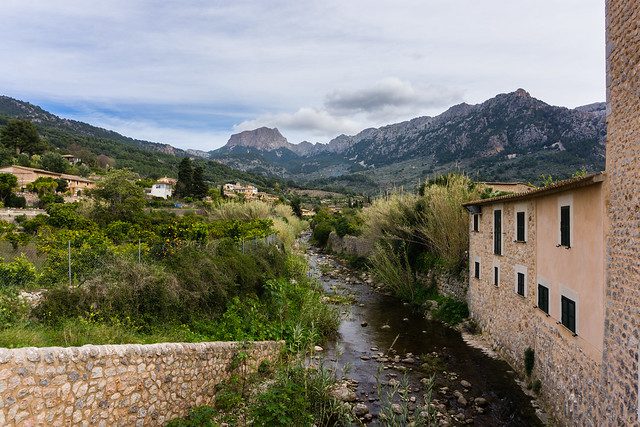
Child Poverty in Spain Among a Booming Economy

child poverty in spain
Since the end of Spain’s economic recession in 2014, the country is the largest grower in the EU, with a GDP almost twice that of the average European country. Despite a six-year recession that impacted both the entire population and other countries in the Eurozone, the economy seems to have recovered. However, despite Spain’s economic recovery, the rate and likelihood of children in poverty have increased exponentially. Curiosity arises as to how an issue like poverty could arise in a country as developed as Spain.

The Problem

The rise of child poverty in Spain despite the recovery of the economy seems counterintuitive. However, studies show that one in three children are likely to be impoverished or socially excluded, according to the EU’s latest figures. As the results of their studies show, a lack of income does not only encumber Spanish children but also a lack of socialization. This means that child poverty in Spain is multidimensional; this means a lack of proper education, nutrition, future employment and social time on top of the financial crisis that has remained in many middle and low-class families despite the national economic recovery. Impoverished families are unable to prevent their children from reaching the same fate because the turn of the recession has resulted in a job market that provides no opportunity for even the most qualified candidates.

This issue is most dominant in middle and low-class families, and the middle class is already dangerously small. The trademark economic concept of the rich getting richer and the poor getting poorer is true in the Spanish socioeconomic classes and results in the stretching and thinning of the middle class. These larger socioeconomic effects are only symptoms of child poverty in Spain. The reason why the focus of the recession is on children is that they are the most at-risk demographic; when parents experience impact, it extends to their children.

The Larger Issue

Child poverty in Spain has adverse effects on the rest of society, including senior citizens, young adults and parents. The growing number of impoverished children puts pressure on the social pension systems that account for one of the fastest aging populations in Europe. Children trapped in poverty will grow to be adults who remain reliant on social and governmental assistance. Many young adults avoided higher education due to attractive employment opportunities before the recession, leaving a large population of eager, unaccredited workers in a job market that no longer needs it. Because of the lack of opportunity in the job market, parents are reliant on unemployment benefits or the pension of their parents.

Effects of the Problem

Because child poverty in Spain is a multidimensional issue, the effects correspond to different areas. In terms of education, Spain has experienced a dropout rate 23% higher than the EU average since the beginning of the recession in 2008. In general, Spain’s dropout and unemployment rates are high, specifically among those of disadvantaged socioeconomic backgrounds.

Studies show that even very brief bursts of intense poverty can impact child development for the rest of their lives. Economists and child development specialists predict that if this poverty persists, the adults of the future will have experienced stunted development due to their reliance on pensions.

Solutions

Even Sevilla, the fifth most populated city in Spain and a huge tourist destination, falls victim to increasing child poverty rates. There are many gaps in the welfare system that people have not accounted for, which are essential to the development of children. For example, because of limited monthly income but the need to continue to feed their children, families are buying enough food for everyone, but without the necessary nutrients for developing bodies. As such, children in Spain are not necessarily hungry, but they are in poverty. As a result, NGOs like Save the Children fill in the gaps in children’s diets by providing nutrient-rich meals.

Save the Children works in several domains that benefit the needs of at-risk or impoverished Spanish children, including nutrition, health and education. By filling in the dietary and academic gaps in these children’s lives, their families will have some security. In 2014, Save the Children reached 14,889 children and 5,635 adults through programs that combat educational poverty, social exclusion and workshops that prevent the issue from furthering. The hope is that as the recovery continues, economic reform will result in a balancing of socioeconomic classes and the disparity will vanish. Until then, NGOs like Save the Children will continue to try and cover up the remaining holes in the system that the recession left in the hopes that the children they serve will grow up to lead a generation where poverty is the exception, not the expectation.

Hope for the Future

Child poverty is a major issue because these children will grow up to be the leaders of their nation. The increased rate of child poverty in Spain is an alarming problem that an economic crisis and a weak social infrastructure have fueled. Child poverty in Spain is different than in other countries. Spanish children are not poor in the traditional sense. They receive food and have access to education.

The nature of poverty is more nuanced than a lack of resources. Children in Spain receive food but are often malnourished, and even though they have access to school, they often drop out. The other key issue is the lack of socialization among peers. However, with NGOs like Save the Children who provide programs to areas in need, this issue can perhaps disappear. With directed efforts towards these specific problems and programs that are tailored towards the specific nature of these issues, child poverty can undergo eradication, securing Spain’s future prosperity.

– Andrew Yang
Photo: Flickr

August 7, 2019
https://borgenproject.org/wp-content/uploads/borgen-project-logo.svg 0 0 Kim Thelwell https://borgenproject.org/wp-content/uploads/borgen-project-logo.svg Kim Thelwell2019-08-07 07:30:412022-03-31 20:10:42Child Poverty in Spain Among a Booming Economy
Children, Education, Global Poverty

8 Facts About Education in the United Republic of Tanzania

eight facts about education in tanzaniaComprised of what once were two separate states, Zanzibar and Tanganyika, Tanzania now sits in East Africa between Kenya and Mozambique after gaining independence from Britain in 1964. With a population of over 55 million people, Tanzania is the biggest and most populous East African nation. The following 8 facts about education in the United Republic of Tanzania will highlight problems students face in the pursuit of education. They will also map out efforts being made to ensure that students are able to access education.

8 Facts about Education in the United Republic of Tanzania

  1. Throughout the 1970s, a focus was placed on education. Universal primary schooling consisting of seven years was instated. Unfortunately, the demand for secondary school outweighs the budget allotment, and as a result, many parents have been forced to help sponsor said education.
  2. While there is little to no disparity between boys and girls enrolling in the mandatory primary schooling, just one-third of girls who enroll in secondary education will complete it. This may be a contribution to why 83.2 percent of males age 15 and over being able to read and write as opposed to the 73.1 percent of females at the same age level. Contributing factors to girls’ having restrictions on their educations include premature marriages, gender-based violence and financial hardships.
  3. Due to low literacy rates, the Tanzanian government has put a focus on adult education in addition to childhood education. Because of the success of these programs, adult literacy rates have improved drastically. While Tanzania‘s literacy rates are still below the world average, in terms of African nations, it ranks above average.
  4. Another hindrance to children’s education in Tanzania is the lack of qualified teachers available to teach. UNICEF reports that for every 131 students, there is one qualified teacher. This leaves many students without access to the education they deserve.
  5. In addition to not having a sufficient number of teachers staffed in schools, many teachers are left without proper tools to teach adequately. Sixty-six percent of teachers say that they are not equipped with proper teaching supplies. Not providing teachers with the necessary tools to teach is a massive contributor to lower literacy rates.
  6. USAID is working to provide various services designed to increase student retention rates. The organization is working closely to address the restrictions that young girls face in order to let them continue their education. USAID is working in partnerships with the National Plan of Action to End Violence against Women and Children.
  7. With USAID’s involvement, an estimated 19,000 young girls will benefit and have increased support for their continued education. It is predicted that nearly 1.5 million students as a whole will see improvements in their reading, writing and math schooling by 2021. Increasing the quality of school materials will lead to massive change throughout the country.
  8. Another organization passionate about affording education to those in need in Tanzania is UNICEF. By 2021, UNICEF, along with the President’s Office Regional Administration and Local Government (PORALG), hopes to increase the availability of safe and inclusive access to basic education. With this plan, the hope is to provide even the most vulnerable young people in Tanzania with proper primary education.

While Tanzania, like many other countries, has room for improvement, these 8 facts about education in the United Republic of Tanzania show that there are strong efforts being made. With effective plans of action in place for the next few years, the future of education in Tanzania looks brighter.

– Emi Cormier
Photo: Flickr

August 6, 2019
https://borgenproject.org/wp-content/uploads/borgen-project-logo.svg 0 0 Kim Thelwell https://borgenproject.org/wp-content/uploads/borgen-project-logo.svg Kim Thelwell2019-08-06 01:30:312024-05-29 22:26:528 Facts About Education in the United Republic of Tanzania
Child Marriage, Child Soldiers, Children, Global Poverty

South Sudanese Children Released from Hostage Situation

South Sudanese Children Released from Hostage Situation

On July 23, 2019, 32 South Sudanese children were released from a hostage situation. These children were released to their families and other community members in Leer County, in northern South Sudan. These children were abducted by political opposition groups, with some of the boys abducted as early as 2016. Since the abduction, these 32 children were forced to witness armed conflicts and even participate as child soldiers. Unfortunately, the abduction of these 32 boys is not an uncommon incident; it is a daunting aspect of the South Sudanese civil war.

South Sudan has been in unrest since December 2013, when a civil war was sparked by conflict between the nation’s president and vice president. Supporters for President Salva Kiir were pitted against opposition supporters for Vice President Riek Machar, creating a power struggle over which regime would control the country. This resulted in five years of violence against armed forces and unarmed civilians. The devastation from this civil war has resulted in an estimated 400,000 deaths and has caused nearly 2.5 million refugees to flee the country.

Of the many atrocities committed within this civil war, the recruitment of children into armed forces is one of them. Recruitment, in this case, means the abduction or sale of children. Child abduction across South Sudan has become more frequent due to the nation’s civil war. In 2018, the U.N. last reported that around 19,000 children have been forced into armed groups across South Sudan. Young boys are typically made into child soldiers, while the abducted young girls are made into child brides. It is not uncommon for young girls to be sold into marriage, as the nation’s civil war has economically damaged many communities.

Where these abducted children end up is a mixed bag; some of these children are taken by armed opposition groups, while some of the child soldiers wind up in South Sudanese government forces. For the children integrated into government armed forces, their placement there is not condoned by the nation’s army, South Sudan’s People Defense Force (SPLA). A spokesperson for SPLA, Lul Ruai Koang, publicly stated, “We don’t want child soldiers… We gave their names to UNICEF.” In other words, if there are child soldiers found within SPLA ranks, their information will be given to UNICEF. From there, UNICEF is in charge of what happens to these children.

As for the South Sudanese children released from their hostage situation on July 23, 2019, UNICEF has enrolled all 32 boys into a three-year integration program. This program will provide for the boys’ basic needs, along with additional educational and psychological programs. As of July 2019, UNICEF has assisted 3,143 children throughout South Sudan after they have been released from armed forces. UNICEF’s reintegration programs have become essential in helping these children cope past their traumas and become functioning members of society.

“These children are deprived of a childhood and have seen things children should never experience,” South Sudanese UNICEF representative Mohamed Ag Ayoya said about the July hostage release. “However, it is not too late to give them a future, and that future started today.”

– Suzette Shultz
Photo: Flickr

August 1, 2019
https://borgenproject.org/wp-content/uploads/borgen-project-logo.svg 0 0 Kim Thelwell https://borgenproject.org/wp-content/uploads/borgen-project-logo.svg Kim Thelwell2019-08-01 15:54:282024-05-29 23:10:32South Sudanese Children Released from Hostage Situation
Activism, Children, Global Poverty, United Nations

Millie Bobby Brown and UNICEF Advocate for Children

Brown and UNICEF

On World Children’s Day in 2018, “Stranger Things” actress Millie Bobby Brown was named a UNICEF Goodwill Ambassador, making her the youngest to hold the title at 14 years old. UNICEF, which stands for United Nations International Children’s Emergency Fund, is a nonprofit organization that has sought to provide aid for underprivileged children and protect their rights across 190 countries and territories since 1946. Brown’s role with UNICEF as an ambassador is to use her global platform to raise awareness of issues that affect youth around the world, such as lack of education, violence, poverty and bullying.

Children Taking Over for UNICEF

Before being named ambassador in 2018, Brown and UNICEF partnered in 2016 when the actress co-hosted the organization’s 70th anniversary event at the United Nations headquarters. The anniversary celebration was deemed a “children’s takeover” because it was hosted by Brown and other young celebrities who have been involved with UNICEF as well as young people who have directly benefited from the organization’s efforts. While co-hosting the event as a representative for the future of UNICEF, Brown interviewed soccer star David Beckham about his philanthropic efforts with UNICEF in his 11 years as an ambassador.

Millie Bobby Brown in Denmark

In Jan. 2019, Brown and UNICEF travelled together for the first time when the actress went to
visit the global supply headquarters in Copenhagen, Denmark. There, she assisted in assembling
early childhood development kits, which offer children in disastrous and contentious areas and living conditions a way to play and learn. The kits include art supplies, puzzles, games, books and puppets, and are given to caregivers helping in these areas. The kits are designed to be utilized by up to 50 children who are experiencing trauma and stress, and assist in creating a safe learning environment for them.

Brown also toured UNICEF’s supply and kit packing warehouse, the largest humanitarian warehouse in the world. Hundreds of necessities such as clothing and school supplies are sent from the warehouse every day to children and families in need around the world. In 2017 alone, $3.46 billion worth of supplies were sent to 150 countries in areas by UNICEF.

Collaboration Kits for a Cause

Representatives from Moncler, an Italian apparel and lifestyle brand, also accompanied Brown and UNICEF during the trip. In 2017 the Warmly Moncler project was launched in light of the collaboration between UNICEF and Moncler. The initiative provides winter survival kits containing hats, gloves, scarves, shoes, thermal blankets, socks and fuel to heat homes and schools to disadvantaged children and families in areas with harsh winter conditions worldwide. Since the collaboration was launched, over 38,000 families who live in some of the coldest countries in the world have benefited from the project.

For the future, Brown can be expected to continue to use her platform as an ambassador for
UNICEF to meet with as many children as she can, hear their stories and advocate and speak
out on their behalf.

– Cydni Payton
Photo: Wikimedia Commons

July 31, 2019
https://borgenproject.org/wp-content/uploads/borgen-project-logo.svg 0 0 Kim Thelwell https://borgenproject.org/wp-content/uploads/borgen-project-logo.svg Kim Thelwell2019-07-31 01:30:072024-05-29 23:10:20Millie Bobby Brown and UNICEF Advocate for Children
Children, Education, Global Poverty

8 Facts About Education in Swaziland

Facts About Education in Swaziland
Children make up around 48 percent of Swaziland’s population. The Swazi Ministry of Education and Training considers their education a direct line to “self-reliance, social and economic development and global competitiveness.” Here are eight facts about education in Swaziland and on how this Southern African nation educates its next generation.

8 Facts about Education in Swaziland

  1. The government prioritizes education in its national budget, allocating 25 percent of its total government expenditure to funding education.  This makes Swaziland one of Africa’s top education spenders. Of that, 35.4 percent of the budget is spent on providing primary education. Schooling for children usually begins at six years old and Swazi students take a final evaluation, called the Swaziland Primary Certificate (SPC), in seventh grade. In all, the Swazi government spends an average of $60 per student during their primary schooling.
  2. In the early 2000s, Swaziland instated two measures providing for vulnerable and orphaned students: a bursary scheme for Orphans and Vulnerable Children (OVC) in 2003 and the All Children Safe in School Initiative from 2003–2005. The former implemented free textbooks and workbooks for all primary school children starting in 2003, and universally provided visually impaired materials since 2006. The All Children Safe in School Initiative provided grants for some children’s school fees and meals.  During the two years of the initiative, there was a 20 percent bump in primary school enrollment in the benefitted communities.
  3. Primary education became fully funded starting in 2010 after the Ministry of Education and Training identified school fees, expensive learning materials and lack of food as causes of high repetition and dropout rates. In 2007, 85 percent of school-age children were enrolled in primary school. In the first year of free primary education (FPE), this statistic jumped to 97 percent of six to 12-year-olds attending primary or secondary school. However, FPE did not solve everything. In the first two years after the government began to fund primary education, Swazi boys were out of school almost twice as much as their female counterparts—10 boys out for every six girls.
  4. In addition to funding primary school enrollment, the government helps fund 96 percent of the schools themselves. While 60 percent of schools are government-run community schools, the government of Swaziland also contributes funding to the 34 percent of schools owned and operated by faith-based and religious organizations, as well as to the remaining independently-owned schools.
  5. The 2015 Millennium Development Goals country report indicated that Swaziland has nearly achieved universal primary education, which includes all students completing primary school education. It has achieved universal primary school enrollment, from 79.2 percent in 2000 to a projected 97.7 percent in 2015. Age cut-offs for first grade enrollment explain this missing 2.3 percent. However, 14.5 percent of students repeated a grade in 2014 and 1.7 percent dropped out in 2012. This is partially due to the Ministry of Education’s policy that students cannot repeat a single grade more than twice. Sickness, death, pregnancy, school fees, abscondment, family reasons and disciplinary factors are all listed in the census for causes of dropouts. It is currently estimated that it takes an average child more than 11 years to complete the 7-year primary education cycle, and more than 21 percent of students did not complete primary school in 2014.
  6. Individual Swazi schools receive aid from initiatives on a national scale and personalized aid from the government. After identifying a specific road in Mkhuzweni as dangerous to students crossing it on their way to school, the Minister of Public Works and Transport, Lindiwe Dlamini, initiated a scholar patrols program in 2015. Spurred by several fatal accidents, this program provided schools with reflective vests and stop signs. A marked decrease in accidents immediately followed in the months after the implementation of the program, including a complete halt of student fatalities.
  7. Swaziland’s National Plan of Action for Children 2011-2015 created a task force for the organization WASH to install water harvesting systems, sanitation and feeding scheme gardens. Working with USAID and Palms for Life Fund, WASH in Schools helped 80 first and second-year schools. Between 2011 and 2013, they built 188 rainwater harvesting systems, 187 water stand points, 52 new latrines and installed 72km of PVC water piping and 183 water tanks storing more than 242,000 gallons of water. In all, around 30,000 school children, more than 1,000 teachers and 3,000 community members benefit from the water they supplied.
  8. Once students pass their primary education evaluation, they encounter further struggles in secondary school. More students pass their primary education evaluation than there are spaces in secondary school, and in 2011, only 35 percent of eligible students were enrolled in secondary school. The gender disparity in secondary school enrollment favors women, with 39 percent of girls going to secondary school, compared with 30 percent of boys. Additionally, a smaller proportion of urban children are in school than rural (86 percent to 91 percent). The percentages continue to decrease from there: 28.6 percent of students manage to complete secondary school, and only 8 percent of Swazi citizens have continued their education past it.

Swaziland has made great strides toward a universal, affordable and high-quality education system. Even before universal free primary education, 2007 standardized tests showed that Swazi students performed above average in the region in mathematics and reading. These eight facts about education in Swaziland illustrate how the country may continue this upward trend.

– Daria Locher
Photo: Pexels

July 26, 2019
https://borgenproject.org/wp-content/uploads/borgen-project-logo.svg 0 0 Kim Thelwell https://borgenproject.org/wp-content/uploads/borgen-project-logo.svg Kim Thelwell2019-07-26 06:51:192024-06-06 00:26:188 Facts About Education in Swaziland
Child Marriage, Children, Education, Global Poverty, Nonprofit Organizations and NGOs

4 Nonprofit Organizations Fighting Child Marriage in India

Child Marriage in IndiaChild marriage is any formal or informal marriage of one or both individuals under the age of 18. Not only a human rights violation, child marriage also negatively affects a child’s health, physical growth, mental and emotional development and education opportunities. Some reasons for child marriage are poverty, lack of education, political and financial reasons, gender inequalities and improper implementation of the law. Both girls and boys are affected by child marriages; however, girls are affected at a much higher rate. Of 223 million child brides, 102 million are married before they turn 15. One in three of the world’s child marriages are located in India. Fortunately, these four nonprofit organizations fighting child marriage in India are dedicated to making a change.

4 Nonprofit Organizations Fighting Child Marriage in India

  1. Saarthi Trust: Rehabilitation psychologist Kriti Bhartihe founded Saarthi Trust in 2011. This organization’s main focus is working on the establishment of rights for women and children, child marriage annulment and protection for women and children. Saarthi Trust is the first organization to annul a child marriage in India. Since then, they have successfully annulled 30 marriages and prevented 900. In addition, this organization has rehabilitated 6,000 children and 5,500 women. The Saarthi Trust also offers programs for mental support and education for women and children.  
  2. Aangan Trust: Suparna Gupta founded Aangan Trust in 2002. It works to ensure protection from trafficking, hazardous work, child marriages and violence. This organization trains women to work with child survivors to guarantee that there is no further harm. The women are trained in active listening skills, building empathy and linking children and families to existing services to help reduce risks. This will allow the children to heal, restore their dignity and get back into the community. In addition, these women also build connections with key government agencies, the police and Child Welfare Protection to go through with care plans and to monitor the children’s progress. 
  3. Girls Not Brides: Dedicated to ending child marriages, a group of independent global leaders called The Elders founded the global partnership of Girls Not Brides in 2011. There are members of this organization India, Kenya, Mexico and Senegal. The organization’s main goals are to raise awareness of the negative impact child marriages have through an open, informed and inclusive conversation with communities, facilitate learning with organizations ending child marriages and mobilize policy to end child marriages. The organization works directly with girls by helping them build skills, empowering them and developing support networks. 
  4. Institute of Health Management Pachod (IHMP): Two doctors started IHMP, a nonprofit organization that addresses public health concerns of marginalized groups in India, in 1986. Their main focus is to help vulnerable young girls in rural communities. The IHMP provides life skills and education to these girls in order to make positive life decisions and prevent child marriages. There are several programs offered that support and empower young girls. The institute’s community-based teachers conduct classes that help young girls learn how to negotiate to delay marriage so they can continue their education.

Although child marriages continue to exist, these four nonprofit organizations fighting child marriage in India not only have a positive impact but generate hope for many young boys and girls. 

– Merna Ibrahim
Photo: Flickr

July 25, 2019
https://borgenproject.org/wp-content/uploads/borgen-project-logo.svg 0 0 Kim Thelwell https://borgenproject.org/wp-content/uploads/borgen-project-logo.svg Kim Thelwell2019-07-25 11:54:282024-05-29 23:10:094 Nonprofit Organizations Fighting Child Marriage in India
Children, Education, Global Poverty

8 Facts about Education in Sweden

Education in Sweden

The Swedish education system is ranked among the best in the world. With its emphasis on individual learning and the personal liberty to enroll children in a diverse selection of schools, many perceive Sweden as a country with a phenomenal educational infrastructure. However, Sweden still trails behind other Nordic countries, such as Finland and Norway, in global education rankings. These eight facts about education in Sweden provide an insight into the successes and shortcomings of a unique approach to maximizing the potential of Swedish youth.

8 Facts About Education in Sweden

  1. The Swedish educational system is decentralized. The federal government grants localities autonomy in designing the course curriculum. However, the federal government sets standardized goals and objectives for Swedish localities to follow.
  2. Education in Sweden is divided into four levels of schooling. Children may attend an optional preschool program (förskola) from 1-5 years of age. Children are then offered a place in kindergarten (förskoleklass) when they turn six years old. Following kindergarten is compulsory schooling, which is divided into three levels. Elementary school (lågstadiet) comprises the first three years of compulsory school, then middle school (mellanstadiet) for years 4-6 and finally junior high school (högstadiet) for years 7-9. After compulsory school, Swedish students may attend an optional senior high school (gymnasium) for three years.
  3. Following an amendment to the law in the 1990s, the Swedish government permitted the development of publicly-funded charter schools (friskola) which act independently of the municipality. These schools are defined by an individualized approach to learning, an open-classroom layout, no uniform policy and unconventional teaching methods. Independent schooling is popular in Sweden; in 2010, approximately 12 percent of compulsory school students and 24 percent of senior high school students attended either tuition-based private schools or charter schools.
  4. Sweden has a Sami population of 20,000-35,000 people. The Sami people are indigenous to Northern Sweden and other Nordic countries and specialize in the production of reindeer meat. Along with preserving their right to the development of the Sami language, traditions and crafts, the Swedish government allows Sami children to attend specialized Sami schools (Sameskolan) during the years of Swedish compulsory school.
  5. Play and recess compose an integral part of the early years of education in Sweden. In accordance with the goals of the government, pre-school teachers incorporate the domains of STEM into the classroom curriculum by having the children participate in communal exercises rather than teaching the subjects at the chalkboard.
  6. The Swedish government has been working hard to compete with the educational systems of other European countries. In 2014, Sweden invested a larger share of its GDP on education (6.8 percent) compared to other member countries of the OECD (5.6 percent).
  7. As part of a new curriculum made for all Swedish schools, including Sami language schools, special schools and upper secondary schools, the grading system changed to the A-F scale that is commonly used in the United States. Prior to 2011, the Swedish grading system had four grades ranging from Pass with Special Distinction (MVG) down to Did Not Pass (IG).
  8. According to the World Population Review, Sweden ranks tenth in the world in education, trailing behind its Nordic neighbors, Finland and Norway.  Sweden’s top university, the Karolinska Institute, is ranked 40th in the world.

– Grayson Cox
Photo: Flickr

July 23, 2019
https://borgenproject.org/wp-content/uploads/borgen-project-logo.svg 0 0 Kim Thelwell https://borgenproject.org/wp-content/uploads/borgen-project-logo.svg Kim Thelwell2019-07-23 14:26:522019-12-17 14:31:408 Facts about Education in Sweden
Child Soldiers, Global Poverty

10 Facts About Child Labor in Somalia

Below are 10 facts about child labor in Somalia. Decades of conflict after the civil war has brought unspeakable violence and devastation to Somalia. The war had displaced 1.4 million people and left 60 percent of the population below the poverty line. Most frightening of all are the effects the conflict has had on the children. The mortality rate of children under 5  is 85 percent, and countless children are forced to engage in child labor. These 10 facts about child labor in Somalia show the continued gravity of the situation.

10 Facts About Child Labor in Somalia

  1. Half of all children between ages 5 and 14 from central and southern Somalia are employed. Even in the more stable regions of Puntland and Somaliland, a quarter of the child population is employed. Many of these tasks include agricultural and household jobs, such as farming and cleaning. Although many children are employed by choice, the worst cases of child labor include the forced recruitment of child soldiers and other forms of forced labor.
  2. Unemployment in Somalia is one of the highest in the world. Nearly 54 percent between the ages of 15 and 64 are unemployed. Many children are sent to work by their families who cannot afford to support themselves after famine, drought, and war have ravished their rural communities. Because children are paid lower wages than adults, they are more likely to find work to help their families survive.
  3. In 2017, Somalia approved a National Development plan that would help to eliminate child labor. However, gaps in their legislation and difficulty enforcing laws under an unstable government have prevented these laws from properly addressing the child labor crisis in Somalia.
  4. Laws to protect children from exploitation largely focus on the military recruitment of children and ignore other aspects of child labor. Although children under 15 are only allowed to perform light work, the laws do not identify hazardous occupations or activities prohibited for children. Furthermore, they do not detail the amount of time that young people can work.
  5. Child trafficking for labor and sexual exploitation is not clearly prohibited or punished by law in Somalia. Procuring children for prostitution or pornography is not criminally prohibited. Children are often trafficked, especially the young girls who are very likely to drop out of school at the legal age of 14. Children in refugee camps are often kidnapped and taken to Kenya or Saudi Arabia where they are used for labor, sexual exploitation or to beg on the streets.
  6. Because many schools have been destroyed by the war, only a quarter of Somali children attend school. Legally, children are obligated to attend school until age 14. However, the legal working age is 15. This gap year between ending school and beginning work creates a critical situation for many Somali children and puts them in danger of exploitation of various kinds.
  7. Perhaps the most shocking fact among these 10 facts about child labor in Somalia is the continued use of child soldiers. Although laws were passed to prohibit the recruitment of child soldiers in Somalia, the Somali National Army continues to use children as young as 8 in armed conflict. It is estimated that nearly 20 percent of their soldiers are children. Additionally, Al-Shabab still holds power in areas where the government has little practical control, particularly rural areas. Here, they can continue to forcibly recruit child soldiers to their cause.
  8. Under the support of UNICEF, community-based initiatives, such as the Tadamun Social Society, are working to offer children and parents a place to turn to for support among the upheaval in Somalia. These organizations work to find cases of abuse or child endangerment and educate people on how to better protect their children. They hold public meetings, often in refugee camps, to discuss the dangers of female genital mutilation and how to safely report concerns to town authorities and doctors.
  9. The Child Protection Committee also arranges public meetings with potential employers. Many people, both young and old, are exploited by their employers and cannot count on reliable or timely payment. These meetings help people find work with employers that offer a fair contract and the threat of legal action if the terms are breached. As workers’ rights are protected and more people at the legal working age find fair work, it is the hope that child labor will be diminished.
  10. Although delivering aid to Somalia poses certain threats to workers, organizations such as UNICEF and Save the Children continue to help Somalians in need of food, water, medicine, and education. By helping Somalians fend off starvation and sickness, they help protect the children from exploitation and lessen the need for child labor. Save the Children has helped more than 1.6 million children in crisis. This year, UNICEF plans to bring safe water and drinking services to 950,000 people in Somalia. They also estimate helping 165,000 children or youth access education services.

These 10 facts about child labor in Somalia highlight the continued need for more governmental protection and humanitarian aid. Although the crisis continues, Somalia is more openly addressing the issue. As local organizations work to help keep children in school and educate people about the reality of this threat, as highlighted in these 10 facts about child labor in Somalia, there is an increasing awareness about the gravity of the situation. This awareness is the first step towards lasting change.

– Christina Laucello
Photo: Flickr

July 22, 2019
https://borgenproject.org/wp-content/uploads/borgen-project-logo.svg 0 0 Kim Thelwell https://borgenproject.org/wp-content/uploads/borgen-project-logo.svg Kim Thelwell2019-07-22 09:31:232024-06-07 05:07:4710 Facts About Child Labor in Somalia
Children, Global Poverty

10 Facts about Orphans in Zimbabwe

Orphans in Zimbabwe

The landlocked country of Zimbabwe in southern Africa is known for its diverse wildlife and sprawling, gorgeous landscapes. What many might not be aware of is the crisis taking place within the country. Young children and those under the age of 18 are the sole providers of their households because of circumstances causing them to become orphans. The 10 facts about orphans in Zimbabwe listed below demonstrate the severity and seriousness of this issue taking place in this diverse and culturally rich country.

10 Facts about Orphans in Zimbabwe

  1. HIV/AIDS contributes largely to the number of orphans.
    In Zimbabwe, there are more than 1.3 million orphaned children, and HIV/AIDS is the culprit. According to the National AIDS Council (NAC), over 50,000 households are headed by children under the age of 18 who have lost parents to this deadly infectious
    disease.
  2. Children are born with HIV/AIDS.
    Adults and parents are not the only victims of HIV/AIDS. This infection can also be passed from mother to child by way of pregnancy, delivery or breastfeeding. In fact, 180,000 children were born with it. As a result, these children are highly vulnerable, and often face social prejudice.
  3. Orphans can go to next of kin, but that is not always an option.
    Traditionally, those orphaned in Zimbabwe are taken in by kin living in surrounding areas. This kin often involve aunts, uncles and grandparents of the orphaned children. Because of the destruction of families that HIV/AIDS causes, this network system is under severe pressure. It is predicted that between the years of 2020 to 2030, orphaned Zimbabwean children will not only have to deal with the loss of their parents but also will not have support from grandparents or other family members.
  4. Many run away after becoming orphaned.
    In an Evaluation Report completed by UNICEF in 2001 concerning orphans and other vulnerable children in Zimbabwe, it was reported that children dealing with AIDS in some form of their life were highly mobile. This means that nearly 50 percent of children had
    left their homes after the death of their parents. They headed for rural areas to ease hardships involved with living in the urban areas of Zimbabwe. Many children in this study ran away, never to be heard from again.
  5. Their education is poor.
    Education of those orphaned in Zimbabwe is lacking and in dire need of improvement. Adequate education in Zimbabwe for orphaned children is not easily accessible. Orphaned children, especially young adolescent girls, are often unable to regularly attend school. These children are missing out on key skills needed to be a functioning member of society, as education is considered a “social vaccine.”
  6. Poverty is certain.
    In addition to the loss of parents, many orphaned children struggle with extreme poverty. Poverty is destructive to all children of Zimbabwe and the world, but it is especially devastating to orphans under the age of 18 who have become the head of their household. They are exposed to a multitude of risks. These risks include poor health, poor educational opportunities, delays in development and a lack of emotional or social support.
  7. Many are not given a birth certificate which prevents them from accessing education and health care.
    In Zimbabwe, a high amount of children never receive a birth certificate. As a result, it becomes close to impossible to secure a spot in any school. This reduces their chances of adequate and sustainable education. In addition to this, never receiving a birth certificate can make seeking medical attention, especially for orphans living with HIV/AIDS, extremely challenging.
  8. Pathways offers services specifically for orphans in Zimbabwe.
    In July of 2018, USAID announced the launch of Pathways. The program was designed to provide nutrition, health and psychosocial services for orphaned and vulnerable children in Zimbabwe. This five year, the $35 million program will provide support and offer services to 250,000-HIV/AIDS infected orphans and 59,500 households of Zimbabwe.
  9. There are programs dedicated to keeping families together.
    SOS Children’s Villages in Zimbabwe has been one of the leading organizations offering support for orphans since 1983. Goals and the work of SOS Children’s Villages are working to support and strengthen families by providing necessities and ensuring that they stay together. If families are unable to remain together, SOS Children’s Villages can place vulnerable children into SOS families. Additionally, SOS Children’s Villages in Zimbabwe also works by way of providing education and advocacy.
  10. CAMFED is helping young orphan girls gain educational opportunities.
    CAMFED Zimbabwe, an organization launched in 1993, has been working tirelessly to increase educational opportunities for orphaned female adolescents in Zimbabwe. By providing scholarships for poor girls in rural areas, building hostels to shorten long distances girls must walk to school (walks are dangerous and tedious for young girls), chances for academic success for young women in Zimbabwe is improved and attainable. Nearly 104,000 young, orphaned girls have been given secondary scholarships by CAMFED Zimbabwe.

Improvements Are Still Needed

Overall, the 10 facts about orphans in Zimbabwe listed above are important in understanding the severity and prevalence of this issue in Zimbabwe. Though many vulnerable children have been supported by a variety of organizations dedicated to orphans in Zimbabwe, a significant amount of work is still needed to truly relieve the burden that orphans in this country must take on.

– Anna Giffels
Photo: Flickr

July 22, 2019
https://borgenproject.org/wp-content/uploads/borgen-project-logo.svg 0 0 Kim Thelwell https://borgenproject.org/wp-content/uploads/borgen-project-logo.svg Kim Thelwell2019-07-22 08:00:102024-05-29 23:09:5510 Facts about Orphans in Zimbabwe
Children, Developing Countries, Global Poverty, Health

Epsom Salt Could Save Lives

Epsom salt
In order to bring attention to the life-threatening pregnancy condition Pre-eclampsia, many health organizations observed World Pre-eclampsia Day on May 22, which allowed PATH the perfect opportunity to share its progress with an innovation that uses Epsom salt to save lives.

The nonprofit global health organization’s new innovation aims to make preventive solutions for pre-eclampsia and eclampsia more accessible in lower-income countries.

Every day about 800 women dies from preventable pregnancy-related causes, like pre-eclampsia and eclampsia, according to the World Health Organization (WHO). The WHO also reported that 99 percent of these maternal deaths take place in low-income countries.

How Is Epsom Salt Used to Save Lives?

Beginning in the 20th century, doctors discovered that Epsom salt worked as a method of treating pre-eclampsia, a condition that results in high-blood pressure and damage to the liver and kidneys, among other symptoms.

Despite its name, Epsom salt is not a salt at all, but rather it is magnesium sulfate and is known to prevent and deter convulsions that are common with pre-eclampsia and eclampsia, according to a historical report published by the National Center for Biotechnology Information (NCBI).

For women in countries with more resources, magnesium sulfate is administered to them through an intravenous (IV) infusion before, during and after childbirth. Women in countries without access to reliable electricity cannot use IVs and must obtain the magnesium sulfate treatment via intramuscular injections which can be more painful, according to PATH.

While nearly 90 percent of the world’s population has access to electricity, stated by the World Bank data, 59 percent of healthcare facilities in low and middle-income countries lack access to reliable electricity, according to a report published on Science Direct. 

What Is PATH Doing About It?

Besides access to electricity, IV infusions can be difficult for low-income countries to access, taking into account the cost of purchasing, training and replacing parts. Knowing this, PATH began to develop a technology that would allow for a more reliable method of injecting medicine without the need for extensive training or electricity.

It took PATH innovators a few years to find the perfect technology that was simultaneously affordable, easy to use and did not need batteries or electricity. Ultimately, the group decided on using a bicycle pump, according to an article written by one of the developers, resulting in RELI Delivery System, or reusable, electricity-free, low-cost infusion delivery system.

The bicycle pump was able to have consistent delivery rates into the patient with just a few manual hand pumps. In 2016, PATH was able to produce a prototype and received two awards: the Saving Lives at Birth seed award and an honorary Peer Choice award.

The next step for the RELI Delivery System is to use the money from the awards and donations to PATH and follow the system in Rwanda and Uganda to see it work in action and gain feedback.

How Effective Is This Treatment?

A 2002 study conducted by The Magpie Trial Collaboration Group found that the use of magnesium sulfate halves the risk of eclampsia in pregnant women with pre-eclampsia. The same results were supported by a 2010 study conducted by several groups including the Centre for Epidemiology and Biostatistics, University of Leeds and Bradford Institute for Health Research.

In 2011, WHO recognized magnesium sulfate as a priority medicine for mothers for major causes of reproductive and sexual health mortality and morbidity.

Although the use of magnesium sulfate can ultimately save women’s lives, there are some side effects that come along with the treatment, including skin flushing (more common with intramuscular injections), nausea and vomiting, drowsiness, confusion, muscle weakness and abscesses.

While something as simple as Epsom salt being used to save lives is innovative in itself, developers, like those at PATH, are continuously working to ensure that everyone has equal access to these health benefits.

– Makenna Hall
Photo: Pixabay

July 21, 2019
https://borgenproject.org/wp-content/uploads/borgen-project-logo.svg 0 0 Kim Thelwell https://borgenproject.org/wp-content/uploads/borgen-project-logo.svg Kim Thelwell2019-07-21 09:47:312019-07-21 09:47:31Epsom Salt Could Save Lives
Page 81 of 137«‹7980818283›»

Get Smarter

  • Global Poverty 101
  • Global Poverty… The Good News
  • Global Poverty & U.S. Jobs
  • Global Poverty and National Security
  • Innovative Solutions to Poverty
  • Global Poverty & Aid FAQ’s
Search Search

Take Action

  • Call Congress
  • Email Congress
  • Donate
  • 30 Ways to Help
  • Volunteer Ops
  • Internships
  • Courses & Certificates
  • The Podcast
Borgen Project

“The Borgen Project is an incredible nonprofit organization that is addressing poverty and hunger and working towards ending them.”

-The Huffington Post

Inside The Borgen Project

  • Contact
  • About
  • Financials
  • President
  • Board of Directors
  • Board of Advisors

International Links

  • UK Email Parliament
  • UK Donate
  • Canada Email Parliament

Get Smarter

  • Global Poverty 101
  • Global Poverty… The Good News
  • Global Poverty & U.S. Jobs
  • Global Poverty and National Security
  • Innovative Solutions to Poverty
  • Global Poverty & Aid FAQ’s

Ways to Help

  • Call Congress
  • Email Congress
  • Donate
  • 30 Ways to Help
  • Volunteer Ops
  • Internships
  • Courses & Certificates
  • The Podcast
Scroll to top Scroll to top Scroll to top