• Link to X
  • Link to Facebook
  • Link to Instagram
  • Link to TikTok
  • Link to Youtube
  • About
    • About Us
      • President
      • Board of Directors
      • Board of Advisors
      • Financials
      • Our Methodology
      • Success Tracker
      • Contact
  • Act Now
    • 30 Ways to Help
      • Email Congress
      • Call Congress
      • Volunteer
      • Courses & Certificates
      • Be a Donor
    • Internships
      • In-Office Internships
      • Remote Internships
    • Legislation
      • Politics 101
  • The Blog
  • The Podcast
  • Magazine
  • Donate
  • Click to open the search input field Click to open the search input field Search
  • Menu Menu

Archive for category: Children

Information and stories addressing children.

Children, Developing Countries, Global Poverty

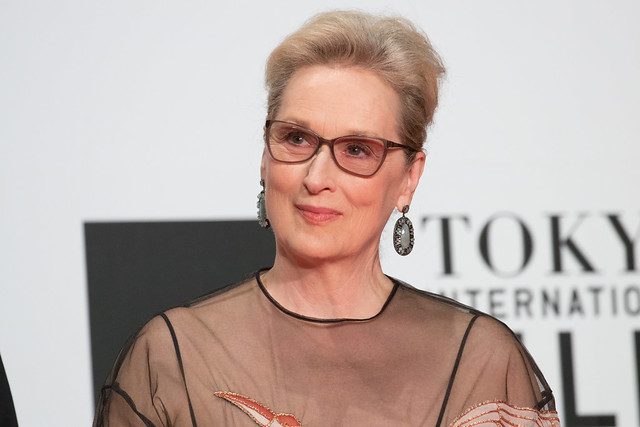
Meryl Streep’s Humanitarian Efforts

Meryl Streep's Humanitarian EffortsOften called one of the greatest living actresses, Meryl Streep is one of Hollywood’s most acclaimed stars. With a film career dating back to the 1970s, Streep has racked up an impressive resume, winning two Academy Awards, two Emmy Awards, and seven Golden Globes — among other awards and countless nominations.
Known for her impressive accent impressions and desire to perfect any role she plays, Streep is extremely dedicated to anything she finds passion in. Therefore, it should come as no surprise that when it comes to philanthropy and humanitarian work, Meryl Streep is dedicated to every cause she supports.

Girl Up

Girl Up is a massive organization that focuses on empowering young women and girls. Many influential people have supported the organization in various ways, including fashion photographer Nigel Barker, former NFL player Wade Davis, and Meryl Streep herself. One of Girl Up’s biggest priorities is girls’ education worldwide.

Through a collaboration with the organization, Meryl Streep co-narrated the film Girl Rising. The 2013 film highlights stories of nine girls from Sierra Leone, Haiti, Ethiopia, Afghanistan, Peru, Egypt, Nepal, India, and Cambodia. The film highlights the various obstacles girls in underdeveloped and developing countries face to become educated. By lending her voice to a film with such an important message, Streep inevitably brings in an audience that may not have otherwise tuned in.

Gender Equality

Meryl Streep has also been involved with a variety of panels and events dedicated to gender equality. In 2015, she attended the sixth annual Women in the World Summit — an event started by journalist Tina Brown in an effort to make people “engage with the world and see beyond our own”. Meryl Streep was part of a “Three Great Women of Film” panel, in which she stressed the importance of empathy, telling the audience that nothing matters more than a film’s ability to make people feel what others feel.

In 2016, the White House screened the CNN documentary We Will Rise, which highlights girls in the pursuit of education in Liberia and Morocco. Then-first lady Michelle Obama spoke about her travels to these two countries in Africa, and how she saw the troubles that many girls face concerning education. Meryl Streep, staying true to her passion for global girl’s’ education, accompanied Michelle Obama during these travels. Meryl Streep, therefore, was very supportive of the former first lady’s Let Girls Learn Initiative, an initiative that focused heavily on the reasons that girls are unable to receive an education.

Additionally, Meryl Streep has signed several letters and campaigns calling for gender equality. In 2015, the ONE Campaigned penned an open letter calling for women to be focused on in the UN summit; Streep signed this letter. She also signed another letter on International Women’s Day in 2016 in the name of gender equality.

Streep is a spokesperson for the National Women’s History Museum and has made various donations to the museum. She notably supports the Women in the World Foundation. First launched in 2011, the foundation uses the power of the Internet to determine which causes need which solutions — awarding grants as is seen fit. Streep also supports CHIME FOR CHANGE, which has successfully funded hundreds of projects in 80 countries in the name of health and justice for women and girls.

Silver Mountain Foundation for the Arts

In addition to independently supporting various organizations, Meryl Streep’s humanitarian efforts blossomed into her foundation. Based in New Jersey, USA, Silver Mountain Foundation for the Arts is Meryl Streep’s organization co-founded with her husband, sculptor Donald Gummer. Much of the funding goes towards arts-based organizations such as Mass MoCA, the Museum of Fine Arts in Boston, and the National Museum of Women’s History.

However, the Silver Mountain Foundation for the Arts has also made contributions to women’s and environmental organizations such as Women for Women International, the Women’s Refugee Commissions, the Rainforest Foundation, and the Natural Resources Defense Council.

Additional Support

Since its establishment in 1983, Streep has created a foundation that gives to a multitude of organizations. However, as highlighted previously, Meryl Streep’s humanitarian efforts don’t stop there. She also supports Artists for Peace and Justice, an organization that has donation 100 percent of its donated funds to Haiti in the aftermath of its disastrous earthquake.

Meryl Streep’s humanitarian efforts expand to alleviating hunger and poverty through her support for causes like Heifer International. This organization provides livestock as well as training to low-income families. By providing training, these families and communities can expand their livestock and become self-sufficient — which is the ultimate goal in poverty relief.

With a history of giving back almost as extensive as her film career, it’s clear that Meryl Streep’s humanitarian efforts are extremely important to her. Largely devoted to causes pushing for equality, Streep has served as an excellent role model for what a philanthropic celebrity looks like.

– Emily Cormier
Photo: Flickr

August 19, 2019
https://borgenproject.org/wp-content/uploads/borgen-project-logo.svg 0 0 Kim Thelwell https://borgenproject.org/wp-content/uploads/borgen-project-logo.svg Kim Thelwell2019-08-19 15:01:462024-05-29 23:10:42Meryl Streep’s Humanitarian Efforts
Children, Global Poverty

Care for Children with Ebola in the Democratic Republic of the Congo

Children with Ebola

In July 2019, there were 750 reported cases of Ebola among children. This is in comparison to 20 percent dating back to prior epidemics. Children are particularly vulnerable to contracting Ebola and require special care to treat the disease. Also in July 2019, about one-third of children have accounted for the nearly 1,700 people who lost their lives to Ebola since August 2018 in The Democratic Republic of Congo. Additionally this month, over 2,500 individuals have been diagnosed with the illness. The nation has begun working with the World Health Organization (WHO) along with other health advocacy organizations such as UNICEF to help cure Ebola.

Children and Ebola: The Numbers

Children under age five are at the highest risk and often suffer the worst symptoms. Out of the 750 cases reported, 40 percent of children under age five were diagnosed with Ebola. Young children are also most likely to die from this disease, as their fatality rate is 77 percent. This is in comparison to 67 percent for other age groups.

Symptoms and Treatments

Manifestations of Ebola encompass fever, headache, diarrhea, and sometimes blood vessel discharges. Prompt detection and sufficient medication are effective in curing the disease.

Because children are more susceptible to contracting Ebola and due to the difference in symptoms in comparison to adults, children with Ebola require differentiated medical care.

Medical personnel has articulated that special treatments are necessary for children suffering from Ebola. They require different and exclusive treatments to focus on children’s individual psychological and social requirements.

Treatments for children with Ebola consist of the same drugs that are used to treat other age groups. Of course, distinct quantities differ. Young children also receive zinc to cure diarrhea and intestinal parasite infections as well. Undernourished children must receive different medication. For example, they are given food that is precisely manufactured for their needs.

Orphaned and Abandoned Children

Hundreds of children are either orphaned or abandoned due to their parents becoming infected with Ebola. UNICEF has organized nursery settings in conjunction with treatment centers. Survivors even serve as caregivers.

Children whose parents have been diagnosed or die from Ebola are at an increased risk of being condemned and forsaken, as their chances are much higher of contracting the disease. Within the treatment centers, all patients undergo examinations on a daily basis.

For orphan children, The Democratic Republic of Congo works to set up arrangements with other family members for the child to live. Additionally, the country is providing nutrient guidelines and covering the cost of fees to allow children to attend school.

Specialized Care for Children

Pediatricians work with children within the Ebola Treatment Centers to deliver focused treatments for children with Ebola. Treatment is based on the patients’ individual needs. Every child that has lost parents to Ebola, or has been separated as a result of their illness, receives specialized care. They are cared for by Ebola survivors who provide comfort. They also transport the child to visit their parents receiving medical care at the Ebola Treatment Centers. In addition, counselors are also present to provide support to families throughout the duration of their treatment.

Nutritionists are also present in the treatment centers to deliver personalized nutrient guidelines to those who are likely to have the disease, as well as those who have been diagnosed already. As a result of these health innovations, these types of care have proven to improve sufferers’ conditions.

International Intervention to Eliminate Ebola

Save the Children is a nonprofit organization that began in the United Kingdom in 1919. Their goal is to advance children’s lives in various aspects, such as education, healthcare and employment. Additionally, the organization supplies relief in response to natural disasters and war.

WHO, in conjunction with Save the Children has declared the current Ebola epidemic in the Democratic Republic of Congo to be a public health emergency of international concern. Due to the outbreak duration of nearly one year, further actions are being implemented to eliminate further cases of Ebola and to provide treatment for children with Ebola. It is predicted that if the outbreak of Ebola continues, the surrounding countries will be affected as well.

Several hundreds of government officials and health personnel are working to cure those infected by the disease and prevent further cases. Save the Children is promoting advocacy efforts in curing Ebola through communal action and informational sessions. These efforts are to ensure that all age groups are informed of prevention practices.

Since the beginning of the current epidemic, Save the Children has provided one million individuals with advice relating to symptom detection and how to prevent the spread of Ebola. Health workers receive training on how to treat those infected with Ebola.  Patients are separated and the disease is then traced. Save the Children also educates the public about the disease.

Save the Children has also delivered various supplies to health practices and border crossings in addition to establishing sanitation facilities in order to decrease further infections and to provide treatments for children with Ebola.

Bringing Hope to Children in the Democratic Republic of the Congo

Thanks to international intervention and specialized care, children in the Democratic Republic of the Congo are receiving the treatment they need to fight against Ebola. There is still much to be done, but as long as aid efforts continue, there is hope for these children’s futures.

– Diana Dopheide
Photo: Flickr

August 17, 2019
https://borgenproject.org/wp-content/uploads/borgen-project-logo.svg 0 0 Kim Thelwell https://borgenproject.org/wp-content/uploads/borgen-project-logo.svg Kim Thelwell2019-08-17 16:33:292019-11-26 13:57:38Care for Children with Ebola in the Democratic Republic of the Congo
Children, Education, Global Poverty, Technology

RD9 Solutions Offers Robotics and Programming Education to African Youth

Robotics and Programming EducationTyrone van Balla, a young South African entrepreneur, has designed a course for robotics and programming education in order to teach African children more about electronics and technology. His company, RD9 Solutions, provides accessible and affordable EdTech, or educational technology, with their innovative robots. Van Balla, originally from Cape Town, South Africa, grew up with access to a computer and now realizes how important it is for today’s children to be exposed to technology in order to be successful. As the global economy becomes more dependent on tech-savvy employees, it is imperative that Africa’s youth have the opportunity to learn these skills. That is exactly what van Balla and partner Ridhaa Benefeld plan to provide through various technologies at RD9 Solutions.

Access to technology and STEM education in many African countries is limited. In fact, UNESCO reported that only 22 percent of schools in sub-Saharan Africa have access to electricity, let alone any further technology. This is exactly the issue which van Balla and Benefeld plan to address through their company. Additionally, the African Union’s Agenda 2063 aims to provide full access to education, training, skills and technology for Africa’s youth, which accounts for 19 percent of the global population aged 15-24 years, by 2063. The sheer quantity of young, working-age people in Africa has the potential to yield great economic benefit for the continent. With both the government and companies like RD9 Solutions working towards a common goal, there is the possibility for huge changes in the education sector in Africa.

With the help of MiiA, the robot that the two entrepreneurs created, students can be taught robotics and programming education for other technologies. Programming is one of the most valuable modern skills and MiiA the robot helps these children quickly learn how to be efficient programmers. Students are able to program MiiA robots to do simple actions like drive, dance and play ping-pong or soccer. Once the children learn more about programming, the possibilities with MiiA are limitless, as it can be programmed to do just about anything. A robot like MiiA is so useful in Africa because it operates as a self-teaching tool, so there does not necessarily need to be someone present that knows how to program. This allows children in all parts of the continent to become self-taught programmers.

In the next five years, van Balla envisions the robots being available all throughout Africa. He also plans on this technology having a lasting impact on African youth. With a growing job skills gap, it is necessary that the education systems in African countries capitalize on this opportunity for their young people. In fact, STEM jobs alone have grown over 17 percent in the past few years creating an immediate need for more skilled workers. MiiA robots will allow students to be exposed to educational technology at an early age and develop those skills throughout their time in school. Once they enter the workforce, their programming skills will be extremely valuable to potential employers.

– Jessica Haidet
Photo: Flickr

August 15, 2019
https://borgenproject.org/wp-content/uploads/borgen-project-logo.svg 0 0 Kim Thelwell https://borgenproject.org/wp-content/uploads/borgen-project-logo.svg Kim Thelwell2019-08-15 16:59:552024-06-06 00:26:20RD9 Solutions Offers Robotics and Programming Education to African Youth
Children, Global Poverty, Women and Children, Women's Empowerment

5 Jewelry Brands That Give Back

Jewelry Brands That Give BackEvery day, people around the globe wear jewelry to either symbolize a personal significance or to complete any outfit. Whether it is worn as an accessory or to make a statement, jewelry has been around for centuries. There are thousands of jewelry brands in the world, but only a small fraction of them give back to people in need. This article will focus on five jewelry brands that give back to exploited women and children in need.
5 Jewelry Brands That Give Back

  1. Half United– Siblings, Christian and Carmin Black founded Half United back in 2009 as a way to merge their passion for fashion and philanthropy. Using recycled bullet castings, Half United’s unique jewelry designs empower consumers to fight against hunger. Each product purchased creates seven meals for a child in need. At the end of each month, Half United divides the number of meals raised equally between their local and global partners. One of their global partners is Elevating Ministries, which feeds more than 5,000 students a day. In the past eight years, Half United has supplied over 800,000 meals for children in need.
  2. AccountABLE- After witnessing the hardships Ethiopian women endured in extreme poverty, Barrett Ward was on a mission to end generational poverty when he created AccountABLE. The organization presented women with an alternative opportunity that would provide them with a living while empowering them out of poverty. Women in Ethiopia, Mexico, Peru and the U.S. create items from handmade jewelry to footwear. AccountABLE is one of the few companies that have published their wages. By making their worker’s wages public, AccountABLE is hoping other companies will do the same and realize the difference between minimum wage and a living wage.
  3. Akola – Akola is a local Ugandan dialect that translates to “she works”. Each piece of jewelry is handcrafted by women across East Africa and the U.S. Akola employs women who care for an average of 10 dependents. Through their nonprofit partners, Akola Project and Akola Academy, the organization creates jobs for women in unstable situations in both East Africa and the U.S. They create a community to assist, teach and empower women to become self-sufficient and free from poverty. Akola is not only helping women but also the environment through upcycling Karatasi beads, horn and natural raffia.
  4. PURPOSE Jewelry- For the past 11 years, PURPOSE Jewelry has been helping and employing young women around the world who have been rescued from human trafficking. Every stage of production involves one of these women and enables them to earn a living, learn valuable skills and gain a sense of security. Each handcrafted piece of jewelry includes the artisan’s signature, forever connecting her story of hope to the consumer. With each purchase, a portion of the proceeds goes toward their nonprofit, International Sanctuary. International Sanctuary provides women with education, health care and counseling. In the past year, they have provided over 9,600 hours of professional training and nearly 3,800 hours of education and tutoring.
  5. Starfish Project- The Starfish Project provides care for exploited women in Asia through its social enterprise of handcrafting jewelry and Holistic Care Programs. The Holistic Care Programs provide women with career training, healthcare, counseling, safety and education grants for children. Each month, the Starfish Project serves over 400 women by making weekly visits to local brothels. These visits provide women with medical services, education and even birthday celebrations. Nearly 150 women have been employed by the Starfish Project with thousands more participating in their Community Outreach Services. One hundred percent of the proceeds are reinvested into the Starfish Project’s mission of restoring hope to women and girls.

These five jewelry brands that give back are more than just selling accessories, they are helping those in need. These five jewelry brands give women back their freedom and give children back their childhood.

– Emily Beaver
Photo: Flickr

August 15, 2019
https://borgenproject.org/wp-content/uploads/borgen-project-logo.svg 0 0 Kim Thelwell https://borgenproject.org/wp-content/uploads/borgen-project-logo.svg Kim Thelwell2019-08-15 11:42:072024-05-29 22:57:435 Jewelry Brands That Give Back
Child Labor, Children, Global Poverty

10 Facts About Child Labor in Russia

Child Labor in Russia
Child labor is a practice that has often occurred throughout history. Considered normal and accepted, child labor persisted for centuries in many places; however, in recent history, nations have enacted laws to protect children and ensure their safety.

In recent years, the ninth largest country, Russia, has been a popular topic in the news and in politics. Children’s rights are among the topics that people consider less often when discussing Russia’s human rights record. The story of child labor in Russia is long and varied throughout the history of its government and economic systems. The state of laws concerning child labor continues to evolve. Here are 10 facts about child labor in Russia.

10 Facts About Child Labor in Russia

  1. The Soviet Republic restricted child labor during its existence. For many years, the world knew the region of Russia as the United Soviet Socialist Republic (USSR). During this time, the USSR forbade children under the age of 16 from working. However, some exceptional cases allowed for the employment of children ages 14 and 15
  2. Children’s economic roles changed after the fall of the USSR. When the era of the USSR ended, many Russians fell into poverty and the nation’s GDP fell. As many families struggled, pressure increased for children to work in order to help provide for the family.
  3. Child labor remained illegal despite new economic pressures. The law that prohibits the employment of children under the age of 16 remained in effect, despite Russia’s changes. Russia permitted the employment of children ages 14 and 15 only if they completed their basic education or obtained parental consent.
  4. Russia restricts shift lengths and working hours for children. Permitted to work, children between the ages of 14 and 16 can work a maximum of 24 hours per week. Further, their shifts cannot exceed five hours. For children ages 16 to 18, shifts cannot exceed seven hours and cannot exceed 36 weekly hours.
  5. The Russian government prohibits certain types of work. Anyone under the age of 18 cannot work night shifts or do dangerous work or work which may be “harmful to their moral development.”
  6. Children have special protections with regard to time off. According to Russian law, employed minors must receive at least 31 days of vacation time per year. For adults, these days roll over to the next year, but minors must use these vacation days.
  7. Despite the laws in place, child labor in Russia is still a threat to children’s well-being. When Maplecroft, a risk-analysis organization, made its Child Labor Index in 2014, it classified Russia as an extreme risk for child labor.
  8. Children who must work face different circumstances in rural and urban areas. Rural children primarily work in agriculture, while urban children’s labor usually occurs in industry or in service work. Common tasks include washing cars, selling merchandise and collecting garbage.
  9. The percentage of children in Russia forced into child labor is unknown. There is a scarcity of research regarding the prevalence of child labor. The surveys conducted by the International Labour Organization (ILO), in 1993, estimated that close to 20 percent of children in Russia were involved in child labor. More recent research is scarce.
  10. Child labor puts minors in danger. As shown in a 1997 study by G. I. Zabrianskii, 45 percent of children working on the streets have received threats of violence. Further, one-third of children working on the streets had actually experienced violence.

While there are laws in place to combat child labor, children in Russia are still at risk. Child labor in Russia may be due to economic pressures. Considering working children often face violence, it will take the government’s continued effort to ensure that these risks do not escalate.

– Meredith Charney
Photo: Pixabay

August 12, 2019
https://borgenproject.org/wp-content/uploads/borgen-project-logo.svg 0 0 Kim Thelwell https://borgenproject.org/wp-content/uploads/borgen-project-logo.svg Kim Thelwell2019-08-12 07:30:262019-12-18 08:40:3810 Facts About Child Labor in Russia
Children, Global Poverty, Health

The Shoe That Grows is Helping Kids Across the Globe

The Shoe That GrowsThey say that kids grow up in the blink of an eye, and they are not wrong. Kids grow quicker than any parent can keep up with, especially those who cannot afford to properly accommodate these rapid changes. Children between the ages of one and six will grow out of their shoes every three to four months. This means that a child could go through 18 pairs of shoes within the first six years of his or her life.
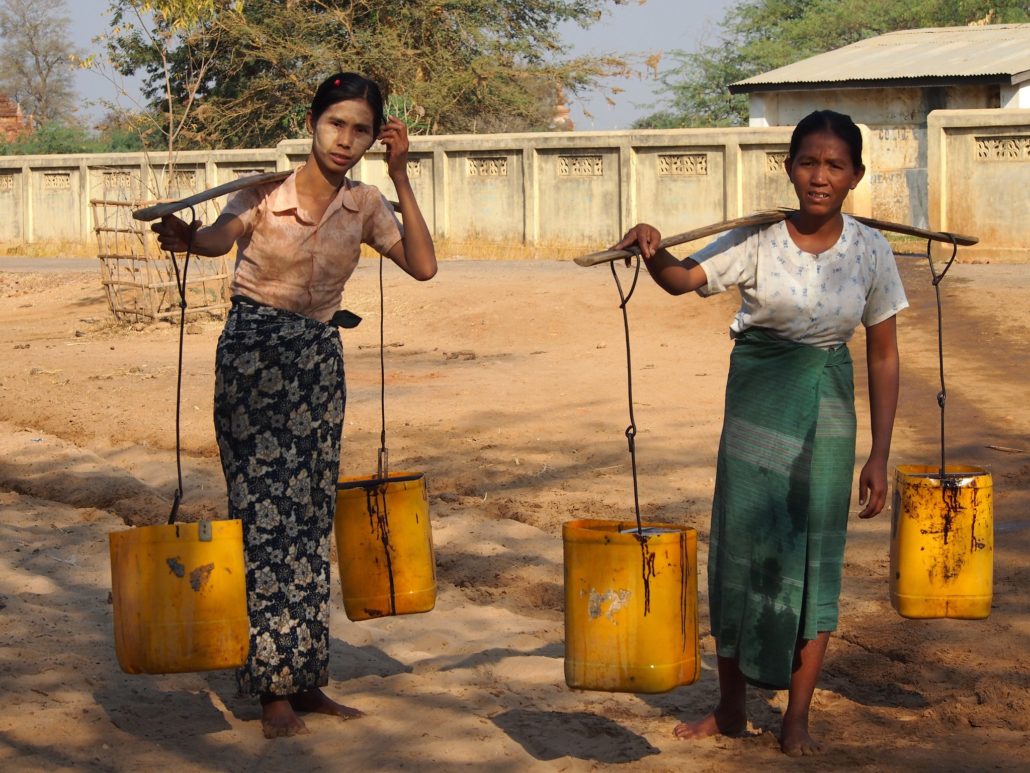
Families living in extreme poverty cannot afford to pay for this many pairs of shoes for their children. While donated shoes may provide a temporary fix, kids will continue to grow and these shoes will soon be rendered unusable. The only true solution to this problem would be a magical pair of shoes that grows at the same rate as a child. The Shoe That Grows has turned this seemingly impossible product into a reality, and in turn, has positively impacted the lives of thousands of children around the world.

Why The World Needs Shoes

With hunger, life-threatening infectious diseases, and a slew of other issues to worry about, one wouldn’t assume that shoes would fall at the top of the list of things that impoverished families need. However, shoes are far more important than they seem. Over 1.5 billion people around the globe are affected by soil-transmitted diseases. Some of the most dangerous threats lurking in the soil are parasites such as hookworm and ringworm that affect more than 880 million children worldwide.

Children without shoes or with shoes that do not fit correctly live at a much higher risk of contracting these diseases and parasites, not to mention cuts, bruises, blisters and other injuries. When children are sick they are prevented from attending school, which could have a long-term effect.

From Concept to Reality

Kenton Lee was traveling in Nairobi, Kenya in 2007 when he noticed the troublesome state of many children’s feet. All around him, children ran barefoot. One little girl, in particular, stuck out to him: she wore a white dress and shoes that were several sizes too small for her.

It was this experience that eventually led Lee to start a nonprofit in 2009 called Because International. The organization is focused on finding innovative solutions to the problems caused by global poverty. Soon after its inception, Because International launched its first project, The Shoe That Grows. Since then, the organization has distributed over 225,000 ‘growing’ shoes across the world.

If The Shoe Fits…

The Shoe That Grows expands in three places: at the front, sides and back of the foot. This allows the shoe to grow five sizes larger than its smallest setting. The shoes are also highly durable: with a strong rubber sole and a tough leather body, they are designed to withstand years of use. Through its partnership with various organizations around the globe, Because International has been able to deliver The Shoe That Grows to the areas that need them most.

The organization also offers individuals an annual opportunity to ‘walk a mile in someone else’s shoes’ with their Wear-A-Pair fundraising event. After signing up for the event, participants receive fundraising kits along with a pair of The Shoe That Grows. Fundraisers are encouraged to wear the shoes from May 6-19 in order to raise awareness about global poverty and the innovative solutions that continue to work towards ending it.

This innovation highlights a daily struggle for many living in poverty, something that most people in developed countries are unaware of. With this initial project, Because International may be ready to launch many more innovations to help alleviate global poverty.

– Ryley Bright
Photo: Flickr

August 10, 2019
https://borgenproject.org/wp-content/uploads/borgen-project-logo.svg 0 0 Kim Thelwell https://borgenproject.org/wp-content/uploads/borgen-project-logo.svg Kim Thelwell2019-08-10 14:07:482024-05-29 23:10:37The Shoe That Grows is Helping Kids Across the Globe
Children, Developing Countries, Development, Education, Global Poverty

How Empowering Women Reduces Poverty

Empowering Women Reduces Poverty
Gender inequality has been a major topic of concern since the end of the 19th century and countries around the world have made huge strides to empower women and make changes for gender equality ever since. Yet specifically in developing countries, gender inequality still plays a huge role in women’s lives and has a lasting effect on the economy, environmental degradation and poverty. Here’s how empowering women reduces poverty.

Effects of Gender Inequality

According to The Life You Can Save, one in three people in the world live on less than $2 a day, and 70 percent of them are women. Often, women in poverty have higher fertility rates and zero access to vaccines and health care, resulting in living on even less per day and in more deaths.

Empowering women reduces poverty and makes a huge difference overall for women and their children’s lives. The fact that some women do not have the same rights as men make it almost impossible for them to start businesses, earn an income and have the opportunity to live an independent life. Nonprofit Women for Women states that 25 million women in the Middle East and Africa do not have the constitutional and statutory property rights that men do. This often prevents women from being able to start a business from the lack of financial security and respect from community members.

Ways to Empower Women

Women’s empowerment is crucial to mitigating poverty and allowing women to reach their full potential. Below are several ways how empowering women can reduce poverty, and how individuals can help:

  1. Support charities that are working to educate and empower women and girls. Charities such as Women for Women, Days for Girls and Living Good focus on educating and supplying girls and women with health care, critical skills, counseling and protection from trafficking and child marriage. Charities are vital to helping women and girls who need it and every donation helps to empower women and mitigate poverty. In addition, if people become involved with charities such as Big Brothers, Big Sisters, they have the opportunity to mentor or tutor a young girl in an area close to home and this is a great way to influence the life of an impoverished girl.
  2. Help improve access to clean water. According to UNICEF, girls in poor communities often do not go to school because they spend their time fetching water for their families. Girls walk an average of six kilometers to fetch water that is usually dirty and unsanitary to drink. UNICEF’s WASH program aims to address the inequalities that women and girls suffer in relation to water sanitation. Spreading awareness and supporting WASH is vital for poor communities to receive clean water and for women to have the opportunity to receive an education.
  3. Support the Reach Every Mother and Child Act. The Reach Every Mother and Child Act focuses on helping the poorest and most vulnerable people in the world prevent maternal, newborn and child deaths. According to World Vision Advocacy, around 2.7 million newborns die every single year due to treatable complications and illnesses. The Act will help implement an approach in giving poor mother’s the treatment that they and their babies need in order to survive and live a healthy life. Contacting Congress and supporting this Act can make a huge difference and in saving lives and empowering women.

Change Starts with People

In conclusion, there are plenty of ways to involve oneself in the community and have a lasting effect on young girls’ lives. Empowering women reduces poverty, and supporting charities and Acts that help empower women and make a difference in their lives is crucial to giving women and girls around the world the opportunity to flourish.

– Paige Regan
Photo: Flickr

August 10, 2019
https://borgenproject.org/wp-content/uploads/borgen-project-logo.svg 0 0 Jennifer Philipp https://borgenproject.org/wp-content/uploads/borgen-project-logo.svg Jennifer Philipp2019-08-10 07:19:582024-05-29 23:11:10How Empowering Women Reduces Poverty
Children, Global Poverty, Migration

The Impact of Violence on Honduras’ Youth

Violence on Honduras Youth

Honduras, a Central American country located on the Carribean Sea, borders El Salvador, Nicaragua and Guatemala. Honduras has a population of 8.3 million people, but corruption, poverty and crime continue to plague it. The city of San Pedro Sula boasts the second-highest murder rate in the world after Caracas, Venezuela. As a result, violence on Honduras‘ youth has become an issue.

Poverty in Honduras

The World Bank estimates that 5.5 million people live in poverty. That is two-thirds of the population, amounting to one in every five people. Honduras has the highest level of economic inequality in Latin America; its system “only benefits an elite minority” with close political and economic ties.

The average Honduran lives on $120 dollars per month. The country seems to be making advances in protecting its citizens, and the murder rate is down from 60 people per 100,000 in 2015 to 48 per 100,000 in 2016. However, many Hondurans say the authorities achieved this through excessive force and human rights violations.

Gangs in Honduras

This corruption and poverty lead the way for gangs to take over the streets of Honduras and rule where the government does not. With the expansive poverty and gang activity that runs rampant throughout the country, children facing violence in Honduras is commonplace. Street gangs, known as “maras,” control cities like San Pedro Sula. Drug traffickers use the Carribean coast to smuggle cocaine from South America to the United States.

Gangs often pressure children to join them, making them feel that they will be murdered if they do not. Gang members force young girls to be their girlfriends, and the girls fear rape or murder if they do not agree. Most children start elementary school but quit before they turn 12. Only one out of four go to high school, while the others quit school to support their families.

Most members are under sixteen and feel the loyalty to their friends tested by not joining or wanting to protect themselves and their families from other gangs. These children become sick of fighting the corrupt police on their own and find a way to fight back.

The pressure from these gangs and the violence that they embody drives Honduras’s youth to migrate to places like the United States, even if that means leaving without their families. These children fear for their lives, so they travel across Central America alone in an attempt to live a freer life.

Women in Honduras

Women in Honduras face the highest levels of violence, particularly young girls. In 2015, 417 women were killed because of their gender. They face a high level of domestic abuse with 89 killings in San Pedro Sula being from domestic violence. According to the InterAmerican Commission on Human Rights, 90 percent of these killings will go unpunished.

While violence and gangs are an everyday part of life in Honduras, women and children face the brunt of this force. They often choose to migrate because they have to flee the dominant gang in their area, such as when their place of work has been shut down by impossible extortion quotas that they cannot meet. Children face pressure from a young age to join a gang.

Helping Honduras

Attempting to alleviate the impact of violence on Honduras’ youth starts with many organizations dedicated to helping its citizens lead better lives. HELP Honduras is a program aimed at spreading health, education and literacy in Honduras. It wants to educate children so that they have better economic futures and can lead productive lives. This organization builds school and desks while sponsoring children to attend them. It teaches women and mothers marketable skills so that they can work and provide for themselves and their families.

With the help of such organizations, Honduras is starting to make strides to keep its young safe. But, if no one stops the violence rampant in their cities, they will continue to migrate to other countries in an attempt to escape the seemingly perpetual discord.

– Michela Rahaim
Photo: Flickr

August 9, 2019
https://borgenproject.org/wp-content/uploads/borgen-project-logo.svg 0 0 Kim Thelwell https://borgenproject.org/wp-content/uploads/borgen-project-logo.svg Kim Thelwell2019-08-09 01:30:552019-12-17 14:54:59The Impact of Violence on Honduras’ Youth
Child Soldiers, Global Poverty

Ending the Use of Child Soldiers

Making of a Child SoldierAlthough using children as soldiers is horrifying and illegal, recruiters are employing children every day. In fact, as the war in the Middle East spreads, these recruiters are enlisting children more frequently than before. The extremist groups in Syria, Iran and Saudi Arabia, to name a few, are breaking international war laws on a daily basis in using child soldiers. It is a constant battle for these children as they often have to choose between becoming a soldier and living or becoming another victim of the war.

The Making of a Child Soldier

In recent years, the number of children recruited to fight in the Middle East has doubled, which means more children are becoming being put in danger. Not only is there an emotional and physical battle for these children but also for the soldiers that are fighting against the extremist groups. With the war continuing in Iran, nearly 200 child soldiers have been killed in the last couple of years. In October 2018, there were still 19,000 children who were laying their lives on the line in South Sudan. Many of these children are in poverty and do not know where to turn next.

The making of a child soldier is complicated and influenced by the child’s circumstances. Since several African and Middle Eastern countries are in the middle of a war crisis, families are more likely to become displaced and slide deeper into poverty. Sudanese soldiers are offering families up to $10,000 to send their children to fight the war in Yemen although Saudi Arabia has denied their recruitment. That amount of money is huge to families that have been living on the streets. Several reports state that these Sudanese children fighters make 20 cents a day in the war.

Being poor, separated from their families and without access to education can all contribute to making a child soldier. Often, recruiters are more likely to employ children as soldiers due to the fact that they are more manageable, more obedient and easier manipulate than adults. Children who are forced to be soldiers are given jobs like spying, guarding low-security sites and detecting mines. People do not often see these children on the front line although they can be involved in attacks. In the first months of 2015, 21 children died in suicide attacks using explosive-packed vehicles.

The Syrian Democratic Forces and the Iran Government

Although these crimes are affecting the world’s most innocent and vulnerable population, several organizations are bringing hope to the children of the Middle East. Recently, the Syrian Democratic Forces have enforced a ban on using child soldiers in the war against the increasing extremist groups. The U.S. backed them on this movement. Additionally, the Treasury Department targeted ad networks of banks and businesses that have been supporting the funding of child soldiers.

Wars in the Middle East have raged for several years, and recruiters are taking advantage of the vulnerable population, but some are fighting back. Governments are undergoing initiatives and uniting together to help enforce protection for vulnerable children recruiters are most likely single out as child soldiers.

– Emme Chadwick
Photo: Flickr

August 9, 2019
https://borgenproject.org/wp-content/uploads/borgen-project-logo.svg 0 0 Kim Thelwell https://borgenproject.org/wp-content/uploads/borgen-project-logo.svg Kim Thelwell2019-08-09 01:30:282019-08-05 16:04:00Ending the Use of Child Soldiers
Child Soldiers, Education, Global Poverty

10 Facts About Child Labor in Uganda

10 Facts About Child Labor in Uganda

Uganda is a landlocked country in East Africa whose central location makes it an important destination for trade and tourism. However, large economic disparities and high unemployment levels have led to a rise in the crime of human trafficking. Inadequate funding of law enforcement units and high levels of poverty make the general population of Uganda vulnerable to human trafficking, including children. Here are 10 facts about child labor in Uganda.

10 Facts About Child Labor in Uganda

  1. Sex trafficking: According to the United States Bureau of International Labor Affairs, children in Uganda are subjected to the worst forms of child labor, including commercial sex trafficking. Minors from the Karamoja region are trafficked to Kampala and other large urban areas where demand for child labor and sex slavery is high. Children from neighboring countries such as South Sudan, Kenya and the Democratic Republic of the Congo are also exploited in forced agricultural labor and sex trafficking in Uganda.
  2. Education: Limited access to education makes children particularly vulnerable to forced labor. The law provides free public education; however, the cost of school materials such as uniforms and writing utensils make access to education a challenge for many. In addition to the barriers to accessing education, children often experience physical and sexual abuse at school by teachers and peers.
  3. Rural areas: Children from rural areas are about three times more likely to be trafficked into child labor than city children. The child employment rate in rural areas is 34 percent while in urban areas it is 11 percent. In Kampala, only three percent of children are employed illegally, while 45 percent of children in the central region are employed.
  4. Sectors of child labor: In Uganda, child labor is broken up into four categories:
    • Industry sector: Children are forced to mine, work in quarries or make bricks.
    • Service sector: Children work in the streets selling products and collecting and selling scrap metal.
    • Agriculture sector: Children work in industries of tobacco, coffee and sugar cane.
    • Worst forms: Children are sold into commercial sexual exploitation and human trafficking or forced to labor in agriculture. Sometimes minors are used for illegal activities such as smuggling and stealing as well.
  5. Lord’s Resistance Army: The “worst forms” category is mainly related to the Lord’s Resistance Army (LRA), a rebel group in northern Uganda, founded by Joseph Kony. The group has been active since 1987 and has been known to kidnap children and force girls into sex slavery. The group also trafficks boys as child soldiers and uses brainwashing techniques to ensure their loyalty. Eighty percent of the LRA members are children. From 1987 to 2009, approximately 38,000 children were kidnapped. Girls were employed as cooks and sex slaves for the LRA soldiers, while boys must learn to kill or be killed.
  6. Fighting child labor: In 2012, the government took the first steps in creating legislation to get rid of the worst forms of child labor. The Ugandan government started the National Action Plan (NAP) and created a Counter-Trafficking in Persons (CTIP) office and an inter-ministerial Task Force to organize anti-trafficking strategies.
  7. Legal work age: Ugandan law prohibits the labor of children under 12 years of age. National labor legislation forbids the involvement of children aged 12–13 in any form of employment except for light work that is supervised by an adult older than 18 years of age. “Light work” must not get in the way of the child’s education.
  8. Ensuring education: Right now children in Uganda are only required to attend school up until age 13, however, in 2016, the government passed the Children (Amendment) Act which establishes the age of 16 as the minimum age for work. The act also criminalizes the sex trafficking of children. The act is meant to encourage children to stay in school since they legally cannot work until 16 years of age.
  9. Humanium: The international non-governmental organization, Humanium, works in Uganda to combat the abuse of children’s rights. They have set out six policies that must be implemented to combat child labor. These include:
    • Education and second chance learning: These are essential for reintegrating adults into society who have been harmed through forced child labor.
    • Expand social protection: Serve to prevent vulnerable households from having to resort to child labor to support their families.
    • Promote greater public awareness: Providing information on child labor can increase public outrage and support for child protective legislation.
    • Promote social mobilization against child labor.
    • Strengthen child labor inspections and monitoring.
    • Advocacy of political commitment: This is essential to ensure that child labor reduction policies occur.
  10. The Human Trafficking Institute: The Human Trafficking Institute is working closely with the Ugandan government. So far they have approved the creation of a specialized Human Trafficking Department in the Ugandan police force. The department is supposed to have over 250 staff members as well as specialized human trafficking officers posted across the country. The department will support the rehabilitation of trafficking victims and a crackdown on other forms of child labor.

– Laura Phillips-Alvarez
Photo: Flickr

August 7, 2019
https://borgenproject.org/wp-content/uploads/borgen-project-logo.svg 0 0 Kim Thelwell https://borgenproject.org/wp-content/uploads/borgen-project-logo.svg Kim Thelwell2019-08-07 08:55:072019-12-18 13:49:1210 Facts About Child Labor in Uganda
Page 80 of 137«‹7879808182›»

Get Smarter

  • Global Poverty 101
  • Global Poverty… The Good News
  • Global Poverty & U.S. Jobs
  • Global Poverty and National Security
  • Innovative Solutions to Poverty
  • Global Poverty & Aid FAQ’s
Search Search

Take Action

  • Call Congress
  • Email Congress
  • Donate
  • 30 Ways to Help
  • Volunteer Ops
  • Internships
  • Courses & Certificates
  • The Podcast
Borgen Project

“The Borgen Project is an incredible nonprofit organization that is addressing poverty and hunger and working towards ending them.”

-The Huffington Post

Inside The Borgen Project

  • Contact
  • About
  • Financials
  • President
  • Board of Directors
  • Board of Advisors

International Links

  • UK Email Parliament
  • UK Donate
  • Canada Email Parliament

Get Smarter

  • Global Poverty 101
  • Global Poverty… The Good News
  • Global Poverty & U.S. Jobs
  • Global Poverty and National Security
  • Innovative Solutions to Poverty
  • Global Poverty & Aid FAQ’s

Ways to Help

  • Call Congress
  • Email Congress
  • Donate
  • 30 Ways to Help
  • Volunteer Ops
  • Internships
  • Courses & Certificates
  • The Podcast
Scroll to top Scroll to top Scroll to top