• Link to X
  • Link to Facebook
  • Link to Instagram
  • Link to TikTok
  • Link to Youtube
  • About
    • About Us
      • President
      • Board of Directors
      • Board of Advisors
      • Financials
      • Our Methodology
      • Success Tracker
      • Contact
  • Act Now
    • 30 Ways to Help
      • Email Congress
      • Call Congress
      • Volunteer
      • Courses & Certificates
      • Be a Donor
    • Internships
      • In-Office Internships
      • Remote Internships
    • Legislation
      • Politics 101
  • The Blog
  • The Podcast
  • Magazine
  • Donate
  • Click to open the search input field Click to open the search input field Search
  • Menu Menu

Archive for category: Children

Information and stories addressing children.

Child Labor, Child Marriage, Child Soldiers, Children, Global Poverty

10 Facts About Child Labor in Saudi Arabia

Child Labor in Saudi Arabia
Many know Saudi Arabia as one of the richest countries in the world. With the second largest natural oil reserve underground, Saudi Arabia is rapidly accumulating wealth and political power in international affairs. However, there is a dark side to the flashy urban lights of Saudi Arabia. The wealth gap that exists between the rich and the poor, coupled with the country’s patriarchal tradition and its recent conflict with the Houthi movement in Yemen, puts many Saudi and immigrant children in danger of child labor, violence and economic exploitation. Here are 10 facts about child labor in Saudi Arabia.

10 Facts About Child Labor in Saudi Arabia

  1. Poverty is the main cause of Saudi Arabia’s Child Labor. While Saudi Arabia is famous for its wealth, thanks in large part to the second-largest oil deposits in the world, there is a big economic disparity between the poor and the rich. According to a study that the Saudi Arabian government funded in 2015, 22 percent of families in Saudi Arabia depend on their children’s income.
  2. The minimum employment age is 13. In the royal decree of 1969, Saudi Arabia enacted a law that set the minimum employment age to 13 years old and banned children from working in hazardous conditions. This does not apply to works in the family business, domestic labor and agricultural work. Some employers of Saudi Arabia exploit a loophole in the law. For example, this law does not address the child brides of Saudi Arabia. If a child bride does any house chores or agricultural work for her husband’s family, it will not be a violation of the minimum employment age law.
  3. There are cases of child labor trafficking from neighboring countries. Stemming from Saudi Arabia’s recent conflict with Yemen, which left Yemen devastated, wartorn and practically lawless, some Yemeni parents are seeking illegal agents who will traffick their children to Saudi Arabia. While some Yemeni parents traffick their children to Saudi Arabia to save them from the desperate conditions in Yemen, other parents traffick their children in hopes of economic relief provided by their children’s labor in Saudi Arabia. While deportation is the main concern of many Yemeni parents for their trafficked children, many trafficked Yemeni children are in danger of violence, hunger and sexual abuse.
  4. Child workers usually have parents who have low professional and education level. The low education and professional level of child workers’ parents, coupled with economic disparity, make poverty in Saudi Arabia hereditary. Saudi Arabia is taking steps to ameliorate this issue. In early 2018, the Saudi government declared that it aims to eradicate adult illiteracy by 2024. Saudi Arabia’s Ministry of Education established adult education centers across the country and launched the Learning Neighborhood program in 2006 in pursuit of this goal.
  5. Children of migrant workers in Saudi Arabia do not have protection under a law that prohibits forced or compulsory labor. Saudi Arabia’s labor law does prohibit forced labor, however, these measures do not extend to over 12 million migrant workers in the country. Some employers exploit this loophole in the labor laws, which sometimes results in physical, mental and sexual abuse of migrant workers and their children.
  6. Saudi Arabia’s citizenship requirement puts Saudi children in danger of child labor and human trafficking. A Saudi child’s citizenship comes from his or her father. If a child has a citizen mother and a non-citizen father, or from a mother who is not legally married to a citizen father, there is a chance that the country will consider the child a stateless person. As a result of being stateless, Saudi Arabia can deny a child state education, and in certain cases, medical attention. According to the U.S. Department of State, about 5 percent of street begging children in Saudi Arabia are Saudi nationals of unknown parents.
  7. The Saudi government is working with the international community to combat child labor. In 2016, with technical advisory services support from the International Labour Organization (ILO), Saudi Arabia ratified its report for ILO’s Minimum Age Convention of 1973. According to the United Nations’ 2016 report on Saudi Arabia’s adherence to the Convention on the Rights of the Child, Saudi Arabia adopted and implemented regulations against child abuse and human trafficking. As part of the new labor reforms and regulations in 2015, for example, the Labor Ministry of Saudi Arabia can impose SR $20,000 ($5,333) on employers who employ children under 15-years old.
  8. In 2014, the World Trade Organization (WTO) and the Women’s World Summit Foundation (WWSF) launched a campaign against child labor in Saudi Arabia. For 19-days, WWSF campaigned to raise awareness for child labor, abuse and violence against children and youth. The National Family Safety Program of Saudi Arabia also launched its four-day program which raised awareness for economic exploitation and abuse of children in Saudi Arabia. Through these campaigns, both WWSF and the Saudi government aimed to reduce child labor in Saudi Arabia by highlighting that child labor contributes to the abuse of children by harming children’s health, physical development, psychological health and access to education.
  9. UNICEF and the Saudi Ministry of Social Affairs opened a reception center for trafficked Yemeni children. Many trafficked Yemeni children end up in the streets of Saudi Arabian cities as beggars or street vendors. In the worst cases, these trafficked children are under severe danger of exploitation and abuse. When the Saudi authorities detained them, these Yemeni children usually went to prison or open-air enclosures with adult deportees. The center provides shelter for these children.
  10. Saudi Arabia’s Vision 2030 aims to address the country’s poverty. Launched in April 2016, the Saudi government plans to address the country’s poverty by improving state education and empowering nonprofit organizations. These improvements can lead to making more opportunities available for the children and parents of poor economic background, potentially reducing child labor in Saudi Arabia. In this pursuit, the Saudi government granted $51 billion to the education sector. The Ministry of education established educational centers all around the country to improve adult literacy and theories determine that this improvement in adult literacy will also improve child literacy.

Child labor in Saudi Arabia is both a local and international issue. While the stateless and poor children of Saudi Arabia turn to street vending and begging to support their families, many trafficked Yemeni children in the country are under constant threat of violence and exploitation. These 10 facts about child labor in Saudi Arabia show that with the help of the international community and the Saudi government’s increasing awareness of its less fortunate populace, a better future awaits for the children of Saudi Arabia.

– YongJin Yi
Photo: Flickr

October 25, 2019
https://borgenproject.org/wp-content/uploads/borgen-project-logo.svg 0 0 Jennifer Philipp https://borgenproject.org/wp-content/uploads/borgen-project-logo.svg Jennifer Philipp2019-10-25 10:30:262024-06-04 01:08:3710 Facts About Child Labor in Saudi Arabia
Child Labor, Children, Global Poverty

10 Facts About Child Labor in Syria

10 Facts About Child Labor in Syria

Since 2010, at least half of all Syrians have been displaced by the ongoing conflict. Children are the most vulnerable members of society, particularly during times of war or conflict. As a result, they often bear adolescent hardships far into adulthood. The poverty caused by extended warfare has forced many children to seek to supplement their household income by getting jobs of their own. Child labor in Syria is a serious issue that continues to worsen with time. Here are 10 facts about child labor in Syria.

10 Facts About Child Labor in Syria

  1. Child labor in Syria was a problem prior to the start of the war, but the conflict has greatly exacerbated the situation. Children are working in more than 75 percent of households with almost half of them being reported as providing a “joint” or “sole” source of income.
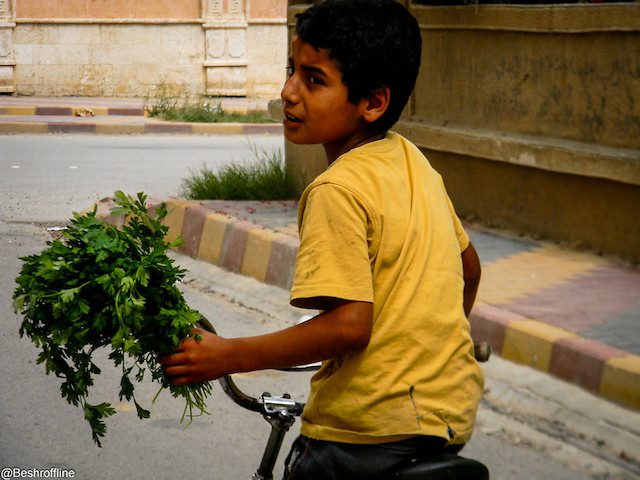
  2. The situation in Syria is characterized by hidden forms of exploitation and child labor. It is not uncommon to see children maintaining produce stands and working out in the open. However, child labor in Syria has increasingly turned towards working in factories or laboring as cleaners, garbage collectors, construction workers, mechanics or carpenters.
  3.  The hours that the children work prevent them from being able to seek adequate help in the form of counselors or therapists for dealing with traumatic stress. Save the Children and SAWA for Development and Aid are organizations that offer psychosocial support services and schools for refugee children. Additionally, UNICEF works with a number of other local organizations and NGOs to protect children’s rights. Enmaa is an NGO that does this specifically for children in Raqqa, one of the most devastated cities in Syria.
  4. Syrian law bars anyone who has not completed their basic education or is under the age of 15 from working. However, since the escalation of the war, this is rarely enforced. In Damascus, children as young as seven-years-old can be found working. In Lebanon, Syrian refugees as young as five-years-old work. Many children see nothing strange about their circumstances since they are surrounded by other children of similar ages.
  5. A joint report between Save the Children and UNICEF estimated that around 2.7 million youth in Syria are not in school. Furthermore, according to Human Rights Watch, nearly half of the refugee children outside of Syria do not have access to formal education. One in three schools cannot be used because they have been damaged, destroyed or now serve as centers for resettlement or military activity.
  6. Of the 1.1 million registered Syrians in Lebanon, the United Nations estimates there are at least another 400,000 unregistered. Seventy-one percent of Syrian refugees live below the poverty line, which is part of the reason many children are forced into being wage earners for their families. In Syria, more than 85 percent of the population now lives below the poverty line. Many of these children are forced into work as their parents are either unable to work or are unable to afford living expenses on their own.
  7. A report from the American University in Beirut found that around 70 percent of Syrian refugee children between the ages of four and 18 were working. According to UNICEF, upwards of 180,000 Syrian refugee children are child laborers in Lebanon.
  8. Agriculture, construction and cleaning are the only Lebanese industries in which Syrian refugees can work without a permit. Workers in these industries are among the lowest paid, and often times the work itself is temporary, meaning that constant uncertainty follows these laborers around.
  9. Some 30 percent of Syrian refugee children have been injured while working in Lebanon. Of these injuries, a mere 14 percent were reported to have been covered by the employer. The remaining 86 percent had to be paid for out of the pockets of the child or a relative.
  10. Children are sent away from their families either within Syria or to a neighboring country in order to earn money. Since Syria and the surrounding countries have nominal laws to prevent child labor, children are bereft of any bargaining power and sometimes work 10 hours a day for one to two dollars per shift.

Although these 10 facts about child labor in Syria are serious, there have been improvements in the lives of Syrian children made by organizations like UNICEF. In 2018, UNICEF trained 57,000 teachers, helping to ensure that there is not a shortage of teachers for the student in school. In 2019, UNICEF provided 289 consultations for women and children to receive healthcare  Significant resources are being mobilized to end child labor in Syria.

– Evan Williams
Photo: Flickr

October 22, 2019
https://borgenproject.org/wp-content/uploads/borgen-project-logo.svg 0 0 Kim Thelwell https://borgenproject.org/wp-content/uploads/borgen-project-logo.svg Kim Thelwell2019-10-22 01:30:312024-05-29 23:12:2210 Facts About Child Labor in Syria
Children, Developing Countries, Development, Education, Global Poverty

Venezuela’s Education System

Venezuela's Education System
A number of factors are greatly affecting Venezuela‘s education system. The Venezuelan government has always believed that every citizen has the right to free education. When oil prices drove Venezuela’s economy, so too was its educational system. Venezuela used to rank as one of the highest in education in Latin America until 2010 when it became number six in the region. Now the country is undergoing one of the worst humanitarian crises and it is affecting Venezuela‘s education system.

Economic and Political Collapse

In the 20th century, modernization and urbanization in Venezuela brought many improvements to its educational system. Former President Hugo Chavez used the rise in oil prices to fund the education system, train teachers and fund laptop computers. Now that the gas prices have dramatically fallen, not only has the economy gone down with it, the corruption and mismanagement of the government have also affected the quality of Venezuela‘s education system.

High Dropout Rates and Limited Faculty Members

Several students living in Venezuela have missed more than 40 percent of class due to school cancellations, strikes, protests or vacation days. That is equal to missing more than half of their mandatory instruction school days. There has been a “massive desertion of students” in every level of education. Yearly dropout rates have doubled since 2011 and in 2017 about 50 percent of students in three public universities located in Táchira dropped out. About one-fourth of the students do not attend school at all.

Massive numbers of teachers have left their jobs because of their low-wage salary of $6-$30 a month. About 400 employees have quit one of Venezuela’s top science universities, Simon Bolivar University, in the past 2 years. Some teachers dedicate their time to attending strikes and protests in the hopes of changing the education system, which results in them only working 10 days out of the month. Teachers also miss school when they encounter long food lines to feed their families, and some fear that someone will shoot, murder or rob them on campus when they go to work. Robberies in universities have increased by 50 percent in the last three years.

Lack of Food, Water, Electricity and Supplies

“There is only one bathroom for 1,700 children, the lights are broken, there is no water and the school meals are no longer being served,” said a teacher working in one of Venezuela’s middle-class public schools. The scarcity of water, food in cafeterias and electricity has caused schools like Caracas Public High School to close down for weeks at a time. Teachers are even trading passing grades for milk and flour because of the scarcity of food. Students are passing out every day at physical education classes due to their empty stomachs and broken school kitchens.

Budget cuts on school funding are the major reason why schools lack the supplies they need. In 2019, the University of Central Venezuela received only 28 percent of its “requested annual funding.” This is less than the 40 percent it received in 2014 and estimates determine that it will decline to 18 percent next year. These budget cuts result in “broken toilets, leaking ceilings, unlit classrooms and cracked” classroom floors. The education budget now prioritizes Bolivarian Universities due to the fact that they teach 21st-century socialism.

Lack of Intellectual Freedom

About 15 years ago, during former President Hugo Chavez’s presidency, the Bolivarian University of Venezuela opened. This is a higher education institution for underprivileged and poor civilians that are suffering due to Venezuela’s situation. This developed into a new education system the government created that stands by “the ideology of its socialist revolution.” Since the government has taken control over the university’s autonomy, lack of academic thought and intellectual freedom is prevalent. Since private companies now cannot fund universities as of 2010, there have been no new majors approved.

Solutions

Caritas is a nonprofit organization inspired by the Catholic faith and established in 1997. It has a history of listening to the poor talk about what they need and giving them what is necessary to improve their lives. It has seen over 18,890 children and provided 12,000 of them with nutritional care. About 54 percent of those children have recovered from malnutrition and other medical emergencies.

Global Giving is another NGO that has started a foundation called the I Love Venezuela Foundation. This Foundation focuses on creating and channeling resources to NGOs that focus on the “wellbeing, human development, and social transformation” in Venezuela. It also works on raising money in order to buy shoes for low-income families in Venezuela so that they can safely walk to school, play with their friends and be children. Its goal is to reach $10,000 and it has raised about $630 so far.

While Venezuela’s education system has had challenges in recent years, organizations like Caritas and Global Giving should help alleviate some of the burdens that prevent children from attending school. With continued support, Venezuela’s school system should one day reach its height again.

– Isabella Gonzalez
Photo: Flickr

October 21, 2019
https://borgenproject.org/wp-content/uploads/borgen-project-logo.svg 0 0 Jennifer Philipp https://borgenproject.org/wp-content/uploads/borgen-project-logo.svg Jennifer Philipp2019-10-21 14:26:452019-12-18 13:33:14Venezuela’s Education System
Children, Development, Education, Global Poverty, Health

Social Justice Helps to Fight Social Challenges

Social Justice Helps to Fight Social ChallengesAccording to the Pachamama Alliance, social justice is defined as “equal access to wealth, opportunities and privileges within a society.” Social challenges are defined as “an issue that relates to society’s perception of people’s personal lives. Different societies have different perceptions and what may be “normal” behavior in one society may be a significant social issue in another society.”

After defining terms, now the question raised must be addressed: how can social justice helps to fight social challenges? Social justice can help to fight social challenges by providing society with equal opportunities to overcome its problems.

Social justice and education

For instance, poverty is considered a social challenge because it relates to how society views people’s lives. One way to help reduce poverty is to provide greater and more equal education opportunities since many find themselves living in poverty due to a lack of education. From the years of 2002 to 2007, about 40 million more children around the world were able to attend school, due largely in part to the lowering of costs and the increase in investment. Programs like these are examples of social justice and the impact it can have on addressing social problems like global poverty.

Social justice and access to clean water

Another factor that influences poverty rates is a lack of access to clean potable water and nutritious foods. Although having access to these resources is a basic human right, many people around the world do not have access to clean water and food. To be more specific, according to The Water Project one in nine people worldwide do not have access to clean and safe drinking water, as a result, people find themselves without the ability to “grow food, build housing, stay healthy, stay in school, and keep a job.” By implementing programs such as building wells in rural communities and bringing access to potable water within a half-mile of villages across the globe, social justice in the form of providing people with equal access to privileges within a society, the social challenge of global poverty is being addressed.

Social justice and job development

Another important aspect is the economy and how job development can help to eradicate poverty. In China, 700 million people have been raised out of poverty due to several different programs being put in place by the government, one of which is its focus on the creation of jobs and the economic development of rural areas. Additionally, by providing underdeveloped areas with officers to regulate the poverty-alleviation programs, Chinese citizens were able to rise up out of the inhumane living conditions they were surviving in.  Through the government’s efforts in the job and economic development, China’s poor population has been given the same opportunities to achieve wealth and change their situation, which just goes to show that social justice can make a difference in how social challenges are addressed.

In conclusion, in terms of how social justice can help to fight social challenges, one could say that through the implementation of programs that offer the same opportunities to the underprivileged, social justice helps to fight social issues like global poverty.

– Laura Rogers
Photo: Flickr

October 20, 2019
https://borgenproject.org/wp-content/uploads/borgen-project-logo.svg 0 0 Kim Thelwell https://borgenproject.org/wp-content/uploads/borgen-project-logo.svg Kim Thelwell2019-10-20 02:35:212019-11-11 06:21:30Social Justice Helps to Fight Social Challenges
Children, Developing Countries, Development, Global Poverty

Nigerian Curling Helps to Keep Nigeria One

Nigerian Curling
In Lagos, Nigeria in the mid-1800s, British colonial cartography resulted in the drawing of many inappropriate boundaries across the African region. Nigeria serves as a token example as more than 200 self-identified tribes currently exist in the populous Sub-Saharan country. The three tribes with the most influence, the Yorubas, Hausas and Igbos have demonstrated significant friction since the country’s freedom from British rule in 1960. This perpetual conflict is so serious that it even helped spark an attempt of eastern secession in 1967 known as the Biafran War or the Nigerian Civil War. Luckily, Nigerian curling may serve a purpose in unifying the country.

Sport: The Great Unifier

Beacons of hope still shine over the quest for national unity through organizations that promote cooperation and Nigerian pride. Nigerians universally accept one unifier which is sports. Nigeria’s humid climate might seem to render its winter-sports participation impossible. Yet despite these climate restrictions, Nigeria presented both a women’s bobsled team and a skeleton racer at the 2018 Winter Olympics in Pyeongchang, South Korea. For the 2022 Winter Olympics in Beijing, China, Nigeria hopes to yield a curling team in addition to its aforementioned fleet. The Nigerian Curling Federation, approved by the World Curling Federation in 2018, is actively making these dreams a reality.

Curling and other sports, in general, have the potential to increase national pride while decreasing tribal pride, the latter of which is a significant roadblock in Nigerian attempts towards national unity. There is a normalization of stereotypes about the respective tribes, which feeds large cultural prejudices on each side. This adds to an overarching sense of hostility between the different ethnic groups in the country, which has historically manifested itself in violence as serious as the killing of more 40 people in street-fighting riots between the Yorubas and the Hausas in 1999. As Rachel Odusanya writes, “tribes can misunderstand each other because of their different worldviews, and this is one of the biggest social problems in Nigeria nowadays.”

Christopher Neimeth, Social Injustice and Poverty

This dream involves more than just curling through, as it contains the potential to advance a much-needed togetherness for the Nigerian people. To dig deeper, The Borgen Project spoke to Christopher Neimeth, a member of the curling team who lives in America but has Nigerian citizenship. Not so long ago, he traveled to Lagos, Nigeria’s queen city, with his father to help the rising club gain traction by delivering curling clinics. Neimeth, whose father has Nigerian origins, is sharing his affinity for the sport bearing the positive social implications behind it in mind.

When asked how he thought sports, particularly curling, could remedy some of the social injustice so tightly wound in Nigeria’s current social climate, Neimeth responded optimistically. He conceded that his upbringing in America naturally makes it impossible to grasp the true extent of its cultural issues, but he still believes curling offers a lot to the country. Through the amalgamating nature of sports, Neimeth argues that curling presents a unique opportunity to promote a sense of national pride, while simultaneously creating opportunities for the athletes through travel, professional opportunities and sponsorships, etc.

Additionally, the presence of sports can help reduce the high stress that is an inherent byproduct of extreme poverty. In a country like Nigeria, where more than 86 million people currently live in conditions of extreme poverty, programs like this are important to sustain hope and positive environments. The Nigerian Curling Federation’s clinics provide a safe space for youth that may otherwise turn to crime or drug use.

The underdog premise behind a Nigerian curling team appearing in the 2022 Olympics could amplify the country’s excitement, dismantling previously fortressed barriers between the country’s different peoples.

– Liam Manion
Photo: Flickr

October 18, 2019
https://borgenproject.org/wp-content/uploads/borgen-project-logo.svg 0 0 Jennifer Philipp https://borgenproject.org/wp-content/uploads/borgen-project-logo.svg Jennifer Philipp2019-10-18 11:29:272019-12-18 12:04:17Nigerian Curling Helps to Keep Nigeria One
Children, Global Poverty, Poverty, Refugees, Refugees and Displaced Persons

10 Facts About Child Labor in Turkey

Child Labor in Turkey
Child labor in Turkey continues as both an international and domestic issue for the country. Despite Turkish and international community efforts to establish policies and initiatives to prevent child labor and protect the interests of children, child labor persists. The below facts highlight the details of the type of labor children typically perform as well as the efforts the government of Turkey has made to end child labor.

10 Facts About Child Labor in Turkey

  1. Work in Hazelnut Fields: Hazelnut production in Turkey is the largest sector of agricultural production, making up approximately 20 percent of Turkey’s agricultural exports. For this reason, many migrant agricultural workers travel along the eastern and western regions of Turkey looking for work during the hazelnut harvesting season. The children of these workers travel with their families and also contribute to the harvest of hazelnuts in Turkey. In 2017, nearly 800,000 children worked in the hazelnut fields. Most children work 11 hour days, seven days a week in the fields.
  2. The Second National Action Plan on Combating Human Trafficking: The Second National Action Plan on Combating Human Trafficking is an existing program in Turkey. This program identifies and protects both the victims of child trafficking as well as those children who are at high-risk for trafficking, such as the children of migrant agricultural workers. The high-risk children this program identified are the recipients of additional security precautions that the shelters took in. Victims of human trafficking frequently become migrant agricultural workers.
  3. Children of Syrian Refugees are High-Risk: As the number of Syrian refugees in Turkey continues to grow, so does the number of Syrian families working as migrant agricultural workers. Due to their status within the country of Turkey, many of these laborers work longer hours than those of the Turkish migrant workers and receive lower wages, with children oftentimes earning half of an adult’s wage. The children of the Syrian refugees are at an even higher risk of becoming permanently part of the sector of migrant labor due to lower access to education, discrimination and financial barriers.
  4. Efforts of the Turkish Government to Eradicate Child Labor: The Turkish government has made efforts to combat the high levels of child labor with a variety of government-funded programs. The Conditional Education and Health Care Assistance Program “aims to reduce poverty through cash transfers,” which takes the form of free milk and books given to primary school children. In 2017, approximately 190,000 children benefited from this program. By providing food and educational support, the Turkish government aims to create a learning environment for children where their families feel that they can afford the time for their children to be in school instead of working to earn extra money.
  5. Child labor in Turkey Increased in 2018: Despite the sweeping measures that the Turkish government has taken to prevent and eventually put an end to child labor in Turkey, the number of child laborers saw a marked increase in 2018. The Turkish government made a commitment to the International Labor Organization (ILO) that it would put an end to child labor by 2015, but that has not been the case thus far.
  6. Education Rates of Child Laborers: Due to the long hours that child laborers in Turkey work, they are unable to consistently attend schools in the areas where they work on hazelnut farms. The children also move around too frequently with their families to establish a lasting record at any one school, contributing to these children’s decreased likelihood of school attendance. In addition, the vocational schools that exist in areas that have heavy industry provide an education to children that promotes their continued work in the industrial sphere.
  7. Minimum Age for Child Labor: Turkey has existing laws in place that are to protect children from child labor. There is a minimum age requirement of 15 for agricultural work and a minimum age of 18 for hazardous work. A prohibition of forced labor and child trafficking also currently exists in Turkey. Despite the efforts of the government of Turkey, holes continue to exist in the legal framework that aims to protect children from hazardous child labor.
  8. Effective Enforcement of Existing Child Labor Laws: Though the Turkish government has age limits in place for child labor, as well as a list of light work that the Regulation on the Principles and Procedures Governing the Employment of Children and Young Workers permits, high levels of child labor in Turkey persist. Part of this gap in the legislation and actual protection of child laborers is due in part to the low numbers of inspectors and the classification of agricultural work as light labor. The Regulation on Principles has indicated that the country must legally consider picking fruit and vegetables as light work, therefore placing very few restrictions on migratory agriculture. Despite this, the gaps that exist in the legal framework “may hinder adequate enforcement of [Turkey’s] child labor laws.”
  9. National Program to Combat Child Labor in Turkey: The government of Turkey has made an effort to maintain compliance with international child labor laws. The National Program to Combat Child Labor began in 2017 and is to run until 2023. This program focuses on maintaining surveillance of the labor sectors of migratory agriculture, street work and work performed in small to medium industries to ensure that none of Turkey’s existing child labor laws are in violation.
  10. The Global March Against Child Labour: There are multiple NGOs in the international sphere that are fighting to end child labor worldwide. The Global March Against Child Labour is one such organization with a mission is to “mobilise worldwide efforts to protect and promote the rights of all children, especially the right to receive a free and meaningful education and the right to be free from economic exploitation.” Global March operates through the advocacy of issues to policymakers, raising awareness of child labor around the world and building partnerships with existing organizations such as the International Labour Organization. The Global March has seen success in many of its areas of focus. In 2018, Global March organized the Meet of Parliamentarians Without Borders for Children’s Rights in Brussels, Belgium. At the conclusion of the parliament, in which MPs from Sri Lanka, Benin, Togo, Paraguay, Uganda, Ghana, the Netherlands and Costa Rica attended, all MPs committed to working within their respective parliaments to end child labor in their countries.

Turkey still requires progress to put an end to dangerous and damaging child labor, but the steps that it has made in its own programs, as well as international programs, shows hope for a future for child labor in Turkey. That future includes stronger protection of a child’s right to receive an education and lead a stable life out of the fields.

– Anne Pietrow
Photo: Flickr

October 13, 2019
https://borgenproject.org/wp-content/uploads/borgen-project-logo.svg 0 0 Jennifer Philipp https://borgenproject.org/wp-content/uploads/borgen-project-logo.svg Jennifer Philipp2019-10-13 11:59:442019-12-16 14:32:3210 Facts About Child Labor in Turkey
Children, Education, Global Poverty, Technology

Enhancing Digital Education in Kenya

Digital Education in Kenya

Despite Kenya’s large economy and rapid digital and technological growth, the country still suffers a vast digital gap. This gap is especially apparent in Kenya’s primary schools. As of 2015, Kenya spent 95.7 percent of its total education expenditure on primary public institutions. But, there is still only one teacher for every 47 students, the majority of whom do not have access to the internet. Tech-start ups and pilot projects are trying to close this gap by creating innovative programs that are helping students to earn a digital education in Kenya.

Opportunity for Everyone

In 2016, Kenya’s Ministry of Information, Communications and Technology created the Digital Literacy Programme (DLP). The project promised to deliver 1.2 million digital devices to 21,718 primary public schools nationwide. The launch was successful and by 2018 the roll-out provided 19,000 schools with more than 1 million laptops, tablets and mobile devices pre-programmed with interactive, educational materials for students.

According to the ICT Authority of Kenya, 89.2 percent of public primary schools have been supplied with these devices. Since its launch, teachers involved with the DLP have also reported increased student alertness, boosted attendance and reported an overall increase in student admissions. The DLP has also created 11,000 employment opportunities in ICT support centers, local laptop assembly plants and digital education content development.

Despite the DLP’s successful roll-out of devices, experts in the field speculated that teacher-engagement combined with access to materials is the most effective way to ensure students’ success. The Inter-American Development Bank carried out a study in 2012, reporting that 860,000 computers supplied to Peruvian schools made teachers feel disengaged from students and did not improve student test scores. The DLP and projects like it looking to innovate digital education in Kenya took note of this and put more emphasis on teacher training. The DLP alone has trained 91,000 teachers to deliver digital learning content through the project since its launch.

Combating Educational Imbalance

Despite the overwhelming contributions provided by the DLP, obstacles still remain in terms of digital education in Kenya. Students in rural areas rarely have access to traditional libraries and textbooks. Then, there is also the issue of not having enough teachers to cover the multitude of students in each classroom. These same areas also suffer from regular power outages, making it difficult to keep devices charged throughout the school day. This, on top of an overall lack of internet access, creates a significant imbalance in the quality of resources provided to students and a system that can’t ensure equal opportunities for every child to be successful.

BRCK, a tech company based in Nairobi, aims to combat this imbalance with an innovative solution called the Kio Kit. The kit provides 40 tablets per school, that can be charged wirelessly, a wifi hotspot and a small server packed with educational content. The Kio Kit is connected to the cloud, making its server self-updating. The kit’s self-updating capabilities ensure that students and teachers utilizing its platform receive the most diverse and up-to-date information that BRCK’s content providers, like TED Education, Khan Academy and the like have to offer. The kit’s wide-ranging content also enables teachers to identify learning techniques that are unique to each student and apply them in the classroom.

Kenya still faces many challenges in quality education for all students. But, innovative tech projects like the DLP and the Kio Kit are working to combat these issues by ensuring both teachers and students have access to the best tech and resources available and helping to make great strides toward strong, digital education in Kenya.

– Ashlyn Jensen
Photo: Flickr


October 12, 2019
https://borgenproject.org/wp-content/uploads/borgen-project-logo.svg 0 0 Kim Thelwell https://borgenproject.org/wp-content/uploads/borgen-project-logo.svg Kim Thelwell2019-10-12 08:01:432024-05-29 23:13:06Enhancing Digital Education in Kenya
Children, Developing Countries, Global Poverty, Health

Oral Health Literacy in Belarus

Oral Health Literacy

Belarus, since 1991 an independent state in northeast Europe, remains somewhat isolated from the European mainstream as one of several successor states to the Soviet Union. Though the country hosts 4.08 physicians per 1,000 people, a figure comparable to many developed nations, there remain areas of the healthcare system that require improvement, and one such area is the dental health sector. For a dental health sector to treat the maximum number of citizens effectively, the population must attain a minimally competent level of oral health literacy. Several oral health literacy studies have diagnosed the quality of dental hygiene knowledge and provide strategies for improving oral literacy in the general population. Though data has been sparse since these studies, they suggest a continuing improvement in dental health and therefore in oral health literacy within the populace.

Oral Health Literacy in Post-Soviet Belarus

In 1996, several years after the dissolution of the USSR, oral health survey data established that tooth decay and periodontal disease affected approximately 85 percent of children and 100 percent of adults. Since then, these findings incentivized research into the development of successful and economical disease prevention strategies. Chief among these is ensuring oral health literacy.

A 2004 epidemiological study sought to uncover the link between urban or rural status and level of education on oral health literacy. The scope of the study encompassed randomly selected subjects from all six regions of Belarus, entailing administration of dental health examinations on six and 12 year-old children, questionnaires directed to mothers and primary school teachers and subsequent processing and interpretation of the data collected.

Of the children surveyed, 93 percent of tested six year-olds and 85 percent of tested 1- year-olds showed signs of tooth decay, with both 12- and six-year-old urban students less likely to have experienced tooth decay than their rural counterparts, although the contrast was more dramatic for 12-year-old test subjects. The questionnaires directed to mothers established that urban mothers were more likely than rural mothers to exhibit oral health literacy, and this knowledge disparity was likewise reflected in better oral hygiene habits in urban families. However, primary school teacher respondents provided generally accurate answers to the questionnaire, with no major knowledge disparity on based on the urban-rural divide.

This study concludes that a strong correlation existed between the knowledge and habits of parents and the dental health of their children. Both six- and 12-year-olds exhibited rates of tooth decay surpassing the 2000 goal set by World Health Organization for Europe, attributable to a myriad of factors encompassing diet, lifestyle change, inadequate parental involvement and mere lack of knowledge. Though primary school institutions should continue to play a pivotal role in dental hygiene education, parents must increase and improve their own role, facilitated through strategies promoting better access to updated dental health information.

Progress in Pediatric Oral Health Literacy since 2009

In order to determine whether progress has been made in oral literacy since these studies, one must consider the most recently released dental health statistics. Perhaps the most striking available data is that of pediatric dental patients’ DMFT index measurements. Dental epidemiologists record the degree to which a patient’s teeth suffer decay, are missing or filled, using a measurement called the DMFT index, which assigns values from zero to 28 or 32. On this scale, a lower score indicates less tooth damage.

In 2009, the Belarusian government determined that the mean DMFT of the country’s 12 year-olds rested at 2.1, while another study the same year found that 30.6 percent of children of the same age rested at zero in the DMFT index. Though the results of this DMFT study are now a decade old, they constitute a significant improvement over the prior decade, in which (as of 1998) only ten percent of 12 year-olds were cavity-free with a mean DMFT of 3.8.

NGO Involvement and a Trajectory for Improvement

Global Dental Ambassadors, an NGO comprised of dental health professionals committed to the exchange of data and improvement of oral health literacy, annually holds academic exchanges throughout the world. From 19 September to 21 September 2019, this organization held an international academic exchange summit at Belarusian State Medical University involving professionals from the United States and Belarus, with 523 second and third year students of the Belarusian State Medical University witnessing the proceedings. Conventions of this sort hold great promise for ensuring that the dental sector in Belarus remains fully literate on the latest developments within the profession.

Established in 2006 by Chernobyl Children International co-founder Mary Sugrue and dentist Marcas Mac Domhnaill, the Chernobyl Children International Dental Programme focuses primarily on improving the hygiene standard and general oral literacy of Belarusian pediatric dentistry. As Mary Sugrue attests, pediatric tooth extraction procedures did not involve the use of anaesthetic when the organization began working in Belarus. Since then, the organization has done much to decrease the infection rate through educating dentists and patients alike, including children.

Substantial progress has been made in the cause of Belarusian oral health literacy over the past several decades. The most recent data and international NGO involvement gives reason for optimism and incentivizes further investment in improving oral health literacy in Belarus.

– Philip Daniel Glass
Photo: Flickr

October 10, 2019
https://borgenproject.org/wp-content/uploads/borgen-project-logo.svg 0 0 Kim Thelwell https://borgenproject.org/wp-content/uploads/borgen-project-logo.svg Kim Thelwell2019-10-10 14:33:122024-05-29 23:10:11Oral Health Literacy in Belarus
Aid, Children, Foreign Aid, Global Poverty, NGOs, Poverty, Poverty Reduction

QANDIL’s Humanitarian Efforts in Iraqi Kurdistan

QANDIL's Humanitarian Efforts
Sweden’s renown as a humanitarian superpower stems from its involvement in global aid initiatives. In 2018, the country devoted 1.04 percent of its gross national income (GNI) to overseas development, making Sweden the sixth-largest humanitarian aid contributor among the world’s countries and the largest one proportional to its Gross Domestic Product (GDP). From 1975 onward, Sweden’s humanitarian aid efforts have continually surpassed the U.N.’s minimum target of developed nations spending 0.7 percent of GNI on overseas development initiatives.

One of the most well-regarded Sweden-based NGOs is QANDIL. Established in Stockholm in 1991, QANDIL’s initiatives aim to foster lasting peace and development in Iraq. Beneficiaries of its aid range from refugees and returnees to internally displaced persons and local host communities. Since 2016, QANDIL has concentrated its efforts on development in the Kurdistan region, serving as the most prominent partner of UNHCR in this region. Below are seven facts about QANDIL’s humanitarian efforts.

7 Facts About QANDIL’s Humanitarian Efforts

  1. Economic Assistance — Two Cash-Based Intervention projects implemented in 2017 raised $2,695,280 for 3,829 families in need in the Kurdistan region’s Duhok governorate. In Erbil, QANDIL distributed $3,155,800 to 3,054 families in the Erbil governorate, while $648,290 went to 1,900 families in the Sulaymaniyah governorate. Ultimately, QANDIL distributed $6,499,370 to 8,783 refugees and IDP families within three of the Kurdistan region’s governorates. This provides a foundation by which these uprooted people may become economically stable and productive.
  2. Shelter — Through the Shelter Activities Project, QANDIL supported uprooted people in search of shelter, which included 7,246 families. Among QANDIL’s successes in providing shelter-based aid is the implementation of 25 major shelter rehabilitation initiatives, encompassing five camps in the Sulaymaniyah governorate. This helped resolve the long-term problem of incomplete and hazardous structures allotted to displaced persons.
  3. Legal Services — The Outreach Project, operating in the Erbil and Duhok governorates, offers legal services to IDPs and refugees. With the participation of volunteers from both the displaced and host communities, QANDIL’s efforts have granted legal assistance to 319,773 IDPs and refugees and outreach services to 19,894 persons in the Erbil governorate alone. In the Duhok governorate, beneficiaries included 69,093 refugees and IDPs. Furthermore, in 2017, QANDIL participated in an initiative to provide mobile magistrates to administer court-related matters for displaced persons.
  4. Assistance for Gender-Based Violence Victims — With the participation of UNFPA, QANDIL commits resources to finance and submitting reports to seven local NGOs that operate 21 women’s social centers. These centers function in both responsive and preventative capacities for women both within and outside camps. Services that these centers offer include listening, counseling, referrals to other institutions, distribution of hygiene kits and even recreational activities. In total, this program has assisted 67,108 women and girls in the Duhok governorate, 11,021 in the Erbil governorate and 43,797 in the Sulaymaniyah governorate.
  5. Youth Education — Starting in 2017, QANDIL devised an educational initiative targeting Syrian refugee students, funded at approximately $271,197. The soft component of this initiative provided funding and resources for recreational activities and catch-up classes, as well as teacher capacity building training and the maintenance of parent-teacher associations, in schools enrolling refugee students in the Sulaymaniyah governorate. The initiative’s hard component comprises aid for special needs students at seven refugee schools in the Sulaymaniyah governorate.
  6. Skills Training — In collaboration with the German development aid organization GIZ, QANDIL embarked on a vocational and educational initiative aiming to benefit displaced persons residing at Debanga camp. These individuals received access to skills training and qualifications certification, ranging from plumbing and electricity to language and art, in three-week courses offering free tuition. As a whole in 2017, the vocational and educational training centers that QANDIL supported with funding from GIZ have improved the employment prospects for 1,756 individuals, out of which 546 were women.
  7. Immediate Response in Crisis Situations — With an upsurge in regional conflict on Oct. 16, 2017, came an increase in IDPs in Tuz Khurmatu, a city 88 kilometers south of Kirkuk. This event tested the efficacy and efficiency of QANDIL’s humanitarian aid efforts. By Oct. 24, QANDIL’s Emergency Response Committee began dispensing out emergency kits to persons that the conflict escalation affected. Included in these packages were necessities, food and non-food items alike. By Oct. 25, QANDIL parceled out 1,237 emergency kits to aid-seekers distributed over 25 locations in the Sulaymaniyah and Garmian regions. That same day, 600 aid-seekers received aid packages in the Erbil and Koya regions, while the rest of the aid made its way to other camps in the Sulaymaniyah area.

From education to vocational training to sanitation and hygiene and shelter and legal services, QANDIL’s humanitarian efforts in the Kurdistan region of Iraq continue to make a difference for the lives of thousands of displaced and settled people alike. Thus, QANDIL serves as an ambassador for Sweden’s humanitarian aid mission. Whether in the course of sustained initiatives or responses to imminent crises, QANDIL persists in its constructive humanitarian aid role in an unstable region. It is through the tireless efforts of such NGOs as QANDIL that Sweden continues to serve as a model in humanitarian aid initiatives to the rest of the world.

– Philip Daniel Glass
Photo: Flickr

October 10, 2019
https://borgenproject.org/wp-content/uploads/borgen-project-logo.svg 0 0 Kim Thelwell https://borgenproject.org/wp-content/uploads/borgen-project-logo.svg Kim Thelwell2019-10-10 02:34:252019-12-16 10:29:06QANDIL’s Humanitarian Efforts in Iraqi Kurdistan
Children, Education, Global Poverty, Health, Poverty

Does Poverty Result in Violent Extremism?

Poverty and Violent Extremism
Addressing violent extremism requires going beyond a strictly military approach to address the root causes of radicalization. While many have argued that poverty is a leading factor behind radicalization, the relationship between poverty and violent extremism is complex. Poverty by itself does not necessarily lead to a rise in violent extremism. However, societal exclusion and marginalization, which poverty links to, have a significant capacity to propel people to violence.

Government Failure

A more accurate way of determining the relationship between poverty and violent extremism is to examine not just individual cases of poverty, but entire structures that lead to deprivation and exclusion. A variety of societal factors can drive people to extremism. Firstly, a failure of state governments to provide social services not only results in poverty but allows extremist groups to fill the service gap. Secondly, distinct economic inequality between social groups can lead to grievances and disillusionment which makes extremist viewpoints more attractive. Connected to this form of inequality is social exclusion, in which society relegates one group to its outskirts. Without an ability to fully participate in the community and take part in the political process, people may become desperate for a sense of belonging and empowerment, two things which extremist groups promise.

Feelings of abandonment and resentment are prone to occur in weak states which are unable to provide their citizens with security and basic services. This not only heightens inequality, but it also means that impoverished people may come to rely on terrorist groups to provide services. By filling this role of a social service provider, extremist groups can ingratiate themselves with the community and gradually recruit. Multiple terrorist groups have succeeded in proliferating through this welfare terrorism strategy.

Hezbollah, for instance, has established schools, medical centers and agricultural programs among Shiite populations in Lebanon, while Hamas has made similar investments in education, health and cultural establishments in the West Bank. The Taliban and Al Qaeda have both established religious schools which are sometimes the only educational option available in poor regions, leaving parents with little choice but to send their children to schools that can teach violent ideologies. The failure of governments to provide education, health and social services aids this phenomenon. When terrorist groups provide these services, it not only encourages the population to accept extremists into their community, it also delegitimizes the state and political system.

Inequality and Discrimination

Additionally, it is necessary to evaluate poverty in context within a country in order to determine its relationship to violent extremism. Relative poverty tends to be more of a factor than absolute poverty in radicalizing someone towards violence. In other words, while poverty on an individual level is unlikely to prompt someone to become an extremist, the existence of societal poverty or marked inequality between social groups, can have that effect. People know inequality between groups, in which one group has privilege over the other, as horizontal inequality and it is particularly likely to lead to grievances and the perception of injustice.

One can find an example of horizontal inequality in Syria, where significant disparities have existed for decades between Sunni and Shia Arabs. Under the Al-Assad regime, Sunnis, who make up the majority of the population, have faced economic hardship and discrimination in favor of Alawite elites. Syria is one of the most economically unequal countries in the region with a GINI coefficient of 38.8, and regions of the country have experienced development in a very uneven way. Terrorist groups such as ISIS and Al Qaeda have been able to exploit Sunni anger at the state to recruit in Syria.

Social Exclusion

Social exclusion is also a crucial factor in driving people towards violent extremism. The U.N. defines social exclusion as a “lack of participation in decision-making processes in civil, socio-economic and cultural life” and the institutionalized withholding of rights which make it impossible to fully integrate with the broader community. When whole social groups receive systematic alienation, group members can become desperate for a sense of belonging and autonomy. This makes them ripe targets for recruitment into terrorist groups, which offer a sense of inclusion and identity.

As one young man in Kenya describes it, “poverty feeds terrorism by eroding a basic human need: the need to belong… Poor people have no stake in nations and economies that ignore them.”As he points out, a lack of economic resources means people are denied the chance to fully participate in and contribute to society. Instead, they spend all their time merely trying to survive. When young people are unable to find productive work and feelings of alienation and deprivation overwhelm them, it can tempt them to join gangs and terrorist networks. These provide not only money but a sense of belonging and utility. Additionally, an inability to enact change through undemocratic political systems may prompt people to turn to violence as an attempt to restore justice.

Activists in marginalized communities have worked to combat this problem through programs which provide not just economic assistance, but a sense of community. For instance, Shining Hope for New Communities (SHOFCO), works in Kibera and Mathare. The organization runs a school for girls that provides tuition-free learning as well as free nutrition and health services for students and their families. The organization also issues microloans which allow people to start small businesses and gain financial stability. Crucially, SHOFCO also works to provide a sense of community for residents through theater, soccer programs and employment advice sessions.

The Role of Foreign Aid to Reduce Violent Extremism

Beyond programs like these, foreign aid has significant potential to reduce the circumstances which can drive people to violent extremism. It is important that aid goes beyond economic assistance to address the sources of grievances which can lead to radicalization. Multiple studies have found that high levels of civil liberties and a strong rule of law correlate with a low number of domestic terrorist attacks. Repression and weak rule of law not only delegitimize the state, but they also deny citizens appropriate channels for addressing grievances through the political system, leading some to take up violent means. With this in mind, foreign aid which focuses on good governance and promoting civil society has the potential to reduce extremism.

One study which examined the number of terrorist attacks in countries from 1997 to 2020 found that governance and civil society assistance results in fewer terrorist attacks in countries that were not experiencing a civil war. As this study shows, investment in foreign aid has the ability to reduce violent extremism, which is one of the key priorities of U.S. national security policy. If U.S. policymakers want to stop the spread of violent extremism, they should support programs that promote providing people with basic needs, economic equality and give people a stake in their community.

– Clarissa Cooney
Photo: Flickr

October 8, 2019
https://borgenproject.org/wp-content/uploads/borgen-project-logo.svg 0 0 Jennifer Philipp https://borgenproject.org/wp-content/uploads/borgen-project-logo.svg Jennifer Philipp2019-10-08 18:54:572024-12-13 18:01:56Does Poverty Result in Violent Extremism?
Page 75 of 137«‹7374757677›»

Get Smarter

  • Global Poverty 101
  • Global Poverty… The Good News
  • Global Poverty & U.S. Jobs
  • Global Poverty and National Security
  • Innovative Solutions to Poverty
  • Global Poverty & Aid FAQ’s
Search Search

Take Action

  • Call Congress
  • Email Congress
  • Donate
  • 30 Ways to Help
  • Volunteer Ops
  • Internships
  • Courses & Certificates
  • The Podcast
Borgen Project

“The Borgen Project is an incredible nonprofit organization that is addressing poverty and hunger and working towards ending them.”

-The Huffington Post

Inside The Borgen Project

  • Contact
  • About
  • Financials
  • President
  • Board of Directors
  • Board of Advisors

International Links

  • UK Email Parliament
  • UK Donate
  • Canada Email Parliament

Get Smarter

  • Global Poverty 101
  • Global Poverty… The Good News
  • Global Poverty & U.S. Jobs
  • Global Poverty and National Security
  • Innovative Solutions to Poverty
  • Global Poverty & Aid FAQ’s

Ways to Help

  • Call Congress
  • Email Congress
  • Donate
  • 30 Ways to Help
  • Volunteer Ops
  • Internships
  • Courses & Certificates
  • The Podcast
Scroll to top Scroll to top Scroll to top