• Link to X
  • Link to Facebook
  • Link to Instagram
  • Link to TikTok
  • Link to Youtube
  • About
    • About Us
      • President
      • Board of Directors
      • Board of Advisors
      • Financials
      • Our Methodology
      • Success Tracker
      • Contact
  • Act Now
    • 30 Ways to Help
      • Email Congress
      • Call Congress
      • Volunteer
      • Courses & Certificates
      • Be a Donor
    • Internships
      • In-Office Internships
      • Remote Internships
    • Legislation
      • Politics 101
  • The Blog
  • The Podcast
  • Magazine
  • Donate
  • Click to open the search input field Click to open the search input field Search
  • Menu Menu

Archive for category: Children

Information and stories addressing children.

Children, Global Poverty, Human Trafficking

9 Facts About Human Trafficking in Brazil

10 Facts about Human Trafficking in Brazil

Brazil has a long history of human trafficking dating back to the 1400s. Slavery was legal in the region until 1888, the year Brazil officially abolished slavery. Even 130 years later, human trafficking still remains rampant as thousands of Brazilians are used for forced labor or prostitution every year. Here are nine facts about human trafficking in Brazil.

9 Facts about Human Trafficking in Brazil

  1. Brazil is considered a “source, transit, and destination country” for human trafficking. Source countries provide traffickers with the human capital they need. Transit countries help move victims from one country to another and destination countries are where trafficked humans arrive and are exploited the most.
  2. In 2004, Brazil’s government created a list of companies that were involved in slave labor and blocked those companies from receiving state loans. The list is effective at dissuading businesses from using slave labor and human trafficking. For example, Cosan appeared on the list in 2009 which led to a decrease in the business’ stock value and also caused Walmart to end business relations with the company as well.
  3. In 2017, the U.S. Department of State ranked Brazil as a “Tier 2” country, which means that human trafficking is still a significant issue despite the government’s efforts to eliminate it. Countries receive a new ranking every year depending on how well it complies with international standards. If Brazil wants to fully comply with international standards, it will need to increase its efforts of reporting human trafficking and caring for victims.
  4. Tourists from the U.S. and Europe come to Brazil for child sex tourism which is often located near the “resort and coastal areas”. Although law enforcement cooperation and information sharing with foreign governments have increased to try and combat the problem, the Brazilian government is not doing enough as there were no “investigations, prosecutions, or convictions of child sex tourists in 2017”.
  5. In 2016, a minimum of 369,000 people in Brazil lived “in conditions of modern slavery”. Modern slavery consists of anyone who is forced to work against their will. Modern slavery also includes adults and children who are treated like property and who cannot escape from their owners.
  6. To change the nation’s view of slavery, Brazil is creating television programs and documentaries that highlight the problem of human trafficking. The funds to create these films are seized from human traffickers by judges and prosecutors and are then given towards anti-slavery screenplays intended for schools, labor unions or regions where slavery is still widespread.
  7. Debt bondage is often used to keep Brazilian slave laborers from leaving. Debt bondage refers to a slave having to use their services to pay back a debt to their owner. Often times, the debt is almost impossible to pay back.
  8. When Brazil hosted the 2014 World Cup and the 2016 Summer Olympics, sexual exploitation of adults and children increased. It is common for global sporting events to lead to an increase in sexual exploitation. Traffickers are lured to these events due to the influx of workers needed to construct stadiums and the rise in tourism during the games. For example, in 2016, eight teenage girls were rescued from a sex trafficking ring located next to Brazil’s Olympic hub.
  9. In 2016, Brazil passed Law 13.344/16 which aims to prevent human trafficking and severely punish perpetrators. The law intends to prevent future human trafficking by creating a database of past offenders and by raising the penalties for those who are caught. The law also outlines provisions for providing assistance to victims of human trafficking.

There are reasons to remain hopeful as the Brazilian government is working hard to combat human trafficking in Brazil. For example, the government recently created a second list that will be used to publicly shame and denounce companies that use slave labor or human trafficking. Furthermore, one of the best ways to combat human trafficking is to reach out to local, regional or national government representatives and urge them to support legislation fighting against international human trafficking. Human trafficking is an immense issue that cannot be solved without the help of powerful government agencies.


– Nick Umlauf
Photo: Flickr

September 22, 2019
https://borgenproject.org/wp-content/uploads/borgen-project-logo.svg 0 0 Jennifer Philipp https://borgenproject.org/wp-content/uploads/borgen-project-logo.svg Jennifer Philipp2019-09-22 01:30:242019-12-17 12:41:589 Facts About Human Trafficking in Brazil
Children, Global Health, Global Poverty, Hunger, Malnourishment

Project Healthy Children in Tanzania

Project Healthy Children

Global hunger is one of the most pressing and visible poverty-related issues in our world today. People can easily recognize the defined ribs, sunken eyes and bone-thin limbs of starvation. However, there is another side to hunger that is not as obvious: micronutrient deficiency.

Micronutrients are vitamins and minerals such as zinc, iron, iodine, vitamin A and folic acid. In developed nations like the United States, most people get these critical nutrients from maintaining a well-rounded diet or taking a daily supplement. But it isn’t always that simple in some other parts of the world. In fact, micronutrient deficiency remains a big problem in Eastern and Southern Africa but often does not get the attention it deserves because the effects are not immediately visible. For this reason, micronutrient deficiency has been nicknamed “hidden hunger.”

Hidden hunger has real and long-lasting consequences. Insufficient amounts of vitamins and minerals can result in learning disabilities, mental retardation, low work capacity, blindness and premature birth. These deficiencies lower overall health and weaken the immune system, thus making it much harder to survive infections like HIV and measles. They can cause extreme birth defects in children and are the leading cause of maternal death during childbirth.

Background

Clearly, micronutrient deficiency is a pressing issue that deserves the attention necessary to mitigate it. An organization called Sanku’s Project Healthy Children (PHC) is doing just that through a process known as food fortification: essentially, they add critical micronutrients to the flour people already consume.

PHC is based in Tanzania and currently supplies almost 2 million people with fortified flour to help them get the vitamins and minerals they need. Flour is a staple food that many people consume regularly; according to the PHC website, “over 50 million Tanzanians eat maize flour every day,” but more than 95 percent of it is produced without added nutrients in small, rural mills. Countries like Tanzania are in desperate need of better access to micronutrients—here, about 35 percent of children under 5 years old have stunted growth due to under-nutrition. Project Healthy Children uses the mills and distribution systems already in place to simply add essential micronutrients to the flour with no additional cost for the consumer. This way, people can get the nutrition they need without changing their eating or purchasing habits.

Why Food Fortification?

  1.  It is cheap: Food fortification is very inexpensive, typically costing no more than $0.25 per person annually. In other words, one quarter donated is enough to supply someone with adequate nutrients for an entire year.
  2. It is effective: Improving nutrition can be highly beneficial to overall health, work capacity and productivity. Women who sustain good nutrition before getting pregnant greatly reduce the risk of maternal death and birth defects.
  3. It has a huge payback: The economic rewards of food fortification are astounding. The WHO estimates that the consequences of micronutrient deficiency (birth defects, learning disabilities, premature death, etc.) can cost a country about 5 percent of its GDP per year. Supplying people with critical vitamins and minerals puts less pressure on a country’s health care system and allows for a more productive workforce. In addition, the Copenhagen Consensus estimated that for every dollar spent on nutrition in young children, a country will save an average of $45 and sometimes as much as $166.

The Future of Project Healthy Children

In the past few years, Project Healthy Children has become even more streamlined in its approach to food fortification. A partnership with Vodafone, a mobile network based in the United Kingdom, allows PHC staff to remotely monitor flour mills so that they instantly know when a machine is down or a mill is low on nutrients. The partnership saves money, time and manpower, allowing PHC to run more smoothly.

Project Healthy Children currently helps nourish about 1.7 million people in sub-Saharan Africa but hopes to reach 100 million people by 2025, an ambitious goal that would be instrumental in lifting communities in Southern and Eastern Africa out of extreme poverty.

– Morgan Johnson
Photo: Flickr

September 18, 2019
https://borgenproject.org/wp-content/uploads/borgen-project-logo.svg 0 0 Jennifer Philipp https://borgenproject.org/wp-content/uploads/borgen-project-logo.svg Jennifer Philipp2019-09-18 01:30:432024-05-29 23:12:47Project Healthy Children in Tanzania
Children, Education, Global Poverty

Soccer Without Borders Brings Sports to Impoverished Youth

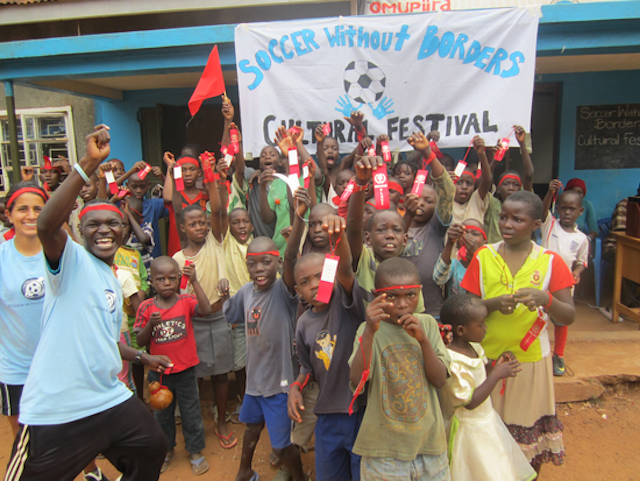
Soccer without bordersSoccer is more than just a sport. It connects people from all around the world, crossing boundaries and eliminating limitations. Soccer Without Borders embodies exactly what soccer’s purpose is. Soccer Without Borders is dedicated to building a more inclusive world using the world’s universal language. Founded in 2006, Soccer Without Borders achieves its vision through youth-development programs serving underprivileged youth in more than 65 countries.
Soccer without Borders

The nonprofit organization believes that creating meaningful change is more important than the actual sport. They build their programs around the interpersonal element of the sport to meaningfully impact their youth’s physical, social and individual progression by using soccer as an agent of positive change in the development of skills necessary to overcome obstacles.

Impacting nearly 2,000 children on a yearly basis, Soccer Without Borders stretches across 10 countries. In the United States, the organization is stationed in Baltimore, Greely, Seattle and Oakland. Refugees seeking asylum in the United States comprise more than 70 percent of Soccer Without Borders participants. Internationally, Soccer Without Borders has program offices in Uganda and Nicaragua. In the past, Soccer Without Borders has worked in several countries in Latin America and Africa.

Soccer in Nicaragua

As one of the poorest countries in Latin America, more than two million Nicaraguans live in poverty with 20 percent of the population living in extreme poverty. Children are the first to suffer from poverty. Faced with health problems, violence and abuse, children lack the same opportunity. In particular, young girls are often victims of sexual exploitation, child marriage and human trafficking, increasing gender inequalities. Many children, especially girls, do not receive an education because of these disparities.

Founded in 2008, Soccer Without Borders hosts a program in Granada, Nicaragua. The organization works with girls ages 7 to 20 through the league with year-round programs, camps and clinics. In Nicaragua, the participants of Soccer Without Borders are 100 percent girls. The organization also provided education scholarships to 99 girls between 2013 and 2016.

Soccer in Uganda

Soccer Without Borders also founded a program based in Kampala, Uganda in 2008. There, the organization serves male and female youth refugees from Uganda, Rwanda, DR Congo, South Sudan, Somalia and Burundi. Ages range from ages 5-23, and they participate in tournaments, festivals and a variety of community events. Forty-one percent of the participants are female, and most of the coaches are refugees themselves.

A 2016 poverty reduction assessment shows Uganda has reduced poverty from a monetary perspective, but the nation still lags behind in non-monetary areas such as sanitation, health and education. Children often end up living in the streets, victims of child labor, child trafficking and child abuse. Both young girls and boys are forced into harsh situations. Boys become members of the armed forces while girls are forced to prostitute themselves. Young girls are often victims of violence and child marriage.

How Sports Can Help

Soccer and other sports can act as an agent of change. While they cannot eradicate poverty, sports help blur the divisive lives of inequality that poverty creates. Sports focus on building children’s developmental needs to then address the larger needs of the surrounding communities. Education through sports like soccer can provide children with skills such as decision making and taking responsibility that apply both on and off the field. The goal of sports is to help children develop the necessary skills to break the cycle of poverty.

For its efforts, Soccer Without Borders was named the winner of the 2016 Barry & Marie Lipman Family Prize by the Wharton School and the University of Pennsylvania. The organization was also awarded the 2017 Urban Soccer Symposium Impact Award by U.S. Soccer as well as the 2018 Sports Award Winner by the Robert Wood Johnson Foundation. Most notably, Soccer Without Borders earned the FIFA Diversity Award in 2017.

– Gwen Schemm
Photo: Cloudfront

September 16, 2019
https://borgenproject.org/wp-content/uploads/borgen-project-logo.svg 0 0 Kim Thelwell https://borgenproject.org/wp-content/uploads/borgen-project-logo.svg Kim Thelwell2019-09-16 01:30:282024-05-29 23:12:21Soccer Without Borders Brings Sports to Impoverished Youth
Children, Global Poverty

Selena Gomez and UNICEF

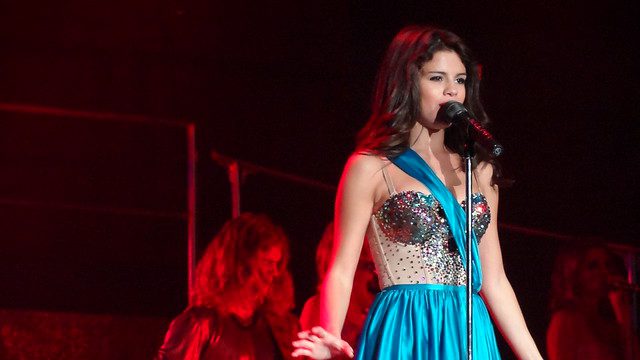
Selena Gomez and UNICEFAfter starting her career at age seven starring in “Barney and Friends,” Selena Gomez rose to fame in her most well-known role as Alex Russo on Disney Channel’s “Wizards of Waverly Place.” Whether she is starring in shows on television or speaking out about the dangers of social media, Gomez often finds herself in front of the camera.  More recently, Selena Gomez and UNICEF have been working together to aid children in need.
In 2009, Gomez added UNICEF ambassador to her already decorated resume. She previously acted as a spokesperson for the organization for a year. At the age of 16, Gomez became the youngest UNICEF brand ambassador at that time. Together, Selena Gomez and UNICEF advocate for the world’s most vulnerable children by participating in campaigns, events and initiatives. “Every day, 25,000 children die from preventable causes. I stand with UNICEF in the belief that we can change that number from 25,000 to zero,” said Gomez.

Gomez in Ghana and Chile

In October 2009, one month after partnering with UNICEF, Gomez took a week-long trip to Ghana on behalf of the organization. This was an opportunity for the new ambassador to get a firsthand look at what the organization is all about. “My trip to Ghana was life-changing. I couldn’t believe the things I saw. They were so loving, compassionate and strong. Watching these kids fight for what they want was so inspirational,” said Gomez.

In 2016, when compared to adults, children were 40 percent more likely to live in poverty in Ghana. This number has increased significantly from the 1990s when it was only 15 percent. Over the past few years, Ghana’s economy has shown steady, positive growth and transformation, but clearly more needs to be addressed in regards to childhood poverty.

In February 2011, Gomez performed at a sold-out concert in the coastal city of Valparaiso in Chile. While there, Gomez met with some of the poorest Chilean women. Eighteen percent of children live in poverty in Chile; therefore, some children must work. Street children pose a large issue, especially indigenous children because they do not retain the same rights as other Chilean children.

Selena Gomez Turns to Fans for Support

In 2010, Gomez became the Trick-or-Treat for UNICEF spokesperson. The Kids Helping Kids Ⓡ event raised nearly $177 million as of 2018. In August 2011, Gomez joined more than 70 musicians for the George Harrison Fund as part of UNICEF’s Month of Giving.

Gomez took to social media to share a personally recorded message with her fans encouraging them to support the effort. In total, the efforts raised $1.2 million for children in the Horn of Africa affected by famine and droughts. Gomez closed out 2011 by participating in 12 Days of UNICEF, an annual tradition in which individuals are able to purchase a life-saving gift in remembrance of a loved one for children in need.

Gomez has performed three charity concerts for UNICEF with all proceeds benefiting the U.S. fund for UNICEF. Her concerts have raised more than $200,000 for UNICEF. She teamed up with Rihanna, Robin Williams, Taylor Swift, Dwight Howard and Adrian Grenier to participate in UNICEF’s Tap Project Celebrity Tap campaign by bottling tap from her home and taking part in PSA’s on behalf of UNICEF’s clean water programs.

Gomez in the Sahel Region and Nepal

In April 2012, Gomez traveled to the Sahel region of West and Central Africa to advocate for the millions of children facing malnutrition. Furthermore, she took to the media and created a public service announcement encouraging donations for the Sahel. She also used her Twitter following to promote #SahelNOW to initiate conversation and prompt awareness. The United Nations recognized a 50 percent increase in hungry children in the Sahel region as more than 1.3 million children faced acute malnutrition in 2018.

While in Nepal in 2014, Gomez visited with children at the Satbariya Rapti Secondary School, female health volunteers in Gangaparaspur Village, female mediators in the Hapur village and watched a skit about sanitation in Gangaparaspur Village. Nearly half of the Nepalese population lives below the poverty line with children fighting for their lives each as their fundamental needs go unfulfilled.

“Nothing is more important than helping children in need around the globe. I’m thankful that I can use my voice to bring awareness and much-needed funds to UNICEF, so they can continue their critical work. Together, with my fans, we can save lives,” said Gomez. Thanks to Selena Gomez’s work, conditions are slowing improving for children around the world.

– Gwen Schemm
Photo: Flickr

September 13, 2019
https://borgenproject.org/wp-content/uploads/borgen-project-logo.svg 0 0 Kim Thelwell https://borgenproject.org/wp-content/uploads/borgen-project-logo.svg Kim Thelwell2019-09-13 01:30:312019-08-31 15:46:01Selena Gomez and UNICEF
Children, Global Poverty

Martin Luther King Jr. Quotes on Family

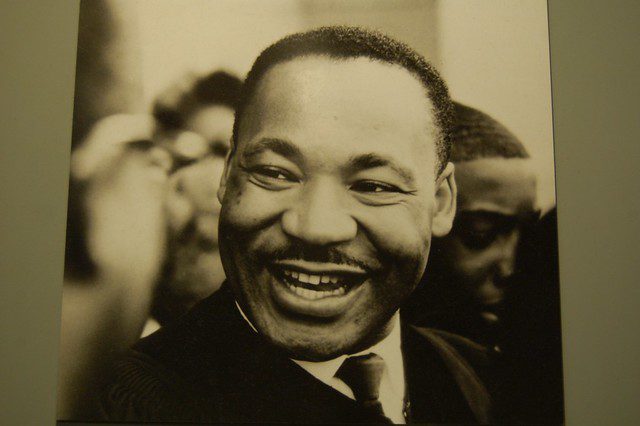
Martin Luther King Jr. quotes on familyMartin Luther King Jr. is remembered for many things. He was the leader of the American Civil Rights movement, an advocate for nonviolence, an inspirational speaker and a Nobel Peace Prize winner. At home, he was also a husband and father to four children. His dedication to his family was deeply connected to his vision for the United States. In fact, Dr. King’s mission for peace and equality was greatly inspired by his desire to help future generations of children. He consistently used familial metaphors and symbols to illustrate his greater points. Here are the top Martin Luther King Jr. quotes on family.

Martin Luther King Jr. Quotes on Family

  1. “I have a dream that one day on the red hills of Georgia, the sons of former slaves and the sons of former slave owners will be able to sit together at the table of brotherhood.” (“I Have a Dream” speech, August 28, 1963)
  2. “Without love, there is no reason to know anyone, for love will, in the end, connect us to our neighbors, our children and our hearts.” (Date unknown)
  3. “We must learn to live together as brothers or perish together as fools.” (speech in St. Louis, March 22, 1964)
  4. “When we let freedom ring, when we let it ring from every village and every hamlet, from every state and every city, we will be able to speed up that day when all of God’s children, black men and white men, Jews and Gentiles, Protestants and Catholics, will be able to join hands…” (“I Have a Dream” speech, August 28, 1963)
  5. “The group consisting of mother, father and child is the main educational agency of mankind.” (Date unknown)
  6. “I want to be the white man’s brother, not his brother-in-law.” (New York Journal-American, September 10th, 1962)
  7. “The hope of a secure and livable world lies with disciplined nonconformists who are dedicated to justice, peace and brotherhood.” (Strength To Love, published 1981).
  8. “I have a dream that my four little children will one day live in a nation where they will not be judged by the color of their skin, but by the content of their character.” (“I Have a Dream” speech, August 28, 1963)

Dr. Martin Luther King Jr. quotes on family went hand in hand with his mission for equality. Whether it was America’s children or his own, Dr. King emphasized coexisting and love for one another throughout his famous speeches. He used images of brotherhood and children to exemplify the relationships he believed Americans should have with one another. To Dr. King, family referred to more than blood relatives. It encompassed all people in the United States, regardless of color. Today, his message of prioritizing family is forever ingrained in his legacy, to be studied and appreciated by generations to come.

– Natalie Malek
Photo: Flickr

September 11, 2019
https://borgenproject.org/wp-content/uploads/borgen-project-logo.svg 0 0 Kim Thelwell https://borgenproject.org/wp-content/uploads/borgen-project-logo.svg Kim Thelwell2019-09-11 07:30:132019-08-30 22:24:27Martin Luther King Jr. Quotes on Family
Children, Global Poverty

Culture Affects Poverty: Children and Family Structure

Culture Affects Poverty
Poverty is a universal issue. It affects people of every nation, religion and culture. Though global inequality has been decreasing in recent decades, many countries still stand at an advantage over others, and in many cases, are in a better position to help.

It is difficult to guarantee effectiveness in a foreign country by virtue of it being foreign. The way the government or people behave will differ. Even the general mindset toward poverty can vary—and these are important differences to note. Culture impacts poverty’s manifestation and means of escape.

These cultural differences continue to exist on an international scale. Culture affects poverty both directly in the way it interacts with poverty, and indirectly, with the conditions that stimulate or prevent poverty. Many of the critical factors focus on a culture’s standard for family structure.

Children are More Likely to Live in Poverty

Children are most likely to live in poverty. If approached per capita, children below 11-years-old in developing countries are nearly 10 percent more likely to live in poverty than the international average. In contrast, the elderly are 10 percent less likely to live in poverty.

There are similar numbers across the globe. In Sub-Saharan Africa, where the poverty rate averages 54.6 percent, children between six and 11-years-old are 62.7 percent likely to live in poverty, while those of 65-years-old stands at 47.9 percent.

The Middle East and Northern Africa have the lowest rates of child poverty. Mirza Izmagilov Makhmutov, former Minister of Education of Tatarstan, describes Eastern culture as being more family-oriented with a focus on upholding history and tradition, compared to Western culture, which places emphasis on science and the individual. Though she describes this rule as unattractive to most young people, it may hold ground in lessening child and elderly poverty in the Middle East.

This is not to dismiss economic factors. Poverty rates drop with even moderate economies of scale—that is, the more production in a country, the more efficiently its society runs. Countries with economies of scale tend to have fewer children in a household.

Single Parents are at a Disadvantage

Though it is difficult to isolate the causes of single parents’ likeliness to live in poverty, as they are often closely entangled with a lesser education and intergenerational poverty, single parents are more likely to live in poverty than their married or cohabiting counterparts. In the U.K., a child’s likelihood of being in the bottom quintile of income is 21 percent for married parents, 31 percent for cohabiting families and 81 percent for single parents.

While the U.K’.s rate of single parents has grown over the last few decades, as the gap in poverty between single and married parents decreases, people still largely look down on single parenthood in Asia.

Globally in 2012, 13.7 percent of children below 15 lived in single-parent households. In Japan and Korea, 12.3 percent and 8.9 percent of children respectively lived in single-parent households, compared to in the U.K. and the U.S., with a respective 20.7 percent and 16.7 percent.

On average, 15 percent of children in Japan live in poverty. For children of single mothers, this increases to 55 percent. Yukiko Tokumaru, who runs Child Action Poverty Osaka, a non-governmental organization, describes Japan as having a culture that places women below men, making it difficult for a woman to have a job after a child.

Yasuko Kawabe, who runs the Nishinari Kids Dining Hall in Osaka, describes the children as needing more than food when they come to her center. At school, the children often find themselves isolated from their peers because their peers consider them to be from a “bad house.” Mothers, too, do not receive pressure to look wealthy at the Hall. According to Junko Terauchi, head of the Osaka Social Welfare Promotional Council, there is massive pressure on single or poor mothers, with women going so far as to hide separations from their partners from friends and coworkers.

Though hope often feels far away for these Japanese women, change seems to be on the horizon. Japanese President Abe Shinzo aims to provide work for women, especially those returning to the workforce after giving birth. Daycare centers in Osaka and other cities offer free meals and playtime for children.

Globally, there is increasing aid for single parents, and there is decreasing global inequality. Culture and wealth gradually exchange. There are no clear-cut means of determining if any culture is more effective at dealing with poverty than another. Rather, culture affects poverty by determining the behavior of poverty in a nation. Culture affects poverty on many levels—in determining government support, in the way it changes the standard family structure and in wealthy treatment of the poor.

– Katie Hwang
Photo: Flickr

September 8, 2019
https://borgenproject.org/wp-content/uploads/borgen-project-logo.svg 0 0 Kim Thelwell https://borgenproject.org/wp-content/uploads/borgen-project-logo.svg Kim Thelwell2019-09-08 09:56:432024-05-29 23:10:19Culture Affects Poverty: Children and Family Structure
Children, Education, Global Poverty, Technology

Edtech in India Helps Improve Education

EdTech in India
Education Technology, also known as EdTech, is a current driving force for major improvements to education in India. The information and communication technology placed in school systems throughout the country helps bring outside knowledge to classrooms that would have been previously inaccessible. Edtech has recently dropped in pricing, making the equipment and technology easily accessible in less developed areas and easier to implement in impoverished schools.

Four Key Facts About India’s Educational System

  1. India has one of the largest populations of school-age children, with an estimated 270 million children between the ages of 5 to 17.
  2. The country has four main levels for education: pre-primary from ages 3 to 6, primary from ages 6 to 10, secondary from ages 11 to 17 and tertiary from ages 18 to 22.
  3. Children must attend school from ages 6 to 13.
  4. School systems have seen a major increase in student enrollment in recent years, with a 15.37 percent increase of total gross enrollment in secondary education between 2009 and 2016.

While enrollment has increased, education in India is still behind with teaching methods and test scores. Many students test poorly in math and reading skills and teaching quality decreases in rural areas. In 2015, the mean achievement scores for math at a national level for rural areas was 247, while the urban score was 256. Urban areas also scored 19 points higher in English, with a mean score of 263. With less access to teachers and educational materials, the rural school systems face more deficits than urban areas.

Education technology is a relatively new concept for foreign countries, but the benefits to technology-infused classrooms are well known. Below are three benefits of increasing EdTech usage in Indian school systems.

Three Benefits of Increasing EdTech Usage in Indian Schools

  1. EdTech Bridges the Gap Between Rural and Urban Education: EdTech incorporates text, audio and video to teach and elaborate on classroom subjects. This technology fills in knowledge gaps when teachers are absent or less educated with certain materials. The language in these materials is also more streamlined, making topics easier to understand for a multitude of students. Video lessons make classes more consistent in all schools, eliminating the variation of teaching materials around the country. These programs also make student data more accessible to teachers, with some methods collecting and compiling data on student progress for teachers to be able to track progress and note areas that need improvement.
  2. EdTech Programs Emphasize Specialized and Individual Learning Plans: Education in India has previously been less effective at aiding students individually; through the implementation of EdTech, schools are better able to cater to students’ needs and adapt specific programs to better suit individual learning styles. Mindspark, an Indian based company that delves into education through videos, games and questions, is working to pique students’ interest in non-traditional ways. The software takes the basic values of comprehension for each student and adapts lesson plans to better fit their needs. The company recently worked with over 600 students in Delhi, citing increases in understanding of math and Hindi.
  3. EdTech Forms a Collaborative Space for Education: As more teachers begin to incorporate the newer technologies into the classroom, lesson plans will become more consistent in each region. Teachers will also be able to share effective teaching strategies using newer technology to benefit classrooms with less access to EdTech. This technology also makes information about students’ success more accessible to parents. Automated messaging to parents regarding progress can increase test scores for students overall.

While Edtech is benefitting education in India, foreign investments heavily fund the current ventures. Further development into education technology would require extensive partnership with the government, but some are taking steps to bring more technology into Indian classrooms. Prices for tablets and computers have decreased in recent years, making these educational programs more accessible to the multitudes. Many state-run schools have some access to these newer programs, and India is making more strides towards providing EdTech for students in all regions.

– Kristen Bastin
Photo: Flickr

September 8, 2019
https://borgenproject.org/wp-content/uploads/borgen-project-logo.svg 0 0 Kim Thelwell https://borgenproject.org/wp-content/uploads/borgen-project-logo.svg Kim Thelwell2019-09-08 01:30:482024-06-06 00:26:17Edtech in India Helps Improve Education
Advocacy, Children, Global Poverty

Celebrities Are Advocating for Children’s Rights

Celebrities Are Advocating for Children's RightsCelebrities are advocating with the nonprofit Save the Children to raise awareness and fight for children’s rights around the world. Save the Children ambassadors include Camila Cabello, Jennifer Garner, Bridgit Mendler, Dakota Fanning, Olivia Wilde and Rachel Zoe.

Save the Children’s mission is to give all children the opportunity to live a healthy life, to learn and to be protected from any fear or harm. The nonprofit ensures that with or without crisis, vulnerable children are protected and are given the necessary tools and resources to be able to live their lives to their potential.

Impact on Children

It is vital that all children are protected and educated so that they can have a positive future. 22 percent of all children ages 0-17 were living in poverty in 2010, but by 2016, the number fell to 18 percent. Save the Children believes that the percent could continue to decrease.

Save the Children reports reaching more than 134 million children around the world in 2018 alone. The organization has also reached 20 million children through global health programs that deliver vaccines and treatments for disease. Eight million children have benefitted from global education programs that teach children about school health and nutrition.

How Celebrities are Helping

Save the Children’s celebrity ambassadors are contributing greatly to spreading awareness for the nonprofit organization. For example, singer/songwriter Camilla Cabello is the newest ambassador of Save the Children and has visited a daycare in Puerto Rico supported by Save the Children with her mother and the organization. Many of the children were affected by Hurricane Maria and Cabello used her social media presence to spread awareness even further and show how others can also help Save the Children.

In 2014, actress and singer Bridgit Mendler teamed up with Save the Children and has since spread awareness and helped raise money by starting the #BabySitIn campaign. The teen volunteer campaign has encouraged teens to babysit for families who in return, donate to Save the Children. Save the Children then uses the donations to help babies and toddlers around the world get a better chance at a healthy life.

Actress Jennifer Garner is working with Save the Children to promote early childhood education and ensure that every child has the same opportunities for success. Garner focuses mostly on children growing up in low-income households in the U.S., and spends much of her time volunteering in elementary schools and programs for toddlers located in low-income areas. Garner has also recently traveled with Save the Children to Deming, New Mexico to help families living in poverty on the U.S.-Mexico border.

Making a Difference

Save the Children has worked toward creating safe and healthy environments for children around the world for 100 years. With the help of celebrity ambassadors, volunteers, campaigns and donations, the nonprofit continues to decrease childhood poverty and early death by supporting millions of children every year. Celebrities are advocating for children’s rights and their influence can be an inspiration for fans to support the cause as well. By believing that every child deserves a future, raising awareness to support the cause can make a huge difference in saving the children.

—Paige Regan
Photo: Flickr

September 7, 2019
https://borgenproject.org/wp-content/uploads/borgen-project-logo.svg 0 0 Kim Thelwell https://borgenproject.org/wp-content/uploads/borgen-project-logo.svg Kim Thelwell2019-09-07 16:09:472019-09-22 07:57:25Celebrities Are Advocating for Children’s Rights
Children, Development, Global Poverty

Juan Diego Florez: Symphony for Peru

symphony for peruJuan Diego Flórez is a highly-recognized, award-winning Peruvian tenor, who has sung on the most coveted stages, including Covent Garden and Milan’s La Scala. He is also a UNICEF Goodwill Ambassador, and in 2011, he started Symphony for Peru. The foundation offers music classes and activities for children in low-income families, giving them a chance to develop their talent, teach them values through the arts and pull them away from at-risk situations.

The Need for Creativity

After struggling in the 80s and 90s with terrorism, hyperinflation and corruption, Peru started recovering and achieving steady economic growth from the beginning of 2005 to 2013. Poverty rates decreased and the stable economy gave Peruvians hope of improving their quality of life. This growth, however, has not been able to translate into proper educational or social development. Although it no longer stands in the last place of the PISA rankings, there is still much work to be done. With this in mind, Flórez stepped in and decided to help in the best way he knew: through music.

Juan Diego Flórez created Symphony for Peru, or Sinfonía por el Perú in Spanish, in 2011 to promote musical education in Peru’s most distant and poorest communities, throughout Coastal, Andean and Amazon regions. Flórez used the structure of the Venezuelan government’s music program as inspiration for Symphony for Peru; José Antonio Abreu created this program, who linked musical skills as a route to improve social and personal development.

Music to Peru’s Ears

Symphony for Peru aims to help children in low-income communities. The organization provides music education not only for children to develop their creative skills, but also to provide a different form of entertainment or hobby, taking them away from the risks of the streets, including drugs, crime and teenage pregnancy, and into the classroom.

As it is spread out throughout the country, the Symphony for Peru created different core groups of around 400 and 600 children who participate in either choirs, orchestras or jazz bands. It also works to have two luthier workshops, where children can practice instrument development by learning how to build and tune their own instruments. Another important aspect of the organization is their main Symphony Orchestra, which performs a couple of times per year and has recently recorded and released its own Christmas album.

Perhaps the most innovative way to show the results of the work Symphony for Peru is doing is by letting the children speak for themselves. Students in the organization can show their improvement and talent with patrons and the general audience in free concerts that Flórez organized. These often happen in July, Peru’s independence month.

An Impact through Music

More than 8,000 children have developed their skills as part of the program, and as a result, perseverance and efficacy at school has improved, as well as their behavior and ability to focus in the classroom. Additionally, the organization has proven to be a useful and more productive way for children to spend their time, and the levels of both psychological and physical abuse in the families of students have drastically decreased.

There is no doubt that Flórez is one of Peru’s most important cultural ambassadors. His talent and work ethic lead him to the top, and music critics compare him to some of the best opera tenors in the world like Placido Domingo and Luciano Pavarotti. His greatest gift, though, may not be his musical talent, but his selflessness and generosity, as well as his will to give back to his country and share his skills with the people who need it the most.

– Luciana Schreier
Photo: Flickr

September 7, 2019
https://borgenproject.org/wp-content/uploads/borgen-project-logo.svg 0 0 Kim Thelwell https://borgenproject.org/wp-content/uploads/borgen-project-logo.svg Kim Thelwell2019-09-07 15:40:572024-05-29 23:10:18Juan Diego Florez: Symphony for Peru
Children, Global Poverty

Sub-Saharan Witchcraft Accusations

sub-Saharan witchcraft accusationsThe sub-Saharan region in Africa includes 46 of the 54 countries that make up the continent. While numerous cultural and political differences show variance between the sub-Saharan nations, many of them share a paranoid commonality: children are often accused of witchcraft. These sub-Saharan witchcraft accusations show that the fear of mystic powers is not a superstition of the past, but that it exists and is growing even in the 21st century.

The origins of these witchcraft accusations are unclear. UNICEF records that these accusations are falsely believed to be a piece of African tradition, and this phenomenon is the symptom of social, economic and political struggles.

Who’s Accused?

There are three categories of children who are at risk for the sub-Saharan witch accusations. All of them represent a marginalized category in which noticeable difference leads to suspicion.

The urban myth of the “child witches” is the first. Accusations are most often cast towards the most vulnerable children in a community, such as orphans and those with a physical or learning disability. Children with behavioral oddities are also targets, including those who are talented, precocious or rebellious.

The second group of individuals at risk are babies who experience a peculiar birth. This can mean that they were born premature or were delivered facing an abnormal way.

Thirdly, children with albinism are often accused of witchcraft and believed to contain magic power within certain organs.

Many of these “bewitched” children believe their families, pastors and instructors when they are told they are agents of evil magic.

A Human Rights Violation

The sub-Saharan witchcraft accusations lead to negligence of international laws protecting children. In the countries where accusations are most rampant, police and judicial forces are inefficient in upholding national law.

Accusations manifest in a number of ways. Violence, abandonment, sexual exploitation and even murder are acts leveled against witch children. Some victims view these aggressions as rituals to release evil spirits. It is recorded that about 81,000,000 African children suffer from severe psychological issues due to the punishment they have endured.

As the accusations of witchcraft have escalated in recent years, the U.N. has expressed concern for the issues and has been pressing awareness and regulation. The U.N. Refugee Agency records that the abuse endured by these children is somewhat responsible for the uptick in displaced individuals around the world.

Efforts to Hinder the Problem

The Democratic Republic of the Congo is one sub-Saharan country that suffers abundantly with witchcraft accusations. The nation has an inordinate number of vulnerable orphans living in impoverished conditions due to its recent civil war. As such, many NGOs focus their attention on this particular country in the sub-Saharan region.

The International Catholic Child Bureau (BICE) is one NGO that is specifically fit to deal with this humanitarian issue in the DRC. The organization is involved in a mission to incorporate a child’s rights into state law. Sub-Saharan witchcraft accusations in the DRC have been hindered by BICE’s local activities across the country. The group has established rehabilitation and learning centers. These work to eradicate the notion that child witches are responsible for societal ills, as well as to reintegrate banished children into their communities.

BICE has been active in the DRC since 1996 and continues to work with the central government to better protect Congolese children.

More Needs to be Done

While the U.N. and its partner NGOs have worked to bring attention to and provide for the children suffering from the sub-Saharan witchcraft accusations, the issue is unlikely to disappear in the near future.

The belief that child witches are plaguing society is one that results from what UNICEF calls the “multi-crisis” pressuring many African nations. Left behind in the journey to modernization, many African communities have carried the weight of failed political systems and unfulfilled economic promises. If the sub-Saharan region is to leave behind ancient superstitions of witchcraft, international actors must aid these countries on the pathway to development.

– Annie O’Connell
Photo: Flickr

September 6, 2019
https://borgenproject.org/wp-content/uploads/borgen-project-logo.svg 0 0 Kim Thelwell https://borgenproject.org/wp-content/uploads/borgen-project-logo.svg Kim Thelwell2019-09-06 15:50:332024-12-13 18:01:52Sub-Saharan Witchcraft Accusations
Page 77 of 137«‹7576777879›»

Get Smarter

  • Global Poverty 101
  • Global Poverty… The Good News
  • Global Poverty & U.S. Jobs
  • Global Poverty and National Security
  • Innovative Solutions to Poverty
  • Global Poverty & Aid FAQ’s
Search Search

Take Action

  • Call Congress
  • Email Congress
  • Donate
  • 30 Ways to Help
  • Volunteer Ops
  • Internships
  • Courses & Certificates
  • The Podcast
Borgen Project

“The Borgen Project is an incredible nonprofit organization that is addressing poverty and hunger and working towards ending them.”

-The Huffington Post

Inside The Borgen Project

  • Contact
  • About
  • Financials
  • President
  • Board of Directors
  • Board of Advisors

International Links

  • UK Email Parliament
  • UK Donate
  • Canada Email Parliament

Get Smarter

  • Global Poverty 101
  • Global Poverty… The Good News
  • Global Poverty & U.S. Jobs
  • Global Poverty and National Security
  • Innovative Solutions to Poverty
  • Global Poverty & Aid FAQ’s

Ways to Help

  • Call Congress
  • Email Congress
  • Donate
  • 30 Ways to Help
  • Volunteer Ops
  • Internships
  • Courses & Certificates
  • The Podcast
Scroll to top Scroll to top Scroll to top