• Link to X
  • Link to Facebook
  • Link to Instagram
  • Link to TikTok
  • Link to Youtube
  • About
    • About Us
      • President
      • Board of Directors
      • Board of Advisors
      • Financials
      • Our Methodology
      • Success Tracker
      • Contact
  • Act Now
    • 30 Ways to Help
      • Email Congress
      • Call Congress
      • Volunteer
      • Courses & Certificates
      • Be a Donor
    • Internships
      • In-Office Internships
      • Remote Internships
    • Legislation
      • Politics 101
  • The Blog
  • The Podcast
  • Magazine
  • Donate
  • Click to open the search input field Click to open the search input field Search
  • Menu Menu

Archive for category: Children

Information and stories addressing children.

Children, Development, Global Poverty, Health, NGOs

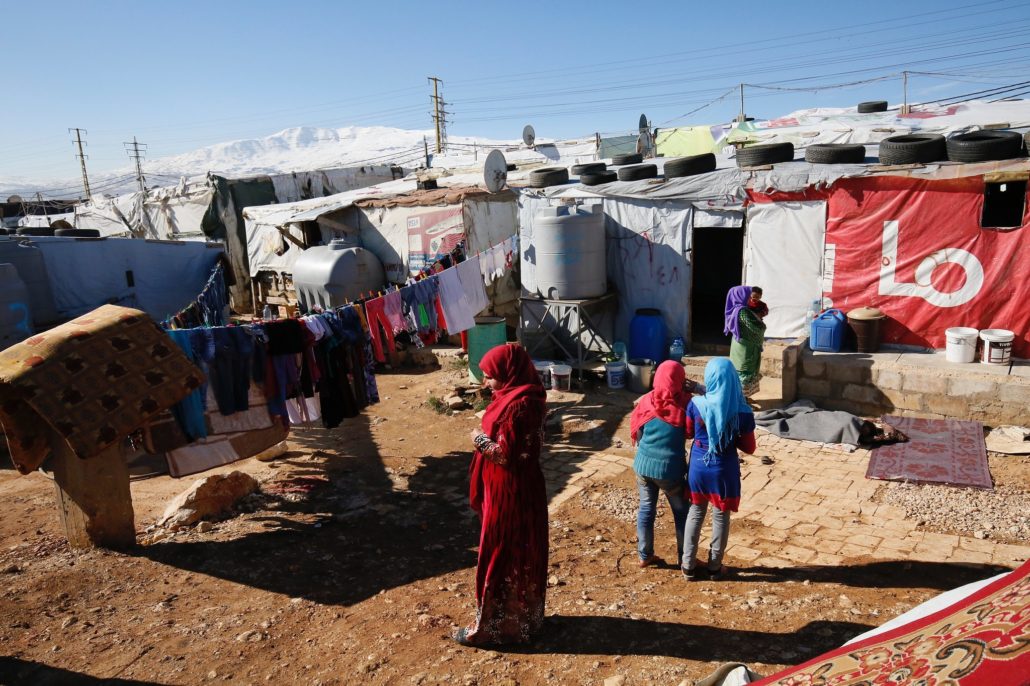
10 Health Costs of the Syrian Civil War

Health Costs of The Syrian Civil War
The Syrian civil war, which began in 2011, has led to a monumental refugee crisis, hundreds of thousands of deaths, the rise of the Islamic State of Iraq and Syria (ISIS) and destabilization in the Middle East. Yet another devastating effect of the war is the health consequences for people still living in Syria. Civilian doctors and nurses in active war zones face significant challenges not encountered in peacetime. These include a massive amount of trauma victims, shortages of medical equipment and personnel, infectious disease epidemics and breaches in medical neutrality. Here are 10 health costs of the Syrian civil war for the Syrian people.

10 Health Costs of the Syrian Civil War

  1. Because of the war, Syrian life expectancy has plummeted by 20 years from 75.9 years in 2010 to 55.7 years through the end of 2014. The quality of life in Syria has also worsened. As of 2016, 80 percent of Syrians are living in poverty. Moreover, 12 million people depend on assistance from humanitarian organizations.
  2. The civil war devastated Syria’s health care infrastructure, which compared to those in other middle-income countries prior to the war. By 2015, however, Syria’s health care capabilities weakened in all sectors due to the destruction of hospitals and clinics. The country faced a shortage of health care providers and medical supplies and fear gripped the country.
  3. The Syrian Government has deliberately cut vital services, such as water, phone lines, sewage treatment and garbage collection in conflict areas; because of this government blockade, millions of Syrian citizens must rely on outside medical resources from places like Jordan, Lebanon and Turkey. In 2012, the Assad regime declared providing medical aid in areas opposition forces controlled a criminal offense, which violates the Geneva Convention. By the following year, 70 percent of health workers had fled the country. This exodus of doctors worsens health outcomes and further strains doctors and surgeons who have remained.
  4. The unavailability of important medications presents another health cost of the civil war. Due to economic sanctions, fuel shortages and the unavailability of hard currency, conflict areas face a severe shortage of life-saving medications, such as some for noncommunicable diseases. Commonly used medicines, such as insulin, oxygen and anesthetic medications, are not available. Patients who rely on inhaled-medications or long-term supplemental oxygen often go without it.
  5. A lack of crucial medications has led to increased disease transmission of illnesses, such as tuberculosis. Furthermore, the conditions Syrians live in, for instance, the “tens of thousands of people currently imprisoned across the country… offer a perfect breeding ground for drug-resistant TB.”  Indeed, the majority of consultations at out-patient facilities for children under 5 were for infectious diseases like acute respiratory tract infections and watery diarrhea. According to data from Médecins Sans Frontières-Operational Centre Amsterdam  (MSF-OCA), the largest contributor to civilian mortality was an infection.
  6. In addition to combatant deaths, the civil war has caused over 100,000 civilian deaths. According to the Violation Documentation Center (VDC), cited in a 2018 Lancet Global Health study, 101,453 Syrian civilians in opposition-controlled areas died between March 18, 2011, and Dec 31, 2016. Thus, of the 143,630 conflict-related violent deaths during that period, civilians accounted for 70.6 percent of deaths in these areas while opposition combatants constituted 42,177 deaths or 29.4 percent of deaths.
  7. Of the total civilian fatalities, the proportion of children who died rose from 8.9 percent in 2011 to 19.0 percent in 2013 to 23.3 percent in 2016. As the civil war went on, aerial bombing and shelling were disproportionately responsible for civilian deaths and were the primary cause of direct death for women and children between 2011 and 2016. Thus, the “increased reliance on the aerial bombing by the Syrian Government and international partners” is one reason for the increasing proportion of children killed during the civil war according to The Lancet Global Health report. In Tal-Abyad’s pediatric IPD (2013-2014) and in Kobane Basement IPD (2015–2016), mortality rates were highest among children that were less than 6 months old. For children under a year old, the most common causes of death were malnutrition, diarrhea and lower respiratory tract infections.
  8. The challenges doctors and clinicians face are great, but health care providers are implementing unique strategies that emerged in previously war-torn areas to meet the needs of Syrian citizens. The United Nations (the U.N.) and World Health Organizations (WHO) are actively coordinating with and international NGOs to provide aid. The Syrian-led and Syrian diaspora–led NGOs are promoting Syrian health care and aiding medical personnel in Syria as well. For instance, aid groups developed an underground hospital network in Syria, which has served hundreds of thousands of civilians. These hospitals were “established in basements, farmhouses, deserted buildings, mosques, churches, factories, and even natural caves.”
  9. Since 2013, the Médecins Sans Frontières-Operational Centre Amsterdam (MSF-OCA) has been providing health care to Syrians in the districts of Tal-Abyad in Ar-Raqqa Governorate and Kobane in Aleppo Governorate, which are located in northern Syria close to the Turkish border. The health care MSF-OCA provided included out-patient and in-patient care, vaccinations and nutritional monitoring.
  10. New technologies have enabled health officials to assist in providing aid from far away. For instance, telemedicine allows health officials to make remote diagnosis and treatment of patients in war zones and areas under siege. One organization that has used this tool is the Syrian American Medical Society, which “provides remote online coverage to nine major ICUs in besieged or hard-to-access cities in Syria via video cameras, Skype, and satellite Internet connections.” Distance learning empowers under-trained doctors in Syria to learn about disaster medicine and the trauma of war from board-certified critical care specialists in the United States.

Conditions on the ground in Syria make it more difficult for Syrian citizens to receive vital medical aid from health care workers. Many people and organizations are working diligently to help injured and sick Syrians, however. These 10 health costs of the Syrian civil war illuminate some of the consequences of war that are perhaps not as storied as the refugee crisis. While aiding refugees is an undoubtedly worthy goal for international NGOs and governments, policymaker’s and NGOs’ agendas should include recognizing and alleviating the harm to those still living in Syria.

– Sarah Frazer
Photo: Flickr

October 8, 2019
https://borgenproject.org/wp-content/uploads/borgen-project-logo.svg 0 0 Kim Thelwell https://borgenproject.org/wp-content/uploads/borgen-project-logo.svg Kim Thelwell2019-10-08 01:30:502019-12-04 13:47:5710 Health Costs of the Syrian Civil War
Children, Developing Countries, Development, Education, Global Poverty

Kio Kit: A “Classroom in a Box” in Rural Africa

Kio KitHaving access to education is a fundamental aspect of being able to improve one’s life. Children who grow up in poverty are often deprived of an education and therefore have fewer opportunities as adults, which maintains the cycle of poverty. Education has been proven to be one of the most effective ways to break that cycle. Poor countries have the highest rates of children who are not in school, and according to an estimate from UNESCO, universal secondary education would lead to a 55 percent drop in the number of people living in poverty around the world. In other words, if everyone completed secondary education, more than 420 million people could be lifted out of poverty. Here is the story of the Kio Kit, a way of introducing technology for education in rural Africa.

Education Is A Human Right

The United Nations recognized education as a human right in the 1976 International Covenant on Civil and Political Rights. However, as of 2015, the UNESCO Institute of Statistics estimates that 37.1 percent of upper-secondary-school-aged children globally are not in school. Barriers to education come in many forms: some children begin working at a young age to help provide for their families, in some places girls are not allowed to go to school and many children live in regions undergoing conflicts or crises that prevent them from accessing education. Additionally, a lack of funding can mean untrained teachers, no school buildings and not enough educational materials.

A lack of access to technology is another barrier to education. Modern technology expands the horizons of what an instructor can teach — perhaps she will download ebooks, or show an educational video about biology, or teach students computer skills that are an asset in the workforce. In many regions, particularly in Africa, internet access is limited. For example, in Chad, Niger and Madagascar, less than 10 percent of the population was using the internet in 2017. The U.S. Energy Information Administration estimates that in 2014 approximately 15 percent of the world population did not have access to electricity, with electricity being less accessible in urban areas. So how can we adapt educational technology to work in regions where there is limited access to electricity and the internet?

How To Adapt Technology

BRCK, an engineering and design company based in East Africa, has developed a solution. BRCK, founded in 2013, focuses on digital solutions that are specific to African infrastructure. The company was named one of TIME Magazine’s 50 Genius Companies in 2018. BRCK’s Kio Kit project was launched in 2015 and consists of a set of forty tablets and a Wi-Fi router that can connect to web content. Kio Kit tablets charge wirelessly, either by connection to a power source or by solar power, and can run for 8 hours on a charge, meaning they can still be used when electricity is unreliable.

The Kio Kit comes in a weather-proof case and is designed to be usable for untrained teachers. The entire kit, including the tablets, is turned on and off with one button. BRCK calls the Kio Kit a “classroom in a box” and promises to expose rural children to “the same information and learning tools available to kids in any city.” As of 2018, BRCK had sold more than 200 Kio Kits to communities in fourteen countries. BRCK does not list prices online, but a 2015 article from QuartzAfrica reports that one kit costs $5,000, to be paid over twelve months without interest. While this is a hefty price and is not possible for some communities, BRCK’s commitment to getting students online is admirable, and the Kio Kit is a valuable step toward accessible education.

– Meredith Charney
Photo: Pexels

October 7, 2019
https://borgenproject.org/wp-content/uploads/borgen-project-logo.svg 0 0 Kim Thelwell https://borgenproject.org/wp-content/uploads/borgen-project-logo.svg Kim Thelwell2019-10-07 13:30:202024-05-29 23:12:42Kio Kit: A “Classroom in a Box” in Rural Africa
Children, Global Poverty, Life Expectancy

Women’s Health in India: Technology’s Impact

Women’s Health in IndiaWomen’s health in India is still vulnerable to several risks such as high maternal mortality rates, lack of preventative care and misinformation about family planning and contraception. Despite this, India has proven itself a pioneer in technological innovation among developing countries and it is putting its new innovations towards improving women’s healthcare. 

Maternal Health and Newborn Development

Although maternal mortality rates in India have declined substantially in the last decade, the number of recorded deaths related to pregnancy complications in the country is still remarkably high. A report by UNICEF estimates that 44,000 women die due to preventable pregnancy-complications in India yearly. These complications often stem from a lack of knowledge and inherently the inability to understand that their baby isn’t developing correctly. This lack of knowledge results in fewer women seeking treatment that could save their lives. To combat this, organizations are developing innovative mobile apps to help women stay proactive and educated about the health of their babies and the status of their pregnancies. 

For example, in 2014, MAMA (Mobile Alliance for Maternal Action), an organization dedicated to women’s maternal health in developing countries, developed a digital service called mMitra. The service sends recordings and SMS messages to new and expectant mothers with crucial information about the early stages of pregnancy and child development within the first year of life. The app, which collected 50,000 subscribers within months of its launch, sends educational content to women in their native languages and at times of their choosing. The app,  mMitra ultimately aims to help women pick up on pregnancy and child development issues early and seek treatment before symptoms escalate or endanger the mother and child. 

Breast Exams and Preventative Care

Mammograms are an essential part of preventative care for women globally. Despite this, it is estimated that over 90 percent of women in the developing world go without this essential screening examination. Particularly, in India, high-costs, unsustainable electricity and lack of properly trained radiologists are major causes for the inaccessibility to mammograms and other procedures like it. More women die of breast cancer in the country than anywhere else in the world (around 70,000 women annually). While these high death rates due to inaccessibility to preventive care are tragic, they’ve inspired innovative medical devices that have revolutionized women’s health in India. 

One such device, known as iBreastExam was invented by computer engineer Mihir Shah. Shah invented the device to ensure that women in even the most rural parts of India could get affordable, accurate breast exams and seek treatments as needed. The battery-operated wireless machine is designed to record variations in breast elasticity and performs full examinations in five minutes, posting and recording results through a mobile app. Not only that, the exams are painless, radiation-free and are extremely affordable at $1 to $4 per exam.

Family Planning and Contraceptive Options

Lack of family planning and knowledge of contraceptive options is another challenge in improving women’s health in India. Many Indian women shy away from modern family planning and contraception due to things like familial expectations, cultural influence and a general fear stemming from misinformation from disreputable resources. Family planning and the use of contraception could reduce India’s high maternal mortality rates. However, without proper education on these matters, it is difficult for young Indian women to make informed decisions about what options are best for them. But, in the midst of India’s technological revolution, an increase in accessibility to mobile devices is steadily transforming the way women are gaining health awareness in India. 

There is a particular mobile app that is playing a huge role in improving women’s health awareness in India. Known as Gyan Jyoti, the mobile app provides credible information through educational films, TV advertisements and expert testimonials from doctors. It also acts as a counseling tool for ASHAS (appointed health counselors). The app allows ASHAS to expand their knowledge of family planning through an e-learning feature, customize their counseling plan according to the needs of clients and monitor and store client activity in order to provide the best information possible. 

Overall, while there are still many challenges in improving women’s health in India, the country has proven itself to be a pioneer in technological innovation. Just as well, it’s proven that transformation is possible by putting its innovations towards women’s health awareness through mobile apps, life-saving hand-held devices, and educational platforms that can be accessed at the click of a button. 

– Ashlyn Jensen
Photo: Flickr


October 7, 2019
https://borgenproject.org/wp-content/uploads/borgen-project-logo.svg 0 0 Kim Thelwell https://borgenproject.org/wp-content/uploads/borgen-project-logo.svg Kim Thelwell2019-10-07 05:44:132024-06-04 01:08:35Women’s Health in India: Technology’s Impact
Children, Developing Countries, Development, Education, Global Poverty

Education in the Philippines

Education in the Philippines

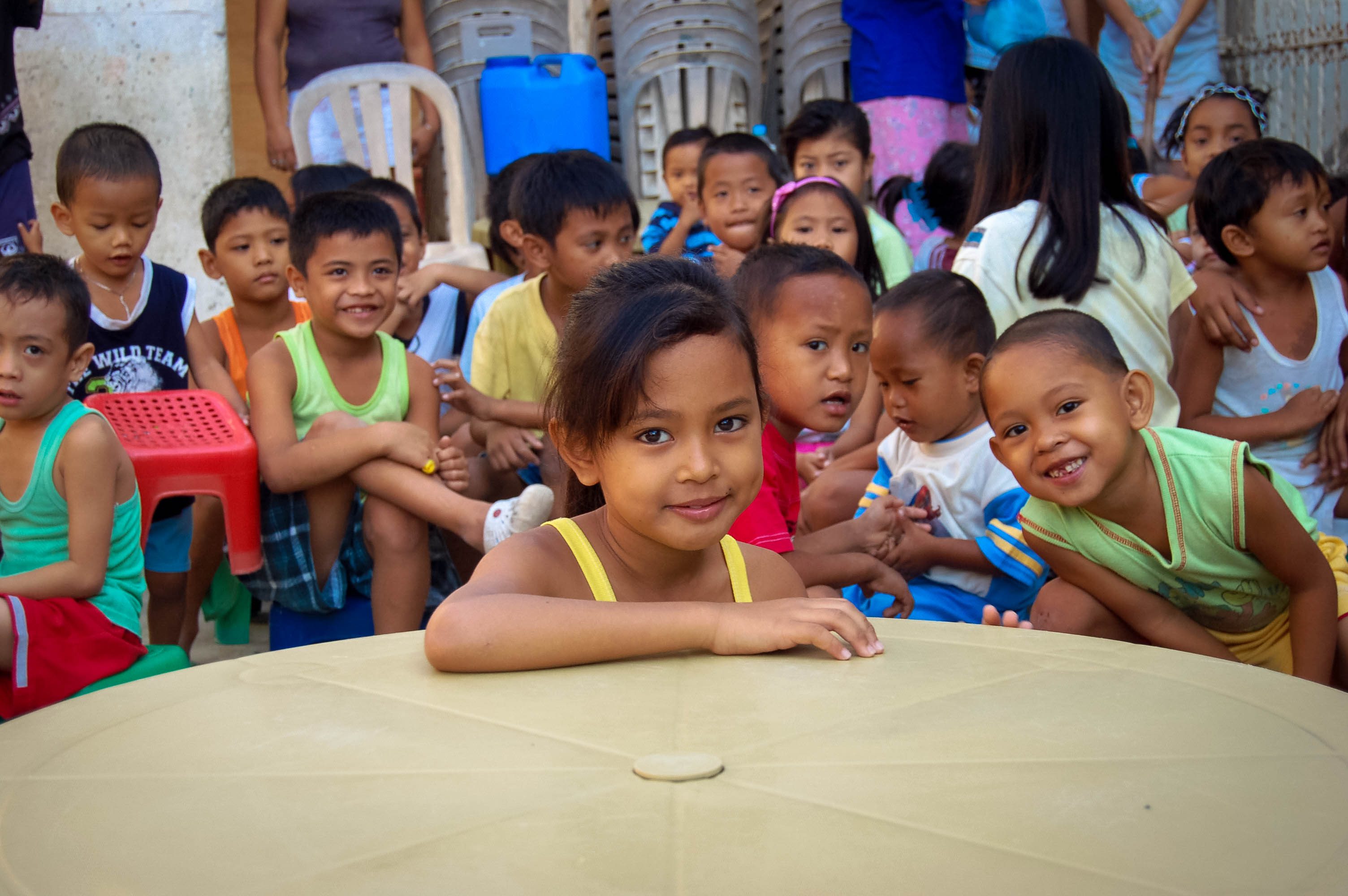
The Philippines is a growing nation with a population of over 108 million people. The island nation is struggling to teach its young students. There are shortages and dropout rates that are the norm throughout the country and are harming the countries wellbeing. Here are some statistics about education in the Philippines.

By the numbers

The Philippines has 45,973 public schools throughout the country, of which, 38,503 are elementary schools, and 7,470 are high schools. There are a total of 27.7 million students in the Philippines with 22.9 million going to public schools and 4.8 million going to private schools. Funding for education in the Philippines as of 2018 is 672.41 billion Philippine pesos or 12.8 billion USD. This funding is among the lowest budgeted among the Association of Southeast Asian Nation (ASEAN) countries.

Dropouts

The Philippines currently has the highest dropout rates among all of the ASEAN countries, with a dropout rate of 6.38 percent in elementary students and 7.82 percent of secondary school students. There are a number of reasons for the high dropout rate, but the top three reasons seem to be:

  1. Hunger, students will skip class to find something to eat when there is no food at home or at school.
  2. Work, to help provide for their families students will stay at home and work on family farms or businesses.
  3. Conflict, this problem is primarily in the southern regions of the country in Mindanao where there have been insurgents disrupting life for the past 50 years.

Today, there are currently 1.4 million students who are out-of-school in the Philippines.

Shortages

There is a significant lack of supplies and teachers throughout the country. The number of students in the classrooms is a ratio of one teacher for every 31 students at the elementary level with one teacher for every 36 students at the secondary level. These numbers are down from a year ago where the ratio was one teacher for every 45 students. This has a negative impact on the students in the classroom who do not receive the attention needed to learn. There is also a shortage of supplies in the classroom. Along with the increased number of students comes the lack of chairs, textbooks and even drinking water for the students, particularly in the cities. Classrooms will sometimes have two or even three students sharing a single textbook. According to the Philippines Department of Education, the country needs 60 million textbooks, 2.5 million chairs and over 80,000 sanitation facilities for the schools throughout the country.

The Good News

The future of education in the Philippines does have a positive outlook. The Philippines currently enjoys a literacy rate of 97.5 percent, an increase from 92.3 percent in 2000. There is a program called the 1,000 Teachers Program aimed at giving scholarships to high performing, but underprivileged high school students. The program is aimed at relieving some of the pressure that the school system is facing to gain more teachers for the classrooms.

With many problems with education in the Philippines, there are significant hurdles to meet if the country wants to improve its system. More teachers, supplies and money are needed to help the students who desperately want to learn and improve their lives.

– Sam Bostwick
Photo: Wikimedia

October 6, 2019
https://borgenproject.org/wp-content/uploads/borgen-project-logo.svg 0 0 Kim Thelwell https://borgenproject.org/wp-content/uploads/borgen-project-logo.svg Kim Thelwell2019-10-06 10:52:192019-12-18 09:26:08Education in the Philippines
Child Marriage, Children, Developing Countries, Development, Global Poverty

7 facts About Poverty in Kabul

7 facts about poverty in KabulKabul is the capital of Afghanistan with a population of 37 million people. Although there are efforts for improvements, Afghanistan still suffers from high rates of poverty. Here are seven facts about poverty in Kabul.

7 Facts About Poverty in Kabul

  1. Education: According to UNICEF, 3.7 million children in Afghanistan are out of school, 60 percent of which are girls. A few reasons for the low enrollment rates include poor sanitation systems in schools. Another reason is the lack of female teachers, particularly in rural areas. Female teachers are required for some because it is not allowed for male teachers to teach young girls. In addition, inadequate transportation in certain areas of the country makes it difficult for children to attend school.
  2. Child Labor: About a quarter of children in Afghanistan between the ages of five and 14 work or help their families. Many children are employed in jobs that can lead to an illness, injury or death due to dangerous working conditions and improper enforcement of safety and health standards. Children hold jobs in metal industries, agriculture, shoe shiners, and in the streets as vendors. Unfortunately, some children are forced to take on the pressures of going to school and work while others must quit school completely. In addition, children work long hours with little pay to no pay. However, UNICEF is supporting the National Strategy for Children at Risk, a strategy designed by the Ministry of Martyrs, Disabled and Social Affairs and partnered with UNICEF and other organizations that will help vulnerable families protect and care for their children. The main goal of this plan is for children to be protected from abuse, exploitation or violence in Afghanistan. In addition, the strategy will offer support to communities and vulnerable families. Another policy is the National Strategy for Street Working Children, which provides interventions such as family and community-based support systems for street children and their families to protect, prevent and decrease the number of children that work in the streets.
  3. Sex Trafficking: According to the USAID, Afghanistan happens to be a source, transit and destination country for forced labor and sex trafficking among men, women and children. However, efforts are being made to tackle this issue through the Combating Human Trafficking in Afghanistan project. This project is a collaboration of USAID and the International Organization for Migration that prepares the Afghanistan government institutions to contribute in the prevention of trafficking, prosecution of traffickers, victim protection and to enhance regional coordination in the fight against cross border trafficking.
  4. Literacy Rates: According to UNESCO, in Kabul, the highest female literacy rate is 34.7 percent and males at 68 percent. The difference in rates is due to a few factors such as women not being allowed to attend school, unsafe to travel to school and cultural norms. In addition, rates in urban and rural areas differ to due lack of schools in remote areas and extensive distances to travel for school. However, UNESCO has implemented a project called the which is a national program of the Ministry of Education that helps improve literacy and numeracy skills of the adult population in 34 provinces. The ELA Programme began in 2008 and since its launching, it has increased the literacy for over 600,000 adults and over 60 percent of them are women.
  5. Water: In Afghanistan, 79 percent of the population live in rural areas and only 27 percent have access to upgraded water sources. In Kabul, about 80 percent of people do not have access to safe drinking water. In addition, 95 percent do not have access to proper sanitation facilities. Due to lack of access to sanitation, about 20 percent of the population excretes in public.
  6. Health: According to the World Health Organization, Afghanistan has the second-highest maternal mortality rate in the world. Approximately half of children under the age of five are stunted due to chronic malnutrition and 10 percent have chronic malnutrition. Over 60 percent of all childhood deaths and disabilities in Afghanistan are due to respiratory infections, diarrhea and deaths that could’ve been prevented though vaccines such as measles.
    Despite these statistics, USAID has partnered with the Ministry of Public Health of Afghanistan to make healthcare services more accessible to all. During October 2017 and September 2018, USAID delivered more than 900,000 institutionalized deliveries at public health facilities. In addition, over 1.4 million children were given PENTA3 vaccinations. Furthermore, with the financial help of USAID and other international donors, the World Bank supported more than 2400 public health facilities and 94 percent of the facilities have at least 1 female health care provider.
  7. Child marriages: In Afghanistan, 35 percent of girls are married before they turn 18 and 9 percent are married before their 15th birthday. Child marriages occur due to various factors such as family practices, traditional customs and level of education. However, there are several organizations dedicated to ending child marriages such as Girls Not Brides. This organization is a global partnership of over 1000 civil organizations from more than 95 countries. It was founded in 2011 by a group of independent global leaders called The Elders that aims to raise awareness on child marriages, facilitate open conversations and provide support for victims. In addition, the organization works closely with girls to help build skills, empower them and developing support networks.

These seven facts about poverty in Kabul demonstrate major issues that could use improvement. Nonetheless, with the help and support of organizations little by little change will happen.

– Merna Ibrahim
Photo: Flickr

October 5, 2019
https://borgenproject.org/wp-content/uploads/borgen-project-logo.svg 0 0 Kim Thelwell https://borgenproject.org/wp-content/uploads/borgen-project-logo.svg Kim Thelwell2019-10-05 09:25:292024-06-06 00:26:277 facts About Poverty in Kabul
Children, Developing Countries, Development, Education, Global Poverty

Keeping Girls in School

Keeping Girls In School
Right now, 130 million girls ages 6 through 17 are not in school. Fifteen million girls will never receive any kind of education. The international community has recognized the importance of rectifying this problem, including the elimination of gender inequality in education as a target of the Sustainable Development Goals. Despite the significant hurdles which remain, the number of girls in school has increased dramatically in recent decades indicating progress.

Between 1970 and 2017, the global average number of years a girl spends in school increased from 6.7 to 12.5. South Asia experienced the most amount of progress, tripling the average length from 3.8 to 12.

South Asia

Several countries in South Asia have implemented programs that target keeping girls in school. Efforts in India largely drove the increase in rates, where average years of schooling jumped from 4.1 to 13, exceeding the 12-year target. Many nonprofits have worked to improve the educational attainment of Indian girls. For instance, ConnectEd brings education to girls at home when their parents do not allow them to attend school. Additionally, the nonprofit organization CARE has worked with the Indian government to provide educational programs for girls who have dropped out of school and to strengthen early childhood education. CARE also advocates for the bolstering of legislation and policies which ensure safe and secure access to education.

Bangladesh has also made significant strides in keeping girls in school. Secondary school enrollment for girls went up from 39 percent in 1998 to 67 percent in 2017. In 2008, the government of Bangladesh initiated the Secondary Education Quality and Access Enhancement Project (SEQAEP) with the help of the World Bank. This program provides stipends and tuition payments to impoverished children, especially girls. Teachers have received additional training and incentives to ensure that at least 70 percent of their class passes. Additionally, Bangladesh has taken steps to improve sanitation and water facilities at schools. Before the implementation of SEQAEP, 50 percent of children completed primary school and only one-fifth of these went on to complete 10th grade. Now, 46 percent of students graduate from secondary school, including 39 percent of children from impoverished backgrounds. Girls have experienced a rise in enrollment rates in particular due to a number of specially targeted stipend programs. Between 2007 and 2017, the gender parity ratio for grades six to 10 improved from .82 to .90.

Sub-Saharan Africa

Sub-Saharan Africa also made significant gains in the number of years girls spend in school, more than doubling the average from 3.3 years to 8.8. However, this region remains the worst in terms of keeping girls in school. In many countries in the region, girls never even get a chance to attend primary school. In the Central African Republic, Chad, Mali and Niger, two-thirds of primary school-aged girls do not enroll in school. In Liberia, this number is 64 percent, while in South Sudan it reaches a staggering 72 percent.

Nigeria has driven the current progress. Since 2007, the Nigerian government partnered with the World Bank to distribute grants and resources to school systems in particularly struggling areas. Programs that provide free meals and uniforms have incentivized families to allow their girls to obtain an education. Additionally, resources such as textbooks and expanded class space have made class time more effective for students and assisted in graduation rates. In one state, primary school completion rates for girls rose from 17 percent to 41 percent.

These statistics show that change is possible. Advancements in these countries show that even small investments in girls’ education can drastically improve their prospects.

Clarissa Cooney
Photo: MaxPixel

October 5, 2019
https://borgenproject.org/wp-content/uploads/borgen-project-logo.svg 0 0 Kim Thelwell https://borgenproject.org/wp-content/uploads/borgen-project-logo.svg Kim Thelwell2019-10-05 06:50:412024-12-13 18:01:53Keeping Girls in School
Children, Developing Countries, Development, Global Poverty, Life Expectancy

Top 10 Facts About Life Expectancy in Montenegro

Life Expectancy in Montenegro

Montenegro is a Balkan country that obtained independence from Yugoslavia on June 3, 2006. The data regarding life expectancy in Montenegro attests to its modernization and the continuing integration of the country into the global market system. With the fall of communism and the dissolution of Yugoslavia, improvements in life expectancy outcomes have accompanied the increased prevalence of ills more characteristic of developed countries. Below are the top 10 facts concerning life expectancy in Montenegro.

Top 10 Facts About Life Expectancy in Montenegro

  1. Overall life expectancy has improved slightly. As of 2016, life expectancy in Montenegro reached 76.6 years, an increase from 75.28 in 2010. Women on average live 79.2 years, while men on average live 73.9 years.
  2. Some age groups have undergone mortality rate declines, while others have experienced increases. Males under 1-year-old experienced the largest decline in mortality in 2010, down 65 percent from 1990. In contrast, the most significantly increased mortality rate between 1990 and 2010 shows up among females between ages 35 and 39, constituting an 8 percent increase.
  3. The infant mortality rate has declined significantly since 1969. Infant mortality in Montenegro has been subject to a regular and substantial rate of decrease from 1969 to the present. While in 1969 there were 43.3 deaths per 1,000 live births, this rate has declined to merely 2.55 deaths per 1,000 live births as of 2018.
  4. Efforts are being made to target the leading causes of death and their risk factors. As of 2010, ischemic heart disease, cerebrovascular disease and cardiomyopathy constituted the leading causes of death in Montenegro.
    • Between 1990 and 2010, lower respiratory infections declined by 7 percent.
    • High blood pressure remains the principal risk factor for premature death, followed by dietary habits and tobacco consumption.
    • Montenegro’s Law on Food Safety of 21 December 2007 places restrictions on the marketing of such unhealthy foods as play a role in poor health outcomes.
    • The Law on Protection of Consumers of 16 May 2007 prohibits food advertisements that target minors or use minors in promoting products.
  5. In Montenegro, suicides outnumber homicides. The suicide rate remained consistent from the years 2013 to 2015, experiencing only a slight decrease between 2011 and 2012. With 11.07 suicides per 100,000 people in 2015, Montenegro exceeded the global suicide rate average of 9.55 suicides per 100,000 people. When distinguishing by sex, the suicide rate for males numbered 15.03 per 100,000 and for females numbered 7.19 per 100,000, with 4.1 suicides for every homicide. Prior to independence from Serbia, a government initiative successfully reduced the annual suicide rate of the Yugoslav Army (Serb and Montenegrin soldiers) from 13 per 100,000 between 1999 and 2003 down to 5 per 100,000 in 2004. This program, involving the efforts of physicians and psychologists as well as officers, entailed informing soldiers about substance abuse and suicide risk factors, as well as the dismissal of recruits with severe psychological problems.
  6. Obesity is a significant issue. Moderate obesity may reduce one’s life expectancy by three years, while severe obesity may reduce one’s life expectancy by 10 years. Statistics demonstrate that as of 2008, 55.6 percent of the adult Montenegrin population were overweight while 22.5 percent were obese. Men are more likely to be overweight (62 percent) or obese (23.3 percent) than women (49.9 percent and 21.7 percent respectively). In 2015, the European Association for the Study of Obesity (EASO) issued the 2015 Milan Declaration, of which the Montenegrin chapter of the EASO was a signatory. This declaration proposes treating obesity as a crisis requiring the development of educational, research and clinical care strategies for its reduction at the national level.
  7. HIV is rare in Montenegro. The HIV epidemic has had little impact on Montenegro compared to other countries as only 0.01 percent of the population is infected with the virus as of 2011. Data collected in that year established 128 total HIV cases, 62 total AIDS cases and 32 AIDS-related deaths. Of these, 2011 saw nine new HIV cases, three new AIDS cases, and only one AIDS-linked death. Eight out of nine diagnoses in 2011 were male. No mother-to-infant transmission cases were reported in 2011.
  8. Most Montenegrins have access to an improved water source. Access to potable water sources plays a major role in increasing life expectancy, particularly in reducing the incidence of potentially fatal water-borne diseases. By 2015, 99.7 percent of the Montenegrin population could access an improved water source.
  9. Health care staffing suffers a deficit. Health care comprises 6.8 percent of Montenegro’s GDP, totaling $177 in expenditures per capita. However, as Montenegrin health care services usage exceeds the European average, Montenegro faces an understaffing crisis. This chronic understaffing poses a continued risk of increased patient mortality in medical treatment centers.
  10. Life expectancy in Montenegro may respond to the country’s continuing urbanization. Studies show that residents of urban centers may have longer life expectancies than those in more rural, less developed or remote regions. The rural population of Montenegro declined to 35.78 percent by 2016 compared to 81.21 percent in 1960.

Although centuries of isolation and scarcity have left their legacy, these facts about life expectancy in Montenegro indicate that the country continues along the path of modernization. Overall, these top 10 facts about life expectancy in Montenegro give good cause for optimism regarding the country’s future.

– Philip Daniel Glass
Photo: Flickr

September 30, 2019
https://borgenproject.org/wp-content/uploads/borgen-project-logo.svg 0 0 Kim Thelwell https://borgenproject.org/wp-content/uploads/borgen-project-logo.svg Kim Thelwell2019-09-30 14:23:432024-05-29 23:12:58Top 10 Facts About Life Expectancy in Montenegro
Children, Developing Countries, Development, Education, Global Poverty, Health, Life Expectancy

10 Facts About Life Expectancy in Gabon

10 Facts About Life Expectancy in Gabon

Gabon, located on the west coast of Africa, is surrounded by Atlantic Ocean, Equatorial Guinea, Cameroon and The Democratic Republic of the Congo. Forest covers 85 percent of the country, and the population is sparse and estimated to be 2.17 million. Keep reading to learn the top 10 facts about the life expectancy in Gabon.

10 Facts About Life Expectancy in Gabon

  1. The average life expectancy in Gabon is 66.4 years. Males have a life expectancy of 65 years compared to 68 years for females as per the 2016 data from WHO. This is the highest life expectancy value for Gabon compared to 61 years in 1990.
  2. Gabon’s total expenditure on health care is 3.44 percent of its gross domestic product. From the total expenditure on health, 31.62 percent comes from private resources. The government spends 7.38 percent of its total budget on health. This is higher than the average of 4.2 percent expenditure on health in Central Africa and an average of 3.9 percent for low-and-middle-income countries.
  3. Gabon has a low density of physicians. The country has 26 physicians and 290 nurses for every 100,000 people. The WHO notes that a physician density of less than 2.3 per 1,000 population is inadequate for an efficient primary health care system.
  4. Maternal mortality and infant mortality rates have seen a downward trend since the 1990s. The maternal mortality rate is 291 per 100,000 live births compared to 422 per 100,000 live births in 1990. The infant mortality rate is 21.5 per 1,000 live births. Eighty-nine percent of births are attended by skilled personal. The rate of under-5 deaths is 48.5 per 1,000 live births. On average, women have 3.8 children during their reproductive years.
  5. HIV/AIDS is no longer the number one cause of death in Gabon. Deaths from HIV/AIDS have declined by 77 percent since 2007. Similarly, deaths from tuberculosis and diarrhea have reduced by almost 23 percent and 22 percent respectively over the 10-year period ending in 2017. The current number one killer in Gabon is ischemic heart diseases followed by lower respiratory infection and malaria.
  6. Malnutrition is considered the most important driver of death and disability in Gabon. Dietary iron deficiency is the most important cause of disability and has retained the top spot for more than 10 years. Sixty percent of pregnant mothers and 62.50 percent of under-5 children are anemic, severely affecting the health and life expectancy of these groups.
  7. Rolled out in 2008, Gabon’s Universal health insurance extends coverage to the poorest, students, elderly, public and private sector workers. Gabon uses the Redevance Obligatoire à l’assurance Maladie (ROAM) to fund health care insurance. This is a 10 percent levy on mobile phone companies’ turnover, excluding tax and a 1.5 percent levy on money transfers outside the country. Still, the out of pocket cost for health care accounts for up to 21 percent of the total cost.
  8. As of 2015, 41.9 percent of the population has access to improved quality of drinking water. Gabon is ranked as 150 out of 189 countries in sanitation. People practicing open defecation increased from 1.7 percent in 2000 to 3.03 percent in 2015. The World Wildlife Fund (WWF) is advocating and investing to promote clean water in Gabon.
  9. Immunization coverage is between 70-79 percent for children in Gabon per UNICEF data. Available statistics for BCG and DTP vaccine shows that 87 percent of children have been vaccinated.
  10. The literacy rate in Gabon is 82.28 percent for the population aged 15 years and above. This is below the global average of 86 percent. The literacy rate for men (84 percent) is slightly higher than women (79 percent).

– Navjot Buttar
Photo: Flickr

September 29, 2019
https://borgenproject.org/wp-content/uploads/borgen-project-logo.svg 0 0 Jennifer Philipp https://borgenproject.org/wp-content/uploads/borgen-project-logo.svg Jennifer Philipp2019-09-29 08:21:112024-05-29 23:12:5810 Facts About Life Expectancy in Gabon
Children, Developing Countries, Global Poverty, Life Expectancy

7 Facts about Life Expectancy in Côte d’Ivoire

10 Facts about Life Expectancy in Côte d'Ivoire
Côte d’Ivoire, or the Ivory Coast, is a West African country with one of the fastest-growing economies in the continent. However, its life expectancy at birth is one of the lowest in the world. Here are seven facts about life expectancy in Côte d’Ivoire.

7 Facts About life Expectancy in Côte d’Ivoire.

  1. According to the CIA World Factbook, Côte d’Ivoire’s life expectancy at birth is 60.1 years. Out of the 223 countries measured, Côte d’Ivoire ranks 209. This is 30 spots lower than its GDP per capita ranking.
  2. One of the main causes of Côte d’Ivoire’s low life expectancy is its alarmingly high infant-mortality rate. An estimated one out of every 16 babies born in Côte d’Ivoire dies, making it the number one cause of death in Côte d’Ivoire. This is the 14th highest rate in the world, but over the last 20 years, there has been a considerable improvement. According to Niale Kaba, Côte d’Ivoire’s planning and development minister, the country’s infant mortality rate has fallen from “112 for every 1,000 births in 1998 to 60 per 1,000 in 2016.”
  3. Côte d’Ivoire’s life expectancy is also being suppressed by its high birth rate and lack of quality health care for both newborns and mothers. The average age of a mother’s first birth in the Ivory Coast is roughly 19 years old and each woman will bear almost four children, on average. However, only 59 percent of births are overseen by a skilled birth attendant. The young age of mothers and the lack of health professionals guiding them through their pregnancies contribute to the Ivory Coast’s ranking of 12th highest maternal mortality rate in the world.
  4. A considerable lack of accessible sanitation facilities and clean water makes much of the Ivory Coast’s population susceptible to disease. Around half of the schools in Côte d’Ivoire do not have toilets or water, forcing students to walk up to a kilometer just for clean water. Additionally, 60 percent of families do not have the means to regularly wash their hands with soap and water. These dangerous conditions increase the likelihood of death from preventable diarrheal diseases, which are the sixth deadliest condition in Côte d’Ivoire.
  5. Alarmingly, 24,000 people die from HIV/AIDS in Côte d’Ivoire each year, the 10th highest rate in the world. While it no longer causes the most deaths in the Ivory Coast, every day five teenagers are infected with HIV/AIDS. Modern scientific treatments like antiretroviral therapy have been remarkably successful at combating this crisis, but less than 30 percent of HIV-positive children in Côte d’Ivoire are receiving the medication they need to survive. The lack of health care for these children is one of the main drags on the country’s life expectancy, with more than 50 percent of HIV-positive children not on medication dying before the age of 2.
  6. Education is one of the main drivers of increased life expectancy. Unfortunately, only 65 percent of Ivorian children are completing primary school. Additionally, less than half of the country is literate mostly due to prohibitive fees associated with schooling which excludes poor families. This lack of education severely limits the economic opportunities for the entire country. Experts agree that improving education in Côte d’Ivoire would increase the number of skilled laborers and lead to higher wages, a better quality of life and improved life expectancy. The International Cocoa Initiative has worked with over 600 communities to help get more children out of the fields and into school. They have seen a remarkable 20 percent increase in school participation rates, showing that there is hope for the future generations of Ivorians.
  7. UNICEF has been crucial in helping the people of Côte d’Ivoire, funding numerous programs that have produced a substantial quality of life improvements. Whether it be offering HIV/AIDS testing, providing community wells or helping children escape dangerous working conditions, UNICEF is making a difference throughout the Ivory Coast. Groups like Action Against Hunger have followed in UNICEF’s footsteps, partnering with Côte d’Ivoire’s government to help run 12 community health establishments and providing 29,900 families with access to clean water.

While these seven facts about life expectancy in Côte d’Ivoire can be hard to grapple with, there is evidence that conditions are getting better. Improving access to education, medicine, healthcare and many other necessities will undoubtedly help pull millions of Ivorians out of poverty. With help from the international community, 20 years from now an article titled 10 facts about life expectancy in Côte d’Ivoire might not look so glum.

– Myles McBride Roach
Photo: Flickr
September 27, 2019
https://borgenproject.org/wp-content/uploads/borgen-project-logo.svg 0 0 Kim Thelwell https://borgenproject.org/wp-content/uploads/borgen-project-logo.svg Kim Thelwell2019-09-27 15:26:052024-05-29 23:12:227 Facts about Life Expectancy in Côte d’Ivoire
Activism, Children, Development, Global Poverty, Health

5 Ways Convoy of Hope is Making an Impact

Convoy of Hope is Making an ImpactFounded in 1994, Convoy of Hope is a faith-based, nonprofit organization that works domestically in the U.S. as well as internationally in more than 120 countries around the world. Convoy of Hope as a rating of 96.46 from Charity Navigator and has also made its way to Forbes’ list of the 100 largest charities. The organization has reached millions of people through its focus on disaster relief, children’s feeding programs, women’s empowerment and more. Here are five ways Convoy of Hope is making an impact.

5 Ways Convoy of Hope is Making an Impact

  1. Convoy of Hope provides meals to more than 200,000 children in 14 countries while monitoring the health and growth of these children each day. The organization partners with various food companies and also has its own campaign, feedONE. The goal of providing these meals is to create a starting point to build strong communities, healthy living environments, education and eventual career opportunities. Convoy of Hope is also committed to providing clean water and filtration systems so that these communities are able to access safe drinking and cleaning water.
  2. Through an agricultural program, piloted in Haiti in and now used in eight countries, the organization trains and educates farmers to grow their own crops and has helped schools, churches and orphanages around the world to start their own urban gardens. For instance, since 2012, the on-the-ground team has trained more than 5,000 farmers in “best management practices for culturally relevant agriculture.” Convoy of Hope proudly notes that in 2018, the team provided some 1.2 million meals through its school feeding program — locally grown by the farmers the organization trained.
  3. The organization is also focused on empowering women through Convoy:Women by providing training and education programs covering topics like finance, nutrition, literacy, cooking and health. Since 2011, almost 17,000 women across four countries have been trained through these programs, receiving the help and empowerment needed to make independent life choices. Importantly, the organization also provides start-up capital as a way to promote entrepreneurship and economic empowerment. In addition, there is also a spin-off program called Empowered Girls that focuses on young girls in various schools and communities. More than 4,000 participants are enrolled in this program which covers topics like self-esteem, gendered violence and gendered cultural beliefs.
  4. Convoy of Hope prides itself on being one of the first relief programs to respond to natural disasters around the world. The organization offers on-the-ground response teams as well as shipment of relief supplies from their distribution center in order to bring both immediate and long-term relief and recovery to affected areas. Convoy of Hope has also responded to 379 disasters so far, helping more than one million people in 2018 alone. The organization has also offered help to refugees in the Middle East and Europe since 2014, providing meals, supplies and finances.
  5. Convoy of Hope has partnered with Dr. Kerri Miller, CEO of Make People Better, LLC, in order to provide “reiimmune” to thousands of children. Re:iimune is an “oral hydrobiotic therapy” full of probiotics used to treat dehydration and provide intestinal support to help children absorb important nutrients and medications effectively. To date, Convoy of Hope has distributed 80,000 doses of reiimmune.

It goes without saying that Convoy of Hope has made strides helping those dealing with poverty around the world, with more than 115 million people receiving various forms of assistance since 1994.

– Jessica Winarski
Photo: Flickr

September 23, 2019
https://borgenproject.org/wp-content/uploads/borgen-project-logo.svg 0 0 Jennifer Philipp https://borgenproject.org/wp-content/uploads/borgen-project-logo.svg Jennifer Philipp2019-09-23 07:08:582024-05-29 23:12:565 Ways Convoy of Hope is Making an Impact
Page 76 of 137«‹7475767778›»

Get Smarter

  • Global Poverty 101
  • Global Poverty… The Good News
  • Global Poverty & U.S. Jobs
  • Global Poverty and National Security
  • Innovative Solutions to Poverty
  • Global Poverty & Aid FAQ’s
Search Search

Take Action

  • Call Congress
  • Email Congress
  • Donate
  • 30 Ways to Help
  • Volunteer Ops
  • Internships
  • Courses & Certificates
  • The Podcast
Borgen Project

“The Borgen Project is an incredible nonprofit organization that is addressing poverty and hunger and working towards ending them.”

-The Huffington Post

Inside The Borgen Project

  • Contact
  • About
  • Financials
  • President
  • Board of Directors
  • Board of Advisors

International Links

  • UK Email Parliament
  • UK Donate
  • Canada Email Parliament

Get Smarter

  • Global Poverty 101
  • Global Poverty… The Good News
  • Global Poverty & U.S. Jobs
  • Global Poverty and National Security
  • Innovative Solutions to Poverty
  • Global Poverty & Aid FAQ’s

Ways to Help

  • Call Congress
  • Email Congress
  • Donate
  • 30 Ways to Help
  • Volunteer Ops
  • Internships
  • Courses & Certificates
  • The Podcast
Scroll to top Scroll to top Scroll to top