• Link to X
  • Link to Facebook
  • Link to Instagram
  • Link to TikTok
  • Link to Youtube
  • About
    • About Us
      • President
      • Board of Directors
      • Board of Advisors
      • Financials
      • Our Methodology
      • Success Tracker
      • Contact
  • Act Now
    • 30 Ways to Help
      • Email Congress
      • Call Congress
      • Volunteer
      • Courses & Certificates
      • Be a Donor
    • Internships
      • In-Office Internships
      • Remote Internships
    • Legislation
      • Politics 101
  • The Blog
  • The Podcast
  • Magazine
  • Donate
  • Click to open the search input field Click to open the search input field Search
  • Menu Menu

Archive for category: Women’s Empowerment

Global Poverty, Women and Female Empowerment, Women's Empowerment

Women’s Empowerment in Guatemala

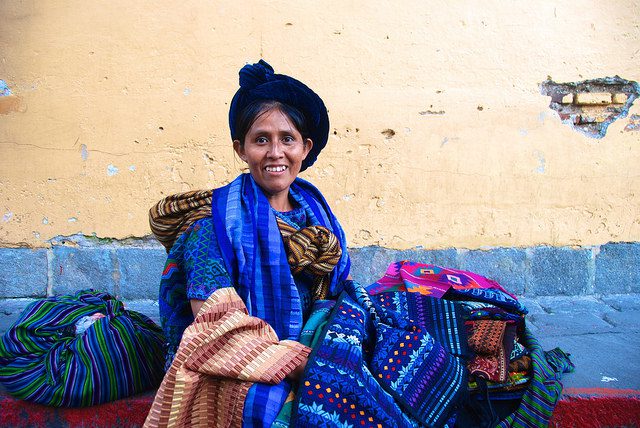
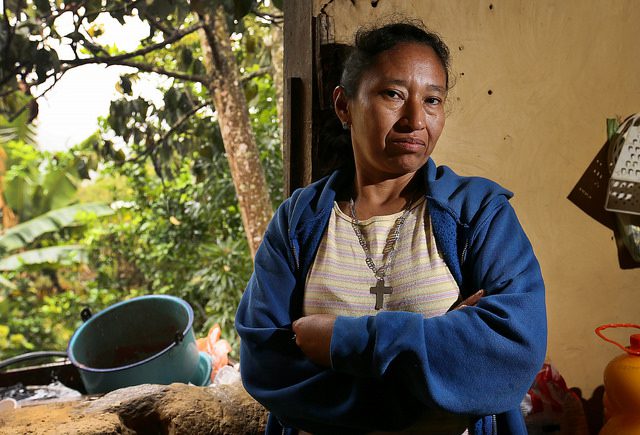
Women's Empowerment in GuatemalaGuatemala spent close to three centuries under Spanish rule before gaining independence in 1821, according to the CIA. The latter half of the 20th century saw the small nation experience various military and civilian governments and a guerrilla war that lasted for 36 years and killed more than 200,000 people. The government signed a peace treaty in 1996 but Guatemala still has problems to solve.
CNN reported in 2012 that gender-based violence is highly prevalent in Guatemala and the country ranked third in femicide worldwide. There are two women killed each day in the small country making women’s empowerment in Guatemala an important issue.

During Guatemala’s civil war there was a great deal of violence committed against women. This left a legacy of violence that still plagues the country today. The military and paramilitary personnel that committed these crimes with impunity were integrated back into society. Many of these men remain in positions of power and have not changed their thoughts about women, because of this women’s empowerment in Guatemala is an issue that must be discussed.

Just over 20 years after the end of the civil war violent crime is higher than it was during the conflict. Although the homicide rate is high, the UN estimates that only two percent of cases go to court. Women are especially prone to violence because of gender bias. Many women are brutally killed because of their gender. The methods used include rape, torture and mutilation which were also common during the civil war. This culture of gender-based violence makes women’s empowerment in Guatemala difficult to accomplish.

Drug cartels from Mexico and other criminal groups help contribute to the excessive violence that plagues Guatemala which leaves fewer recourses for authorities to investigate femicides. Many cases go unreported because women fear retaliation which further hampers women’s empowerment in Guatemala.

The Central American nation is deeply rooted in machismo culture which is one of the greatest obstacles for women’s empowerment in Guatemala. Around 80 percent of men believe that women need permission to leave their home and 70 percent of women believe the same. Ideas like this make life difficult for women in Guatemala.

Despite the problems women face in Guatemala, there are signs of progress. According to PCI Global, the Asociación para el Desarollo Sostenible de la Juventud (ADESJU) was created by a group of young Guatemalans in 2004. In 2014, ADESJU began to apply the Women Empowered Initiative (WE) with the help of PCI. This has helped around 2000 women become economically and politically empowered. ADESJU has organized 94 WE groups with 1839 participants. WE wants to encourage women to become economically independent and active members of their communities. Women’s empowerment in Guatemala faces many obstacles but organizations like these are doing what they can to advance it.

– Fernando Vazquez

Photo: Flickr

December 9, 2017
https://borgenproject.org/wp-content/uploads/borgen-project-logo.svg 0 0 Borgen Project https://borgenproject.org/wp-content/uploads/borgen-project-logo.svg Borgen Project2017-12-09 01:30:192024-05-25 00:24:13Women’s Empowerment in Guatemala
Global Poverty, Women, Women and Female Empowerment, Women's Empowerment

Women’s Empowerment in Laos Needed for Fighting Poverty

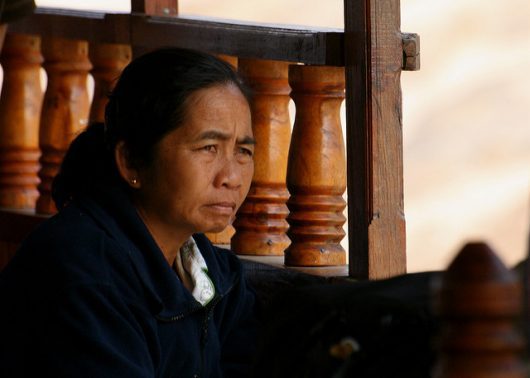
Women's Empowerment in Laos

Lao People’s Democratic Republic is a country in Asia with a total area of 236,800 square kilometers. Poverty has been steadily decreasing in Laos, with a 25 percent reduction in the poverty rate since the 1990s.

With this reduction in poverty, one would expect for women to be able to enjoy the benefits of development on equal terms with men. Despite laws that are supportive of women and what appear to be objectives in place to promote women’s development, economic opportunities and participation, the reality is far different than it originally seems.

In government meetings, while there may be women present, they are mostly not participating. Instead, they are assigned menial tasks like serving tea and cookies. Even though there are some strong women making bold points occasionally, this is far from the norm in Laos. Additionally, it is more difficult for women to obtain credit. They also have more difficulty becoming managers and are usually in lower paying jobs.

Women living in remote and rural areas of Laos are the most disadvantaged, as they are often not allowed to fully participate in village activity processes. Men are usually considered the head of the household and represent their families at official meetings. Many women in Laos are illiterate and do not speak the national language used for education. This, along with the prevailing social and cultural norms, means that women are not comfortable sharing their opinions, and as a result rarely speak out.

There are many struggles faced by women-headed households due to problems such as child marriage, low secondary school attendance, the burden of agricultural and domestic work and limited access to credit. Therefore, women often have more difficulty providing for their families than men.

The situation is not all negative, however, with several programs in place to help improve women’s empowerment in Laos. The first of these is from Oxfam, supporting the Gender Development Association to involve women in income generation activities and the management of savings groups in one of Laos’ poorest areas.

The Women’s Empowerment Program in Laos has been in place for over two decades. Over the course of the program, The Asia Foundation has worked with local partners in Laos to ensure women’s ability to access their legal rights, increase their presence in leadership roles and provide greater opportunities for future generations of women and girls.

Lastly, there is the Women’s Empowerment Project in Laos, which is managed by GVI, one of the most prominent international volunteering organization in the world. The aim of the project is to contribute to sustainable, long-term women’s empowerment initiatives in Laos, with volunteers contributing to GVI Laos’ objectives such as promoting gender equality, improving equal access to education and empowering local women to achieve increased employment opportunities and self-determination. These steps will assist with women’s empowerment in Laos, breaking the cycle of poverty and inequality.

– Drew Fox

Photo: Flickr

December 7, 2017
https://borgenproject.org/wp-content/uploads/borgen-project-logo.svg 0 0 Borgen Project https://borgenproject.org/wp-content/uploads/borgen-project-logo.svg Borgen Project2017-12-07 07:30:512024-05-29 22:29:29Women’s Empowerment in Laos Needed for Fighting Poverty
Global Poverty, Women and Female Empowerment, Women's Empowerment, Women's Rights

Women’s Empowerment in Colombia

Women's Empowerment in ColombiaWomen’s empowerment in Colombia has been steadily rising in the past few years. When measuring women’s empowerment, one looks at things such as political voice, completion of secondary schools, entrance into the workplace and capacity to shape law and policy on gender equality.

In 2012, 43 percent of women had joined the workforce, as opposed to 30 percent in 1990. In 2011, 94 percent of girls completed lower secondary school, a number that has been increasing and surpassing the percentage of boys, for years. Additionally, fertility rates have been reducing, with the average woman having two children in 2012. Thirty-two percent of the government’s cabinet was female, whereas in 1998 only 12 percent was.

As part of the Peace Accords of 2016, Colombia returned land to female victims of its 50-year conflict, indicating progress for women’s empowerment in Colombia. Additionally, the government provided start-up incomes to many women and families to kick-start their agricultural pursuits. Many of these women were forcefully displaced during the conflict. The return of their land shows an indirect step towards progress and an acknowledgment of women’s importance in the national economy.

The Peace Accords were also important because of a new commitment to promoting gender equality and the empowerment of women. This commitment was pushed, in part, and will be implemented by the Gender sub-Commission of the Havana Peace Talks Table. The agreement indicates an understanding of the importance of women in areas like rural development, political participation and the eradication of illegal drugs.

The United Nations Verification Mission works to effectively implement Resolution 1325 in Colombia. This resolution focuses on the participation of women in the negotiation and prevention of conflicts. The Colombian chapter of the Verification Mission has been one of the most successful in the world, with around 48 percent of the team made up of women. While this is an independent mission, it does collaborate with the Colombian government.

Ultimately, Colombia has made a lot of progress in terms of women’s empowerment and gender equality, but there is still a long road ahead. Women’s empowerment in Colombia has been improving, but it has benefited mostly upper-class urban women; women in poor, rural areas still face a lot of gender inequity. If the government continues to prioritize these issues and collaborate with the United Nations and other organizations, it has the potential to become a very progressive nation in terms of women’s rights.

– Liyanga de Silva

Photo: Flickr

December 4, 2017
https://borgenproject.org/wp-content/uploads/borgen-project-logo.svg 0 0 Borgen Project https://borgenproject.org/wp-content/uploads/borgen-project-logo.svg Borgen Project2017-12-04 01:30:552024-06-11 02:48:35Women’s Empowerment in Colombia
Global Poverty, Women and Female Empowerment, Women's Empowerment, Women's Rights

Women’s Empowerment in Belize

Women's Empowerment in Belize

Recent advancements in women’s empowerment in Belize have been made due to the implementation of multiple women’s rights policies. In 1990, Belize signed the Convention on the Elimination of All Forms of Discrimination against Women (CEDAW). The National Women’s Commission (NWC) of Belize carries out programs in line with the CEDAW and the National Gender Policy, the primary policies shaping women’s rights in Belize. The current perspective of women’s empowerment in Belize has evolved immensely since 1990 due to the government’s efforts to address modern threats to women’s rights.

Gender roles for women in Belize are fairly stereotypical under the construction of the church-state system. In 1999, the U.N. recognized very strong “cultural traditions… (that) placed women in a subordinate position in Belize,” and continued by stating, “both men and women had to be involved in changing old cultural traditions.” Women’s empowerment in Belize is disrupted by the discrimination fostered by the influence of the church. Since the adoption of the CEDAW in 1990, Belize has made new legislation and amendments to combat discrimination against women.

In 2007, The Women’s Anti-Discrimination Committee monitoring the effects of CEDAW saw that women in Belize suffer from “discriminatory hiring practices, limited maternal protection, dismissal due to pregnancy, sexual harassment and persistent pay inequality between women and men.” To address the discriminatory labor practices the Belize Labor act was amended in 2011 to penalize unfair dismissals and establish the Labor Complaints Tribunal.

While women now receive greater higher education degrees than men (a large advancement from 1990) the U.S. 2016 Belize Human Rights Report verifies “that men traditionally earn more–on average BZ$90 ($45) more– per month than women because they hold higher managerial positions.” Since the labor laws were amended, women’s unemployment has declined – nearly five percent from 2014 to 2015 – and the amount of women receiving degrees has increased. Women’s equality in labor and education in Belize requires additional attention but, with traceable achievements thus far, the country is moving in the right direction.

Domestic violence in Belize is grossly under-reported and prosecutions are low because individuals are reluctant to press charges against their offenders. The 2016 U.S. Human Rights Report published that “There were 15 cases of gender-based murder against women” that year. This violence is aggregated by the church-state relationship that perpetuates an outdated perspective on women’s rights. Belize revised the Domestic Violence Protocol for Police Officers in 2010 and works with shelters like the Haven house and Mary Open Doors to support threatened women and hopefully reduce the gender-based murders against women.

As a part of the U.N., Belize is positioned to achieve the Sustainable Development Goals (SDG’s) by 2030 including SDG 5, to achieve gender equality. Perhaps one of the strongest symbols of the advancements Belize has made in women’s empowerment was the 2014 “20,000 STRONG” Women’s Empowerment Rally. The first of its kind, the rally had 12,000 men and women join together and march to show the influence and significance of women. The rally was held again in 2016, in collaboration with the NWC, where they announced the new 20-4-20 Women’s Economic Development Program.

As the U.N. established, women’s empowerment in Belize can only be accomplished with the combined efforts of men and women. The rallies in 2014 and 2016 have set the tone for a unified nation in support of gender equality. In partnership with governmental organizations and NGO’s and with the support of its citizens, Belize is on track to establishing gender equality by 2030.

– Eliza Gresh

Photo: Flickr

December 3, 2017
https://borgenproject.org/wp-content/uploads/borgen-project-logo.svg 0 0 Borgen Project https://borgenproject.org/wp-content/uploads/borgen-project-logo.svg Borgen Project2017-12-03 15:18:182024-05-29 22:29:36Women’s Empowerment in Belize
Global Poverty, Women and Female Empowerment, Women's Empowerment

Women’s Empowerment in Eritrea

women's empowerment in eritreaEritrean society, like that of many underdeveloped countries, believes women to be inferior to men. This mindset has lasted for a long time but attempts are being made to change the “patriarchal culture” of the country, which would greatly benefit women’s empowerment in Eritrea.
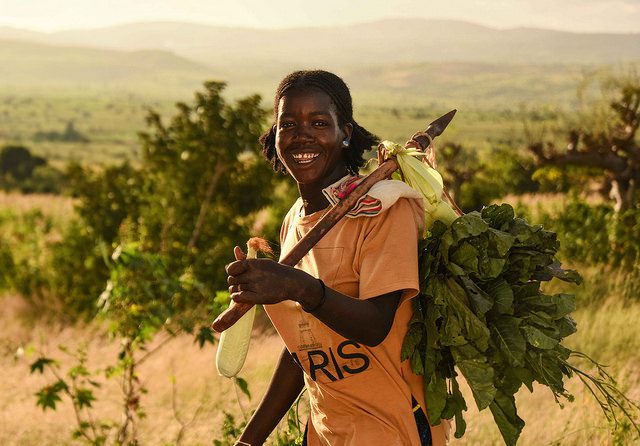
Women’s empowerment in Eritrea is a major goal of the U.N. Development Programme (UNDP) Eritrea. Since women’s independence was gained in 1991, the UNDP has been making meaningful strides in increasing the status of women in Eritrea.

The National Union of Eritrean Women (NUEW) is heavily responsible for empowering women in the country. As a result, the UNDP worked closely with the NUEW to launch the “Joint Programme on Gender Equality in Eritrea.” The program hoped to extend the reach of organizations like NUEW to further promote women’s empowerment in Eritrea. It was largely successful as it “addressed the gaps that existed at the national level in gender-related issues,” according to UNDP. The project also ensures that the rights of women are protected.

There is proof that women’s independence in Eritrea, which was recognized by the country’s government, is making a difference. Women have taken over various powerful roles in Eritrea—currently, there stand three female ministers in the government. Fozia Hashim is the Minister of Justice, Askalu Menkerios is the Minister of Tourism and the Minister of Health is Amina Nurhussein.

Women in Eritrea appear to have better circumstances than most, according to Hashim. “Without women, we would not have done anything and especially not get our independence. Eritrea is unjustly attacked because if there’s one country that actually protects the rights of women, this is it. We are far more advanced on human rights than in many other African countries. Everything is written in the laws and the laws are strictly enforced here,” she said.

It appears that the change in mindset is successful—women are making meaningful attempts to be involved with their government and to overturn the traditional, male-dominant mindset of the country. UNDP believes that women’s empowerment is key to attaining sustainable human development. Women’s empowerment in Eritrea could lead to reduced poverty and so much more.

– Dezanii Lewis
Photo: Flickr

December 3, 2017
https://borgenproject.org/wp-content/uploads/borgen-project-logo.svg 0 0 Borgen Project https://borgenproject.org/wp-content/uploads/borgen-project-logo.svg Borgen Project2017-12-03 01:45:112024-05-29 22:29:36Women’s Empowerment in Eritrea
Education, Global Poverty, Poverty Reduction, Women and Female Empowerment, Women's Empowerment

4 Reasons Why Women’s Education Leads To Less Poverty

4 Reasons Why Women's Education Leads To Less PovertyDr. Martin Luther King Jr. once said, “Injustice anywhere is a threat to justice everywhere.” But the inverse can also be true. When a socially marginalized group gains access to rights and opportunities, it can benefit everyone around them. This statement holds true for women’s rights. History has proven that easy access to women’s education leads to less poverty. Here are four examples that support this claim.

Women’s education results in better family planning

Niger is not only one of the world’s poorest countries, but it boasts one of the world’s highest birth rates. Women from Niger each give birth to an average of 7.6 children. The country sees large families as a sign of power and wealth. But “it’s impossible to feed, educate and care for all these children in the short term,” according to the nation’s family planning division.

Niger developed Project Sawki to teach women about birth control, family planning and forced marriages. Their goal is to encourage smaller family sizes. Aid workers created this project to let women speak freely about their marriages and future. “Husband schools” also exist in Niger to teach men the benefits of family planning through educated women.

The BBC, reporting on Niger, concludes that, “Education appears to be the key to reducing the number of babies born.”

Countries that invest in schooling become richer and healthier

Women’s education leads to less poverty, but also to several other benefits. UNICEF studied how countries in Southeast Asia and Latin America changed by investing in women’s advancement. The investing countries found an increase in economic development, income per family and health. Human trafficking and child mortality rates for those same nations declined. By contrast, the countries in the study who did not invest in educating women were met with reduced income and slowed growth.

Female empowerment comes from female choices

The ultimate obstacle to women’s empowerment, according to The Guardian, is the culture they live in. Women not only contribute 70 percent of the world’s working hours, they also make up 70 percent of the world’s poor. The most limiting factor to a girl’s future can be the people closest to her. These limitations take the form of a neighbor shaming a school-attending girl, or a parent arranging a girl’s marriage. If women’s economic choices are tied to their families then they will have few tools in escaping poverty.

The World Bank supports gender equality in addition to poverty elimination. It does so by providing resources to impoverished women while promoting gender equality in the household. The result is large development payoffs in society.

Education, in general, leads to less poverty

The American Prospect (TAP) looks into the complications of integrating education into an anti-poverty initiative. It is certain that both men and women’s education leads to less poverty. However, TAP notes how education only fights poverty in places where economic returns are viable and achievable for those with higher learning. Workers require a context wherein they can be rewarded for their skills and can see the benefits of the growth they help create.

Job training improves the quality of workers for a global market, which allows poorer nations to benefit from their wealthy peers. Supporting women’s education will create the context where girls can improve their lives and improve the world at the same time.

In 2017, Congress introduced the Protecting Girls’ Access to Education in Vulnerable Settings act. Through providing women’s education, the United States can bring about the positive changes recorded, and predicted, by the BBC, UNICEF, The Guardian and The American Prospect. If you are an American citizen, you can support this bill at The Borgen Project’s website.

– Nick Edinger

Photo: Flickr

December 3, 2017
https://borgenproject.org/wp-content/uploads/borgen-project-logo.svg 0 0 Borgen Project https://borgenproject.org/wp-content/uploads/borgen-project-logo.svg Borgen Project2017-12-03 01:30:132024-05-29 22:29:344 Reasons Why Women’s Education Leads To Less Poverty
Global Poverty, Women and Female Empowerment, Women's Empowerment

Women’s Empowerment in Honduras

Women’s Empowerment in HondurasHonduras is a country in Central America that borders the Caribbean Sea and the Pacific Ocean, according to the CIA. In 1821, Honduras gained independence from Spain. A freely elected democratic government came to power in 1982 after 25 years of military rule. Despite this achievement, Honduras still has obstacles to overcome.  In a May 2017 report, ABC news said Hondorus had been called the most dangerous place to be a woman. This makes women’s empowerment in Honduras an important issue.

Honduras is a country steeped in machismo culture which helps fuel gang violence and violence against women. Every 16 hours a woman is murdered in Honduras making the country’s femicide rate one of the highest in the world. Violence against women is an increasing problem in Honduras and many women are either afraid of going to the police or feel that it does not help their situation. Women are afraid of going to the police because they fear that it will only make matters worse for them or because, in some cases, their abusers are gang members and going to the police would mean retaliation from the gang.

Around 95 percent of crimes against women go unpunished in Honduras. This includes domestic violence, murder and rape. Despite this, there are women who gather enough courage to leave their abusive relationships which is an important step towards women’s empowerment in Honduras. Trócaire discusses Calidad de Vida (Quality of Life) in a December 2014 article. Calidad de Vida is a women’s refuge located in the capital of Honduras which supports women who have experienced sexual and physical violence or emotional abuse. They encourage them to leave abusive relationships and to learn to be independent.

Calidad de Vida is making strides towards women’s empowerment in Honduras. Women have access to legal help, psychological support from women who have had similar experiences and participate in occupational therapy. There is space for up to 30 women and children who have nowhere else to turn to when leaving an abusive relationship.

A number of women who have benefited from this refuge have, in turn, helped other women who are victims of violence to seek help. They participate in the DENMAH project (for the Protection and Promotion of the Rights of Women, Children and Adolescents) which Calidad de Vida is a part of. This project promotes women’s rights and violence prevention. It works with women in rural and urban areas to promote women’s empowerment in Honduras.

– Fernando Vazquez

Photo: Flickr

December 2, 2017
https://borgenproject.org/wp-content/uploads/borgen-project-logo.svg 0 0 Borgen Project https://borgenproject.org/wp-content/uploads/borgen-project-logo.svg Borgen Project2017-12-02 07:30:052024-12-13 17:58:32Women’s Empowerment in Honduras
Global Poverty, Women and Female Empowerment, Women's Empowerment, Women's Rights

Women’s Empowerment in Chad

Women's Empowerment in ChadLike in a lot of the countries in Africa, women’s empowerment in Chad is lacking immensely. Lack of freedom, child marriage, violence and mutilation are a few of the issues women must face in Chad.

A tradition that resides in many countries in Africa, in different tribes and families, is female genital mutilation(FGM), an act that young girls must go through as a rite of passage into womanhood. One type of practice is confined to the eastern parts of the country nearing Sudan, but FGM crosses ethnic and religious lines and is performed by Christians and Muslims all over Chad.

There is an estimate that 60 percent of the women in Chad have undergone the procedure and that it is even more prevalent in rural parts of the country. There is no law that makes these practices a crime, but the act is prosecutable as an involuntary physical assault against a minor. A new law, drafted in 2001, would specifically criminalize the practice of FGM.

Child marriage is extremely common in Chad and is the main reason why young girls have to leave school early. Over two-thirds of young girls will have been married before the age of 18. To add, it is a norm in the country for many of the men to have more than one wife and large extended families of wives and children. There are organizations that are trying to raise awareness about the higher health risks for young girls when they become pregnant and are also trying to encourage them to stay in school.

In Chad, there is inequality between the genders in three different dimensions. The different dimensions being reproductive health, empowerment and labor market participation. Reproductive health refers to maternal ration and adolescent birthright. Empowerment refers to the share of parliamentary seats held by women and the share of the population, who are women, with at least some secondary education.

With inequality of genders comes violence. Around 18 percent of women in Chad who have been in a relationship, ranging from ages 15 to 49, have had a partner commit some type of physical or sexual violence act against them at least once in their lifetime. Women in Chad are citizens who have full voting rights but lack the knowledge about certain rights including their right to protection from gender-based violence. Many women are unaware that rape is a crime and see it as just an indecency. Without more knowledge on rights, women’s empowerment in Chad is stifled.

To bring back women’s empowerment in Chad, organizations like UNICEF are uplifting women by informing them about their rights. They are confronting violence and consolidating peace in Chad. The women of Chad are protesting against the violence against them but they still need support while they continue to deal with the gender-based violence and abuse in their country.

– Chavez Spicer

Photo: Flickr

December 2, 2017
https://borgenproject.org/wp-content/uploads/borgen-project-logo.svg 0 0 Borgen Project https://borgenproject.org/wp-content/uploads/borgen-project-logo.svg Borgen Project2017-12-02 01:30:292024-05-29 22:29:26Women’s Empowerment in Chad
Global Poverty, Women and Female Empowerment, Women's Empowerment

Government Calls for Women’s Empowerment in Angola

Women's Empowerment in AngolaAs a country that experienced war until 2002, women’s empowerment in Angola was a neglected subject until recently. In 2009, the Angolan Executive began to implement the goals of the Beijing Platform for Action, which promotes gender equality and basic human rights.

Laws and Programs

In response to the Beijing Platform for Action and a desire to bridge the gender gap, Angola enforced several new laws. The Labour Code, the Family Code, the HIV/AIDS laws and the Nationality Law were all designed specifically to end the disparities in employment, land ownership, health and basic human rights between genders.

Following the laws, the National Development Plan for 2013-2017 was implemented in Angola to ensure equal opportunities were extended to men and women economically, socially, culturally and politically.

The government of Angola designed the Programme of Support to Gender and Women Promotion, Support to Victims of Violence, Valorization of the Family and Community Development and Rural Women Promotion. All programs are meant to target specific areas that act as barriers to women’s empowerment in Angola.

Literacy

Furthermore, beginning in 2013, USAID aided Angola through a project called Basic Education – Triumphant Women and Youth Project, which teaches literacy and strives to eliminate all illiteracy in Angola by 2025. USAID designated $1.2 million to the project, promoting Angolan’s access to the project’s classes.

In 2015 alone, around 500 Angolan women earned their two-year literacy diplomas. The Women and Youth Project has provided 5,600 women with adult courses, while also increasing the enrollment rates of students in primary schools. The project also supplies students with textbooks and other school materials.

Through literacy and education, women become much closer to ending gendered discrimination.

Ensuring Jobs

Since 2015, Africa has sought to include more females in the workplace. Through a project called Power Africa, female participation in the power and energy sectors has increased.

Women gain skills in business, electrical engineering, communication or salesman services. Power Africa is providing women with networking opportunities and a chance to rise to higher positions. Ending gender discrimination in the workplace throughout all of Africa is key to Angolan economic success.

Combining the equality efforts of the government, organizations like USAID and Africa’s overall influence, there has been a kickstart to the country’s goals of achieving gender equality and women’s empowerment in Angola.

– Brianna White

Photo: Flickr

December 1, 2017
https://borgenproject.org/wp-content/uploads/borgen-project-logo.svg 0 0 Borgen Project https://borgenproject.org/wp-content/uploads/borgen-project-logo.svg Borgen Project2017-12-01 01:30:552024-05-29 22:29:28Government Calls for Women’s Empowerment in Angola
Global Poverty, Women and Female Empowerment, Women's Empowerment

Women’s Empowerment in the Democratic Republic of the Congo

Women's Empowerment in the Democratic Republic of the Congo
Located in Central Africa, the Democratic Republic of the Congo (DRC) has experienced several decades of war, rebellions and civil strife between communities. While peace has been established throughout the majority of the country, the eastern provinces of the DRC remain areas in which gender-based violence frequently occurs. Recent nationwide surveys have indicated that 57 percent of Congolese women have suffered extreme physical or sexual violence, including rape. The issue continues to be exacerbated by a culture of impunity and gender-based violence; highlighting the need for women’s empowerment in the Democratic Republic of the Congo.

The issue of gender-based violence continues to be perpetuated through several key factors:

  1. Women care for an average of four children
  2. The average daily income of a woman in the DRC is $0.74
  3. 57 percent of women have no formal education
  4. Congolese culture perpetuates harmful gender discrimination

These factors place women at heightened risk for gender-based violence and exploitation as a result of their socioeconomic position and cultural norms.

What is being done to help

Women for Women International is an organization that works in the Democratic Republic of the Congo to empower women through a yearlong program. Since 2004, the organization has served 91,000 women ranging in ages 31-40. Throughout the course of the program, Congolese women are taught skills in a wide range of fields including agribusiness, basket-making, restaurant and catering and small business. By teaching women these skills, Women for Women International saw an increase from $0.74 to $1.22 in the average daily earnings of women. While this is a small improvement, the organization is actively trying to improve the livelihood of the Congolese women they serve through skill building, education of their rights as women and advocacy.

The organization also attempts to engage Congolese men as part of the widespread social change that is occurring across the country. The team that works in the DRC has developed a program for men by providing them with knowledge about health, and social and economic issues that can negatively affect women. To date, they have had close to 10,000 men participate.

The United Nations Population Fund (UNFPA) understands the need for women’s empowerment in the Democratic Republic of the Congo. The UNFPA helps to aid survivors of sexual violence by providing them with medical care, economic and social rehabilitation and legal assistance. They also have trained thousands of armed forces on how to protect and care for survivors. Since the UNFPA arrived in the DRC, over 15,000 sexual violence survivors have received basic medical care.

The United States Agency for International Development (USAID) also did a tremendous amount of work in 2014 and 2015 to encourage women’s empowerment in the Democratic Republic of the Congo. They provided medical treatment, psychosocial support and life skills training to over 9,000 survivors of sexual violence. They also provided economic programming to improve economic capabilities for close to 16,000 women.

The work of these organizations and agencies have had profound implications for women’s empowerment in the Democratic Republic of the Congo. Their efforts have helped to shift cultural norms and provide women with the necessary skills and services to overcome the violence they have experienced.

– Sarah Jane Fraser

Photo: Flickr

December 1, 2017
https://borgenproject.org/wp-content/uploads/borgen-project-logo.svg 0 0 Borgen Project https://borgenproject.org/wp-content/uploads/borgen-project-logo.svg Borgen Project2017-12-01 01:30:502024-05-29 22:29:29Women’s Empowerment in the Democratic Republic of the Congo
Page 52 of 54«‹5051525354›»

Get Smarter

  • Global Poverty 101
  • Global Poverty… The Good News
  • Global Poverty & U.S. Jobs
  • Global Poverty and National Security
  • Innovative Solutions to Poverty
  • Global Poverty & Aid FAQ’s
Search Search

Take Action

  • Call Congress
  • Email Congress
  • Donate
  • 30 Ways to Help
  • Volunteer Ops
  • Internships
  • Courses & Certificates
  • The Podcast
Borgen Project

“The Borgen Project is an incredible nonprofit organization that is addressing poverty and hunger and working towards ending them.”

-The Huffington Post

Inside The Borgen Project

  • Contact
  • About
  • Financials
  • President
  • Board of Directors
  • Board of Advisors

International Links

  • UK Email Parliament
  • UK Donate
  • Canada Email Parliament

Get Smarter

  • Global Poverty 101
  • Global Poverty… The Good News
  • Global Poverty & U.S. Jobs
  • Global Poverty and National Security
  • Innovative Solutions to Poverty
  • Global Poverty & Aid FAQ’s

Ways to Help

  • Call Congress
  • Email Congress
  • Donate
  • 30 Ways to Help
  • Volunteer Ops
  • Internships
  • Courses & Certificates
  • The Podcast
Scroll to top Scroll to top Scroll to top