• Link to X
  • Link to Facebook
  • Link to Instagram
  • Link to TikTok
  • Link to Youtube
  • About
    • About Us
      • President
      • Board of Directors
      • Board of Advisors
      • Financials
      • Our Methodology
      • Success Tracker
      • Contact
  • Act Now
    • 30 Ways to Help
      • Email Congress
      • Call Congress
      • Volunteer
      • Courses & Certificates
      • Be a Donor
    • Internships
      • In-Office Internships
      • Remote Internships
    • Legislation
      • Politics 101
  • The Blog
  • The Podcast
  • Magazine
  • Donate
  • Click to open the search input field Click to open the search input field Search
  • Menu Menu

Tag Archive for: USAID

Information and news about mobile technology

Posts

Global Poverty, Politics, Politics and Political Attention

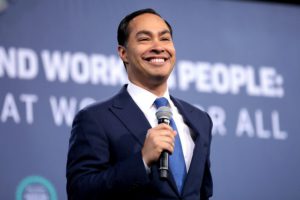
Julián Castro’s Marshall Plan for Central America

Julián Castro’s Marshall Plan
Presidential candidate Julián Castro has introduced many policies that he would implement during his presidency revolving around protecting indigenous communities, policing and education reform. One of the most pressing policies that Castro proposed revolves around immigration. With a three-part plan, Julián Castro is attempting to create an immigration policy that focuses on reforming the system altogether. However, one of the more ambitious parts of the plan deals with something he has coined as a 21st Century Marshall Plan for Central America. Julián Castro’s Marshall Plan could be a major step in solving immigration issues in both the United States and Central America.

Meet Julián Castro

Castro is no stranger to the world of politics. At a young age, he watched his mother run for San Antonio’s city council as the first woman of Mexican descent to do so. He learned the values of hard work and dedication from both his mother and his grandmother, who was an immigrant from Mexico that started her family with a fourth-grade education and a job as a housekeeper.

However, Julián Castro’s political career did not start when he decided to run in the 2020 presidential election. At age 26, he entered the San Antonio city council. Not only did he make history as the youngest councilman elected in the city, but he began his path to public service that would result in him becoming mayor of San Antonio in 2009 and then the Secretary of Housing and Urban Development in 2014. Along the way, he even became the first Latino to give the keynote speech at the Democratic National Convention in 2012.

The Original Marshall Plan

In 1948, Europe had severly damaged infrastructure. World War II caused strain to Europe’s economies and disrupted agricultural production. To alleviate this issue, George C. Marshall created a plan to give roughly $15 billion to European countries. These countries used the money to rebuild cities and various economic industries for four years. In the process, these European countries and the U.S. created trade opportunities and development programs. The plan created substantial results across the continent. Industrial and agricultural production increased by over 37 percent and the overall balance of trade and economic stability improved as well.

The Marshall Plan differed from other aid programs during the time because it was a joint effort between many nations. The United States created the funding and programs that could benefit Europe, and the nations committed to implementing these programs. This plan benefitted Europe’s economic growth and reestablished the United States’ influence in the region after the war.

The Marshall Plan was also a way to test various programs concerning development and relief efforts. For example, the Economic Cooperation Administration’s model, designed to provide financial assistance to these European nations, was a model to create the U.S. Agency for International Development (USAID). Overall, the 20th century Marshall Plan was a major step in development programs that helped Europe drastically.

A Plan for Central America

In an NPR podcast, Castro describes the importance of working to rebuild Central America for multiple reasons. For one, it helps create stronger relationships with the U.S.’s neighbors to the south. By creating an alliance with these countries, the U.S. can continue being an economic competitor with China, which is on track to pass the U.S. in becoming the largest economy in the world by 2030.

Along with the economic benefits of strengthening a region with potential trade partnership, the second major reason for assisting Central America is immigration issues. Castro states that “…if we want to solve the immigration issue, we need to go to the root of the cause…and that is that people can’t find safety and opportunity in Central America.”

Central America is a region where large numbers leave to seek asylum from violence and corrupt governmental institutions. By 2015, nearly 3.4 million people born in Northern Triangle countries (El Salvador, Guatemala and Honduras) were living in the U.S., with over half being undocumented immigrants.

Julián Castro’s Marshall Plan

Julián Castro’s Marshall Plan would firstly target some of the root causes of violence in the Northern Triangle such as transnational criminal organizations and illicit networks. According to Castro, an increase in law enforcement programs would help eliminate criminal activities such as human and drug trafficking. Also, this plan would require a heavier focus on anti-corruption and government transparency practices. With the cooperation of leaders in Central America and the United States’ resources, the high rates of violence in the region can decrease and create safer environments and sustainable governments less susceptible to corruption.

His policy also provides more funding for programs designed to prevent violence at local levels, create jobs and support health and nutrition across Central America. By stimulating economic development through more sustainable jobs, it allows people to stay and grow their communities rather than leaving them to find better success in the United States.

The final major point that this candidate emphasizes is the importance of prioritizing diplomatic relations with Latin American countries. To ease the instability in this region, all nations have to become part of this plan. Cooperation between these nations and the United States will ultimately be the major stepping stone to creating safe and sustainable communities.

This major foreign policy proposal would only be one component of his push to tackle immigration, but his message stands clear throughout his campaign. Julián Castro’s Marshall Plan intends to put people first, and for millions of people living in Central America, that is something they can begin hoping for in 2020.

– Sydney Blakeney
Photo: Flickr
October 1, 2019
https://borgenproject.org/wp-content/uploads/borgen-project-logo.svg 0 0 Kim Thelwell https://borgenproject.org/wp-content/uploads/borgen-project-logo.svg Kim Thelwell2019-10-01 08:35:212024-05-29 23:10:49Julián Castro’s Marshall Plan for Central America
Developing Countries, Development, Global Poverty

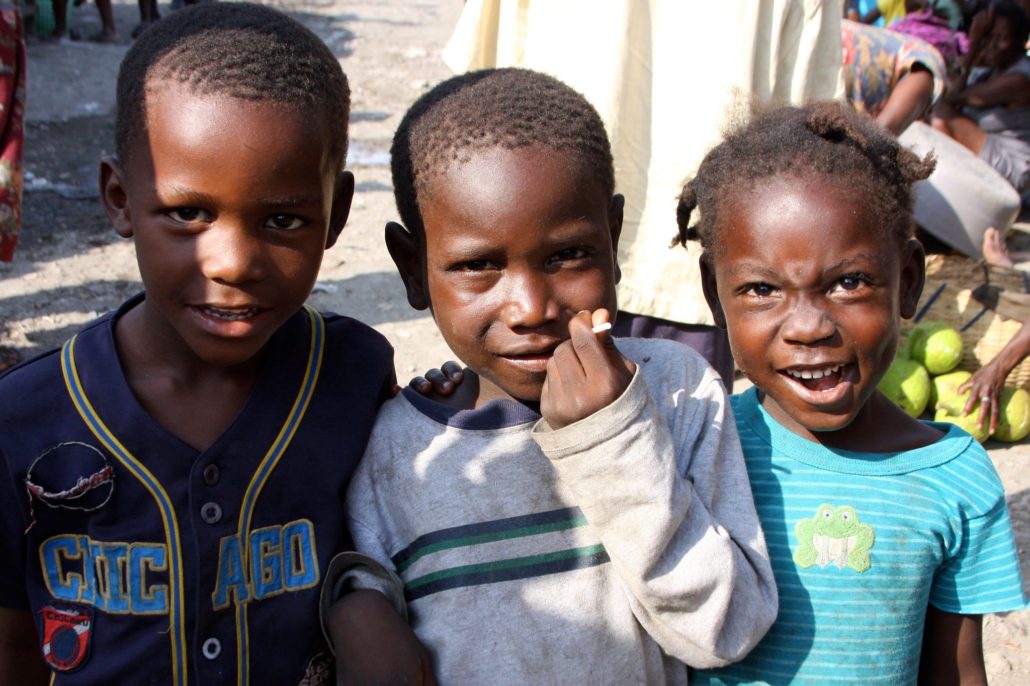
Infrastructure: Fighting Poverty in Haiti

Fighting Poverty in Haiti
Haiti is a country among the most struggle-filled in terms of development in its personal history. With a long history of changing its rule, sociopolitical instability and copious natural disasters, Haiti faces one of the tallest uphill battles of any country. The country is one of the United States’ top trading partners and there has been a solid, though rocky, history between the two nations. The following will describe some of the struggles the country faces in developing its infrastructure, as well as a quick look at how the United States and other nonprofit groups are fighting poverty in Hati.

The Challenges of Infrastructure

Developing infrastructure and fighting poverty in Haiti is no small task, but Haiti has a history and a geographical position that makes it even more challenging than many other developing nations. Economically, Haiti has faced a depreciation of value in its currency and a heavy reliance on foreign aid that composes 20% of its overall annual budget. It also has faced a long history of dictatorships or otherwise corrupt government officials, which creates difficulty in achieving political stability even today. The most damaging factors to Haiti’s infrastructure, however, come from the natural world.

Haiti faces more natural disasters than any other Caribbean nation. Positioned on a fault line and directly in the path of most hurricane formations through the Gulf of Mexico, the nation suffers earthquakes, extreme flooding and wind damage. Though these are difficult enough to face on their own, a lack of city planning or rapid response to infrastructure damage leaves Haiti recovering for a lengthy time period after such disasters. In 2010, there was a 7.0 magnitude earthquake that displaced many Haitians from their homes; from 2015 to 2017, there was a massive drought leading to losses of 70% of crops; and in 2016, Hurricane Matthew caused significant damage to infrastructure and housing. Haiti faces a number of rapid-fire disasters and it does not have the economic resources nor the political responsibility required to recover.

There are other infrastructural systems that face significant issues in Haiti. Aside from damage to roads and buildings, there are many cities in Haiti without a central sewage system. Port-au-Prince is among the largest cities in the world without such a system, causing more than 3 million people to use outhouses. The lack of improved sanitation systems leads to water contamination and outbreaks of diseases such as dengue, malaria and cholera. Internet access and electricity are also improving, but at a very slow rate – only about 12% of Haitians have access to the internet and roughly 44% have access to electricity.

Solutions

In order to assist with developing infrastructure and fighting poverty in Haiti, organizations like the World Bank and USAID, and nonprofits such as HERO and Hope for Haiti, are coming together to provide assistance to Haitians both directly and through funding. The World Bank’s International Development Association (IDA) rehabilitated over 100 kilometers of roadway, set up a debris processing facility and provided recovery kits to 50,000 people following the 2010 earthquake – all the while employing Haitians for such recovery projects and providing them a source of income.

The nonprofits HERO and Hope for Haiti are also helping with developing infrastructure and fighting poverty in Haiti. HERO provides 24/7 medical emergency response, as well as other important health services, in Haiti. This means that when such disasters occur, there will still be emergency relief aid. Hope for Haiti is also assisting with education and water-based infrastructure – providing education for more than 7,000 students, and 1.7 million gallons of clean water annually to families in need. The assistance of these organizations is integral, and with their help alongside national organizations and a potential increase in aid from the United States, Haiti can overcome its struggles with infrastructure.

– Jade Follette
Photo: Defense.gov

September 30, 2019
https://borgenproject.org/wp-content/uploads/borgen-project-logo.svg 0 0 Kim Thelwell https://borgenproject.org/wp-content/uploads/borgen-project-logo.svg Kim Thelwell2019-09-30 12:37:412022-04-22 08:43:33Infrastructure: Fighting Poverty in Haiti
Aid, Global Health, Global Poverty, Life Expectancy, Poverty Reduction

Poverty in Haiti: One Island, Two Worlds

Poverty in Haiti
On the Caribbean island of Hispaniola lies two countries: Haiti and the Dominican Republic (DR). Despite being on the same island, poverty in Haiti far exceeds that of its neighbor.

The Statistics

The United Nations evaluated Haiti and the DR for human development considering three factors: “a long and healthy life, access to knowledge and a decent standard of living.” The DR ranked 94th out of 182 countries, indicative of its high human development. Haiti ranks much lower at 168th. The average life expectancy in the DR is 74 years, in contrast to Haiti’s average of 63. The DR’s expected years of schooling are approximately 14 years, while Haiti’s is about nine years.

The difference in development is evident in each countries’ economy as well. In the DR, rates of poverty decreased from 21.7% to 19.9% from 2015 to 2016. Within five years, the DR’s average rate of GDP growth was 5.8% per year. This economic boost has translated into a decrease in poverty and income inequality. In contrast to the DR’s economic success, the Haitian economy is suffering, leading to the majority of its population (58.5%) being in poverty in Haiti. In Haiti, GDP has decayed at a rate of 0.2%. Rapid inflation also plagues Haiti, indicating its struggling economy.

Differing Geography

There are several reasons behind these stark contrasts in development. The geography of the island is one explanation. The mountains dividing the island are able to prevent rainfall from coming to Haiti. Northeast trade winds blow towards the DR, promoting rainfall on its side. Additionally, deforestation is a serious issue on the Haitian side of the island, creating environmental and agricultural roadblocks.

These geographical features make it troublesome for Haitians to grow crops, which takes a toll on their primarily agricultural economy. This lack of cultivation decreases opportunities for farms in Haiti. Deforestation also diminishes the scenic beauty in the country, while the DR uses its natural scenes to promote tourism and bolster its economy.

Looking to History

Deforestation in Haiti began with Spanish colonization. When the Spanish colony gave a part of Hispaniola to France in 1697, the French began to import an excessive amount of slaves into the land. Although the Spanish also used slaves, France used nearly 10 times as much. The French over-cultivated the same cash crops, coffee and sugar in the same soil, which led to the environmental devastation of the country today. Haiti was the first independent black state, which came at a large cost as well. Its extreme amount of debt to the French government deteriorated its economy, as well as disputes about how to construct its new autonomous government. Although U.S. occupation and political instability riddled both the DR and Haiti, Haiti has received continuous exploitation and its leaders have had little regard for economic development.

Although there have been many countries that have provided international aid and relief, notably the U.S., the country has not been able to solve much. This is mostly due to the country not having the necessary investment in its aid. In fact, Haiti has even pursued policies that actively diminish its economy.

Organizations in Haiti

Although many countries have not aided Haiti with its recovery from exploitation, several non-governmental organizations have pursued several projects to tackle poverty in Haiti. After Haiti’s disastrous 2010 earthquake, Global Communities implemented several initiatives to remove rubble. The organization has now removed over one million cubic meters of rubble, providing 20,000 locals with short-term jobs. Global Communities also created the Lavi Miyo Nan Katye pa’m Nan (LAMIKA) program, which translates to “a better life in the neighborhood.” It focuses on Carrefour-Feuilles, a poverty-ridden neighborhood greatly affected by the earthquake in Port-au-Prince. It is reconstructing 1,500 meters of roads, almost 2,000 meters of pedestrian footpaths and nine schools. It has also worked to improve the water and sanitation systems of the country.

The Pan American Development Foundation (PADF) has also conducted several projects to alleviate poverty in Haiti. To improve the economy, PADF implemented the LEAD program, which the United States Agency for International Development (USAID) funded. LEAD connects investors from the U.S. and Canada to Haitian businesses, helping them develop into larger enterprises. Collaborating with American Red Cross and USAID, PADF encourages “resilient urban development” in the area of Canaan under the program name, Ann Boust Canaan. The program has introduced vocational schools to better train residents for jobs. Additionally, it has created 1,500 new jobs and linked citizens to businesses to better access their finances.

To expand the limited medical treatment in Haiti, Doctors Without Borders manages three hospitals in Port-Au-Prince. There is a prevalence of burn victims that require medical care in this region, so, in 2017, the organization administered 1,300 emergency room visits and aided approximately 700 patients. Victims of sexual and gender-based abuse obtained care, with 769 patients receiving treatment in 2017. Doctors Without Borders educates hospital staff and has begun building a new hospital in Haiti as well.

What Individuals Can Do

For those who would like to be more involved in the process of reducing poverty in Haiti, they can make donations to programs through the organization Hope for Haiti. The program allows donors to choose where they would like their donation to go, such as health care, education and environmental development. Another more active approach is volunteering for Haitian organizations. The organization MedShare sends medical supplies to Haitian hospitals and clinics and requires volunteers to package the items in the U.S. before shipping.

Haiti has undergone exploitation throughout its history. The DR has experienced exploitation, but to a lesser extent, which its better economic and environmental conditions today show. Since countries have not aided Haiti sufficiently, there are several non-governmental organizations that have helped in recovery from its instability. Individuals can also help by volunteering their time or supplies to Haitians in need. Being born on different sides of the same island should not determine drastically different life outcomes.

– Diana Piper
Photo: Flickr

September 30, 2019
https://borgenproject.org/wp-content/uploads/borgen-project-logo.svg 0 0 Kim Thelwell https://borgenproject.org/wp-content/uploads/borgen-project-logo.svg Kim Thelwell2019-09-30 10:11:202024-05-29 23:11:05Poverty in Haiti: One Island, Two Worlds
Global Poverty, Life Expectancy

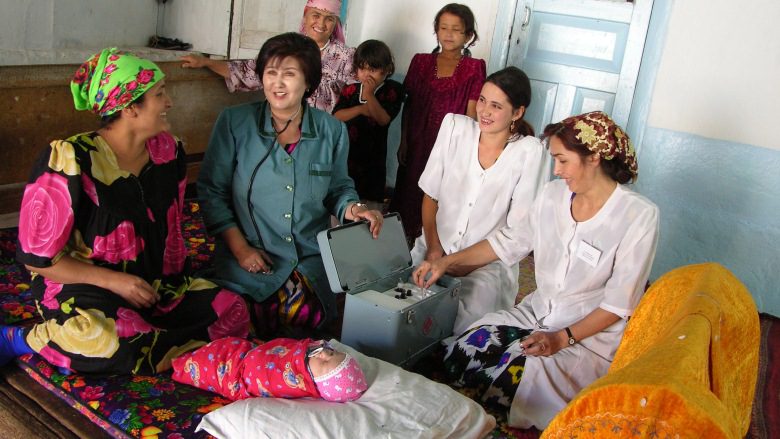
10 Facts About Life Expectancy in Tajikistan

10 Facts About Life Expectancy in Tajikistan
Tajikistan is located in central Asia, with Kyrgyzstan, China, Afghanistan and Uzbekistan bordering. Though the smallest in land size, Tajikistan does have a higher elevation average with a more mountainous landscape which should place it at a disadvantage with the spread of health care. Here are 10 facts about life expectancy in Tajikistan.

10 Facts About Life Expectancy in Tajikistan

  1. According to data from the United Nations, Tajikistan ranks 134th in life expectancy for both sexes and second in relation to its neighboring countries. Life expectancy in Tajikistan follows the global trend of rising and currently has a male life expectancy of 68.6 placing it at rank 126 for male life expectancy. Tajikistan has a female life expectancy of 73.1 years placing it at 134th for female life expectancy.

  2. During the past 60 years, the only time life expectancy in Tajikistan has dropped was during its five-year civil war through May 1992 and June 1997. The civil war resulted in between 65,000 and 150,000 deaths, which accounted for about 1 percent of Tajikistan’s population at the time. Additionally, severe food shortages, as well as refugees and internally displaced people negatively affected Tajikistan’s standard of living.

  3. Since 2005, Tajikistan’s maternal mortality rate decreased from 95/100,000 to 32/100,000 in 2008. Afterward, the rate decreased to 25.2/100,000 in 2016. Throughout this time USAID and the United Nation Population Fund (UNFP) were working with Tajikistan’s Ministry of Health to strengthen its health care programs through improved health care education and financial support. This support came through the USAID’s Maternal and Child Health Project which focused on improving health, nutrition and hygiene for the women and children at the community level, as well as the UNFP training of doctors and midwives on effective perinatal care.

  4. Tajikistan has 170 physicians and 444 nurses per 100,000, which is comparatively less than the EU average of 347 and 850, respectively. The Swiss Agency for Development and Cooperation (SADC) is currently working to help improve the condition of health care education by promoting medical education. Currently its efforts are supporting roughly 900 undergraduate medical students, several hundred nurses and over 100 postgraduate residents per year.

  5. Since 2009, USAID has helped to create or fix 76 water systems allowing 242,000 or more people to access safe drinking water. Tajikistan also has an estimated 354,000 cubic meters per year, which is four times the average water flow than the entire region of Central Asia. This is important as roughly 3.7 percent of deaths are related to water-borne diseases such as bacterial diarrhea, hepatitis A and typhoid.

  6. Non-governmental organizations are working to fill the gaps in their health care systems relating to the prevention of human immunodeficiency virus (HIV) and the acquired immunodeficiency syndrome (AIDS). These gaps exist due to Tajikistan’s limited manpower and financial resources.

  7. At 99.8 percent Tajikistan has a high literacy rate compared to countries of similar economic standing. The high literacy rate should help facilitate the spread of health care information.

  8. Since 1994, Tajikistan has had legislation to protect patient rights and give patient choice, complaint and reimbursement procedures. Tajikistan’s constitution even includes this legislation in Article 38 which promises that each person has the right to basic health care and any other sort that future laws deem necessary.

  9.  According to the World Health Organization (WHO), Tajikistan ties for the 76th rank in road fatalities at 18.8 deaths per 100,000 people. For comparison, the U.K. has 3.1 deaths for every 100,000 people related to road fatalities. Though road safety contributes to a large number of deaths in Tajikistan, the road affects access to health care as well. As mentioned previously, the mountainous landscape proves to be a major obstacle in improving access to health care.

  10. The 10th fact about life expectancy in Tajikistan is that even though these problems and solutions are occurring, 45 percent of women from the ages 15 to 49 agree that the largest issue is getting the necessary money to afford health care treatment.

Life expectancy in Tajikistan is steadily improving with help from NGOs and further promoted health care education. While proper laws are in place to allow the population to seek out proper/adequate health care, financial limits burden those in poorer parts of the country and force them to seek the cheapest alternative.

With data being collected on Tajikistan’s health care system, an interest in increasing clean water access and an ample desire to better its system, Tajikistan is on the road to progress. There are several ways to contribute to helping improve the life expectancy in Tajikistan through supporting NGO’s efforts to provide children and families with clothes, food and shelter and to improve education standards and accessibility.

– Richard Zamora
Photo: World Bank

September 29, 2019
https://borgenproject.org/wp-content/uploads/borgen-project-logo.svg 0 0 Jennifer Philipp https://borgenproject.org/wp-content/uploads/borgen-project-logo.svg Jennifer Philipp2019-09-29 07:30:172024-05-29 23:12:5510 Facts About Life Expectancy in Tajikistan
Global Poverty, Humanitarian Aid

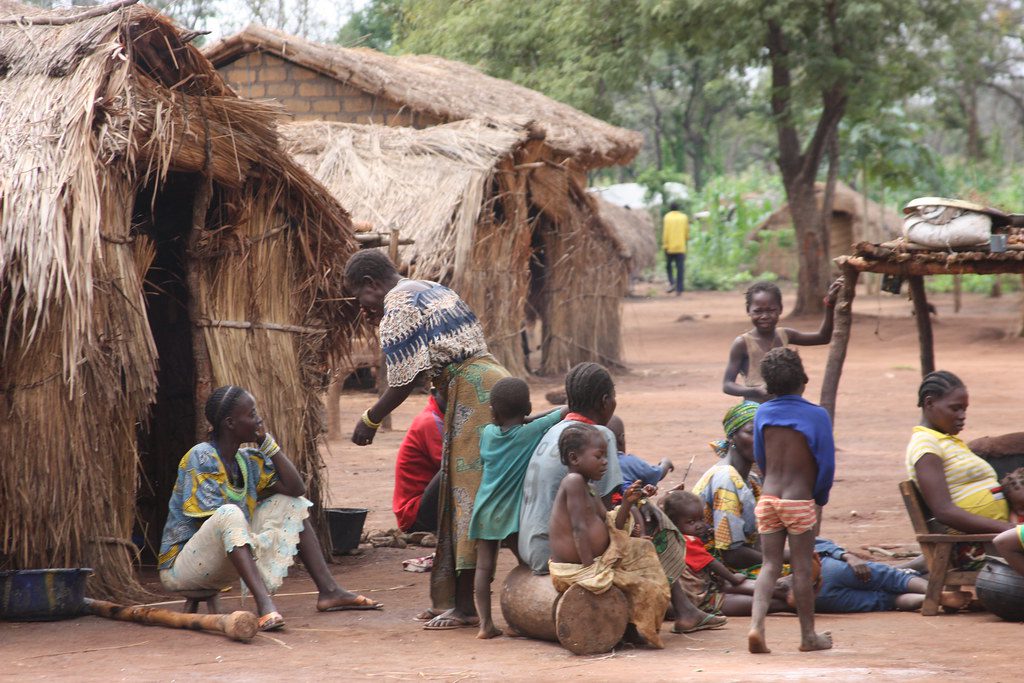
New Developments and Humanitarian Aid in the Central African Republic

Newly released U.N. data suggests that violence decreased in the Central African Republic in the aftermath of a peace deal between the government and armed groups in February 2019. While it is yet unclear whether this peace deal will be successful in the long-term, this represents a small bit of hope for the Central African Republic, which has been entrenched in a civil war since 2012.
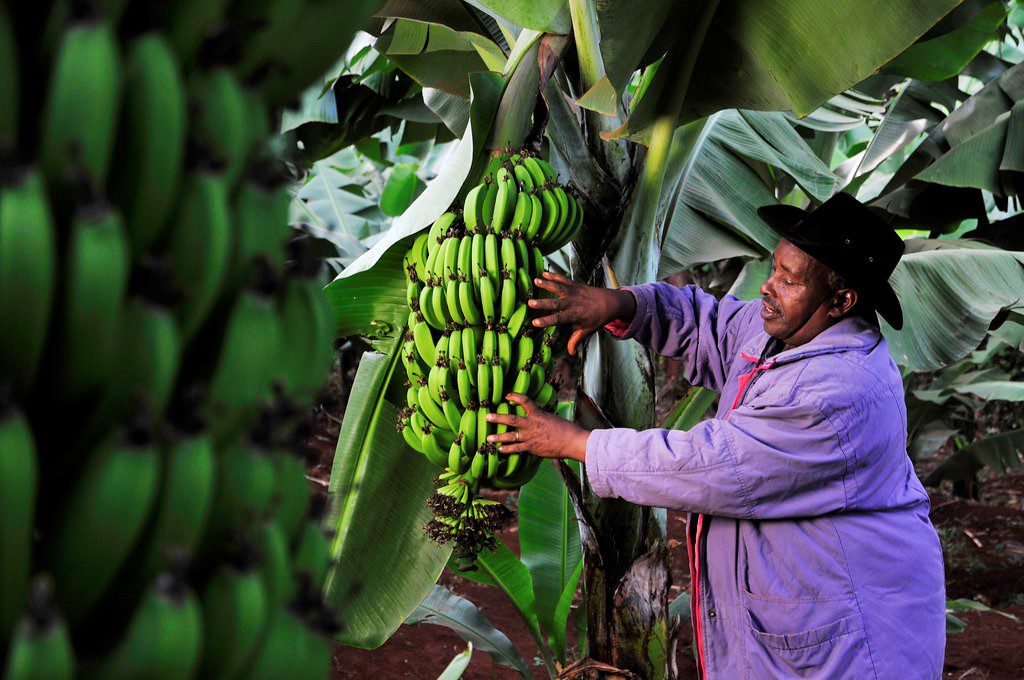
Organizations including the U.N., USAID and Mercy Corps have been providing humanitarian aid in the Central African Republic, and a successful peace agreement may change the humanitarian context in the country.

Conflict Overview

In December 2012, armed Muslim groups, organized into a coalition known as the Seleka, attacked the Central African Republic government, seizing the capital city and staging a coup in early 2013. Anti-Balaka — Christian armed forces — rose up in response, committing violence against primarily Muslim civilians and contributing to the displacement of innocent citizens.

Although the new government officially disbanded Seleka forces, many ex-Seleka fighters initiated revenge attacks. Both the ex-Seleka and anti-Balaka groups have committed war crimes and crimes against humanity, according to the U.N. and other human rights groups. The continuing violence caused thousands of deaths.

The government maintains control of the capital, but armed groups who continued fighting dominate the rest of the nation. In addition to ex-Seleka and anti-Balaka forces, a number of other armed groups joined the conflict, many of which were already in existence. These include The Central African Armed Forces (FACA), Revolution and Justice (RJ), The Democratic Front of the Central African People (FDPC), The Convention of Patriots for Justice and Peace (CPJP), The Movement of Central African Liberators for Justice (MLCJ), Union of Republican Forces (UFR), The Popular Front for Recovery (FPR) and The Lord’s Resistance Army (LRA).

The widespread conflict caused by these groups has had disastrous effects on the economy of the Central African Republic, causing approximately three-quarters of the population to live in poverty, with nearly 650,000 civilians displaced.

Humanitarian Aid

In response to the crisis, several international actors became active in the nation, providing humanitarian aid in the Central African Republic.

Mercy Corps began working in the Central African Republic in 2007, in response to its already high poverty rate. It estimates that 2.9 million people in the Central African Republic need humanitarian assistance, noting that basic services, including clean water, health care and education, are scarce.

In the Central African Republic, some of the work that Mercy Corps does involves providing assistance to displaced families, operating support centers for victims of gender-based violence, leading child protection committees, constructing wells to provide clean water and training community leaders to manage disputes and help maintain peace.

In addition to Mercy Corps, USAID also provides humanitarian aid in the Central African Republic primarily through funding for humanitarian partners. USAID helps fund programs by organizations such as Oxfam, Plan International and UNICEF in the Central African Republic to provide relief to victims of violence and displacement.

According to USAID, the U.S. government provides the most humanitarian funding to the Central African Republic, with more than $173 million provided in 2018 and early 2019. Following the U.S. are Germany and the European Commission, both contributing just over $50 million. Other countries, including Sweden, the United Kingdom and Canada, also made significant contributions.

Finally, the U.N. is active in the Central African Republic through its peacekeeping organization known as MINUSCA (United Nations Multidimensional Integrated Stabilization Mission in the Central African Republic). MINUSCA was established to protect civilians and disarm militia fighters. The U.N. has 15,000 personnel providing humanitarian aid in the Central African Republic and working towards peace.

New Developments

The government and 14 armed groups reached a peace deal in February 2019, after talks began on Jan. 24. Though whether the deal will ultimately be successful is still unknown, this represents a crucial step in ending the cycles of violence that kept the Central African Republic trapped in poverty and suffering.

In the aftermath of the peace deal, MINUSCA noted that between January and June 2019 there were only 565 incidents of human rights violations or abuse, including rapes, violent attacks and the recruitment of children into armed groups. Between January and June in 2018, there were 1,674, nearly three times as many incidents. MINUSCA is reluctant to be optimistic, however, as peace talks failed in 2014, 2015 and 2017. Musa Gassama, the director of the human rights division of MINUSCA, stated the armed groups still control much of the nation.

The U.N. Special Representative for the Central African Republic, Parfait Onanga-Nyanga, noted that support from the international community is crucial to successfully implementing a peace agreement.

Moving Forward

A successful peace deal would not stop the need for humanitarian aid in the Central African Republic in the near future, but it could alter the humanitarian context. Increased assistance may actually be needed if peace is achieved. Indeed, internally displaced persons and refugees will need assistance in returning to their homes and re-establishing their lives there.

The need for humanitarian aid in the Central African Republic will continue to be high, even in the aftermath of the conflict. Hopefully, organizations such as USAID and Mercy Corps will continue to be active in the nation, adapting to new contexts and working to benefit as many civilians as possible.

– Sara Olk
Photo: Flickr

September 25, 2019
https://borgenproject.org/wp-content/uploads/borgen-project-logo.svg 0 0 Jennifer Philipp https://borgenproject.org/wp-content/uploads/borgen-project-logo.svg Jennifer Philipp2019-09-25 05:53:152024-12-13 18:01:54New Developments and Humanitarian Aid in the Central African Republic
Development, Foreign Aid, Global Poverty

What is Global Development?

Global Development
Global development is a term that politicians, think tanks and scholars frequently use when they discuss foreign aid, but what is it? Simply put, global development refers to the actions countries or organizations take to lend aid to other countries in need around the world. The United States frequently contributes to global development in the form of directed financial aid through the United States Agency for International Development (USAID). In 2018, the U.S. gave a total of $29 billion of foreign aid. The countries that received the largest amount of aid in 2018 include Ethiopia, South Sudan, Afghanistan and Syria. The monetary aid that countries or organizations provide, such as the $29 billion from the U.S., supports a specific program of development. The breakdown for monetary aid to Ethiopia in 2018 shows that the primary sector receiving aid was Emergency Response at approximately $409 million with Developmental Food Aid receiving the second-largest amount of aid at approximately $142 million.

Global Development and Climate Change

With the increased degradation of natural resources and the frequent occurrence of natural disasters, sustainable development acquires a new meaning. In Ethiopia, USAID implemented a program under its Food Security sector to help pastoralists living in rural areas of Ethiopia to sustain themselves despite worsening droughts. A USAID program in Ethiopia has made it possible for pastoralists to collect and sell their milk to a regular buyer, thus creating a dependable source of income for many families in the area. Programs such as this one create food and economic security for families where there previously was none or where security was undependable.

Past programs for global development have found success by taking into account the resources that communities require and what the availability of those resources might be in the future. The focus of the development itself may also face necessary change in response to a changing environment. If a community has begun to experience repeated damage from natural disasters, foreign aid for development could focus on preparing the community to meet future disasters. For example, the Pacific Islands have experienced an increase in weather-related natural disasters in recent years resulting in washed-out roads, a shortage of freshwater and widespread power outages. Recurring storms of this strength make life difficult for all people living on the islands, but especially those with disabilities. In 2017, USAID partnered with the University of the South Pacific as part of its USAID Ready Project to work to create a five-month-long management course for individuals with disabilities. This course gives participants skills in risk assessment and business communications to equip them to advocate for the creation of sustainable solutions to the impacts of climate change that include people with disabilities.

Global Development Projects

There are many ongoing projects for global development around the world. Currently, the World Bank is developing a project of the Greater Accra Resilient and Integrated Development Project for Ghana. As it currently stands, the Odaw River Basin floods frequently and the lack of poor drainage for waste in the area contaminates the water of the river which is necessary for life in the region. This project’s objective is to create long-term solutions to flood and waste management of the Odaw River Basin in the Greater Accra Region of Ghana with a projected closing date of December 31, 2025. By this projected end date, the World Bank aims to increase the capacity of the Odaw River to carry floodwaters, increase the upstream detention of floodwater, create a forecast system for floods, increase the amount of solid waste that people dispose of in sanitary landfills and increase the number of people who have access to urban living conditions. This program plans to achieve these end goals through the creation of new drains in the Odaw River as well as the rehabilitation of existing drains and the implementation of improved sanitation practices within low-income communities. With the proposed development in the Odaw River Basin from the World Bank, the quality of life for the people of this particular region of Ghana would improve significantly and see sustained improvement for future generations.

Global development is a common and effective approach to foreign aid. When employed responsibly and intentionally, global development can be a force for good and a tool for the improvement of life for thousands of people around the world.

– Anne Pietrow
Photo: Flickr

September 25, 2019
https://borgenproject.org/wp-content/uploads/borgen-project-logo.svg 0 0 Kim Thelwell https://borgenproject.org/wp-content/uploads/borgen-project-logo.svg Kim Thelwell2019-09-25 01:30:452024-06-06 00:26:21What is Global Development?
Developing Countries, Development, Global Poverty

What to Know About the Global Fragility Act

the global fragility act
The Global Fragility Act of 2019 (H.R.2116/S.727) is one of the first-ever whole-of-government efforts to recognize regions where violent conflict exists or could potentially arise and address those issues through diplomatic, development and security efforts. Its main goal is not only to stabilize these areas but also prevent the emergence of violent conflict in countries that are at a higher risk or are more fragile due to a lack of governance and economic opportunity, as well as extreme poverty.

What Is the Problem?

With the current levels of humanitarian crises and extreme poverty worldwide, there is a great need for a bill like the Global Fragility Act. Globally there are over 134 million people that are in need of aid with the main causes being conflict and natural disasters. Additionally, over 550,000 people die annually as a result of violence, which has led to an increase in the need for aid from $3.5 billion in 2004 to about $20 billion currently. Unfortunately, when some provide assistance to address these issues, places mostly use it to address the consequences of violence rather than the root causes.

What Is the Global Fragility Act?

The Global Fragility Act is a bipartisan measure that will steer away from the focus placed on the symptoms of violence and instead solve the problem before it starts. It covers 12 different goals which will address the causes of fragility such as instability, weak governance and a lack of economic opportunities. The bill will resolve these issues by enhancing stabilization in the areas where conflict is prevalent.

According to the Friends Committee on National Legislation, the bill aims to “establish an interagency initiative/strategy to reduce fragility and violence, select pilot countries where the U.S. will implement the initiative, provide critical funds for stabilization, prevention and crisis response, [and] mandate evaluation and accountability.”

The inter-agency initiative is the first of its kind and will include the joint efforts of the U.S. State Department, Defense Department and USAID. These agencies will select countries and regions where conflict and violence are the most prevalent based on the most current data available regarding fragility, violence and number of people forcibly displaced, among other indicators. Additionally, the Global Fragility Act will also establish the Stabilization and Prevention Fund and the Complex Crises Fund. The Department of State and USAID will manage these with the intention of taking preventative or responsive measures to crises. Furthermore, the Act will also establish indicators to monitor the progress in the pilot regions, while also requiring the agencies involved to send biennial reports to Congress regarding how the program has developed in each region.

Who Are Its Sponsors?

The Global Fragility Act is a bipartisan effort given that it addresses issues that go beyond party adherence. As has been mentioned there are two versions of this bill, the House H.R.2116 bill and the Senate S.727 bill. Sponsors for the House bill include the following: Representatives Engel (D-NY), McCaul (R-TX), A. Smith (D-WA), Wagner (R-MO), Keating (D-MA) and Rooney (R-FL).

The senators in support of the S.727 bill include Senators Coons (D-DE), Graham (R-SC), Merkley (D-OR), Rubio (R-FL) and Young (R-IN). There are a number of additional supporters, but these are the main sponsors, as well as the ones who introduced the bills to their respective chambers.

Where Does It Stand Now?

Currently, the Global Fragility Act has passed in the House of Representatives; however, it has yet to be approved in the Senate. On June 25, 2019, the Bill went to the Senate for consideration. Once the Senate approves it, it will then move on to the President to sign into law. However, everyone needs to support it for it to receive approval. The U.S. public can involve themselves and help turn this bill into law. U.S. senators are only a call, email or letter away. Constituents can find their senator’s contact information here and they can email Congress here. Voicing support for this bill would not only contribute to raising people out of poverty but also strengthening U.S. national security.

– Laura Rogers
Photo: Pixabay


September 24, 2019
https://borgenproject.org/wp-content/uploads/borgen-project-logo.svg 0 0 Kim Thelwell https://borgenproject.org/wp-content/uploads/borgen-project-logo.svg Kim Thelwell2019-09-24 07:30:312019-09-21 18:32:47What to Know About the Global Fragility Act
Global Poverty

Fighting Malnutrition in Mali: A Collaborative Effort

Malnutrition in Mali

A land-locked country in West Africa, Mali has an economy that is primarily based on agriculture. The main crops produced are millet, rice and corn. However, this country-wide reliance on agriculture depends on the weather, which often includes unpredictable rainfall patterns. Inconsistent agricultural production, high population growth and increasing desertification are some of the causal factors that have resulted in the country’s ranking 182nd out of 189 countries in the world on the Human Development Index. Malnutrition also happens to be one of the leading causes of death in Mali. Because of this, many NGOs and governments around the world have funded programs in Mali to help improve living conditions and decrease malnutrition.

Political Instability

Aside from agricultural issues, political instability has also led to severe malnutrition in Mali. Recently, USAID predicted that an additional 868,000 people will require urgent food assistance in 2019. Of these 868,000, 160,000 will be children. Children who are malnourished are at high risk of growth deficiencies; as such, many children in Mali are severely underdeveloped with regards to their height and weight.

Current and Past Progress

However, some progress has been made. From 2006 to 2013, thinness among women of reproductive age and adolescent women decreased by 2 and 4 percent, respectively. Additionally, the prevalence of underweight children (under the age of 5), decreased from 14 percent to 13 percent. Although this may not seem like a significant statistical improvement, 1 percent of the population of children under 5 years old (3.33 million) represents 33,300 children, indicating that progress has been made towards reducing malnutrition in Mali.

In 2010, then-U.S. President Barack Obama started the Feed the Future initiative, a U.S. funded foreign assistance program that targets specific countries to alleviate global poverty and improve food security. As one of 12 countries selected to receive aid, Mali continues to benefit from the implementation of environmental and nutritional plans. The country has begun to invest in fertilizers in farms across the nation to improve the quality of crop production, and an additional 4.3 million trees have been planted around the country to help make farms more resilient. Additionally, the initiative has encouraged farmers to plant oilseeds, which they can sell for people to use as biofuel and soap. As a result of all of this, the Feed the Future initiative has provided nutritional and humanitarian assistance to millions of individuals in Mali.

Other USAID programs have proven to be of great help in Mali as well, such as the Food for Peace program which has provided $28.5 million of emergency food assistance in the Mopti, Koulikoro and Segou Regions. The program aims to increase the diversity of foods consumed in these regions to decrease malnutrition and make the population healthier.

Today, the Office of Food for Peace (FFP), an organization within USAID, partners with the U.N. World Food Programme, U.N. Children’s Fund and CARE, a nonprofit organization dedicated to ending world poverty, to provide food assistance in the poorest regions of Mali. As of July 2019, FFP assists 300,000 people with food distributions, supplemental nutrition assistance and asset-building activities. 33,000 severely malnourished children have received ready-to-use food and 124,000 people in the Mopti Region have been provided with programs to improve food security, promote hygiene and provide conflict support.

– Hayley Jellison
Photo: Flickr

September 24, 2019
https://borgenproject.org/wp-content/uploads/borgen-project-logo.svg 0 0 Kim Thelwell https://borgenproject.org/wp-content/uploads/borgen-project-logo.svg Kim Thelwell2019-09-24 04:06:412024-05-29 23:11:12Fighting Malnutrition in Mali: A Collaborative Effort
Foreign Aid, Global Poverty, United Nations, USAID

The Effects of the US Foreign Aid Freeze

The U.S. Foreign Aid Freeze
On August 3, 2019, the White House Office of Management and Budget (OMB) ordered two federal agencies to temporarily freeze billions of foreign aid funding. This decision ordered the State Department and the United States Agency for International Development (USAID) to provide accounts for all unobligated resources of foreign aid. Rachel Semmel, a spokeswoman for the Budget Office, said the order aims to ensure accountability. According to the Associated Press (AP), the letter lists 10 areas that the U.S. foreign aid freeze targets, including development assistance, global health programs and United Nations peacekeeping. In total, the freeze puts $2 billion to $4 billion of congressionally-approved funding on hold.

Subsequent Response

The U.S. foreign aid freeze has met with bipartisan criticism. Chairman of the House Foreign Affairs Committee, Rep. Eliot Engel said that the Trump administration has amounted to contempt and emphasized that congressionally-approved foreign aid is law and backed by the Constitution. Sen. Lindsey Graham’s criticism was harsher, labeling the freeze insane. In a letter to the OMB, lawmakers from both parties agreed that cutting foreign aid and development spending would not be in the interest of national security.

Critics of the OMB’s decision point to the fact that foreign aid spending makes up less than one-tenth of 1 percent of the federal budget. Before the freeze, the U.S. spent $30 billion annually on programs to reduce global poverty. Liz Schrayer, the chief executive of the U.S. Global Leadership Coalition, claims the OMB is cutting one of the smallest portions of the federal budget, but one that could have catastrophic impacts on U.S. economic and national security interests.

Impacted Countries

The U.S. foreign aid freeze will directly affect Malawi, one of the world’s least developed countries. The nation consistently ranks very low in various health indicators, such as life expectancy, infant mortality rate and maternal mortality rate. In addition, an estimated one million people or 9.2 percent of adults in Malawi live with HIV/AIDS with an estimated 13,000 deaths annually. In Malawi, USAID works to improve the quality of life by supporting development, education and health programs, especially those that prevent and treat malaria, tuberculosis and HIV. Due to the Trump administration’s order, Malawi may not have aid for the remainder of this financial year. According to documents that Foreign Policy obtained, the freeze could also affect foreign aid to countries in Africa, Asia and the Middle East.

Funding for UNICEF projects to protect children account for a large portion of the U.S. foreign aid freeze. One of these programs involves early childhood education and development in Uzbekistan. According to UNICEF, only 30 percent of Uzbek children attend preschool while 70 percent are unable to achieve their full potential due to a lack of early education. UNICEF is rolling its program out across six regions in Uzbekistan and it has designed it to increase access to quality education for children. Regional instructors have trained 2,159 preschool teachers in child-centered learning and model schools, which have increased enrollment by 2,841 children. The U.S. foreign aid freeze will have a direct impact on similar programs across the globe.

Bipartisan Solution

On August 15, 2019, the OMB sent an official rescission request to the State Department to cut foreign aid funding by more than $4 billion, yet canceled the request a few days later. Since taking office in 2017, the Trump administration has made numerous attempts to cut foreign aid funding, and in some cases by as much as 30 percent. Members of both parties in Congress firmly rejected all attempts. Daniel Runde, former director of the Global Development Alliance (GDA) in the Bush administration, says development, diplomacy and defense experts are in full agreement that the Trump administration should work collaboratively with Congress to create a more robust and sustainable approach to foreign aid and development.

– Adam Bentz
Photo: Flickr

September 23, 2019
https://borgenproject.org/wp-content/uploads/borgen-project-logo.svg 0 0 Kim Thelwell https://borgenproject.org/wp-content/uploads/borgen-project-logo.svg Kim Thelwell2019-09-23 09:32:302024-05-29 23:12:22The Effects of the US Foreign Aid Freeze
Global Poverty, Women's Rights

Reducing the Gender Gap for Women in Belarus

Women in Belarus
Belarus, located in Eastern Europe, finds itself ranked among other third world countries. People can identify many different issues about Belarus but one major problem that the country recognizes and is fighting to change is the autonomy of women. In many third world countries, women are at many more disadvantages in men. With the help of the United States Agency for International Development (USAID), the successes of women in Belarus are growing to transform the country.

The Gender Gap in Belarus

Women in Belarus did not always have the upper hand when it came to running businesses and having their foot in the working world. As for gender gaps, Belarus was never the worst country on the list. As of 2017, the latest Global Gender Gap Index ranked the country 26 out of 144 countries. This means that there is quite a high level of gender equality in Belarus.

Almost 100 percent of girls attend school because primary and secondary education is compulsory in the country. Women also face barriers in the labor market, so they strive to get more education, which causes them to have higher tertiary enrollment compared to men. Although this is true, women in Belarus still tend to face more discrimination in the labor market than men. Women are approximately 2.5 times less likely to receive a managerial position. Seventeen percent of women and 41 percent of men tend to hold top hierarchical positions. Employers also pay women less than men with the wage gap at 25 percent as of 2017.

USAID in Belarus

USAID noticed an issue with discrimination and wage gaps and decided to step in and transform the business and social landscapes for women in Belarus. Belarus Country Office Director Victoria Mitchell Avdiu spoke on a panel about women’s representation in entrepreneurship. Over 100 women were in attendance, wanting to know how to build confidence, where to find mentors and how to pursue meaningful professional partnerships.

USAID’s objective is to empower women and girls. In doing this, it created the Community Connections Exchange Program. As of 2018, the participants were 60 percent women, and in the last 10 years, 400 women have benefited from this program. The program entails people from Belarus participating in a short-term exchange to the United States. While in the United States, participants learn about practices in a variety of professional fields, participate in entrepreneurship programs, teach business to youth and empower women to resolve community issues.

The Karat Coalition

USAID is not the only organization working to develop pathways for women. The Karat Coalition works to advance legal protections of women’s human rights in Belarus through the adoption of the law on gender equality. Beginning on February 1, 2014, the coalition began a project called Advancing Gender Equality in Belarus. There were three main objectives of this project:

  1. To develop a draft law on gender equality.
  2. To create a strategy for advocacy for the adoption of the law on gender equality.
  3. To empower and mobilize women’s human rights defenders.

The Karat Coalition completed this project on June 20, 2014. It managed to:

  1. Strengthen the capacity of the Belarusian experts’ group to create the draft law.
  2. Strengthen the capacity of Belarusian experts to advocate for the implementation of gender equality laws and standards.
  3. Develop materials to share with the women’s rights advocates community which encompasses information on formulating effective law on gender equality.

Successful Women

With the work of organizations like USAID and the Karat Coalition, women are able to make milestones and be their own person in their own countries. Three women have stood out after taking advantage of opportunities in Belarus.

  1. Margarita Lazarenkova: People know Lazarenkova for her development of creative industries in Belarus. She has developed NGO Creative Belarus that began in response to a worldwide growing trend.
  2. Ludmila Antonauskaya: Antonauskaya has decided to defy the stereotype that women and business do not go together by creating a small company that competes with international giants. In the Top 100 Successful Businesspeople in Belarus, Antonauskaya falls at number 65, the first among women. She created her business, Polimaster, to improve people’s health and save their lives.
  3. Evgeniya Dubeshhuk: Dubeshhuk is the head of the youth exchange organization, Fialta. Fialta helps young people develop critical thinking, broaden their horizons and take on an active role in society.

With the help of organizations creating law and advocating for women to have basic rights in their own country, Belarus is at the start of its transformation. Women in Belarus are beginning to have more opportunities and take control of their own lives.

– Lari’onna Green
Photo: Flickr

September 21, 2019
https://borgenproject.org/wp-content/uploads/borgen-project-logo.svg 0 0 Kim Thelwell https://borgenproject.org/wp-content/uploads/borgen-project-logo.svg Kim Thelwell2019-09-21 01:30:062019-12-18 15:26:52Reducing the Gender Gap for Women in Belarus
Page 54 of 92«‹5253545556›»

Get Smarter

  • Global Poverty 101
  • Global Poverty… The Good News
  • Global Poverty & U.S. Jobs
  • Global Poverty and National Security
  • Innovative Solutions to Poverty
  • Global Poverty & Aid FAQ’s
Search Search

Take Action

  • Call Congress
  • Email Congress
  • Donate
  • 30 Ways to Help
  • Volunteer Ops
  • Internships
  • Courses & Certificates
  • The Podcast
Borgen Project

“The Borgen Project is an incredible nonprofit organization that is addressing poverty and hunger and working towards ending them.”

-The Huffington Post

Inside The Borgen Project

  • Contact
  • About
  • Financials
  • President
  • Board of Directors
  • Board of Advisors

International Links

  • UK Email Parliament
  • UK Donate
  • Canada Email Parliament

Get Smarter

  • Global Poverty 101
  • Global Poverty… The Good News
  • Global Poverty & U.S. Jobs
  • Global Poverty and National Security
  • Innovative Solutions to Poverty
  • Global Poverty & Aid FAQ’s

Ways to Help

  • Call Congress
  • Email Congress
  • Donate
  • 30 Ways to Help
  • Volunteer Ops
  • Internships
  • Courses & Certificates
  • The Podcast
Scroll to top Scroll to top Scroll to top