• Link to X
  • Link to Facebook
  • Link to Instagram
  • Link to TikTok
  • Link to Youtube
  • About
    • About Us
      • President
      • Board of Directors
      • Board of Advisors
      • Financials
      • Our Methodology
      • Success Tracker
      • Contact
  • Act Now
    • 30 Ways to Help
      • Email Congress
      • Call Congress
      • Volunteer
      • Courses & Certificates
      • Be a Donor
    • Internships
      • In-Office Internships
      • Remote Internships
    • Legislation
      • Politics 101
  • The Blog
  • The Podcast
  • Magazine
  • Donate
  • Click to open the search input field Click to open the search input field Search
  • Menu Menu

Tag Archive for: USAID

Information and news about mobile technology

Posts

Gender Equality, Global Poverty, Women's Empowerment, Women's Rights

10 Improvements in Women’s Rights in Bangladesh

10 Improvements in Women’s Rights in Bangladesh
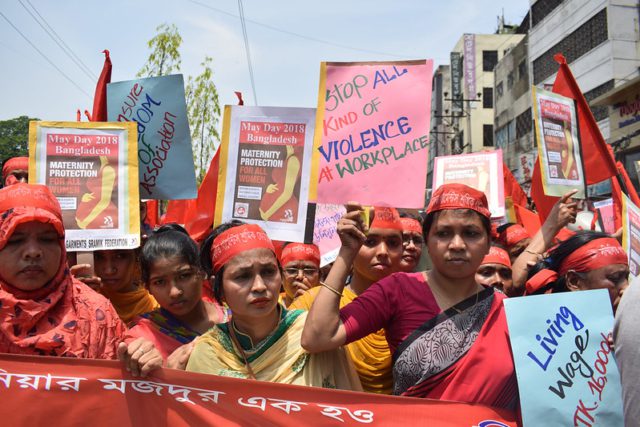
Bangladeshi women are no strangers to fighting for what they believe in. In 1952, the women of Bangladesh fought against the patriarchal regime alongside their husbands for the recognition of the Bengali language. Below are 10 improvements in women’s rights in Bangladesh.

10 Improvements in Women’s Rights in Bangladesh

  1. Health. The USAID assisted in joint communication between husbands and wives regarding women’s health. Therefore, decision-making is mutual and focuses on the future of the family, including healthier pregnancies for both mother and child. Bangladeshi women formed NGOs to mobilize and provide door to door health services, family planning and income-earning opportunities.
  2. Agriculture. Bangladeshi women are not only homemakers, but they are also income earners. Female farmers utilize a new technology, known as the fertilizer deep treatment method. This method uses less fertilizer and produces a higher return on investment. Additionally, Bangladesh also encourages women to sell in markets and pursue other areas of earned income, such as culturing fish and shrimp.
  3. Gender-Based Violence. The USAID works to implement the Domestic Violence Prevention and Protection Act of 2010 in training 50 percent of Bangladeshi women. Further, Bangladesh also supports grassroots efforts of social protection groups as well. Groups act as the ears and eyes of the community, as well as enforcing current human rights laws and providing resources to legal channels. Groups include social workers, doctors, religious leaders, teachers and students.
  4. Voting Rights. The country has set an example of women’s equality in voting. In 1972, the Constitution of Bangladesh guaranteed women the same voting rights as their male counterparts. The constitution also guaranteed equal opportunities, such as serving in parliament. For example, in 1991, there was the election of the first female Prime Minister, Khaleda Zia. Today, Sheikh Hasina holds the seat as Prime Minister. Furthermore, Shirin Sharmin Chaudhury holds the seat as House Speaker.
  5. Women and Children Repression (Special Act). In 1995, Bangladesh passed the special act for severe punishment for anyone guilty of forcing women to marry against their will, as well as marrying for dowry. In 2018, the high court also banned and prohibited the two-finger test; it deemed this test irrational and belittling to rape victims. Instead, the government adopted a more appropriate form of health care protocol in line with the World Health Organization.
  6. Education. Research finds that access to education and employment plays a positive role in helping women avoid becoming victims of dowry-related transactions. Illiteracy stifles the opportunity for growth and empowerment for women. The Centre for Policy Dialogue completed a study and found that if homemakers received pay for what people believe is
    non-work, they would receive 2.5 to 2.9 times higher pay than paid services income.
  7. Mass Awareness. Bangladesh also encourages mass discussion, debates and programs to bring awareness to gender inequality. According to lawmakers, mass public initiatives must include legislations and policies; this includes awareness that people teach and model at home.
  8. Working Women. Bangladeshi working women increased from 16.2 million in 2010 to 18.6 million in 2016-17. In 2017, the Gender Gap Index reported Bangladesh in the first spot amongst South Asian countries.
  9. Education. In 1990, the implementation of stipends exclusively for female students in efforts to end gender disparity for secondary schools occurred. Also, 150,000 primary school girls improved their reading skills. Participation increased from 57 percent in 2008 to 94.4 percent in 2017. Moreover, 10 million rural and underprivileged women in 490 Upazilas of 64 districts gained technology access. Bangladesh tops the Gender Gap Index in education in the primary and secondary education category.
  10. More Achievements. Bangladesh initiatives thus far include a reduction in infant and child mortality, poverty alleviation, increased female entrepreneurs and increased education and health. Other initiatives include strengthening workplace treatment and security for women against violence. There have also been income-generating initiatives to train over 2 million women at a grassroots level. Finally, Prime Minister Hasina created the Reserve Quota aimed at increasing the number of women in government, judiciary and U.N. peacekeeping missions and roles.

These 10 improvements in women’s rights in Bangladesh continue to set an example for other countries where inequality is extremely pervasive. While Bangladesh still requires significant work, these improvements bring more opportunities for Bangladeshi women to succeed in the future.

– Michelle White
Photo: Flickr
January 18, 2020
https://borgenproject.org/wp-content/uploads/borgen-project-logo.svg 0 0 Lynsey Alexander https://borgenproject.org/wp-content/uploads/borgen-project-logo.svg Lynsey Alexander2020-01-18 07:30:532020-01-16 09:37:0610 Improvements in Women’s Rights in Bangladesh
Education, Global Poverty

10 Benefits of Education in Developing Countries

Benefits of Education

Many consider access to education a basic human right, yet education is out of reach for some children and teens in underdeveloped and impoverished countries. But prospects for children around the world are looking better as organizations like the World Bank and USAID continue to fight for universal access to quality education. The following are the top 10 benefits of education.

10 Benefits of Education

  1. Secondary education can cut poverty in half: According to UNESCO, poverty could be more than halved if all adults received a secondary education—that is 420 million people around the globe. Secondary education provides people with skills that open up employment opportunities with higher incomes. When organizations tackle the issue of access to education, they also tackle global poverty which is why this falls at number one on this list of 10 benefits of education.
  2. Closing the education gender gap reduces child marriage: Child marriages force girls around the world to abandon school. But many countries are tackling the issue of child brides in innovative ways. For instance, Uganda’s girls’ clubs run by BRAC Uganda have reduced child marriage rates by providing sex education and vocational training to young aspiring female entrepreneurs. A two-year membership in the clubs makes girls 58 percent less likely to become victims of child marriages.
  3. Education reduces violence: According to the Global Partnership, if the secondary school enrollment rate is 10 percent higher than average, the risk of war decreases by 3 percent.
  4. Education lets children reach their fullest potential: The Sahel Women Empowerment and Demographic Dividend (SWEDD) project is providing “safe space” programs for girls and includes financial incentives to encourage them to stay in school. Programs like these allow children to learn without worrying about money and give them the ability to reach their full potential.
  5. Protects children from trafficking: Trafficking affects at least 1.2 million children each year. Global March is working to reduce child trafficking and believes that one way to achieve this is through making education more accessible.
  6. Education helps the environment: The 2010 International Social Survey Programme showed that those who are more educated are more politically active when it comes to environmental issues. In Germany only 12 percent of respondents with less than a secondary education took action, but it rose to 26 percent of those with secondary education and 46 percent with tertiary education. Providing education to all creates healthier earth which is why helping the environment is an extremely important benefit on this list of 10 benefits of education.
  7. Reducing child labor: Child labor often places children in hazardous working conditions to support their families at a young age. Every day an estimated 152 million children work as child laborers. A contributing factor to child labor is the lack of access to education. Global March is assisting governments to reduce vulnerabilities like this that make children more susceptible to child labor.
  8. Education is improving world health: Universal access to education could reduce rates of STDs such as HIV and AIDS. Organizations like SWEDD are working to expand access to reproductive, child and maternal health services as well as education services. Sex education and health services could greatly reduce STD rates and improve world health, especially in impoverished countries.
  9. Universal access boosts the economy: Access to education provides students with skills and knowledge that make job opportunities with higher incomes available to them. In sub-Saharan Africa, women are not encouraged to go into STEM careers, which tend to have higher earnings. This can be explained by limited role models and a lack of information about opportunities in these male-dominated fields. Education can encourage women to join these fields and create a more diverse and flourishing economy.
  10. Inclusive education is giving disabled children a chance: Between 93 and 150 million children around the world under 14 are disabled according to the 2011 World Report on Disability. Many of these children grow up and struggle to make a living for themselves because of their lack of access to education limits their job opportunities. Access to inclusive education would give these children the tools they need to succeed. In 2017, the World Bank and USAID established the Disability-Inclusive Education in Africa Program which is a $3 million fund that aims to make education more inclusive for those with disabilities.

While many areas of the world might be far from achieving accessible education, circumstances continue to improve for children thanks to the work of organizations that are fighting to ensure that education is no longer a privilege but a human right for everyone. These 10 benefits of education provide only a small insight into what amazing gains are made for the world when everyone is able to receive an education.

– Hannah White
Photo: Flickr

January 17, 2020
https://borgenproject.org/wp-content/uploads/borgen-project-logo.svg 0 0 Jennifer Philipp https://borgenproject.org/wp-content/uploads/borgen-project-logo.svg Jennifer Philipp2020-01-17 20:41:362020-07-16 21:17:1510 Benefits of Education in Developing Countries
Global Poverty, Sanitation, Water

10 Facts about Sanitation in Ethiopia

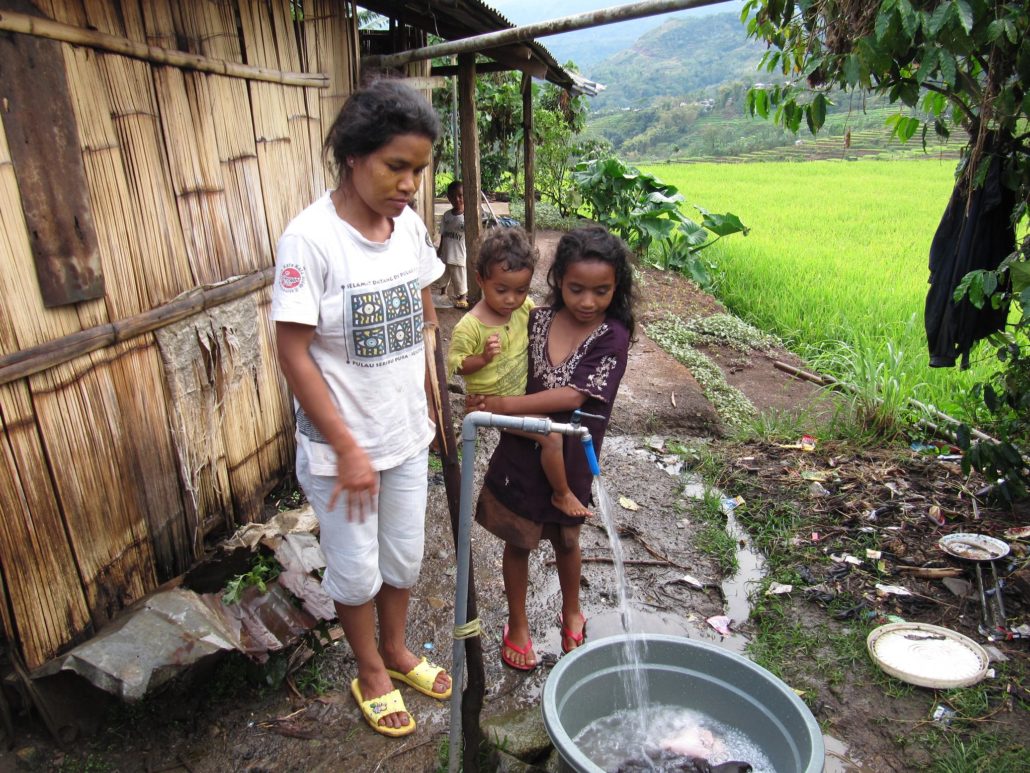
10 Facts about Sanitation in EthiopiaEthiopia is Africa’s second-most populated country with more than 109 million people. It is also its fastest-growing economy even though it is one of the poorest countries in the world. Sanitation in Ethiopia is one of the factors proving to be a challenge when it comes to sustaining or improving on the country’s growth and development. Below are 10 facts about sanitation in Ethiopia.
10 Facts About Sanitation in Ethiopia

  1. Ethiopia is considered water-stressed because the rapid population growth over the last decade has put a strain on its abundant water sources. Despite estimations showing that 13.5 to 28 billion cubic meters of renewable annual groundwater is available per year, only 2.6 billion cubic meters is usable.
  2. Ethiopia is a country of two extremes. Some parts of the country are plagued by constant flooding while other parts experience water scarcity, degraded water quality and food insecurity because of recurring droughts.
  3. The majority of Ethiopia’s population lives in rural areas and is dependent on subsistence farming; therefore, a lot of water is used for agriculture. The global average for water withdrawals for agricultural use is 70 percent. Ethiopia uses 93 percent for agricultural.
  4. According to the WHO, 43 percent of Ethiopia’s population lacks access to an improved water source. Only around 28 percent of people nationwide have access to improved sanitation. While this is astoundingly low, it is an improvement from 3 percent in 1990.
  5. Women and girls bear the brunt of Ethiopia’s water and sanitation problem as they have to travel long distances daily to fetch water. Consequently, they are often unable to fully participate in community life or go to school.
  6. Open defecation is a daily part of life in 32 percent of Ethiopia’s rural homes and 7 percent of its urban population. Twenty-three million people practice open defecation due to a lack of access to improved sanitation.
  7. UNICEF attributes between “60 to 80 percent of communicable diseases in Ethiopia” to “limited access to safe water and inadequate water, sanitation and hygiene facilities.” Diarrhea, for example, accounts for 23 percent of all deaths for children under the age of five. Another report also shows that about 32 percent of health facilities in Ethiopia have access to safe water.
  8. The good news is that change is happening and has been happening. A joint report by WHO and UNICEF shows that Ethiopia has improved its water supply by 97 percent in urban areas and 42 percent in rural areas. Ethiopia achieved its Millenium Development Goal (MDG) target of providing 57 percent of the population with access to safe drinking water. This reduced the number of people without access to clean drinking water since 1990 by half.
  9. The government plans to further improve sanitation in Ethiopia under the One WASH National Program. It hopes to increase access to safe water to 98 percent for rural areas and 100 percent for urban areas. Under the program, all Ethiopians will also be provided with access to basic sanitation.
  10. There are also many international organizations aiding the government to improve sanitation in Ethiopia. Water.org has been working in Ethiopia since 2004 and has reached 243,000 people so far. Others, such as UNICEF and USAID, are supporting the One WASH program in various capacities.

The government and other partners need to continue improving sanitation in Ethiopia if the economy is to continue to grow. Aspects of development like life expectancy, improved opportunities for women and girls to participate in society and food production are dependent on sanitation. It is only by dealing with this that the government can hope for continued growth and development as well as poverty reduction.

– Sophia Wanyonyi
Photo: Pixabay

December 28, 2019
https://borgenproject.org/wp-content/uploads/borgen-project-logo.svg 0 0 Kim Thelwell https://borgenproject.org/wp-content/uploads/borgen-project-logo.svg Kim Thelwell2019-12-28 07:30:122020-03-26 12:12:3310 Facts about Sanitation in Ethiopia
Global Poverty, Sanitation, Water, Water Sanitation

10 Facts About Sanitation in Southeast Asia

10 Facts About Sanitation in Southeast Asia
In many developing Southeast Asian countries, governments seldom prioritize sanitation when there is a limited spending budget. However, over the past decade or so, many countries in the area have experienced steady economic growth which has led to gradual improvements in sanitary conditions for the people. Here are 10 facts about sanitation in Southeast Asia.

10 Facts About Sanitation in Southeast Asia

  1. Increased Coverage for Improved Sanitation: As of 2018, 95.5 percent of Southeast Asia’s urban population and 85.6 percent of its rural population had access to improved drinking water. This marked a 2.4 percent increase in access for urban locations and an 8.9 percent increase for rural areas since 2005. Approximately 80.8 percent of people living in urban areas and 64.3 percent living in rural areas had access to improved sanitation such as flush toilets and piped sewer systems in 2018. Access to improved sanitation is also increasing at greater rates than improved water in most countries.
  2. Improved Health Due to Better Conditions: Around 0.71 percent of all deaths in Southeast Asia in 2017 was the result of unsafe sanitation conditions. This percentage has dropped 2.3 percent since 1990 and is lower than the world average of 1.38 percent. Cases of infectious diseases, diarrhea, malnutrition and other negative health effects that open defecation caused have also gone down as the share of the population practicing such actions decreased. As for countries where substantial toilet infrastructure is still lacking, such as Cambodia, Timor, Laos and Indonesia, scientists are working to design and install new flush toilets. One team at the Asian Institute of Technology in Bangkok has received a $5 million grant from the Bill & Melinda Gates Foundation to fund such a project.
  3. Creating Comprehensive National Policies: Certain developing Southeast Asian countries lack comprehensive regulations regarding the design and construction of sewers and other sanitation systems. Existing regulations often fail to take variations in local conditions into consideration and people do not always strictly enforce these regulations. Some also neglect to assign the responsibility of management to an institution.
  4. Establishing Institutional Management: Limited ability to implement sanitary systems and unclear institutional division of responsibility has caused gaps in service provision, resulting in low-quality infrastructure, delayed constructions and miscommunications. Multiple international committees have called for government officials to receive training in all essential aspects of sanitation management.
  5. Raising Awareness Among Policymakers: Internationally, the U.S. Agency for International Development recommended that local policymakers become aware of the benefits improved sanitation systems have regarding health, environment and economy through regional research collaborations and water operator partnerships. The intergovernmental Association of Southeast Asian Nations has also come together to discuss Indonesia’s progress in delivering improved water and sanitation to its people. Locally, increasing media coverage and discussions about sanitation are also helping the subject gain focus.
  6. Raising Awareness Among Local Community: Many locals are unaware of the dangers that lie in unsanitary defecation and do not understand the purposes of an improved sewer system. In Indonesia, Water.org has held media sessions to encourage dialogue and awareness regarding sanitation. Similarly, many community health centers and international organizations are working to educate locals on the benefits of improved sanitation, as well as to inform them of the services and financial support available.
  7. Community-led Sanitation Installations: Community-led total sanitation efforts have drastically improved conditions in many Southeast Asian countries as self-respect became the driving force behind the movement. With help and guidance from local authorities, community households can get the financial and institutional support necessary to connect to the more improved sanitation systems.
  8. Financing On-Site Sanitation Installations: Government sanitation funding often focuses on the large-scale municipal infrastructure like waste treatment plants, tending to overlook the construction of supporting connection infrastructure necessary for on-site household sanitation systems. As a result, people have turned to local banks and other financial institutions for loans that would enable them to build the necessary infrastructure necessary to access improved water on a daily basis.
  9. Local Programs Improve Water Sanitation: There are several local efforts that are working to preserve Southeast Asia’s largest freshwater lake, Tonle Sap, so as to improve the lives of approximately 100,000 locals living in the surrounding area. The Cambodian enterprise Wetlands Work is selling innovative technologies, such as water purifying system HandyPod that uses bacteria to turn raw sewage into grey water. Meanwhile, the NGO Live & Learn Cambodia is in the process of testing new toilet innovations.
  10. Water Privatization Limits Accessibility: The privatization of water is a common phenomenon in Southeast Asia. In Indonesia, for example, European companies Thames Water and Suez have 25-year contracts with the local government in 1997 to provide water for the country’s capital, Jakarta. With the goal of ensuring piped water coverage for 97 percent of the popular by 2017, the actual number came up to only 59.4 percent. However, in Surabaya, another Indonesian city, the government provided water publicly through the government and coverage reached 95.5 percent in 2016. Calculations determine that average water prices in the city are one-third of that in Jakarta.

These 10 facts about sanitation in Southeast Asia show how these countries are making consistent progress in procuring improved sanitation for their population. With the assistance of intergovernmental organizations and nonprofits, more people are now living under safe and sanitary conditions.

– Kiera Yu
Photo: Flickr

December 21, 2019
https://borgenproject.org/wp-content/uploads/borgen-project-logo.svg 0 0 Jennifer Philipp https://borgenproject.org/wp-content/uploads/borgen-project-logo.svg Jennifer Philipp2019-12-21 01:30:312024-05-29 23:13:5810 Facts About Sanitation in Southeast Asia
Global Poverty, Water

Roads for Water Benefits Infrastructure

Roads for Water Benefits Infrastructure
Infrastructure is the physical and organizational structures necessary for the operation of a society or enterprise. This includes buildings, bridges and roadways. Roadways are a significant factor in ending poverty. Without safe roads, children are unable to go to school, employees cannot get to work safely and supplies like food and water cannot reach remote areas where poverty is most prevalent. The lack of clear infrastructure creates a tremendous economic and social cost. In fact, over 1.1 billion people are without electricity across the globe, which is 16 percent of the world’s population. Additionally, almost 663 million people across the globe lack access to clean water and 2.4 billion people have no sanitation. Even more astounding is that one-third of the world’s population does not have access to all-weather roads. Roads for Water benefits infrastructure by improving road maintenance costs while providing water that people can use.

Roads for Water

Roads for Water is part of a larger association of organizations aiming to promote road water harvesting. The consortium mainly focuses efforts in areas with severe poverty including Africa, the Middle East and parts of South America. Road water harvesting involves using roads as major instruments of water management and sustainability. Further, the roads are integral to transferring water across long distances to reach rural areas and others with no access to safe drinking water. About 20 percent of land surface across the globe is within one kilometer of a road. These are generally the most populous areas with easy access to water sources. Often, roads can alter the ebb and flow of water through corrosion and sedimentation. Harvesting this water and relocating it is better for the environment and for those who require access to potable water sources.

Benefits of Road Water Harvesting

In countries stricken with poverty, people typically forget to maintain infrastructures, such as failing bridges, dilapidated buildings and damaged roadways, or they are low on the list of priorities. In addition, the damage makes it difficult to access water sources. Roads for Water manages water with infrastructure which leads to three ways that Roads for Water benefits infrastructure:

  1. Reduced costs associated with maintaining roadways. Building resilient roadways that are long-lasting with minimal maintenance is beneficial because it is more cost-efficient. The program also invests time and effort into maintaining roads in order to make road water harvesting more sustainable.
  2. Less destruction to landscape and rural farmlands. People build roadways more efficiently and in more convenient locations without disrupting farmlands and vast landscapes. The roads coincide with access to towns and major landmarks in order to make water more accessible for larger groups of people. Harvesting does minimal damage to the landscape; whereas other methods, like natural erosion and sedimentation, are more damaging because they destroy larger areas of ground.
  3. Water that people harvest through the road is more productive and improves consumptive water usage. Road harvesting focuses efforts on gaining water through and under roadways. People build the roads in a manner that allows for easy accessibility for tools, which creates less road damage when strategies are already in place. People can use water for multiple purposes if they have more access to it. This expands from cleaning and drinking to hygiene and consumer products.

Countries that Roads for Water Has Impacted

In Malawi, there is a high potential for harvesting water from road networks. However, the country has not yet fully established these networks due to weather conditions and conflict. The government has fortunately acknowledged the need for this program and has initiated the Integrated Catchment Management as a way to address water resource management issues. With efforts from the government, Malawi has a much higher chance of accomplishing its water harvesting goals across the country.

In addition, Nepal has strict guidelines for who can participate in its road maintenance groups. The District Road Core Network (DRCN) is the group of main rural roads that provide access to Village Development Committees (VDCs), as well as being responsible for the sustainability and maintenance of the country’s District Development Committee (DDC). There is a vast amount of land available for road building and the Road Maintenance Groups (RMGs) are efficient teams that effectively carry out the process and routine maintenance of the DRCN, which includes making sure the roads are all-weather and stay open year-round. With the support of the Nepali government, RMGs can keep up with the roadway systems, making water more accessible to all areas of the country.

How to Help

Finally, agencies such as The Rockefeller Foundation, USAID, World Bank Group and others support Roads for Water. Contributions and fieldwork make up most of the models’ message. Find out more about how to become involved here.

– Kaylee Seddio
Photo: Flickr

December 15, 2019
https://borgenproject.org/wp-content/uploads/borgen-project-logo.svg 0 0 Kim Thelwell https://borgenproject.org/wp-content/uploads/borgen-project-logo.svg Kim Thelwell2019-12-15 18:00:452024-05-29 23:13:54Roads for Water Benefits Infrastructure
Food Insecurity, Global Poverty

10 Facts About Poverty in Africa’s Sahel Region

Poverty in Africa's Sahel RegionThe Sahel region of Africa has been described as “the long strip of arid land along the southern edge of the Sahara Desert.” The Sahel is comprised of parts of various countries, including but not limited to Senegal, Mali, Niger, Chad, Sudan and the Northern tip of Nigeria. Due to geography, climate and violent conflict, the region’s perpetual plight with poverty has deep roots. Here are 10 facts about poverty in Africa’s Sahel region and initiatives that are helping the region find solutions.
10 Facts About Poverty in Africa’s Sahel Region

  1. Infant mortality rates are among the highest in the world. The country of Chad experiences the highest number with 85 deaths per 1000 births. Niger and Mali see 81 and 69 deaths respectively.
  2. The Sahel struggles with education as well. Epidemiologist Simon Hay created a detailed map that displays years of education and sex disparity in years of education across African countries. Mali and Chad rank especially low. Chad has a literacy rate of about 22 percent. For men, the rate of 31 percent is almost double that of women at almost 14 percent. In Mali, the literacy rate is around 33 with 45 percent for men and 22 percent for women.
  3. The Sahel is one of the most youthful regions in the world. At least 65 percent of the population is below 25 years of age. This makes education and child healthcare even more crucial to the region’s development. As a result, the U.N. Support Plan for the Sahel specifically prioritizes youth empowerment. The plan’s goal is “to scale up efforts to accelerate prosperity and sustainable peace” in 10 targeted countries in the region.
  4. The Sahel region receives limited annual rainfall and experiences frequent droughts. This poses enormous obstacles to poverty reduction and food security. Severe droughts that have occurred between 1970 and 1993 have caused major losses in agricultural production and livestock, according to UNEP.
  5. In 2012, more than 18 million people living in the Sahel region experienced severe food insecurity due to the region’s third drought in a decade. This came after the region’s previous food crises in 2008 and 2010. In 2014, the Sahel region received $274 million in humanitarian aid from USAID to help mitigate its agricultural and food insecurity crises. WFP provided food for 5 to 6 million people monthly through its nutrition and food security program.
  6. Desertification and deforestation have long threatened the region. Abject poverty has led farmers and herders to cut down forests, overgraze livestock and overcrop land. According to the FAO, more than 80 percent of the Sahel’s land has been degraded. Nora Berrahmouni, a forestry officer for drylands at FAO, says, “It’s a battle against time because dryland forests are disappearing and climate change is really happening.” In 2012, FAO programs assisted more than 5.2 million people in crop production and soil and water conservation.
  7. To reverse land degradation, the FAO is working on the ground in multiple countries in the Sahel region. One program trains villagers on how to prepare farmland and how to choose, collect and sow seeds. According to Berrahmouni, the FAO is also implementing traditional techniques such as planting trees and crops together. This helps the land regain its fertility and reduce the chance of drought. To combat desertification, the African Union began the Great Green Wall project in 2007. The goal of the project is to create a plant barrier along the Sahel that is 8,000 km long and 15 km wide.
  8. Violence is affecting more people than ever recently in the Sahel. This could lead to an “unprecedented” humanitarian crisis, according to the U.N. The area where Mali, Burkina Faso and Niger meet is considered the Sahel’s epicenter of violent activity where jihadists have “stoked inter-communal fighting.” More than 1,200 civilians have been targeted and killed here in 2019. To defend the region against violence, the U.N. and France have deployed thousands of troops while the U.S. and EU have “funded joint military operations by five Sahel countries.”
  9. Due to violence and desertification, displacement is occurring at alarming rates. About 4.2 million people are displaced across the Sahel.” This displacement is straining communities that are already scarce with resources and worsening the food insecurity crisis.
  10. Recently, the Sahel region has been experiencing rapid population growth. Though fertility rates are decreasing, the average number of children per woman is more than five. Predictions say the population in Nigeria will be 733 million by 2100. Naturally, this will come with an increase in poverty in Africa’s Sahel region. Every minute, the number of Nigerians living in poverty increases by six.

While the Sahel has seen its struggles with healthcare, education, food insecurity, land degradation and violent conflict, many believe the future is bright. The World Bank says many of the region’s natural resources remain untapped. The U.N. says the Sahel can potentially be “one of the richest regions in the world with abundant human, cultural and natural resources.” These 10 facts about poverty in Africa’s Sahel region reveal why, despite desperate conditions, progress could be on the horizon.

– Adam Bentz
Photo: Flickr

December 11, 2019
https://borgenproject.org/wp-content/uploads/borgen-project-logo.svg 0 0 Kim Thelwell https://borgenproject.org/wp-content/uploads/borgen-project-logo.svg Kim Thelwell2019-12-11 07:30:502024-05-29 23:13:5210 Facts About Poverty in Africa’s Sahel Region
Global Poverty, Health, Malaria

Ingenuity in Burundi’s Health Care

Burundi's Health Care
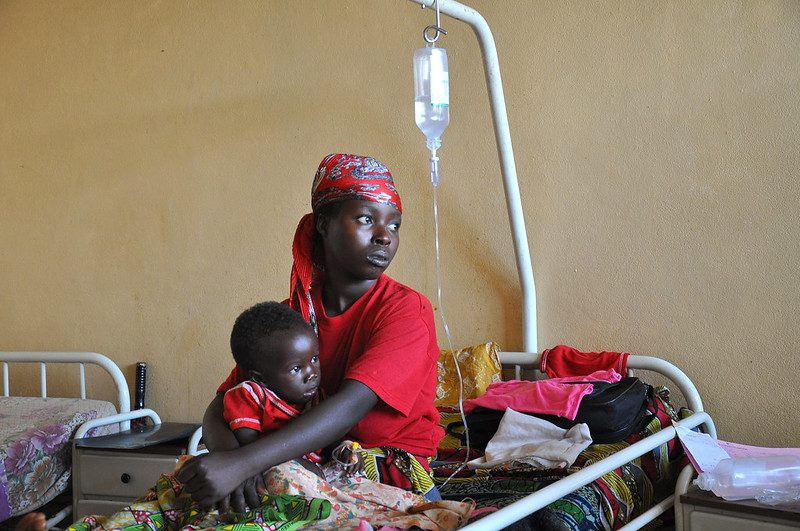
Burundi is a Central African nation, bordering the Democratic Republic of the Congo, Tanzania and Rwanda. Those living within the nation face a plethora of challenges from civil wars to disease and a general state of civil unrest. On top of this, Burundi‘s health care requires efforts to reduce the spread of disease and provide better care to those affected.

The State of Burundi’s Health Care

The fear of communicable diseases grew exponentially following the multiple Ebola outbreaks in the neighboring Democratic Republic of the Congo. This illuminated the glaring flaws in Burundi’s health care system and an overall lack of preparedness for such a potentially deadly epidemic.

USAID has stated that Burundi’s health care system faces a “lack of adequate infrastructure and human resources to meet urgent community health needs.” Although the inadequacies are plentiful and debilitating, with relentless efforts, some are providing hope by way of ingenuity in Burundi’s health care system

Malaria

There were reports of over 7 million malaria cases in Burundi within the first 10 months of 2019. This is roughly 64 percent higher than the total recorded cases for 2018. The cause of this spike is a subject of debate, with experts citing climate change and an unequipped health care system as possible culprits.

A protozoan parasite causes malaria. After a bite from an infected mosquito, the protozoan parasite invades the red blood cells. People infected with malaria often experience flu-like symptoms. In 2017, there were records of 219 million cases of malaria, along with approximately 435,000 deaths. The vast majority of these cases were in Africa.

Many Burundians have taken refuge from the malaria epidemic in neighboring Rwanda. Although advances in fighting the disease remain somewhat stagnant in Burundi, Rwanda is succeeding in limiting the outbreak. Rwanda began coating refugee camps and homes with indoor residual spray. Since then, Rwanda experienced 430,000 fewer cases after just one year utilizing this method. Burundi, with a similar socioeconomic state as Rwanda, leads many to believe these methods could be beneficial for great success in both countries.

Cholera

Beginning in June 2019, a cholera outbreak overcame the city of Bujumbura, the most densely populated city in Burundi. With over 1,000 cases recorded, this far exceeds the national yearly average of about 200 to 250.

Cholera is a highly contagious bacterial infection caused by coming into contact with fecal matter, which is commonplace in bodies of still water. The disease causes severe diarrhea, which almost inevitably leads to dehydration. It can progress exceptionally fast, necessitating medical care within hours of infection.

Even with cholera’s endemic level in the city of Bujumbura, there have been minimal deaths. This is in large part due to the development of three cholera treatment facilities within the area. Many of the medical facilities face the incapability of treating the disease. However, with minimal investment, the country could make drastic changes for the better.

Ebola

Although the Ebola outbreak in the Democratic Republic of the Congo has not moved into Burundi as of yet, the risk is high. This is largely due to the fact that many Burundians work and trade in the neighboring DRC. The border town of Gatumba, for instance, averages 6,000 border crossings every weekday and 3,000 border crossings on the weekends.

Ebola, a contagious virus, spreads through contact with bodily fluids (such as blood, urine, breast milk, semen and fecal matter). Ebola is classified as a hemorrhagic fever virus. This is due to the fact that Ebola causes issues with the clotting of blood. The issues with clotting often lead to blood leaking from blood vessels within the body, causing internal bleeding.

In an attempt to spread awareness, a fleet of vans equipped with speakers and filled with UNICEF workers are traveling around Burundi and educating on ways to prevent the spread of Ebola. Many of those living in Burundi are unaware that things such as proper hand-washing techniques can be the difference between life and death. Through education and increased communication within the community, many are optimistic regarding Burundi’s fight against the spread of Ebola.

Although Burundi faces much to overcome, through proper allocation of resources and help from an international audience, Burundi’s health care system can flourish, saving countless lives.

– Austin Brown
Photo: Flickr

December 8, 2019
https://borgenproject.org/wp-content/uploads/borgen-project-logo.svg 0 0 Lynsey Alexander https://borgenproject.org/wp-content/uploads/borgen-project-logo.svg Lynsey Alexander2019-12-08 01:30:552024-05-29 23:13:49Ingenuity in Burundi’s Health Care
Developing Countries, Development, Education, Global Poverty, Women and Female Empowerment

Malala Yousafzai Scholarship Act

Malala Yousafzai Scholarship Act
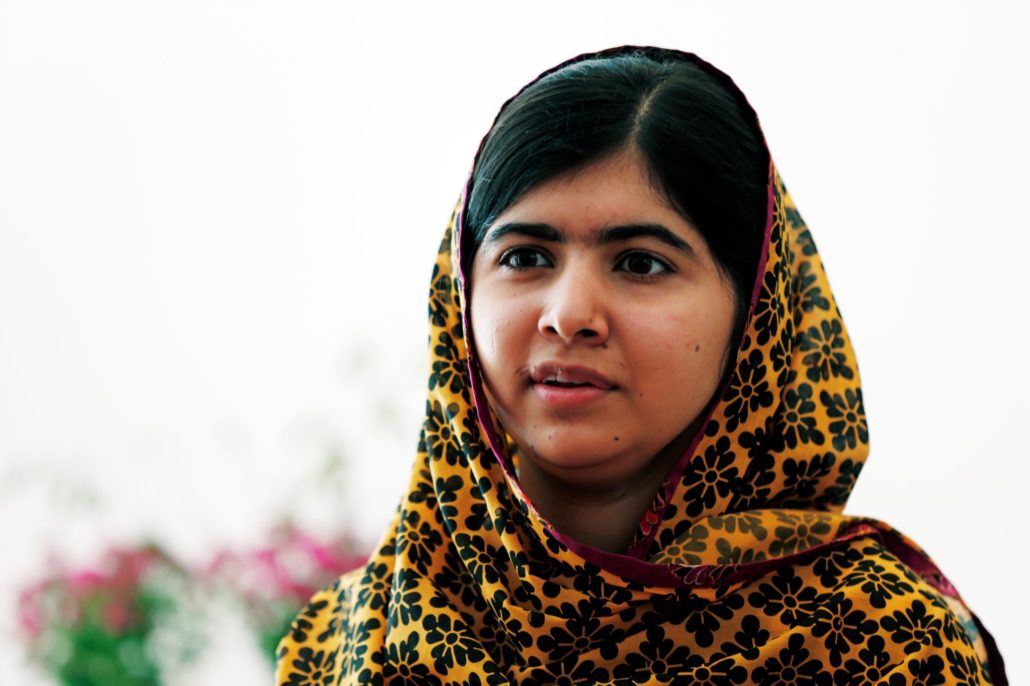
Malala Yousafzai is a Noble Peace Prize laureate. After surviving a Taliban encounter, she wrote the memoir, “I Am Malala.” She advocates for education and against discrimination.

On September 26, 2019, Hakeem Jeffries introduced the Malala Yousafzai Scholarship Act. Communities of Pakistan and the United States have aligned with Malala’s text, principles and initiatives while many support her opinions on terrorism and poverty. The Malala Yousafzai Scholarship Act intends to ensure that young adults and Pakistani students live without fear of discrimination, and can successfully garner an education.

The Malala Yousafzai Act

There are government programs that guide access to education throughout the diaspora communities of Pakistan. The Malala Yousafzai Scholarship Act is pushing for the United States Agency for International Development (USAID) to support education initiatives for all in Pakistan, but in particular, for women and children. In Pakistan, approximately 22.8 million children under 16 are not enrolled in school. There is a significant gender disparity too as boys tend to outnumber girls.

This is the main reason for the Malala Yousafzai Act and Congress intends to uphold the very nature of equality. The purpose of the bill is to enhance opportunities for women to obtain a scholarship. If the bill passes, USAID will leverage the number of scholarships available to women in Pakistan.

Rurally, Pakistani women face many obstacles. The development of health, nutrition and the overall labor force is a determinant in the education of women. Issues such as early marriage, transportation and societal pressures as housewives prevent women from enrolling in higher education. The World Bank states, “The benefits of education go beyond higher productivity for 50 percent of the population. More educated women also tend to be healthier, participate more in the formal labor market, earn more income, have fewer children, and provide better health care and education to their children, all of which eventually improve the well-being of all individuals and lift households out of poverty.”

The Malala Yousafzai Act continues to mitigate discrimination and gender inequality. Malala Yousafzai frequently discusses the war on terrorism and how violence is a harsh reality for the vast majority of Pakistani women. These women continue to face seclusion and exclusion on the basis of patriarchy. Terrorists actively threaten girls and women to remove them from advancement opportunities in higher education and the public sphere.

Conclusion

For her 16th birthday, at the United General Assembly, Malala said, “So let us wage a glorious struggle against illiteracy, poverty, and terrorism. Let us pick up our books and our pens. They are the most powerful weapons. One child, one teacher, one book, and one pen can change the world. Education is the only solution.”

Currently, Malala is a student at the University of Oxford. She is studying politics, economics and philosophy. She continues to engage with women from across the globe, inspiring emerging adults to voice opinions. Anyone can make a direct impact by sending an email to Congress via The Borgen Project. For more information on how to advocate for the bill, visit here.

– Zach Erlanger
Photo: Flickr

December 3, 2019
https://borgenproject.org/wp-content/uploads/borgen-project-logo.svg 0 0 Lynsey Alexander https://borgenproject.org/wp-content/uploads/borgen-project-logo.svg Lynsey Alexander2019-12-03 07:30:012019-11-29 14:39:21Malala Yousafzai Scholarship Act
Education, Global Poverty

8 Facts About Education in Uganda

Eight Facts About Education in Uganda

Uganda has seen significant improvements in enrollment of children in primary school over the years. As one of the youngest countries in the world with one of the fastest-growing populations, the country must work even harder to continuously improve education as a means to ensure the productivity of its increasing youth population and help reduce poverty levels. Below are eight facts about education in Uganda that show where the country stands and what more it can do to improve.

8 Facts About Education in Uganda

  1. Uganda’s Education System: The first of the eight facts about education in Uganda is that the country organizes its education into three different school levels, totaling seven years. These include primary school followed by secondary school, which is sectioned into two levels – the first lasting four years, followed by another two years. Finally, people attend post-secondary education, which lasts from three to five years.
  2. Universal Primary Education (UPE): In 1997, the Ugandan government introduced Universal Primary Education (UPE). This means that the government pays the tuition fees of all orphans in the country as well as the fees of up to four children per family. After the introduction of UPE, the number of students tripled between 1997 and 2014, from 2.63 million children to more than 7.6 million children. In 2007, the government rolled out a Universal Secondary Education (USE) program to help children continue their education.
  3. Uganda’s Literacy Rate: Estimates determined that the literacy rate in Uganda was 78.4 percent in 2015 with 85.3 percent of males being literate and 71.5 percent of females being literate. One can explain the lower rate of female literacy by the fact that about 52 percent of girls drop out at the primary school level either because of pregnancy or marriage. Local organizations, including GirlUp Initiative Uganda, are playing an important role in ensuring that girls get a chance to receive an education.
  4. School Completion Rates: While the enrollment rates of students shot up after the introduction of UPE, the number of students completing school is not as high. Only one in four students who start primary school make it to secondary school. Some factors that explain these high dropout rates include lack of school fees and money to buy important materials like uniforms, stationery and textbooks, violence in the form of caning and other corporal punishments and sexual abuse, with almost 24 percent of students experiencing sexual abuse in school.
  5. Disabled Children: Children with disabilities often receive neglect when it comes to education in Uganda. According to UNICEF, only 9 percent of children with disabilities enrolled in school from the pre-primary to secondary level. The exclusion of these children from formal schools could be because of the lack of accessible facilities as well as a shortage of special needs teachers. Organizations such as Cheshire Services Uganda are working at bridging the learning gap for students with disabilities.
  6. Teacher Absenteeism: Teacher absenteeism is high. About 60 percent of teachers in nearly half of Uganda’s public schools are not in class when they need to be. This is because of poor, inadequate facilities and overworked and demotivated teachers. Classrooms in Uganda often have up to 100 students.
  7. Uganda’s Education Investments: Education expenditure as a share of the national budget in Uganda is around 10 percent. This is significantly lower than the average for Sub-Saharan Africa, which is 16 percent. By increasing its investment in education, the government can improve the productivity of its citizens and help lower the poverty levels in the country.
  8. Improving Ugandan Education: Several organizations are working with the government to improve education in Uganda. Examples include USAID, UNICEF and the Global Partnership for Education (GPE). Organizations like these are working to enforce gender equity in schools, improve access and completion rates at the various levels of learning, increase literacy and improve early childhood development and adolescent development. The government also builds 15,000 primary school classrooms each year to accommodate any additional students.

These eight facts about education in Uganda highlight the urgent need to ensure that education in Uganda continues to improve in terms of both quality and access. The government’s and other humanitarian organizations’ efforts will help Uganda reduce poverty as well as significantly improve the lives of its citizens.

– Sophia Wanyonyi
Photo: Wikimedia Commons

November 29, 2019
https://borgenproject.org/wp-content/uploads/borgen-project-logo.svg 0 0 Kim Thelwell https://borgenproject.org/wp-content/uploads/borgen-project-logo.svg Kim Thelwell2019-11-29 12:05:272024-05-29 23:13:498 Facts About Education in Uganda
Education

Preserving Traditional Cham Script

Traditional Cham Script
Vietnam is a multiethnic state, home to a myriad of indigenous peoples in addition to the dominant Vietnamese (or Kinh) ethnic group. Centuries of conflict and cooperation, from Han Chinese domination, Vietnamese southward imperial expansion, Mongol invasions, French conquest and American intervention, molded the complex dynamics between these various groups. The Cham, inheritors of an ancient civilization with a culture and language all their own, are one of the unique groups of people within Vietnam.

The Marginalization of a Culture

Now diminished to a small minority in their central Vietnamese homeland, with much of the population diasporic, the Cham people seek preservation of their unique culture. Their cultural heritage includes their traditional script, an integral aspect of their cultural heritage and their link to the wider Indian Ocean sphere. The Eastern Cham, residing along the coast of present-day central Vietnam, preserved the traditional Brahmic alphasyllabary-based Cham script despite centuries of foreign domination. Unfortunately, decades of pedagogy neglected the classic script in favor of a simplified but less logical, modified one. However, efforts are underway to ensure the predominance of the traditional Cham script through digital means.

While the annexation of the northern Cham lands by Nguyen Vietnam in 1471 diminished Champa’s sovereignty, Cham culture persisted in the still unconquered regions to the south. Po Rome, a 17th century King of Champa, established a uniform version of Cham script. Originally developed for bureaucratic communications, the traditional script came into regular use in the everyday lives of the Cham people, particularly the Western Cham of present-day Vietnam.

Opponents of a Modified Script

Now, modified Cham script in educational institutions threatens the survival of the former script. Though both traditional and modified Cham scripts derive from the Brahmic alphasyllabary, the modified form introduces characters not present in the traditional script, creating substantial differences between the two. The Cham Textbook Compiling Committee, the organization responsible for developing the modified Cham script, seeks to improve primary school education through the use of the script, but in doing so precipitates pedagogical neglect of the traditional Cham script. Standing athwart the Cham Textbook Compiling Committee’s preference for the modified Cham script is a cross-section of the Western Cham, ranging from elders to students and intellectuals.

Opponents of the modified script’s ascendancy over the traditional script insist that favoring the former and marginalizing the latter will hinder the transmission of Cham customs and values from the older to younger generations. In turn, assimilation of the Cham minority into the hegemonic Vietnamese majority will accelerate. Defenders of the traditional script fear that loss of the traditional script may lead to the physical destruction of precious historical documents, as functional illiteracy will plague students taught the modified script. Moreover, traditional script proponents emphasize that the traditional script is more stable when one compares it to the less rule-bound character of the modified script. Continued relegation of the traditional script will compromise the Cham cultural identity and sever the people’s links with its history, all while replacing a rational system with an arbitrary one. Yet cause for optimism exists, thanks to multinational initiatives aimed at restoring the traditional Cham script’s predominance through the script’s integration into digital interfaces.

Digitizing the Traditional Cham Script

The USAID-backed SPICE program, with the company BREOGAN, made significant strides in promoting the use of the traditional Cham script in Cambodia through the development of digital technology. This initiative emerged from a policy seeking to secure at-risk languages by providing an easily-accessible online communications medium. In the case of Eastern Cham, the SPICE program designed a downloadable keyboard based on the traditional script, resolving the failure of earlier systems to reproduce all Cham phonemes with success.

With the increasing prevalence of online communication, even in more remote parts of the world, the creation of a digital access medium in an accurate rendering of the traditional Cham script will, through continual use, encourage greater use of it. The language’s classic script could undergo a revival and replace the modified script that dominates Cham schools in Vietnam. An open-access license for the font and keyboard further facilitates the SPICE program’s mission to revive the traditional script.

USAID is not alone in its efforts to restore the use of traditional script to daily Cham life. In 2015, the Faculty of Education of the Universiti Teknologi Malaysia, in Johor Bahru, Malaysia, designed a process to convert Cham in Latin script to traditional Cham script with minimal errors. Although traditional script fonts already exist in Vietnam, flaws beset these fonts. Moreover, before the completion of this study, no process existed in Vietnam to convert Cham Latin font to traditional Cham script font. The digital font conversion that the Universiti Teknologi Malaysia team developed accounts for the intricacies of vocabulary, grammar and semantics in traditional Cham script. Testing the accuracy of the process by converting the fonts of three poems, the study’s authors found 100 percent accuracy for two poems and 99.88 percent accuracy for the last. Many expect that the study will vastly improve the odds of traditional script preservation.

Developing methods that facilitate accurate online communication in the traditional Cham script promises to undo decades of the script’s marginalization. The future of the Cham people and their culture lies with their ability to communicate across the diaspora in their ancestral language. Before, the use of a modified script limited the exposure of the Cham youth to their written language. Now more opportunities exist for the younger generations to internalize the traditional written language. This progress will ensure that the link to their ancient cultural heritage lives on.

– Philip Daniel Glass
Photo: Flickr

November 25, 2019
https://borgenproject.org/wp-content/uploads/borgen-project-logo.svg 0 0 Lynsey Alexander https://borgenproject.org/wp-content/uploads/borgen-project-logo.svg Lynsey Alexander2019-11-25 11:30:352024-05-29 23:13:24Preserving Traditional Cham Script
Page 52 of 92«‹5051525354›»

Get Smarter

  • Global Poverty 101
  • Global Poverty… The Good News
  • Global Poverty & U.S. Jobs
  • Global Poverty and National Security
  • Innovative Solutions to Poverty
  • Global Poverty & Aid FAQ’s
Search Search

Take Action

  • Call Congress
  • Email Congress
  • Donate
  • 30 Ways to Help
  • Volunteer Ops
  • Internships
  • Courses & Certificates
  • The Podcast
Borgen Project

“The Borgen Project is an incredible nonprofit organization that is addressing poverty and hunger and working towards ending them.”

-The Huffington Post

Inside The Borgen Project

  • Contact
  • About
  • Financials
  • President
  • Board of Directors
  • Board of Advisors

International Links

  • UK Email Parliament
  • UK Donate
  • Canada Email Parliament

Get Smarter

  • Global Poverty 101
  • Global Poverty… The Good News
  • Global Poverty & U.S. Jobs
  • Global Poverty and National Security
  • Innovative Solutions to Poverty
  • Global Poverty & Aid FAQ’s

Ways to Help

  • Call Congress
  • Email Congress
  • Donate
  • 30 Ways to Help
  • Volunteer Ops
  • Internships
  • Courses & Certificates
  • The Podcast
Scroll to top Scroll to top Scroll to top